Hit enter to search or ESC to close

In the world of drywall installation and finishing, few components play as critical a role as the metal corner bead for drywall. This unassuming yet vital element serves as the backbone for crisp, durable corners in both residential and commercial construction. Corner beads for drywall provide structural reinforcement, impact resistance, and a guide for creating perfectly straight edges where walls meet.
The evolution of metal corner for drywall has paralleled advancements in drywall technology itself. From early plaster and lath construction to modern gypsum board systems, the need for durable corner protection has remained constant. Today's metal inside corners for drywall represent the culmination of decades of refinement in materials and design, offering installers reliable performance and superior finished results.
Structural Integrity
At its core, the corner metal for drywall serves as a reinforcement system for the most vulnerable parts of drywall installations. The 90-degree intersections where drywall panels meet are naturally prone to damage from everyday impacts – furniture bumps, cart collisions in commercial spaces, or simply the wear and tear of high-traffic areas. The metal corner bead for drywall acts as an armored exoskeleton, absorbing and distributing these forces to prevent cracks and dents in the drywall itself.
Precision Edge Creation
Beyond protection, corner beads for drywall serve an equally important function as a guide for creating geometrically perfect corners. Drywall mud application requires a straight reference edge to achieve professional-quality results. The rigid metal inside corners for drywall provide this essential template, allowing finishers to create sharp, consistent angles throughout a space.
Moisture and Fire Protection
High-quality metal for drywall corners offers secondary benefits that aren't immediately apparent. Galvanized steel versions provide moisture resistance crucial in humid environments, while all metal variants contribute to fire-resistant assemblies by maintaining structural integrity at higher temperatures than plastic alternatives.
Standard Metal Corner Bead
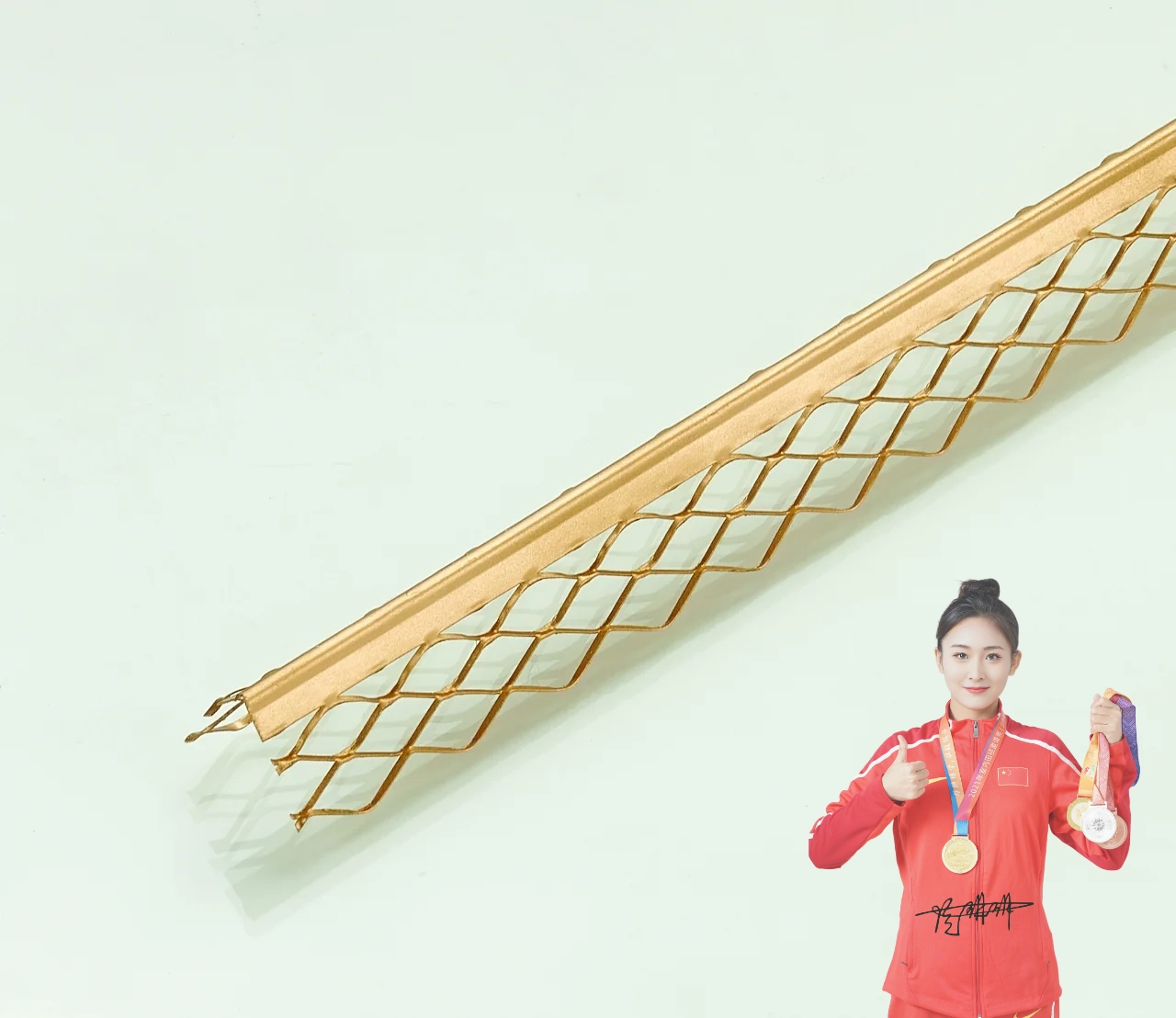
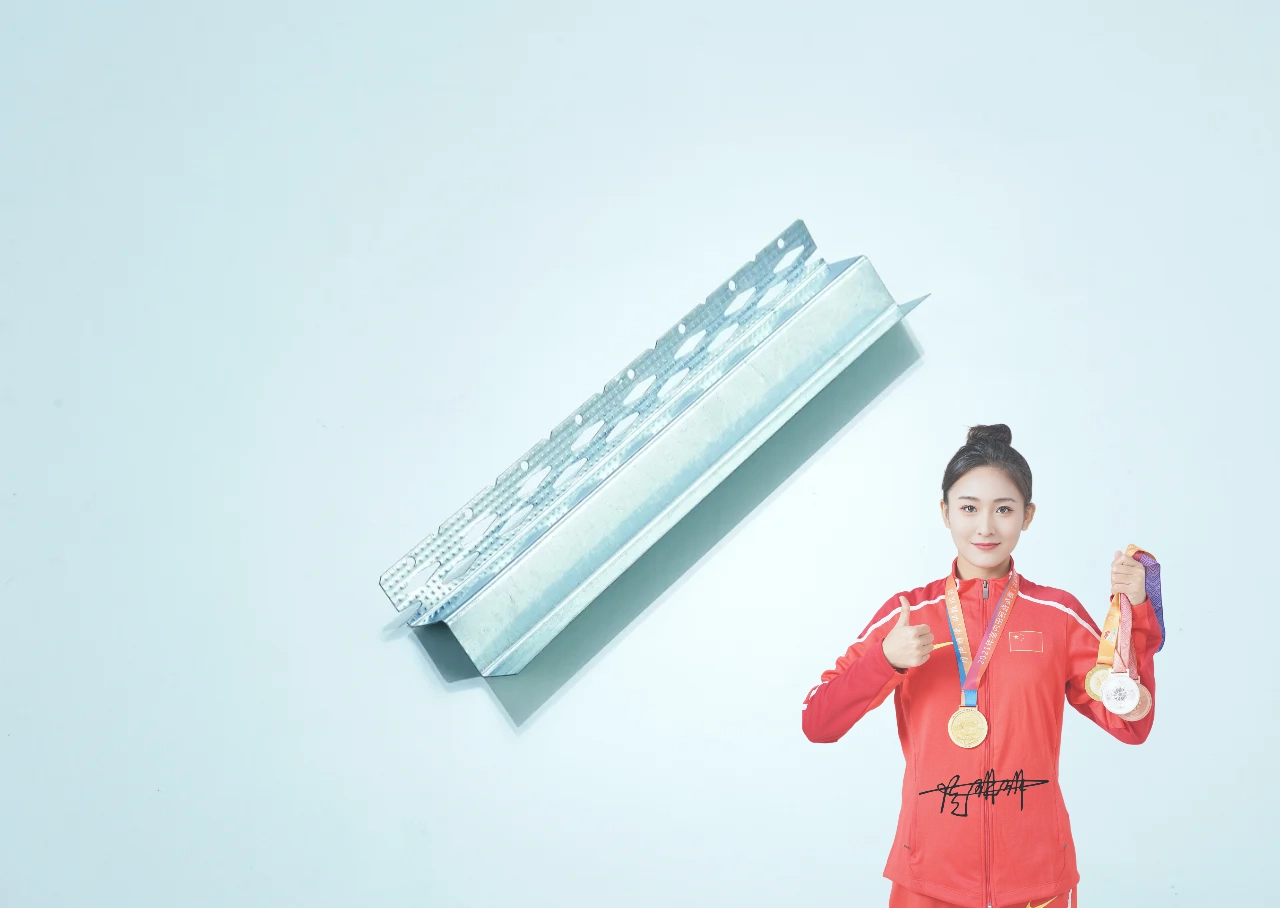
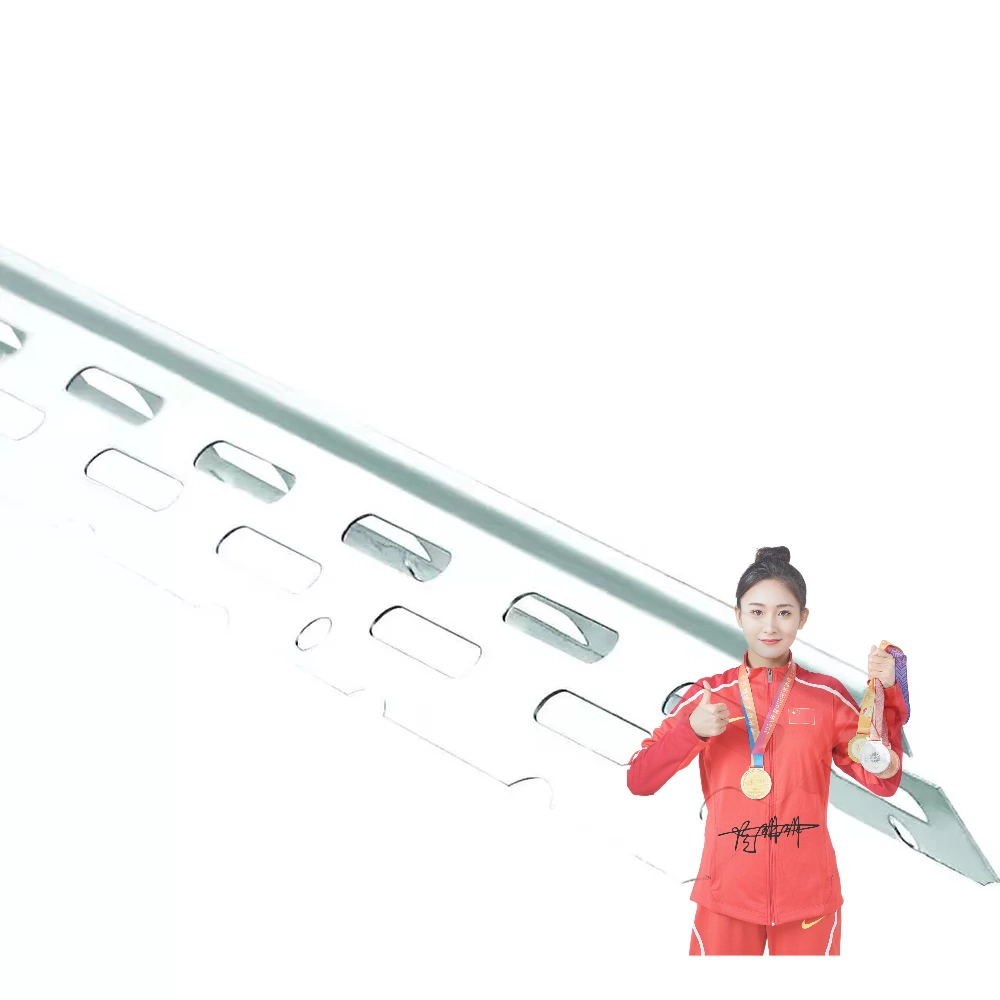
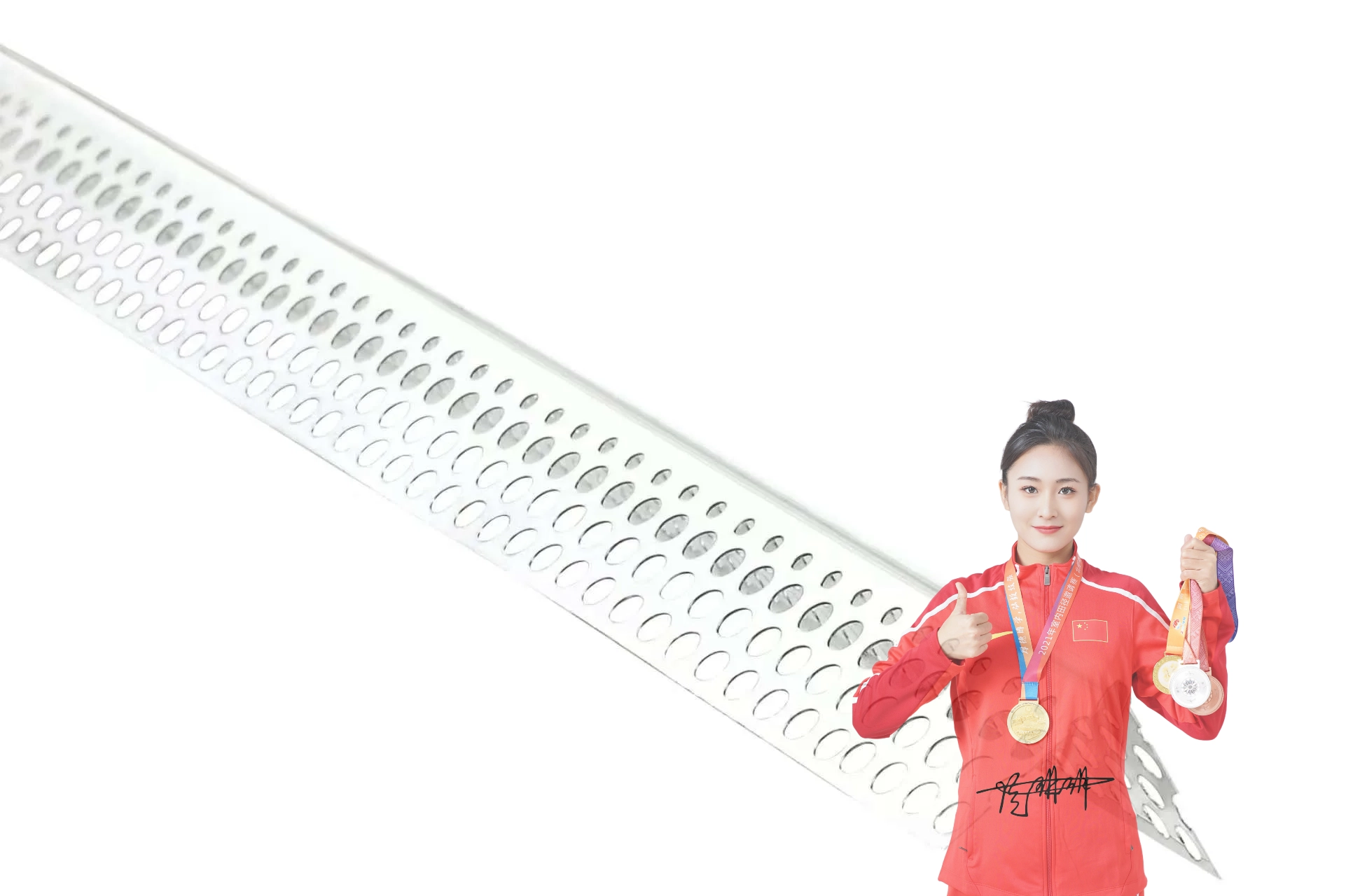
The most common metal corner for drywall features a 90-degree angled profile with perforated flanges. Typically manufactured from galvanized steel, this workhorse of the industry combines affordability with reliable performance. The perforations in the flanges allow joint compound to mechanically lock the bead in place, creating a permanent bond.
Vinyl-Coated Metal Beads
An innovation that combines the strength of metal with enhanced workability, vinyl-coated corner metal for drywall features a plastic layer over the metal substrate. This coating provides several advantages: improved adhesion for joint compounds, reduced likelihood of cracking at the mud-to-bead interface, and enhanced resistance to corrosion in humid environments.
Flexible Metal Options
For curved walls or arched openings, flexible metal inside corners for drywall solve what would otherwise be a significant challenge. These specialized beads use thinner gauge metals or unique scoring patterns that allow bending while maintaining the protective qualities of standard beads.
L-Shaped and Specialty Profiles
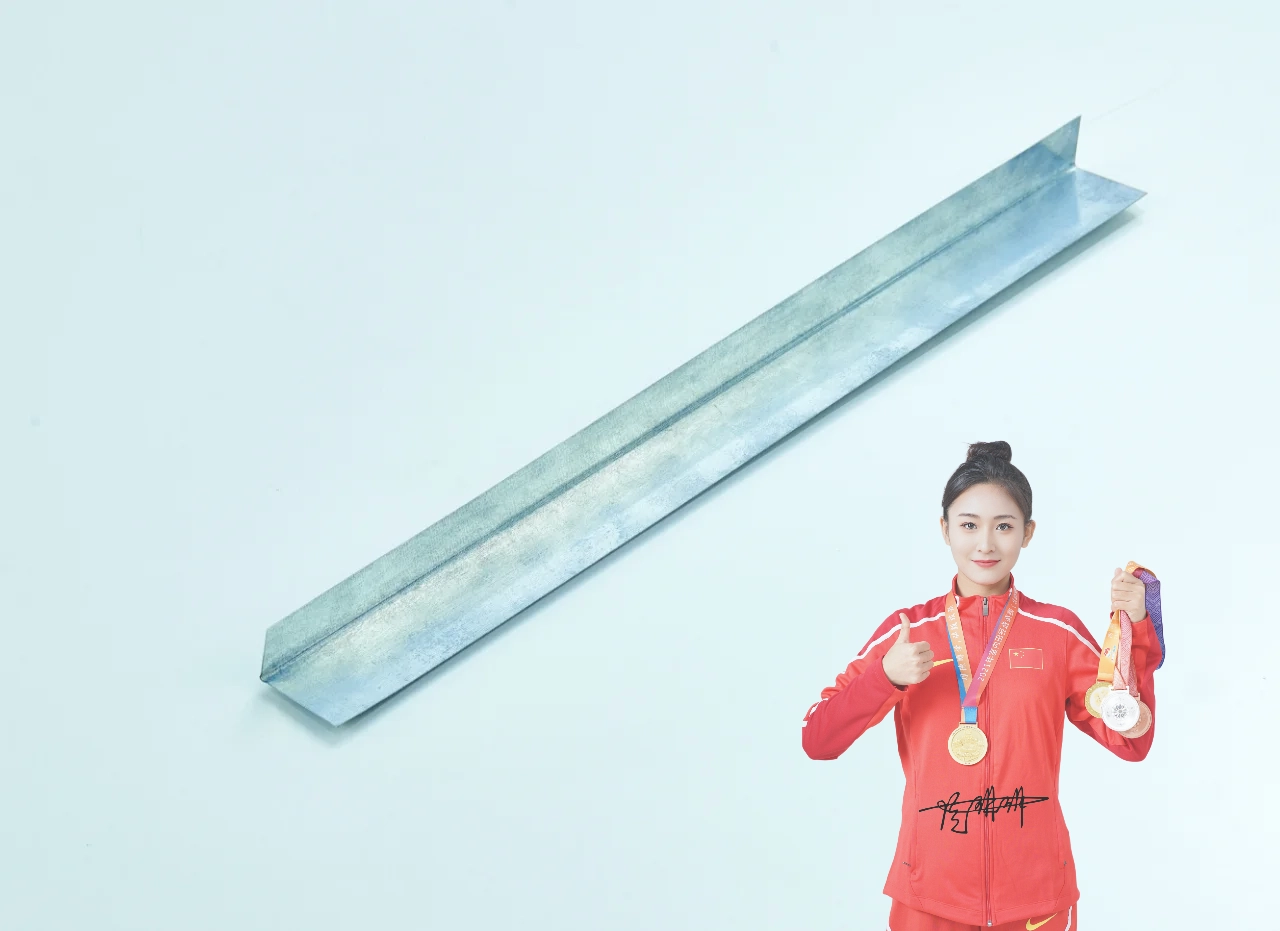
Certain applications demand customized solutions. Bullnose metal corner bead for drywall creates rounded edges for a softer aesthetic, while J-bead variants handle panel terminations. L-shaped profiles reinforce external corners differently than standard beads, often providing additional impact resistance.
Versus Plastic Beads
While plastic corner beads have gained some market share, metal corner bead for drywall maintains several superior qualities:
Higher impact resistance
Greater dimensional stability in temperature fluctuations
Better fire performance
Longer lifespan in high-traffic areas
Versus Paper-Faced Beads
Paper-faced products offer easier installation but can't match corner metal for drywall in:
Structural reinforcement capacity
Moisture resistance
Resistance to mold growth
Long-term durability
Load-Bearing Characteristics
The metal for drywall corners contributes to overall wall system performance in ways that affect engineering calculations:
Added moment resistance at corners
Improved racking resistance in shear wall applications
Enhanced durability in seismic zones
Fire Rating Contributions
In rated assemblies, the metal corner for drywall plays a role in maintaining compartmentalization during fire events. Metal beads:
Don't contribute to flame spread
Maintain integrity at higher temperatures than plastic
Help preserve the continuity of fire-resistant membranes
Moisture and Mold Considerations
Properly specified metal inside corners for drywall supports healthy indoor environments by:
Resisting moisture penetration better than organic materials
Providing inorganic surfaces that don't support mold growth
Maintaining integrity in high-humidity conditions
Preventing and Repairing Corner Cracks
Even with metal corner bead for drywall, improper installation can lead to cracking. Solutions include:
Ensuring adequate fastener spacing
Using proper joint compound sequencing
Addressing underlying framing movement
Achieving Perfectly Straight Corners
Techniques for optimizing corner beads for drywall alignment:
Laser level verification during installation
Strategic shimming behind beads when needed
Proper mud application to compensate for minor imperfections
Avoiding Surface Imperfections
Common finishing issues with metal for drywall corners and their remedies:
Preventing "nail pops" through proper fastener selection
Avoiding "shadowing" through consistent mud thickness
Eliminating "feather edge" visibility with proper sanding
The metal corner bead for drywall remains an indispensable component in modern construction, combining time-tested performance with ongoing innovation. From basic residential applications to demanding commercial environments, corner beads for drywall provide the essential link between structural necessity and aesthetic perfection.
As building technologies advance, the fundamental advantages of metal for drywall corners - durability, precision, and reliability – ensure their continued prominence in quality construction. Understanding the nuances of metal corner for drywall selection and installation empowers professionals to achieve results that stand the test of time, maintaining beautiful, functional spaces for decades.
The next generation of metal inside corners for drywall will undoubtedly build upon this strong foundation, incorporating new materials and methods while preserving the core attributes that make metal corner beads the professional's choice for superior drywall finishing.