Understanding Different Types of Drywall Corner Bead: Essential Insights
Drywall corner beads might sound like a niche, even trivial element of construction, but these little strips are vital to achieving strong, straight, and lasting drywall corners. Worldwide, the demand for durable, cost-effective, and easy-to-install corner beads grows alongside rising urbanization and infrastructure development. Understanding the different types of drywall corner bead isn’t just a detail for contractors—it directly affects building quality, safety, and finish, especially in environments where conditions challenge materials.
For anyone involved in construction, renovation, or even disaster relief housing projects, knowing the options and how each performs can make the difference between a job well done and costly future repairs.
Introduction: Global Context and Why It Matters
Globally, the construction market is projected to surpass $15 trillion by 2030, according to the World Bank, with a significant chunk of this being residential and commercial drywall installations. Drywall corner beads represent a small but crucial ingredient in this massive pot. Oddly enough, the world relies on these components just as much as on steel beams or insulation materials, because corners tend to be the first places to show wear, dents, or cracks.
Many regions, especially those prone to seismic activity or extreme weather conditions, face challenges ensuring drywall corners stay intact long term. Hence, choosing the right corner bead — one that balances cost, durability, and installation ease — is a problem that keeps evolving as new materials and technologies emerge.
What Are Different Types of Drywall Corner Bead?
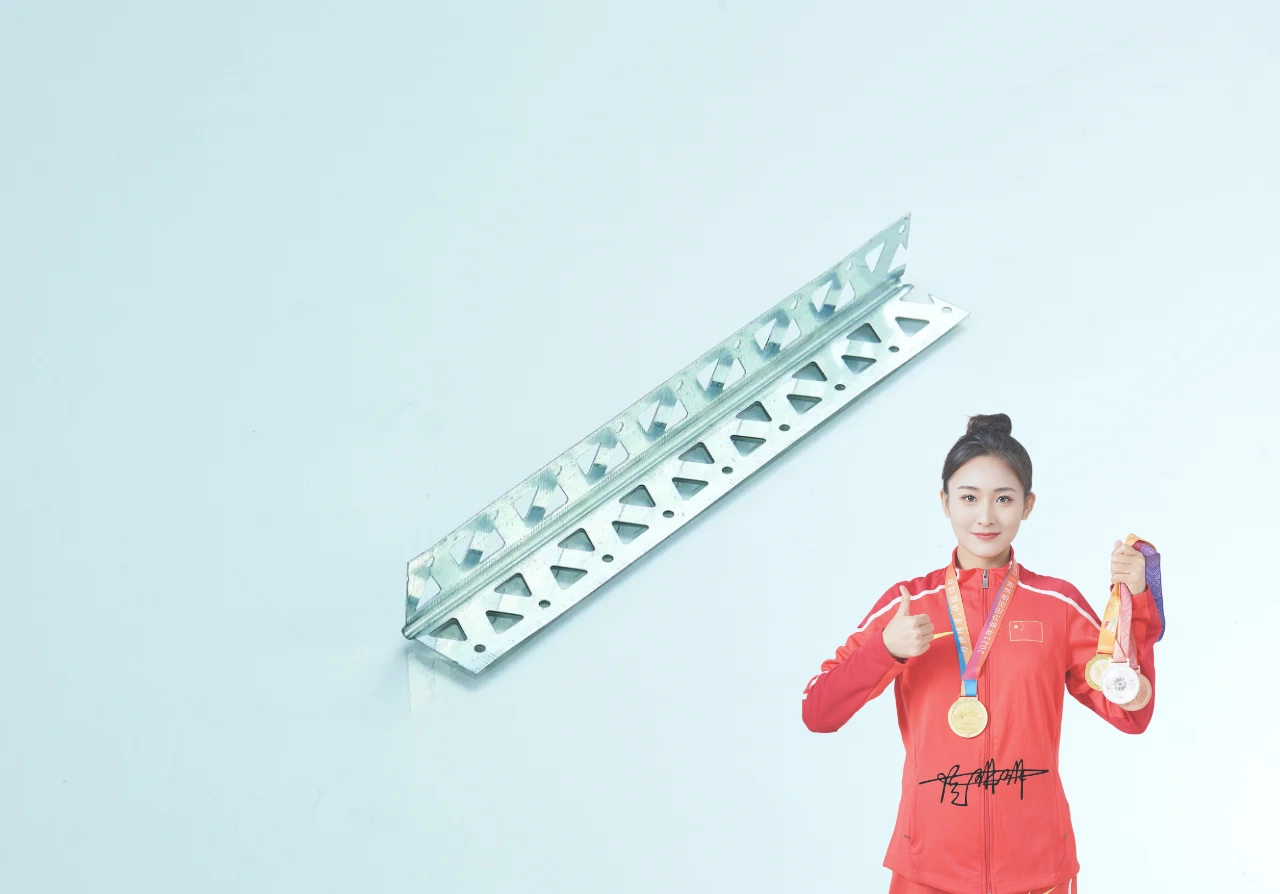
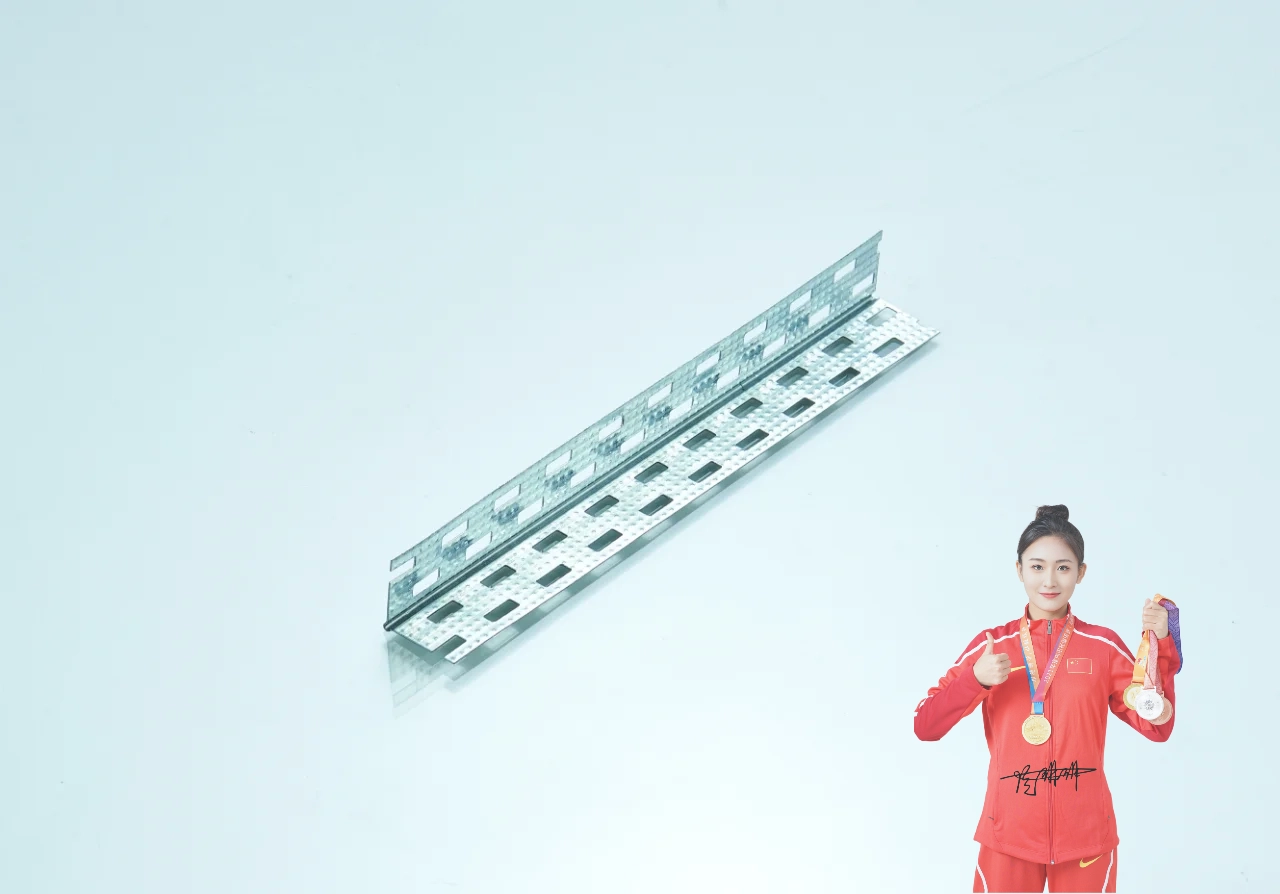
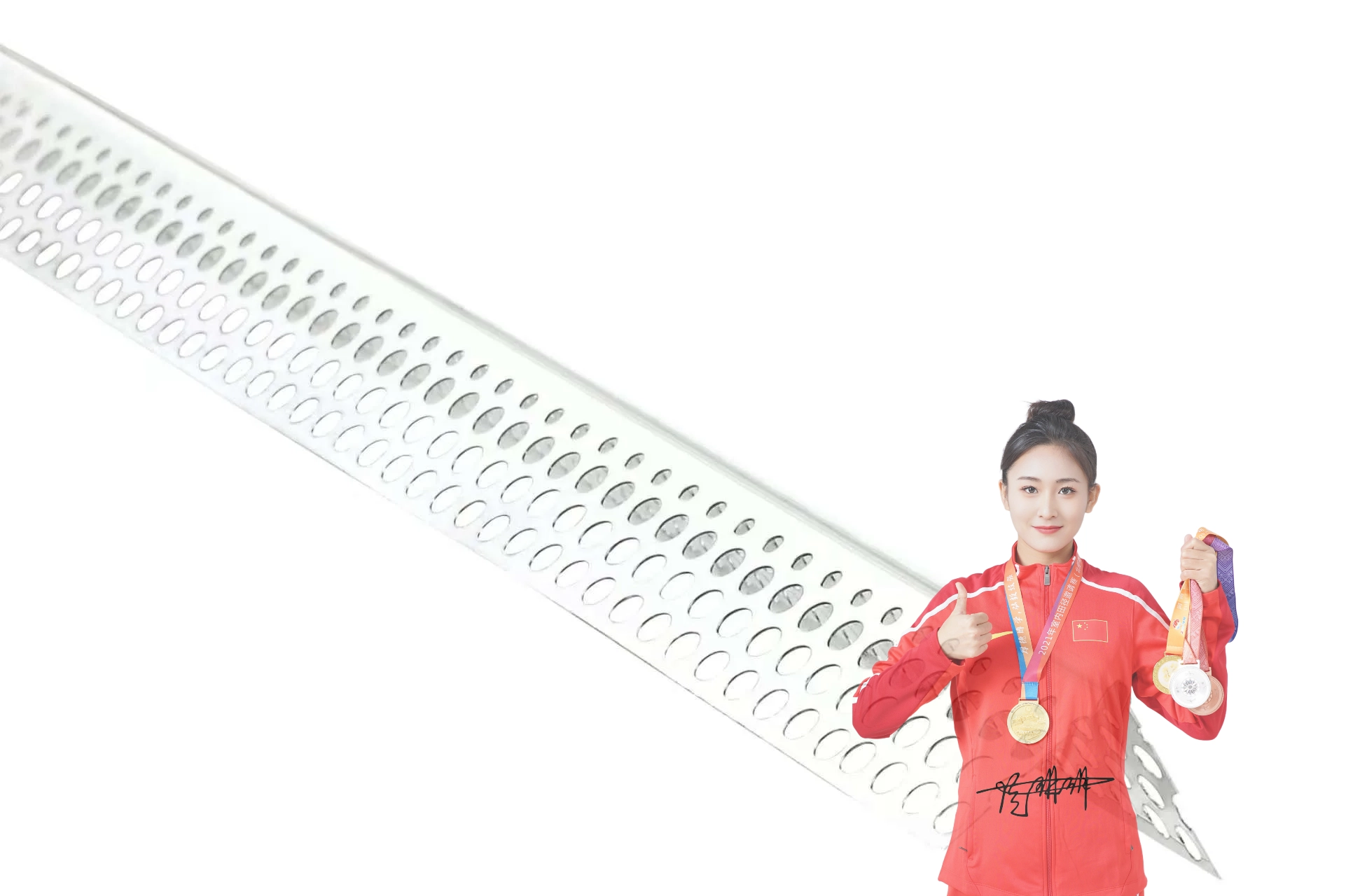
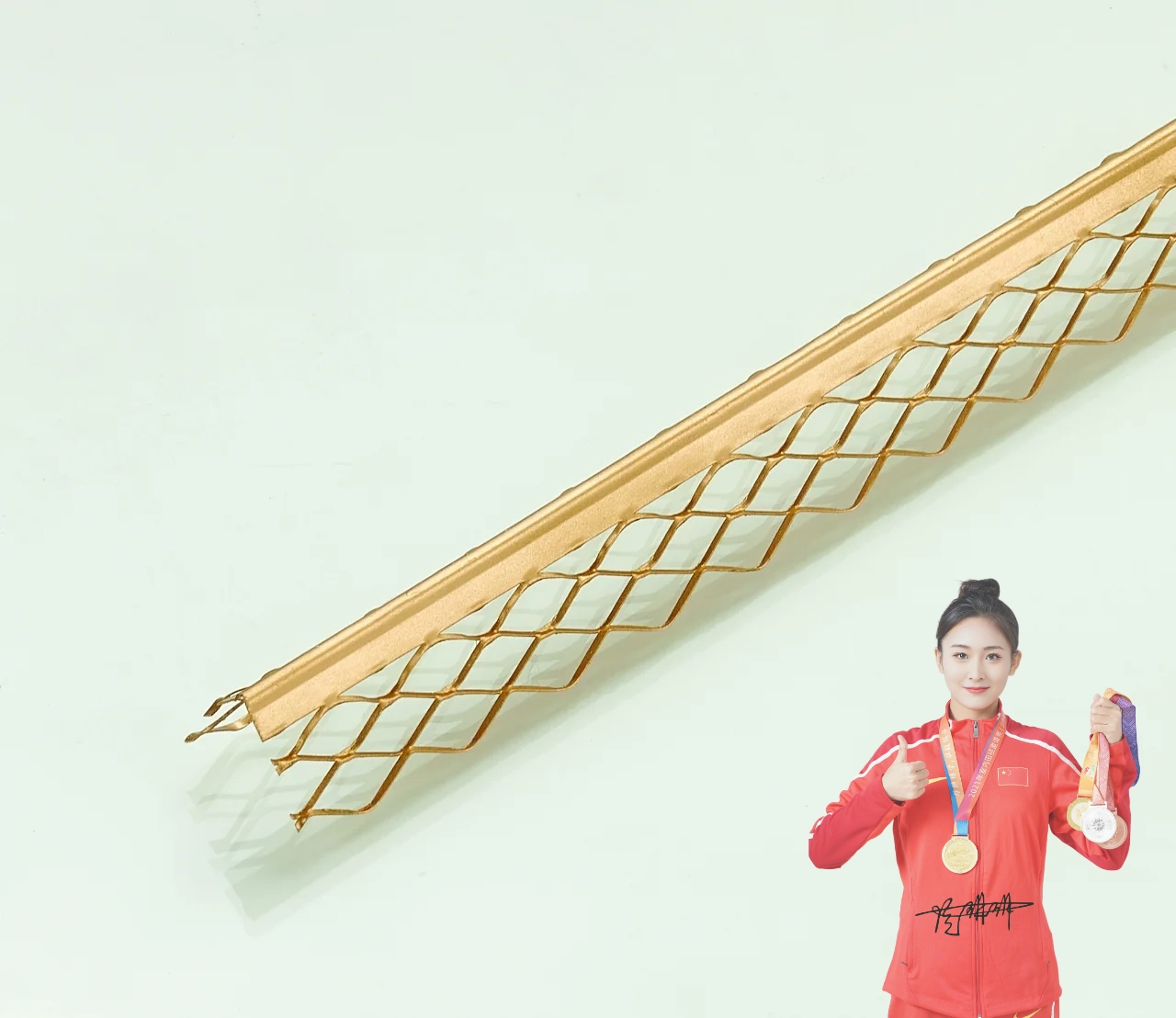
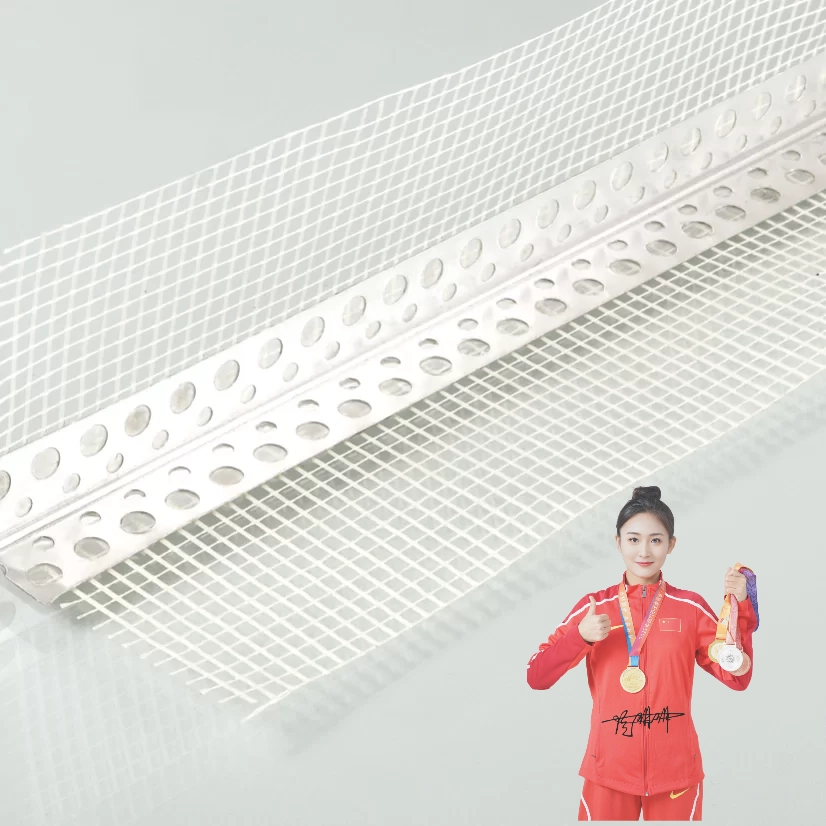
Simply put, drywall corner beads are strips that reinforce the external corners where two sheets of drywall meet. They provide a straight edge and protect the vulnerable drywall paper and plaster beneath from damage. There are different types of drywall corner bead, each designed with various materials and profiles to meet specific installation and performance needs.
This range reflects the industry’s adaptation to modern construction demands and even to humanitarian efforts where fast, durable shelter construction is necessary — think of refugee camps or post-disaster rebuilding.
Key Characteristics of Drywall Corner Bead
1. Material Composition
Corner beads may be made from galvanized steel, vinyl, paper-faced metal, or even stainless steel. Steel beads offer excellent strength but may rust if not properly treated, while vinyl provides excellent corrosion resistance and flexibility. Paper-faced beads integrate better with drywall compound for a smooth finish.
2. Durability
Durability ties tightly with materials. For heavy-traffic areas or industrial settings, metal beads are preferred due to their resilience. In humid or corrosive environments, vinyl and stainless steel come out on top.
3. Installation and Handling
Some beads snap on easily, others require nails or screws, affecting labor time and skill. Paper-faced beads usually need embedding in joint compound, offering a seamless look but requiring more finesse.
4. Cost Efficiency
As always, budget affects choices. Vinyl beads often balance affordability with durability, while stainless steel is pricier but essential where longevity is critical.
5. Aesthetic & Finish
Paper-faced beads produce the smoothest finish because the paper wraps over the metal, making them popular for high-end residential projects.
6. Environmental Impact
Recycled materials and sustainable manufacturing processes are increasingly relevant. Vinyl beads often contain recycled material; steel beads can be recycled post-use, lowering environmental footprints.
Product Specification Table of Common Drywall Corner Bead Types
| Type |
Material |
Installation Method |
Durability |
Cost Range (USD/100 ft) |
| Galvanized Steel |
Steel with zinc coating |
Nail/Screw or Adhesive |
High |
$25 – $40 |
| Vinyl |
PVC Plastic |
Adhesive or Nail |
Medium-High |
$20 – $35 |
| Paper-Faced Metal |
Galvanized Steel + Paper |
Embedding in Compound |
High |
$30 – $50 |
| Stainless Steel |
Stainless Steel |
Nail/Screw |
Very High |
$45 – $70 |
Global Applications and Use Cases
In places like Southeast Asia and Central America, where rapid urban development collides with frequent weather-related challenges, drywall corner beads help reinforce structures economically. Post-disaster relief housing projects often rely on vinyl beads for their corrosion resistance and ease of installation, allowing quick shelter assembly with fewer skilled laborers needed.
Industrial zones with harsh chemicals or high humidity demand stainless steel corner beads, avoiding rust and ensuring workplace safety. Meanwhile, luxury housing often opts for paper-faced metal options due to their superior finish quality.
It’s fascinating how a simple product adapts across such diverse scenarios, from small renovations in Europe’s cold climates to emergency shelters in Africa’s hot zones.
Vendor Comparison Table: Drywall Corner Bead Manufacturers
| Vendor |
Product Range |
Price Competitiveness |
Global Shipping |
Sustainability Efforts |
| CornerBeadCo |
Wide: All materials |
Moderate |
Yes (30+ countries) |
Yes (Recycled steel) |
| VinylBead Inc. |
Focused on vinyl products |
Low |
Limited (Mainly USA & Canada) |
Yes (PVC recycling) |
| SteelEdge Tools |
Specialized in metal beads |
Higher |
Worldwide |
Limited |
Advantages & Long-Term Value of Drywall Corner Beads
When you pick the right type of corner bead, you’re investing in more than just a clean corner. You’re enhancing building safety by preventing cracks that could compromise structural drywall elements. That’s peace of mind for any building owner. Vinyl and stainless steel beads offer sustainability and corrosion resistance, providing a longer lifespan and decreased maintenance costs. On the emotional side, a smooth, perfect finish elevates the interior’s aesthetic appeal—boosting occupant satisfaction and property value.
In humanitarian terms, durable drywall corners mean shelters can stand up better to harsh conditions, preserving dignity and safety for displaced families. An often-overlooked benefit, but absolutely critical.
Future Trends & Innovations
Eco-conscious production is shaping the corner bead market. Expect more products made from recycled steel and bio-based plastics. Also, digital integration could help: imagine smart beads embedded with sensors to monitor wall integrity or humidity levels. Automation in installation is starting to take hold, saving time and reducing human error.
Furthermore, construction codes influenced by ISO standards are pushing for higher durability and environmental compliance, nudging manufacturers toward innovation.
Challenges & Solutions in Current Use
One persistent challenge is ensuring compatibility between different corner beads and drywall compounds, sometimes causing cracking or adhesion failures. Also, metal beads require careful handling to avoid rust or sharp edges.
To solve this, manufacturers provide detailed installation guidelines, and newer alloy blends or coatings can improve corrosion resistance. In training, some companies offer virtual or on-site workshops to help workers learn proper techniques.
Frequently Asked Questions About Different Types of Drywall Corner Bead
- Q: Which type of drywall corner bead is best for high-moisture areas?
A: Vinyl and stainless steel drywall corner beads are most suitable for moisture-prone areas because they resist rust and rot, unlike galvanized steel which can corrode over time if exposed to water.
- Q: Can I install paper-faced corner beads myself?
A: Yes, but it requires some skill. You need to embed the bead with drywall compound and feather the edges carefully for a smooth finish. DIYers should watch tutorials or consider professional help to ensure a quality appearance.
- Q: Are vinyl corner beads more flexible than metal ones?
A: Vinyl is inherently more flexible than metal, making it easier to install on slightly curved surfaces or imperfect corners, increasing its versatility in certain projects.
- Q: How do costs compare among different corner bead materials?
A: Generally, vinyl beads are the most cost-effective, followed by galvanized steel, with stainless steel being the most expensive due to its superior durability and corrosion resistance.
- Q: How can I ensure sustainable drywall corner bead choices?
A: Look for manufacturers committed to recycled content, lightweight packaging, and minimal volatile organic compounds (VOCs) in their production. Certifications or third-party audits add credibility.
Conclusion & Call to Action
In real terms, understanding the different types of drywall corner bead empowers builders and renovators to create stronger, cleaner, and longer-lasting drywall corners, meeting global demands from booming cities to relief efforts. The right corner bead choice balances durability, cost, aesthetics, and sustainability—all crucial in today’s construction world.
If you want to explore the finest options, technical details, and expert advice on drywall corner beads, don’t hesitate to visit our website. Dive deeper and make your next project resilient and refined.
Mini takeaway: Choosing the appropriate drywall corner bead is a small investment with outsized impact on structural integrity and finishing quality.
References
- Wikipedia - Drywall
- World Bank - Urban Development
- International Organization for Standardization (ISO)