Metal Brick Belt Mesh: field notes, specs, and what contractors really ask
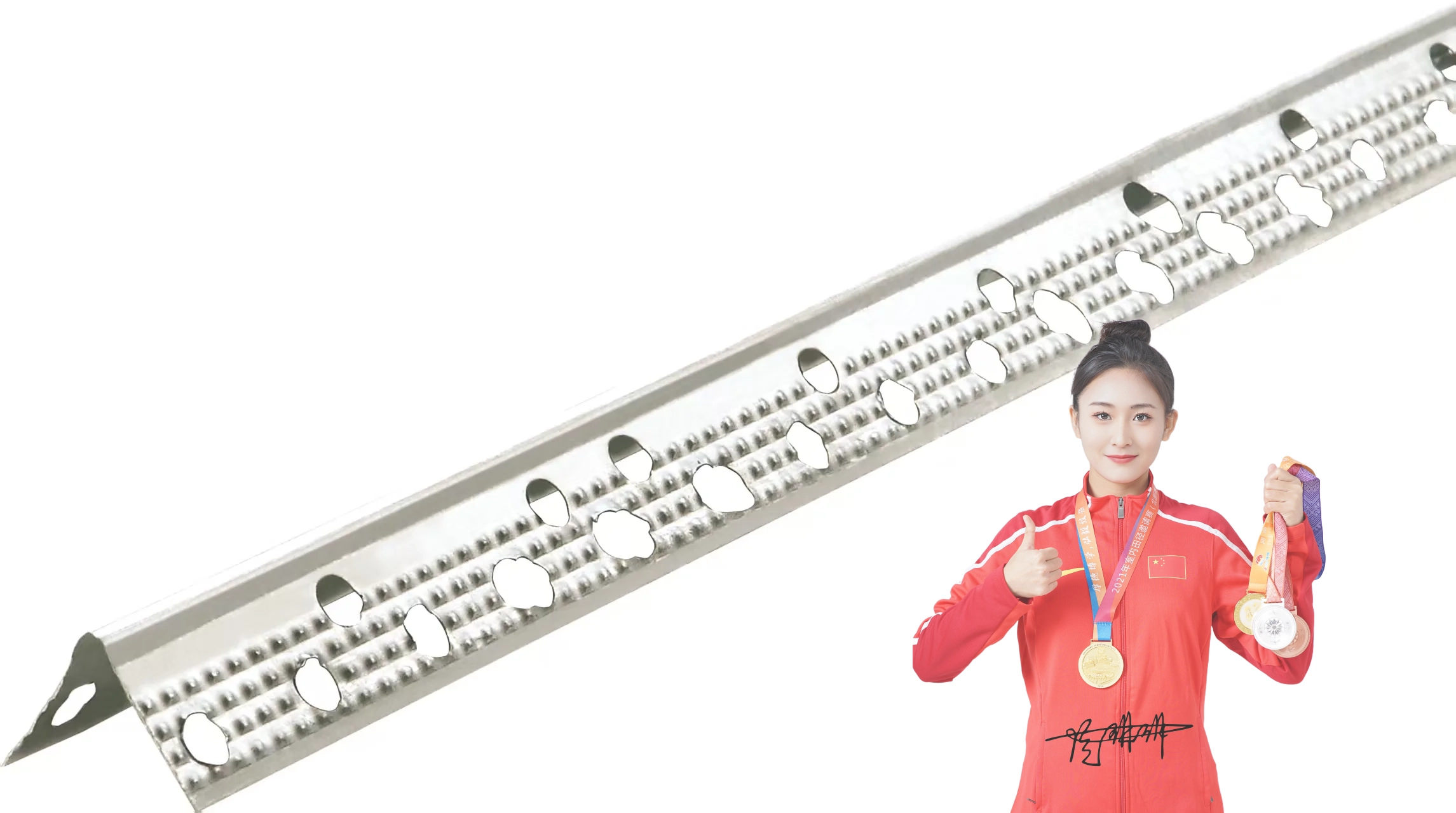
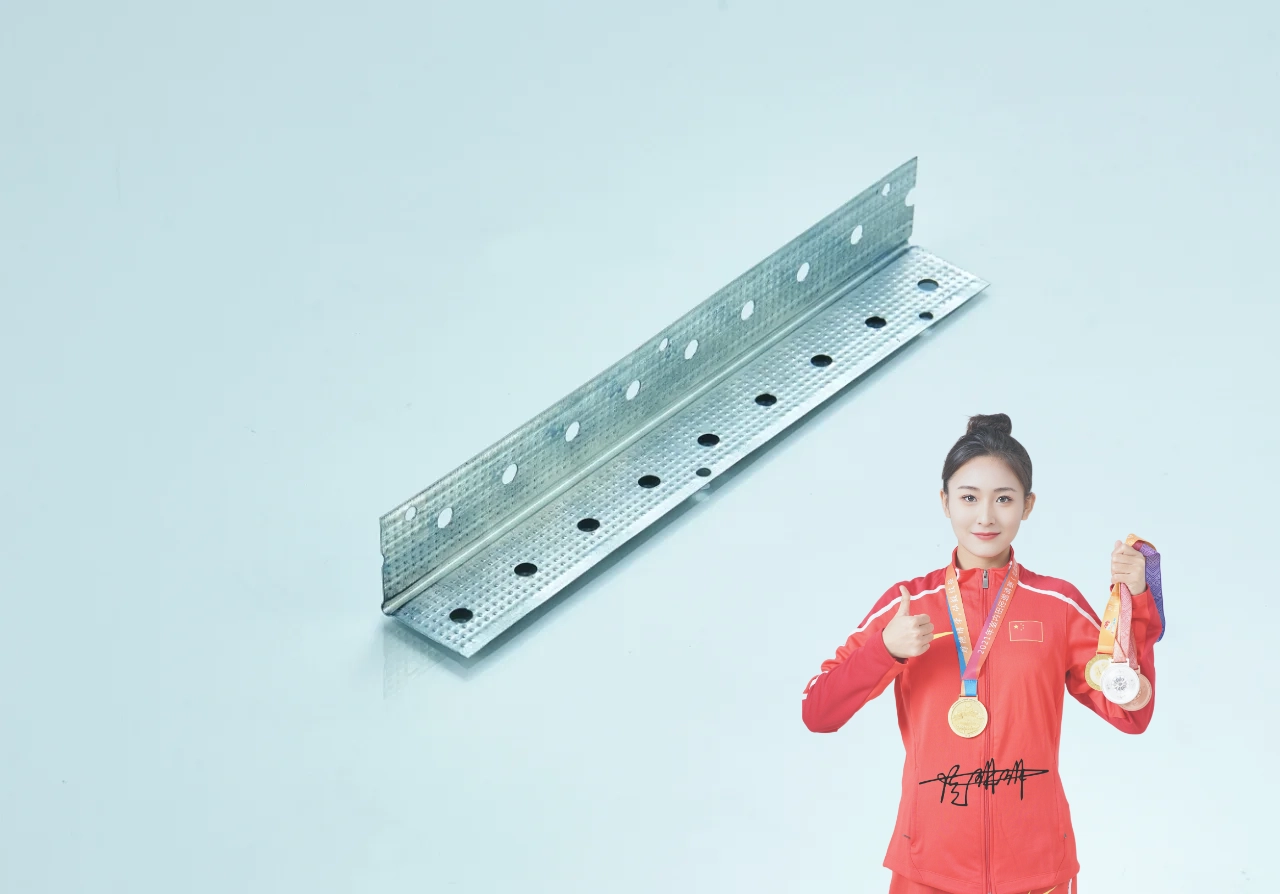
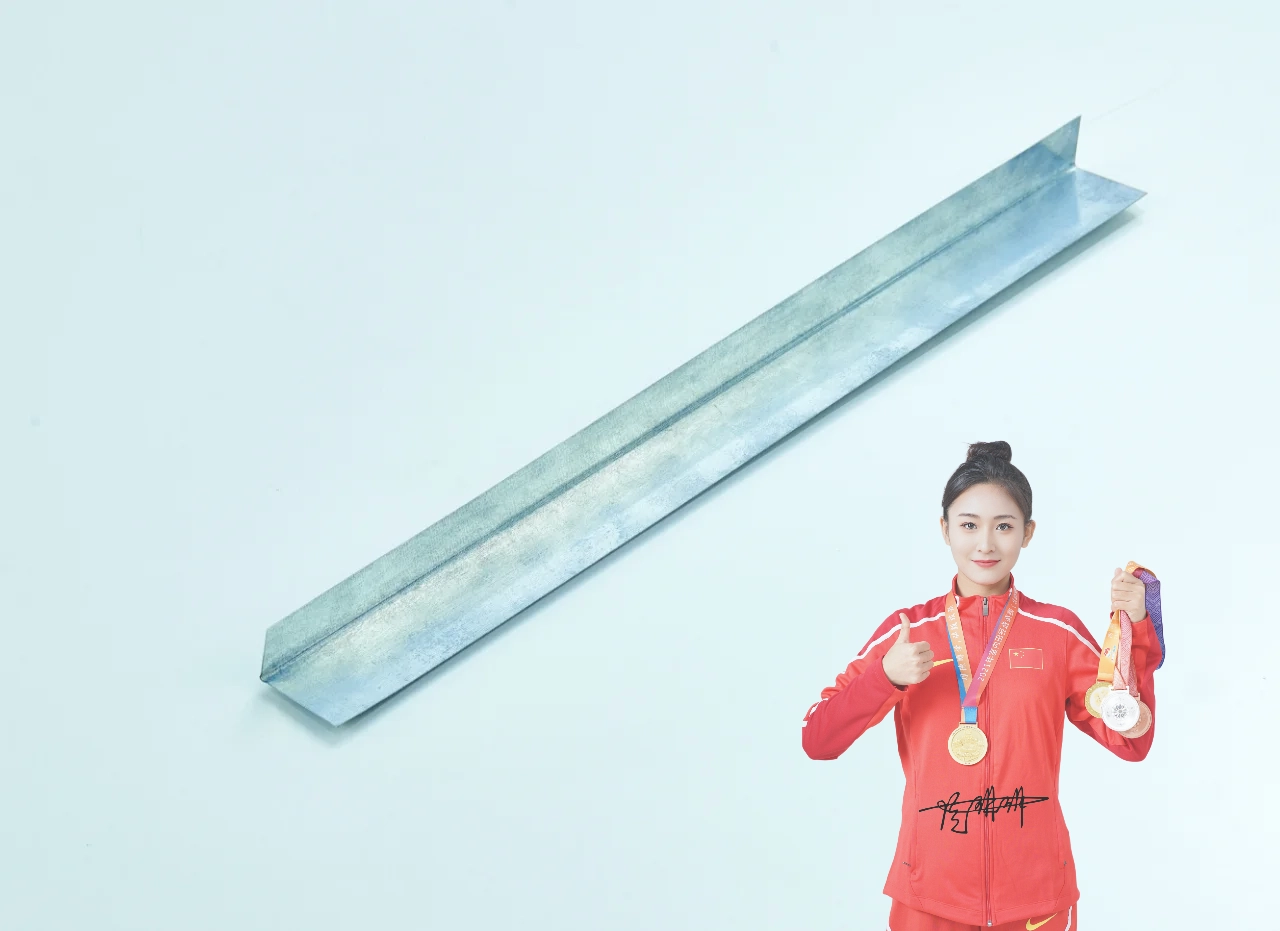
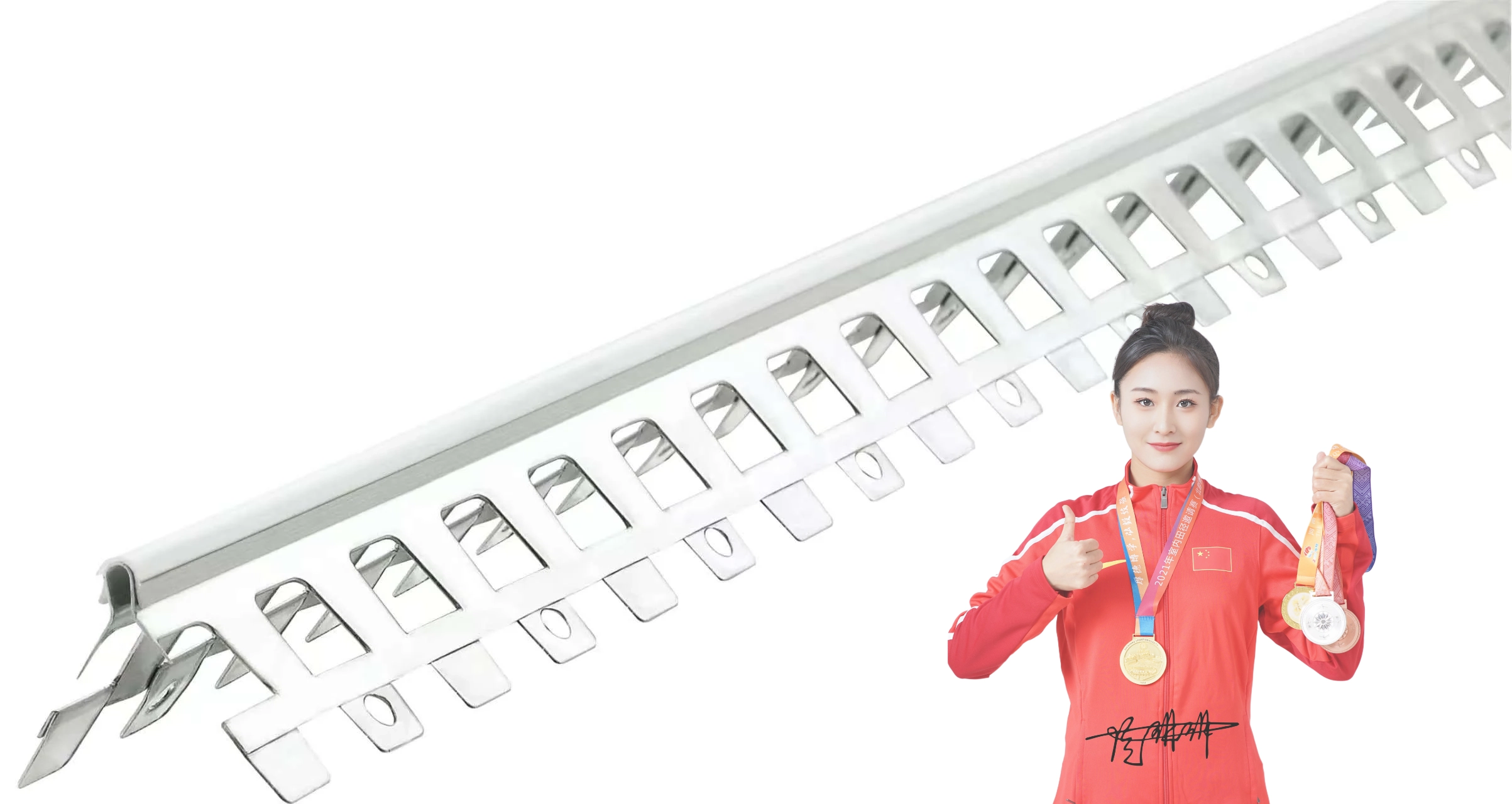
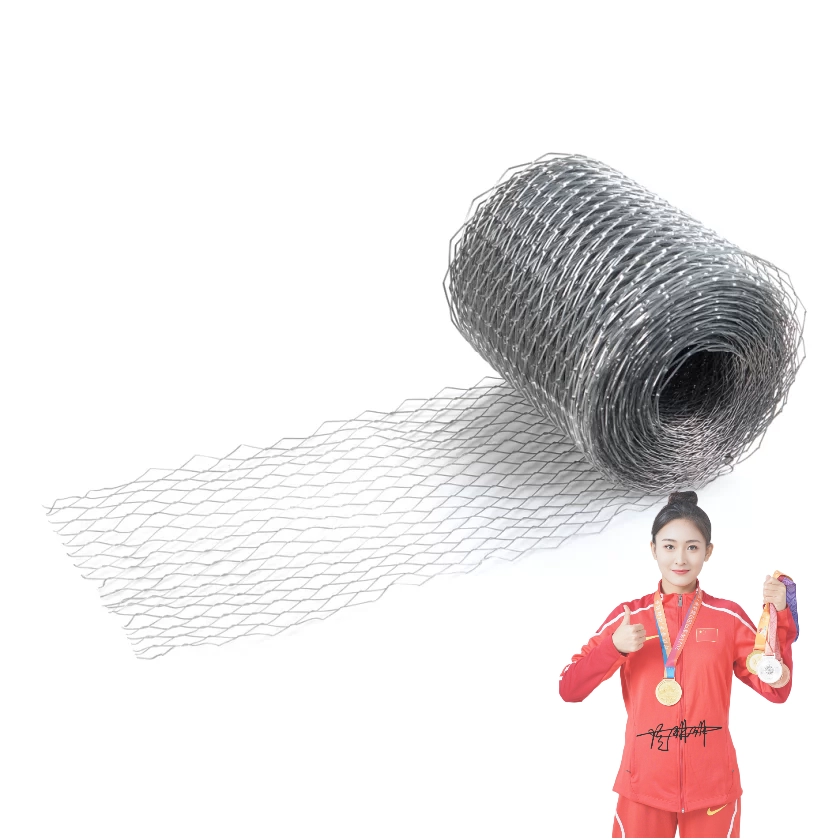
On job sites, I’ve watched Brick Mesh quietly solve problems before anyone notices—cracks that never form, joints that stay tight. The product here, Metal Brick Belt Mesh, is a galvanized steel reinforcement laid into mortar beds to tame load paths and dissipate stress in brick or block walls. It’s light, fast to install, and—if you pick the right grade—remarkably durable. Many masons tell me it’s the cheapest insurance they buy for cavity walls and veneers.
What’s trending in reinforcement
- More coastal projects specifying Z275 or stainless (SS304/316) for salt exposure—no surprise.
- Seismic and thermal-movement control in lightweight veneers—contractors now standardize Brick Mesh on every second course.
- Prefabricated widths matched to brick module sizes to speed crews, reduce cutting waste.
Technical specifications (typical)
This line is produced in Hebei (No. 11, Zongqi Road, Raoyang County Economic Development Zone, Hengshui City), and—speaking frankly—the plant layout is efficient, which shows in the pricing.
| Material |
Low-carbon steel (Q195/Q235), galvanized; optional SS304/316 |
| Form |
Expanded-and-flattened strip (standard) or welded ladder/truss (custom) |
| Wire/Strand width |
≈ 2.8–3.5 mm equivalent; thickness ≈ 0.4–0.8 mm (real-world use may vary) |
| Roll width |
50, 75, 100, 150, 200 mm (others on request) |
| Roll length |
10–30 m rolls |
| Coating |
Z275 g/m² typical; up to Z450; stainless for severe exposure |
| Tensile strength |
≥ 450 MPa (galv. carbon steel) |
Process flow and testing
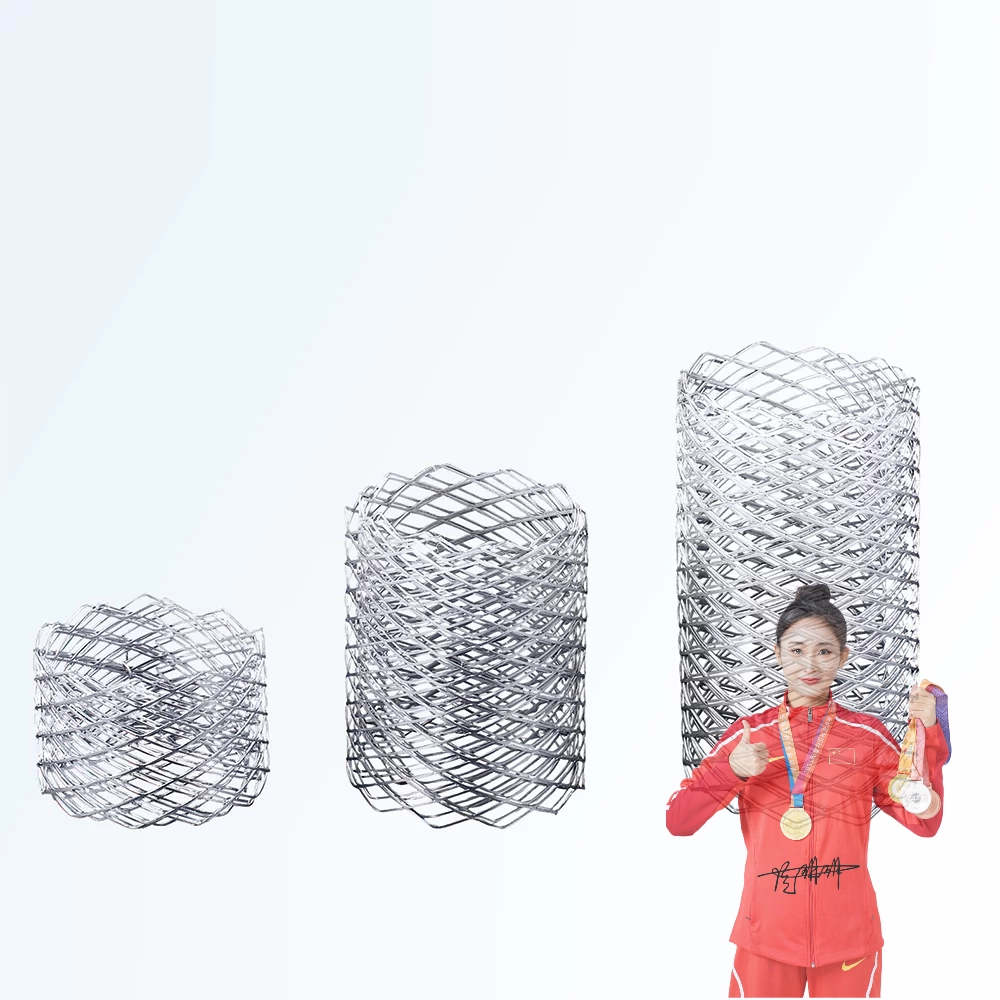
Materials: cold-rolled low-carbon coil, slit, expanded, flattened, galvanized (pre- or post-process depending on spec). Stainless cut from coil for chloride-heavy sites.
Methods: expansion pattern is controlled to keep nodes intact for load transfer; edges are trimmed for safer handling. Coils are tension-leveled to reduce curl—tiny detail, big on-site difference.
Testing & standards: zinc mass per ASTM A641/A641M; joint reinforcement wire to ASTM A951/A951M; bed-joint reinforcement performance per EN 845-3; hot-dip galvanizing validation per ISO 1461. Pull tests show lap shear improvements of ≈ 18–30% versus unreinforced joints at 3-course intervals (shop data; field results vary).
Service life: ~25–50 years for Z275 in suburban environments; longer with Z450 or stainless; follow local exposure categories and TMS 402/602 placement rules.
Where it’s used (and why)
- Cavity and veneer walls to limit thermal and settlement cracking.
- Long corridor partitions where door openings concentrate stress.
- Seismic or wind zones; piers and parapets that love to crack at the cap.
Advantages: distributes loads, controls shrinkage cracks, improves wall stiffness, and—honestly—keeps architects happier during the first-year walkthrough.
Vendor snapshot: who’s good at what
| Vendor |
Coating options |
Certs |
Lead time |
Notes |
|---|
| Corner Bead Mfr (Hebei) |
Z275–Z450, SS304/316 |
ISO 9001; CE on request |
≈ 10–20 days |
Strong customization, competitive MOQs |
| EU Brand A |
Z275, SS304 |
EN 845-3 DoP |
≈ 3–5 weeks |
Premium pricing, robust documentation |
| Local Fabricator B |
Z200–Z275 |
Factory CoC |
≈ 7–14 days |
Fast deliveries; limited stainless |
Customization and installation notes
- Widths cut to brick module; pre-notched sections for lintels available.
- For mortar joints: center Brick Mesh in the bed, maintain 20–25 mm cover from the face, lap ≈ 150–225 mm.
- Use stainless with clay pavers over waterproofing or near salt spray—just do it.
Field feedback and quick case notes
A coastal townhouse block switched to stainless Brick Mesh at parapets; year-one inspection: no hairlines at coping joints. In a logistics center with long veneer runs, crews placed Z275 every second course; movement joints stayed clean and the foreman said, “It’s the first facade we didn’t chase cracks on.”
References and standards
- ASTM A951/A951M – Steel Wire for Masonry Joint Reinforcement.
- BS EN 845-3 – Specification for ancillary components for masonry, bed joint reinforcement.
- ASTM A641/A641M – Zinc-Coated (Galvanized) Carbon Steel Wire.
- ISO 1461 – Hot dip galvanized coatings on fabricated iron and steel articles.
- TMS 402/602 – Building Code Requirements and Specification for Masonry Structures.