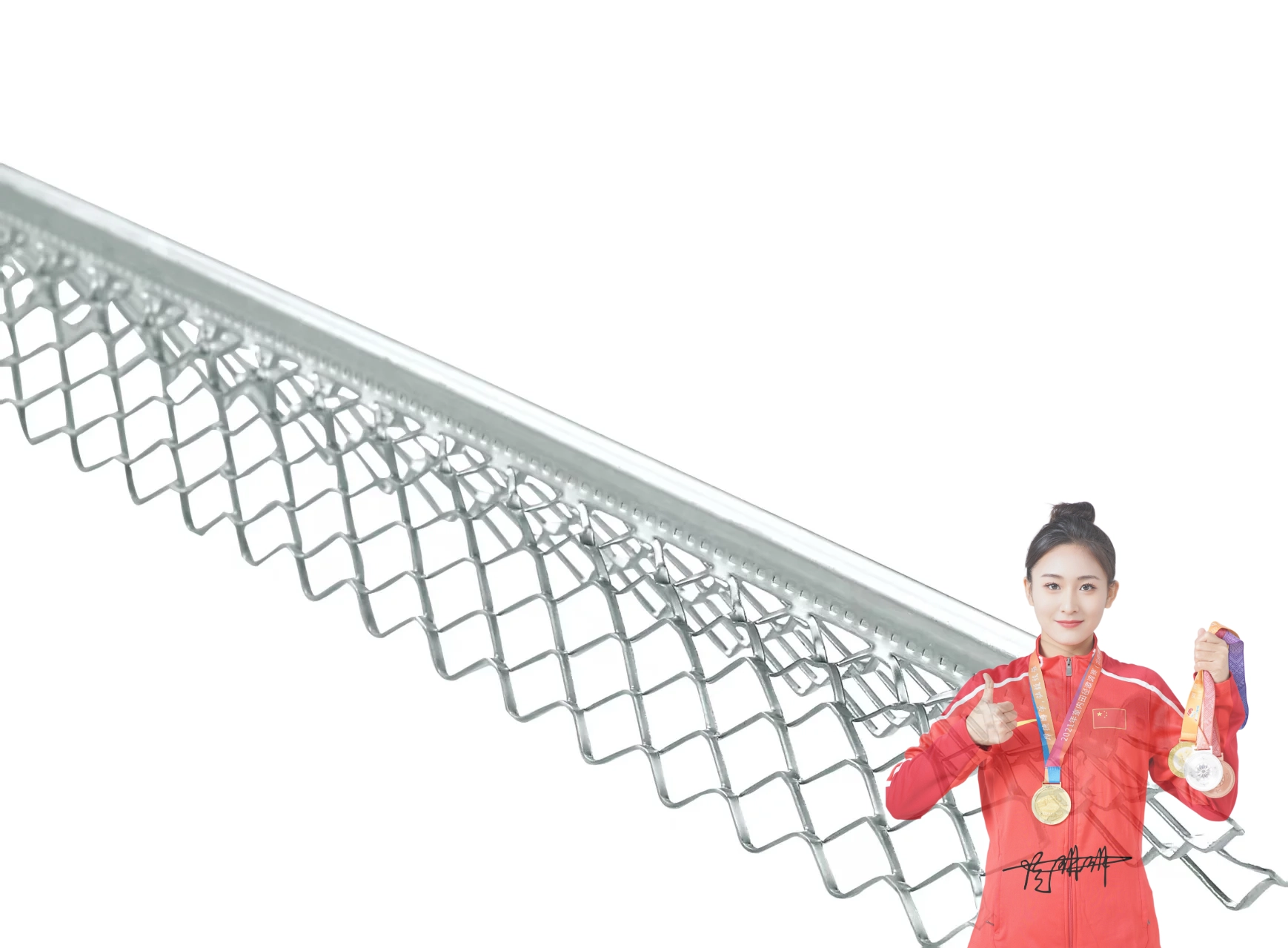
What’s Really Behind a Reliable Ceiling: Parts, Proof, and a Few Lessons from the Field
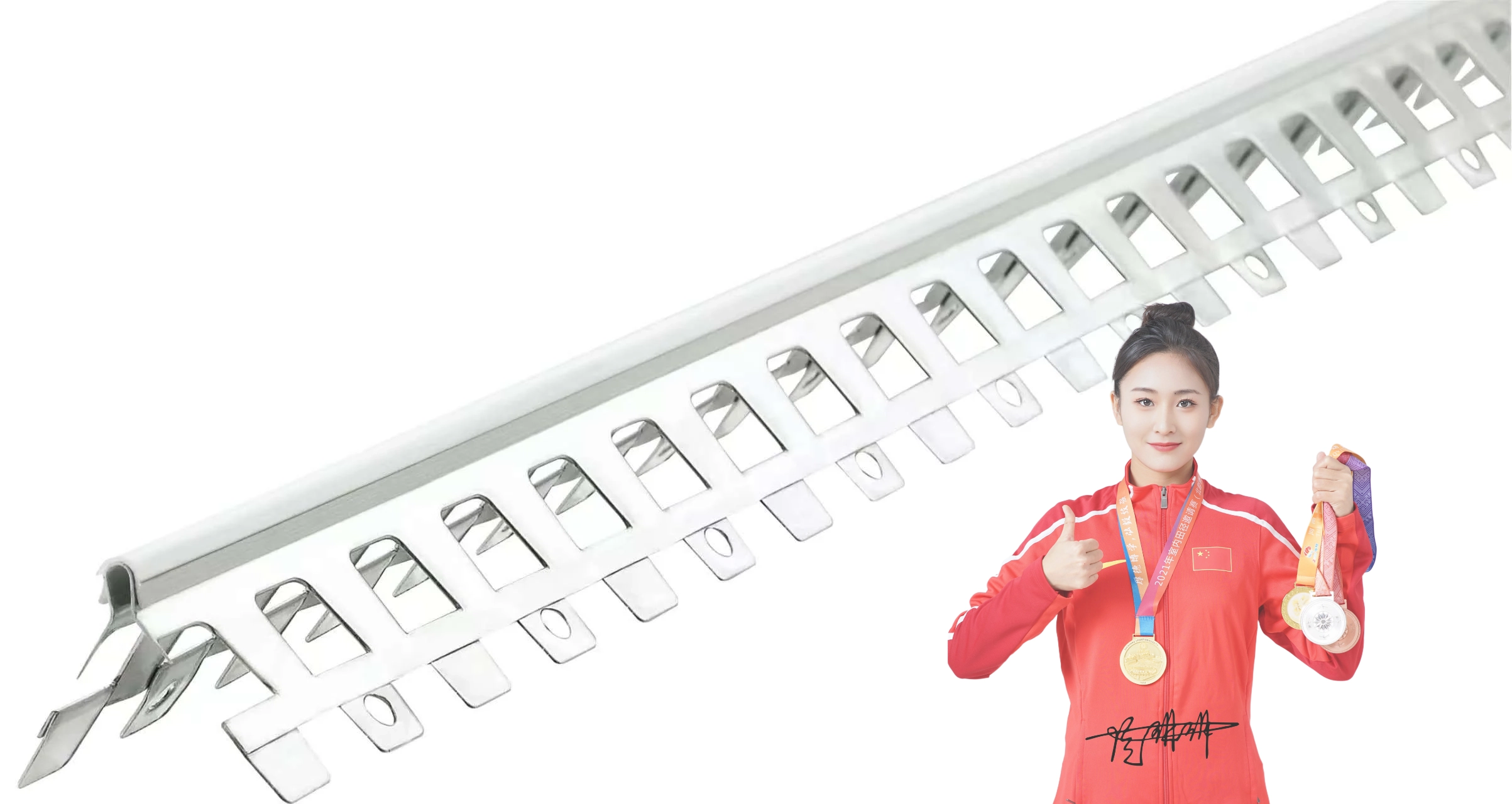
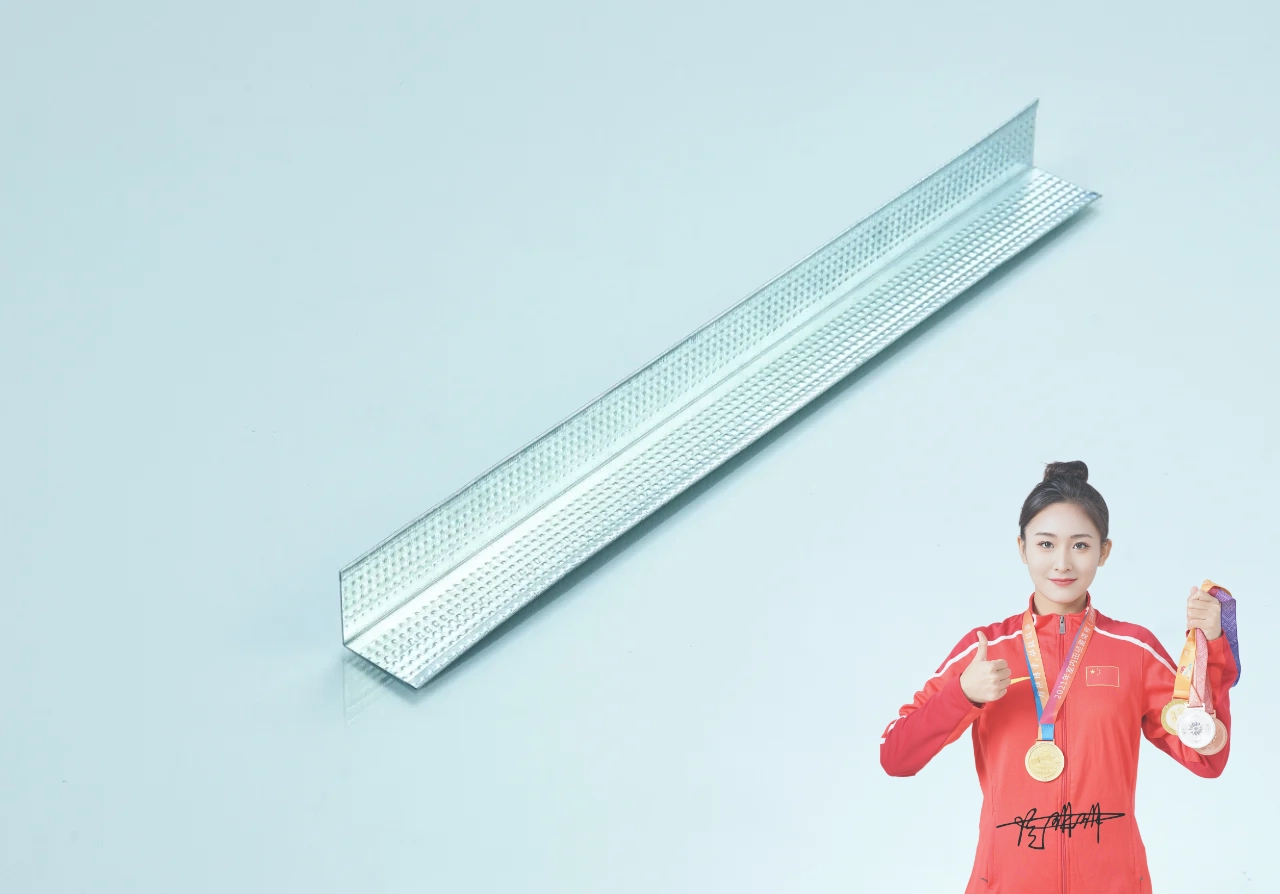
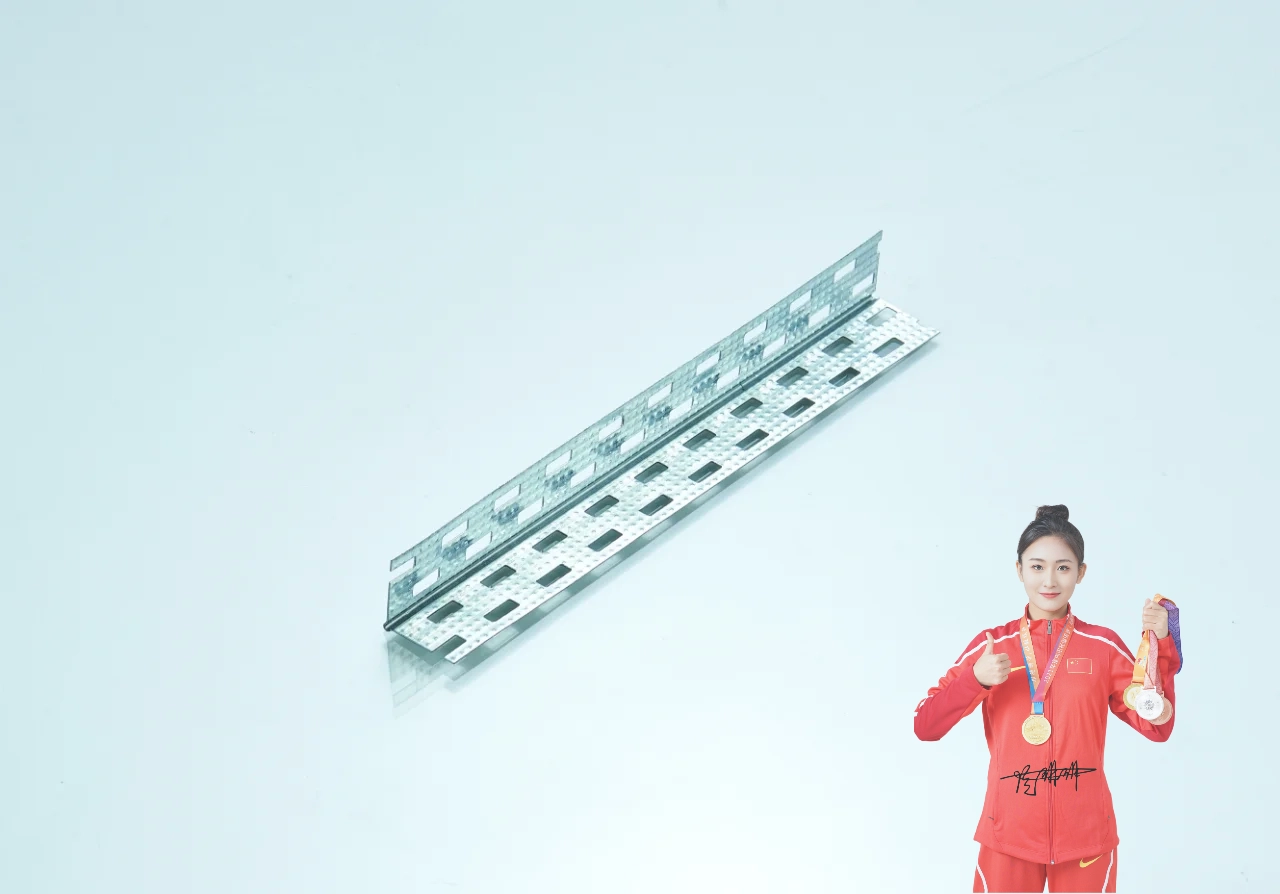
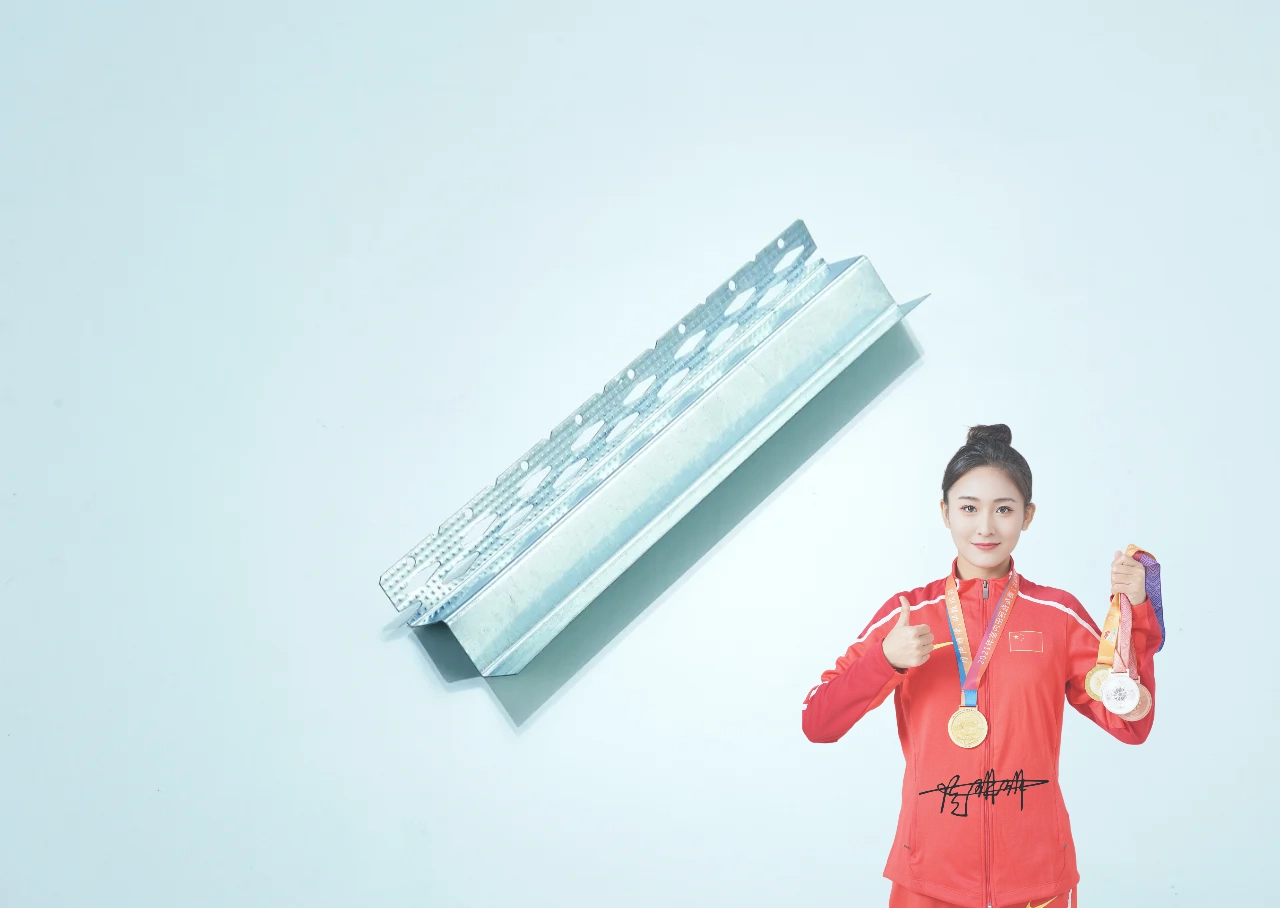
If you’ve ever wondered why some ceilings stay arrow-straight for decades while others… don’t, the quiet heroes are the ceiling components that hold everything in place. I’ve walked more than a few job sites where trim, hangers, main tees, and connectors decide whether a space feels premium—or problematic. To be honest, most of the best work is invisible. That’s the point.

Industry trends I’m seeing (and hearing on site)
- Seismic-aware grids and heavier-duty hangers for malls, transit hubs, data centers.
- Anti-corrosion finishes for coastal installs; powder-coated tees are making a comeback.
- Faster installs via click-in connectors and pre-cut kits. Many installers say it trims a day off medium projects—no small thing.
In fact, ceiling components now carry more of the performance load: fire, acoustics, and maintainability. And yes, aesthetics—flush trims and shadow gaps get clients smiling.
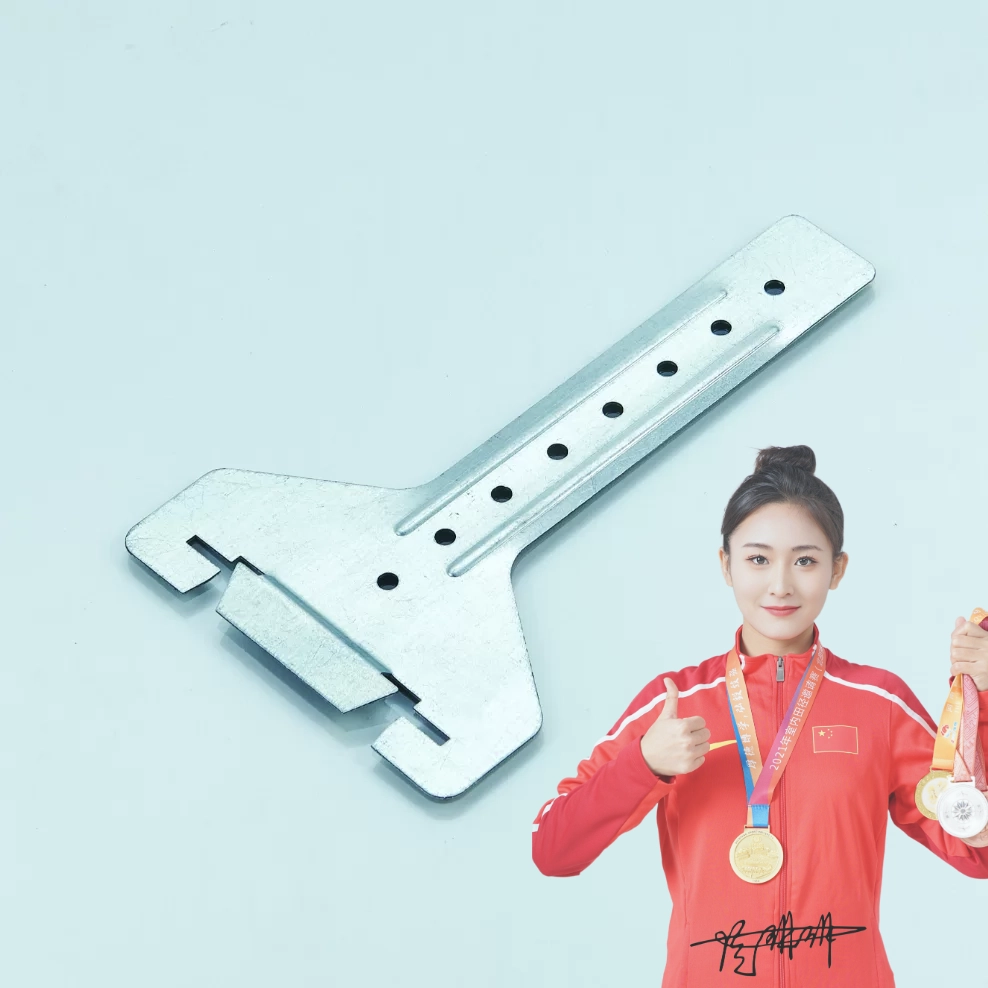
Technical snapshot and specs
Below is a quick reference I keep handy. Real-world use may vary by span, climate, and panel type.
| Parameter | Typical Range / Notes |
|---|
| Materials | G40–G90 galvanized steel (ASTM A653), Aluminum 3003-H24, PVC |
| Thickness | ≈0.3–1.0 mm tees/brackets; hanger wire 12–14 ga (≈2.0–2.5 mm) |
| Coatings | Zinc; powder coat (RAL colors); optional C3–C4 corrosion systems (ISO 12944) |
| Compliance | ASTM C635/C636; EN 13964; fire per ASTM E84 or EN 13501-1 when part of rated assemblies |
| Duty Classes | Intermediate/Heavy Duty grids (ASTM C635) |
| Service life | ≈15–25 years with proper design and maintenance |
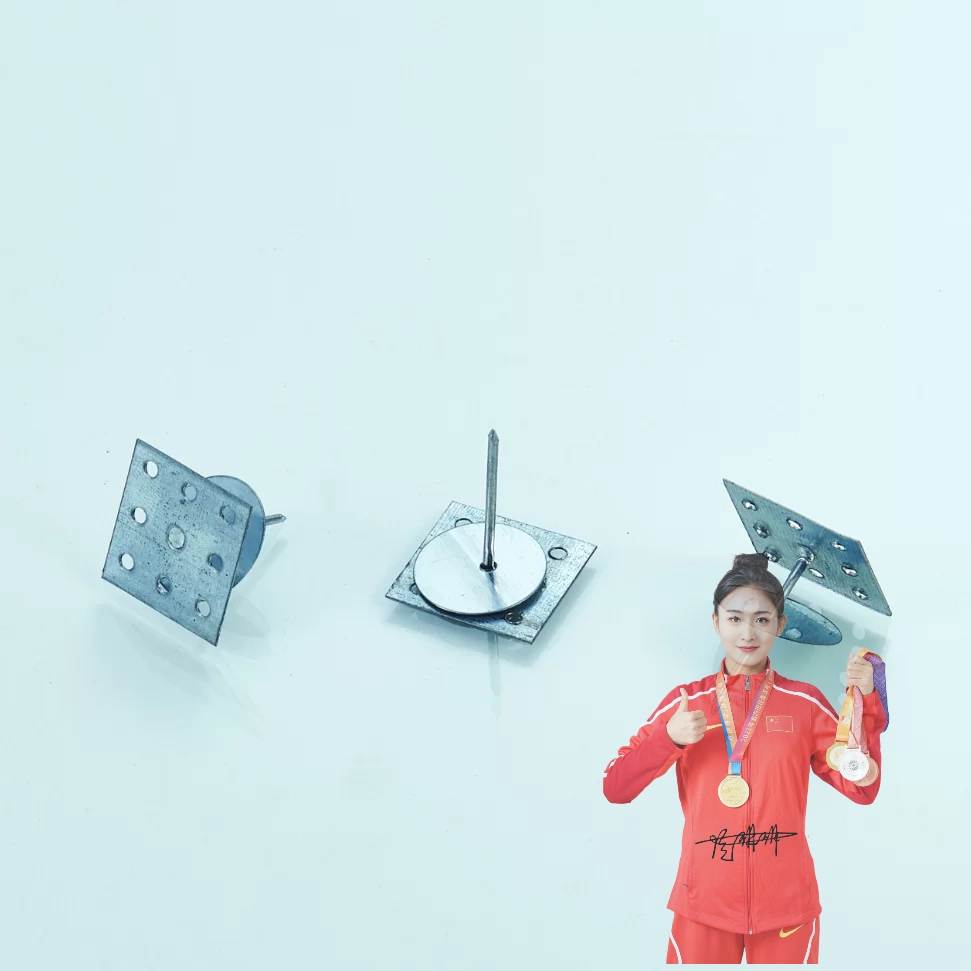
Process flow, testing, and where they end up
Materials: coil steel/aluminum → roll forming → punching → cutting → surface finishing → packaging.
Methods: roll-form tooling, press brakes for brackets, automated rivet/weld as needed.
Testing: load and deflection (ASTM C635), system installation checks (ASTM C636), fire spread (ASTM E84/UL 723), corrosion exposure (ISO 9227 salt spray), seismic details (ASTM E580 guidance).
Industries: commercial offices, healthcare, education, hospitality, transit, retail, light cleanrooms.
Many customers say heavy-duty hangers plus correct spacing beat most headaches later.

Applications and advantages
- Gypsum board ceilings: precise alignment, crack control at joints.
- Metal grid systems: quick access for MEP—your facilities team will thank you.
- Acoustic ceilings: stable frames for high-NRC tiles; fewer rattles.
- Decorative trims: shadow gaps, perimeter reveals, cleaner transitions.
- Seismic upgrades: bracing kits, compression posts; fewer call-backs after inspections.

Vendor comparison (what I look for)
| Criteria | Manufacturer A (Hebei) | Vendor B (Importer) | Vendor C (Big Box) |
|---|
| Standards | ASTM C635/C636, EN 13964, ISO 9001 | Varies by lot | Retail-grade |
| Lead time | ≈2–4 weeks | ≈6–10 weeks | In stock, limited SKUs |
| Customization | Profiles, finishes, cut-to-length | Some finishes | Minimal |
| QA & tests | Load, corrosion, fire data shared | On request | Basic |
| Tech support | Shop drawings, submittals | Limited | DIY guides |
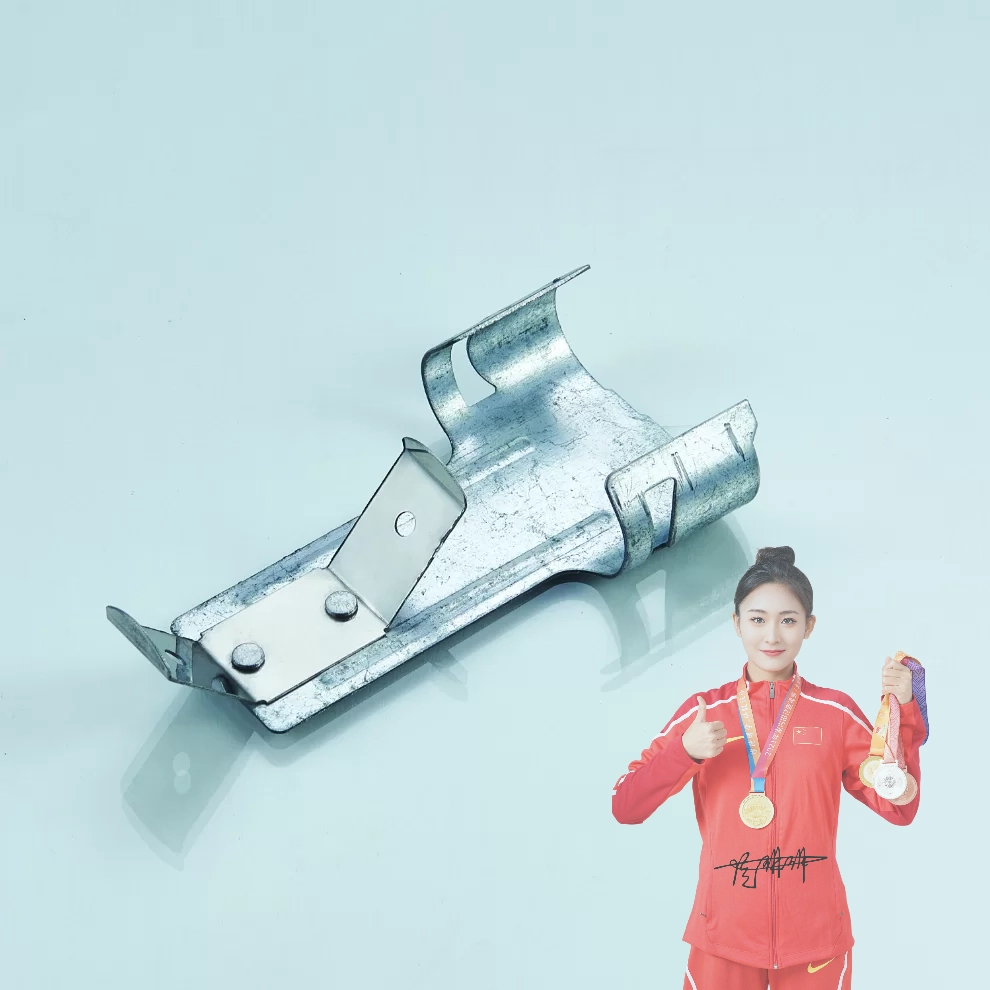
Customization and real-world installs
Common custom asks: odd-angle perimeter trims, non-standard hanger drops, and powder-coated grids to match luminaires. One healthcare client swapped to heavy-duty tees and added lateral bracing—maintenance tickets fell by about a third, which was a quiet win.
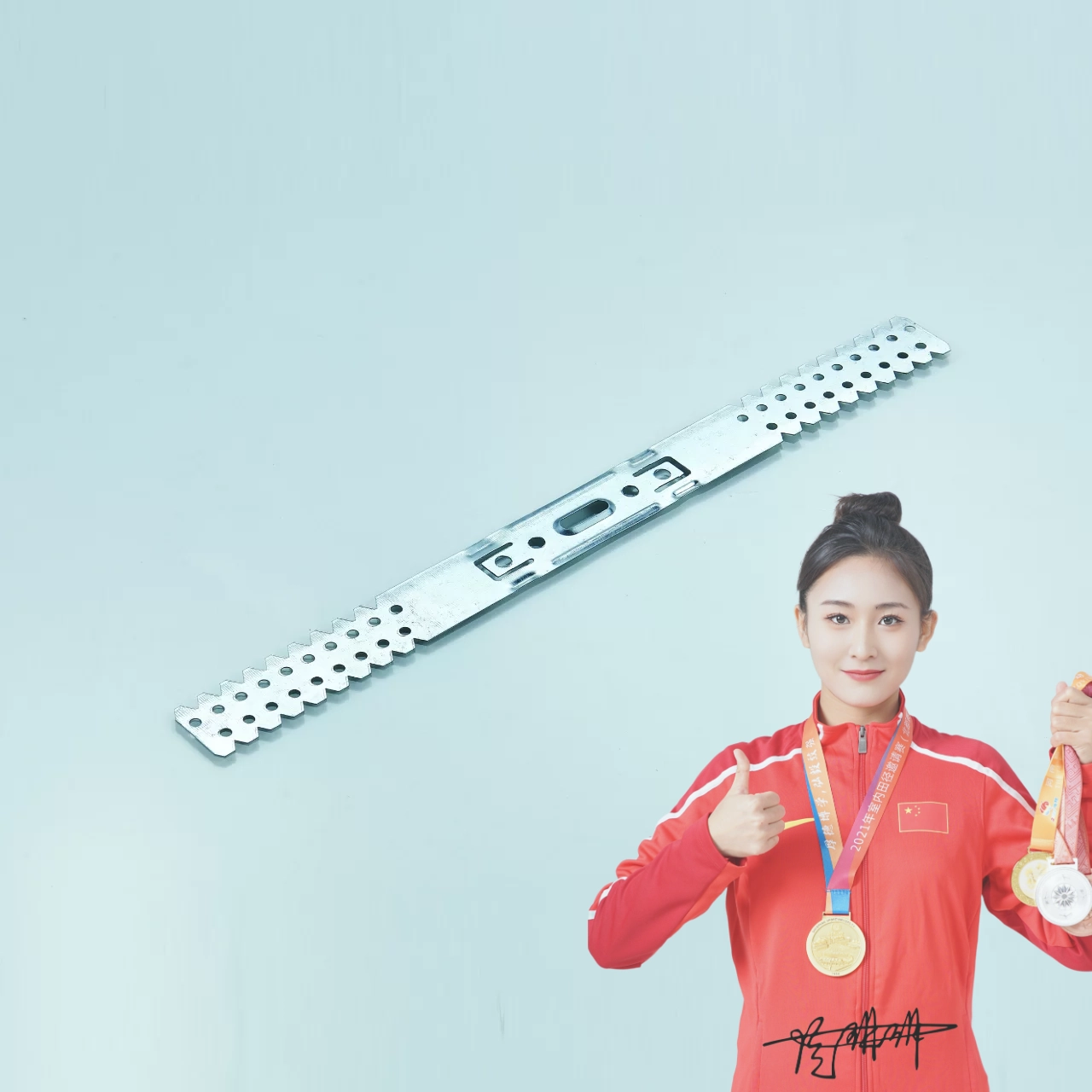
ceiling components from the Hebei plant (No. 11, Zongqi Road, Raoyang County Economic Development Zone, Hengshui City, Hebei Province) ship with batch traceability. Small detail, big confidence.
Case notes
Hospital corridor: acoustic grid + anti-sag hangers. Result: cleaner ceiling plane, faster tile swaps. Inspector liked the documentation—always helps.
Coastal retail fit-out: powder-coated tees with upgraded zinc; salt-spray tests reached 240–480 h (≈C3) before red rust. Two-year follow-up looked solid.
Certifications, data, and feedback
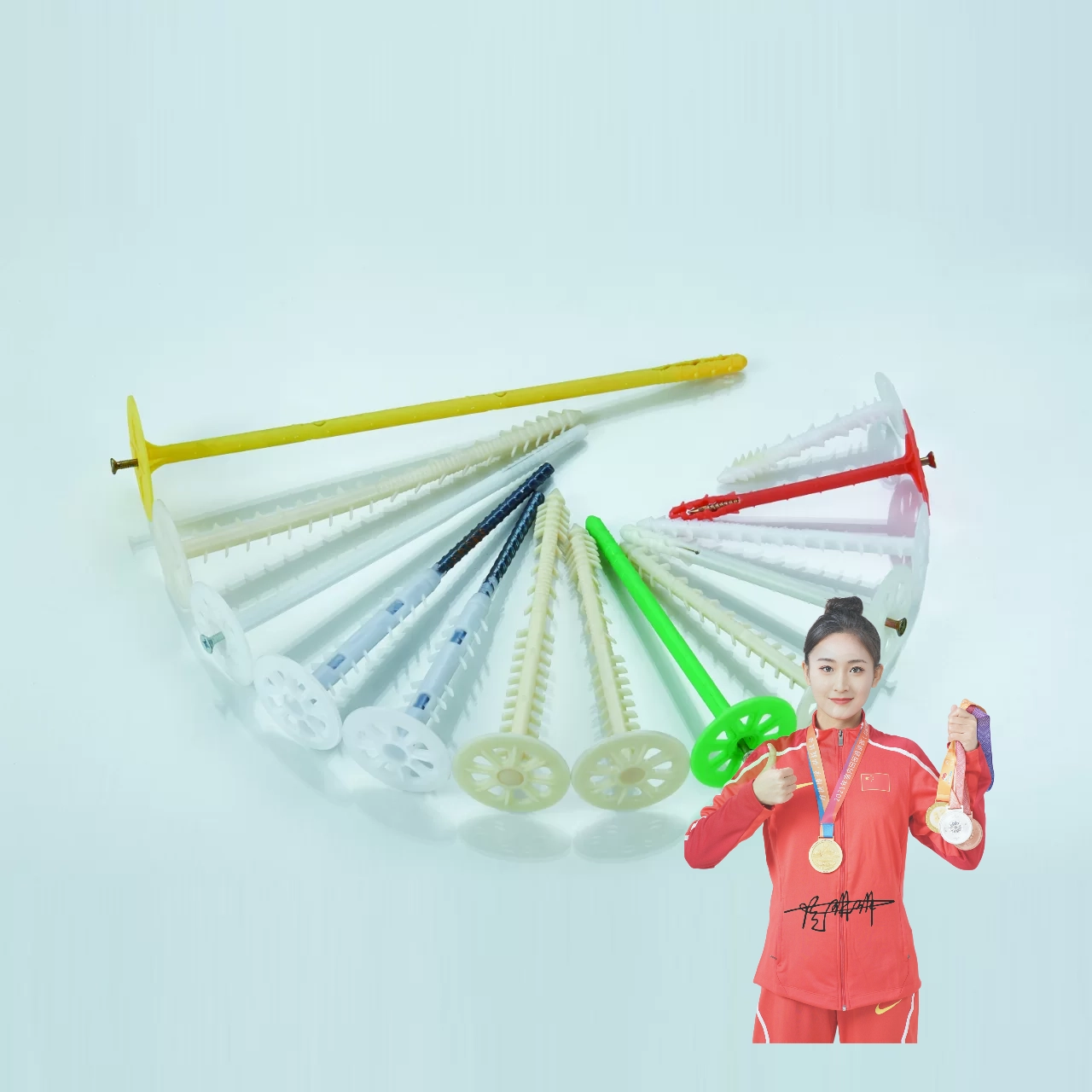
Certs typically include ISO 9001 quality systems and CE marking under EN 13964. Fire data often references ASTM E84 (or EN 13501-1 classification via panel supplier). Installers tell me the upgraded connector design reduces “click and slip” during tight timelines—small friction points gone.
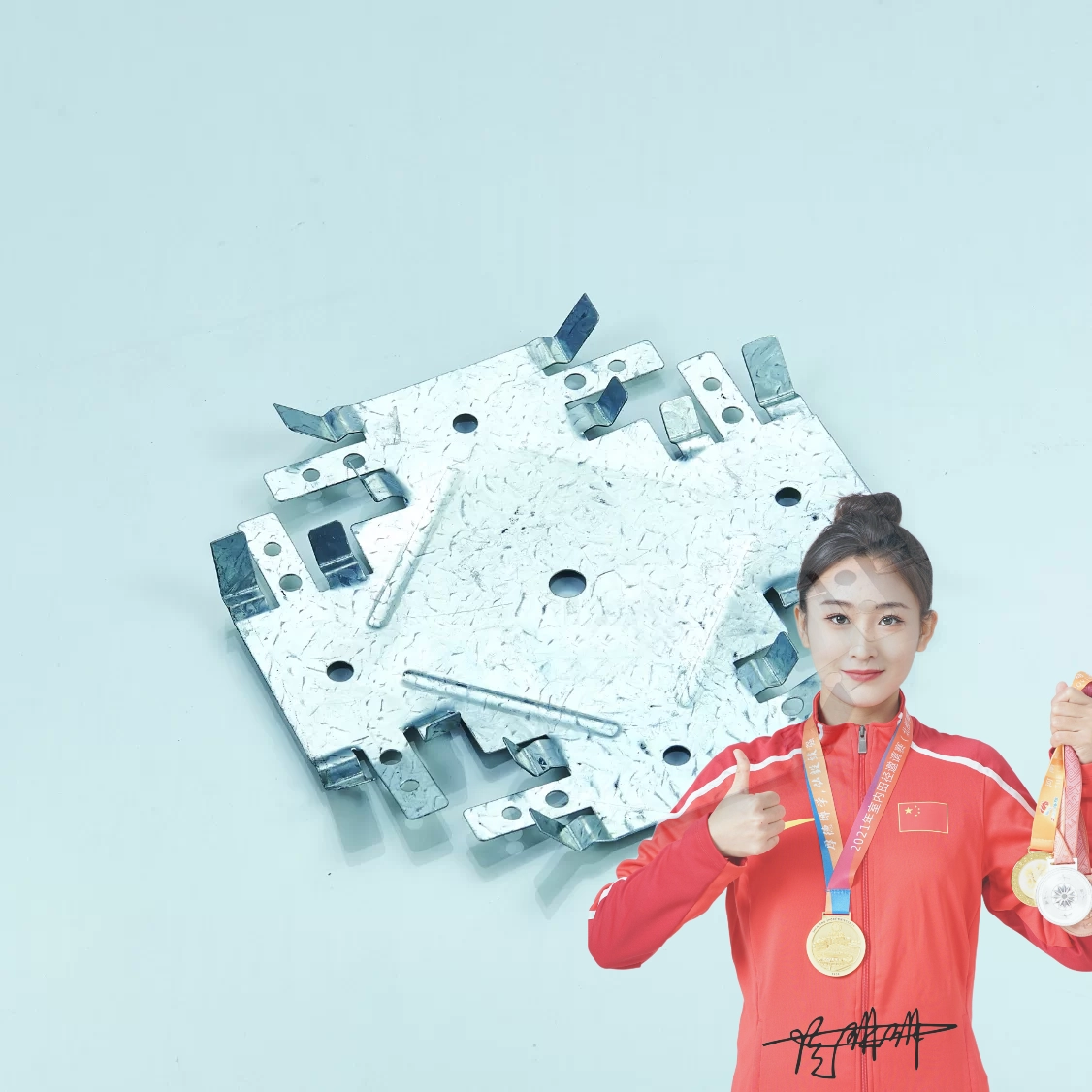
If you’re scoping a spec: ask for duty class (ASTM C635), hanger gauge, corrosion category (ISO 12944), and documented load tables. It seems obvious, but those four lines prevent most surprises.
Authoritative citations
- ASTM C635 – Standard Specification for Metal Suspension Systems for Acoustical Tile and Lay-in Panels. https://www.astm.org/c0635-22.html
- ASTM C636 – Standard Practice for Installation of Metal Ceiling Suspension Systems. https://www.astm.org/c0636-22.html
- EN 13964 – Suspended ceilings: Requirements and test methods. https://standards.iteh.ai/catalog/standards/cen/4b9c9b0b-…/en-13964
- ASTM E84 / UL 723 – Surface Burning Characteristics of Building Materials. https://www.astm.org/e0084
- ISO 12944 – Paints and varnishes — Corrosion protection of steel structures. https://www.iso.org/standard/72162.html
- ASTM E580/E580M – Seismic requirements for suspended ceilings. https://www.astm.org/e0580