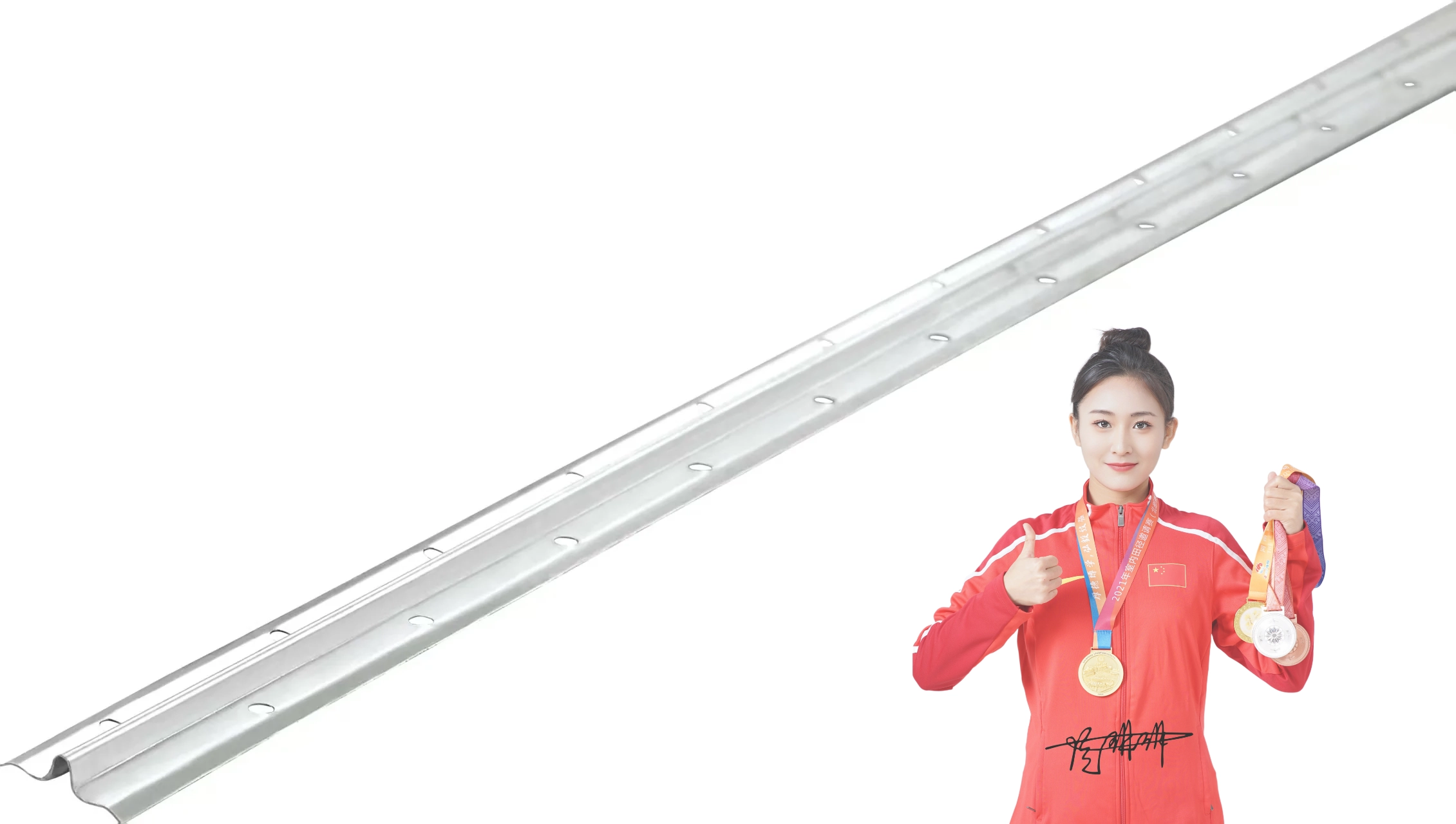
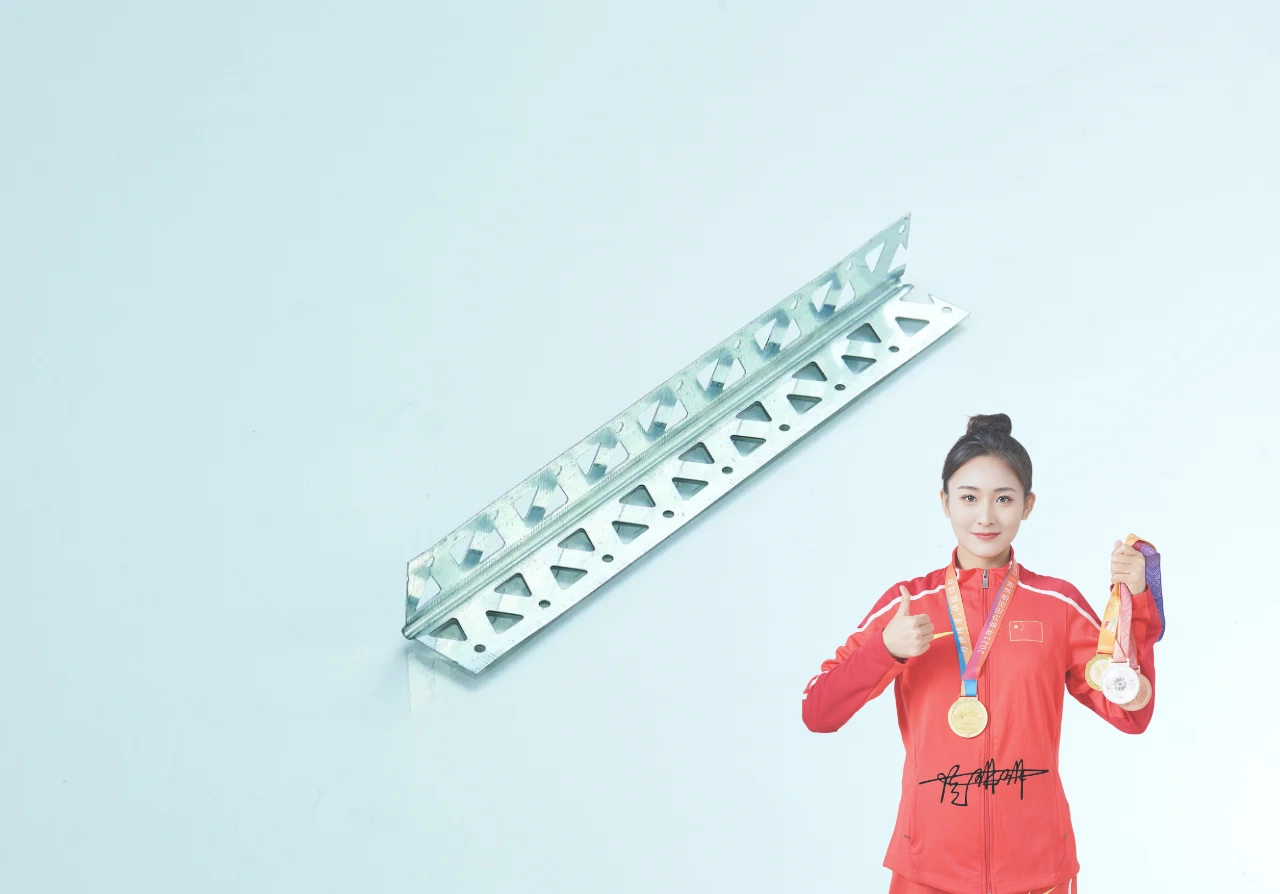
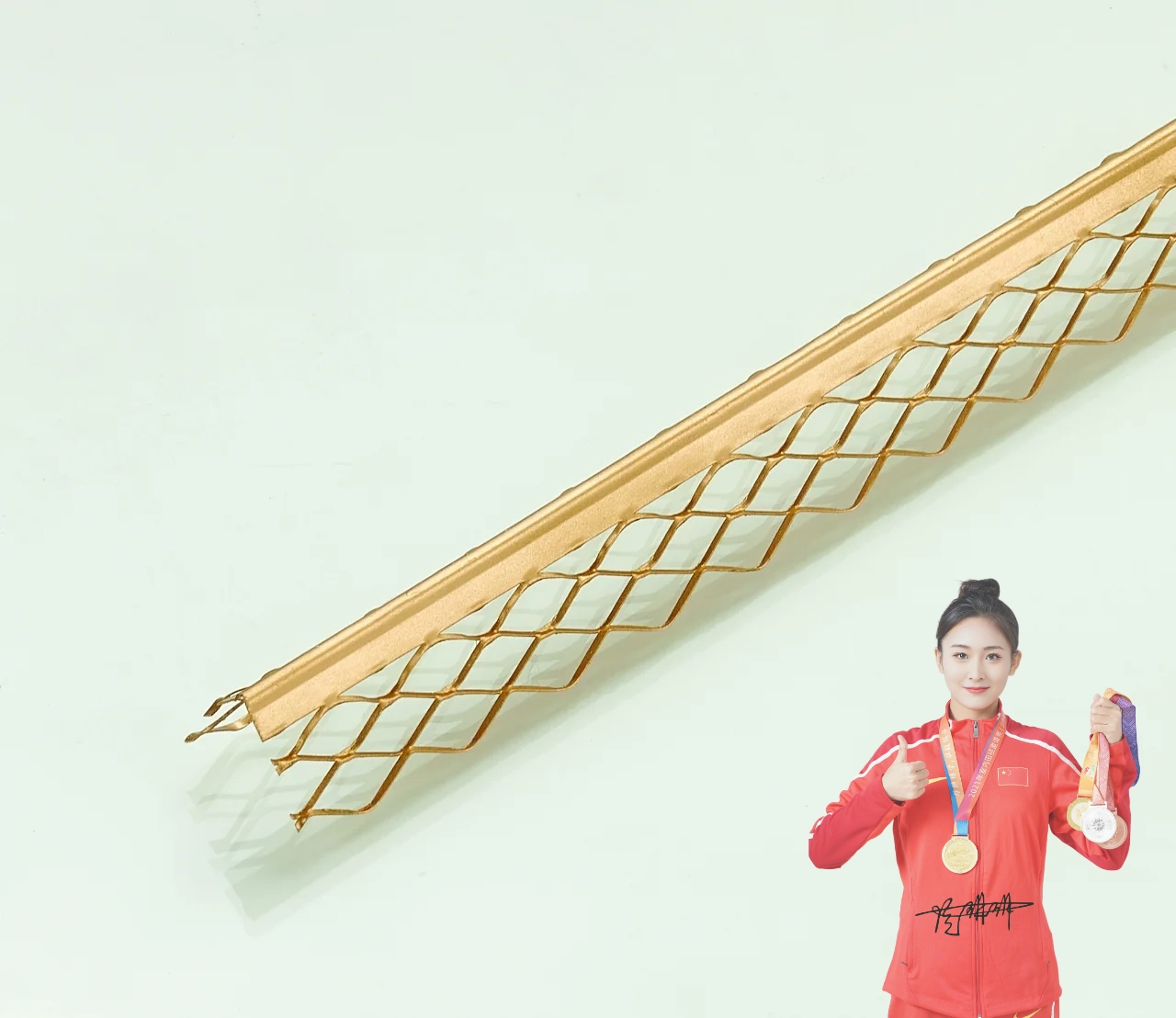
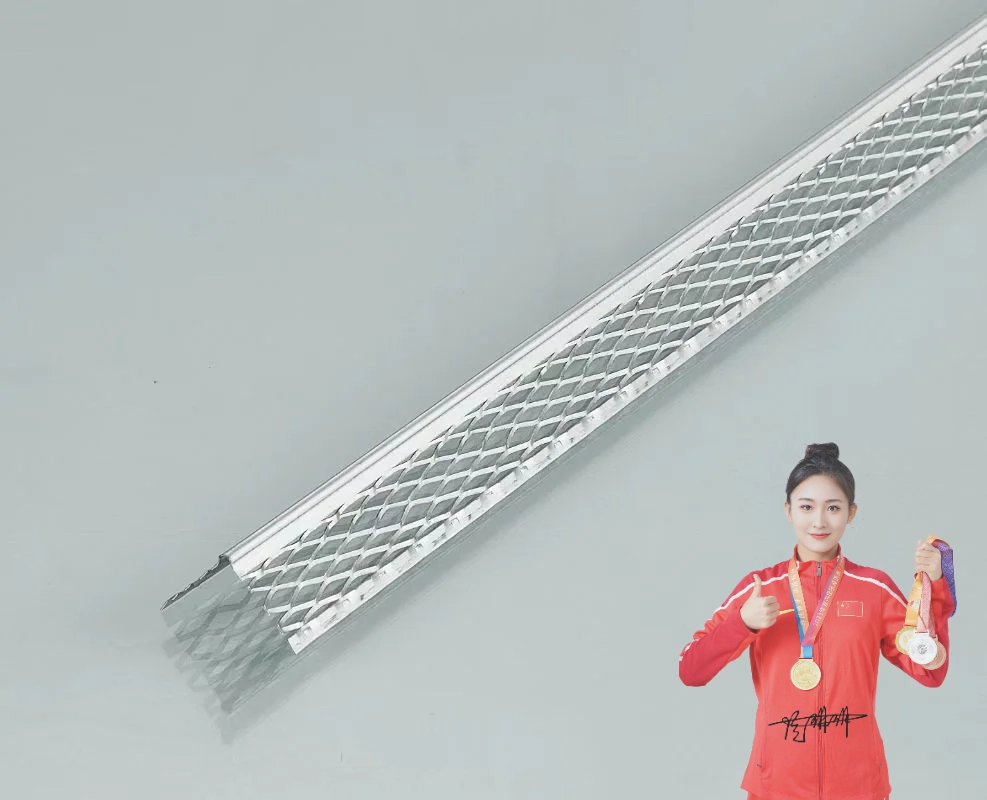
A Field Note on Ceiling Components: what really holds your ceiling together
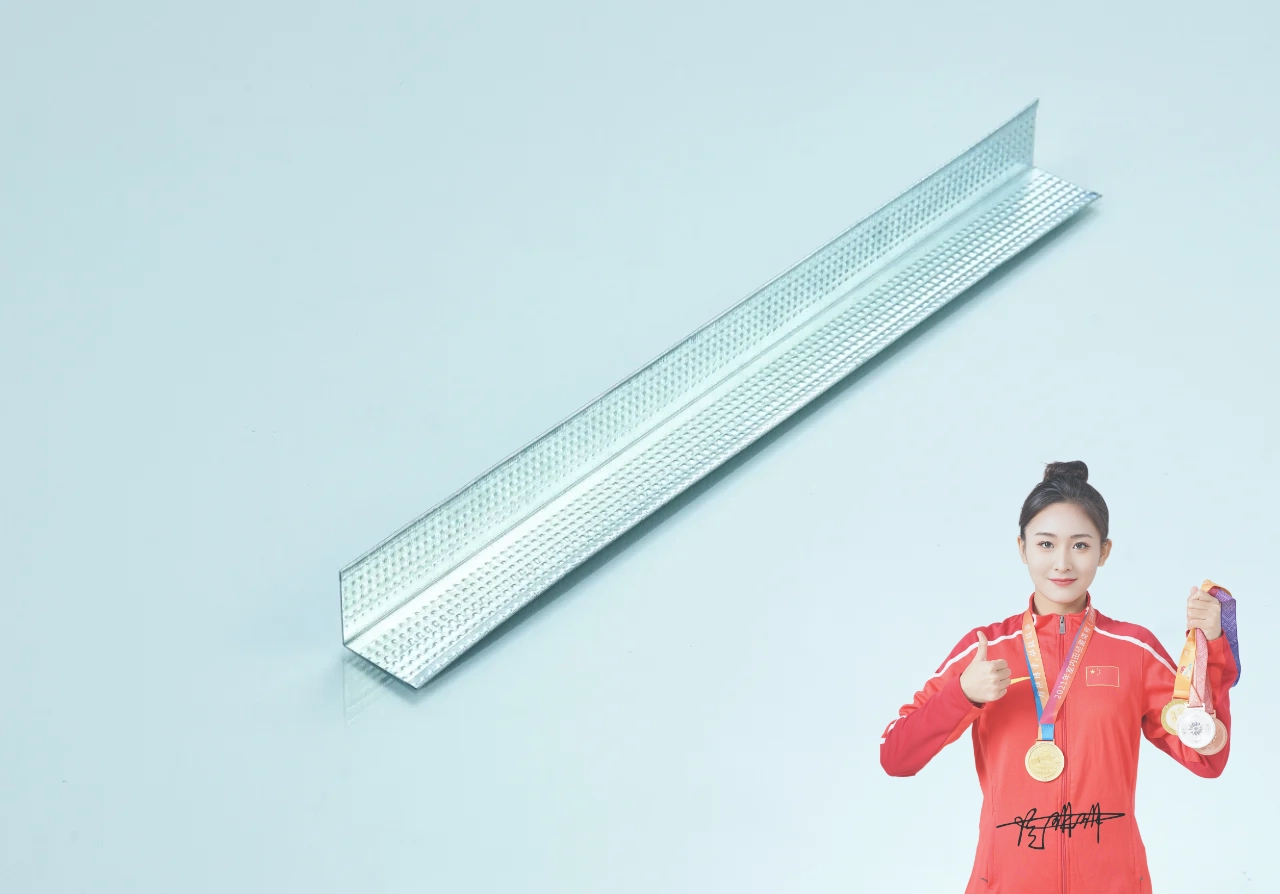
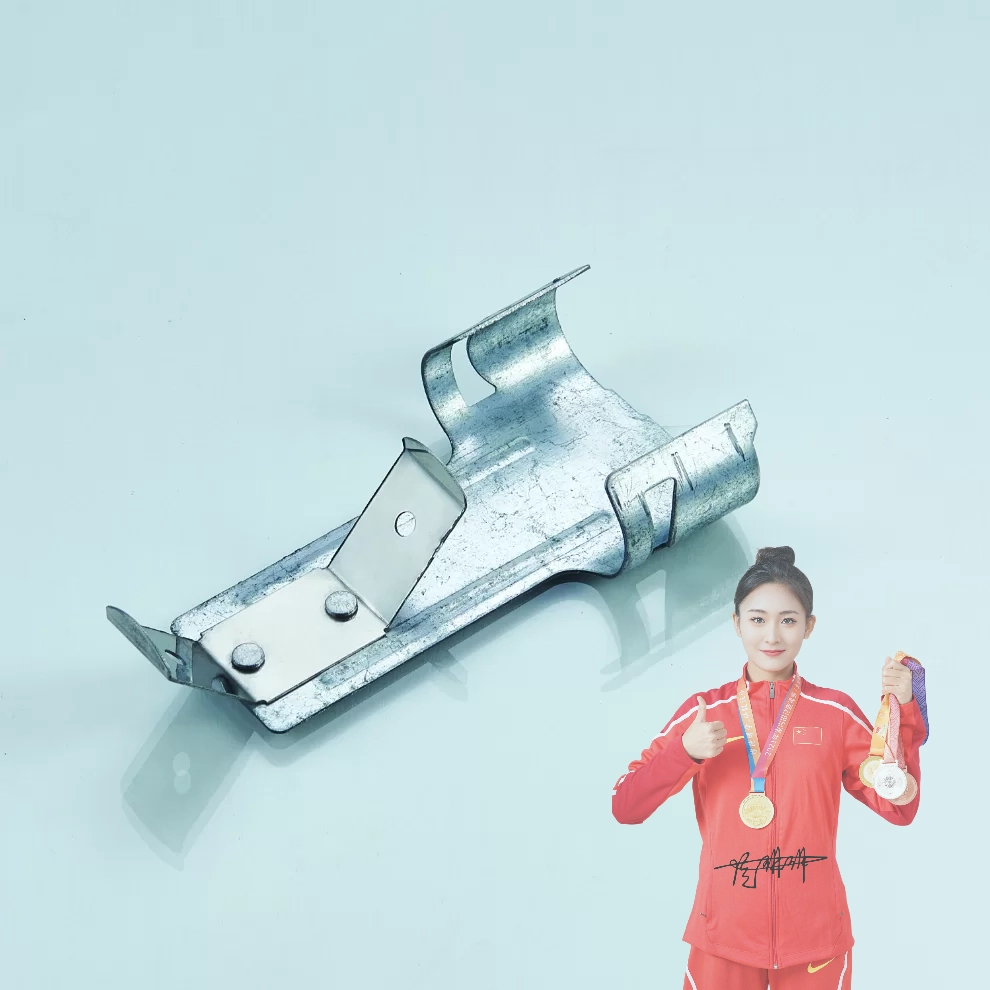
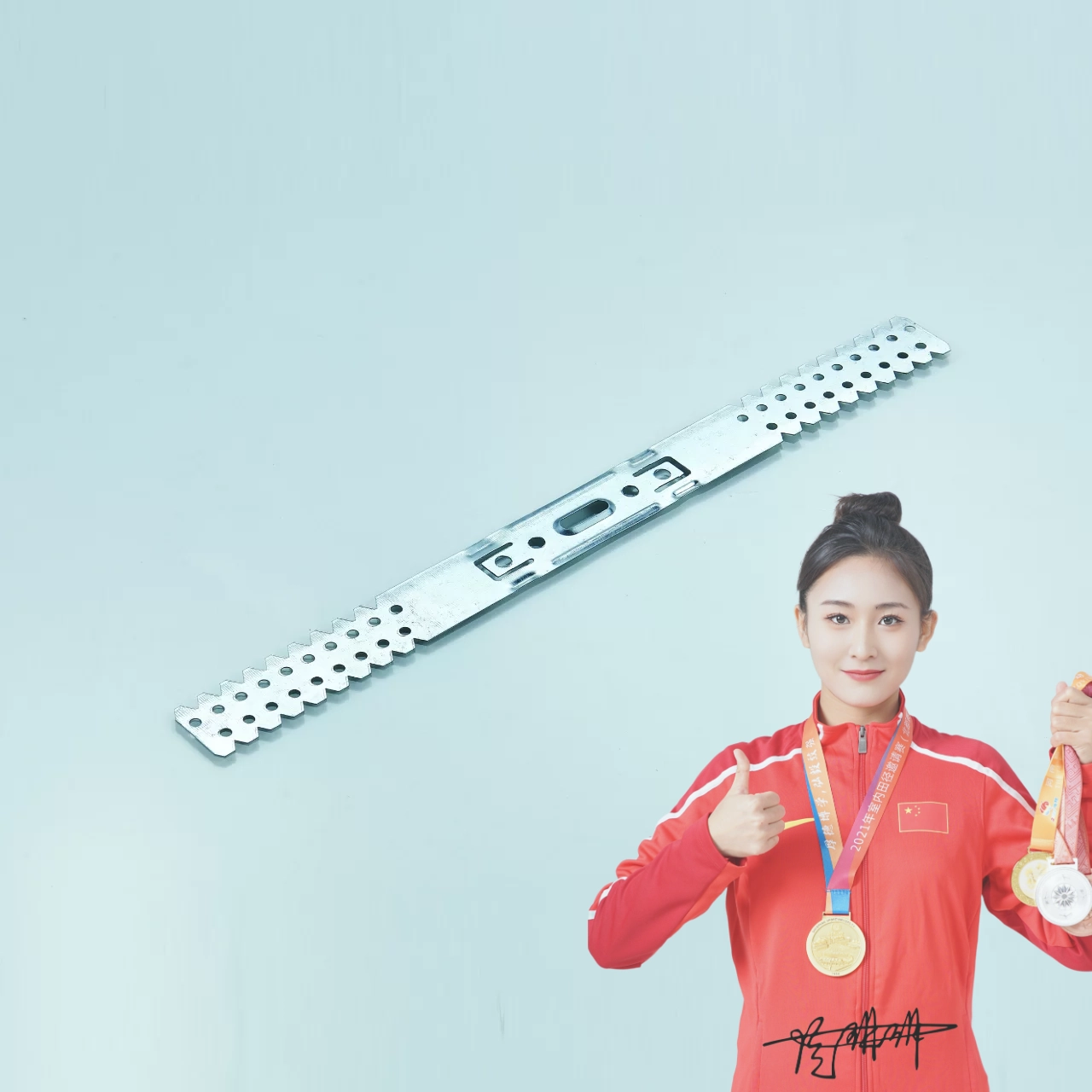
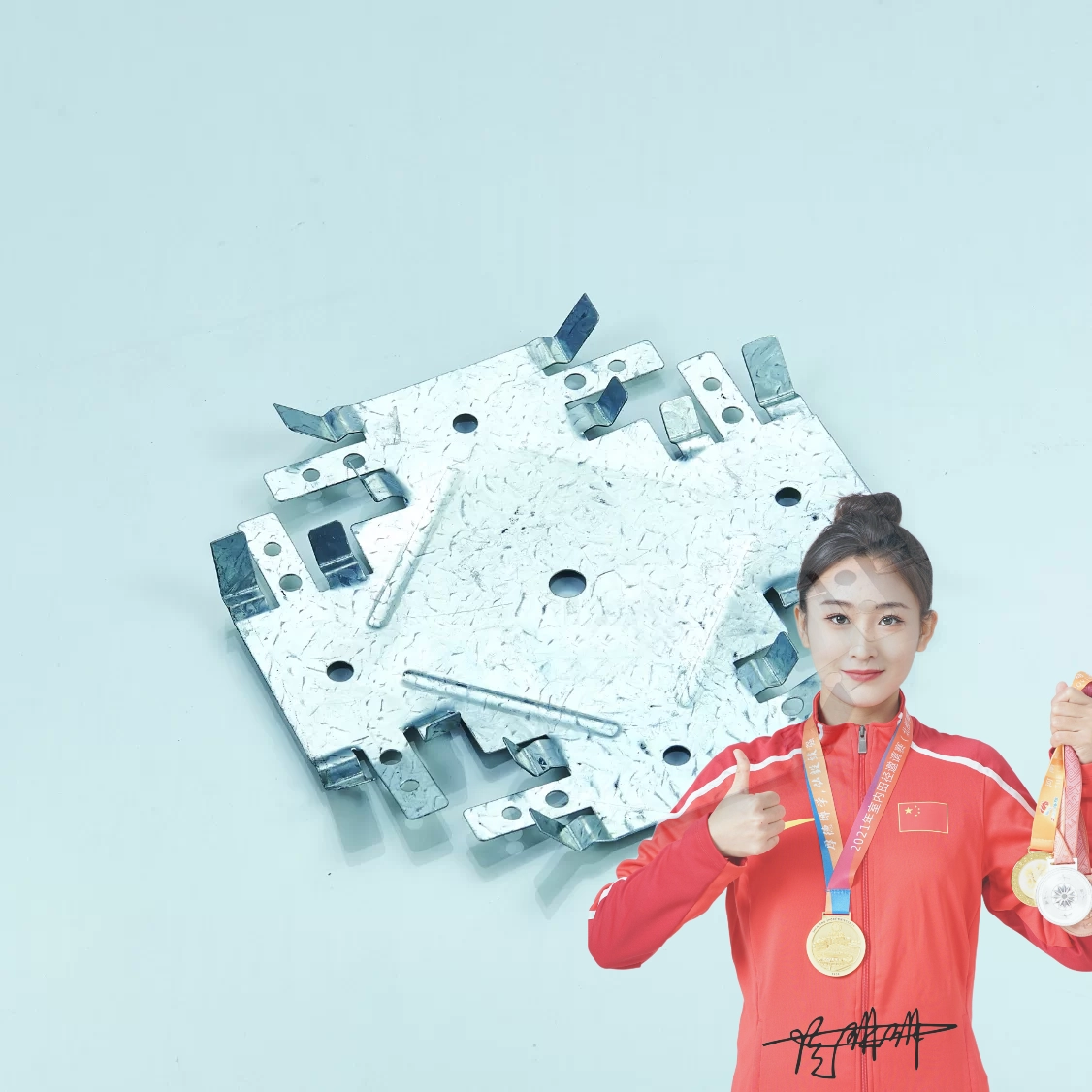
Walk any jobsite and you’ll hear it: “finish is everything.” True—but the finish only shines because the unseen framework does its job. That’s the quiet heroism of Ceiling Components: hangers, main tees, cross tees, wall angles, clips, trims, and the small but mighty fasteners. I’ve watched crews shave hours off installs with better connectors and, honestly, a smarter grid profile.

What’s trending right now
- Seismic-ready grids and bracing kits for Zones D–F (contractors are asking for stamped calcs more often).
- Low-VOC coatings and recycled steel content for green specs—LEED reviewers care.
- Click-in cross tees that actually hold alignment; fewer call-backs, which is nice.
- Acoustic add-ons: shadow trims, plenum barriers, and decoupled hangers for theaters and schools.
Materials, methods, and the test bench
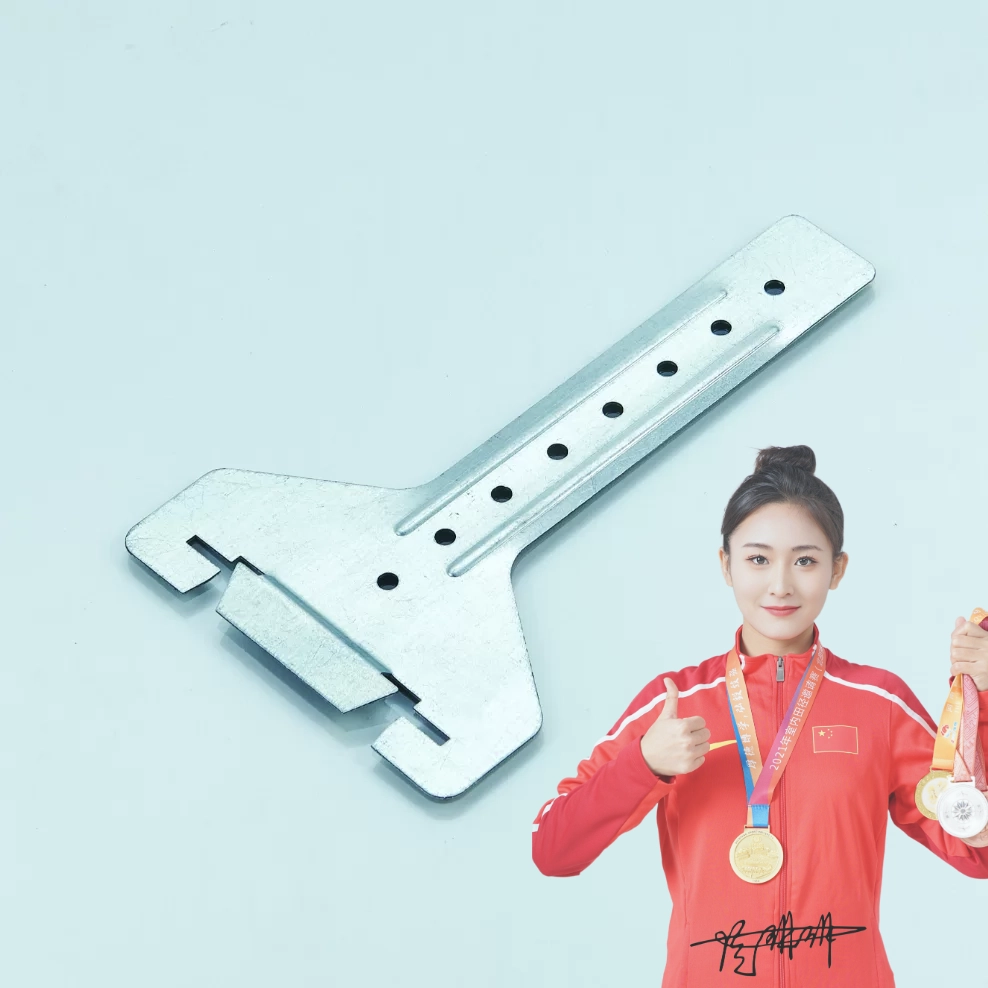
Most Ceiling Components are roll-formed galvanized steel (G40–G90) or aluminum (3003/5052). Manufacturing runs: decoiling → roll forming → stamping/notching → spot welding (where needed) → passivation → powder coating. QC folks I shadowed checked ±0.5 mm length tolerance and straightness with a gauge—simple, effective.
- Duty classes: ASTM C635 Heavy/Intermediate/Light; installed per ASTM C636.
- Corrosion: ASTM B117 salt-spray (≈72–240 h depending on coating and job spec).
- System: EN 13964 compliance for European tenders; CE marking where applicable.
- Fire and smoke: UL 723/ASTM E84 data requested for trims and finishes.
Core specifications (typical)
| Item |
Material |
Thickness |
Coating |
Load Class |
Notes |
| Main Tee (T-bar) |
Galv. steel |
≈0.30–0.40 mm |
G40–G90 / powder |
Intermediate |
L/360 at design load (real-world may vary) |
| Cross Tee |
Galv. steel |
≈0.25–0.35 mm |
Zinc/powder |
Light–Interm. |
Click-lock, tight end tabs |
| Hanger Wire |
Low-carbon steel |
12–16 ga |
Bright/galv. |
Per span |
300 mm from ends; 1.2 m spacing typical |

Applications and advantages
Use cases: offices, healthcare (cleanable trims), retail rollouts, transit hubs, education, and yes—humid zones with C3/C4 corrosion care. The advantage of well-made Ceiling Components? Faster alignment, lower deflection, better acoustics with fewer squeaks. Many customers say the click-fit tees cut install time ≈15–20% on grid-heavy floors.
Vendor snapshot (field notes)
| Vendor |
Compliance |
Lead Time |
Customization |
Notes |
| Raoyang manufacturer (Hebei) |
ASTM C635/C636, EN 13964; ISO 9001 |
≈15–25 days |
Profiles, colors, duty class |
Good price-to-performance; responsive |
| Generic importer |
Varies |
≈30–45 days |
Limited |
Watch tolerances and coating |
| Premium EU brand |
EN 13964, EPDs |
≈10–20 days (in-stock) |
Extensive |
Higher cost; excellent finish |
Customization and service life
Custom lengths (600/1200/3600 mm and odd sizes), shadow-line trims, antimicrobial coatings, and color-matched capping are common. With G60+ and indoor C2/C3 environments, service life is often 15–25 years; coastal or pool areas may require aluminum or heavier galvanized protection aligned to ISO 12944 C4/C5 thinking.
Case study: healthcare retrofit
A 9,000 m² hospital wing swapped aging tees for Intermediate Duty grid with antimicrobial cap. Load tests averaged 24 kg/m² at L/360; salt-spray 120 h (ASTM B117). Installation time dropped ~18% (contractor’s own log). Facilities team liked the rigid end tabs—tiles stayed seated after filter swaps.
Origin, certifications, feedback
Made in No. 11, Zongqi Road, Raoyang County Economic Development Zone, Hengshui City, Hebei Province. ISO 9001, CE (where applicable), and documented conformance to ASTM C635/C636 and EN 13964 are available on request. Contractor feedback? “Straight stock, fewer twists; grid squares up without wrestling,” as one foreman told me—informal, sure, but it matches my site notes.
References
- ASTM C635 – Standard Specification for the Manufacture, Performance, and Testing of Metal Suspension Systems.
- ASTM C636 – Standard Practice for Installation of Metal Ceiling Suspension Systems.
- EN 13964:2014 – Suspended ceilings. Requirements and test methods.
- ASTM B117 – Standard Practice for Operating Salt Spray (Fog) Apparatus.
- UL 723 / ASTM E84 – Surface Burning Characteristics of Building Materials.
- ISO 12944 – Corrosion protection of steel structures by protective paint systems.