Corner Bead Types: Understanding Their Role in Modern Construction
When it comes to finishing drywall corners—yes, those sharp edges that connect walls—corner bead types make all the difference. Globally, they've become an unsung hero in construction, ensuring durability, aesthetics, and safety. Knowing the nuances can save time, money, and headaches in massive projects or everyday renovations alike.
Introduction: Why Corner Bead Types Matter Worldwide
Interestingly, construction standards vary worldwide, but corner bead application stands out as a near-universal practice for reinforcing drywall edges. According to the International Organization for Standardization (ISO), durable wall finishes contribute significantly to building longevity and indoor safety.1 Yet, improper corner treatments cause roughly 15% of wall damage complaints post-occupancy in surveys conducted by global homebuilders.2 As urbanization accelerates—UN projects over 68% world urban dwellers by 2050—efficient, resilient corner solutions become even more crucial.
Defining Corner Bead Types
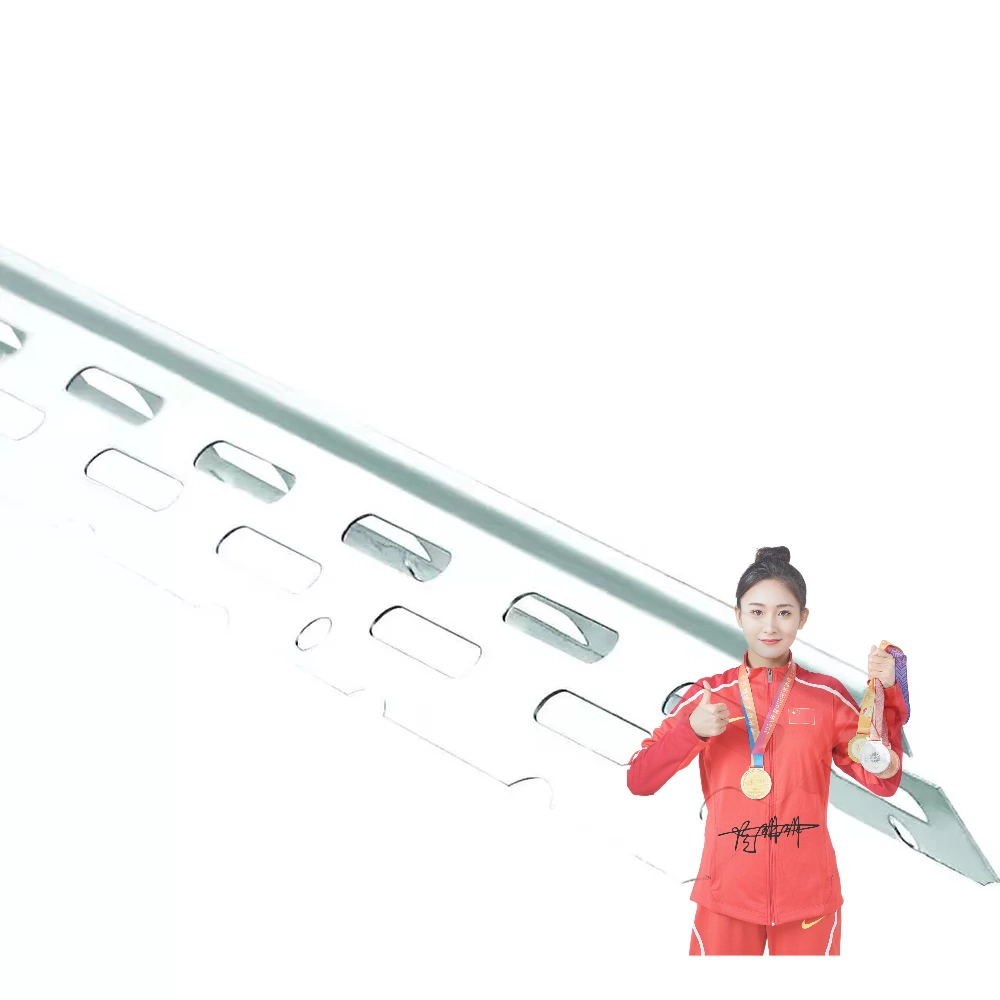
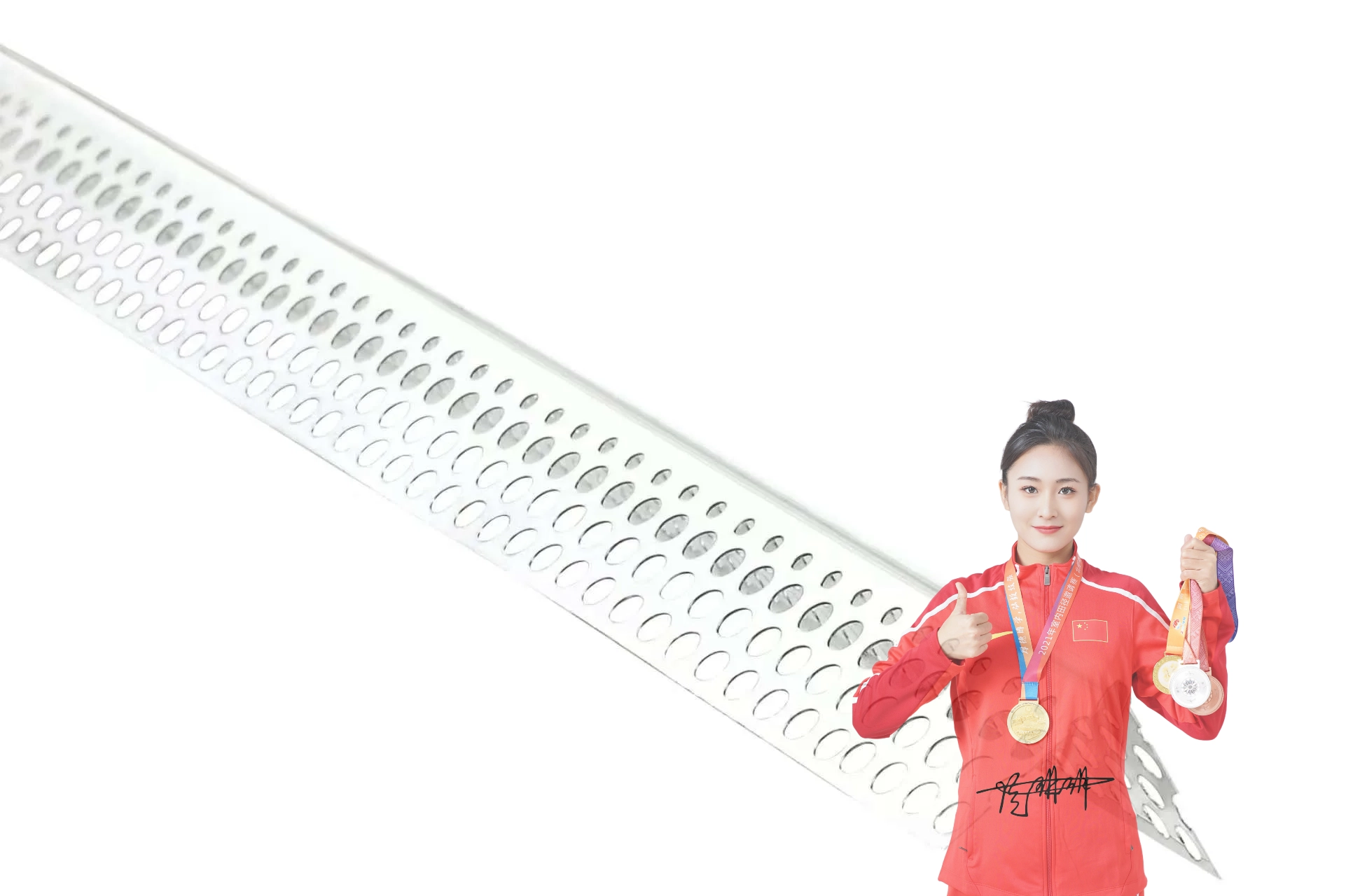
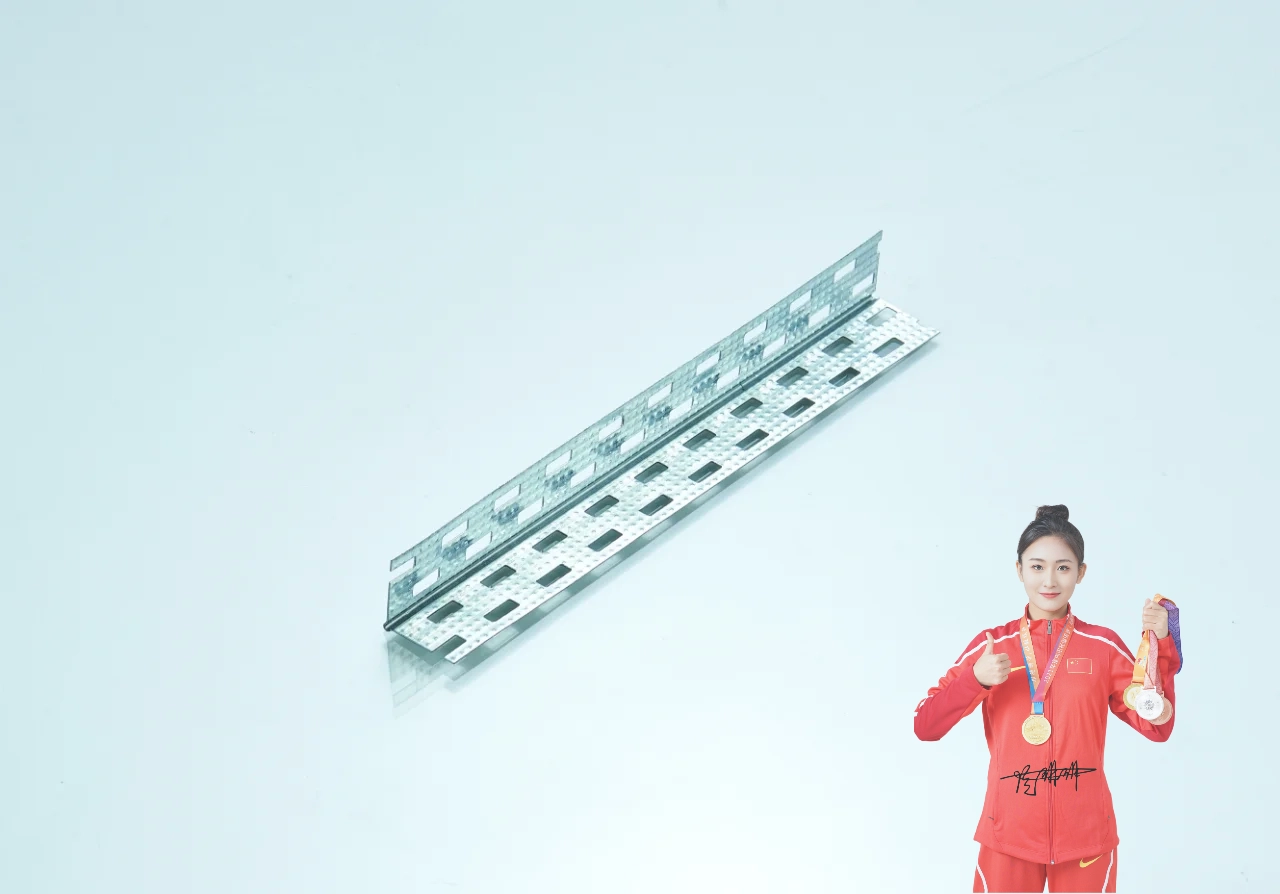
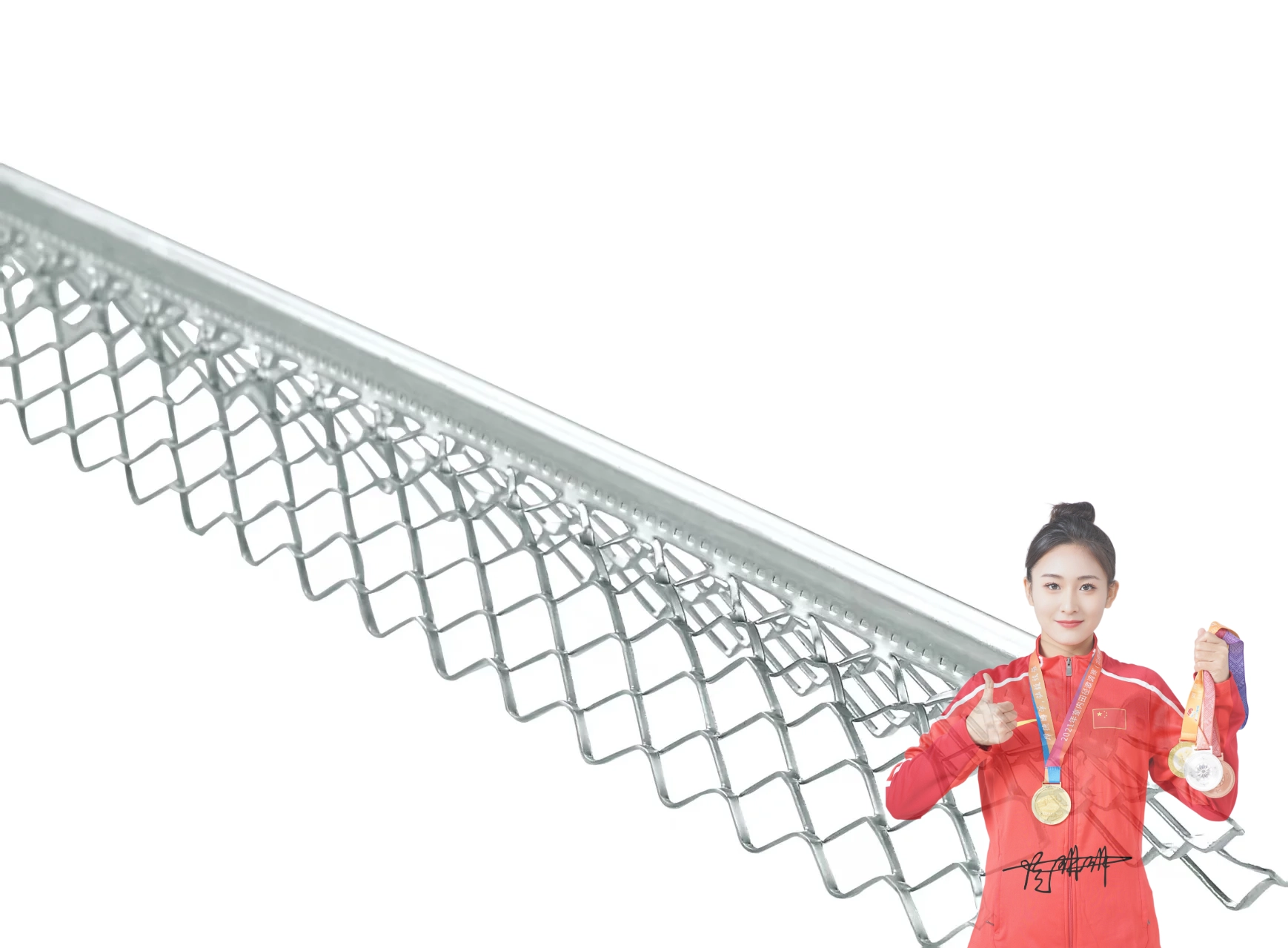
At its core, a corner bead is a profile or strip applied over wall corners, designed to protect edges from impact while providing a straight line for finishing. The "types" refer to the variety of materials and shapes these beads take: galvanized steel, vinyl, paper-faced metal, and even flexible plastic beads. Today’s corner beads aren’t just functional—they reflect wider construction trends like sustainability and ease of installation.
Key Factors in Choosing Corner Bead Types
Durability
First and foremost, corner beads must withstand knocks and abrasions. Steel beads are revered for their toughness but can rust if not protected. Vinyl beads, though less rigid, resist moisture and corrosion, making them ideal for damp environments.
Cost Efficiency
Budget often dictates bead choice. For large-scale commercial builds, the upfront savings of vinyl or plastic might seem compelling, but long-term durability can offset costs if steel beads reduce repairs.
Ease of Installation
Contractors often pick beads that simplify the workflow. Paper-faced beads, for example, stick directly to drywall edges, speeding up finishing but requiring skillful mudding to avoid cracking.
Aesthetic Finish
The final look matters, especially for high-end projects. Metal beads provide crisp, sharp edges, favored in modern designs, whereas flexible beads suit curved walls or arches.
Environmental Impact
With building codes leaning toward sustainability, recycled materials and low-VOC adhesives used in some bead types appeal to green-conscious architects.
Global Applications & Interesting Use Cases
In fast-growing metros across Asia and the Middle East, vinyl corner beads dominate due to low cost and weather resilience. Meanwhile, in Europe and North America, the preference swings toward metal or paper-faced beads for their premium finish and long-term strength.
In humanitarian efforts—like post-earthquake rebuilding—easy-to-install, flexible corner beads help speed shelter finish times, saving lives and resources. Industrial zones, with constant machinery movement, often rely on heavy-duty galvanized steel beads to endure daily impacts.
Common Corner Bead Specifications
| Type |
Material |
Thickness |
Ideal Use |
Moisture Resistance |
| Galvanized Steel Bead |
Steel with zinc coating |
0.35 - 0.50 mm |
High traffic/wet areas |
High |
| Vinyl Bead |
PVC |
0.40 - 0.60 mm |
Moist environments, affordable builds |
High |
| Paper-Faced Bead |
Metal + paper coating |
0.33 - 0.45 mm |
Residential, clean finishes |
Low |
| Flexible Plastic Bead |
Plastic composite |
Variable |
Curved surfaces, arches |
Medium |
Advantages and Long-Term Value
It feels like choosing the right corner bead saves not just the wall corners but potentially a lot of future repair money. Durable beads reduce repainting and patch jobs. From a social perspective, well-finished corners add subtle dignity to environments — hospitals, schools, or homes — making spaces feel cared for.
Also, many corner bead types contribute to sustainability goals by using recyclable materials or minimizing waste during installation. Reliability cultivates trust between builders, occupants, and inspectors.
Future Trends & Innovations
Innovators are developing corner beads embedded with antimicrobial coatings, crucial post-pandemic. Integration with digital scanning and augmented reality promises more exact fits and less material waste. Frankly, eco-friendly bio-composite beads are on the rise, aiming to reduce plastic usage altogether.
Automation in installation—robotic mudding paired with precision corner beads—could revolutionize finishing on large-scale projects, lowering labor costs and increasing consistency.
Vendor Comparison Table: Popular Corner Bead Suppliers
| Vendor |
Materials Offered |
Delivery Time |
Customer Rating |
Sustainability Initiatives |
| CornerBeadCo |
Steel, Vinyl, Paper-faced |
3-5 days |
4.7/5 |
Recycled metal usage |
| BeadWorks |
Vinyl, Flexible Plastic |
5-7 days |
4.3/5 |
Low-VOC adhesive products |
| ProCorners |
Metal, Paper-faced |
2-4 days |
4.8/5 |
Renewable packaging materials |
Challenges & Expert Solutions
Oddly enough, despite their seeming simplicity, corner beads often get overlooked until damage occurs. Poor installation or choosing the wrong type for the environment leads to cracking or rust, ultimately requiring costly fixes.
Experts recommend precise site assessments before bead selection. Using moisture barriers beneath metal beads in humid climates, or opting for flexible beads on organic architectural forms, prevents most issues. Training and quality control during application make all the difference, too.
FAQ: Frequently Asked Questions About Corner Bead Types
-
Q: What corner bead type is best for bathrooms?
A: Vinyl corner beads are preferred for bathrooms due to their excellent moisture resistance and corrosion-free characteristics, helping to prevent mold and rust over time.
-
Q: Can corner beads be painted directly?
A: Yes, most corner beads can be painted after installation and proper finishing with joint compound. Paper-faced beads create a very smooth surface, ideal for painting.
-
Q: How do I install a flexible corner bead on curved walls?
A: Flexible plastic beads can be gently bent to match curvature. Use fast-setting drywall mud and secure nails or staples, ensuring continuous adhesion to avoid cracking.
-
Q: Are metal corner beads recyclable?
A: Absolutely. Galvanized steel corner beads can be recycled as scrap metal, aligning with many green building initiatives.
Conclusion: Why Knowing Corner Bead Types Pays Off
Ultimately, savvy choice of corner bead types pays dividends in building durability, appearance, and occupant satisfaction. As construction demands grow worldwide, this tiny strip quietly shapes big outcomes.
Please visit our website for detailed info on corner bead types and expert support in choosing the right product for your project.
There’s always something new around the corner, especially when it’s protected by the right bead.
References
- ISO Standards on Building and Construction
- World Green Building Council Data
- United Nations Urbanization Reports