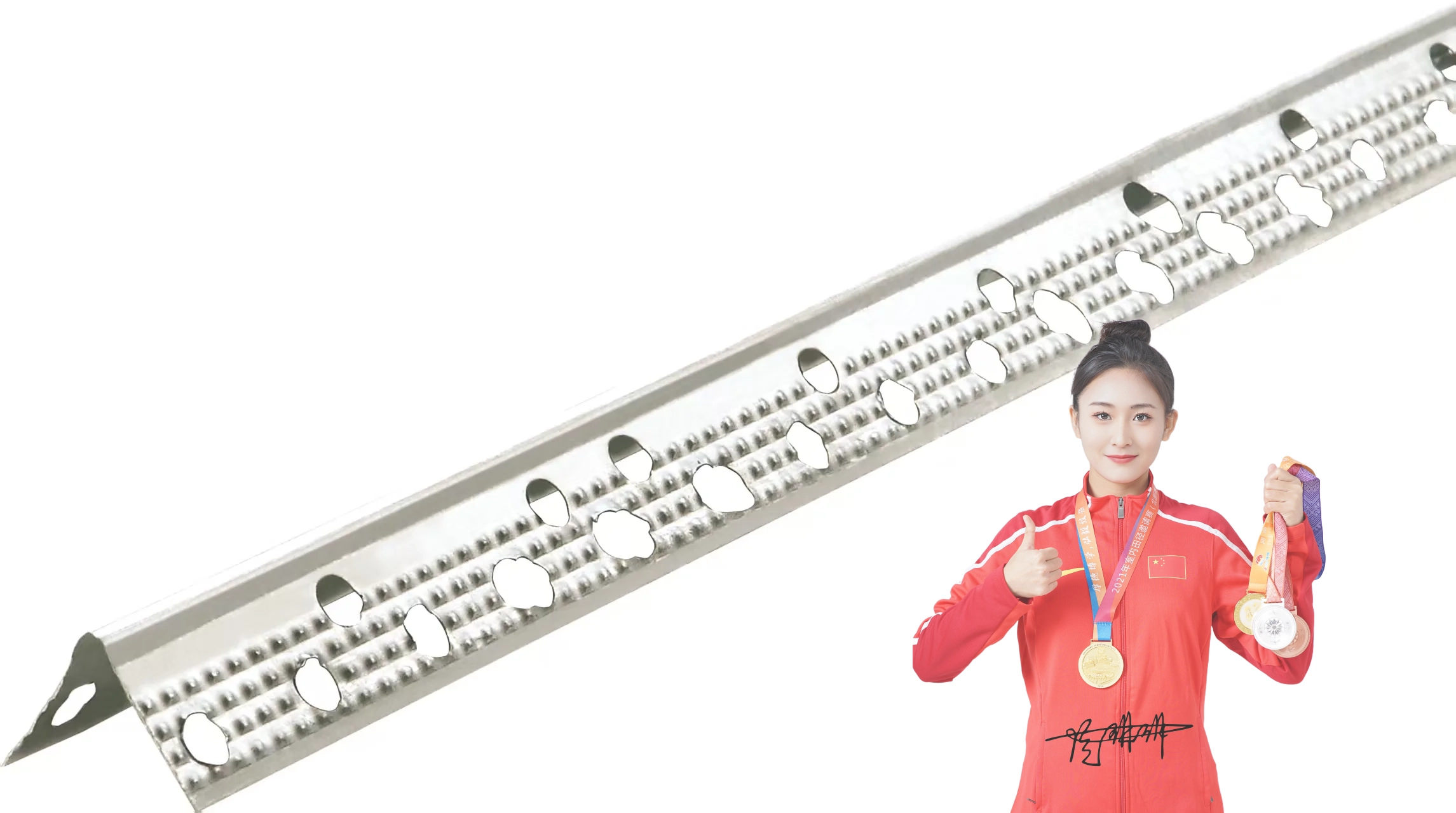
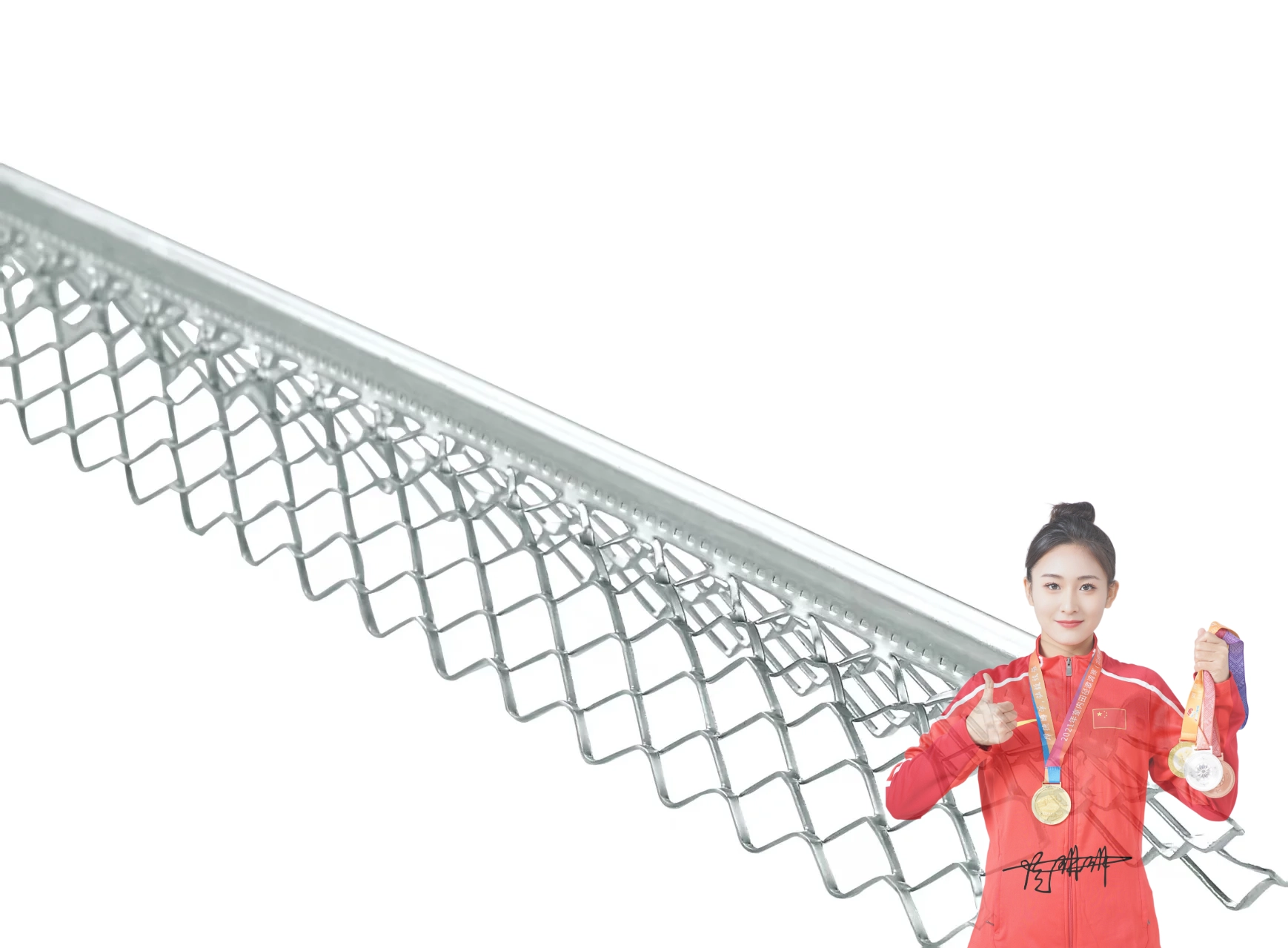
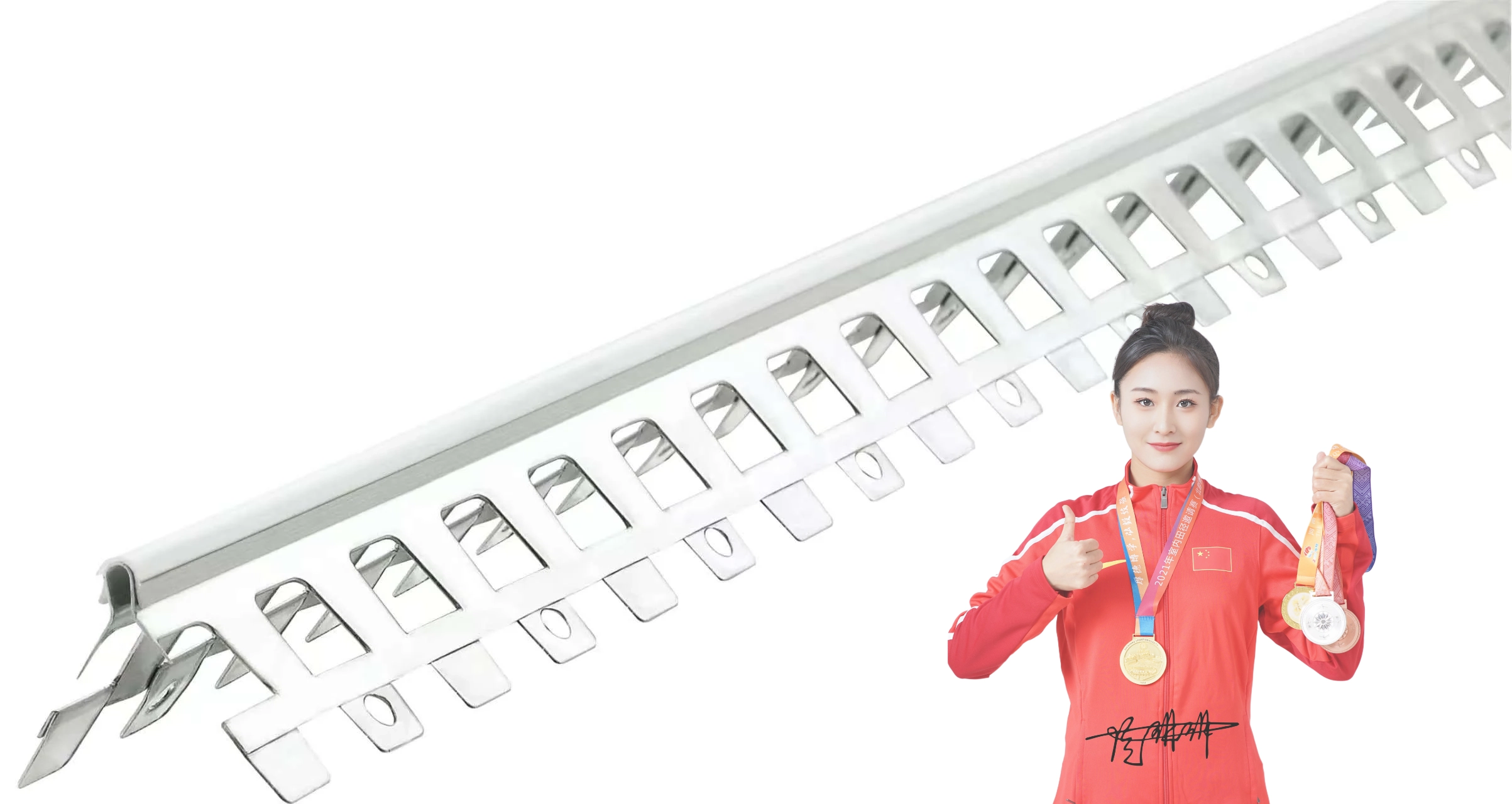
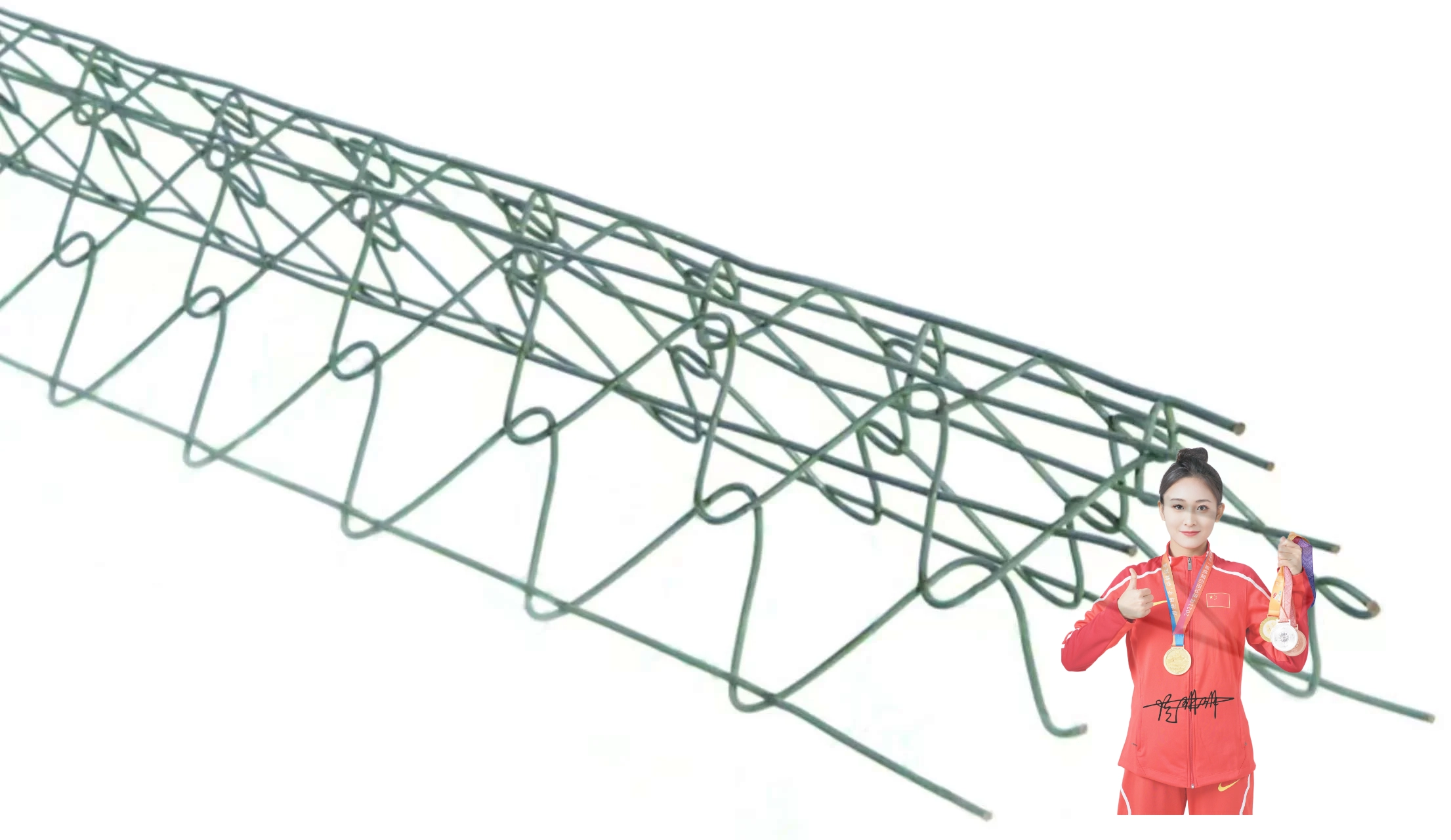
Understanding EML plastering mesh: Why it matters globally
If you’ve ever marveled at the smoothness and resilience of modern plastered walls, there’s a good chance that eml plastering mesh played a part behind the scenes. This isn’t just some wire grid hidden beneath the plaster; it’s a carefully engineered product that fuses durability, flexibility, and longevity — solving a world of problems in construction and repair globally. Why should you care? Well, whether you’re a contractor, an architect, or simply someone who appreciates quality workmanship, understanding plastering mesh unlocks insights into building safer, greener, and more cost-effective homes and infrastructures worldwide.
Now, plaster cracking, wall degradation, and inefficient renovations are challenges that transcend borders. The eml plastering mesh helps mitigate these issues elegantly, and as urbanization accelerates, so does the need for such advanced materials. Plus, in post-disaster regions and low-resource settings, putting reliable, affordable materials into hands matters profoundly for rebuilding lives.
Mini takeaway: EML plastering mesh is a subtle hero in construction, tackling common plaster problems globally and enabling lasting, quality finishes.
Global context: why eml plastering mesh is more relevant than ever
According to the United Nations, by 2050, nearly 68% of the world’s population will live in urban areas, raising the stakes on sustainable construction materials. Plaster remains a fundamental part of building envelopes worldwide, from Europe to Asia, Latin America to Africa. But plaster’s vulnerability to cracking caused by temperature shifts, moisture, and structural movement makes it a weak link — a problem that eml plastering mesh directly addresses.
Data from ISO and construction industry studies show up to 30% of building repairs pertain to damage in plaster finishes. Now, imagine if that could be slashed by reinforcing plaster with a mesh designed to handle these stressors. That’s where this specialized mesh makes a concrete difference.
Mini takeaway: Rapid urban growth and building repair statistics underscore the urgent need for strong plaster reinforcement materials like EML plastering mesh.
What exactly is eml plastering mesh?
Simply put, eml plastering mesh is a synthetic mesh material, usually made from fiberglass infused with special coatings, meant to be embedded in plaster layers. Its primary role is to reinforce plaster surfaces, preventing cracks, improving adhesion, and distributing mechanical stress across walls or ceilings.
It’s a quiet innovation born of both industrial efficiency and humanitarian necessity. Where plastering was once a purely manual art susceptible to early wear, mesh-enhanced plastering now guarantees stability under conditions that might have previously led to failure — for example, seismic zones or humid climates.
Connection to modern industry and humanitarian projects
In industries, this mesh equips commercial and residential buildings for longer life cycles. For humanitarian projects, it means durable shelters, schools, and clinics that can withstand harsh environments and repeated use — critical for rebuilding after crises.
Core components and key factors behind eml plastering mesh effectiveness
Durability and crack resistance
Probably the biggest selling point. The fiberglass core of EML plastering mesh resists shrinkage, stretch, and environmental damage. It acts like a shock absorber for plaster, distributing mechanical stresses and temperature shifts evenly — avoiding the common plaster cracks wall owners dread.
Water and chemical resistance
The mesh is usually coated with water-repellent and alkaline-resistant compounds, preventing the deteriorating effects of moisture and cement alkalinity. This keeps the plaster fresh for years, which is vital in humid climates or areas with pollution.
Ease of installation and scalability
Compared to metal meshes, EML plastering mesh is lighter, flexible, and easy to cut on-site. This allows contractors to save precious time — especially important in large-scale projects or emergency rebuilds where speed matters a lot.
Cost efficiency
Though initially slightly pricier than no reinforcement or basic metal options, the long-term savings on repairs and longevity make the mesh a smart investment.
Compatibility with modern plastering materials
EML meshes are tested to integrate seamlessly with cement plaster, lime plaster, and modern polymer-based mixtures, making them versatile competitors.
| Specification |
Details |
| Material |
Fiberglass with alkali-resistant coating |
| Mesh Size |
4 mm x 4 mm (typical) |
| Width Availability |
0.5m to 3m rolls |
| Tensile Strength |
>1100 N/5 cm |
| Chemical Resistance |
Alkali, moisture |
| Weight |
50-70 g/m² |
Mini takeaway: The makeup of EML plastering mesh balances durability, ease of use, and cost – a trio that makes it suitable for a broad spectrum of construction needs.
Global applications and real-world use cases
From sprawling cities in Europe to small villages rebuilding after hurricanes in the Caribbean, eml plastering mesh finds its place quietly but effectively. Here are some places and scenarios where it shines:
- Urban construction: City dwellings and office blocks use it to reduce long-term maintenance on plaster walls.
- Post-disaster rehabilitation: NGOs incorporate plaster reinforcement mesh in emergency shelters—helping walls survive bad weather and movement.
- Historic restoration: When preserving old buildings, it helps reinforce plaster without drastically changing wall thickness or appearance.
- Industrial facilities: Where chemical resistance is crucial, the coated meshes help plaster surfaces stand up to harsh environments.
Advantages and lasting value of using eml plastering mesh
Let’s talk pros — beyond what specs and technical sheets say, why do so many builders swear by eml plaster reinforcement mesh?
- Long-term cost savings: Fewer cracks mean fewer repairs and repainting cycles, saving money over a building’s life.
- Improved safety and comfort: Stable plaster walls contribute to structurally sound buildings and better thermal insulation.
- Environmental impact: Reduced material waste from repairs and sustainable production methods align with green building standards.
- Dignity and trust: In humanitarian contexts, a solid wall is more than just shelter — it’s a symbol of hope and normality.
Looking ahead: Future trends in eml plastering mesh technology
In an industry that sometimes feels slow to innovate, plastering mesh is quietly evolving. Researchers are introducing:
- Bio-based coatings: To further reduce environmental footprints.
- Nanotechnology enhancements: For improved bonding and self-healing capacities.
- Integration with digital tools: Using BIM (Building Information Modeling) for precise application planning.
Interestingly, automation in installation methods is also slowly catching on, potentially speeding up the mesh embedding process on construction sites worldwide.
Common challenges and practical solutions
No product is perfect, and plastering mesh does have hurdles — for example:
- Improper installation: Can limit mesh effectiveness.
- Environmental extremes: Sometimes extreme moisture or temperature cycles exceed standard resistance.
- Supply chain inconsistencies: Quality can vary between vendors.
How to overcome? Training installers properly, selecting certified suppliers (like those featured below), and choosing mesh with advanced coatings tailored to specific environments are key.
| Vendor |
Material Quality |
Cost (per roll) |
Availability |
Special Features |
| CornerBead Mfr |
High-grade fiberglass + alkali-resistant coating |
$65–$80 |
Global shipping |
Custom widths, eco-coating available |
| MeshMaster Co. |
Standard fiberglass |
$45–$60 |
Regional only |
Basic coating |
| EcoMesh Ltd. |
Fiberglass + bio-based coating |
$75–$90 |
Selective international |
Sustainable materials |
FAQ: Answers to common questions about eml plastering mesh
What advantages does eml plastering mesh have over traditional metal mesh?
EML plastering mesh provides better resistance to alkalinity and corrosion compared to metal alternatives, ensuring the plaster remains reinforced longer with less risk of rust-related damage. It’s lighter and easier to handle, speeding up installation, especially in complex or large-scale projects.
How long can plaster reinforced with eml mesh typically last?
With proper installation, plaster reinforced with eml mesh can last upwards of 20-30 years without significant cracking or repair, depending on exposure conditions and maintenance. It significantly extends plaster life compared to mesh-free applications.
Is eml plastering mesh suitable for humid or coastal areas?
Yes, thanks to its chemical-resistant coatings, eml plastering mesh is designed to hold up well in high-moisture and salt-laden environments common in coastal regions.
Can I order custom sizes or specialty coatings?
Definitely. Leading manufacturers and suppliers often offer customization on mesh widths, roll lengths, and coatings to meet project-specific needs, including eco-friendly variants. Check out trusted vendors like CornerBead Mfr for options.
Are there specific installation tips to ensure the best results with this mesh?
Yes, key points include embedding the mesh fully within the plaster layer, avoiding wrinkles, and overlapping adjacent mesh strips properly. Training and guidance from manufacturers or pros can make a big difference.
Wrapping up: Why invest in eml plastering mesh?
For builders, renovators, and aid agencies alike, eml plastering mesh represents an elegant solution balancing cost, quality, and sustainability. It’s not just a tool to prevent cracks — it’s a testament to innovation quietly shaping construction’s future, one smooth wall at a time. For dependable products and expert guidance, remember to visit our site. After all, behind every great building, there’s smart reinforcement.
References:
1. United Nations, World Urbanization Prospects, 2018 Revision.
2. ISO 9001:2015 Quality Management for Construction Materials
3. Wikipedia, "Plastering Mesh" – https://en.wikipedia.org/wiki/Plastering_mesh