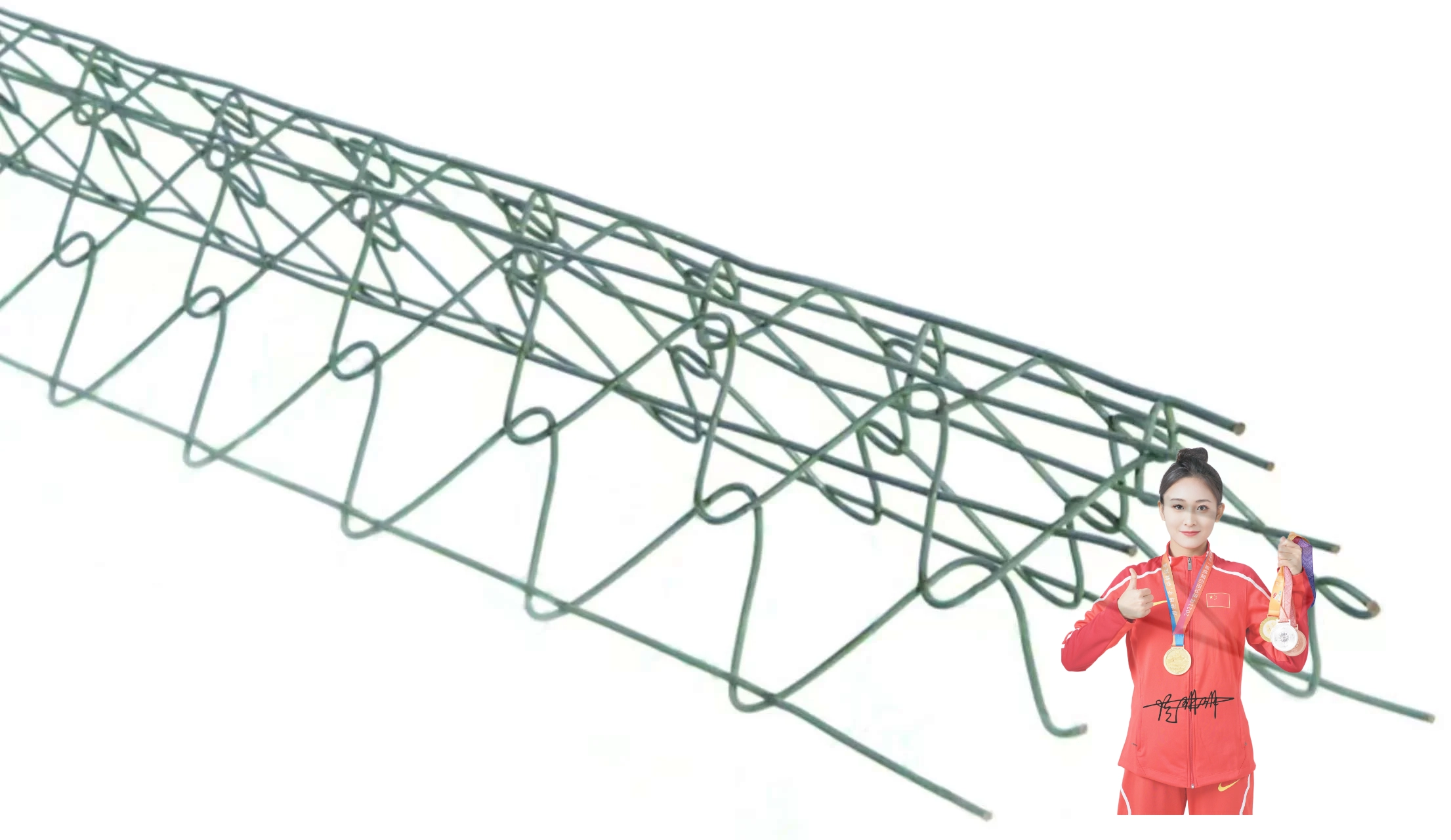
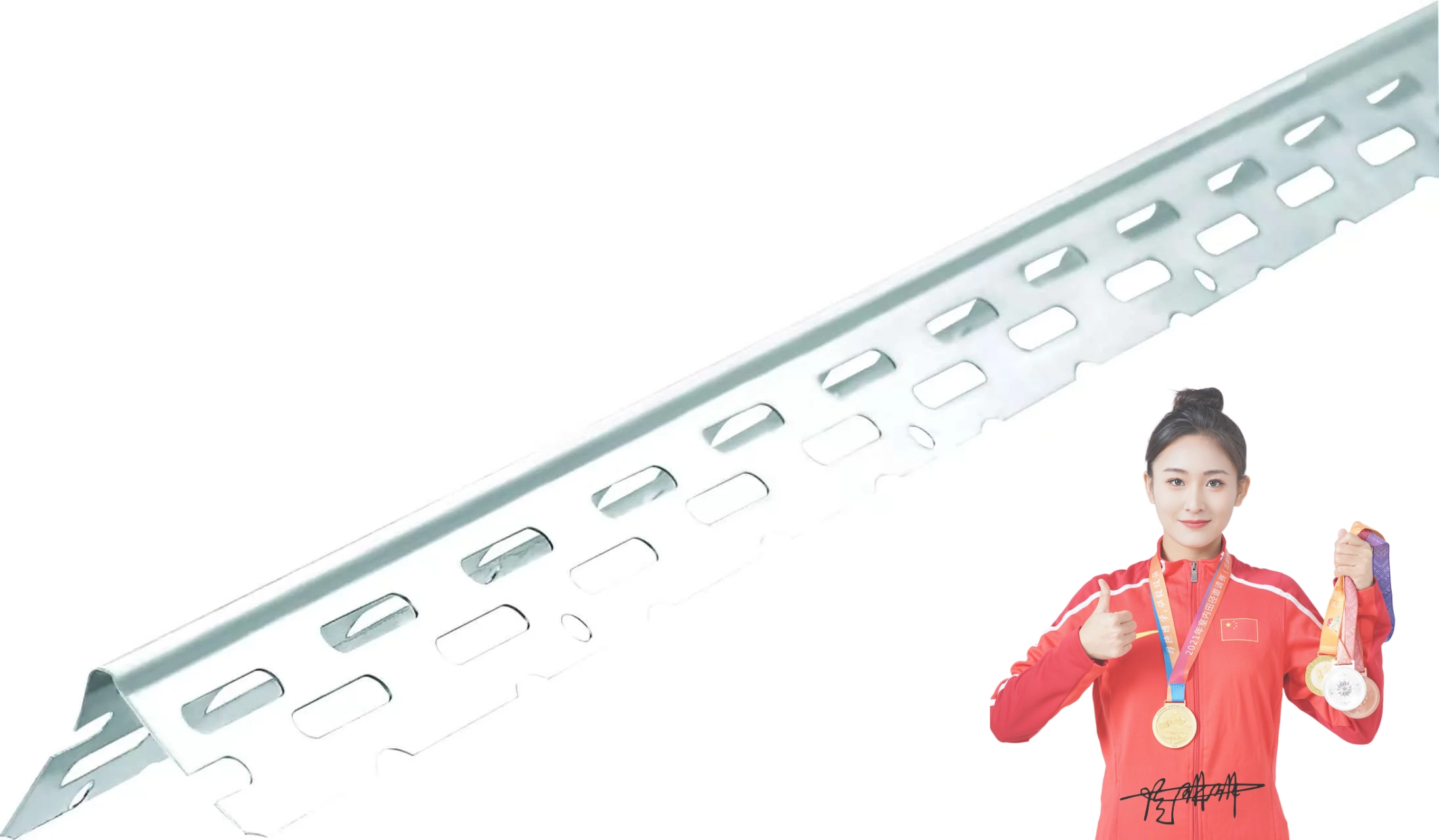
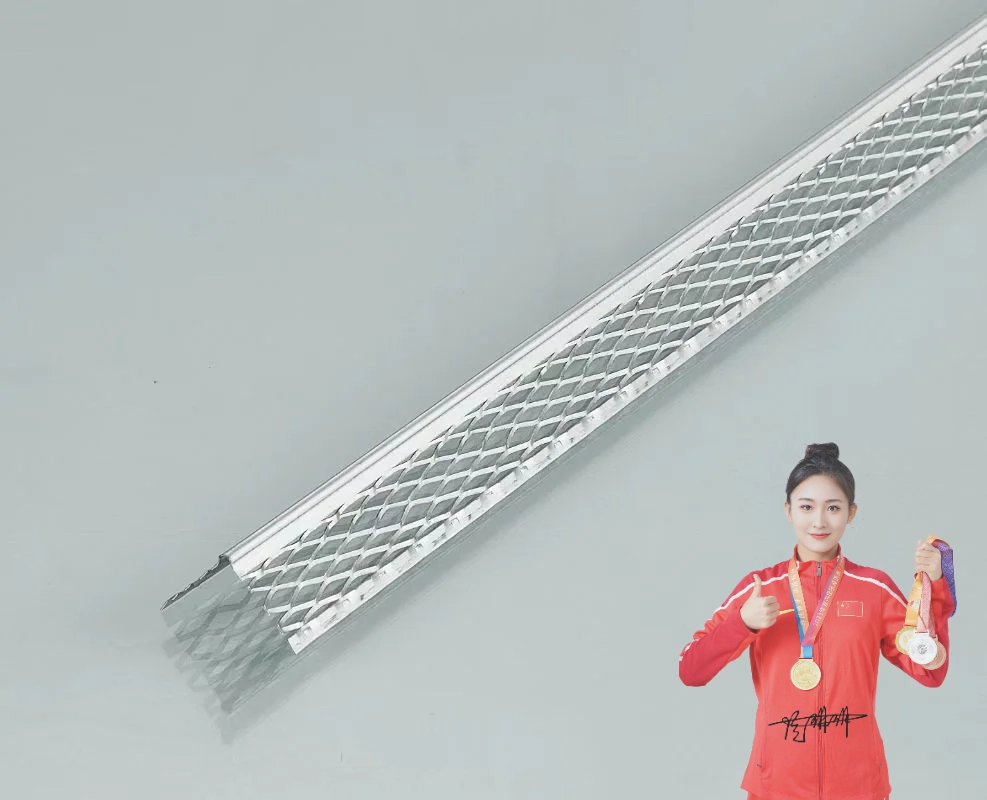
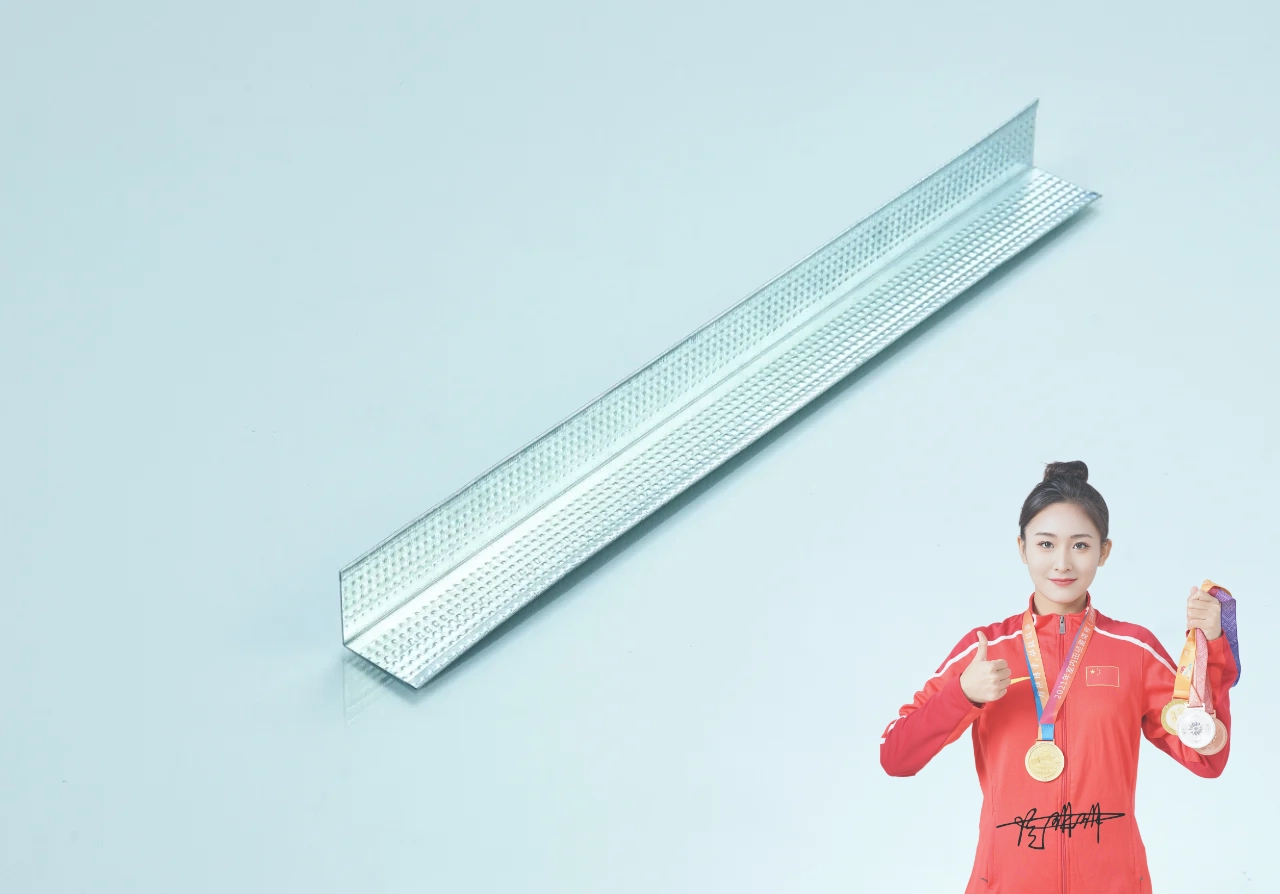
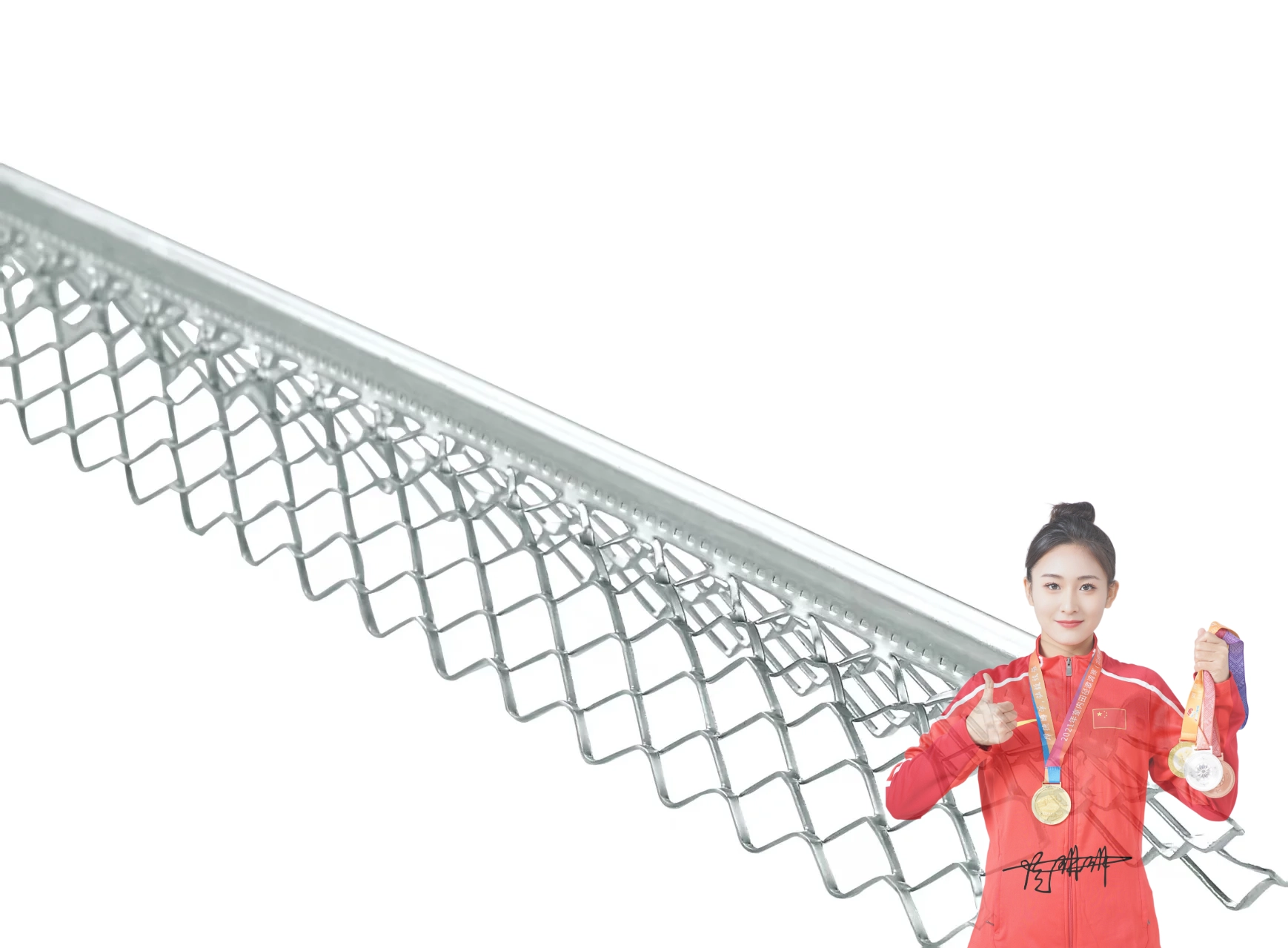
Corner Trim Drywall: Durable Solutions from Experience
Having spent a good stretch of my career in the industrial equipment sector, I've come across my fair share of drywall finishing challenges. Corner trim drywall, in particular, is one of those unsung heroes nobody really notices—until it isn't installed properly or doesn’t hold up. Frankly, a crisp, protected corner on drywall can make all the difference between a project looking polished or just... meh.
The corner trim drywall products I trust are often those that balance strong materials with ease of installation. It’s not just about slapping on a metal strip; it’s about durability, alignment, and how well it resists dents and chips over time. Oddly enough, many contractors still overlook the value of quality corner bead, settling for cheaper options that end up costing more in repairs down the line.
Industrial-grade corner trims typically come in galvanized steel or vinyl. Steel beads offer excellent rigidity and a crisp edge, but can sometimes be a pain during installation if you don’t have the right tools or patience. Vinyl, meanwhile, tends to be more flexible, making it good for curved or imperfect corners, plus it won’t rust. Both have their place—it often comes down to the project specs and job site preferences.
From my experience, the specs that matter the most include bead profile, length, and thickness. I once worked on a warehouse retrofit where the corners had to withstand constant forklift traffic—not your average drywall environment. The contractor chose a heavier gauge steel corner bead with a reinforced edge, and you could really tell it made a difference. The corners held up, even after a year of heavy use.
Corner Trim Drywall Product Specifications| Specification | Galvanized Steel | Vinyl |
|---|
| Length | 8 to 10 feet | 8 feet standard |
| Thickness | 27 to 30 gauge | Approx. 0.042 inches |
| Corrosion Resistance | Good (galvanized coating) | Excellent (PVC material) |
| Flexibility | Low | High |
| Installation Method | Nail or screw attachment | Adhesive or nail |
Now, when it comes to picking a corner bead vendor, I always recommend weighing more than just price. The availability, delivery speed, and product customization can make or break timelines, especially on large projects. Here’s a simple rundown I keep in mind when deciding between three common suppliers:
Vendor Comparison for Corner Trim Drywall| Vendor | Material Options | Lead Time | Custom Sizes | Pricing |
|---|
| CornerBead Mfr | Steel, Vinyl, Paper Faced | 1-2 days | Yes | Competitive |
| SteelPro Supplies | Steel only | 3-5 days | No | Mid-range |
| VinylTrim Co. | Vinyl only | 2-4 days | Limited | Higher |
One anecdote that sticks with me: on a remodeling job for a school, the client insisted on vinyl corner bead due to concerns about rust where moisture could get in. Some engineers were skeptical about vinyl’s durability under the heavy traffic of kids, but after several years—and a few bumps—the vinyl beads still looked fresh. That project really shifted my view on material suitability beyond just steel vs. vinyl.
In real terms, the best corner trim drywall solutions come down to knowing the job environment, project deadlines, and the nuances of product performance. I suppose what I’m saying is, don’t just treat corner bead as an afterthought—get the right product, from a trusted source like corner trim drywall specialists, and it’ll pay dividends every time.
So next time you pass by a neat, clean drywall corner, remember there's a bit of craftsmanship and smart product choice behind it. It's those details—invisible but essential—that really separate the pros from the rest.
1. ASTM Standards for Drywall Corner Beads
2. Industry reports on drywall finishing longevity, 2022
3. Trade experiences & contractor testimonials, 2018–2023