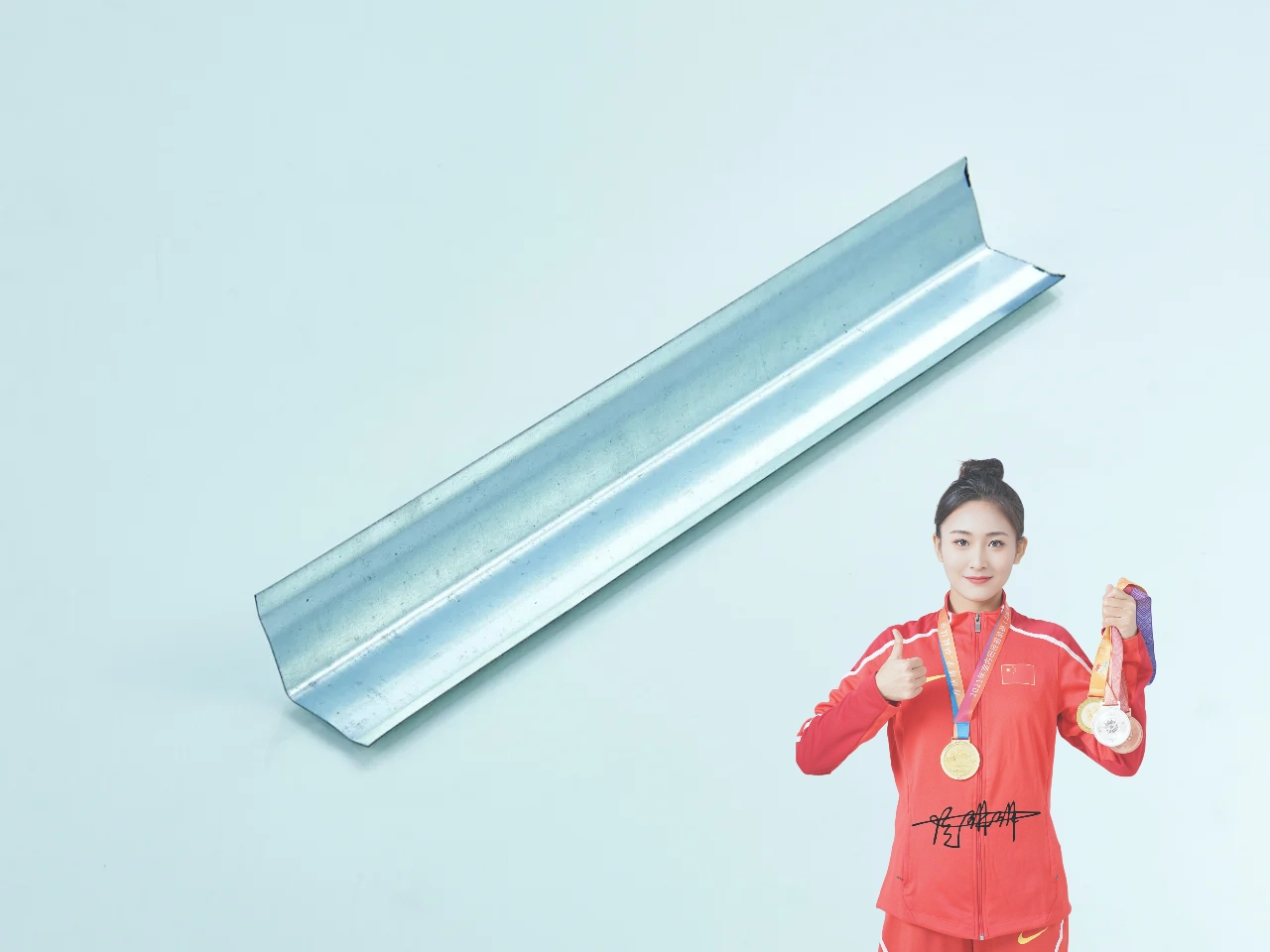
Curved Drywall Corner Bead: The Unsung Hero of Seamless Walls
Anyone who's spent time on job sites or in drywall finishing will tell you: getting those smooth, flawless corners—especially curved ones—is something else entirely. I’ve worked around industrial equipment and commercial builds for years, and oddly enough, curved drywall corner bead always catches my attention. Why? Because it’s a small detail that makes a huge difference in the finished look and durability of curved surfaces.
If you've ever wrestled with corner bead, you know it’s not just about rigidity or strength. The way a corner bead handles bending, how it interacts with drywall mud, and whether it holds up to wear and tear over time—well, those things separate the pros from the amateurs. This is exactly where curved drywall corner bead shines.
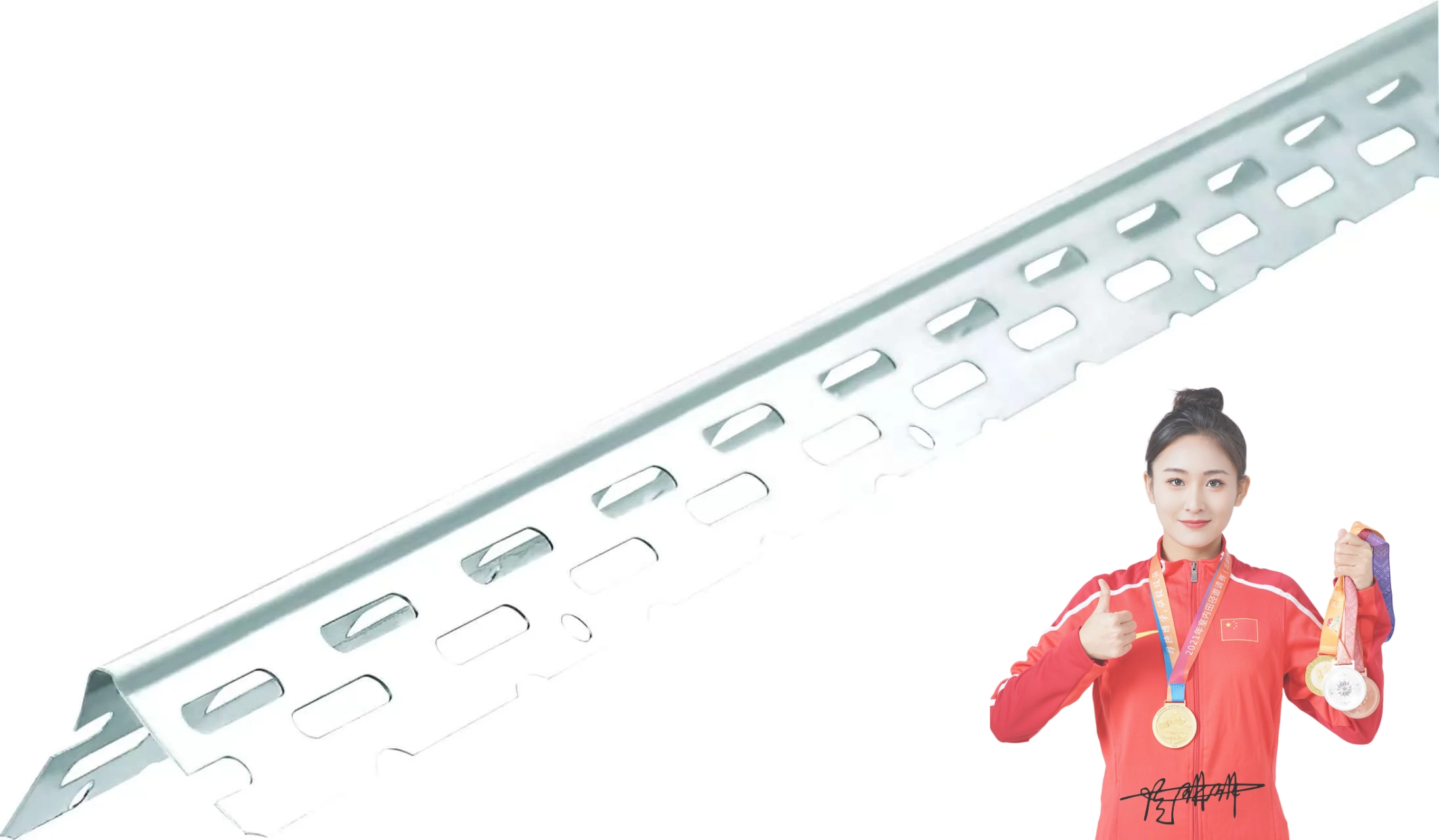
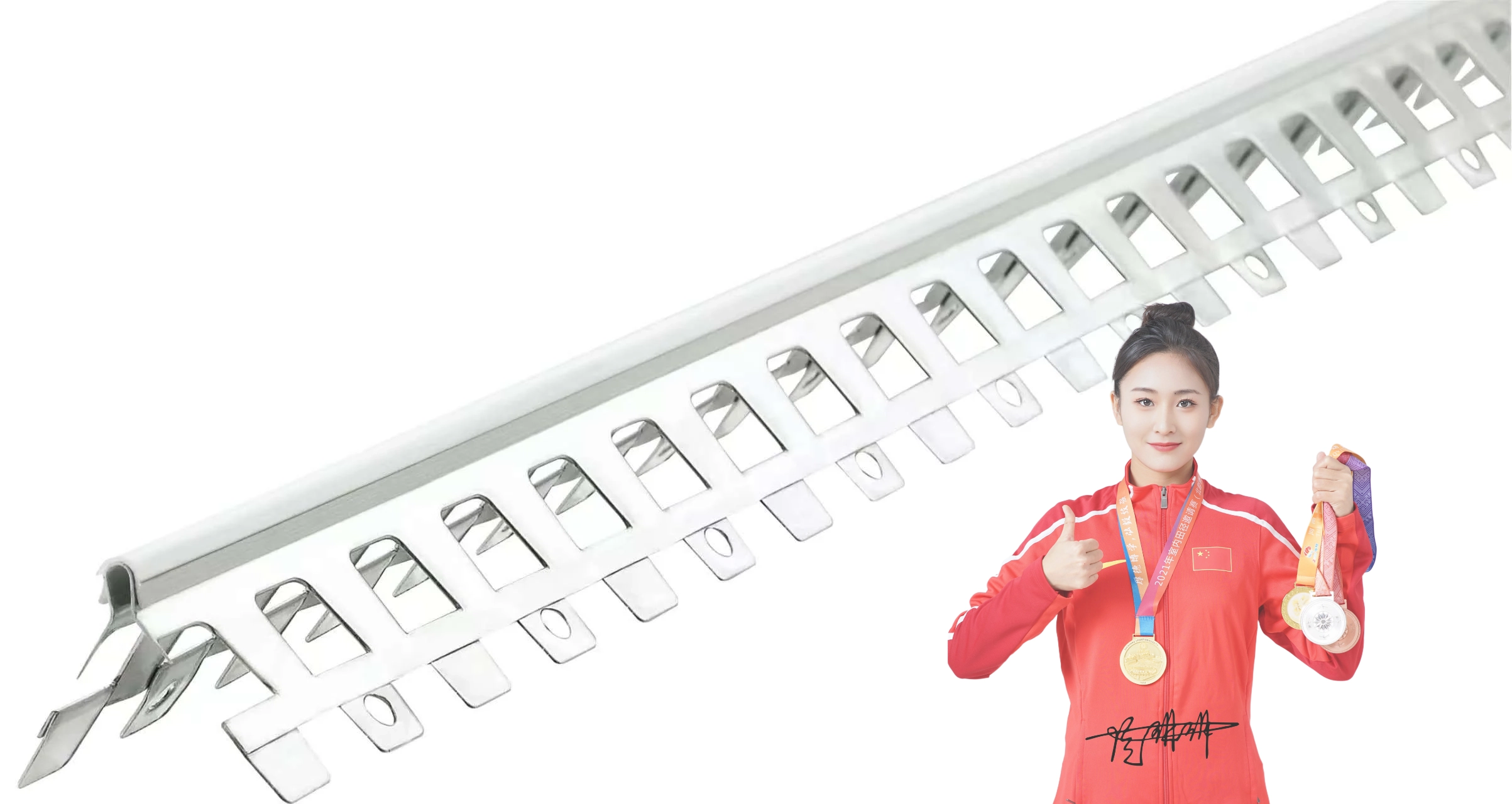
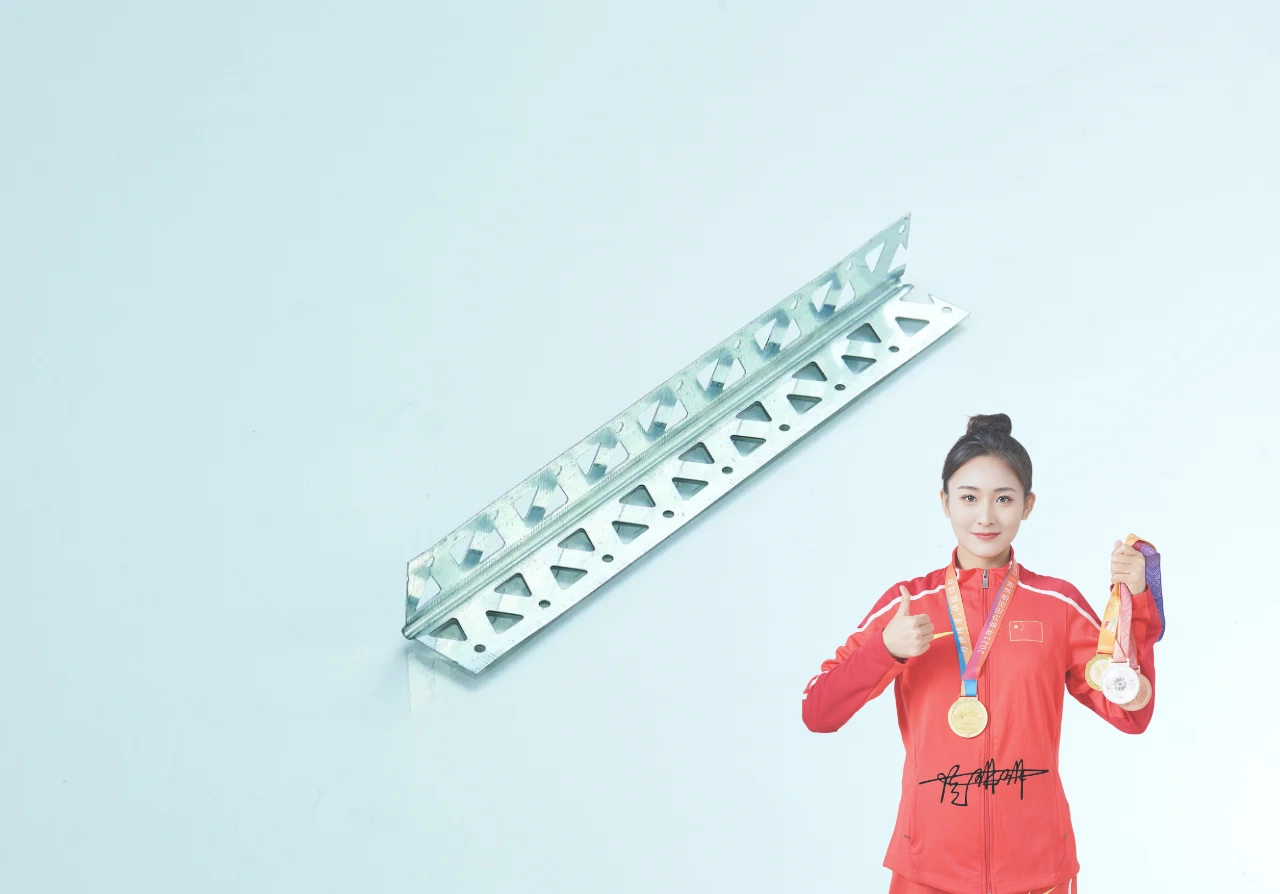
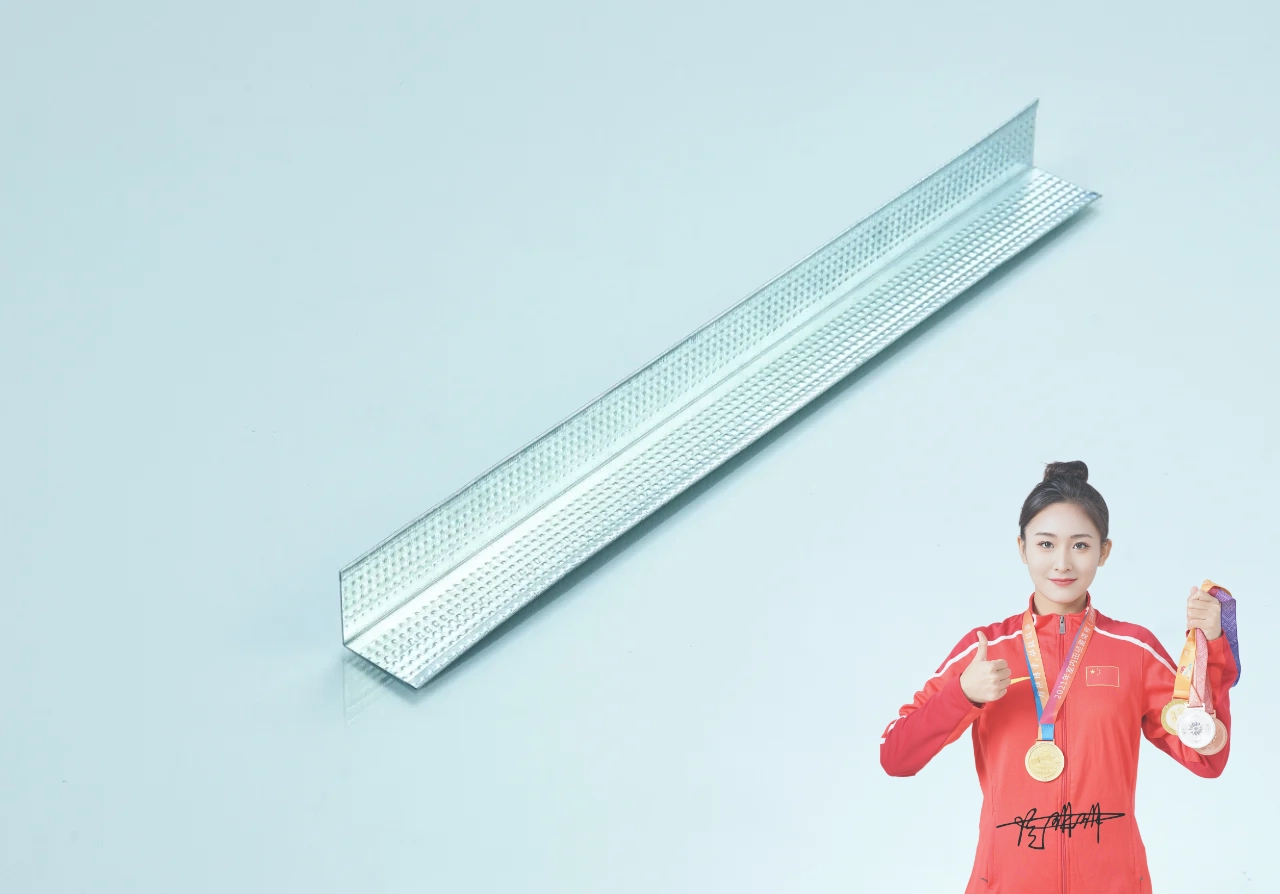
Let me share a bit about the typical materials and designs I’ve seen out in the field. Most curved drywall beads come in metal or flexible vinyl. Steel beads give you rigid, durable edges—it’s key when you expect heavy foot traffic or machine vibrations nearby. On the other hand, vinyl beads flex with the curves, making tight radii much easier to form without cracking or compromising the finish.
Frankly, I’ve noticed that vinyl beads sort of “forgive” some of the rough handling that inevitably happens during transportation and installation. That flexibility can reduce rework and save time—something every installer appreciates. But, if your environment demands extra toughness, metal is still king, especially galvanized steel which also stands up well to moisture.
One memorable project involved a curved drywall wall around a large industrial press. The engineers required both precision curves and robust protection against occasional equipment bumps. We chose a customized steel bead with a wider metal flange and a baked enamel coating for longevity. The outcome? Smooth curves that stayed intact for years despite the heavy use.
Curved Drywall Corner Bead Specifications| Feature | Standard Range | Notes |
|---|
| Material | Galvanized Steel or Flexible Vinyl | Vinyl preferred for tight curves |
| Lengths | 8 ft (standard), Custom lengths available | Custom sizes for large radius curves |
| Radius Range | Minimum 4 inches to 12 inches typical | Depends on flexibility and material |
| Finish | Pre-coated or Raw Metal | Pre-coated to reduce rust and improve adhesion |
| Installation | Nail, Screw, or Adhesive | Varies by project requirements |
Now, you might be wondering which vendors deliver the best mix of flexibility, durability, and price. Based on what I’ve seen, here’s a short comparison of three reliable suppliers for curved drywall corner beads:
Vendor Comparison for Curved Drywall Corner Beads| Vendor | Material Options | Customization | Lead Times | Price Range |
|---|
| CornerBeadMfr | Steel & Vinyl | High – Custom lengths & coatings | 2-3 weeks | Mid-range |
| FlexBeads Inc. | Vinyl only | Medium – Radius options | 1-2 weeks | Budget-friendly |
| SteelEdge Solutions | Steel only | Low – Standard sizes | 3-4 weeks | Premium |
In real terms, what makes a great curved drywall corner bead? It’s the balance of strength and flexibility, and the ease with which it installs. I’ve seen crews get tripped up by too-stiff beads that crack the drywall mud or by flimsy ones that dent easily. That’s why many of us in the trade keep a few trusted suppliers up our sleeves—knowing who can deliver for the job at hand makes a big difference.
One final piece of advice: ask for samples and test them on your specific curves before committing to a big order. The subtle differences matter, and frankly, live projects have a funny way of exposing which products really pull their weight.
So next time you’re staring down a tricky curve, remember that investing a bit of time in choosing the right curved drywall corner bead will save you headaches later—and help your walls look unbeatable.
– From years on the ground, it’s the details that separate the great jobs from the “just okay” ones.
Builder’s Journal, "Materials for Drywall Corner Beads," 2022.
Industrial Finishes Report, 2023.
Personal interviews with installers in Midwest manufacturing plants, 2023.