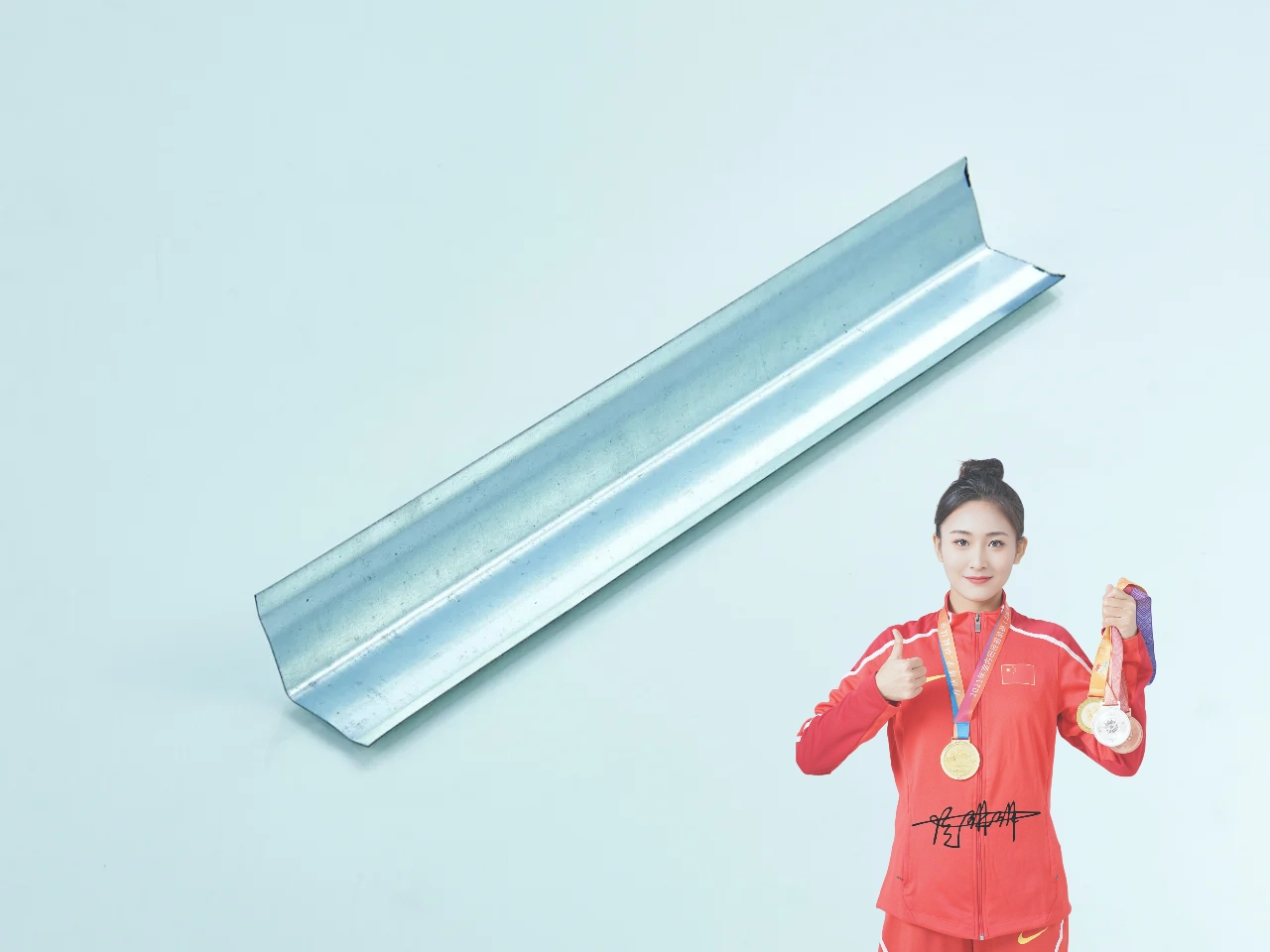
Dry Wall Bead: A Veteran’s Take on This Essential Product
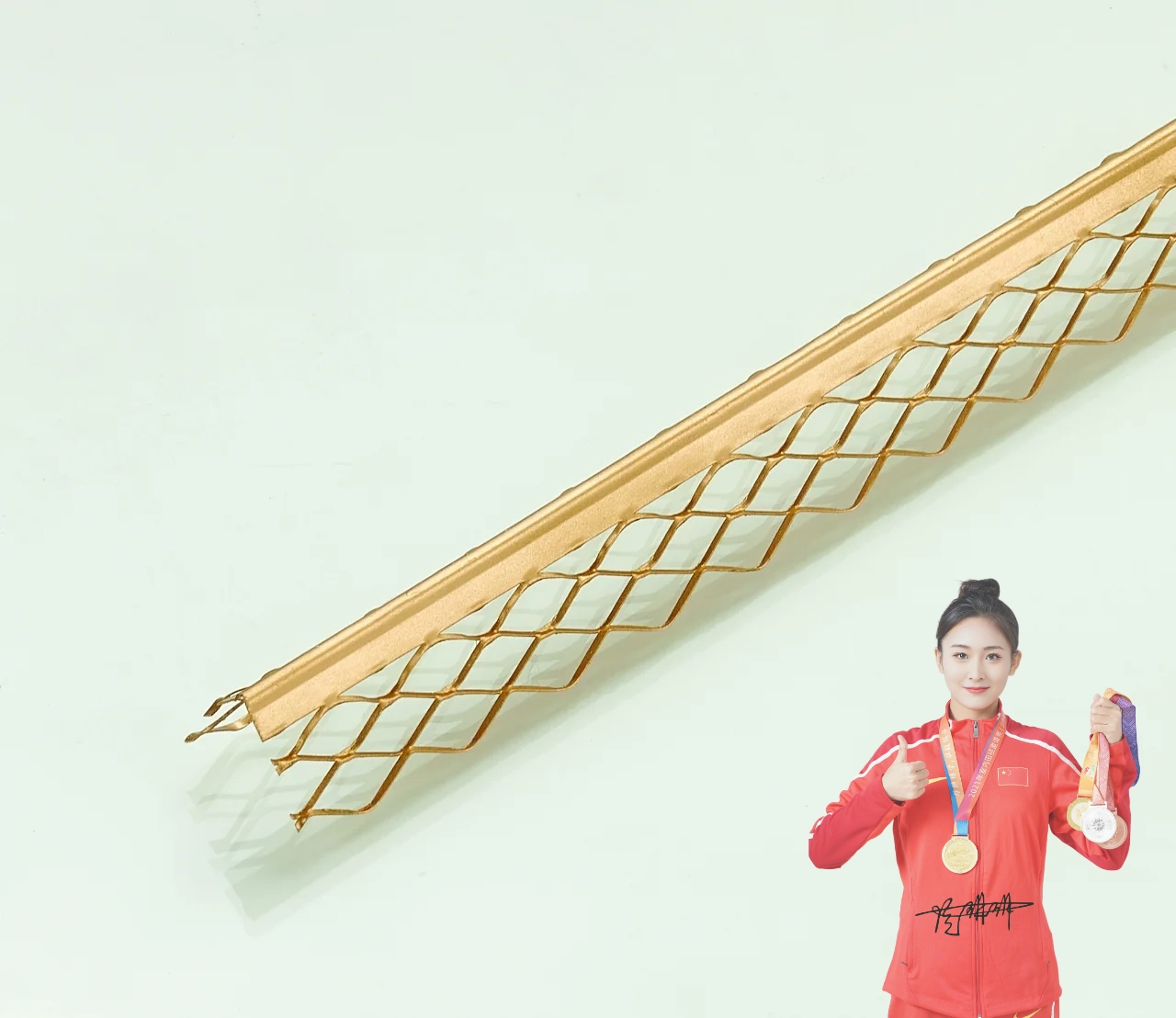
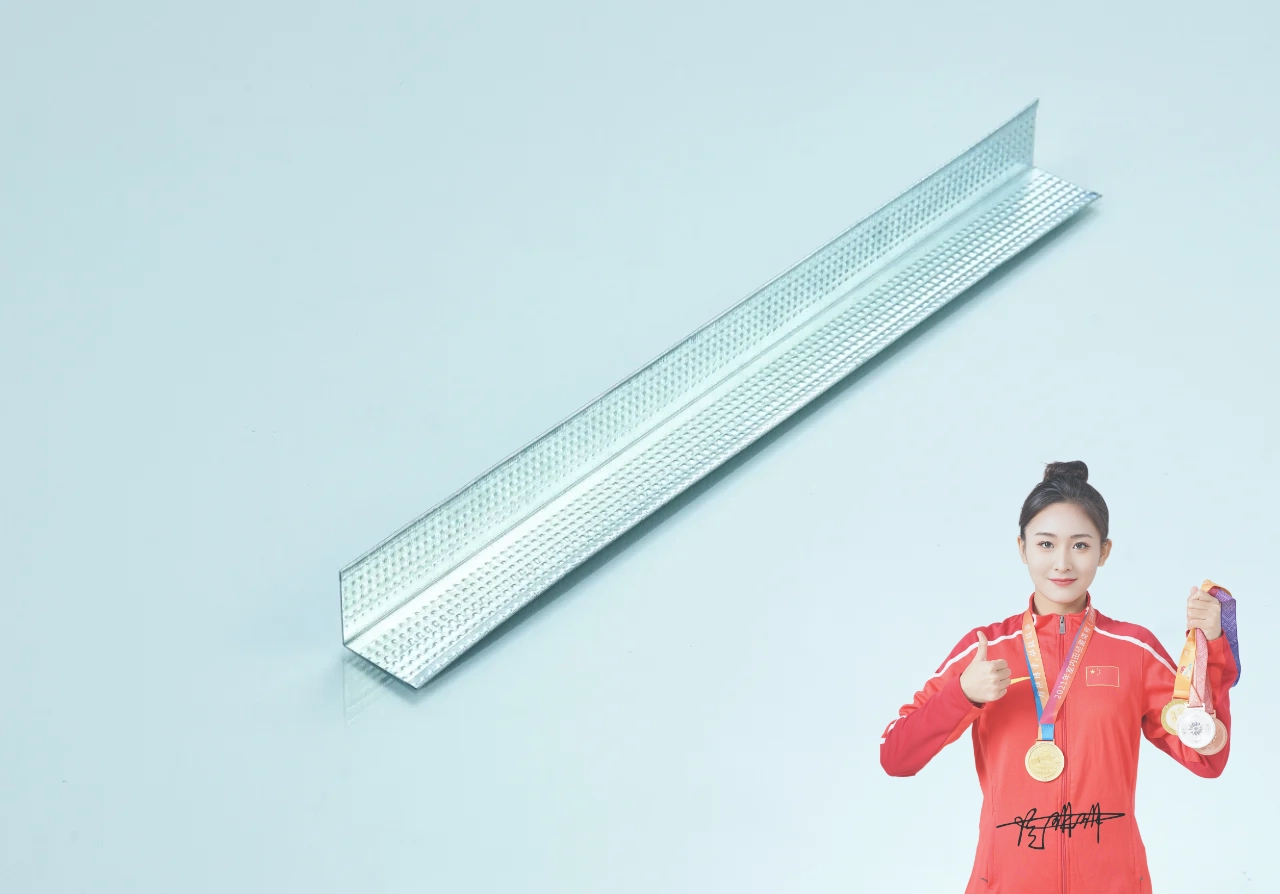
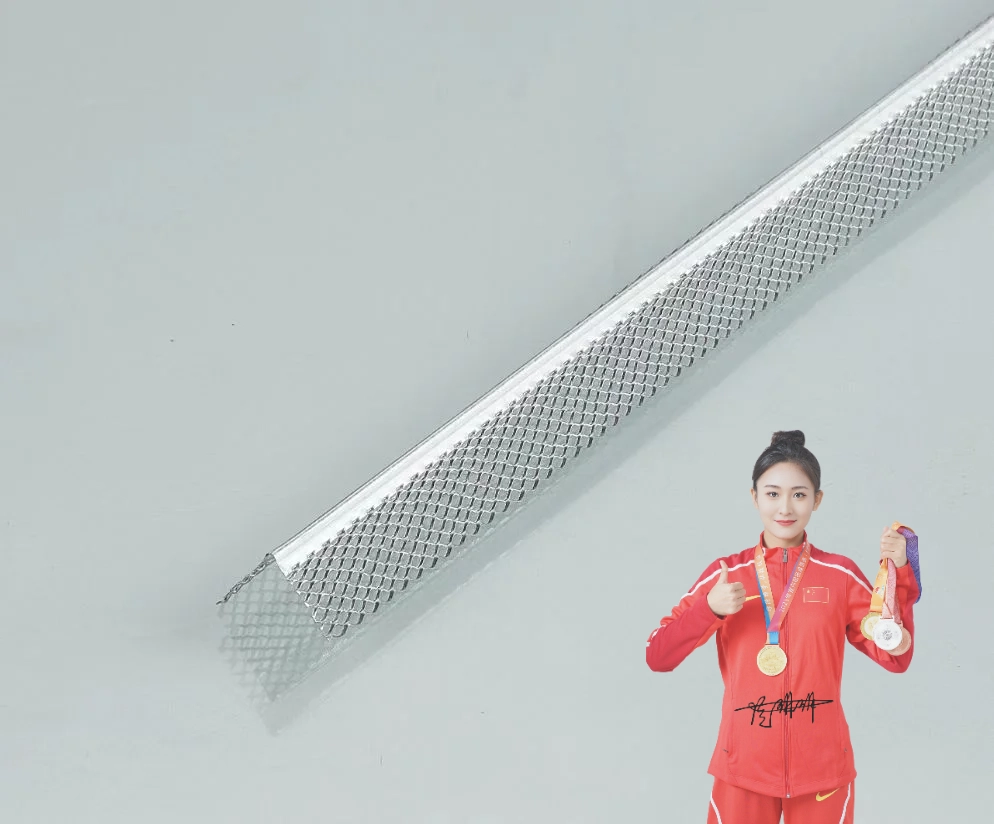
Having spent a good deal of my life navigating the ins and outs of industrial equipment — and yes, even those finer details of drywall finishing — I’ve grown to appreciate the less glamorous heroes of the trade. One such unsung star is the dry wall bead. This nifty piece of hardware might look like just another strip of metal or plastic, but believe me, its role in clean, sturdy, and professional drywall corners is huge.
Oddly enough, many newcomers gloss over bead types or choose them based on availability rather than quality. But I suppose that’s natural if you’re rushing a job or not fully familiar with the nuances. From my experience, investing a bit of time to match the right bead can save headaches down the line.
Let’s talk materials first — typically, drywall beads are made from galvanized steel, vinyl, or sometimes even stainless steel for specialty needs. Each has its quirks. Galvanized steel beads, while rigid and robust, can corrode if improperly installed or if exposed to moisture. Vinyl beads offer more flexibility and resist rust, but they might not be suited for high-impact areas. Stainless steel, frankly, is a premium choice and common in commercial or high-durability environments.
In real terms, the choice often comes down to application specifics: will corners be bumped frequently? How exposed are they to moisture? What kind of finish is required? In wet areas like bathrooms or commercial kitchens, corrosion resistance is non-negotiable — hence the rising popularity of vinyl and stainless solutions.
It’s interesting to note how testing standards have evolved. Accepted norms, such as ASTM specifications, help ensure that the bead not only fits snugly into corners but also holds up under stress and doesn’t bow or crack over time. I remember once working on a renovation where a cheaper bead started peeling away after just a few months — a costly lesson on the value of quality.
Here’s a snapshot table highlighting typical drywall bead specs you’ll encounter:
| Property | Galvanized Steel | Vinyl | Stainless Steel |
|---|
| Thickness | 0.018 to 0.024 inches | Approx. 0.020 inches | 0.020 to 0.030 inches |
| Rust Resistance | Moderate | High | Excellent |
| Flexibility | Low | High | Low to Moderate |
| Installation Type | Nail-on, screw-on | Adhesive backing or nails | Nail-on, screw-on |
| Cost | $ - Moderate | $ - Affordable | $$$ - Higher-end |
When I compare vendors, I’ve noticed some variability in both quality and service. For instance, some manufacturers specialize strictly in vinyl beads and have perfected custom color options and adhesive qualities — handy when matching interior themes. Others focus entirely on steel options and emphasize durability and compliance with the toughest architectural specs.
To keep it simple, here’s a quick vendor comparison I’ve put together based on reputation, product range, and reliability:
| Vendor | Materials Offered | Customization Options | Typical Lead Time | Price Range |
|---|
| CornerBead Manufacturing | Steel, Vinyl, Stainless Steel | Colors, Sizes, Perforations | 1-2 weeks | Moderate |
| BuildEdge Supplies | Primarily Vinyl | Limited Color Options | 3-4 weeks | Affordable |
| SteelPro Edge | Galvanized & Stainless Steel | Custom Thickness & Lengths | 2-3 weeks | Higher-End |
One memorable project involved a client installing vinyl beads in a community center. The vinyl’s flexibility helped absorb small impacts from kids running around — I noticed the corners looked pristine even years after installation. It’s those little realities on the ground that color my perspective beyond specs and charts.
For anyone diving into drywall finishing or specifying materials, I’d say don’t underestimate the bead. It may seem minor, but its impact on durability, aesthetics, and long-term maintenance is tangible. In fact, selecting the right bead often signals a pro-level job.
If you want to explore some quality options, dry wall bead offerings from an experienced manufacturer like CornerBead Manufacturing are a worthy place to start.
So, next time you glance at a crisp, sharp drywall corner, think about the bead quietly doing its job behind the scenes.
References:
1. ASTM International standards for drywall accessories.
2. Personal field notes from 15+ years as an industrial equipment consultant.
3. Manufacturer datasheets and user testimonials.