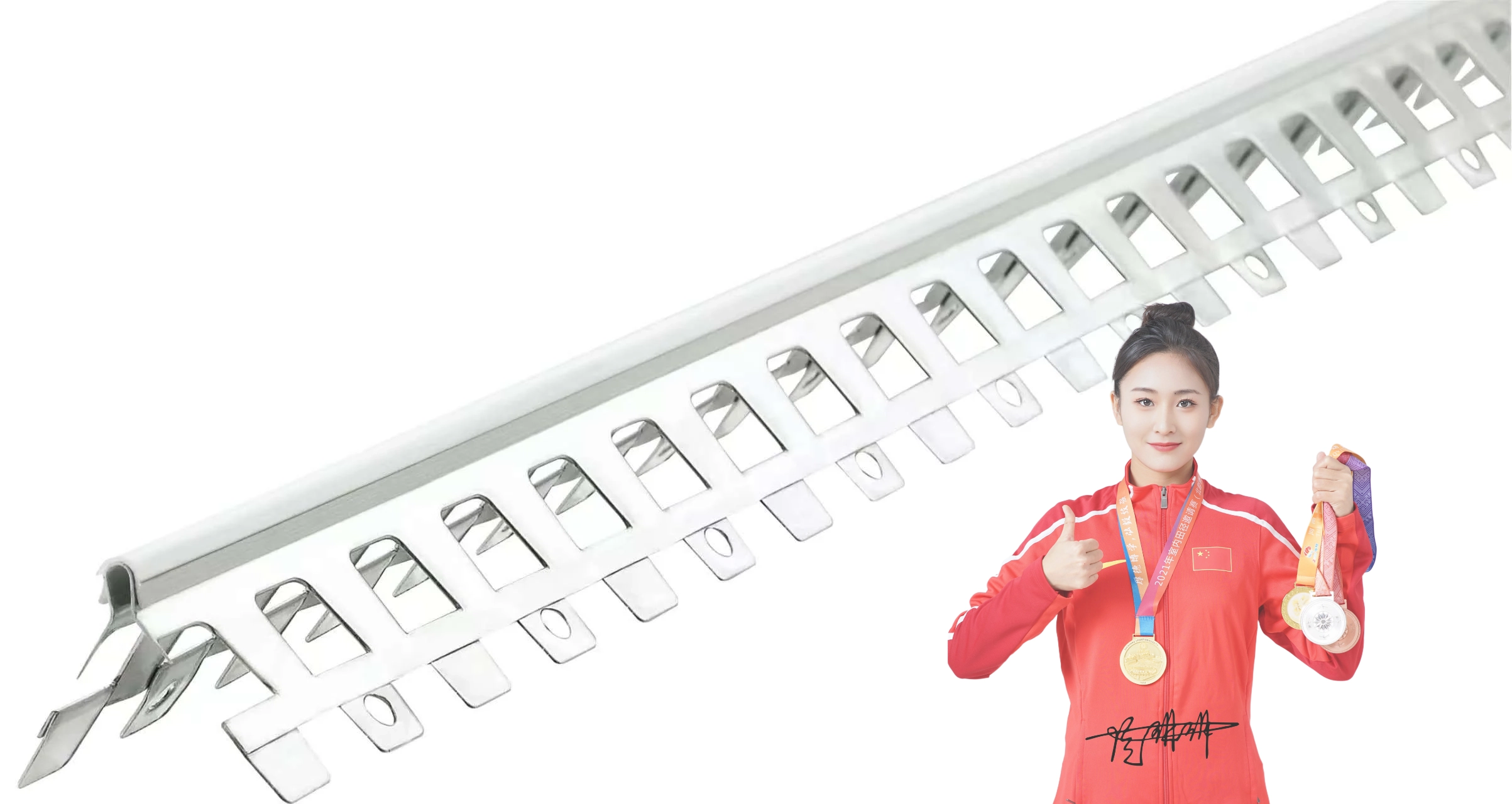
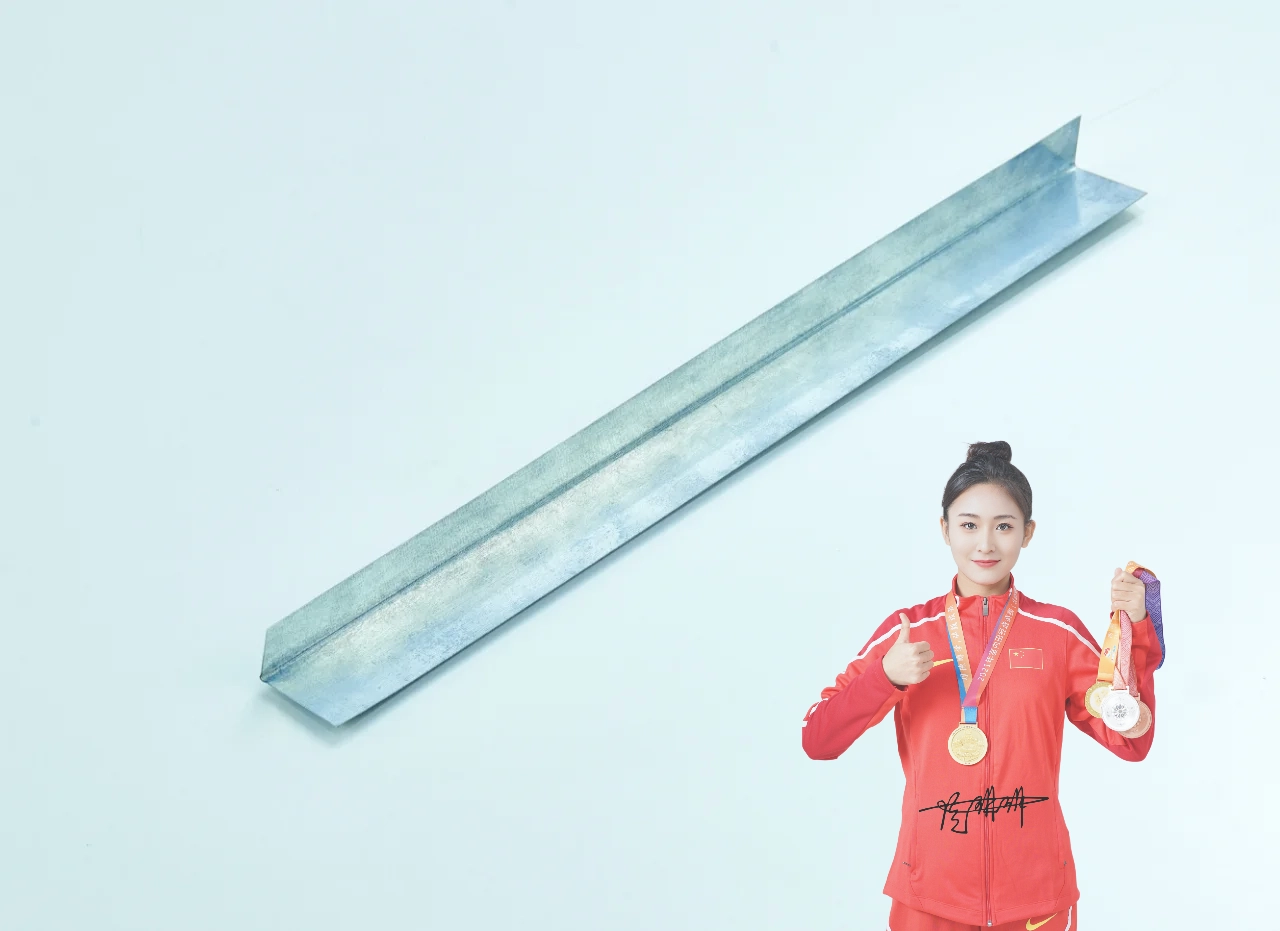
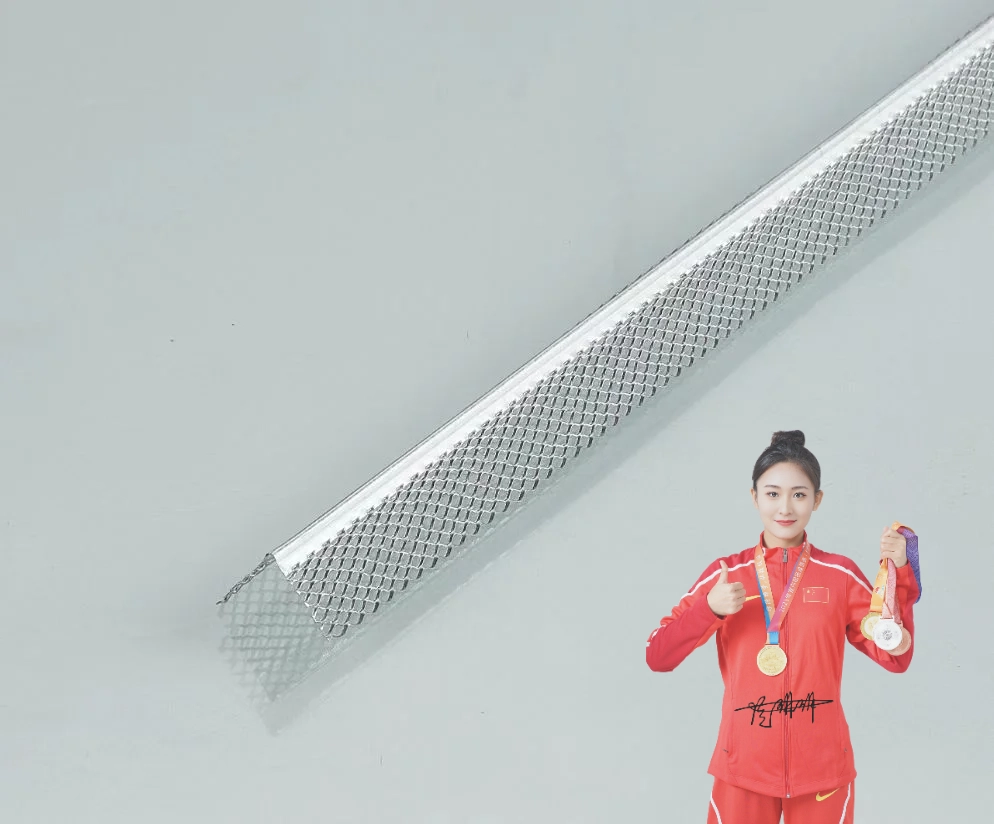
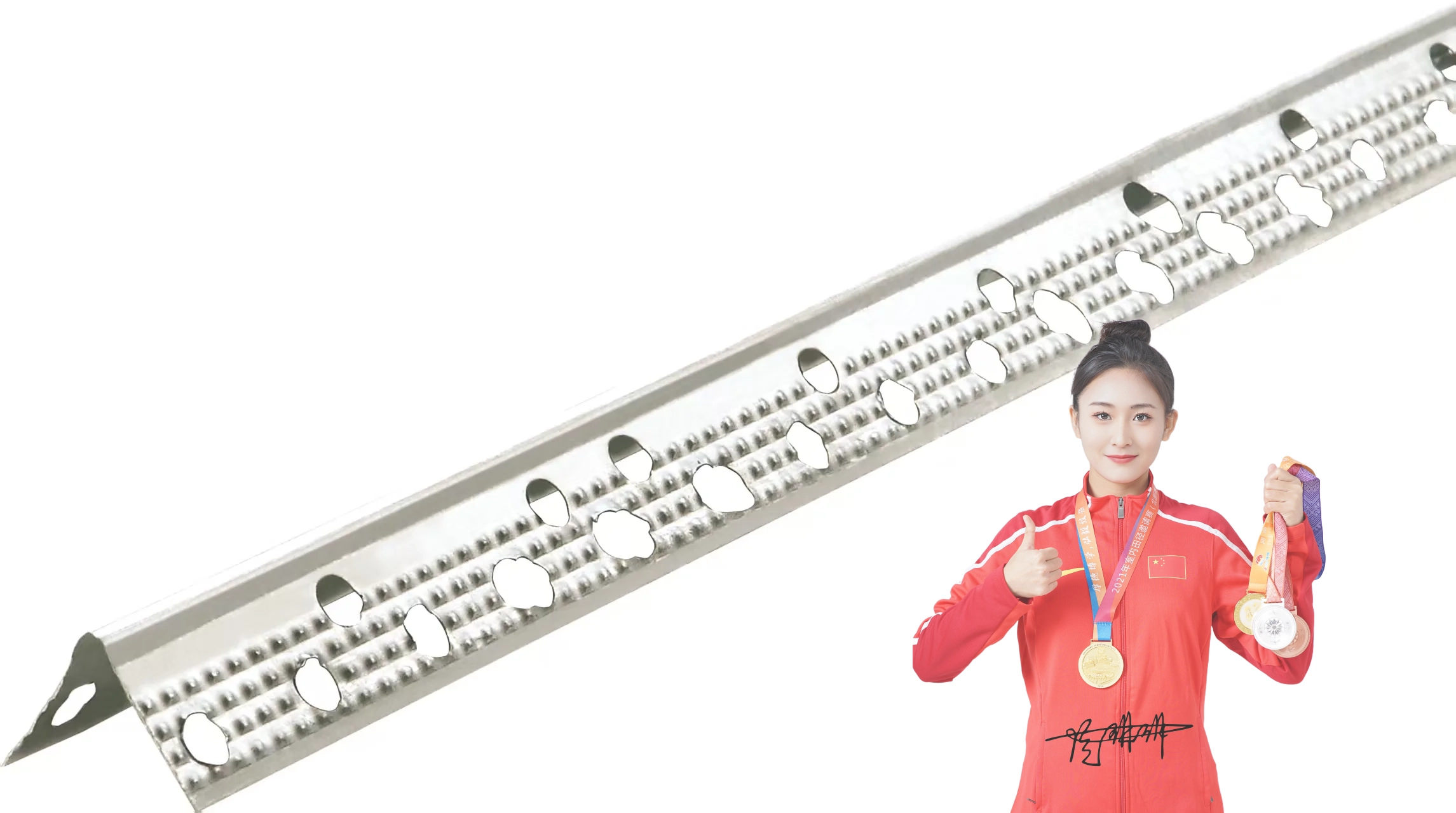
What Makes Corrugated Metal Mesh a Staple in Industry?
Having been around the block in industrial equipment for quite some time, I’ve grown to appreciate the subtle but crucial role corrugated metal mesh plays in so many sectors. It’s not flashy—no fancy bells or whistles—but it delivers exactly what it promises: strength, flexibility, and durability.
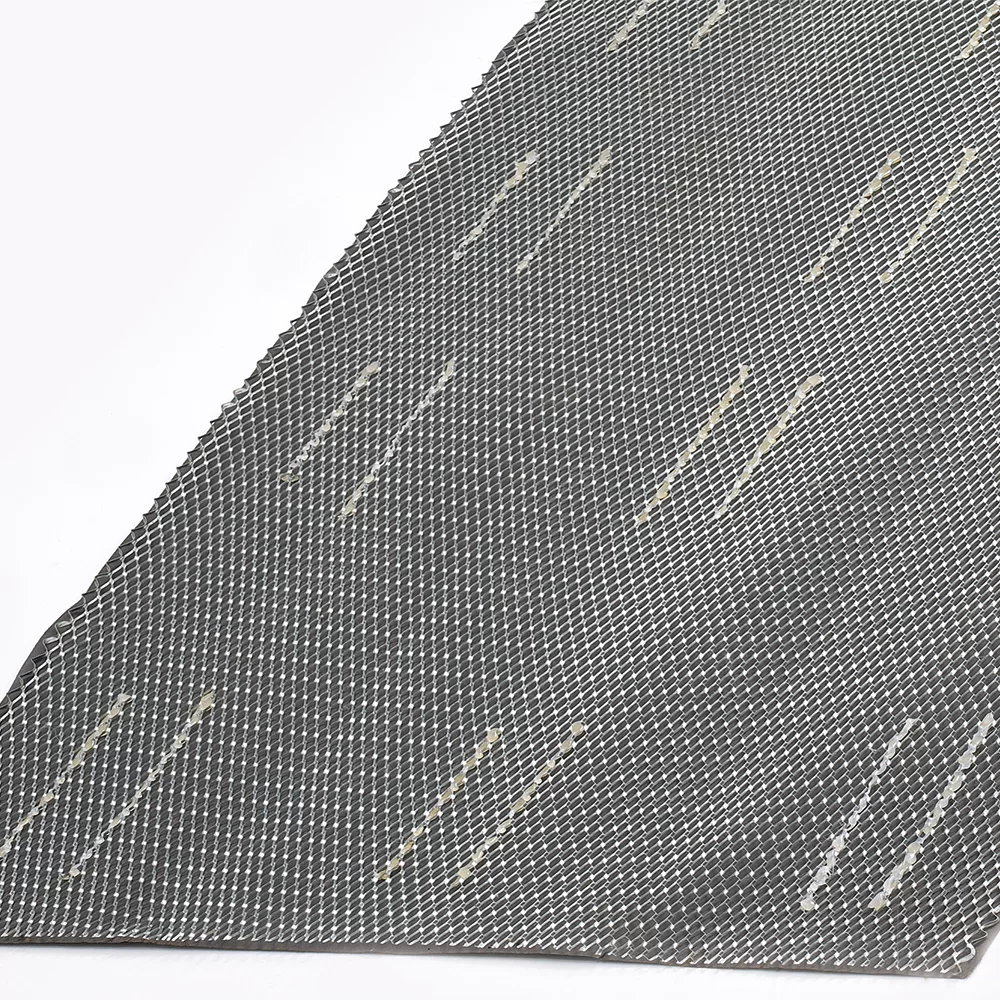
If you’re wondering why the corrugated pattern is even a thing, it comes down to simple physics. The ridges and grooves in the mesh increase surface rigidity without dramatically upping weight. Think of it like bending a sheet of paper: straight, it’s floppy; fold it in accordion style and suddenly, it stands upright. This is why engineers often specify corrugated mesh where impact resistance and load-bearing are essentials. It does a lot with a little.
From Design to Deployment: The Ins and Outs of Corrugated Metal Mesh
In terms of product design, manufacturers have to balance mesh aperture size, metal thickness, and corrugation height carefully. Even slight deviations can affect everything from airflow to screening efficiency. The materials themselves vary, usually galvanised steel or stainless steel for corrosion resistance, but sometimes aluminum for lighter applications.
One interesting detail from years of experience: testing protocols are rarely cut-and-dry. Real-world conditions—exposure to chemicals, temperature swings, abrasion—all come into play. I’ve seen suppliers tweak mesh thickness or adjust corrugation profiles after field trials to improve lifespan. It feels like a constant dance between rigidity and flexibility.
Key Specifications of Corrugated Metal Mesh
| Specification |
Typical Range |
Notes |
| Material |
Galvanized Steel, Stainless Steel, Aluminum |
Choice depends on corrosion and weight requirements |
| Thickness |
0.4 mm to 5 mm |
Affects rigidity and durability |
| Corrugation Height |
5 mm to 20 mm |
Determines mesh stiffness |
| Mesh Aperture Size |
2 mm to 25 mm |
For screening or filtration purposes |
| Panel Size |
Up to 2 m x 6 m |
Custom cuts often available |
Choosing a Vendor: What to Look For
Picking the right supplier can sometimes feel like a chore. I recall a project where we needed a very specific corrugation pattern for a conveyor screen retrofit. One vendor's off-the-shelf products were close but not quite right. It was the custom approach and willingness to tweak product design that made all the difference.
Vendor Comparison for Corrugated Metal Mesh
| Feature |
CornerBeadMfr |
General Supplier A |
Industrial Mesh Co. |
| Customization |
High - Custom corrugation & dimensions |
Medium - Standard sizes only |
Low - Limited patterns |
| Lead Time |
2-3 weeks |
1-2 weeks |
3-4 weeks |
| Material Options |
Steel, Stainless, Aluminum |
Steel only |
Steel & Stainless |
| Customer Support |
Responsive & industry knowledgeable |
Basic support |
Moderate support |
| Price Range |
$$$ (Fair for quality) |
$$ (Budget option) |
$$$ (Premium) |
Oddly enough, some people overlook the advantage of working with a vendor that really understands the end-use. When you’re in the thick of a mining or processing operation, those little tweaks can prevent downtime or maintenance headaches. It’s less about cheap parts and more about reliability. I guess it’s the same in most industries.
Why Corrugated Metal Mesh Remains Ahead of the Curve
The steel industry is always evolving, but corrugated metal mesh holds a steady spot thanks to its proven performance. You’ll find it on conveyor belts, filtration systems, guarding panels—you name it. Its adaptability means it can be tailored for everything from heavy-duty mining gear to lighter architectural elements.
In real terms, that means fewer replacements, less downtime, and ultimately, better ROI. Of course, your mileage will vary depending on project size and operating conditions. But I’ve noticed that in the long haul, investing in quality corrugated mesh is almost always worth it.
If I had to give one piece of advice, it’s this: don’t overlook the mesh itself. In the shuffle between big components, it’s easy to treat these panels as secondary—when they’re supporting the entire system. And frankly, picking a trusted source like CornerBeadMfr can make a huge difference.
So, next time you look at your industrial setup, take a moment to appreciate the corrugated metal mesh quietly holding things together—no flashy fanfare needed.
References & personal notes:
1. Years of field experience with various metal mesh projects.
2. Vendor discussions and real-life customization stories.
3. Industry materials testing and specification guides.