Why Stainless Steel Mesh Sheets for Rendering Matter Globally
At first glance, a stainless steel mesh sheet for rendering might seem like just another construction material. But try telling that to the engineers working on sustainable housing after natural disasters or architects aiming to improve building longevity in coastal environments. These mesh sheets provide the sort of reliable reinforcement that can mean the difference between a structure weathering storms or succumbing to early decay. Globally, given the push towards resilient infrastructure aligned with UN Sustainable Development Goals, understanding and applying effective rendering supports is now critically important.
For all the practical reasons—strength, durability, corrosion resistance—the stainless steel mesh sheet is quietly becoming a backbone for safer, more efficient construction especially in harsh or demanding conditions. So let’s unpack what makes these sheets tick, why they’re globally relevant, and how they fit into the puzzle of modern building and humanitarian aid.
The Global Context: Why Industry and Development Demand Better Materials
The construction industry worldwide is worth trillions annually — and it consumes huge amounts of natural resources and materials. Stainless steel mesh sheets are a relatively small component but serve an outsized role in reinforcing external renderings, liaising between architectural finishes and structural materials. According to the ISO, modern building practices emphasize sustainability, durability, and safety. Yet, traditional wire meshes often corrode or degrade, leading to costly repairs.
Moreover, in regions prone to earthquakes, typhoons, or flooding—think Southeast Asia, the Mediterranean coastline, or certain African megacities—building materials must not only be strong but resist issues like rust and wear. Here, stainless steel meshes excel, as they mitigate problems like cracking and delamination of rendered surfaces.
Yet sourcing and specifying the right stainless steel mesh for rendering remains a challenge for many builders. Lack of standards clarity or cost concerns often lead to compromises. Which is shameful, frankly, because the material itself offers long-term returns beyond its upfront cost. The trick is knowing what features to look for.
Defining Stainless Steel Mesh Sheet for Rendering
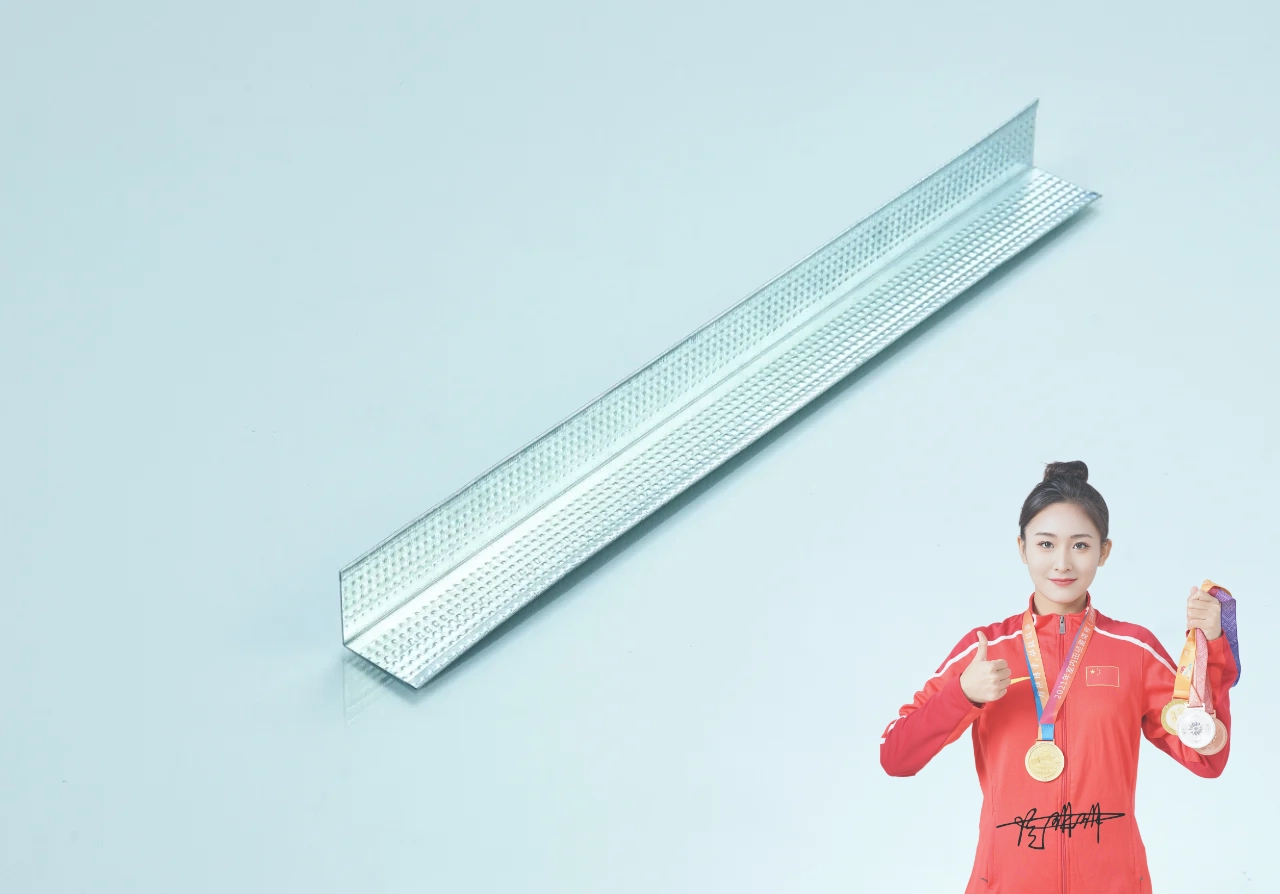
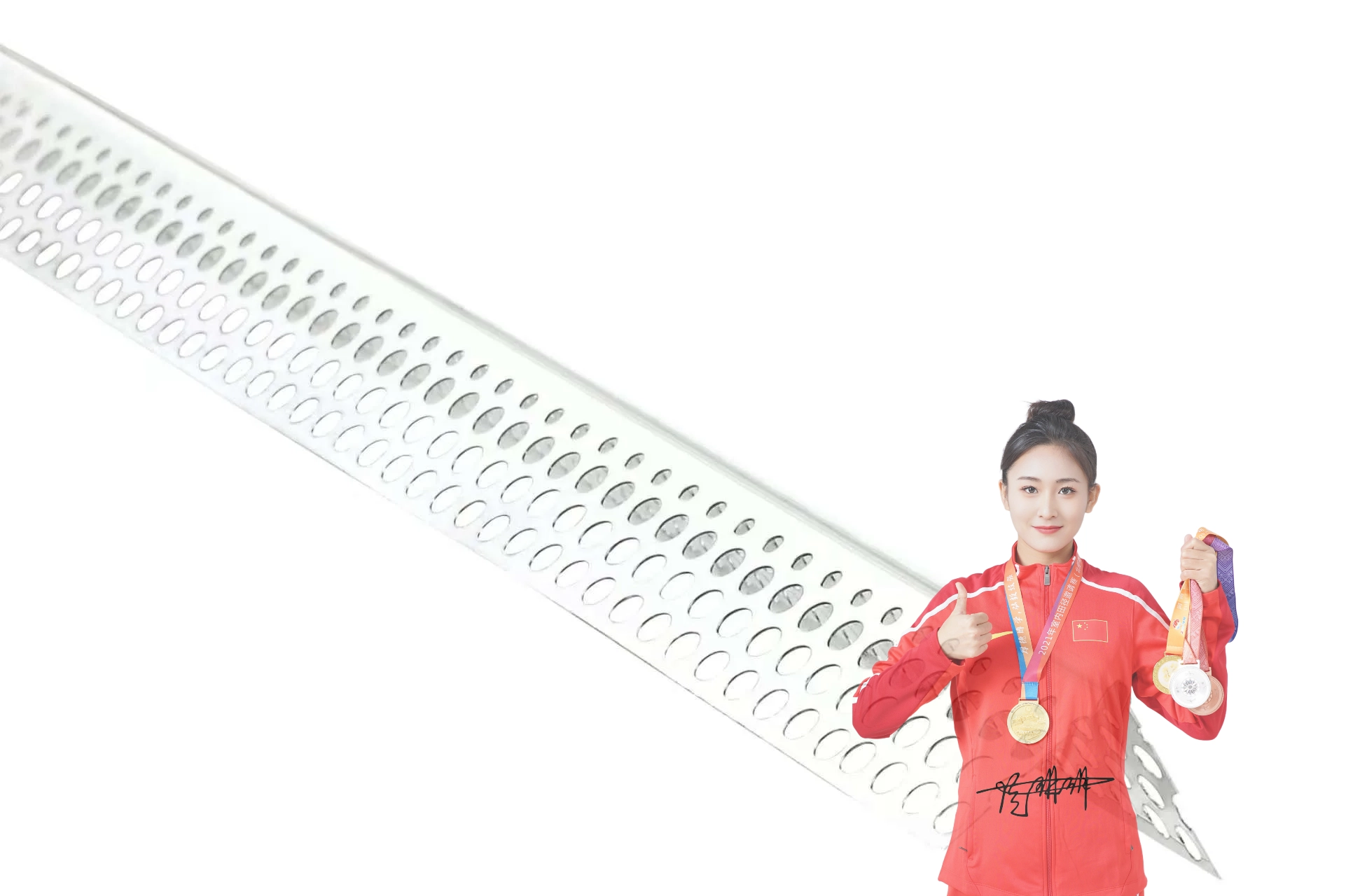
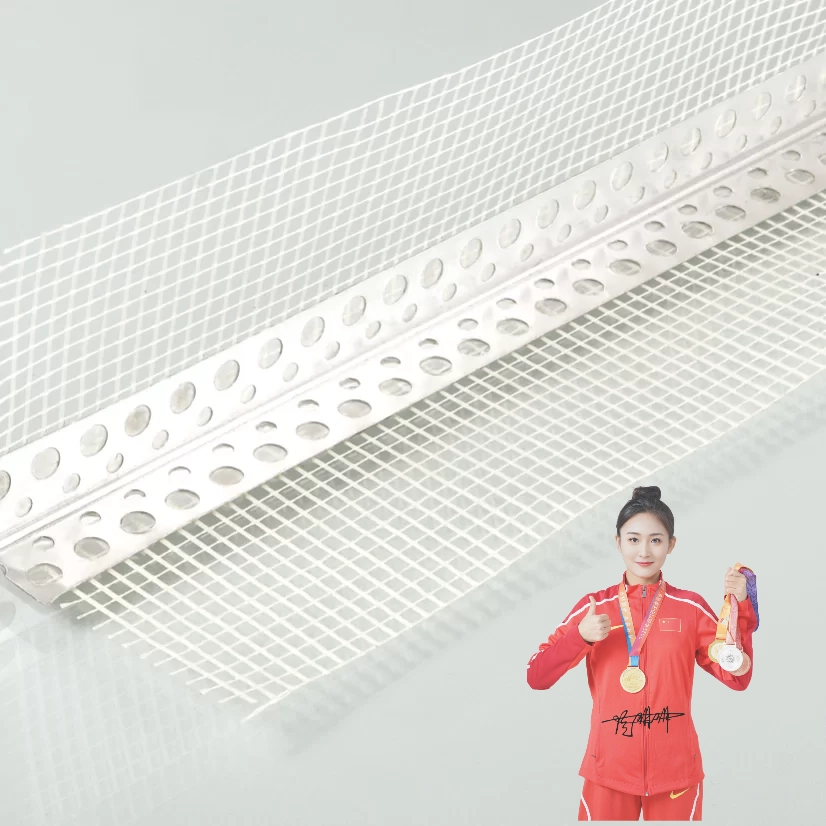
Put simply, this is a woven or welded sheet made from stainless steel wires designed to reinforce render (the outer plaster or protective layer) applied on walls or facades. Think of it as a flexible, corrosion-resistant netting that holds the rendering firmly in place and prevents cracking or damage caused by building movement or environmental stresses.
This product has links not only to traditional construction but also to modern humanitarian engineering projects—like temporary shelters or modular housing—that need quick yet reliable wall reinforcement. Many NGOs appreciate stainless steel mesh sheets because they offer longevity and reduce maintenance — a rarity in challenging climates.
Mini takeaway: Stainless steel mesh sheets are not just fancy chicken wire, but crucial reinforcements improving durability and resilience in contemporary construction and aid projects.
Key Factors to Consider When Choosing Stainless Steel Mesh Sheets
1. Durability and Corrosion Resistance
The defining feature of stainless steel mesh sheets is their resistance to corrosion. Unlike galvanized wire mesh, stainless steel doesn’t flake or weaken under moisture exposure. This is perfect for coastal or humid environments, where salt spray or rain can wreak havoc on inferior metal reinforcements.
2. Mesh Size and Wire Diameter
The aperture (mesh opening size) and thickness of wires affect how well the sheet supports the render. Smaller mesh openings provide more uniform support but may add cost and weight. Typically, 12x12 mesh with 0.8–1.2mm wire diameters balances strength and workability.
3. Material Grade
Grades like 304 and 316 stainless steel are common, with 316 offering superior corrosion resistance due to added molybdenum. For harsh or coastal sites, many engineers opt for 316 despite the price difference.
4. Scalability and Customization
Some manufacturers offer cut-to-size sheets, rolls, or even custom coatings to fit various project requirements—from residential wall renderings to large industrial panels.
5. Cost Efficiency Over Lifecycle
While upfront costs are higher than standard wire mesh, the lifespan, ease of maintenance, and reduced repair frequency often tip the balance in favor of stainless steel mesh — making it an investment rather than just an expense.
Mini takeaway: Don’t just look at price tags. Consider material grade, mesh size, and the environment for the best balance between upfront cost and long-term performance.
Typical Specifications of a Standard Stainless Steel Mesh Sheet for Rendering
| Specification |
Detail |
| Material |
Stainless Steel 316 |
| Wire Diameter |
1.0 mm |
| Mesh Opening |
12x12 mm square |
| Sheet Size |
1.2 m x 2.4 m |
| Weight |
~5.4 kg per sheet |
Who Uses Stainless Steel Mesh Sheets and Why?
From construction companies in urban high-rises to NGOs rebuilding after earthquakes, the application range is broad. In Japan and New Zealand, for example, building codes increasingly require corrosion-resistant reinforcements in seismic zones. European green building projects incorporate stainless steel meshes to extend facade lifespans and reduce maintenance frequency.
Meanwhile, humanitarian groups operating in cyclone-prone regions of Africa rely on these meshes for quickly deploying durable renderings on temporary shelters — they speed up construction and make the structures safer.
Industrial clients use stainless steel mesh sheets to reinforce protective coatings on plants handling corrosive chemicals, where failure isn’t an option. In short, if durability, longevity, and safety matter, this material finds a place.
Mini takeaway: Though it sounds niche, stainless steel mesh serves many industries and geographies, proving indispensable across a surprising variety of tough-use cases.
The Clear Advantages of Investing in Stainless Steel Mesh Sheets
- Long-Term Savings: Less frequent repairs and replacements reduce overall project costs.
- Sustainability: Stainless steel is recyclable and durable, aligning with eco-friendly building practices.
- Reliability & Safety: Minimizes cracking and structural damage that can lead to unsafe conditions.
- Aesthetics: Maintains wall integrity leading to better-looking finishes over time.
- Trust & Innovation: Using stainless steel meshes shows commitment to quality, often required by strict building codes.
Emerging Trends: Where Stainless Steel Mesh for Rendering Is Headed
Green building initiatives are prompting manufacturers to develop low-carbon stainless steel meshes. Innovations in nanocoatings paired with stainless steel show promise for even better corrosion resistance. Add to this the growing interest in digitized quality testing even on-site—imagine checking mesh integrity with a smartphone app in seconds—and the future feels pretty exciting.
Furthermore, integration with stainless steel mesh sheet for rendering is evolving as part of automated facade assembly lines, cutting down manual labor and human error. The push for global building resilience is also encouraging investment into standardizing mesh quality worldwide, so a product made in one continent satisfies strict specs in another.
Common Challenges and Practical Solutions
Despite the benefits, challenges include cost perception, logistical delivery, and occasional difficulties integrating stainless steel meshes with certain plaster types. Thankfully, industry experts recommend early-stage collaboration between architects, engineers, and mesh suppliers to select the right product early in the design process.
Innovations such as pre-fabricated mesh-reinforced renders or hybrid mesh systems combining stainless steel with fiberglass are helping bridge gaps between traditional methods and advanced materials.
FAQs About Stainless Steel Mesh Sheet for Rendering
- Q1: How do I choose the right stainless steel mesh for my rendering project?
- A: Consider the environmental conditions, desired durability, and budget. For coastal or humid zones, 316-grade stainless steel with a finer mesh (12x12 mm) is ideal. Your supplier can help match specifications with local building codes.
- Q2: Is stainless steel mesh more expensive than traditional galvanized mesh?
- A: Upfront, yes, but its longevity and maintenance savings typically offset initial costs over the building’s service life.
- Q3: Can stainless steel mesh sheets be customized for unique projects?
- A: Absolutely. Many manufacturers offer cut-to-size services and different mesh apertures or wire thicknesses to suit project demands.
- Q4: Are there sustainability certifications related to these mesh products?
- A: Yes, stainless steel often meets ISO and LEED standards for eco-friendly materials due to recyclability and corrosion resistance.
Vendor Comparison: Leading Stainless Steel Mesh Suppliers
| Supplier |
Grade Options |
Cut-to-Size Service |
Typical Lead Time |
Strongest Market |
| CornerBead Mfr |
304, 316 |
Yes |
1–2 weeks |
North America, Asia |
| SteelNet Solutions |
316 Only |
No |
3–4 weeks |
Europe |
| MeshMasters |
304, 316, 321 |
Yes |
2 weeks |
Global |
Wrapping Up: The Last Word on Stainless Steel Mesh Sheets for Rendering
In real terms, investing in quality stainless steel mesh sheets for rendering feels like planting a seed for long-lasting performance and peace of mind. While more costly upfront, the payoffs through reduced maintenance, improved safety, and aligned sustainability goals make these sheets a compelling choice for many building projects worldwide. If you're tackling challenging environments or simply want to future-proof your construction, these mesh sheets are well worth considering.
To explore more on stainless steel mesh and sourcing, visit CornerBead Mfr — a strong partner with expertise across multiple industries and geographies.
Sometimes, it’s these “small” components that make the biggest difference.
References:
- UN Sustainable Development Goals - Buildings
- Wikipedia: Stainless Steel
- ISO Standards for Stainless Steel