What Is a White Perforated Metal Screen and Why It Matters
When you hear "white perforated metal screen," you might picture something industrial, cold, or just plain utilitarian. But honestly, these screens are quietly essential in places you might not realize—everything from architectural facades filtering sunlight to high-tech filtration systems in factories or even in humanitarian setups for safe shelter. Across the globe, as cities grow and industries push for smarter solutions, understanding these screens means recognizing a piece of modern infrastructure that blends form, function, and sustainability.
As urbanization accelerates—according to the United Nations, by 2050 nearly 68% of the global population will live in urban areas—the demand for versatile building materials like white perforated metal screens is booming. They offer not just aesthetic appeal but crucial benefits like ventilation, noise control, and environmental protection. This balance of performance and design is exactly why they matter so much worldwide.
Mini takeaway: White perforated metal screens aren't just industrial panels; they're key building blocks in global architecture and industry with meaningful environmental and social impacts.
The Worldwide Significance of White Perforated Metal Screens
From a global perspective, these white perforated panels address pressing urban challenges. Noise pollution, overheating in buildings, harsh winds—all these issues need moderation. The World Bank reports increasing pressure on infrastructure resilience against climate change, and lightweight, corrosion-resistant systems with good airflow like perforated metal screens help meet those requirements.
Industrial facilities in emerging markets, for example, heavily rely on such screens to balance airflow for sensitive equipment, while limiting dust and debris ingress. In humanitarian contexts, quick-deploy shelters fitted with perforated panels aid ventilation without compromising safety—a subtle but critical detail often overlooked.
Mini takeaway: Whether it’s fighting urban heat or supporting disaster relief, the white perforated metal screen fits neatly into a global toolkit for resilient, adaptable infrastructure.
Defining White Perforated Metal Screen
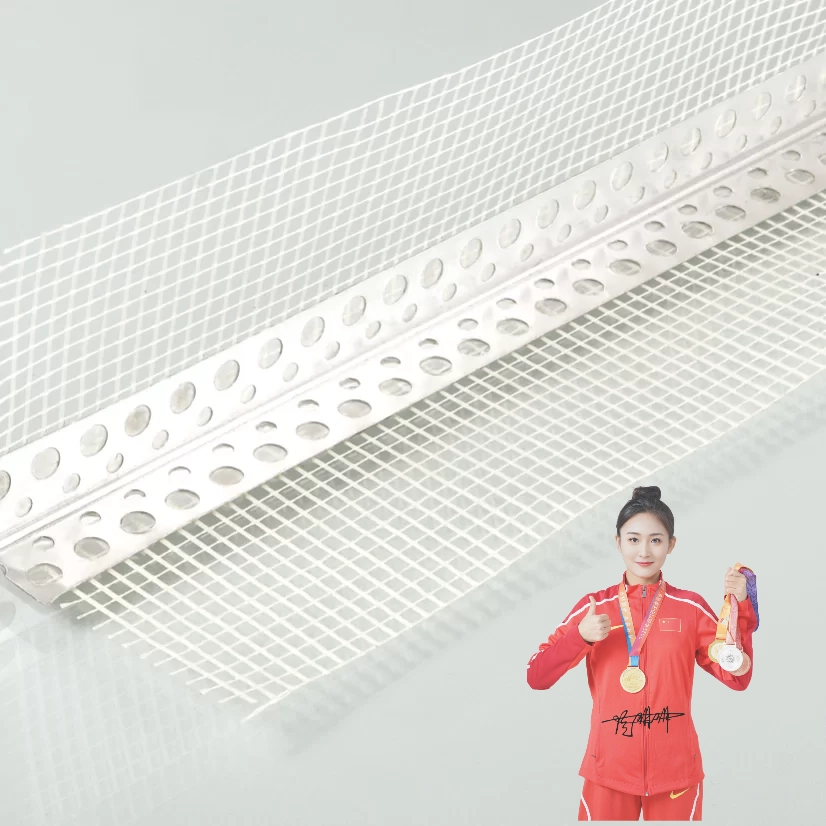
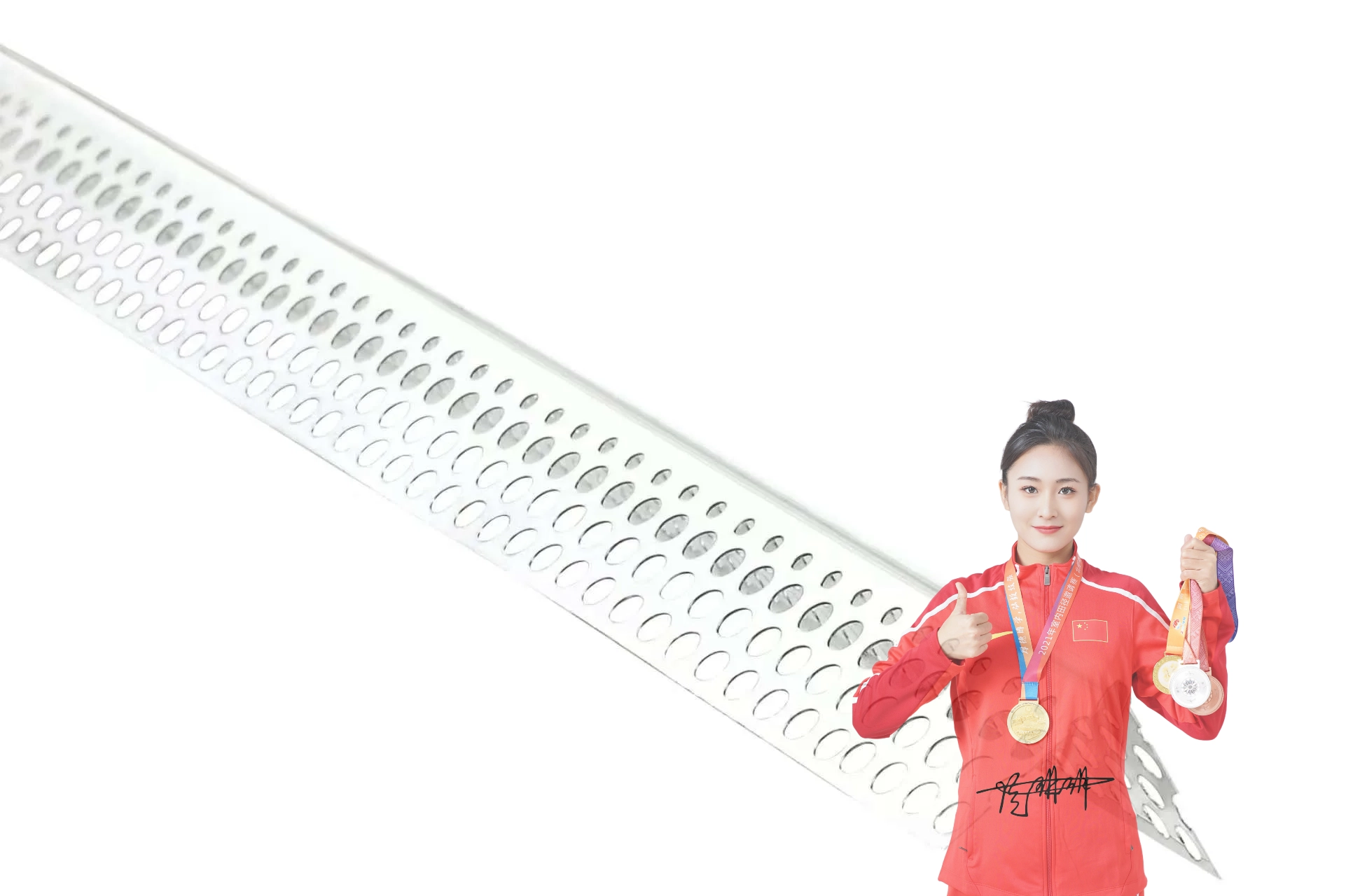
So, what exactly is a white perforated metal screen? Simply put, it’s a sheet of metal—often aluminum or steel—punched with a pattern of holes or slots, then coated in a weather-resistant white finish. The perforations can vary in size, shape, and pattern to serve specific needs like light diffusion, sound attenuation, or airflow.
The white coating isn’t merely about looks. It reflects sunlight, reducing heat absorption in outdoor installations. This is crucial in hot climates or when used on building exteriors. Plus, the finish enhances corrosion resistance, extending the lifespan.
In humanitarian or industrial settings, these screens connect with modern goals—offering modularity, durability, and environmental benefits. They’re versatile enough to be used in everything from white perforated metal screen panels for facades to protective barriers and ventilation grids.
Mini takeaway: White perforated metal screens are carefully engineered materials combining useful holes with protective white coatings—simple but remarkably adaptable.
Core Components & Essential Properties
1. Durability and Weather Resistance
Manufacturers often use powder-coated aluminum or galvanized steel, because these metals resist rust and UV degradation. The white finish adds a reflective layer that helps mitigate heat build-up, key for outdoor use in harsh conditions.
2. Customizable Patterns and Sizes
Perforation patterns range from round to hexagonal, with hole diameters from a fraction of a millimeter up to several centimeters. This customization supports everything from acoustic control in offices to insect screens in rural builds.
3. Lightweight Yet Strong
Despite being metal, these screens remain light enough for easy installation but tough enough to withstand wind loads or accidental impacts. That balance is why many engineers prefer them over heavier solutions.
4. Cost-Effectiveness
Compared to glass or composite panels, white perforated metal screens are usually more affordable, especially for large surface areas. The coated finish reduces maintenance costs over time.
5. Environmental Considerations
Aluminum is highly recyclable, and many coatings nowadays reduce volatile organic compounds (VOCs). Their reflective quality helps reduce cooling loads in buildings, contributing to overall energy savings.
Mini takeaway: It’s really the combination of durability, adaptability, and eco-friendliness that makes white perforated metal screens so attractive for many applications.
Specifications Table: Typical White Perforated Metal Screen
| Specification |
Details |
| Material | Powder-coated aluminum or galvanized steel |
| Finish | White RAL 9016 (standard); custom colors available |
| Perforation Type | Round, square, hexagonal holes |
| Hole Diameter | 0.5 mm – 10 mm |
| Sheet Thickness | 1.0 mm – 3.0 mm |
| Typical Panel Size | 1200 mm x 2400 mm |
| Weight | 1.2 – 2.5 kg/m² (varies by thickness) |
| Corrosion Resistance | Excellent (per ASTM B117 salt spray test) |
Comparing Leading Vendors of White Perforated Metal Screens
Picking the right supplier can make a big difference. Here’s a brief look at how some companies stack up in terms of product range, customization, and shipping reach.
| Vendor |
Product Range |
Customization Options |
Delivery Reach |
| Corner Bead Mfr |
Wide (multiple metals & finishes) |
Full pattern & size customization |
Global, with emphasis on US & Canada |
| Metalscape Inc. |
Standard panels in various gauges |
Limited pattern options |
North America only |
| PerfoTech Solutions |
High-end architectural range |
Bespoke custom designs |
Global |
Global Applications and Real-World Use Cases
White perforated metal screens are everywhere—sometimes literally hiding in plain sight. Take post-disaster relief zones: quickly erected shelters often use these panels to allow airflow while keeping debris out, crucial for maintaining sanitary conditions and comfort where other infrastructure is compromised.
In bustling urban centers like Dubai or Singapore, architects integrate these screens into building exteriors as sunshades that reduce glare and cooling costs. Industrial zones in Europe and North America use them as protective screens for machinery that require ventilation but also security.
Even in remote off-grid solar farms in Africa, these panels shield sensitive equipment from dust and animals, helping extend system longevity.
Mini takeaway: Whether in luxury buildings or disaster zones, white perforated metal screens deliver tailored solutions worldwide.
The Advantages and Lasting Value of White Perforated Metal Screens
- Cost Savings: Durable and low maintenance means less frequent replacements.
- Sustainability: Reflective coating lowers building energy demand; recyclable materials reduce waste.
- Safety and Comfort: Ventilation with protection helps maintain safe, breathable environments.
- Design Flexibility: Custom patterns allow architects and engineers to blend functionality with aesthetics.
- Reliability: Tested under ASTM or ISO standards for corrosion and strength.
Emotionally, there’s also a sense of trust — knowing the built environment respects both human needs and nature.
What’s Next? Future Trends and Innovations
Increasingly, smart coatings that react to environmental changes—like self-cleaning or color-shifting finishes—are entering the market. Perforated screens integrated with photovoltaic cells could soon serve not only as screens but as solar panels, generating power while controlling light.
Automation in fabricating customized patterns enables quicker turnaround times and reduces waste. Digital twin technology even allows virtual testing of these screens' performance before physical production.
On a policy level, tightening energy regulations globally mean these materials will only gain importance, especially as sustainability criteria become both legal requirements and points of pride.
Challenges and Solutions in Current Use
For all their benefits, white perforated metal screens face challenges. For instance, improper installation can lead to noise amplification instead of reduction, or corrosion if coatings are damaged. Some users may find upfront costs higher than simpler materials.
Experts suggest rigorous quality control and site-specific customization as vital. New anti-corrosion paints and on-site repair kits help maintenance teams. Hybrid systems combining perforated screens with other materials can solve acoustic or thermal issues more comprehensively.
FAQ: Common Questions About White Perforated Metal Screens
1. How does a white perforated metal screen improve building energy efficiency?
The white reflective finish reduces solar heat gain by reflecting infrared rays, which lowers cooling demands inside buildings. The perforations also allow airflow, further cooling the surface and reducing need for artificial ventilation.
2. Are these screens suitable for harsh marine environments?
Yes, especially when made from powder-coated aluminum or marine-grade steel. Proper coating and maintenance are critical, but these materials can withstand salt spray and humidity effectively.
3. Can I customize the perforation pattern for acoustic purposes?
Absolutely. Different hole sizes and layouts can be tailored to optimize sound absorption or diffusion, which is useful in auditoriums or industrial plants.
4. How long does a typical white perforated metal screen last outdoors?
With appropriate material choice and finish, screens typically last 15 to 25 years. Regular inspections and minor repairs can extend lifespan further.
5. Where can I buy high-quality white perforated metal screens?
Reliable suppliers like Corner Bead Mfr offer a range of customizable options with global shipping. It pays to compare specifications and ask for certifications.
Conclusion: Why White Perforated Metal Screens Deserve Attention
At first glance, a white perforated metal screen might seem like just another building component. But delve deeper and you see it’s a versatile, high-performing solution addressing global challenges—energy efficiency, sustainability, safety, and architectural creativity all at once. Whether you’re an engineer, architect, or policymaker, recognizing its long-term benefits can inspire smarter choices and better environments.
Want to explore options tailored to your next project? Visit our website: https://www.cornerbeadmfr.com and discover a smarter facade solution today.
References
- United Nations World Urbanization Prospects, 2018
- World Bank Urban Development Overview
- ISO Standards on Metal Corrosion Testing