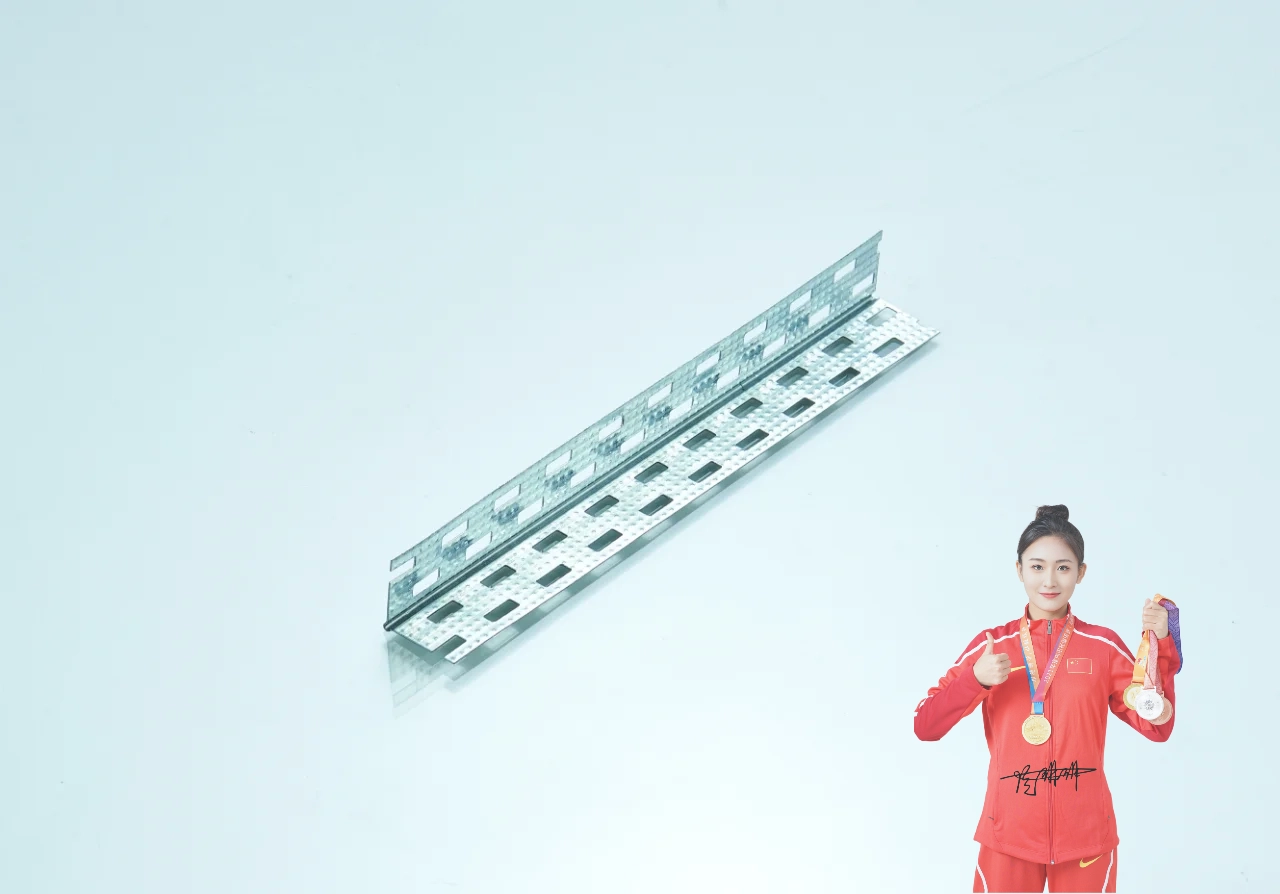
Expanded Mesh for Rendering: Why It’s More Than Just a Construction Material
Ever paused to consider how a simple sheet of metal gets transformed into a versatile, resilient building aid? Expanded mesh for rendering is one of those humble products whose impact quietly ripples through construction, disaster relief, and industrial design worldwide. It might sound niche or technical, but understanding this material touches on sustainability, cost-effectiveness, and even how we rebuild after crises.
Globally, with rapid urbanization and the constant need for durable yet adaptable building solutions, materials like expanded mesh have found a surprisingly broad footprint. Development agencies, architects, and engineers often rely on it to improve structural integrity without weighing down budgets or resources. And frankly, in a world where construction waste and carbon footprints are increasingly scrutinized, such solutions are kind of refreshingly simple yet smart.
---
Global Context: Why Expanded Mesh for Rendering Matters Today
Construction and infrastructure are cornerstones of global development, accounting for a staggering share of raw material consumption — approximately 40% of global resource use, according to the United Nations Environment Programme (UNEP). At the same time, the World Bank highlights that infrastructure deficits hold back economic growth, particularly in emerging markets.
Here’s where expanded mesh for rendering steps in. It’s a practical answer to challenges like reinforcing plaster or stucco layers (rather than relying on bulky or wasteful alternatives), helping buildings withstand weather, seismic activity, or even intense human wear. Think of it as a lightweight, cost-efficient safety net for exteriors — and, importantly, one that reduces cracking and supports longevity.
Yet many places still struggle with inefficient building materials. Expanded mesh offers a close-to-ideal middle ground: it’s durable, adaptable, and promotes sustainability without sacrificing quality — making it an increasingly relevant tool in global construction and humanitarian projects alike.
Mini takeaway: Expanded mesh for rendering isn’t just about meshes and metal — it’s about sustainable, accessible construction solutions that impact real human environments worldwide.
---
So, What Exactly is Expanded Mesh for Rendering?
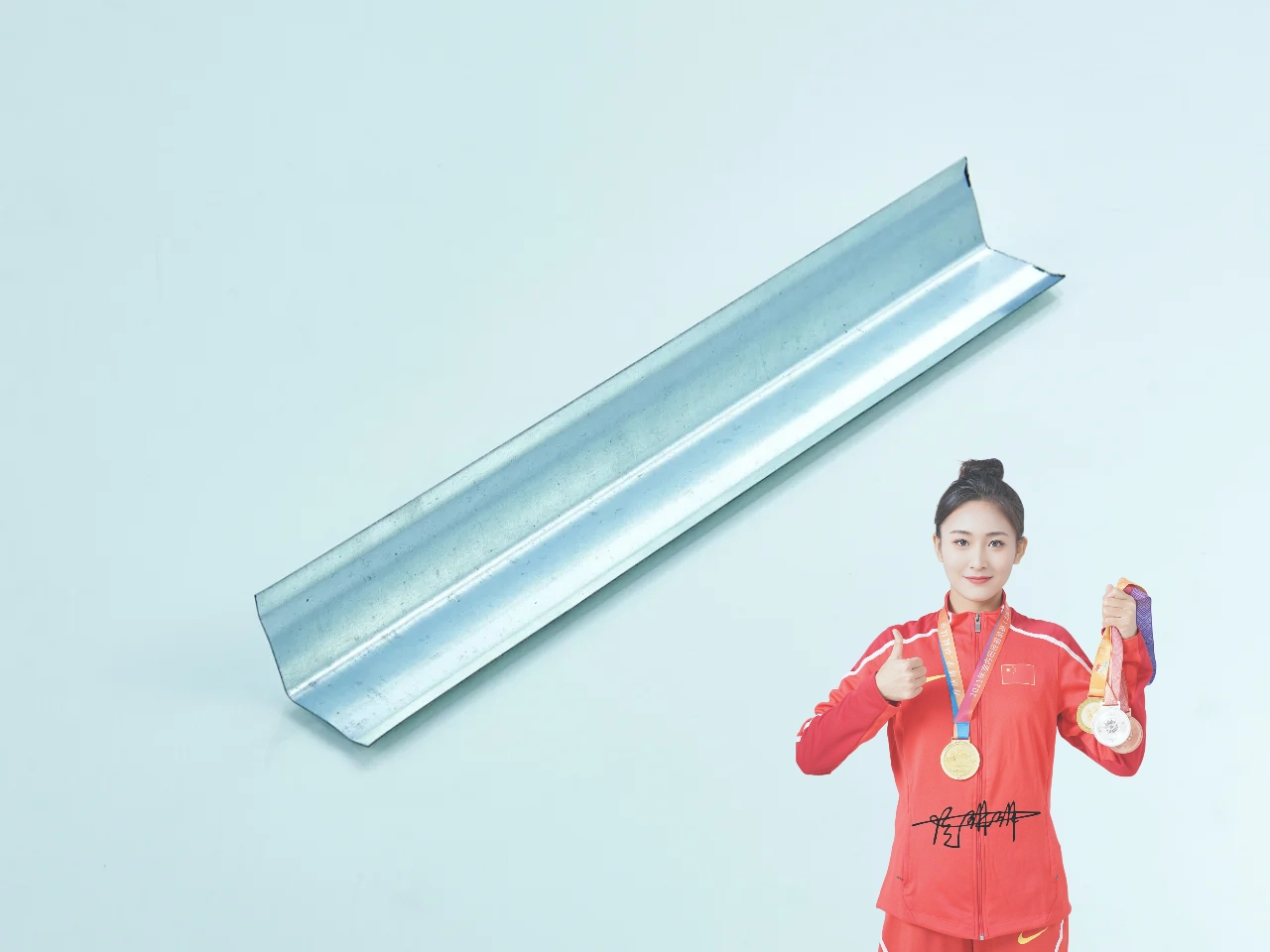
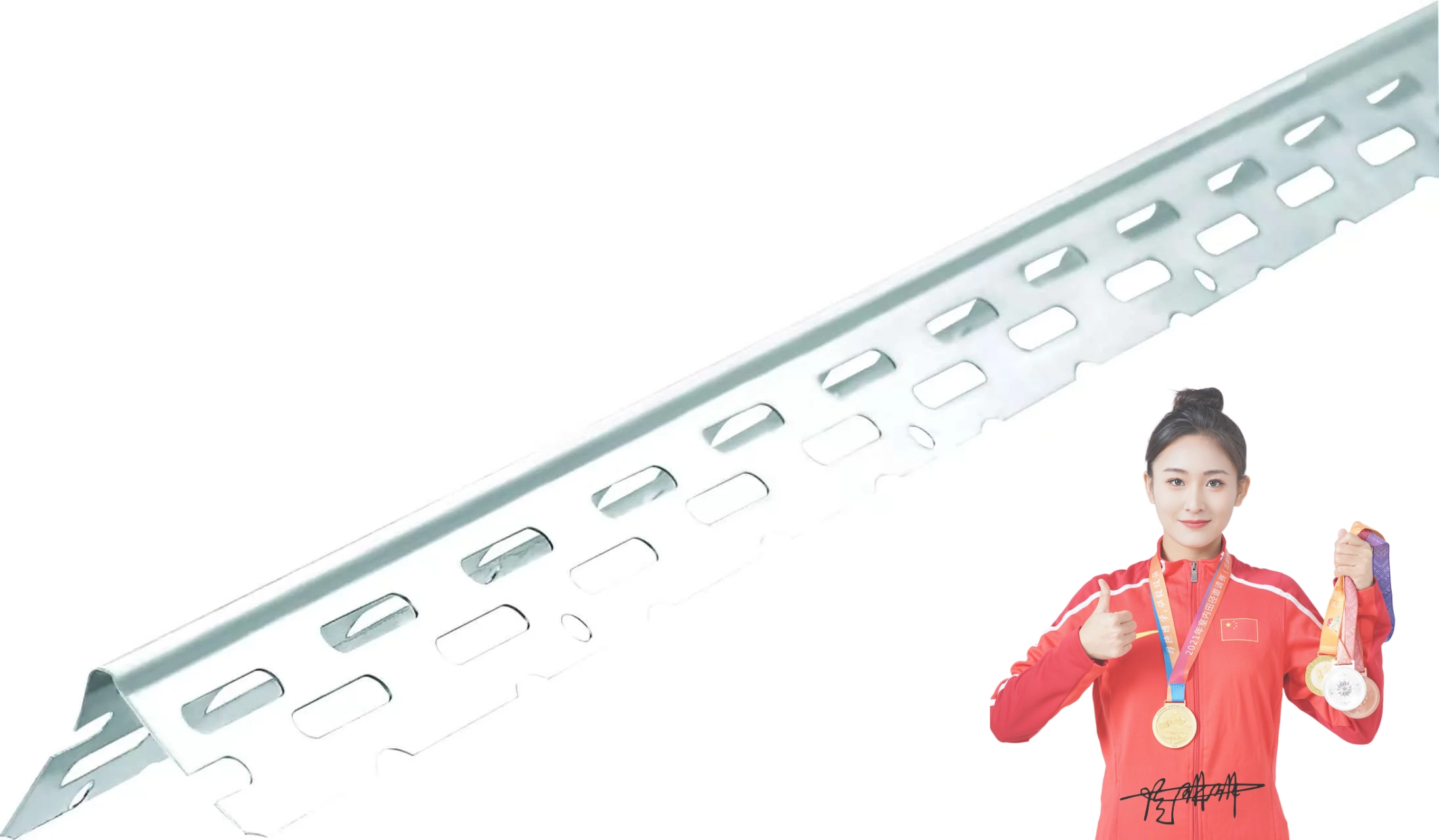
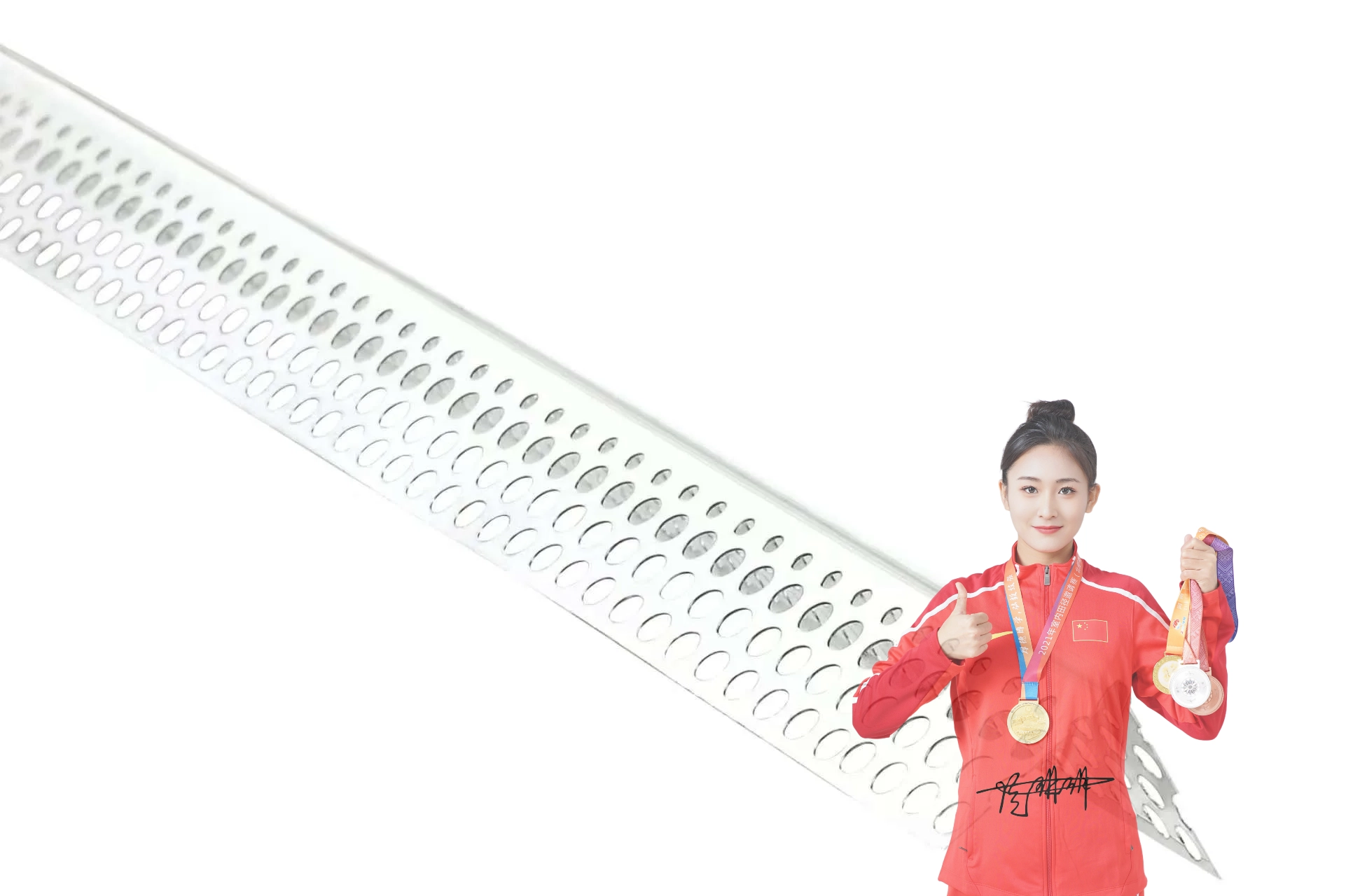
In straightforward terms: expanded mesh for rendering is a metal sheet that’s been slit and stretched to form diamond-shaped openings — kind of like a metal web. This mesh acts as a strong substrate on which plasters or renders can securely adhere.
Why is this useful? Well, plaster or stucco on its own can crack or fall off as the building shifts or ages. Placing expanded mesh beneath acts kind of like a skeleton, distributing tension evenly and bonding materials better. It’s especially prevalent in external walls or ceilings, both in new constructions and renovations.
Outside construction, similar meshes find uses in fencing, ventilation, or filtering — but for rendering, it’s all about durability, workability, and reinforcing surfaces without excessive weight.
Mini takeaway: Expanded mesh’s simple geometry translates into complex strength — holding render layers firm even under stress.
---
Core Attributes of Expanded Mesh for Rendering
1. Durability and Corrosion Resistance
Often made from galvanized steel or stainless steel, these meshes withstand harsh weather and chemical exposure. Many engineers say that the coating plays a pivotal role in extending lifespan, especially in coastal or industrial zones.
2. Flexibility and Scalability
Unlike rigid rebars, mesh sheets can be easily cut or folded around corners, making them suitable for both small repairs and large-scale façades. You’ll find it used in everything from modest homes to complex architectural designs.
3. Cost Efficiency
By reinforcing renders without extra layers or thick concrete, expanded mesh reduces material use and labor hours — factors that matter a lot in developing countries or budget-conscious projects.
4. Lightweight, Yet Strong
Its open pattern keeps weight down, simplifying transportation and installation. This means less strain on supporting structures and easier handling on-site.
5. Sustainability
Many manufacturers recycle metals into mesh production, and by preventing render failures, the mesh helps lower maintenance frequency — a small but meaningful energy saver over the building’s life cycle.
Mini takeaway: Expanded mesh combines robustness with versatility — a solid “workhorse” for many building needs.
---
Real-World Applications: More Than Just Walls
Globally, if you look at regions rebuilding after disasters, expanded mesh for rendering is often deployed for quick, long-lasting repairs. For instance, after the 2010 Haiti earthquake, relief organizations used it to reinforce temporary shelters, balancing cost and safety under urgent conditions.
In Australia’s mining towns, the mesh offers a resilient surface for industrial sheds, which face harsh dust and temperature fluctuations. Meanwhile, in Europe and North America, it's a staple in both residential renovations and public projects for improved façade longevity.
Some architects also appreciate how it supports natural render textures, allowing buildings to “breathe” and reducing moisture build-up — which is crucial in temperate zones prone to dampness.
Explore expanded mesh for rendering applications if you want the nitty-gritty on where and how these meshes really get their hands dirty.
Mini takeaway: Practical, simple, and reliable — expanded mesh meets varied real-world demands, from emergency relief to high-end architectural finishes.
---
Advantages and Long-Term Value of Expanded Mesh
Beyond the technical specs, there’s an emotional and societal layer to its value. Buildings are more than structures; they’re habitats where people expect safety and dignity. Expanded mesh supports that by:
- Reducing Repair Costs: Less cracking means fewer patch-ups.
- Sustaining Structural Integrity: Longer-lasting walls mean stable homes and workplaces.
- Supporting Sustainability Goals: Lower need for frequent renovations translates to less waste.
- Enhancing Aesthetics: Mesh lets renderers craft smoother, more uniform finishes.
- Boosting Innovation: Designers can experiment with shapes knowing the mesh lends critical support.
There’s a reassuring trust in knowing a wall won’t crumble because the underlying mesh holds firm. In communities with limited resources, that kind of assurance feels invaluable.
---
What’s Next? Future Trends in Expanded Mesh for Rendering
Emerging materials like fiber-reinforced polymers (FRP) start to complement metal meshes, offering corrosion-free, ultra-lightweight options. Meanwhile, “smart meshes” embedded with sensors can track structural integrity or detect moisture ingress — something engineers only dreamed of a decade ago.
Sustainability-wise, expect more recycled content, better coatings (less toxic, longer-lasting), and meshes tailored for green buildings. Automation in mesh production is improving consistency, reducing waste, and enabling customization — whether for novel façade geometries or rapid disaster response kits.
All in all, this field is quietly riding the digital and environmental transformation wave that’s sweeping construction industries worldwide.
---
Overcoming Challenges: The Practical Side
One persistent issue with expanded mesh is balancing open area with strength. Openings too large reduce support; too small, and the render may not bond well or air circulation suffers. Achieving this balance requires expertise and quality control.
Another challenge is corrosion in extreme environments — simple galvanizing isn’t always enough. Some projects turn to stainless steel or polymer-coated meshes, though these can spike costs.
Installation skills also matter. If the mesh isn’t properly fixed or overlaps are incorrectly done, cracks appear anyway. Training on-site workers or providing easy-to-use products with clear instructions helps here.
---
Frequently Asked Questions About Expanded Mesh for Rendering
Q: What are the main materials used for expanded mesh in rendering?
A: Typically, galvanized steel is the go-to for general purposes due to rust resistance and cost. Stainless steel and aluminum versions exist for harsh or lightweight needs, respectively.
Q: How does expanded mesh improve the durability of render layers?
A: Its diamond-shaped openings create mechanical keys for plaster to grip, spreading stresses and preventing cracks during temperature shifts or building movement.
Q: Can expanded mesh be cut on-site for custom fit?
A: Yes, mesh can be cut or shaped with tin snips or shears, facilitating adaptation to complex structures or repair work.
Q: Is expanded mesh suitable for external and internal rendering?
A: Generally, yes. It's widely used externally to reinforce weather-exposed renders but is also valuable indoors to prevent cracking on plaster ceilings or walls.
Q: How do I choose the right mesh size and thickness for my project?
A: Consider environmental conditions and render type; finer meshes suit thin-layer renders indoors, while coarser, thicker options are better for exterior walls subject to mechanical impact.
---
Quick Product Specification Table
| Specification |
Details |
| Material |
Galvanized Steel / Stainless Steel |
| Thickness |
0.7 mm to 1.5 mm |
| Mesh Opening Size |
6 mm to 20 mm diamond-shaped |
| Coating |
Hot-Dip Galvanized / Powder Coated |
| Roll Size |
1 m to 1.2 m width, standard lengths 10 m |
Vendor Comparison for Expanded Mesh for Rendering
| Vendor |
Material Quality |
Customization Options |
Pricing |
Shipping & Lead Times |
| SteelMesh Co. |
High-grade galvanized steel |
Cut-to-size available |
Mid-range |
1-2 weeks |
| MeshMasters |
Stainless steel options |
Custom shapes & coatings |
Premium |
2-3 weeks |
| BudgetMesh |
Standard galvanized steel |
Limited customization |
Economical |
1 week |
---
Wrapping It Up: The Long-Term Benefits of Expanded Mesh for Rendering
Expanded mesh might not be the flashiest topic buzzing in construction circles, but its quiet strength and utility are profound. From safeguarding homes against weather to enhancing sustainable building practices across the globe, it’s a material that blends simplicity with innovation.
Sure, challenges like corrosion or installation nuances exist, but with proper selection and expert handling, expanded mesh for rendering offers a dependable, cost-effective solution. Whether you’re involved with a humanitarian build or a commercial project, it’s wise to consider this flexible reinforcement layer.
Want to dive deeper into product options or find the perfect mesh for your needs? Visit our website at
https://www.cornerbeadmfr.com to explore full catalogues, specs, and expert guides.
---
References
- UNEP Report on Construction Waste
- World Bank Infrastructure Data
- Wikipedia - Expanded Metal