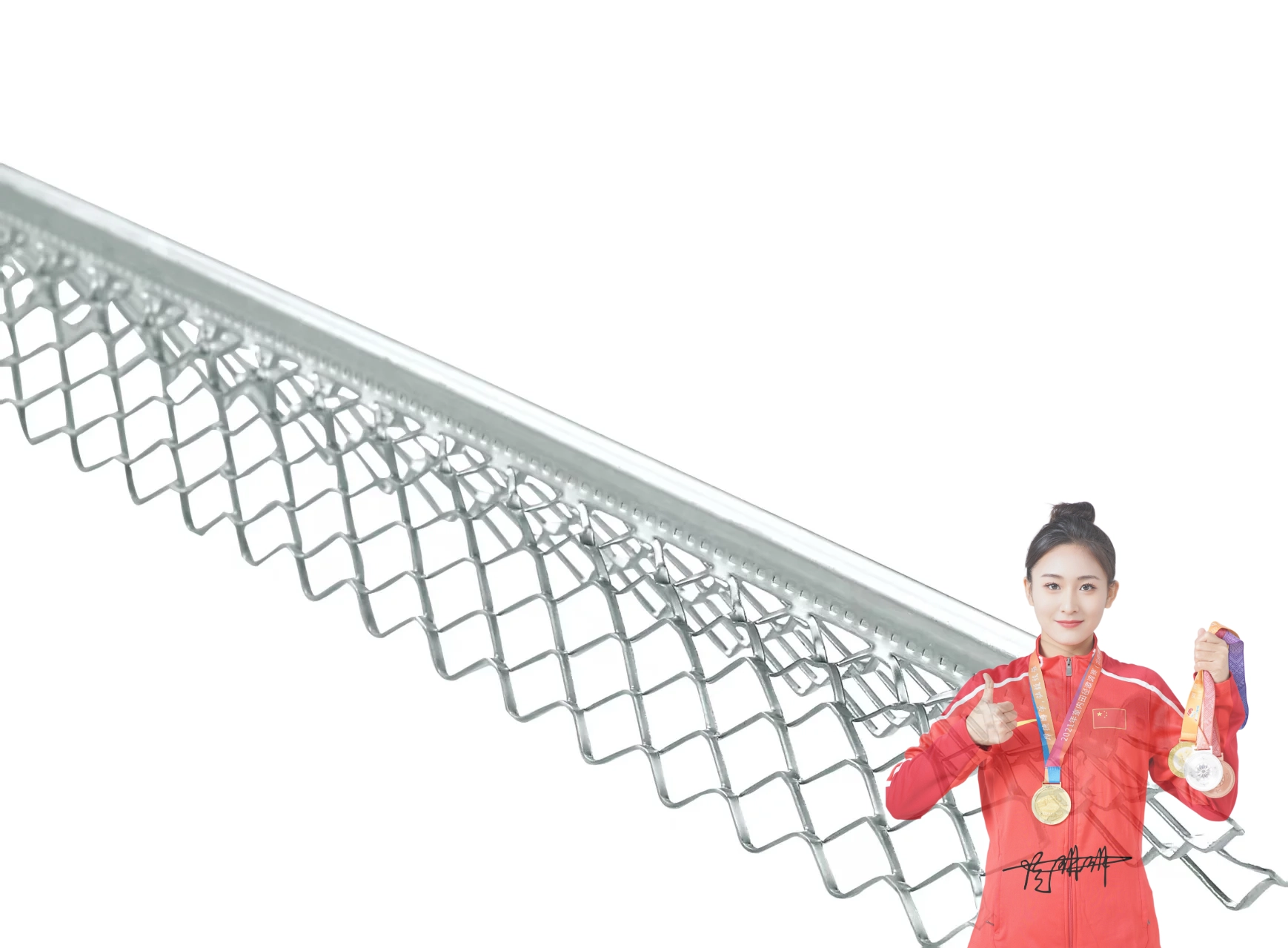
What Exactly Is Expanded Metal Mesh for Rendering—and Why Should You Care?
Rendering, in construction and building maintenance, often means layering a cement-based or polymer-based coating over walls for protection and aesthetics. But underneath that smooth finish, there’s a secret hero: expanded metal mesh. This stuff isn’t just a random grid tossed into a wall; it’s a reinforcement network that makes the entire surface tougher, less prone to cracking, and generally more enduring.
Globally, as urbanization stretches rapidly and climate unpredictability increases, construction materials have to keep pace. Expanded metal mesh for rendering is crucial because it ensures facades, especially in high-stress environments, maintain their integrity. From hot, arid deserts to rainy, storm-battered coasts, this mesh helps rendering stick around longer, safer, and looking better.
If you’re in building, project planning, or humanitarian housing solutions, understanding this material can save money, boost sustainability, and make your structures last. It’s a bit like the unsung scaffolding of wall finishes—not flashy but essential.
---
Global Context: Why Expanded Metal Mesh for Rendering Is More Important Than Ever
Construction materials account for roughly 38% of global CO2 emissions (source: International Energy Agency, 2023). With such sprawling environmental cost, the world needs smarter, more reliable solutions. Expanded metal mesh is one answer—because it extends wall life, reducing repairs and rebuilds, thus lowering overall environmental impact.
Meanwhile, the UN's Habitat Programme reminds us that about 1.6 billion people worldwide live in inadequate housing. Durable wall structures, fortified by expanded metal mesh, can improve living conditions via better weather resistance and structural safety.
But here’s the tricky bit: many developing regions struggle with material availability and cost. Expanded metal mesh for rendering, being lightweight and relatively easy to transport, addresses some of these challenges by offering a scalable, cost-effective solution for reinforcing plaster or cement coats in thriving urban hubs or fragile rural builds.
---
Expanded Metal Mesh for Rendering: What Is It, Really?
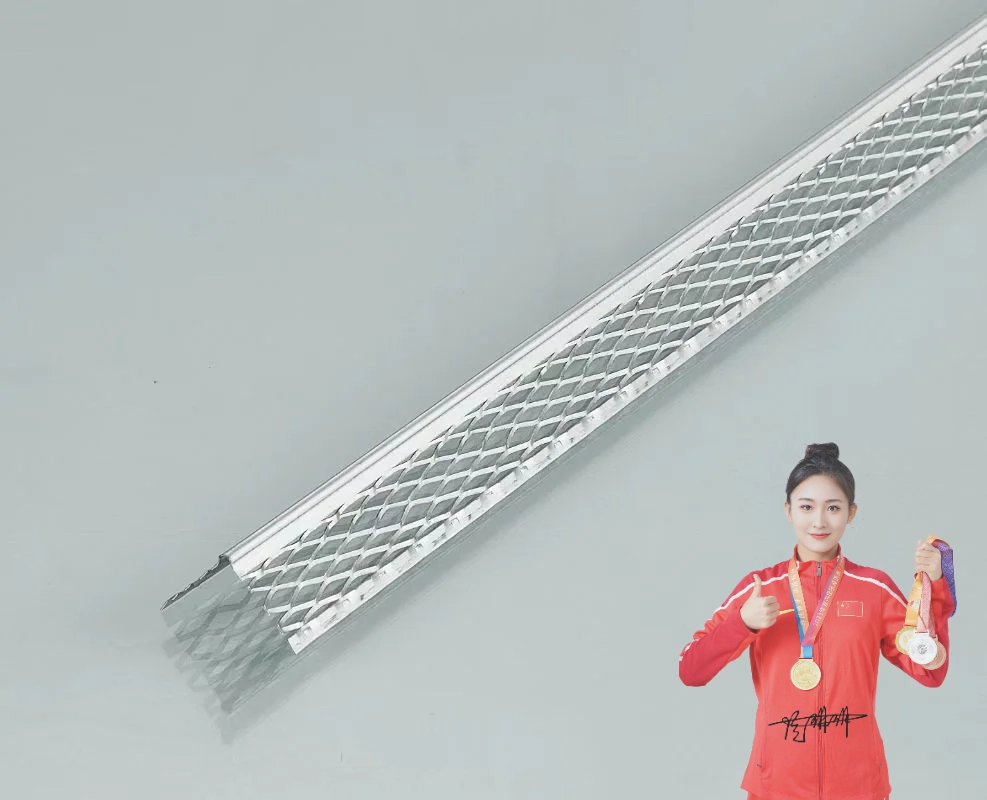
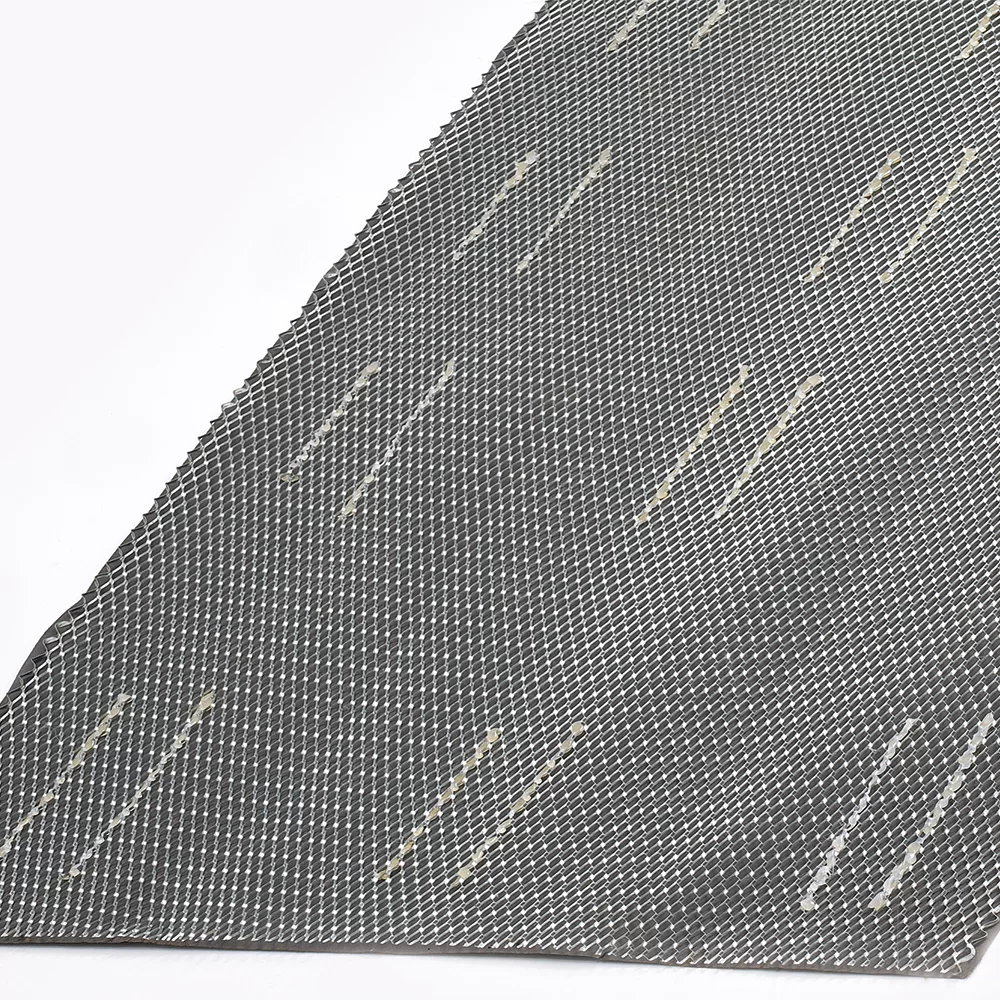
Simply put, expanded metal mesh is a sheet of metal—usually galvanized steel or aluminum—that’s been punched and stretched to form a diamond or hexagonal pattern. The mesh isn’t woven or welded; instead, it’s one continuous sheet.
In rendering, this mesh is placed over a surface before applying render material. It acts as a mechanical key, giving the render something to cling to and reinforcing the drying layer against cracking, impact, or even seismic shifts.
Oddly enough, while the concept seems straightforward, its role in modern construction—and emergency relief housing—is multifaceted. It supports better thermal performance, reduces maintenance cycles, and even allows thinner rendering layers, which can mean less material waste.
---
Key Features of Expanded Metal Mesh for Rendering
1. Durability
Expanded metal mesh resists corrosion when galvanized or powder coated, so it holds up under tough weather conditions. It prevents tiny cracks in render from turning into costly structural issues later on.
2. Scalability & Flexibility
Because the mesh comes in rolls or sheets of various sizes and thicknesses, it’s easily adapted for different project scales—from small home refurbishments to huge industrial buildings.
3. Cost Efficiency
A little mesh goes a long way. By reinforcing render, it cuts down on re-plastering cycles, saving both material costs and labor.
4. Ease of Installation
Lightweight and easy to cut on-site, the mesh doesn't require highly specialized skills or equipment, which is a relief for construction teams everywhere.
5. Enhanced Adhesion
The open pattern allows the render to grip securely, avoiding delamination or peeling over time.
---
Mini takeaway: Expanded metal mesh for rendering isn’t just a tech upgrade — it’s an investment in the wall’s future performance, especially in challenging climates or fast-paced construction zones.
---
Real-World Applications: Who Benefits from Expanded Metal Mesh?
I find it fascinating how this mesh pops up everywhere—from skyscrapers in Dubai to temporary shelters in post-disaster zones.
- Urban Construction: High-rise buildings use expanded metal mesh extensively to reinforce plaster facades against wind, heat, and pollution stress.
- Humanitarian Housing: NGOs deploy makeshift homes using rendering over mesh because it’s lightweight, durable, and quick to install, improving living conditions rapidly.
- Industrial Zones: Factories and warehouses benefit from its protective qualities, as the mesh supports coatings that guard walls from chemical corrosion or mechanical impacts.
- Infrastructure Repairs: Bridges and tunnels often get reinforcing layers that include expanded metal mesh to extend usable life.
One real-life story: After the 2020 cyclone in southern Asia, local builders used galvanized expanded metal mesh for rendering newly erected shelters. This not only sped up wall drying but also improved robustness, increasing occupant safety. It’s a neat example of innovation meeting urgent need.
---
Advantages and Long-Term Value of Rendering with Expanded Metal Mesh
Let’s be honest, the benefits here are both tangible and emotional:
- Cost savings: Fewer repairs equal less money spent fixing cracks, saving owners lots in the long run.
- Sustainability: Less wasted material means fewer resources burned and less landfill clutter.
- Reliability: Walls stay intact longer despite environmental wear.
- Safety: Reduced structural failure risk conveys peace of mind to occupants or workers.
- Innovation: Using mesh indicates modern, precise construction methods, highlighting quality.
It's this combination that makes expanded metal mesh for rendering a no-brainer in modern build specs.
---
Looking Forward: Trends and Innovations on the Horizon
Expanded metal mesh isn't static; it evolves alongside material science and construction tech:
- Eco-friendly Coatings: Meshes coated with low-VOC treatments reduce environmental impact.
- Composite Meshes: Combining metal with fiberglass or polymers can reduce weight while maintaining strength.
- Smart Integration: Embedding sensors in mesh to monitor wall stresses or moisture, hinting at fully "smart" buildings.
- Green Building Policies: Increasingly, international standards like ISO 21930 encourage use of materials that extend building life and lower carbon footprints, which bolsters mesh usage.
- Automation in Installation: Robots and drones assisting in mesh fastening and render application may soon be common.
If you thought this was just “metal on wall,” think again—it's getting smarter, kinder to Earth, and more efficient.
---
Challenges in Using Expanded Metal Mesh for Rendering and How to Overcome Them
Not everything is sunshine. Common issues include:
- Corrosion in harsh environments: Salt air can eat unprotected mesh quickly.
- Improper installation: Wrong mesh gauge or poor fastening undermines benefits.
- Supply chain limitations: Some regions struggle to source quality mesh cheaply.
But the industry’s working on solutions:
- Use of galvanized or stainless steel mesh addresses corrosion.
- Training builders and on-site supervisors improves installation quality.
- Local fabricators now producing compliant mesh closer to demand zones eases supply problems.
Basically, it’s about smarter sourcing combined with informed practice.
---
Frequently Asked Questions About Expanded Metal Mesh for Rendering
- Q: How does expanded metal mesh improve wall render durability?
- A: The mesh reinforces the render layer by providing a mechanical key that grips the material, reducing cracking and separation caused by movement or weather stress.
- Q: Can I use expanded metal mesh on irregular or curved surfaces?
- A: Absolutely. Its flexible diamond pattern adapts well to bends and corners, making it ideal for diverse architectural features.
- Q: Is galvanized mesh necessary or can I use plain steel?
- A: Galvanization protects against rust, which is crucial in moist or coastal environments. Plain steel may corrode quickly and compromise render integrity.
- Q: How do I import expanded metal mesh for rendering projects internationally?
- A: Many suppliers assist with export documentation and logistics. Partnering with reputable vendors offering compliance with international standards simplifies shipping.
- Q: Are there lightweight alternatives to steel mesh for rendering?
- A: Yes, fiberglass or polymer mesh products exist. They offer corrosion resistance and lighter weight but differ in strength and cost.
---
Product Specification Table
| Specification |
Detail |
| Material |
Galvanized Steel / Aluminum |
| Thickness |
0.5 mm – 2.0 mm |
| Mesh Aperture |
6 mm x 12 mm typical diamond-shaped |
| Roll Size |
1.0 m x 20 m (custom sizes available) |
| Surface Treatment |
Galvanized, Powder Coated (optional) |
| Tensile Strength |
Up to 350 MPa |
Vendor Comparison Table
| Vendor |
Material Quality |
Price Range (per sqm) |
Customization Options |
Support & Delivery |
| Corner Bead Mfr |
High (galvanized steel) |
$5.50–$7.50 |
Roll/Sheet sizes, thicknesses |
Excellent, worldwide |
| Global Mesh Co. |
Medium (aluminum-based) |
$4.00–$6.00 |
Standard sizes only |
Good, regional only |
| SteelGrid Solutions |
High (stainless steel option) |
$7.00–$9.00 |
Custom aperture & thickness |
Limited outside US |
---
If you’re looking for proven quality in expanded metal mesh for rendering, Corner Bead Mfr offers excellent products and service that fit a variety of projects and budgets.
---
Final Thoughts
Expanded metal mesh for rendering might seem like a behind-the-scenes detail, but it’s a crucial innovation in modern and sustainable construction. It balances technical performance, cost-effectiveness, and environmental responsibility in ways that few other materials do.
In an age where durability matters more than ever — across both urban megaprojects and sudden humanitarian builds — this mesh quietly supports the walls that support us. Interested? Explore detailed specs and find the right supplier to boost your next project at
our website.
---
References:
1. International Energy Agency (IEA), "Global CO2 emissions from building materials," 2023.
2. United Nations Human Settlements Programme (UN-Habitat), "World Cities Report," 2022.
3. ISO 21930:2017, "Sustainability in buildings and civil engineering works."