Understanding Expanded Perforated Metal: A Global Game Changer
If you’ve ever passed by a modern facade, walked near a sleek bridge railing, or seen a ventilation grille that combines strength and style, you’ve likely encountered expanded perforated metal. It’s one of those unsung heroes of industrial design and construction, quietly making a world of difference. But beyond just aesthetics, this versatile material addresses real challenges—from improving safety and sustainability to enabling rapid infrastructure deployment worldwide.
In a nutshell, expanded perforated metal marries strength with lightweight efficiency. Globally, industries from architecture to humanitarian aid rely on it for its robustness, adaptability, and cost-effectiveness. As urbanization accelerates and infrastructures face climate challenges, understanding this material isn't just niche knowledge—it’s crucial for engineers, builders, and policy makers alike.
Global Context: Why Expanded Perforated Metal Matters Now More Than Ever
It’s interesting to note that according to the United Nations, global urban populations surpassed 56% in 2020, pushing cities to innovate their building materials to be lighter, more sustainable, and smarter in design.[1] Expanded perforated metal steps in as a material that addresses these urban growth pressures and the demand for energy-efficient façades and infrastructure components.
Industries are also pivoting toward materials that reduce carbon footprints. The expanded perforated metal mesh allows natural ventilation and light penetration while maintaining structural integrity, which can reduce reliance on artificial lighting and HVAC systems—tiny steps that add up big.
However, the challenge remains: How do we balance affordability with durability? How do we ensure materials can withstand increasingly erratic weather patterns without massive environmental tolls? Expanded perforated metal offers a partial, practical answer.
What Exactly is Expanded Perforated Metal?
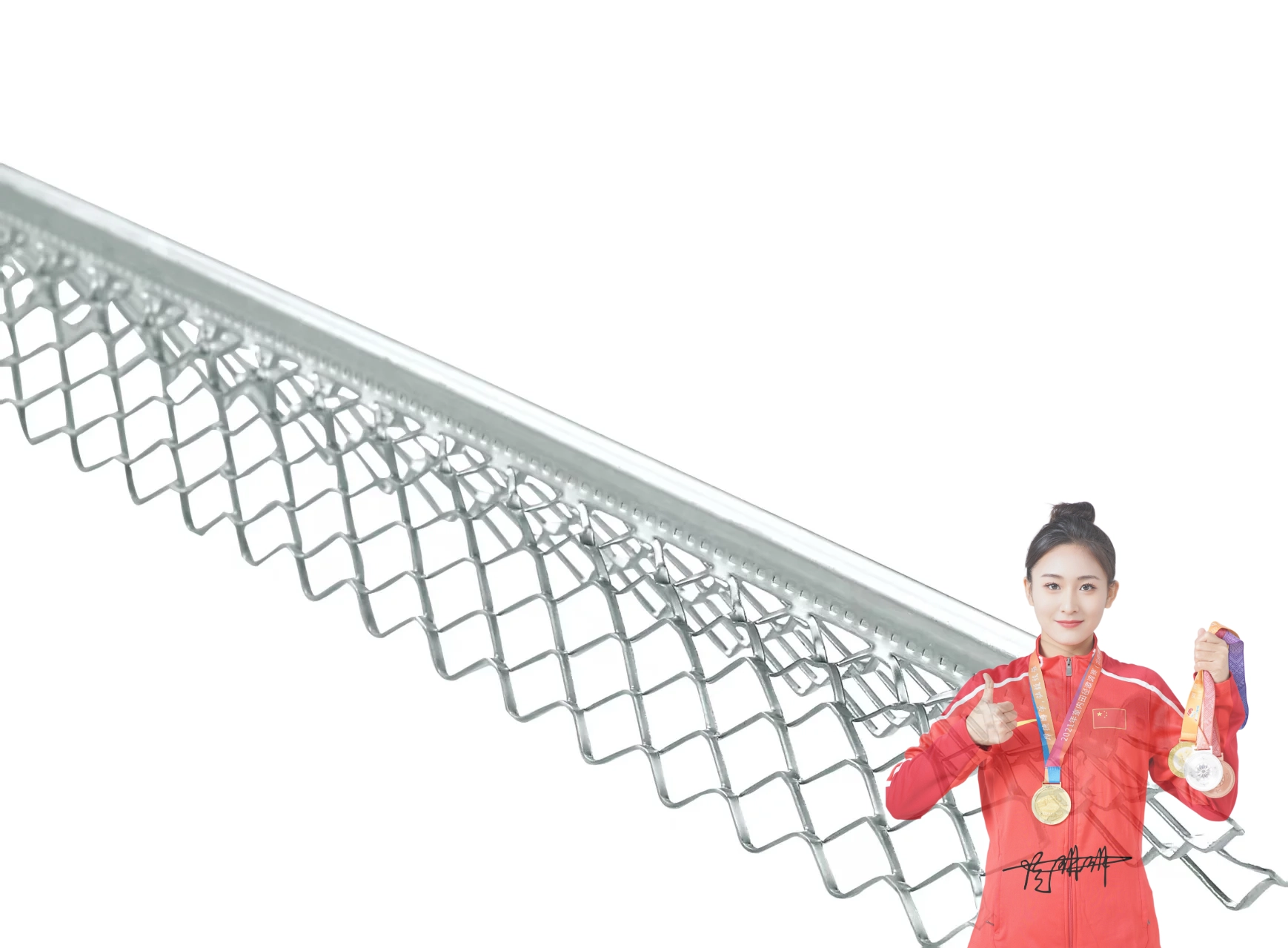
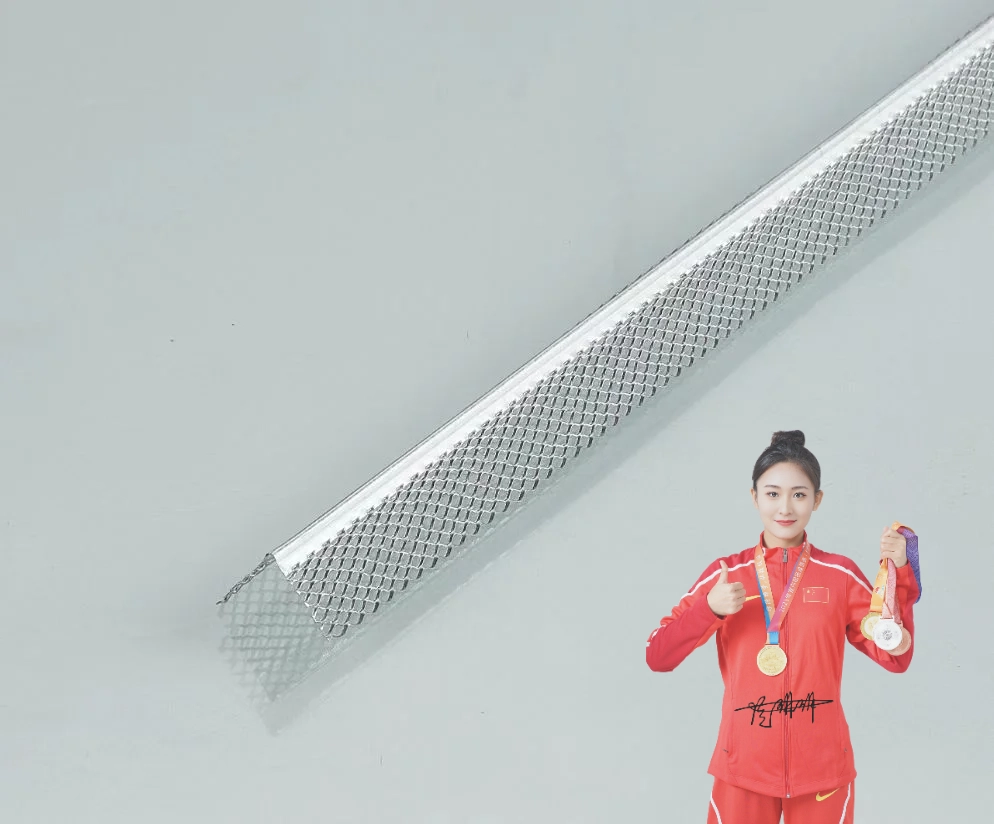
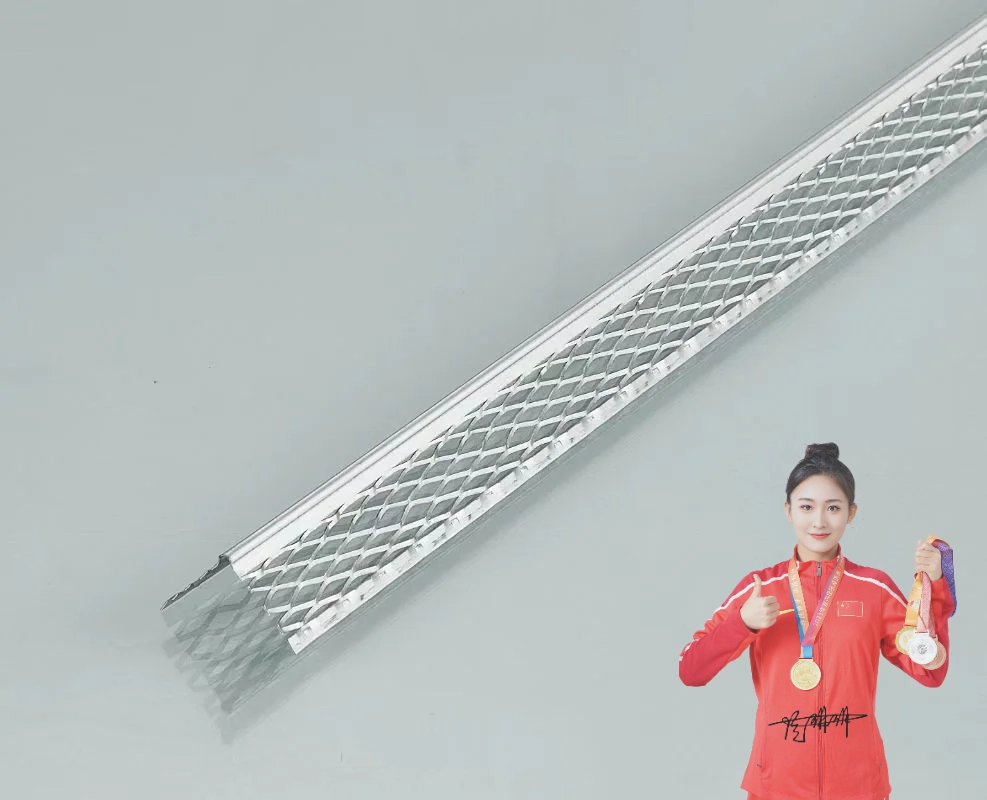
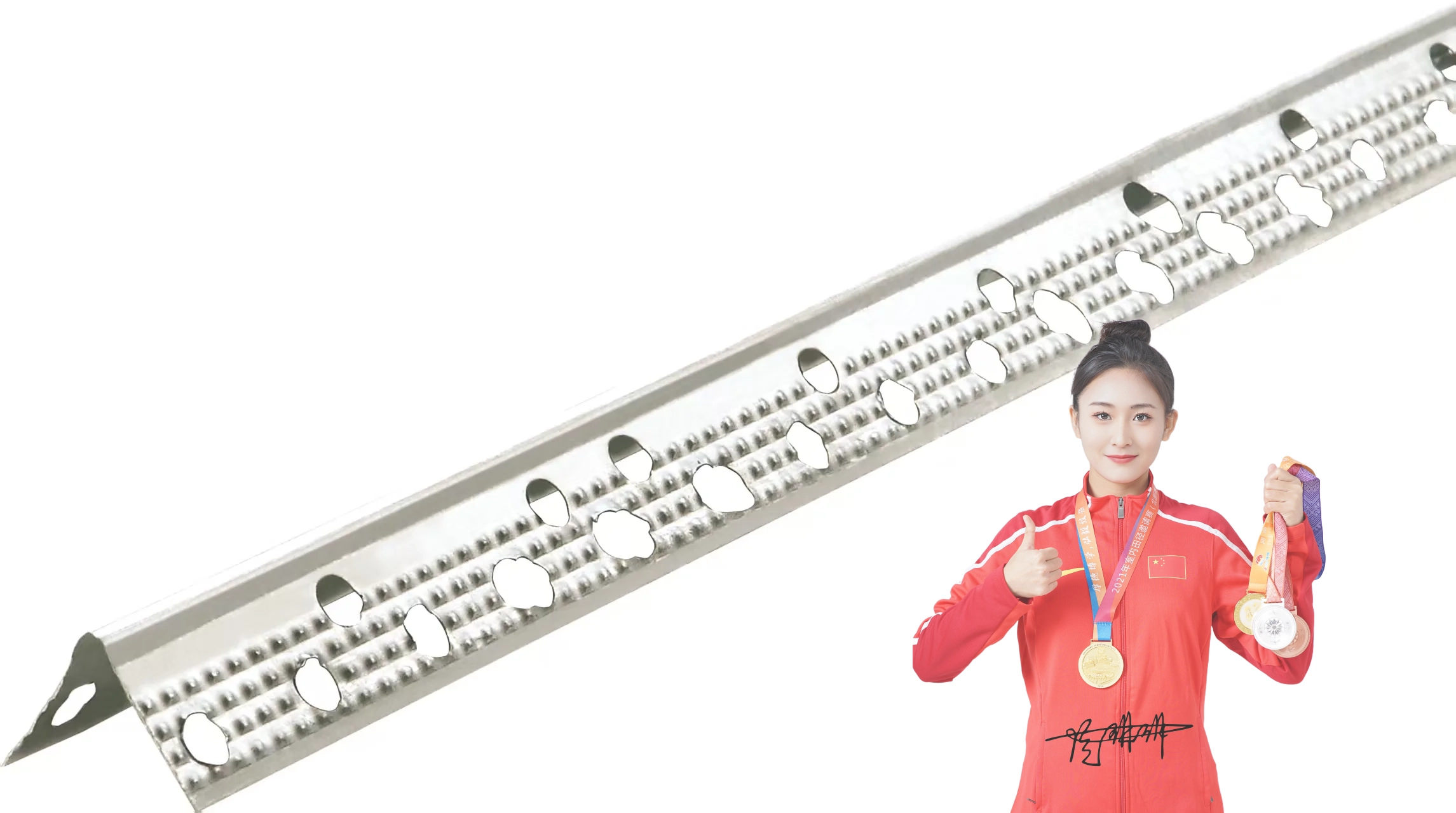
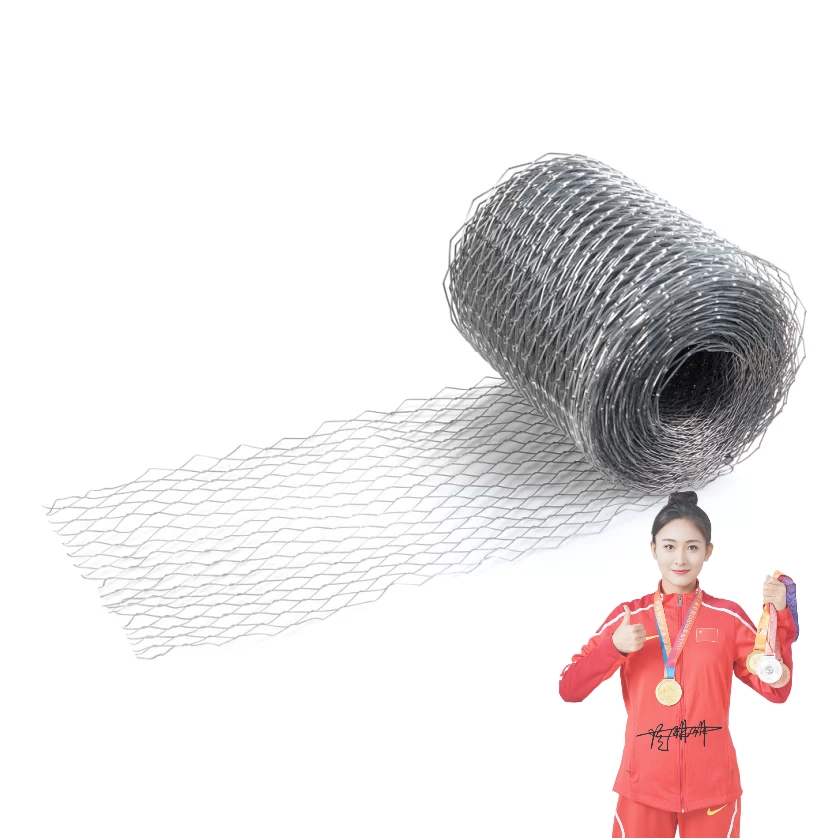
At its core, expanded perforated metal is a sheet of metal that’s been simultaneously slit and stretched to create a patterned mesh of diamond-shaped openings. Unlike punched perforated metal, where holes are mechanically cut out (wasting excess metal), expanded metal is cut and stretched, so no material is lost. This is why it’s often referred to as a “waste-free” or “efficient” metal mesh.
This mesh balances air and light flow with strength—think of it as a robust web supporting architectural and industrial ambitions alike. It’s lightweight yet strong, offering excellent load bearing capacity without the weight penalty of solid sheets.
Connection to Modern Industry and Humanitarian Needs
Oddly enough, this material is not limited to slick cityscapes. Humanitarian organizations often utilize expanded perforated metal to create durable shelters, secure storage, and ventilation systems in disaster zones. Its strength-to-weight ratio simplifies transport and assembly—a crucial factor when timing is everything.
Core Aspects of Expanded Perforated Metal You Should Know
1. Durability
Many engineers say that the tensile strength achieved through the stretching process outperforms many traditional metal sheets. Expanded perforated metal’s resilience means it can withstand harsh environmental conditions—from coastal corrosion to extreme industrial wear.
2. Scalability and Customization
Whether for small windowscreens or large-scale architectural facades, the sizes and diamond pattern alignments can be customized to meet precise performance requirements. Manufacturers often tailor thickness, material grades, and mesh size to client needs, which makes it a truly versatile solution.
3. Cost Efficiency
Less material wasted means a better bottom line. Combined with lower labor costs—since assembly is often simpler—the overall project economics favor expanded metal use, especially on large or repetitive installations.
4. Sustainability
Used metals like aluminum or galvanized steel are recyclable, and the mesh design itself fosters energy saving, promoting greener structures. Architects increasingly cite expanded perforated metal when targeting LEED certification or seeking to lower operational energy consumption.
5. Safety and Security
The material’s rigidity acts as a deterrent to vandalism and unauthorized entry while maintaining transparency. It’s a favorite among designers of security enclosures and fences that can’t afford to be eyesores.
Global Applications and Real-World Use Cases
Expanded perforated metal finds homes across continents and industries:
- Architectural façades: In Dubai, iconic skyscrapers use it as sunshades to reduce glare and cooling costs.
- Transportation hubs: Airports in Europe feature it for both aesthetic appeal and crowd control barriers.
- Industrial: Factories in Southeast Asia rely on it for protective guards and ventilation covers that never compromise on safety.
- Post-disaster relief: NGOs in Haiti have leveraged expanded metal for modular shelters and temporary fencing that’s quickly deployable and durable.
- Agricultural: Ventilated storage silos in Brazil ensure airflow while keeping pests out.
Each use story shares a common theme: rapid deployment combined with longevity and low maintenance.
Mini Takeaway:
Expanded perforated metal’s ability to seamlessly blend form and function pushes its utility well beyond traditional metal sheets—it’s a solution tailored for modern needs, whether luxury or necessity.
Advantages and Long-Term Value
Here’s the rub: this isn’t just about choosing a “pretty” material; it’s a strategic choice with tangible benefits.
- Cost Savings: Lower waste and simplified installation add up to meaningful project savings.
- Environmental Impact: By enabling better airflow and reducing energy demand, it aligns with sustainable development goals.
- Safety and Trust: Communities benefit from durable, secure installations that withstand both time and weather.
- Social Impact: NGOs find it lifesaving for shelters and infrastructure in resource-poor contexts.
On a softer note, clients often talk about peace of mind knowing their investments last longer and require less upkeep — a kind of intangible value you’d be surprised how much it counts.
Future Trends & Innovations in Expanded Perforated Metal
The industry is buzzing with exciting developments all tied to sustainability and digitization:
- Green Materials: Research into biodegradable coatings and low-impact alloys is underway, promising even smaller environmental footprints.
- Automation & Custom Fabrication: Advances in laser cutting and robotic stretching allow for intricate designs and faster turnarounds.
- Smart Metal: Embedding sensors in expanded perforated metal for structural health monitoring — imagine a bridge that tells engineers when it needs repair.
- Energy Integration: Incorporating photovoltaic cells behind expanded meshes that act as sunshades but also generate power.
Challenges & Practical Solutions
Of course, no material is perfect. Expanded perforated metal’s primary limitation lies in its exposure to corrosion—especially in highly saline environments. Steel grades and coatings help—but long-term maintenance can still be a factor.
Another challenge is noise transmission; while the mesh allows airflow, it can sometimes amplify sound in industrial zones. Sound dampening layers or hybrid materials are proving effective countermeasures.
Manufacturers and researchers recommend close collaboration with end users early in project design to customize the right specifications—because off-the-shelf rarely cuts it when stakes are high.
Product Specification Table
| Specification |
Details |
| Material | Aluminum, Galvanized Steel, Stainless Steel |
| Sheet Thickness | 0.5 mm to 5.0 mm |
| Mesh Opening Size | 3 mm to 50 mm (diamond pattern) |
| Weight | 0.8–4.5 kg/m² depending on gauge |
| Coating Options | Powder coating, galvanization, anodization |
| Strength (Tensile) | Up to 400 MPa (depending on alloy) |
Vendor Comparison: What to Consider When Choosing Your Supplier
| Feature |
Supplier A |
Supplier B |
Supplier C |
| Material Variety | Aluminum, Steel | Steel Only | Aluminum, Stainless Steel |
| Customization Capabilities | High | Medium | High |
| Turnaround Time | 2-3 weeks | 4-5 weeks | 3 weeks |
| Minimum Order Size | 50 sheets | 100 sheets | 25 sheets |
| Sustainability Practices | ISO 14001 Certified | Not Certified | ISO 9001 Certified |
FAQ: Top Questions About Expanded Perforated Metal
- What makes expanded perforated metal more efficient than traditional perforated metal?
- Expanded perforated metal is created by cutting and stretching the sheet without removing material, which reduces waste and increases strength compared to punched perforated metal where material is discarded. This makes it cost-efficient and environmentally friendlier.
- Can expanded perforated metal be used in corrosive environments?
- Yes, especially when made from stainless steel or coated with galvanization or powder coatings. However, in very harsh saline atmospheres, maintenance or more specialized alloys are recommended to prolong lifespan.
- How customizable is expanded perforated metal?
- Quite customizable. Mesh sizes, sheet thickness, material type, and coating options can be tailored. This flexibility lets engineers and designers optimize the material for performance and aesthetics.
- Is it safe for use in emergency shelter construction?
- Its lightweight but strong design enables quick assembly and durability, making it ideal for transient structures and protective barriers in disaster relief scenarios.
- How does it contribute to sustainability goals?
- By reducing material waste during production, enabling natural ventilation, and being recyclable, expanded perforated metal supports energy efficiency and waste reduction initiatives.
In Conclusion: Why Expanded Perforated Metal Should Be on Your Radar
From architectural marvels in bustling metropolises to lifesaving shelters in remote disaster zones, expanded perforated metal is an unsung yet indispensable part of modern infrastructure. Its unique combination of strength, efficiency, and sustainability places it at the crossroads of innovation and practicality—qualities the world needs more of as challenges stack up.
If you’re interested in learning more or sourcing top-quality materials to bring your projects alive, be sure to visit our website: https://www.cornerbeadmfr.com.
Final Thought:
It feels like every time I visit a new construction site or chat with a project engineer, expanded perforated metal pops up as both a technical answer and a creative enabler—truly material for the future.
References
- United Nations – Urbanization
- Wikipedia – Expanded Metal
- ISO 14001 - Environmental Management