The Intriguing World of Iron Mesh Sheets: What You Should Know
Iron mesh sheets might sound like an obscure industrial term, but they play a surprisingly significant role in today’s infrastructure and manufacturing sectors worldwide. Essentially, these are sheets made from woven or welded iron wires, forming a mesh that offers strength, flexibility, and versatility all in one package. When you pause to think about it, iron mesh sheets help solve problems as varied as construction reinforcement, industrial filtration, and even humanitarian shelter frameworks.
Understanding these sheets and their ability to adapt to different uses isn't just academic—it has real, tangible benefits for industries ranging from civil engineering to disaster relief. In a world where material efficiency, durability, and cost are constantly contested, iron mesh sheets quietly tick a lot of boxes. Plus, with global urbanization climbing steadily, the demand for such reliable materials is only going up.
Why Iron Mesh Sheets Matter Globally: An Industry Overview
The global steel industry, which includes iron products, accounts for a significant portion of industrial output. According to the World Steel Association, world crude steel production reached roughly 1.9 billion metric tons in 2023. Embedded within this massive figure is the humble yet vital category of iron mesh sheets.
Various regions, especially in rapidly developing economies like India, China, and parts of Southeast Asia, rely heavily on iron mesh sheets for infrastructural projects. Yet, the challenge is often in balancing cost, quality, and sustainability. Mesh sheets offer a middle ground: strong enough to reinforce concrete or act as fencing, but porous enough to be lightweight and adaptable.
Because of increasing concerns about supply chains and sustainability, manufacturers are continuously innovating to reduce material waste and energy use during production. This makes the iron mesh sheet not just a traditional product, but one facing a modern makeover—something that reflects global trends towards environmental responsibility.
What Exactly Is an Iron Mesh Sheet?
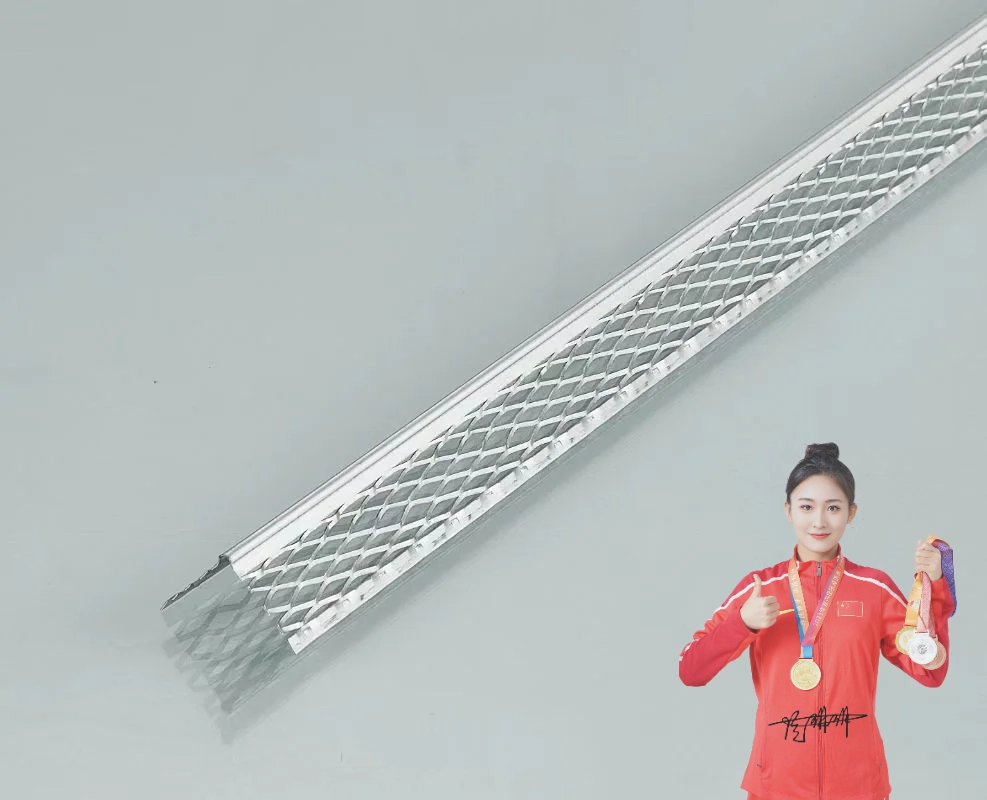
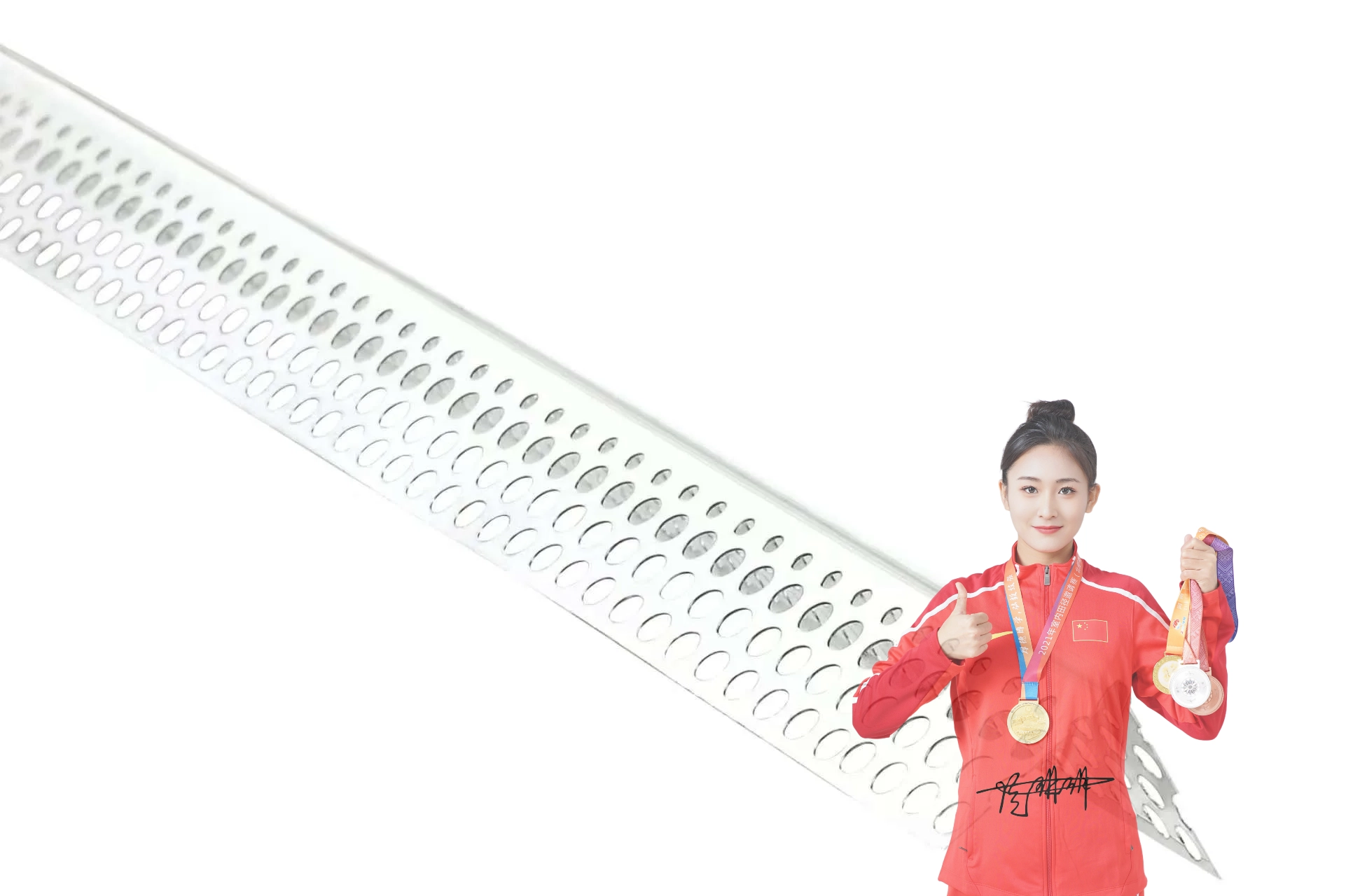
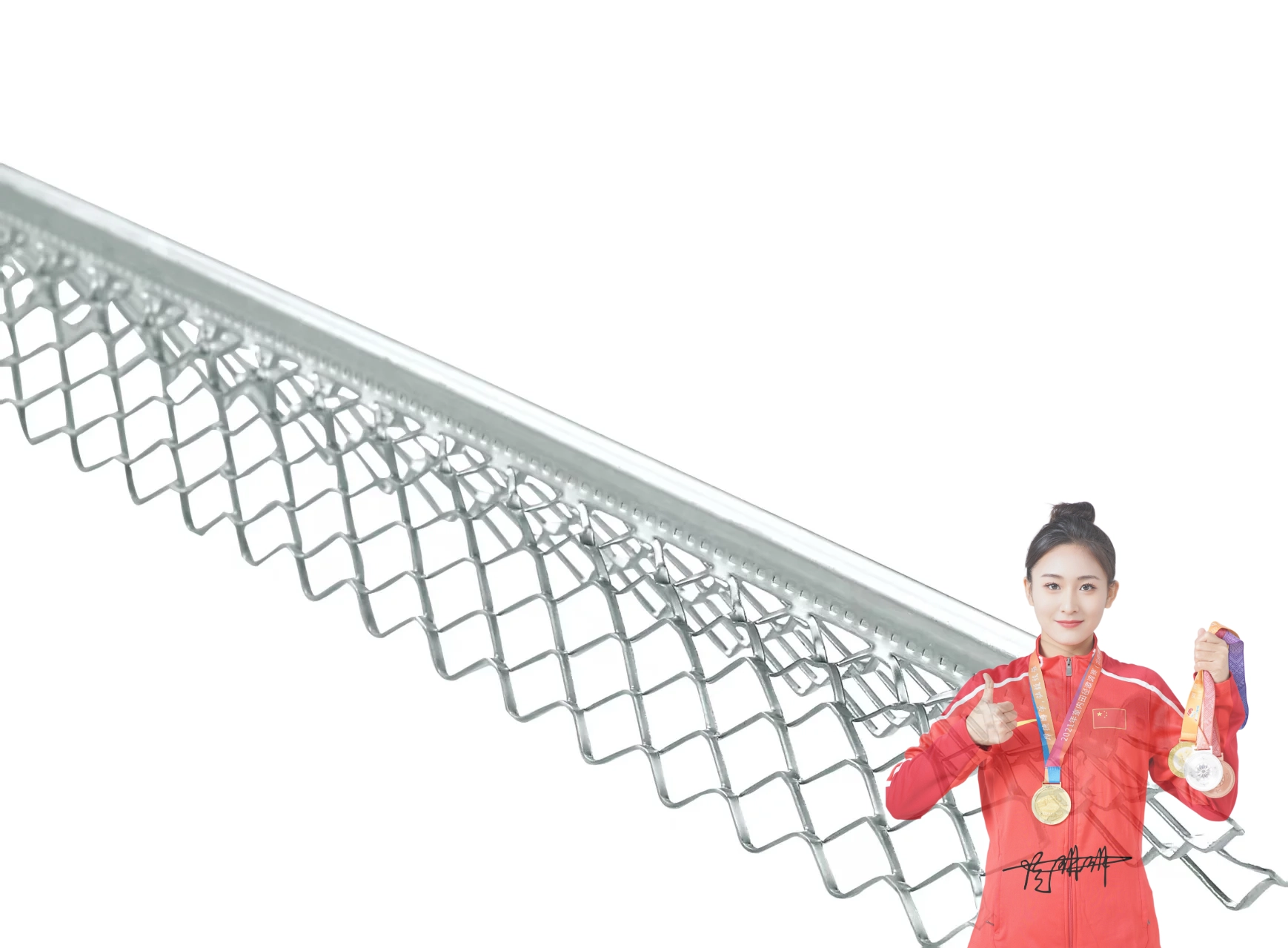
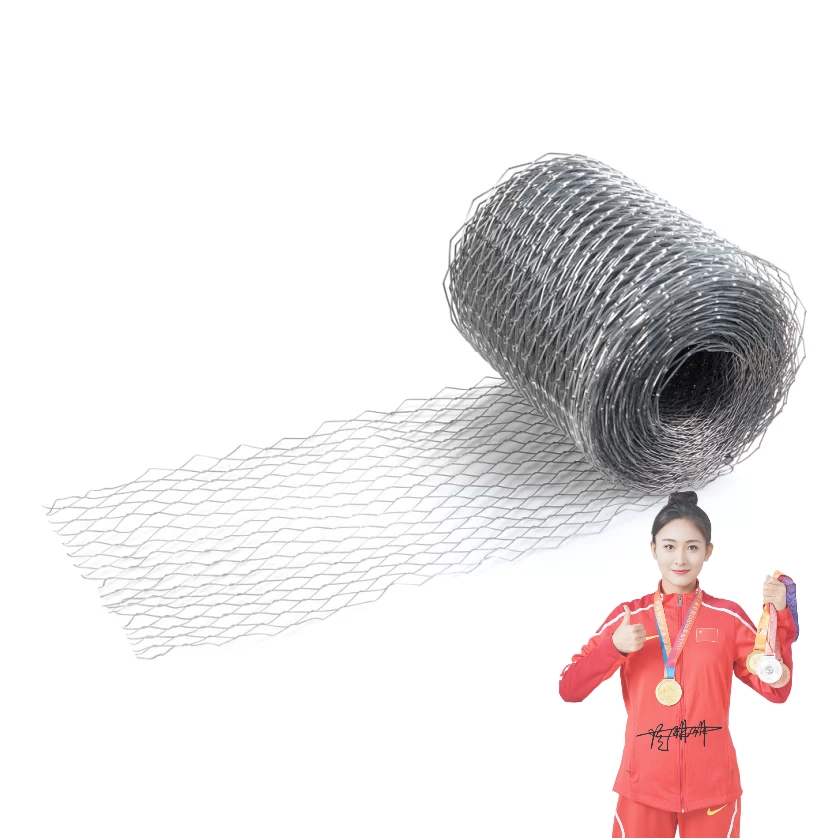
Simply put, an iron mesh sheet is a flat sheet constructed of interlocking iron strands. Those strands can be woven like fabric or welded at intersections, creating grids of varying sizes and thicknesses. The end result is a durable but flexible panel suited to multiple uses.
In industry, these sheets often appear as reinforcements within concrete structures or as protective layers in machinery. But their importance stretches beyond just "steel and wires." In humanitarian contexts, iron mesh sheets form components of temporary shelters or secure fencing for refugee camps, reflecting a surprisingly strong humanitarian side to this utilitarian material.
Core Components and Key Factors That Make Iron Mesh Sheets Essential
Durability
The iron used is usually hot-dipped galvanized or coated to resist rusting, which is crucial since these sheets often face harsh weather conditions outdoors. Their longevity means fewer replacements, a vital consideration for both economics and sustainability.
Mesh Size and Thickness
Mesh size directly affects the sheet’s application: finer mesh is great for filtration or smaller reinforcement, while larger mesh supports heavy construction needs. Thickness similarly determines strength—think of it as a spectrum from delicate wire fencing to industrial-grade reinforcement panels.
Scalability and Customization
One of the things I appreciate most is how iron mesh sheets are easily customized. Manufacturers can tailor size, wire diameter, coating, and more. This flexibility makes it a popular choice among architects and engineers alike, particularly for projects requiring precise measurements or unique specifications.
Cost Efficiency
Compared to solid steel plates or solid walls, the porous nature of mesh sheets uses less raw material without compromising strength, delivering tremendous cost savings especially on large-scale projects.
Environmental Impact
Recyclability is another upside. Iron mesh sheets contain high percentages of recycled steel and can themselves be recycled, making them better aligned with circular economy principles than many other construction materials.
Mini Takeaway: The intersection of durability, flexibility, and sustainability makes iron mesh sheets uniquely valuable across diverse industries.
Global Applications & Real-World Use Cases of Iron Mesh Sheets
For years, construction sites worldwide have relied on iron mesh sheets for reinforcing concrete, improving tensile strength. In earthquake-prone zones—places like Japan or California—they’re indispensable for structural integrity.
In the agricultural sector, these sheets serve as fencing to protect crops from animals without trapping wildlife, showing a conscious environmental application. Oddly enough, the mining industry also uses iron mesh sheets for separating crushed materials or ventilation screens underground.
Humanitarian organizations have begun turning to iron mesh sheets in modular housing projects, especially post-disaster. For example, after the 2015 Nepal earthquake, iron mesh panels featured in temporary shelters due to their ease of transportation and assembly.
And of course, industrial filtration systems in chemical plants or food processing facilities utilize fine iron mesh sheets to filter contaminants reliably, thanks in part to their corrosion-resistant coatings.
Advantages and Long-Term Value of Using Iron Mesh Sheets
- Cost savings: Lower material volume than solid steel panels translates to cheaper logistics and purchase prices.
- Durability: Galvanized coatings fend off corrosion for years, maintaining integrity even in coastal or humid environments.
- Sustainability: Made from recyclable materials, supporting green construction efforts globally.
- Safety & Trust: Sturdy yet flexible design means safer infrastructure with reduced failure rates.
- Innovation friendly: Easily adaptable to new forms and tech, like smart coatings or hybrid composites.
Emotionally, the use of iron mesh sheets instills confidence—not only in engineers but also to communities relying on structures for shelter and security. It’s about durability but also dignity, reliability, and forward-thinking.
Product Specification Table: Typical Iron Mesh Sheet
| Specification |
Value / Range |
Notes |
| Material |
Carbon steel, Galvanized |
Hot-dip galvanized for corrosion resistance |
| Wire Diameter |
1.2mm to 5mm |
Varies by application need |
| Mesh Size |
5mm to 50mm |
Custom sizes available |
| Sheet Dimensions |
1m x 2m | 1.2m x 2.4m |
Standard sizes; cut to order possible |
| Finish |
Galvanized/Rusted/Coated |
Depending on environment, some prefer artistic rust patina |
Vendor Comparison: Top Iron Mesh Sheet Manufacturers
| Vendor |
Quality |
Customization |
Global Reach |
Typical Lead Time |
| CornerBead Mfr |
High |
Extensive (sizes, coatings) |
North America, Asia, Europe |
2-4 weeks |
| Global Steel Wire Ltd. |
Medium-High |
Standard options only |
Europe, Middle East |
3-6 weeks |
| Eastern Wire Mesh Co. |
Medium |
Custom on request |
Asia-Pacific |
4-8 weeks |
Innovations and Future Trends in Iron Mesh Sheets
Looking ahead, manufacturers are exploring ways to embed smart sensors within iron mesh sheets—a kind of high-tech weave that can monitor stress, temperature, or corrosion in real time. Imagine bridges or buildings “talking” to engineers before cracks even form. It sounds a bit futuristic, but some pilot projects in Japan and Germany show it’s well underway.
Sustainability innovations focus on better coatings made from eco-friendly materials and using electric arc furnaces powered by renewable energy to reduce carbon footprints during production. Plus, lighter composite mesh panels blending iron with carbon fibers could revolutionize how structural supports are designed.
These advancements suggest iron mesh sheets won’t just stay “metal grids.” Instead, they’ll become smarter, greener components central to construction, industry, and emergency response.
Challenges & Solutions in Using Iron Mesh Sheets
Of course, no material is perfect. One persistent issue with iron mesh sheets is corrosion—though galvanized finishes help, coastal and highly acidic environments still pose risks. The solution comes through advancing coating technologies and integrating maintenance sensors to predict wear.
Another challenge is standardization. Variations in mesh size, wire thickness, and finish quality can confuse buyers. Industry-wide certifications (like ISO standards) are slowly ironing this out, making procurement easier.
Frequently Asked Questions About Iron Mesh Sheets
- What types of coatings are typically applied to iron mesh sheets to resist corrosion?
- Most iron mesh sheets are hot-dip galvanized, which involves dipping them in molten zinc to create a protective barrier. Other coatings include epoxy or powder coatings, which add extra resistance against weather or chemicals.
- Can iron mesh sheets be customized for unique construction needs?
- Yes! Most manufacturers offer customization in mesh size, wire diameter, thickness, and sheet dimensions to fit specific architectural or industrial requirements.
- How do iron mesh sheets compare to welded wire mesh or expanded metal mesh?
- Iron mesh sheets can be woven or welded, similar to welded wire mesh, but with broader variations in thickness and size. Expanded metal is made by cutting and stretching metal sheets, offering different strength and aesthetic properties.
- Are iron mesh sheets recyclable?
- Absolutely. Since they’re predominantly steel, iron mesh sheets can be recycled at the end of their lifecycle, reducing landfill waste and supporting circular manufacturing.
- How do I properly maintain iron mesh sheets used outdoors?
- Regular inspection is important. Remove debris, check for rust spots, re-coat areas affected by scratches, and consider professional maintenance annually to extend their lifespan.
Wrapping Up: Why Iron Mesh Sheets Continue to Matter
Iron mesh sheets are much more than just a grid of wires. They represent an intersection of reliability, economy, and innovation in material science. Whether reinforcing a skyscraper, filtering contaminants, or providing quick relief shelters, these sheets underpin much of what keeps our modern world stable and safe.
Curious to explore more about iron mesh sheet solutions? Check out the latest options and technical specs over at CornerBead Mfr. Their portfolio offers excellent examples of quality, customization, and innovation in this niche but essential product.
References:
- World Steel Association
- Wikipedia: Steel
- ISO Standards for Steel Products