Understanding Mesh for Brickwork: The Backbone of Modern Masonry
When we talk about mesh for brickwork, we’re really diving into an unsung hero of construction. It’s that grid-like reinforcement quietly bolstering walls, making structures safer, longer-lasting, and more resilient against earthquakes, weather, or just everyday wear and tear. This topic might seem niche to some, but globally, it matters a great deal because brick masonry remains a cornerstone of building—think billions of homes and infrastructures worldwide relying on its strength.
Why is this important? Well, as urban populations increase (the UN projects that 68% of the world’s population will live in urban areas by 2050), ensuring that buildings are both safe and cost-effective gains urgency. Mesh reinforcement tackles problems like cracking and structural weaknesses, which can lead to disaster, particularly in seismic zones or areas prone to natural calamities. Plus, it’s cost-saving and sustainable, making it core to modern civil engineering and humanitarian housing solutions alike.
Global Context: Why Mesh for Brickwork Is a World Player
Look around: the global construction market was valued at over USD 12 trillion as of 2023, according to the World Bank, and brick masonry accounts for a significant share, especially in Asia, Africa, and parts of Europe. These regions frequently face challenges related to affordable housing, rising urbanization, and climate stresses—which all point squarely to the need for robust reinforcement solutions.
Oddly enough, while steel reinforcements are well-known in concrete, in brickwork applications, mesh plays a specialized role to distribute loads and suppress cracks. The challenge? Without proper mesh, brick walls can deteriorate rapidly—a huge headache for developers and residents alike. This is where mesh for brickwork fills a niche, ensuring longevity and safety.
Defining Mesh for Brickwork
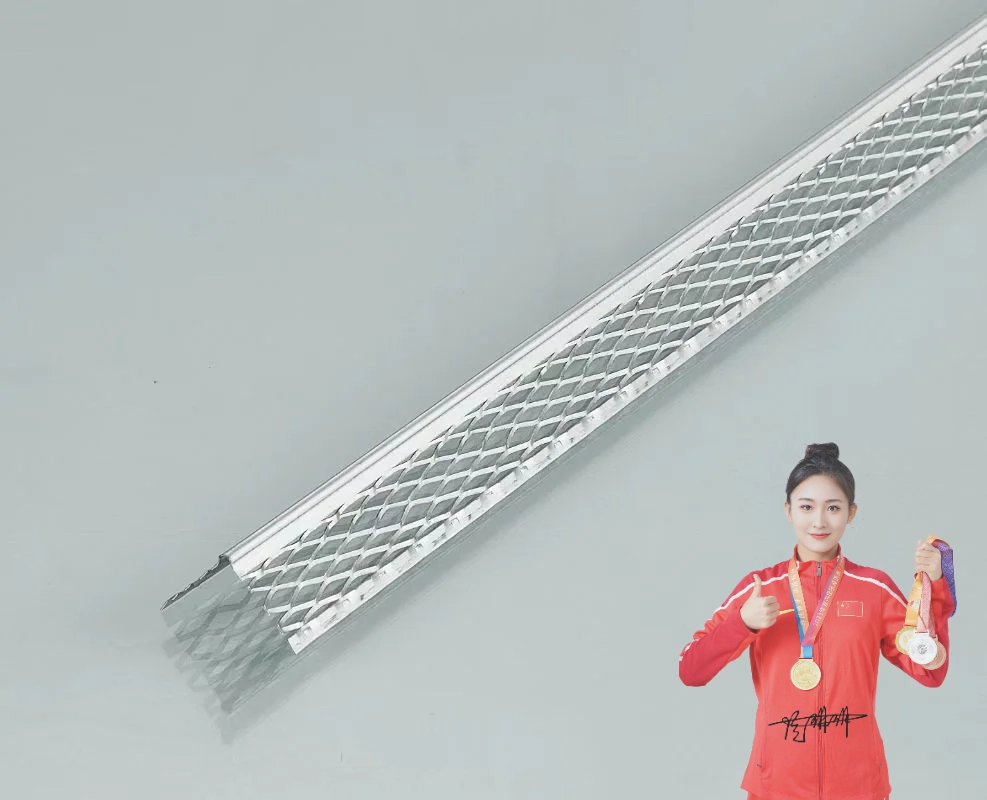
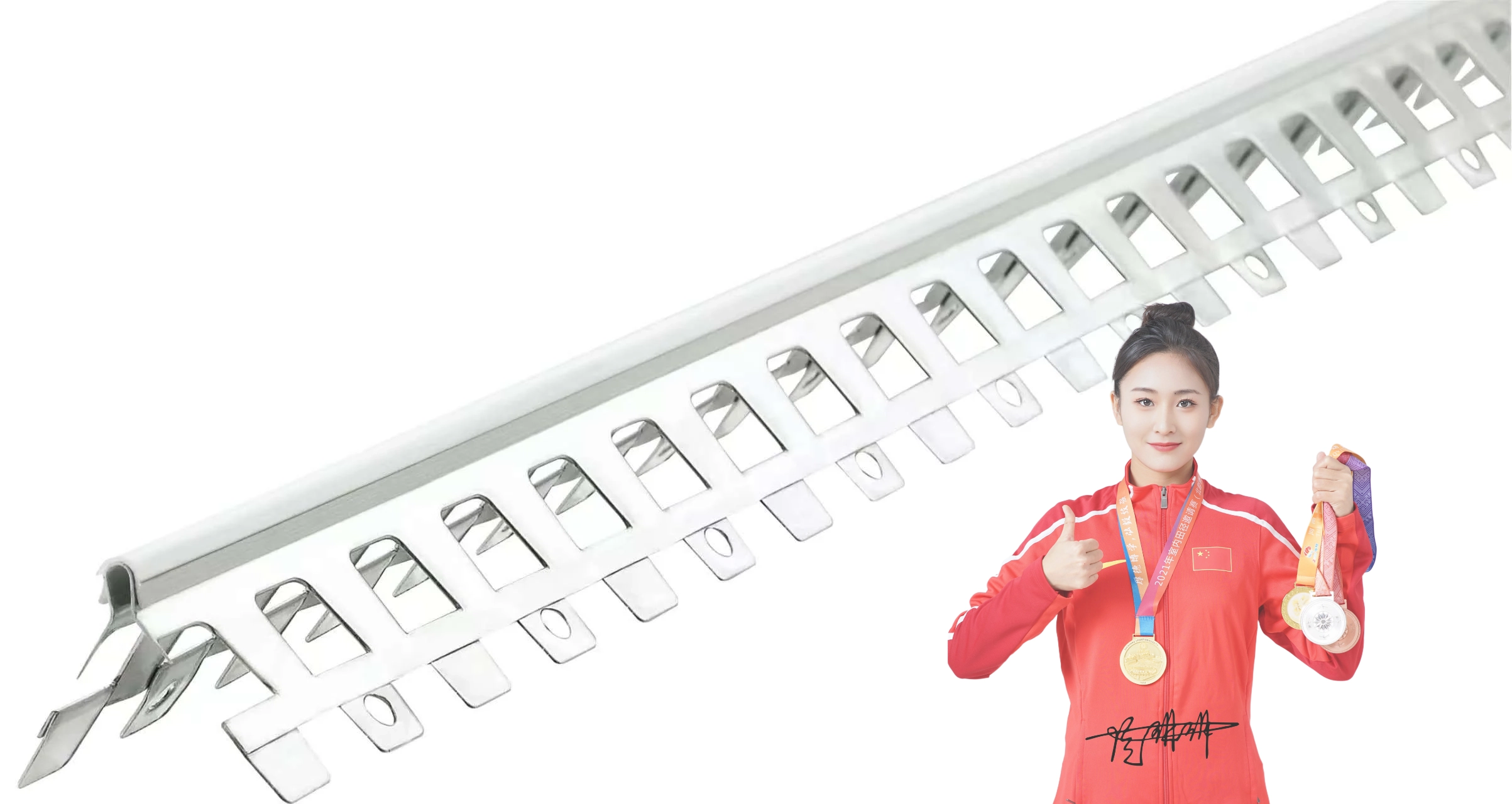
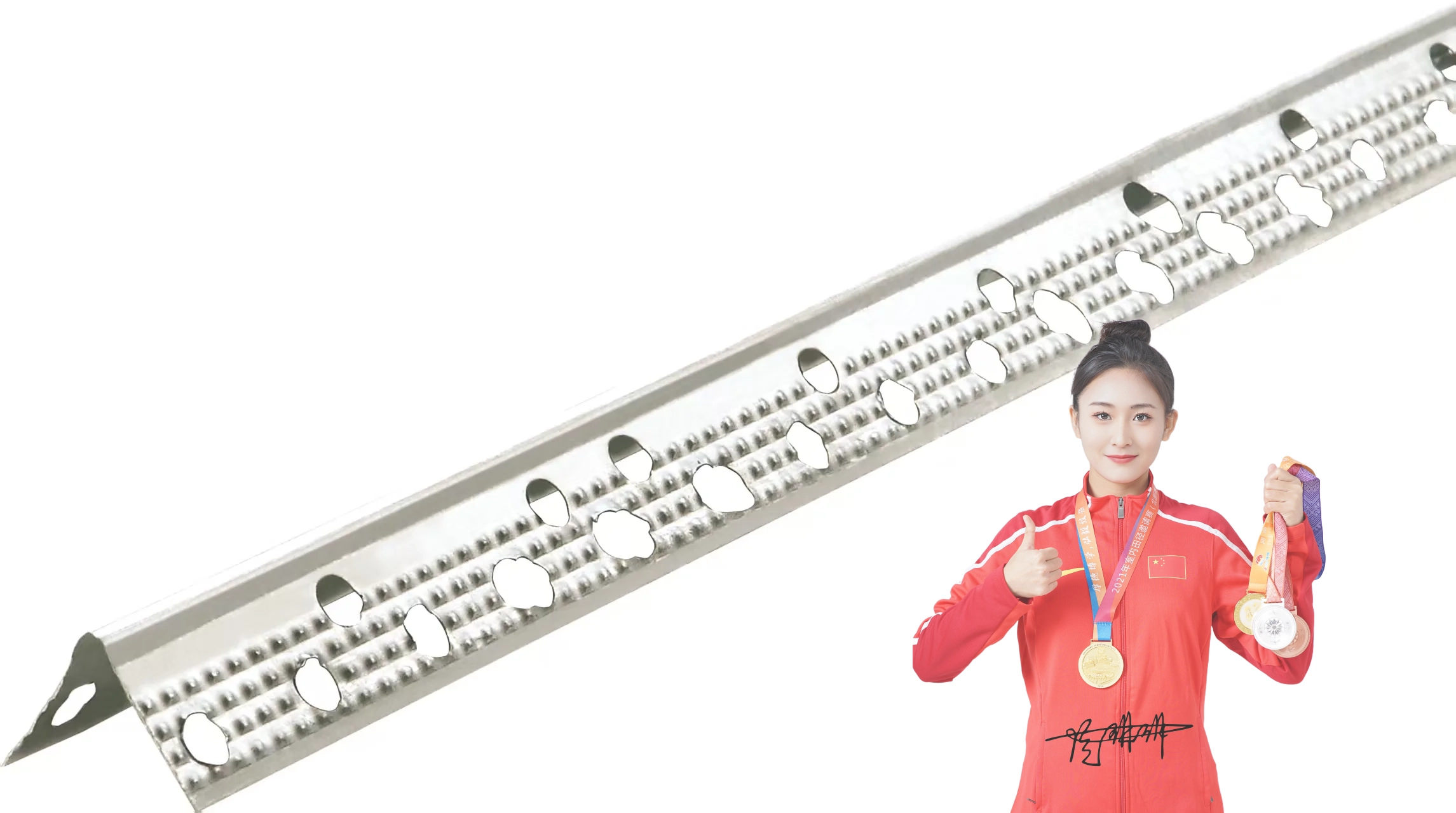
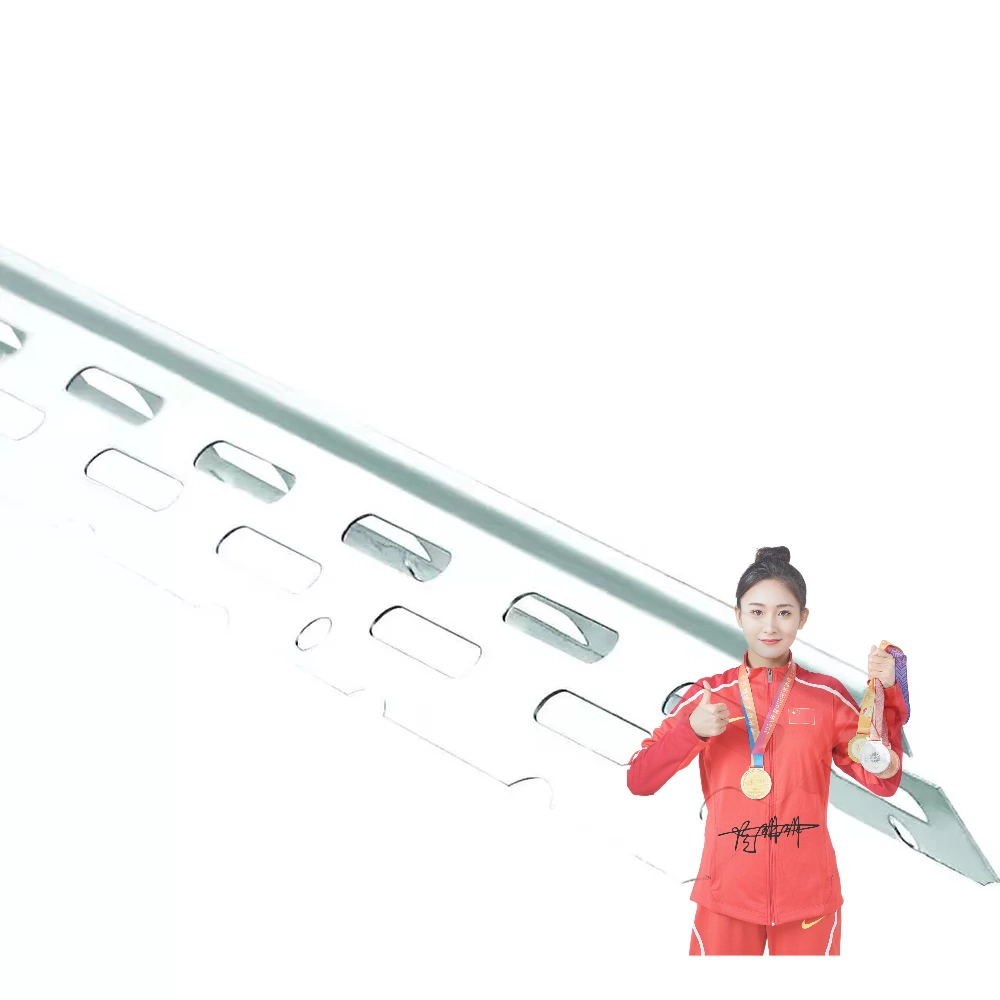
At its simplest, mesh for brickwork is an embedded network of steel or polymer wires placed within mortar joints or masonry walls to reinforce the brick structure. It functions similarly to rebar in concrete but tailored to the unique needs of bricks. This connection strengthens walls against tension and bending forces, which bricks alone handle poorly.
In humanitarian construction—as seen in post-disaster shelters or rapidly-built urban housing—the use of such mesh is crucial. It helps non-expert builders create safer walls without expensive machinery or complex engineering, which frankly, can be a game-changer for many communities.
Core Components and Features
1. Durability
Mesh is usually made of galvanized steel to resist corrosion—vital because damp or humid environments otherwise degrade the reinforcement and compromise the brickwork.
2. Flexibility & Scalability
The mesh can be easily cut and shaped to fit different wall sizes or complex architectural features, which makes it adaptable from small homes to large commercial buildings.
3. Cost Efficiency
Because the material is lightweight and easy to install, labor costs decrease, and project timeliness improves. Less downtime means savings, which is always welcome.
4. Compatibility with Mortars
Most mesh products are designed for good adhesion with cement or lime-based mortars, ensuring that once embedded, they act as a cohesive part of the wall.
5. Safety and Seismic Resistance
In earthquake-prone areas, reinforced brickwork lessens the likelihood of catastrophic collapse, saving lives and property.
Mini takeaway:
The key attributes of mesh for brickwork combine to make masonry stronger, safer, and more economical—perfectly suited to diverse global construction needs.
Product Specifications at a Glance
| Spec |
Description |
Typical Value |
| Material |
Galvanized steel wire mesh |
Mild steel Grade A & zinc coating 275 g/m² |
| Wire Diameter |
Thickness of individual wires |
2.0 to 3.0 mm |
| Mesh Size |
Grid size (spacing between wires) |
50 mm x 50 mm or 75 mm x 75 mm |
| Roll Length |
Standard roll length offered |
30 meters |
| Weight per m² |
Determines ease of handling |
~1.2 kg |
Global Applications & Real-World Examples
From Asia’s densifying cities to Africa’s rural homes, mesh for brickwork plays a crucial role. For instance:
- Post-Disaster Relief Operations: After earthquakes or floods, rapidly rebuilding shelters must be safe. Mesh creates a reinforced structure that’s both quick to assemble and durable.
- Urban Affordable Housing: Developers use brick mesh to improve wall strength without escalating costs — particularly in countries like India and Brazil where urban mass-housing demands are huge.
- Remote Industrial Zones: Even in harsh climates, reinforced brick walls with mesh withstand environmental stresses better, reducing maintenance over time.
Mini takeaway:
Mesh for brickwork isn’t just for fancy projects. It’s deeply practical, improving lives by making brick structures safer and more lasting—wherever bricks are the building blocks.
Why Mesh Reinforcement is a Long-Term Win
Here’s the thing: the benefits go beyond technicalities. Using mesh lowers construction defects like cracks and material fatigue, which translates to savings on repairs and extended building lifespan.
On a social level, it enhances safety—the emotional peace of mind for families or workers knowing their walls won’t crumble under stress is priceless. It also supports sustainability by reducing waste and resource consumption over decades of use.
Future Trends & Innovations
Looking ahead, innovation is trending towards corrosion-resistant polymer-based meshes, which cut weight and improve lifespan even more. Some companies are experimenting with meshes embedded with sensors to monitor structural health in real-time — digital transformation meets traditional masonry.
There’s also growing interest in eco-friendly coatings and recycled steel meshes, aligning with global carbon reduction goals (ISO 14001-certified manufacturing is becoming standard).
Challenges & Expert Solutions
No product is without hurdles. With brick mesh, corrosion, improper installation, or incompatibility with certain types of mortar can undermine effectiveness.
Experts recommend thorough site training for masons and use of standardized products tested under ISO 6784 (testing method for wire mesh reinforcement) and ASTM standards for corrosion resistance. It’s about pairing the right materials with skilled application.
Vendor Comparison: Leading Mesh for Brickwork Providers
| Vendor |
Quality Certification |
Material Options |
Typical Lead Time |
Pricing |
| SteelTech International |
ISO 9001, ASTM A1064 |
Galvanized Steel, Stainless Steel |
1-2 weeks |
Mid to High |
| BrickMesh Co. |
ISO 6784, CE Certified |
Galvanized, PVC-coated |
2-3 weeks |
Competitive |
| Global Reinforcements Ltd. |
ISO 14001, ASTM A370 |
Recycled Steel Mesh |
3-4 weeks |
Budget |
FAQ: Frequently Asked Questions About Mesh for Brickwork
Q1: How does mesh reinforcement improve brick wall durability?
A1: Mesh distributes stress across the wall, preventing cracks caused by tension or shifting loads. It also enhances resistance to seismic activity and weather damage, prolonging the life of the brickwork considerably.
Q2: Can mesh for brickwork be used with all types of bricks?
A2: Mostly yes, though compatibility depends on mortar type and wall thickness. It's best suited for standard clay and concrete bricks with cement-based mortar, but specialized meshes can be adapted for other materials.
Q3: What are the installation considerations to ensure effective reinforcement?
A3: Proper placement inside mortar joints and preventing mesh exposure to moisture are critical. Masons should follow manufacturer guidelines closely, and using galvanized or coated mesh reduces corrosion risk over time.
Q4: Is mesh for brickwork cost-effective for small residential projects?
A4: Absolutely. The upfront cost is often minor compared to the long-term savings on repairs and improved safety. For homeowners, this translates to peace of mind and potentially higher property value.
Wrapping Up: Why Mesh for Brickwork Matters
In real terms, mesh for brickwork is more than a construction additive; it’s a practical innovation addressing the challenges of safety, cost, and longevity in masonry worldwide. Whether you’re an engineer, a builder, or part of a humanitarian group aiming to improve housing quality, understanding and using mesh smartly pays off.
If you want to dig deeper or source quality mesh for brickwork, check out our detailed resources and vendor listings.
Final Thought
It’s often small layers behind the scenes—like mesh in brickwork—that build the strongest foundations.
References:
- United Nations World Urbanization Prospects
- ISO 14001 Environmental Management
- Masonry - Wikipedia