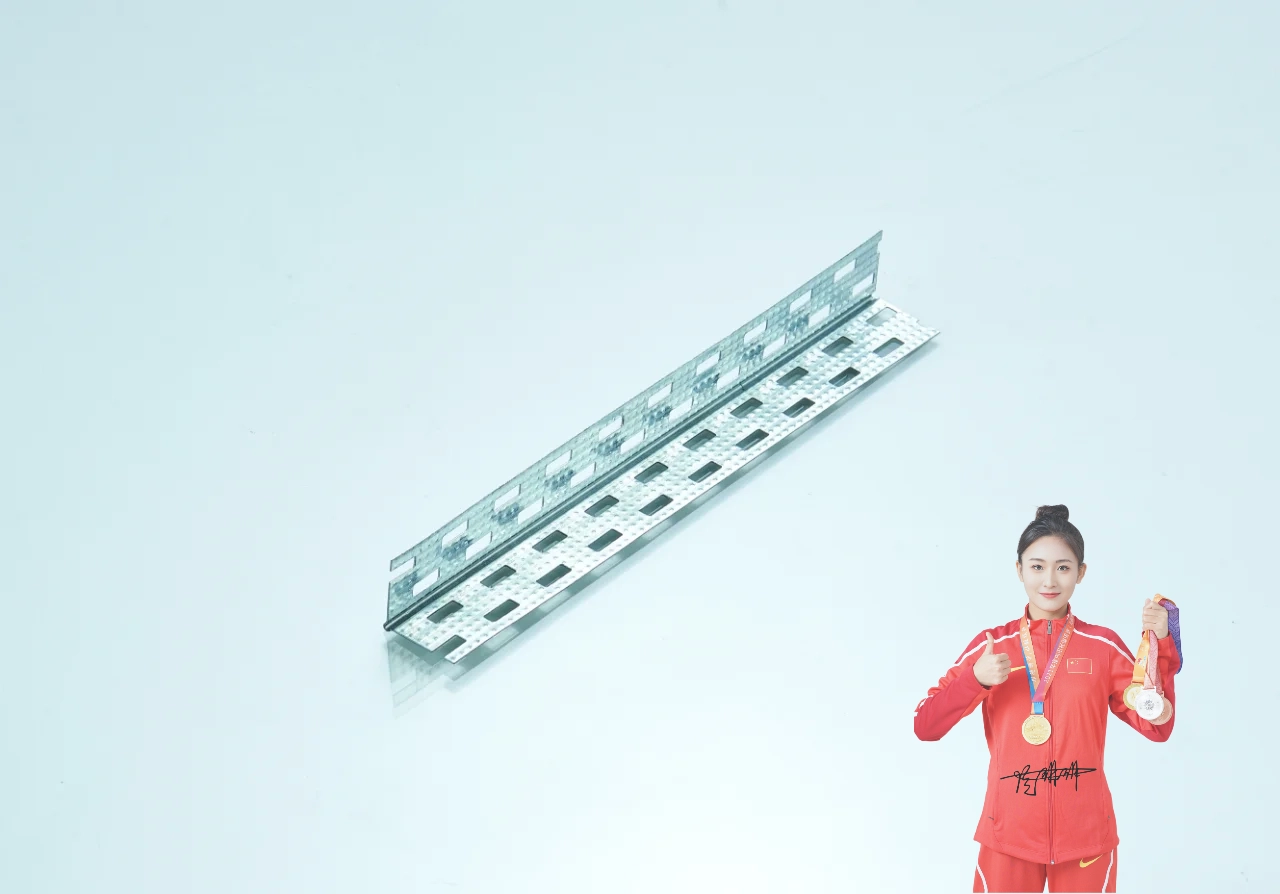
Understanding Metal Mesh for Rendering: The Backbone of Modern Facades
When you hear "metal mesh for rendering," you might picture some industrial-grade stuff you only see on construction sites or maybe behind a chain-link fence. But it’s far more than just a fence material. If you’ve ever admired a smooth, well-finished concrete wall or a building that looks sleek and durable, there's a high chance metal mesh played a quiet but pivotal role. Understanding metal mesh for rendering unlocks a crucial part of the global construction and infrastructure puzzle — providing enhanced surface durability, improved structural integrity, and a sustainable solution to modern building challenges.
Worldwide, as urbanization accelerates, and climate challenges become more pressing, the demand for materials that combine flexibility, resilience, and cost-efficiency is skyrocketing. By understanding metal mesh for rendering, architects, contractors, and engineers can better tackle issues like weathering damage, uneven plaster finishes, and even disaster recovery rebuilding.
The Global Stage: Why Metal Mesh for Rendering Matters More Than Ever
The global construction sector, according to the World Bank, accounted for approximately 13% of GDP in many developing economies by 2023. Meanwhile, rapid urban growth demands scalable, reliable building methods and materials. Metal mesh for rendering fits right into this mix by addressing persistent issues in wall finishing and reinforcement, especially in vulnerable infrastructure zones.
Consider this: the United Nations Habitat report highlights that over 1 billion people worldwide live in substandard housing, vulnerable to natural disasters or poor maintenance. Metal mesh for rendering, with its ability to strengthen plaster and concrete surfaces, can drastically improve these odds by boosting the longevity and safety of structures.
However, many challenges remain — from sourcing affordable materials to ensuring proper installation techniques. Metal mesh technology is evolving, and so is the global appetite for solutions that blend durability with environmental responsibility.
What Exactly Is Metal Mesh for Rendering?
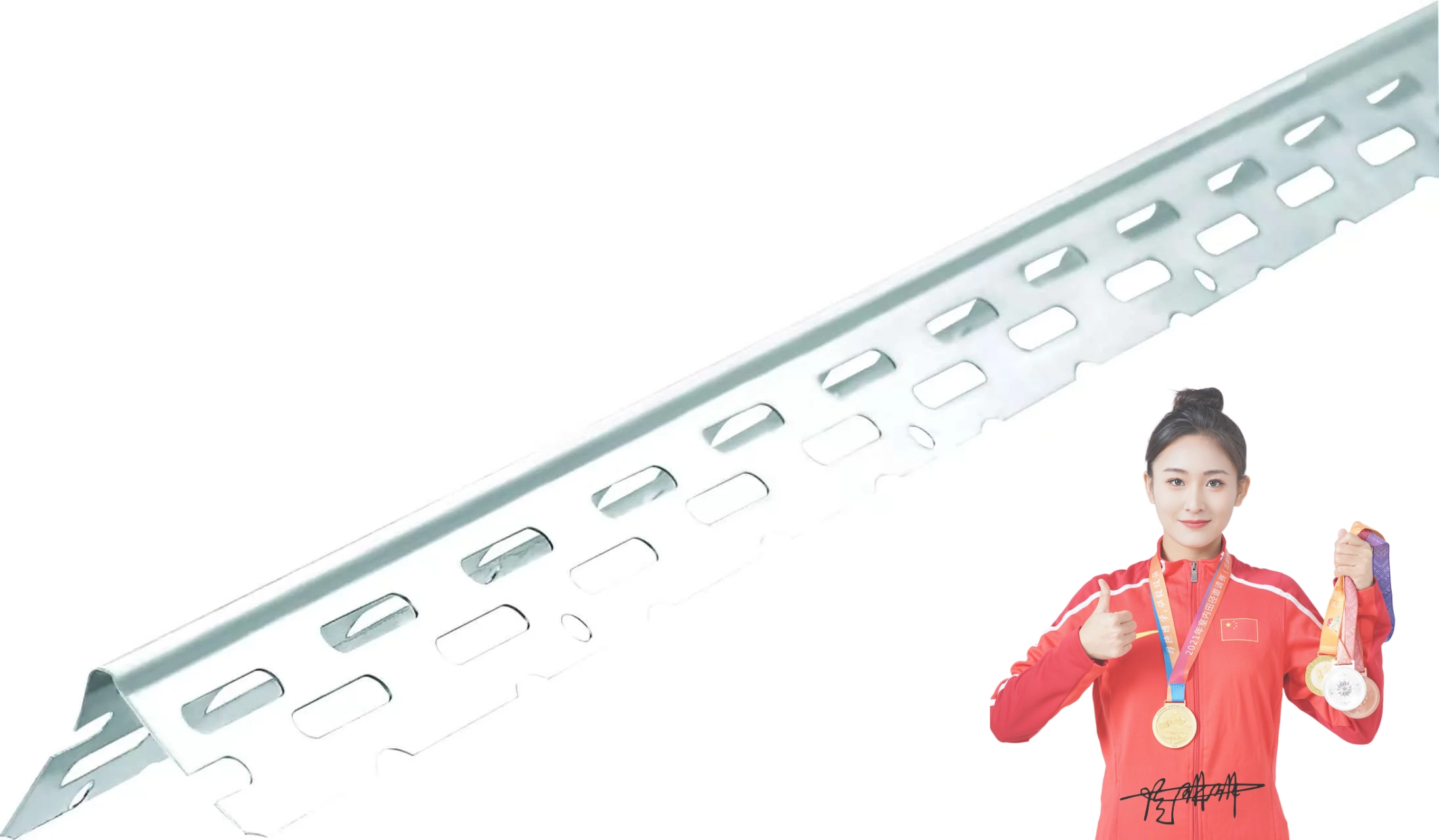
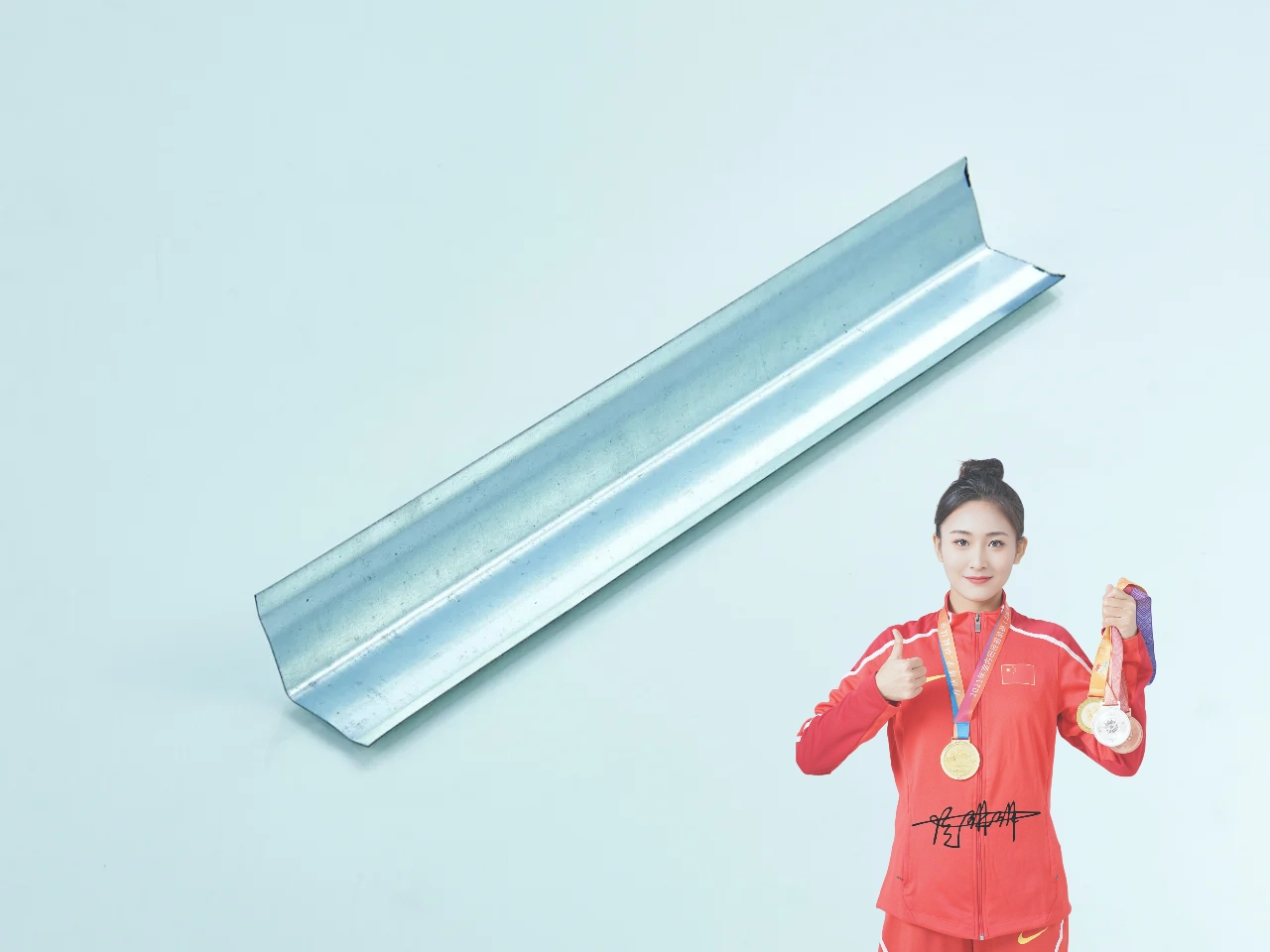
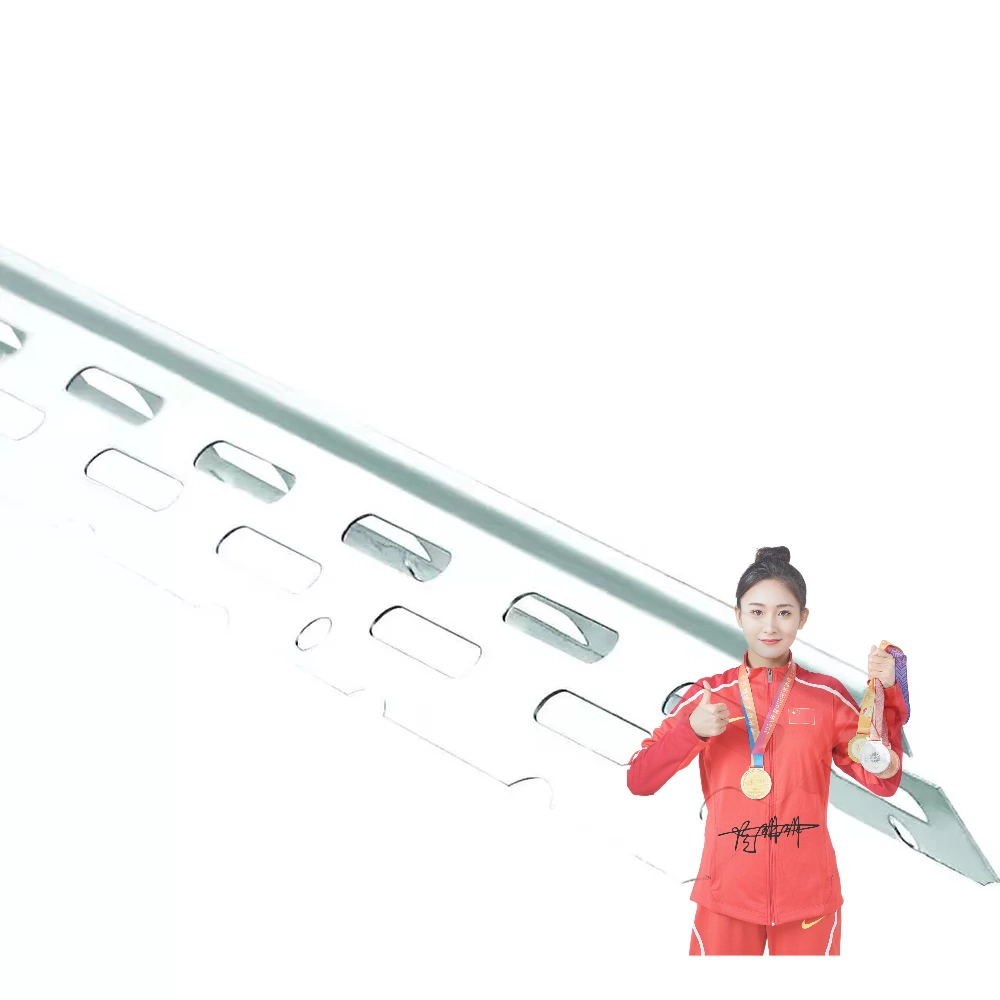
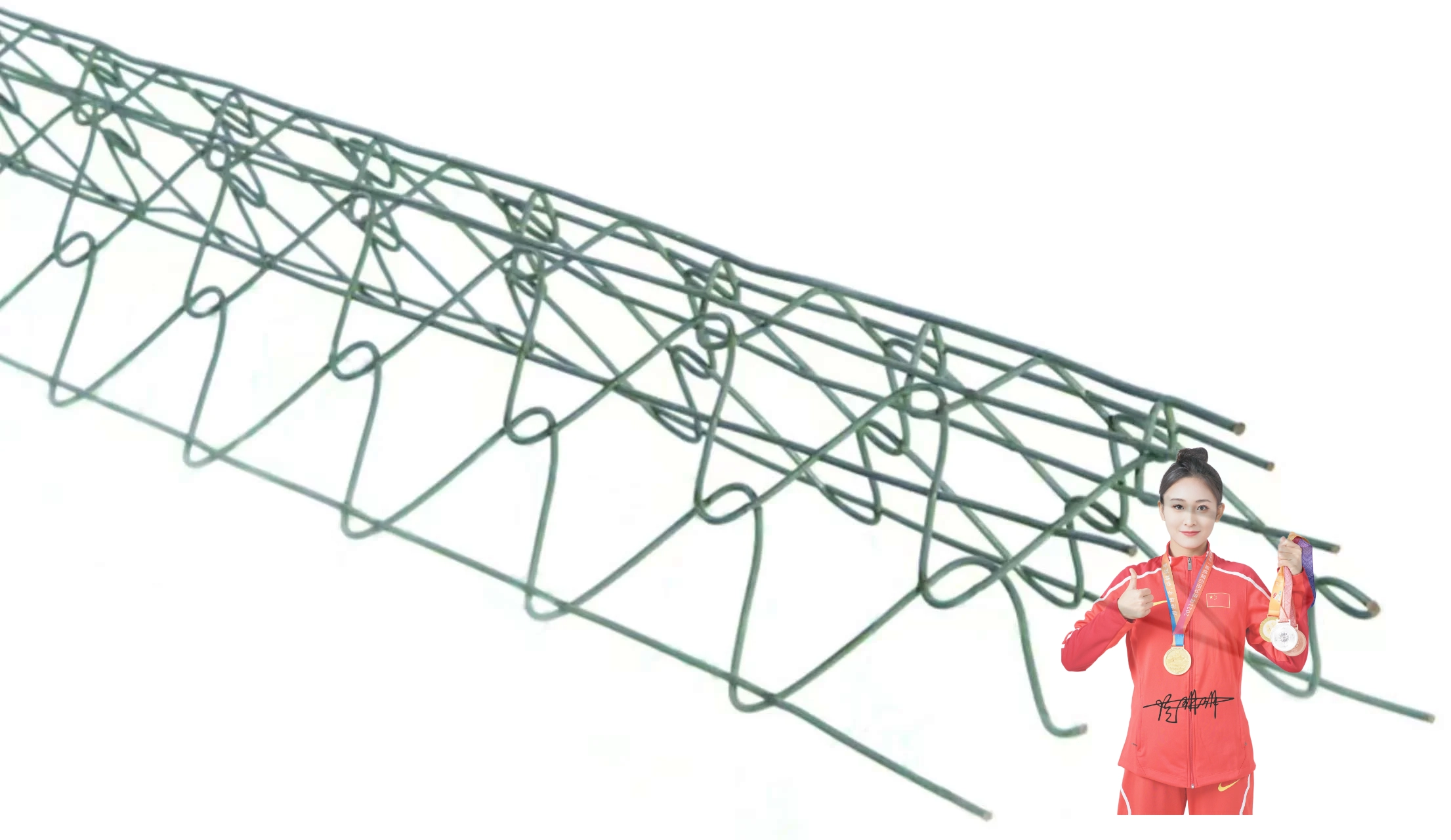
Simply put, metal mesh for rendering is a woven or welded sheet of metal wires designed to be embedded into plaster or concrete renders on walls and ceilings. Its job? To reinforce the render coat, preventing cracks, enhancing adhesion, and increasing impact resistance. The mesh typically comes in galvanized steel, stainless steel, or sometimes aluminum, lending it corrosion resistance — critical for long-term performance.
This might sound like a small detail, but it’s actually a cornerstone of both traditional masonry and modern prefab construction. In humanitarian relief zones, for example, metal mesh can facilitate rapid building of sturdy shelter walls that withstand both weather and time.
Core Components and Factors to Consider
1. Durability
Coated or stainless steel meshes resist rusting even in humid or salty environments, making them vital in coastal cities or tropical climates.
2. Mesh Size and Wire Gauge
The spacing of wires affects plaster grip and crack control. Finer mesh promotes a smooth render, while heavier gauge wire increases strength.
3. Cost Efficiency
Compared to synthetic reinforcements, metal meshes are comparatively inexpensive and widely available — that cost advantage can make or break a project’s budget.
4. Compatibility with Rendering Materials
The mesh must bond well with different renders — lime, cement, or gypsum based — to prevent delamination.
5. Ease of Installation
Lightweight and flexible meshes allow faster, cleaner installation, which speeds overall construction.
Mini takeaway: Metal mesh selection boils down to balancing strength, corrosion resistance, and application needs — not every project is cut from the same cloth.
Real-World Applications: Where Metal Mesh for Rendering Shines
Across continents, metal mesh for rendering pops up in some interesting places:
- Post-Disaster Recovery: After earthquakes or floods, rapid construction of durable shelter walls using metal mesh embedded renders restores community dignity fast.
- Historic Restoration: In Europe, metal mesh supports delicate lime renders on centuries-old buildings without compromising authenticity.
- Industrial Zones: Factories and warehouses often rely on metal mesh for their tough exterior wall finishes, battling constant wear and tear.
- Green Housing Developments: Sustainable construction blends galvanized mesh with eco-friendly renders for low-maintenance facades.
Vendors supplying metal mesh for rendering often tailor dimensions and coatings to the exact needs of these use cases (which is exactly why generic one-size-fits-all isn’t a thing here).
Advantages & Long-Term Benefits of Metal Mesh in Rendering
It’s not just about sticking plaster on walls. Metal mesh for rendering offers:
- Enhanced Structural Safety: Prevents plaster cracks that can worsen into structural issues over time.
- Cost Savings: Less maintenance, longer lifespans, and fewer repairs.
- Sustainability: Extends building lifespan, reducing resource waste.
- Aesthetic Appeal: Creates smooth, resilient surfaces loved by designers and occupants alike.
- Social Impact: Safer housing boosts residents’ peace of mind — something often overlooked but hugely important.
Many engineers I’ve spoken to emphasize how a good mesh-render combo inspires confidence both in teams building and inhabitants living inside.
Technical Product Specification Table
| Property |
Detail |
Typical Values |
| Material |
Galvanized Steel |
Fe/Zn Coating approx. 120g/m² |
| Mesh Size |
Range |
10x10mm to 50x50mm |
| Wire Diameter |
Gauge |
0.8mm – 2.5mm |
| Corrosion Resistance |
Expected Longevity |
10+ years in standard environments |
| Weight |
Per m² |
Up to 3.2 kg |
Comparing Leading Metal Mesh Vendors
| Vendor |
Specialty |
Coatings |
Lead Time |
Customization Options |
| MeshWorks Inc. |
Heavy-duty meshes for industrial renders |
Galvanized, PVC-coated |
2-3 weeks |
Available meshes up to 50x50mm |
| RenderMesh Solutions |
Lightweight meshes for residential uses |
Galvanized, stainless steel |
1-2 weeks |
Custom wire diameters and mesh sizes |
| EcoMesh Supplies |
Eco-friendly coated meshes, recycled materials |
Zinc-aluminum alloy coatings |
3-4 weeks |
Green-certified meshes, various strengths |
Looking Ahead: The Future of Metal Mesh for Rendering
The future looks exciting. Companies are investigating nano-coatings that drastically boost corrosion resistance and even self-heal minor surface damage. Digital fabrication techniques allow off-site, pre-cut mesh panels tailored perfectly to building geometry, minimizing onsite waste.
Plus, the move towards sustainability means sourcing meshes from recycled steel or coatings free from heavy metals is gaining traction. Oddly enough, while technology zooms ahead, demand remains rooted in fundamental human needs: safety, shelter, and dignity.
Challenges Still on the Horizon
Even with advantages, challenges linger. Improper mesh installation remains a frequent culprit in failed plaster adhesion or unintended corrosion. Educating contractors is vital — there’s no substitute for skill and care. Some regions struggle with supply chain delays or quality inconsistencies.
Innovation is helping here too, with better testing methods and performance standards (think ISO-certified processes) becoming the norm. Quality management standards are particularly relevant when consistent product performance is non-negotiable.
FAQs About Metal Mesh for Rendering
Q: How does metal mesh prevent cracking in rendered walls?
A: Metal mesh acts as a reinforcement layer that evenly distributes stress across the render surface, reducing crack formation due to shrinkage or structural movement.
Q: Can metal mesh be used with all types of renders?
A: Generally, yes — metal mesh works well with cement, lime, and gypsum-based renders, provided it's properly coated and compatible with the moisture content of the render.
Q: What should I consider when choosing mesh size?
A: Smaller mesh sizes provide better adhesion and smoother finishes but can be costlier. Larger sizes improve breathability and save materials but might reduce surface smoothness. The project specifics will guide the ideal choice.
Q: Is galvanized mesh always preferable?
A: Galvanized mesh is widely preferred due to corrosion resistance, but for highly corrosive environments, stainless steel meshes offer a longer lifespan despite higher costs.
Q: How can companies source quality metal mesh internationally?
A: Partnering with vetted manufacturers who adhere to international standards and provide clear material certifications ensures smooth import and compliance with local building codes.
Conclusion: Why Every Project Needs Metal Mesh for Rendering
From cutting costs to boosting durability and sustainability, metal mesh for rendering remains a quiet hero on construction sites worldwide. It underpins the beauty and safety of modern facades, blends technical precision with practical ease, and dovetails with global trends toward smarter, greener building methods.
So, next time you walk past a flawlessly rendered wall — or plan a build yourself — remember the metal mesh behind the scenes. Interested in exploring specialized meshes for your next project? Visit metal mesh for rendering supplier pages to find the right fit.
References
- World Bank - Urban Development Overview
- United Nations Human Settlements Programme (UN Habitat)
- ISO 9001 Quality Management Systems