Understanding Metal Stucco Mesh: Why It Matters Today
When you glance at a sturdy stucco wall or admire the rough charm of textured plaster, hidden beneath lies a clever unsung hero—metal stucco mesh. This material, though easy to overlook, plays a pivotal role in construction industries worldwide. It’s not just about holding plaster in place; it’s a cornerstone for durable finishes, sustainability, and cost-efficient building practices that resonate globally.
In a world where urbanization is booming and infrastructure needs are evolving rapidly, understanding metal stucco mesh helps architects, builders, and even humanitarian agencies optimize structures for strength, flexibility, and environmental friendliness—all vital in tackling modern construction dilemmas.
The Global Context: Why Metal Stucco Mesh Is Gaining Attention
Metal stucco mesh’s importance spans continents. According to the World Bank's urban development statistics, the pace of new construction in emerging economies has accelerated by nearly 30% over the past decade. Urban growth demands materials that are economical, easy to apply, and highly durable.
Interestingly, the UN’s Habitat program stresses sustainable building materials in vulnerable regions—materials that can weather extreme weather, earthquakes, or simple daily wear and tear. Metal stucco mesh neatly addresses these requirements, providing a lattice structure that reinforces walls without overly complicating the supply chain.
However, the challenge remains: how do we keep projects affordable, fast to deploy, and resilient? Metal stucco mesh is often the solution, bridging supply chain efficiency and on-site adaptability.
What Exactly Is Metal Stucco Mesh?
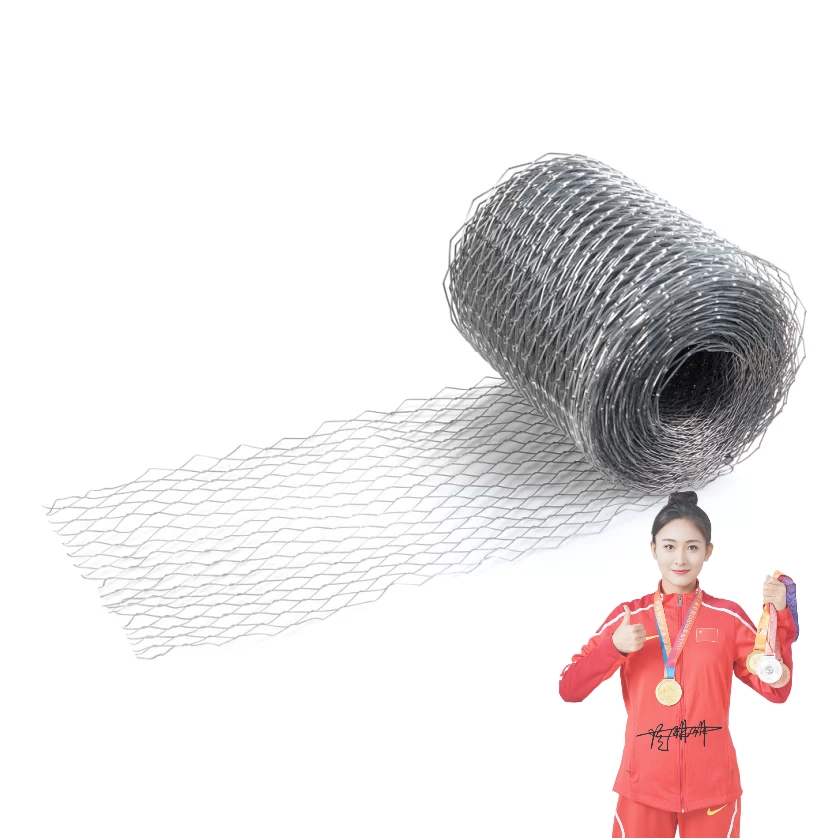
Simply put, metal stucco mesh is a woven or welded sheet of galvanized or stainless steel wire used as a lath to support stucco (a plaster finish) on walls. The mesh acts like a skeleton or support frame, giving plaster something solid to cling to, especially on exterior surfaces where weather resistance is critical.
It might feel humble, but this mesh is at the heart of a wall’s long-term durability. It helps buildings resist cracking, settling, and impact damage—qualities crucial in everything from residential housing to large commercial projects.
On a broader scale, metal stucco mesh fits into sustainable construction practices, offering a reusable, recyclable solution that reduces waste compared to older wooden lath methods.
Key Features of Metal Stucco Mesh and Why They Matter
1. Durability and Corrosion Resistance
Many engineers swear by galvanized steel mesh given its resistance to rust and corrosion—basically the difference between a wall that lasts decades versus one that peels off in just a few years. For coastal buildings or humid climates, stainless steel mesh is often the go-to, though it comes at a higher price.
2. Ease of Installation
It’s deceptively simple to clip and bend this mesh around corners and oddly shaped surfaces. This flexibility speeds up installation times and reduces labor costs considerably. For contractors working on tight timelines, this is golden.
3. Scalability and Customization
Metal stucco mesh comes in various sizes and wire gauges, allowing it to be tailored for different project scopes—from tiny residential repairs to large commercial retrofits. You can also find heavier-duty meshes designed for seismic zones or high-impact areas.
4. Cost Efficiency
Given its durability and relatively low manufacturing costs, metal stucco mesh delivers strong ROI. Lesser material waste and fewer repairs translate to long-term savings, especially important in bulk or government projects.
5. Environmental Impact
Many meshes are made from recycled steel and are fully recyclable themselves. They fit into green building certifications like LEED and contribute to sustainable development goals (SDGs).
Mini takeaway:
Metal stucco mesh isn’t just some random building supply—it’s a smart blend of durability, adaptability, and environmental savvy that makes modern plaster finishes possible and lasting.
How Metal Stucco Mesh Is Used Around the World
In practical terms, metal stucco mesh finds itself in diverse environments:
- Post-disaster relief: Organizations like the Red Cross use metal mesh to help rebuild homes fast with stucco finishes that stand up to aftershocks and weather.
- Urban construction: High-rise buildings across Europe and Asia incorporate metal mesh layers in their stucco cladding for added toughness.
- Remote industrial zones: Facilities in harsh climates, such as mining camps, use it to shield walls from wind, dust, and abrasions.
Even specialty projects, like restoration of historic buildings, leverage custom metal stucco mesh to ensure compatibility with old plaster types.
Product Specification Table: Example Metal Stucco Mesh
| Specification |
Detail |
| Material | Galvanized steel wire |
| Wire Gauge | 20 - 25 AWG |
| Mesh Size | 1/4 inch to 1/2 inch |
| Roll Width | 36 inches (standard) |
| Roll Length | 150 feet |
| Corrosion Resistance | Up to 50 years (galvanized) |
Comparing Metal Stucco Mesh Vendors: What to Look For
| Vendor |
Material Quality |
Customization Options |
Price |
Shipping & Availability |
| MeshPro Inc. | High-grade galvanized & stainless steel | Yes, various gauges & sizes | Mid to high | Global shipping, custom orders |
| BuildSteel Mesh | Standard galvanized only | Limited | Low | Regional availability |
| EcoMesh Solutions | Recycled steel, eco-certified | Moderate, with sustainable focus | Mid | Nationwide in US, European partners |
Advantages and Long-Term Value of Metal Stucco Mesh
Using metal stucco mesh goes beyond just structural integrity—it touches on economic sense and social wellbeing. When metal mesh supports plaster, properties gain resistance to cracks stemming from thermal expansion or minor shifts, preserving homes and businesses for decades.
On an emotional level, this reliability brings peace of mind. Families feel safer, communities more stable. From a sustainability angle, reusable steel reduces resource consumption, aligning with growing green building trends.
Emerging Trends and Innovations in Metal Stucco Mesh
Technology doesn’t overlook stucco mesh either. Newer products feature coatings resistant to mold and algae, digital fabrication techniques allow precise customization, and integrated sensors embedded into mesh may one day monitor structural health in real time.
Furthermore, policies promoting sustainable urban development push vendors to adopt circular economy principles—meaning recycled materials and zero-waste manufacturing become standard norms.
Challenges in Metal Stucco Mesh Use & How the Industry Adapts
No solution is without hurdles. For metal stucco mesh, the main issues often include initial costs for stainless steel options, the need for skilled labor to install properly, and limitations in remote areas lacking supply chain efficiency.
Innovative solutions like pre-fabricated panels with mesh attached or training programs for local applicators have emerged to tackle these challenges head-on.
FAQ: Common Questions About Metal Stucco Mesh
Q1: How does metal stucco mesh improve the lifespan of exterior finishes?
A: The mesh acts like a reinforcing grid, reducing cracking and helping stucco adhere better to walls. This reinforcement extends the finish’s durability, often by decades.
Q2: Are there eco-friendly options for metal stucco mesh?
A: Yes, many manufacturers offer recycled steel meshes and corrosion-resistant coatings, contributing to greener construction practices.
Q3: Can metal stucco mesh be used in high-seismic zones?
A: Absolutely. Specialized, heavier-gauge meshes are designed to provide flexibility and support during seismic activity, improving structural resilience.
Q4: How do project managers source metal stucco mesh efficiently?
A: Working with reputable vendors who provide customization, timely shipping, and quality assurance—such as those in the comparison table above—helps smooth procurement processes.
Q5: Is installation complicated for first-time users?
A: While straightforward, proper installation requires attention to detail; local training or working with experienced applicators is recommended to avoid issues.
Wrapping It Up: The Lasting Appeal of Metal Stucco Mesh
Metal stucco mesh may not be the flashiest construction material, but its practical virtues are hard to overstate. For builders seeking a balance of strength, flexibility, and sustainability, it remains a steadfast solution.
If you want to explore top-tier options or learn more, I encourage you to visit metal stucco mesh suppliers who blend innovation with tradition. Your next project might just depend on a little steel mesh hidden in plain sight.
References
- World Bank Urban Development Statistics
- UN Habitat - Sustainable Building Guidance
- Wikipedia: Stucco