Perforated Mesh Sheet – Stainless Steel, Precise, Custom Cut
What contractors are really asking about perforated plaster reinforcement right now
If you’re working in plaster or render, you’ve probably bumped into the term perforated mesh sheet a dozen times this year. To be honest, I used to shrug it off as commodity hardware. Then I visited a plant in Hebei and saw the embossed profiles being rolled into the metal—tiny ridges that literally “key” into wet plaster. That’s when it clicked: the surface engineering matters as much as the metal.
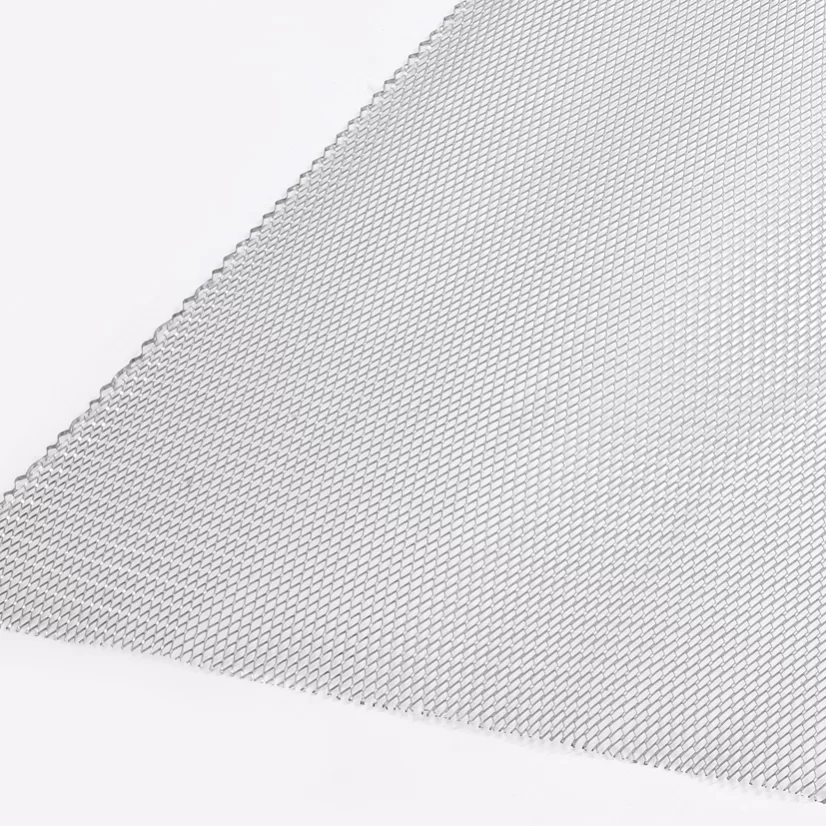
Product in focus: Embossed Plaster Mesh
Embossed Plaster Mesh (from No. 11, Zongqi Road, Raoyang County Economic Development Zone, Hengshui City, Hebei Province) is a specialized take on the classic perforated mesh sheet. The embossing adds grip, improving adhesion and helping resist hairline cracking on both new builds and renovations. Many contractors say it “sticks better, sets cleaner.” I guess the physics backs them up—more texture equals more mechanical bond.
Why this trend is real
- Higher performance envelopes demand fewer callbacks; enhanced bond helps.
- Corrosion resistance is under a microscope (think coastal jobsites).
- Faster installs: stiffer, flatter sheets reduce fuss on scaffolds.
Typical specifications (field-proven ranges)
| Material |
Galvanized steel (ASTM A653 G90 / Z275), SS304, or Al 3003 |
| Thickness |
0.35–0.70 mm (≈ 26–22 ga), real-world use may vary |
| Hole pattern |
Round 3–8 mm; optional slotted; open area 25–45% |
| Emboss height |
0.15–0.35 mm for enhanced keying |
| Sheet size |
0.6×2.4 m, 1.0×2.0 m; custom cuts available |
| Finish |
Pre-galvanized, passivated; stainless for aggressive sites |
How it’s made (short version)
- Material prep: coil selection per ASTM A653 or SS304 spec.
- Perforation: CNC punching defines open area; edges deburred.
- Embossing: precision rolling forms micro-ridges for bond.
- Flattening and cut-to-length: keeps sheets true and install-friendly.
- QC and testing: coating weight checks, salt-spray (ISO 9227), tensile/elongation.
Service life: ≈20–35 years interior; ≈10–25 years exterior (environment + finish dependent). Compliance typically aligns with ASTM C1063 for lath and plaster installation and EN 13914 for renders, though always follow local code.

Real-world performance (sample data)
- Bond strength vs. flat sheet: +18–25% per internal lab pulls (cement render, 28-day cure; data on file).
- Crack-width reduction: ~30–40% on thermal cycling panels.
- Corrosion: G90/Z275 samples >480 h neutral salt-spray with no red rust on face side (ISO 9227 method).
Where it shines
Exterior renders, stucco base coat, interior plaster backing, partition skins, column wraps, ceiling coffers, and patch/repair zones where a perforated mesh sheet prevents delamination. Surprisingly effective on mixed substrates (old brick meets new block) because the embossing evens out the bond.
Vendor snapshot (what to check before you buy)
| Vendor |
Core spec |
Lead time |
Certs |
Notes |
| Embossed Plaster Mesh (Hebei) |
G90/Z275, embossed, 25–45% OA |
10–20 days |
ISO 9001 (typical), mill test reports |
Custom emboss patterns; consistent flatness |
| Regional Expanded Lath Brand |
Expanded lath, 2.5–3.4 lb/yd² |
Stock to 1 week |
UL assemblies (varies) |
Great availability; less emboss grip |
| Generic Import Mesh |
Mixed coatings, 20–35% OA |
15–30 days |
Supplier CoC only |
Check coating weight and flatness carefully |
Quick case note
Medium-rise refurb, coastal climate. Switching to an embossed perforated mesh sheet cut rework: fewer hollow-sounding spots on tap tests, and crews reported “less sag on day one.” Not scientific, but it tracks with the lab pulls.
Checklist before specifying
- Confirm coating class (G90/Z275 or stainless) per exposure.
- Match open area to plaster type; heavier mixes appreciate higher OA.
- Request ISO 9227 salt-spray and mill certs; keep submittals tight.
- Install per ASTM C1063; mind laps, fastener spacing, and control joints.
Citations:
- ASTM C1063 – Installation of Lathing and Furring for Portland Cement-Based Plaster.
- ASTM A653/A653M – Standard Specification for Steel Sheet, Zinc-Coated (Galvanized).
- ISO 9227 – Corrosion tests in artificial atmospheres – Salt spray tests.
- EN 13914-1/-2 – Design, preparation and application of external/internal rendering and plastering.