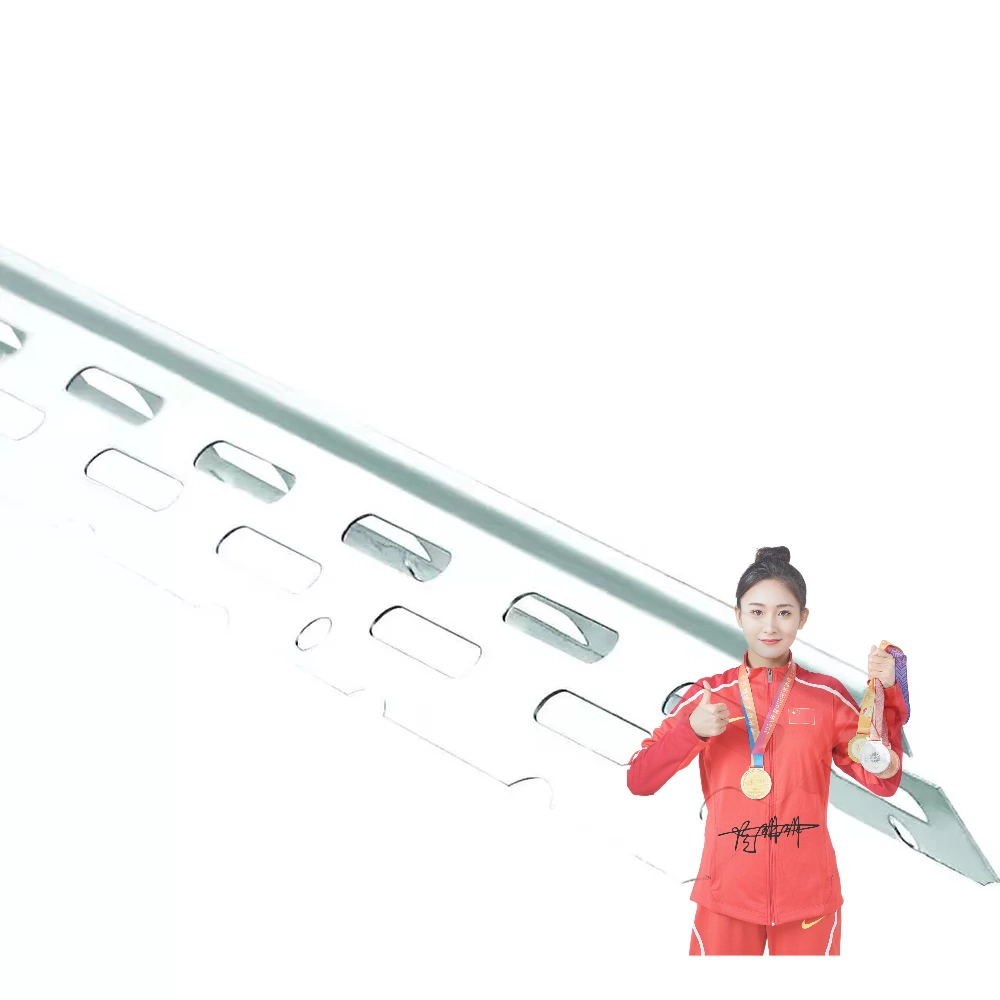
Steel Perforated Metal: A Global Backbone in Modern Industry
Steel perforated metal is one of those materials that quietly shapes many aspects of daily life and industry — from architecture to agriculture, transportation to humanitarian relief. But why does it matter so much worldwide? Well, this material combines strength, flexibility, and airflow in a way few alternatives can match. Understanding the nuances of steel perforated metal opens doors to safer buildings, more sustainable manufacturing, and even better disaster response. Let’s take a deep look at what makes it tick, why industries rely on it, and what the future holds.
Why Steel Perforated Metal Matters Globally
Globally, the demand for versatile materials like steel perforated metal continues to rise, driven by robust industrial growth and urbanization. According to ISO standards related to metal fabrication, steel perforated metal offers an optimal balance of durability and adaptability. The United Nations also highlights sustainable construction as crucial to meeting its Sustainable Development Goals (SDGs), where materials such as these play a large role. While the global steel industry produced roughly 1.8 billion metric tons in 2023, a notable percentage is allocated to perforated and mesh products essential for ventilation, safety, and filtration.
One major challenge that steel perforated metal solves is balancing structural integrity with weight and ventilation — critical in everything from factory operations to hospital infrastructure. Oddly enough, it’s a material many overlook until its absence causes problems. But once you start looking, the applications become incredibly clear.
Understanding Steel Perforated Metal
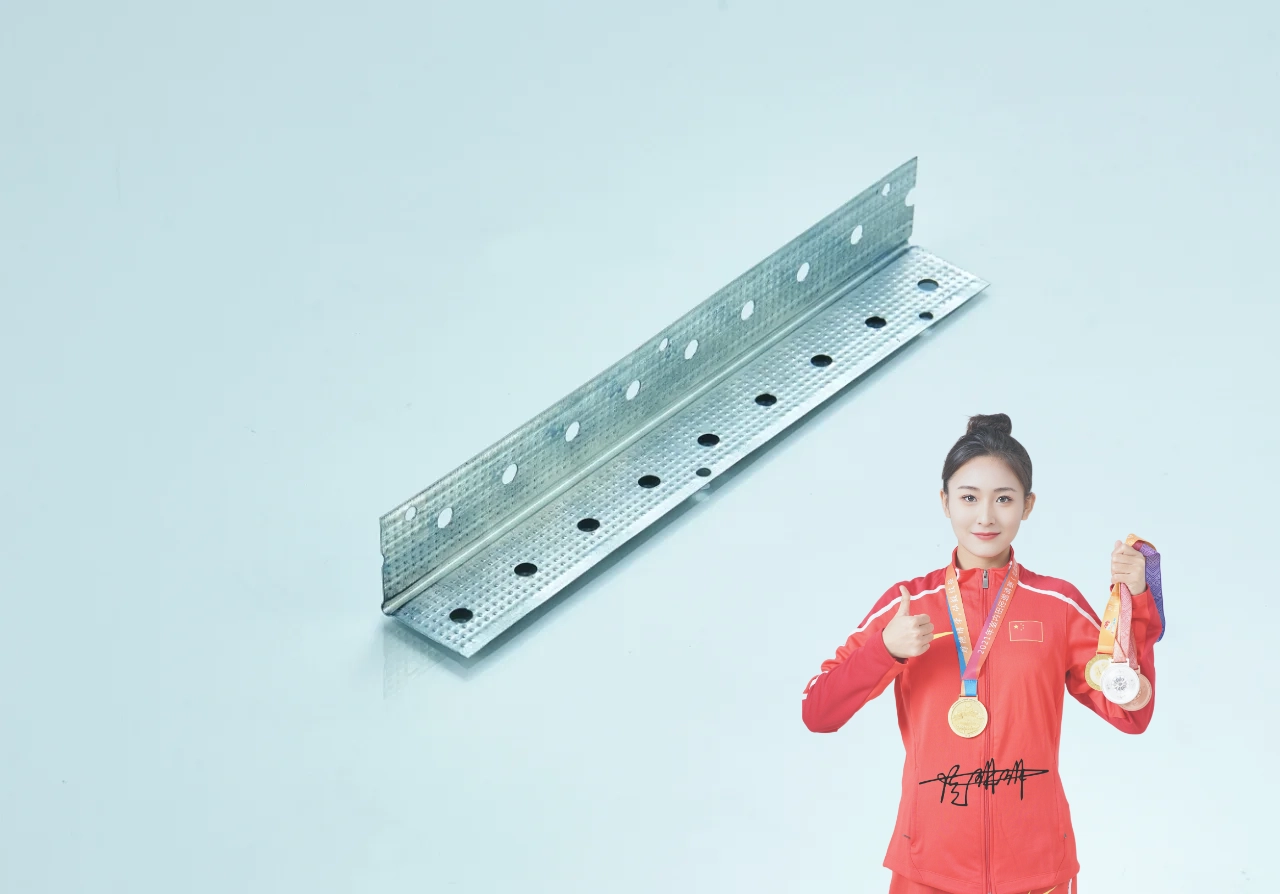
Put simply, steel perforated metal is a sheet of steel that has been punched or stamped with a pattern of holes, slots, or various shapes. The precise pattern varies by need, offering a combination of strength, lightness, and the ability to allow light, air, or sound to pass through. This seemingly simple modification lends the metal utility far beyond flat steel plates.
Industrially, it’s connected to everything from HVAC systems that need airflow, to secure fencing, to innovative architectural designs that blend aesthetics and function. Humanitarian operations also benefit — think of portable shelters or fencing that let in air while providing security in challenging environments.
Key Attributes of Steel Perforated Metal
Durability
Steel’s innate toughness means perforated sheets can withstand harsh weather, mechanical stress, and even certain chemical exposures. This makes them invaluable in construction and infrastructure where reliability is non-negotiable.
Scalability
From tiny perforations for fine filtration in water treatment plants to large holes used in soundproofing walls, the size and pattern can be customized widely. Production scales from small batches to mass manufacture, depending on project scope.
Cost Efficiency
While perforated steel can be costlier than some raw materials, its lifecycle savings in maintenance, ventilation efficiency, or reduced structural weight often make up the difference. Many engineers say it also shortens project timelines through easier installation.
Versatility
Applications range from decorative facades and sunshades in tropical climates to protective guards on heavy machinery. Its ability to blend function with form appeals both to practical and creative sectors.
Global Applications & Real-World Cases
Let’s take a quick tour across industries. In Europe, the architecture sector loves using steel perforated metal for sustainable building envelopes, balancing insulation with natural light. In Asia’s booming manufacturing hubs, machinery guards made from this material keep workforces safer without compromising airflow.
NGOs use steel perforated metal panels in refugee camps for quick-deploy fencing systems, improving security while preventing complete enclosure — a small detail that respects human dignity while addressing safety. Meanwhile, agribusinesses in Australia incorporate perforated steel to protect crops from pests yet maintain airflow and sunlight.
Want a real nugget? A European automaker recently used steel perforated metal extensively in its assembly line platforms to boost worker comfort by improving air circulation — which, oddly enough, also raised productivity.
Mini takeaway:
- Steel perforated metal’s adaptability makes it essential across continents and sectors.
- It supports sustainability, safety, and innovation, proving far more than “just a sheet with holes.”
Advantages & Long-Term Value of Steel Perforated Metal
Why choose this metal? First, its cost-effectiveness over time stands out — less rusting, low maintenance, and strong resistance to damage reduces replacements. Plus, its transparency to air and light can aid energy savings, helping buildings reduce HVAC loads.
Socially, it enhances safety while preserving visibility. For communities in disaster-prone areas, materials like these symbolize trust in rebuilding efforts: sturdy, lasting, but thoughtful enough to support ventilation and light — elements of comfort that speak to human dignity.
Specifications at a Glance
| Specification |
Typical Values |
Notes |
| Material Grade |
SS304, SS316, Carbon Steel |
SS316 preferred in corrosive environments |
| Thickness |
0.5 mm – 6 mm |
Customizable by application |
| Hole Diameter |
1 mm – 25 mm |
Round, square, or custom shaped |
| Open Area |
10% – 70% |
Depends on hole size & pattern |
| Standard Sheet Size |
1.22m x 2.44m (48" x 96") |
Cuttable for custom projects |
Comparing Leading Vendors of Steel Perforated Metal
| Vendor |
Primary Materials |
Customization Options |
Typical Delivery Time |
Region |
| GlobalMetals Inc. |
SS304, Carbon Steel |
Hole size, sheet thickness, patterns |
2 weeks |
Global |
| Perforatech Solutions |
SS316, Aluminum |
Custom shapes and branding |
3 weeks |
Europe, Asia |
| SteelMesh Corp. |
Carbon Steel only |
Standard hole patterns |
1 week |
North America |
Future Trends and Innovations in Steel Perforated Metal
The future is exciting. Advances in laser cutting and CNC punching allow for ultra-precise perforations previously impossible — even micro-perforations for advanced filtration. Add to this emerging materials like weather-resistant composites combined with traditional steel meshes, and you get a new breed of hybrid panels with enhanced properties.
Environmental pressures push designers to maximize recyclability and reduce steel’s carbon footprint. Some startups are exploring digital twin technologies, simulating airflow and stress in virtual models before ever punching the first hole — saving both time and waste.
Addressing Challenges Head-On
One ongoing issue is the risk of corrosion in harsh environments — salt air or industrial chemicals can slowly degrade the steel if untreated. Solutions include advanced coatings and galvanization techniques, but those add cost.
Another challenge lies in balancing open area with structural strength — too many holes weaken the sheet, but too few defeat ventilation purposes. Designers often need to get creative, mixing patterns or layering materials for optimal performance.
FAQ: Steel Perforated Metal
- What industries commonly use steel perforated metal?
- Steel perforated metal finds use in construction, automotive, food processing, filtration, and security sectors, among others. Its versatility makes it a staple for ventilation, protection, and decorative elements.
- How can I determine the right hole pattern for my application?
- Consider airflow requirements, material strength, and aesthetic goals. Consulting with a supplier or engineer can help balance open area percentages with durability for your specific use case.
- Is steel perforated metal environmentally friendly?
- Since steel is recyclable and the material often improves energy efficiency by aiding ventilation and lighting, it supports green building strategies. However, attention to coatings and production processes matters.
- Can steel perforated metal be customized for unique projects?
- Absolutely. Most vendors offer custom hole shapes, sizes, thicknesses, and sheet dimensions tailored to client needs.
Wrapping It Up: Durable, Adaptable, Essential
To sum it up, steel perforated metal is much more than “steel with holes.” It’s a smart material that answers some of today’s toughest engineering challenges. Whether you’re in manufacturing, architecture, or humanitarian aid, understanding this product can help you build solutions that are safe, sustainable, and suited for the future.
If you’re interested in industry-leading quality, check out steel perforated metal products available now. Sometimes, it’s the unsung materials that make all the difference — this is one of them.
References
- ISO Standards on Metal Sheets and Perforations
- United Nations SDG 9: Industry, Innovation and Infrastructure
- Wikipedia: Perforated Metal