Understanding Plaster with Wire Mesh: A Durable Solution in Modern Construction
Plaster with wire mesh might sound like something from a simple DIY project, but its applications stretch far beyond your typical home renovation. Globally, this composite has become an essential building practice — it offers a harmony of strength, flexibility, and affordability that many industrial and humanitarian sectors crave. Whether it’s stabilizing structures after natural disasters or providing sustainable housing alternatives, mastering the use of plaster with wire mesh unlocks key benefits: enhanced durability, increased fire resistance, and improved structural integrity, all wrapped in cost-effectiveness.
Why Does Plaster with Wire Mesh Matter Globally?
Consider this: according to the UN, over one billion people worldwide live in inadequate housing or face housing insecurity due to natural calamities, urban growth, and economic pressures. Plaster with integrated wire mesh addresses many of these challenges by reinforcing walls and surfaces against cracking and impact damage. The World Bank estimates that resilience in construction can reduce disaster costs by up to 40%, and incorporating wire mesh in plaster plays a critical role in that resilience.
Yet, despite the growing need, many regions still lack access to reliable building materials that meet these demands economically. This is where plaster with wire mesh steps in as an efficient, scalable, and locally adaptable technique.
What Exactly Is Plaster with Wire Mesh?
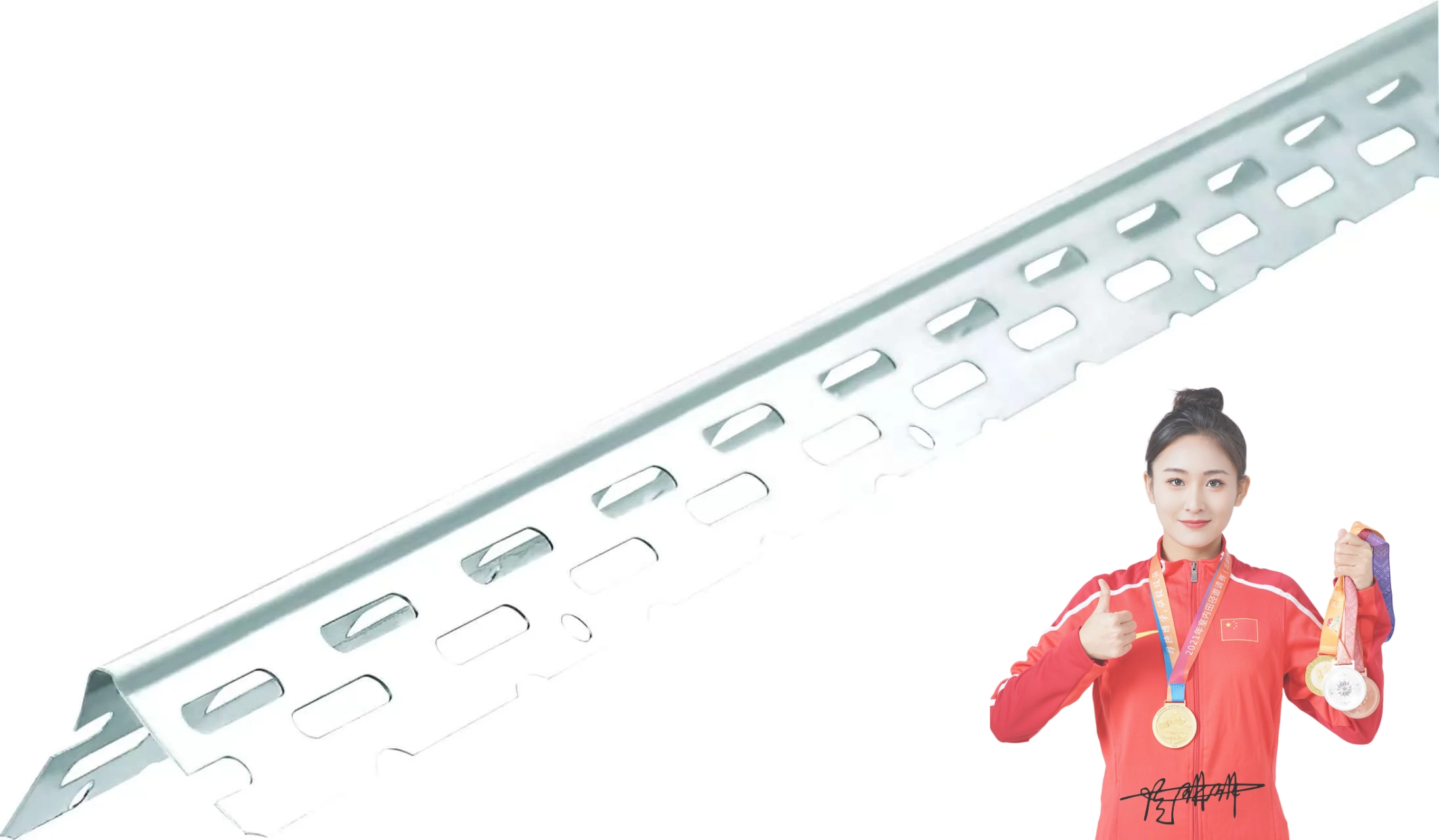
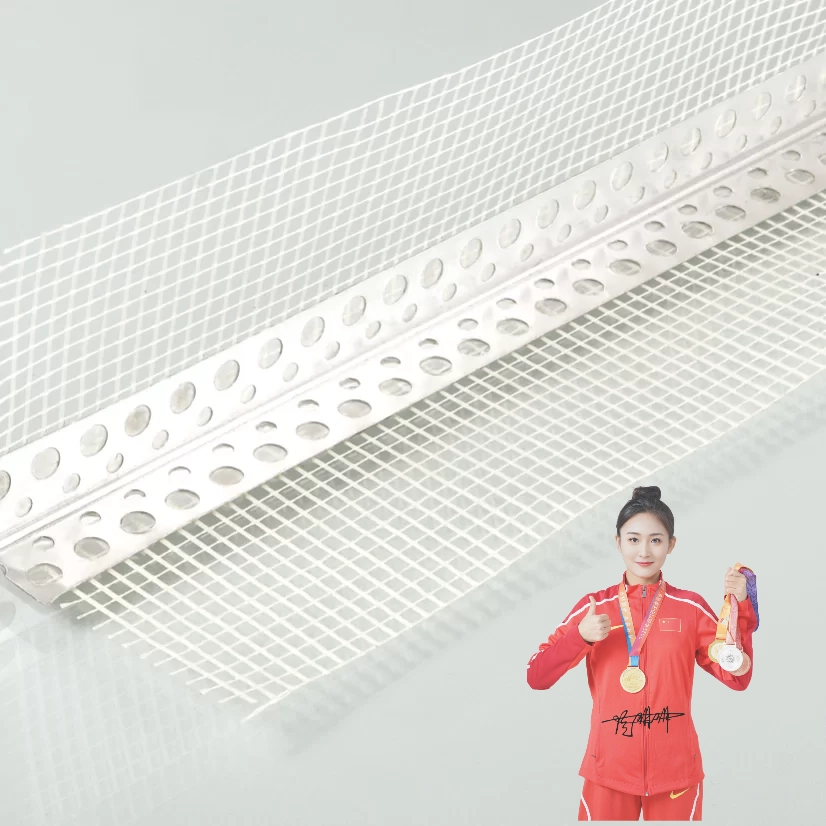
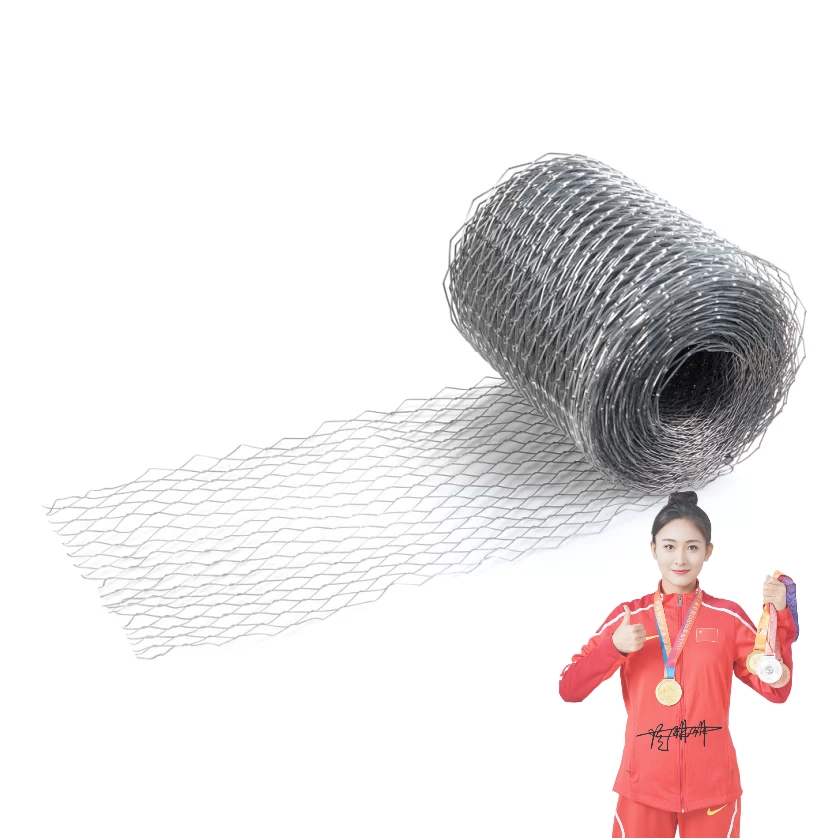
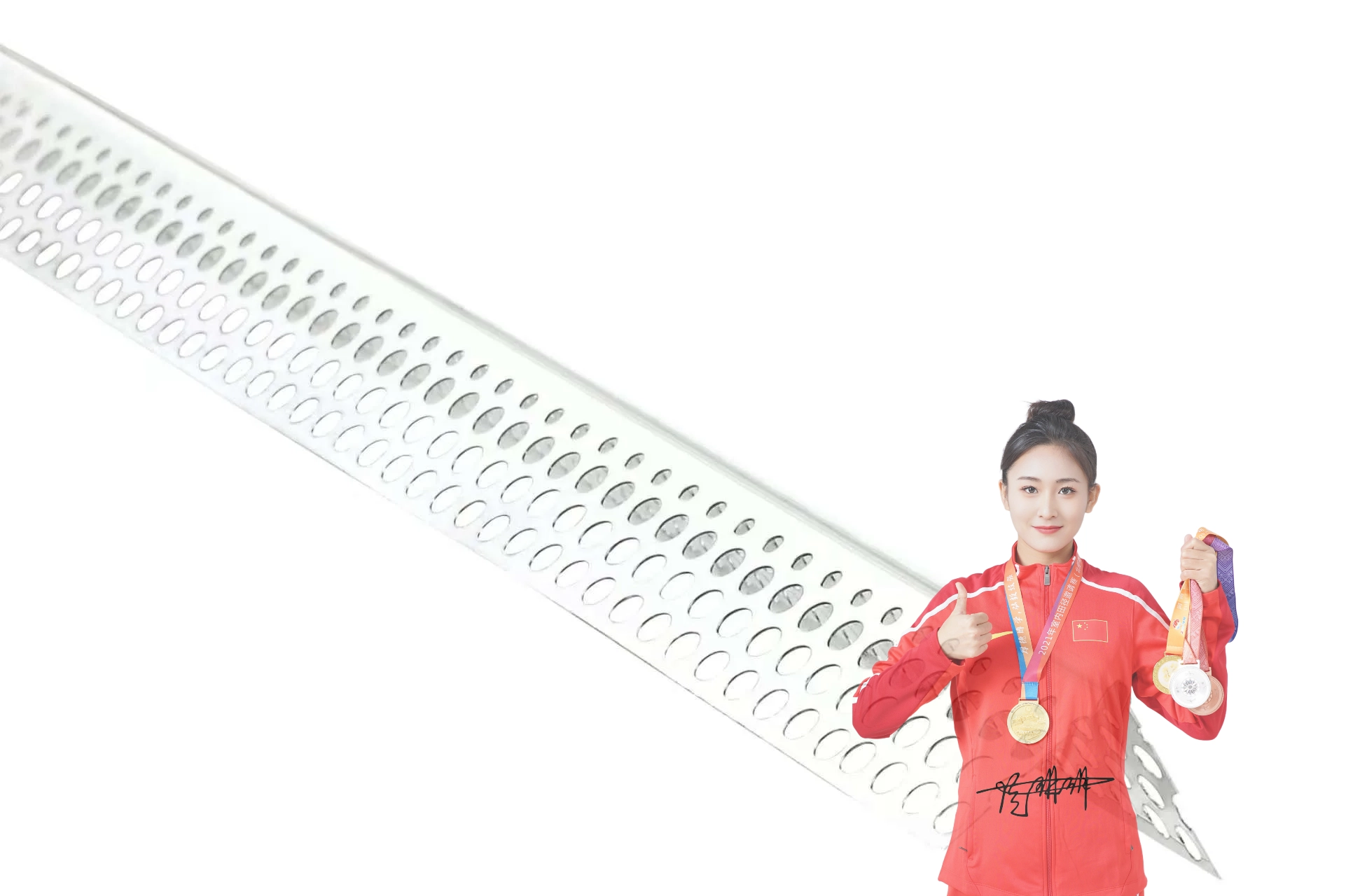
At its core, plaster with wire mesh combines a traditional gypsum, lime, or cement-based plaster with a metallic mesh embedded within its surface. This mesh, usually galvanized steel or stainless steel, acts much like rebar in concrete — diffusing stress and preventing cracks from spreading. Essentially, it’s a composite skin that marries flexibility and support, making the plaster far tougher than it would be on its own.
In humanitarian contexts, this means shelters can withstand heavy winds or minor seismic activity without failing completely. In the industrial arena, it offers a surface finish that’s both protective and cost-effective for factory walls and partitions.
Core Components of Plaster with Wire Mesh
1. Durability
The wire mesh inherently resists fractures — it acts as a skeleton beneath the plaster that can absorb and redistribute force. This makes finished walls far more resilient to dents, chips, or temperature changes that could otherwise cause cracking.
2. Flexibility and Adaptability
Depending on the mesh type and plaster mix, this system can be adapted for different climates or structural requirements, from humid tropical regions to cold temperate zones. It’s no wonder engineers and architects favor it for retrofitting older buildings and for new construction alike.
3. Cost Efficiency
While the upfront cost of galvanized wire mesh might seem like a luxury, the reduced maintenance, longer lifespans, and fewer repairs translate into savings — especially important in low-income or disaster-prone regions.
4. Fire Resistance
Cement-based plasters reinforced with wire mesh offer improved fire ratings compared to plain drywall or plaster, adding an essential layer of safety in industrial and residential settings.
5. Ease of Installation
It’s surprisingly straightforward to affix wire mesh to studs, frames, or existing surfaces, then apply plaster on top. This allows rapid deployment and customization with common tools — a valuable advantage in remote or urgent scenarios.
Mini Takeaway
Wire mesh embedded plaster systems tick many boxes — you get durability without compromising flexibility, at a cost that makes sense for both small-scale housing and large industrial projects.
Global Applications and Use Cases
From sprawling urban centers in Asia to remote African villages, plaster with wire mesh has been adopted for its adaptability and strength. For instance:
- Post-disaster relief: NGOs use plaster with wire mesh to rebuild homes quickly after earthquakes or hurricanes, creating structures that last rather than just quick fixes.
- Industrial zones: Factories in harsh environments apply reinforced plaster for protection against heavy machinery impacts and chemical exposure.
- Historical building restoration: Its compatibility with older construction materials makes it ideal for conserving and reinforcing heritage sites.
- Affordable housing: Governments in developing countries have piloted plaster-with-mesh projects to provide sturdy, safe shelter for thousands on limited budgets.
Mini Takeaway
The international reach of this solution reflects a shared need for robust, affordable materials everywhere — resourcefulness often born from necessity, yes, but also a trend towards smarter, more sustainable building.
Advantages and Long-Term Value of Plaster with Wire Mesh
Why bother with this hybrid material at all? Well, aside from its tangible engineering advantages, it plays on human factors, too:
- Safety: Reinforced walls better protect inhabitants and equipment.
- Dignity: Providing homes that don’t crumble under stress restores pride and hope.
- Innovation: It’s a simple yet clever method that combines proven materials in new ways.
- Trust: Builders and occupants gain confidence when structures visibly endure wear and tear.
Environmentally, wire mesh plaster systems extend building life and reduce waste by cutting down the need for frequent repairs or rebuilds — quite the sustainable bonus in today’s eco-conscious climate, aligning well with ISO 21930 standards on sustainability in construction material.
Product Specification Table
| Specification |
Details |
| Mesh Material |
Galvanized steel, stainless steel |
| Mesh Size |
12x12 mm - 25x25 mm apertures |
| Plaster Type |
Cement-based, lime-based, gypsum |
| Thickness of Plaster |
10 – 25 mm |
| Fire Resistance |
Up to 2 hours (with cement plaster) |
| Typical Application |
Walls, ceilings, façade reinforcement |
Comparing Leading Vendors of Wire Mesh for Plaster
| Vendor |
Mesh Quality |
Price per sqm |
Delivery Speed |
Sustainability |
| SteelMesh Co. |
High (galvanized premium) |
$12.50 |
5 days |
Recyclable steel |
| MeshPro |
Medium (galvanized, basic grade) |
$9.80 |
7 days |
Partially recycled |
| EcoMesh Ltd. |
High (stainless steel) |
$15.00 |
10 days |
Circular economy focus |
Looking Ahead: Future Trends in Plaster with Wire Mesh
We’re seeing some really interesting developments around plaster with wire mesh. One trend is the use of corrosion-resistant nano-coatings on meshes, promising even longer lifespans in coastal and polluted environments. Another is incorporation of smart sensors within plaster layers to monitor structural health in real time — part of the broader wave of digital transformation in construction.
Sustainability continues to be front and center: many manufacturers are experimenting with bio-based plaster mixes paired with recycled metal meshes, aiming for lower CO₂ footprints. Additionally, automated mesh installation robots are in early testing phases to speed up large-scale building projects with consistent quality.
Common Challenges and Practical Solutions
Frankly, plaster with wire mesh isn't a silver bullet. Installation errors can cause mesh corrosion or inadequate bonding, which compromises the system's durability. Also, in very humid or saline environments, improper mesh choice can lead to rust problems.
The key is proper specification — choosing the right mesh grade and finish for the environment — and training installers thoroughly. Innovations like polymer-coated meshes and pre-assembled plaster panels are emerging as effective solutions to these hurdles.
FAQ: Frequently Asked Questions About Plaster with Wire Mesh
- Is plaster with wire mesh suitable for exterior walls?
- Yes, especially when paired with cement or lime-based plasters, plaster with wire mesh offers excellent protection against weathering and enhances structural resilience on exterior facades.
- How does wire mesh prevent cracking in plaster?
- The mesh acts as a reinforcing framework that distributes stress and resists shrinkage forces, thus preventing cracks from propagating across the plaster surface.
- Can plaster with wire mesh be used in seismic zones?
- Absolutely. The embedded wire mesh reinforces walls, providing flexibility and strength that help structures better absorb seismic shocks.
- What maintenance is required for plaster with wire mesh structures?
- Regular inspection for surface cracks or corrosion is advised, particularly in harsh environments. Proper sealing and paint layers can extend the lifespan significantly.
- Where can I source high-quality wire mesh for plaster?
- Several specialized vendors supply mesh tailored for plaster applications. Refer to our vendor comparison above or visit the plaster with wire mesh provider page for options.
Conclusion: Why Invest in Plaster with Wire Mesh?
To wrap it up, plaster with wire mesh represents an elegant but practical innovation bridging tradition with modern engineering. Its global impact is visible from rural shelters to industrial complexes, championing safety, sustainability, and cost savings. If you’re considering stronger, longer-lasting wall finishes or tackling a project where durability meets budget, this solution deserves your attention.
For those curious to explore further, visit our website where we dive deeper into materials, installation guides, and supplier contacts. I find it’s one of those “small tech” upgrades that quietly make a big difference.
References
- Wikipedia: Plastering
- United Nations on Housing and Sustainable Development
- ISO 21930: Sustainability in Construction