What Is a Flat Expanded Metal Sheet and Why Should You Care?
If you’ve ever admired the strong yet surprisingly lightweight surfaces in architecture, infrastructure, or industrial projects, you might owe part of that structural elegance to a flat expanded metal sheet. It’s one of those unsung heroes of modern manufacturing that quietly powers countless global industries, from construction scaffolding to safety fencing and filtration systems.
Globally, demand for durable, flexible materials that combine strength with low weight has skyrocketed. The flat expanded metal sheet fits the bill — and understanding its properties isn’t just academic; it impacts everything from urban infrastructure resilience to humanitarian emergency responses. Think about it: lighter materials mean easier transport to remote regions; porous metals can mean better airflow or filtration for greener buildings.
So, why does this matter? Because in an increasingly resource-conscious world, materials like these can reduce costs, increase safety, and even help us build smarter. And that’s only the tip of the iceberg.
Why Flat Expanded Metal Sheets Are a Global Game-Changer
The steel and metal fabrication industry is critical to economic development. According to the International Organization for Standardization (ISO), demand for enhanced metal products that combine strength and flexibility is expected to rise by around 5% annually over the next decade.1
Globally, the construction sector alone consumes massive quantities of these materials. The UN’s global infrastructure report highlights increasing needs for durable yet transport-friendly materials that can be deployed rapidly in developing and disaster-affected regions.2 Flat expanded metal sheets solve that problem by providing a blend of rigidity and breathability — essential for many industries.
However, challenges persist with supply chain delays, raw material costs, and varying quality standards across regions. This makes understanding suppliers and product specs crucial—because not all sheets are created the same.
Breaking It Down: What Exactly Is a Flat Expanded Metal Sheet?
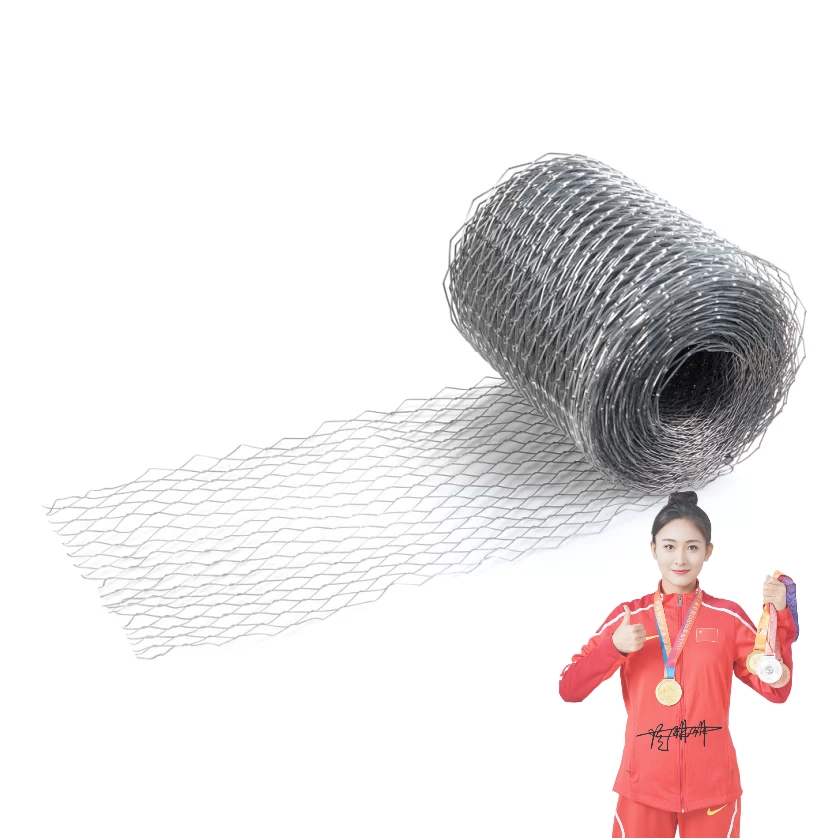
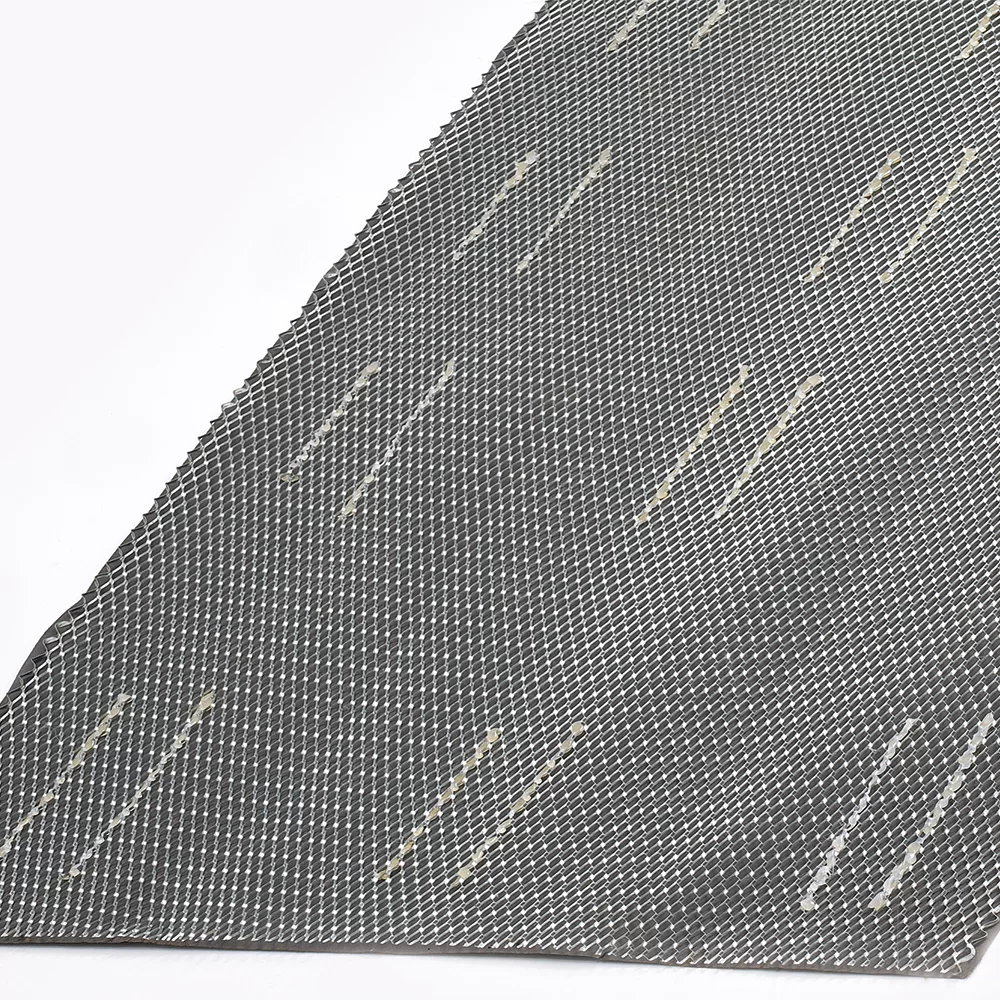
In simple terms, a flat expanded metal sheet is created by slit-and-stretch processes, turning a solid metal sheet into a mesh-like pattern without losing structural integrity. The result is a sheet of metal “expanded” in a way that resembles a diamond-shaped grid. It’s flat — no weaving or welding — but stronger than equivalent perforated alternatives.
This sheet form is incredibly versatile, acting as an industrial workhorse in everything from grating floors and stair treads to protective barriers and even artistic facades. Oddly enough, the metal’s open design allows airflow and light through, without compromising safety or strength.
Durability and Strength
Flat expanded metal sheets are known for their impressive tensile strength. Because the metal is stretched rather than cut out, the structure remains continuous, reducing weak points. This durability makes it ideal in environments requiring high impact resistance.
Cost Efficiency
You don’t waste metal here — the expansion process transforms a single sheet, so scrap is minimal. This efficiency translates to lower costs for manufacturers and end-users alike.
Versatility and Scalability
The sheets come in varying thicknesses and mesh sizes, allowing producers to tailor products to specific applications — from fine filtration panels to heavy-duty guard rails.
Environmental Benefits
Many manufacturers now use recycled metals or produce sheets recyclable post-use, which aligns with global sustainability goals.3
How Industries Worldwide Put Flat Expanded Metal Sheets to Work
Countries from Germany to India leverage these sheets in infrastructure projects, while humanitarian organizations deploy them in disaster-affected zones due to their lightweight nature and durability.
- Construction: Used in concrete reinforcement, walkways, and safety screens.
- Agriculture: Moisture-resistant fencing and protective panels.
- Automotive and Transport: Grilles, vents, and protective covers for machinery.
- Humanitarian & Relief Efforts: Rapid deployment shelter supports and security fencing in refugee camps.
For example, during post-disaster relief in regions like Southeast Asia, agencies opt for flat expanded metal sheets because they can be transported easily on trucks and quickly assembled onsite, offering both safety and ventilation.
Typical Specifications for Flat Expanded Metal Sheet
| Specification |
Details |
| Material |
Carbon Steel, Stainless Steel, Aluminum |
| Thickness |
0.5mm – 6mm |
| Mesh Opening (Width) |
2mm – 50mm |
| Sheet Size |
Customizable up to 2500mm x 12000mm |
| Surface Finish |
Galvanized, Powder-coated, Mill finish |
Picking the Right Supplier: How Do Industry Vendors Stack Up?
For procurement managers and engineers, choosing a vendor isn’t simply about price — it’s about quality, delivery time, innovation, and customization options. Here's a rough guide to some major providers:
Vendor Comparison of Flat Expanded Metal Sheet Providers
| Vendor |
Quality Assurance |
Customization |
Lead Time |
Sustainability Practices |
| XYZ Metals |
ISO 9001 Certified |
High (varied mesh & finishes) |
3-4 weeks |
Recycled raw materials |
| GlobalFab |
In-house QC & certifications |
Medium (standard sizes) |
2 weeks |
Energy-efficient facilities |
| MetalCraft Pro |
Third-party audits |
High (custom specs & batch runs) |
4-6 weeks |
Waste reduction programs |
The Advantages and Long-Term Value of Using Flat Expanded Metal Sheets
Look, in real terms, what do these sheets bring beyond their technical specs? Here’s what many engineers, project managers, and decision-makers appreciate most:
- Cost Savings: Less material waste makes budgets stretch further.
- Safety and Reliability: Reduces risk compared to perforated or welded mesh.
- Sustainability: Many sheets use recycled metals and are recyclable themselves.
- Aesthetic Flexibility: Architects love the clean, modern patterns.
- Social Impact: In refugee camps or emergency shelters, these sheets help build safer, breathable environments that respect dignity.
Emotionally speaking, it feels good to know that something as ‘simple’ as a sheet of metal plays a part in protecting lives or creating more efficient, livable spaces.
Future Trends: What’s Next for Flat Expanded Metal Sheets?
While innovation here may seem incremental, several trends are noteworthy:
- Smart Coatings: Anti-corrosive and self-cleaning surfaces extend lifespan.
- Lightweight Alloys: Using aluminum or titanium blends for aerospace and high-end industries.
- Automation & Custom Fabrication: CNC and robotic expansion allow complex shapes tailored to unique needs.
- Green Manufacturing: Factories powered by renewable energy to cut emissions in production.
As urban centers grow denser and environmental standards tighten, flat expanded metal sheets will only gain importance.
Challenges with Flat Expanded Metal Sheets (And How to Overcome Them)
Of course, nothing’s perfect. Some common issues include:
- Corrosion in Harsh Environments: Saltwater or chemical exposure can degrade steel quickly.
- Lead Times for Custom Orders: Longer waits for non-standard meshes or materials.
- Cost Fluctuations: Raw metal prices vary, sometimes sharply.
Experts recommend:
- Specifying galvanized or coated finishes for longevity.
- Building relationships with multiple trusted suppliers for flexibility.
- Planning procurement early to buffer against price swings.
Frequently Asked Questions About Flat Expanded Metal Sheets
- What makes flat expanded metal sheets better than perforated metal?
- Expanded metal sheets are stronger because the metal remains one continuous piece, stretched rather than punctured. This means fewer weak points, better load support, and often lower cost due to less wasted material.
- Can flat expanded metal sheets be used outdoors?
- Absolutely. When galvanized or coated properly, these sheets resist rust and corrosion well. Still, in marine or chemical-heavy environments, choosing stainless steel or special finishes is recommended.
- Are there size limits for flat expanded metal sheets?
- Sheets can be custom-produced up to very large dimensions, often exceeding 2500 x 12000 mm. However, larger sheets may need special shipping arrangements.
- How can NGOs source these sheets for emergency shelter projects?
- NGOs usually work with specialized suppliers who offer rapid delivery and appropriate certifications. Local sourcing is preferable to cut transport costs, or partnering with vendors known for humanitarian aid assistance.
- Is it possible to customize mesh size and thickness?
- Yes, most manufacturers offer customization within certain technical limits. Discussing project needs upfront ensures you get the optimal product.
In Conclusion: Why Flat Expanded Metal Sheets Remain a Staple Material
It’s easy to overlook such humble materials, but the impact of flat expanded metal sheets ripples through industries and societies alike. From lowering costs and enabling safer workspaces to supporting sustainability, this material combines pragmatism with innovation.
If you’re interested in exploring options or learning more, don’t hesitate to visit our website for trusted products and expert advice: flat expanded metal sheet.
References:
1. International Organization for Standardization (ISO)
2. United Nations Global Infrastructure Report
3. ISO 14001 Environmental Management