Understanding UPVC Angle Bead: Essential Insights for Construction and Renovation
If you've ever walked past a building under construction or renovation, you might have spotted crisp, clean corners that are hard to miss. Those sharp, neat edges often come from something quite unassuming but vital: the upvc angle bead. Why, you ask? Well, UPVC angle beads are indispensable in modern construction — they protect corners, provide structural integrity to plaster or drywall finishes, and enhance aesthetic appeal. Globally, as urbanization accelerates and building codes demand durability & safety, knowing about these components is more important than one might think.
Why UPVC Angle Bead Matters Globally
According to the United Nations, over 55% of the world's population currently lives in urban areas, a figure expected to rise above 68% by 2050 (UN, 2018). This urban boom places pressure on construction speed, safety standards, and cost efficiency. UPVC angle beads are a small yet critical factor in meeting these challenges: they safeguard vulnerable wall edges from daily wear and tear, prevent cracking, and simplify the finishing process — all while being cost-effective and environmentally friendly.
In fact, the International Organization for Standardization (ISO) encourages the use of durable, weather-resistant building components like UPVC to improve long-term sustainability in construction.
So, What Exactly Is a UPVC Angle Bead?
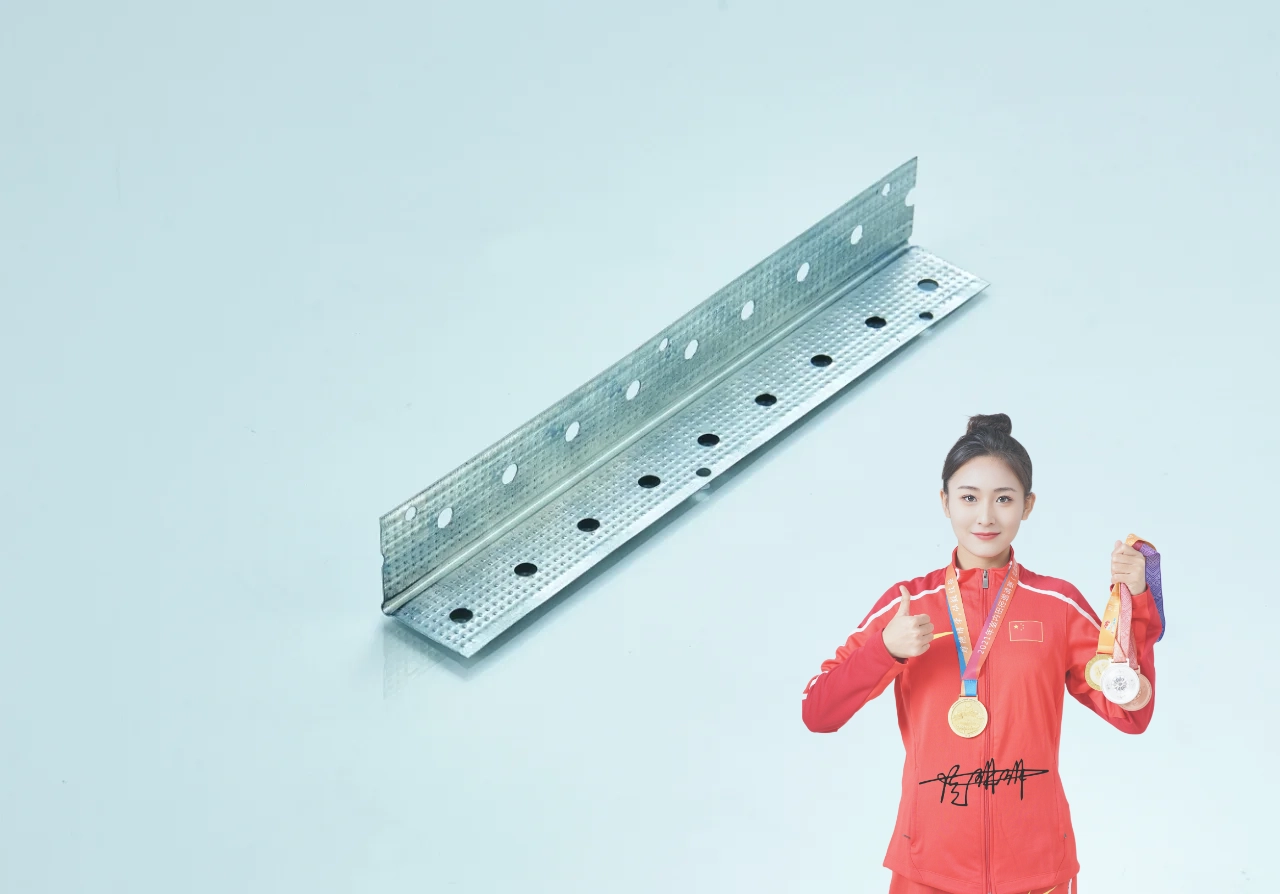
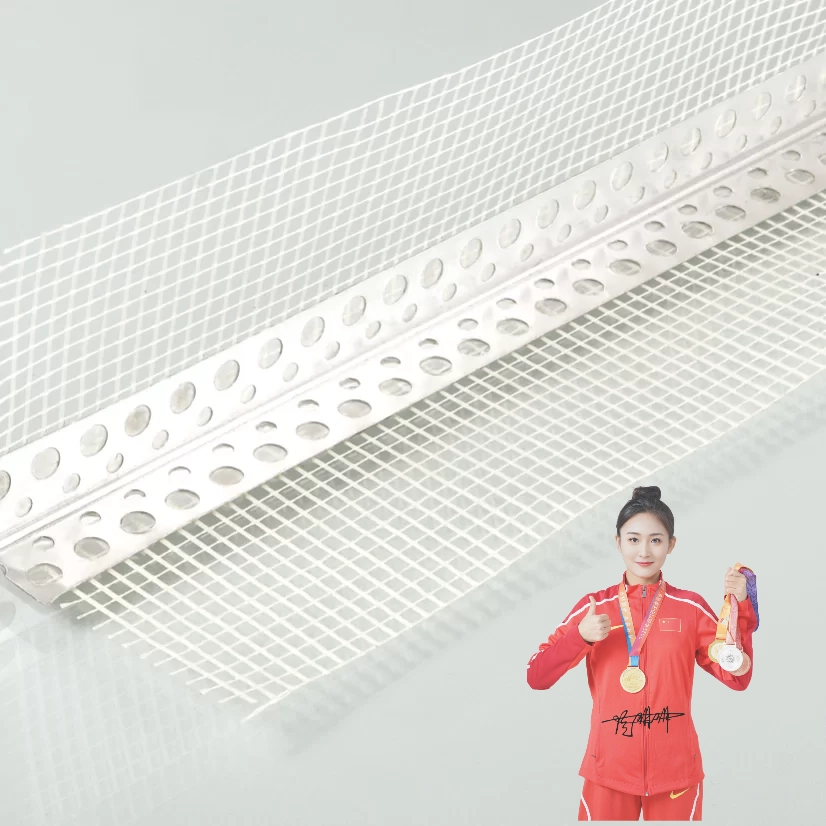
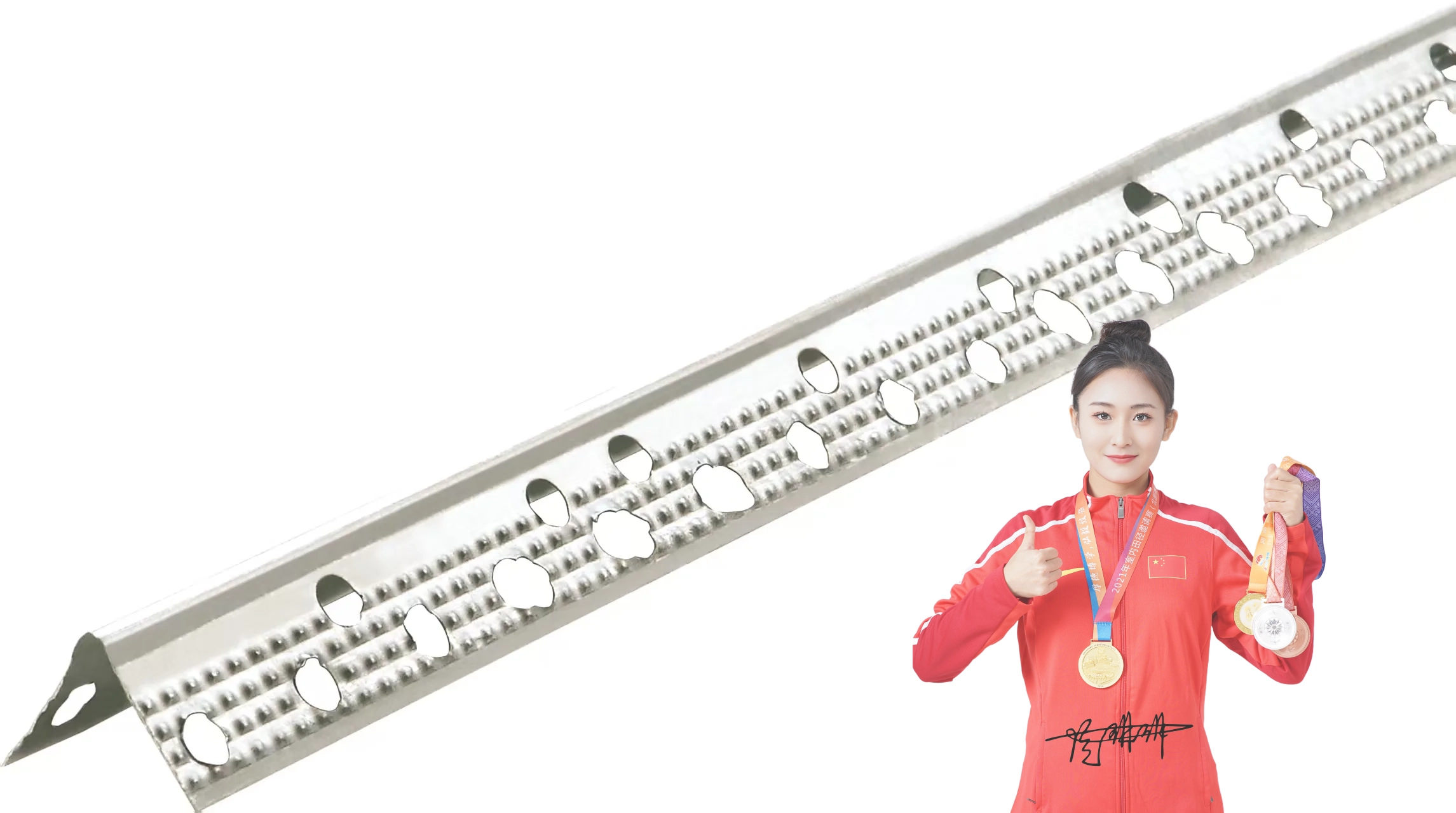
Simply put, a UPVC (Unplasticized Polyvinyl Chloride) angle bead is a rigid protective corner strip used on plastered walls or drywall. It’s designed in an L-shape to reinforce and protect external or internal corners from damage due to impact or natural wear. The material — UPVC — is known for its excellent weather resistance, lightweight nature, and affordability.
Its relevance goes beyond just homes or commercial buildings. In fast-paced industrial setups or even temporary shelters, these beads ensure that corners remain intact, making repairs less frequent and environments safer.
Core Factors Behind UPVC Angle Bead Effectiveness
1. Durability
UPVC is famously tough and resistant to moisture, chemicals, and sunlight — in other words, it won’t warp or rot like wood, nor rust like metal. This means angle beads made from UPVC last years without compromising structural integrity.
2. Ease of Installation
These beads come pre-scored or perforated to allow plaster to key into them seamlessly. Installation requires minimal skill, making them ideal for quick job sites or large-scale projects where time is money.
3. Cost Efficiency
Compared to metal equivalents, UPVC beads are much more affordable without sacrificing strength. Since they're lightweight, shipping and handling costs are also lower — important in international supply chains.
4. Aesthetic Finish
Beyond protection, UPVC angle beads help produce straight, clean corners that make a room look professional and polished. This subtle effect often goes unnoticed but can elevate the entire space.
5. Environmental Considerations
UPVC is recyclable and, when manufactured responsibly, has a relatively low carbon footprint. Given global moves towards sustainability, more builders are favoring UPVC over less eco-friendly materials.
Mini Takeaway:
UPVC angle beads aren’t just corner guards; they’re cornerstones of durability, efficiency, and aesthetic elegance in construction worldwide.
Global Applications & Use Cases of UPVC Angle Beads
- Residential and Commercial Buildings: Across Europe and North America, UPVC beads are standard in drywall and plaster applications, enabling builders to meet stringent building codes.
- Post-Disaster Reconstruction: In regions prone to natural disasters — take Nepal after the 2015 earthquake — quick yet sturdy rebuilds use UPVC beads to maintain building integrity under tough conditions.
- Modular and Prefabricated Structures: Factories in Asia produce modular housing units where UPVC angle beads help connect and protect corners efficiently during transport and assembly.
- Industrial Zones and Warehouses: Harsh chemical or weather conditions threaten building materials; UPVC's chemical resistance makes these beads an ideal choice.
Advantages and Long-Term Value of UPVC Angle Bead
From a financial standpoint, UPVC angle beads reduce maintenance costs since walls are less prone to chips and cracks. Socially, they improve safety by eliminating sharp degraded corners that could cause injury. Emotionally, imagine living or working in a place that “feels” solid and well-kept — these small details contribute to dignity and trust in the built environment.
Plus, their environmental sustainability aligns with global efforts to reduce construction waste and embrace green materials (ISO 14001 standards reflect this movement). It’s a rare combo: practical, affordable, protective, and eco-friendly.
Future Trends and Innovations
Manufacturers are exploring UPVC blends with enhanced fire retardancy and improved UV stabilizers for extreme climates. There’s also growing interest in integrating smart sensors into UPVC components for early detection of stress or damage — sort of like a building’s nervous system.
Digital fabrication techniques (3D printing and CNC cutting) are also making bespoke angle beads possible, customized to odd angles or special architectural features, which is handy for avant-garde designs.
Common Challenges and Practical Solutions
Oddly enough, some contractors hesitate to use UPVC beads fearing brittleness in colder climates. However, modern formulations have largely addressed this, offering flexibility without losing strength. Another issue is improper installation leading to gaps or cracking; thus, training and quality control play critical roles in maximizing these products’ benefits.
UPVC Angle Bead Specifications
| Spec |
Details |
| Material |
Rigid UPVC (Unplasticized Polyvinyl Chloride) |
| Thickness |
0.8 – 1.2 mm typical |
| Standard Length |
2.5 m to 3 m |
| Colors |
Usually white; customizable |
| Finish |
Smooth or perforated for plaster keying |
Vendor Comparison: Leading UPVC Angle Bead Suppliers
| Supplier |
Material Quality |
Customization |
Global Shipping |
Price Range |
| Alpha Bead Co. |
High-grade UPVC, UV stabilized |
Custom sizes/colors |
Worldwide |
$$$ |
| BuildGuard Ltd. |
Standard UPVC |
Limited customization |
Regional |
$ |
| EcoAngle Supplies |
Eco-friendly UPVC blend |
Custom eco designs |
Global (focus on Europe) |
$$ |
FAQ: Frequently Asked Questions About UPVC Angle Bead
- Q1: How long do UPVC angle beads typically last in harsh climates?
- UPVC angle beads are designed to withstand exposure to UV light, moisture, and temperature fluctuations. With proper installation, they can easily last 15-20 years, even in challenging environments.
- Q2: Can UPVC angle beads be painted to match wall colors?
- Yes, most UPVC angle beads can be painted using suitable primers and acrylic paints. Doing so gives you flexibility in design while still benefiting from UPVC’s durability.
- Q3: Are UPVC angle beads suitable for outdoor use?
- Absolutely. Their water resistance and UV stability make them ideal for exterior corners exposed to weather conditions.
- Q4: How can international buyers source UPVC angle beads?
- Many manufacturers, such as those linked on upvc angle bead portals, work with global freight companies and have quality certifications to simplify cross-border purchases.
- Q5: What makes UPVC angle beads better than metal corner beads?
- Unlike metal beads that can rust or bend, UPVC beads maintain their shape over time and resist corrosion, making them lower maintenance and longer-lasting.
Final Thoughts and Next Steps
So, there it is — the humble yet mighty UPVC angle bead plays a surprisingly pivotal role in modern construction and renovation. Its durability, affordability, and environmental profile make it a smart choice for builders and architects alike. If you’re considering a project or looking to improve your building’s longevity, UPVC angle bead options deserve a spot in your specification list.
Discover more, compare products, and connect with trusted suppliers to ensure your next build has the finishing touches that protect and impress. Because sometimes, it’s the small things on the corners that hold everything together.
Keep your corners sharp — and your projects sharper.
References
- UN World Urbanization Prospects (2018)
- ISO Environmental Management Standards
- Wikipedia: Polyvinyl Chloride