Understanding Brick Reinforcing Coil: A Backbone for Modern Masonry
If you’ve ever walked past a sturdy brick wall or admired a well-crafted building, you might not have thought much about what actually keeps those bricks tightly knit and resistant to cracking over time. The humble brick reinforcing coil plays a surprisingly vital role here. But why does this small component matter on a global scale? For starters, as construction booms worldwide, especially in emerging economies, the demand for economical, safe, and sustainable building reinforcements has surged. Brick reinforcing coils help enhance structural integrity without heavy costs — a win-win for builders, governments, and communities alike.
Global Context: Why Brick Reinforcing Coil Matters Today
In the last decade, urban populations have expanded by over 60%, according to UN Habitat data. This surge pushes the limits of construction quality and speed. Many structures, especially in developing countries, rely on brick masonry as a primary building method due to affordability and local availability. But traditional brick walls often suffer from cracking, moisture infiltration, and poor seismic performance.
Enter brick reinforcing coil. This product addresses these challenges by providing embedded tensile strength across brick courses, making walls more durable and resilient against environmental stresses. Given that natural disasters increasingly threaten urban centers, reinforcing masonry walls with coils has become an important preventative measure.
Mini takeaway: Brick reinforcing coils are increasingly important worldwide for safer, cost-effective construction, especially in fast-growing urban areas vulnerable to climate risks.
What is a Brick Reinforcing Coil?
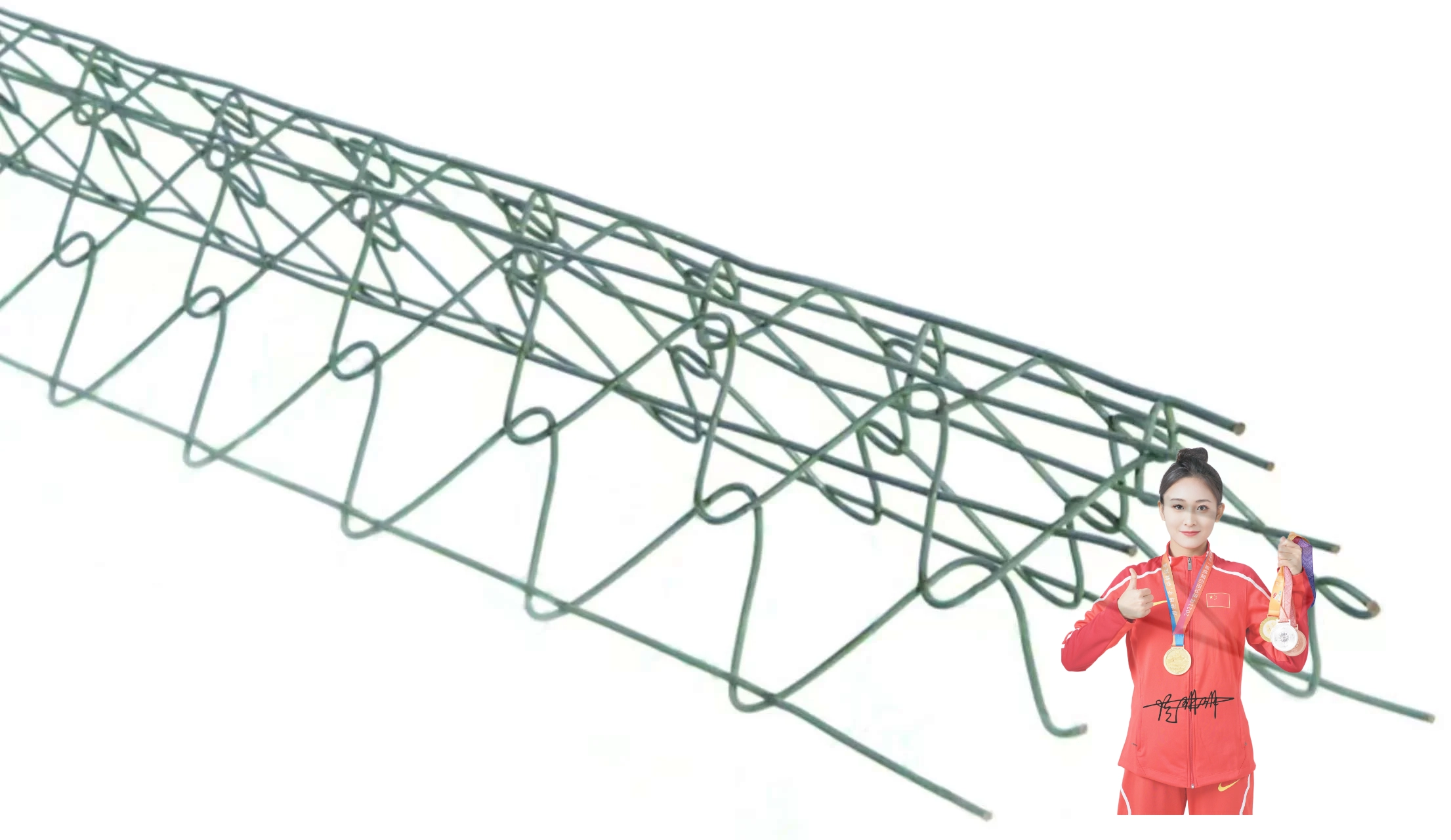
Put simply, a brick reinforcing coil is a flexible, usually galvanized steel wire formed into a coil that is laid horizontally within mortar joints of brick or block walls. Think of it as a steel spring that weaves into layers of bricks, significantly boosting a wall’s tensile strength and resistance to cracking.
They are sometimes called brick reinforcement wire mesh or brick reinforcement coils, and their use spans from residential houses to industrial structures where masonry is predominant. The advantage? Easy integration without slowing construction and low additional cost.
Key Features and Components of Brick Reinforcing Coils
1. Durability
Most coils are made from galvanized or stainless steel, providing long-term resistance to rust and corrosion. This durability helps maintain structural strength even in humid or coastal environments.
2. Flexibility & Ease of Use
The coil design allows users to cut and bend wire easily on-site, fitting different wall dimensions without cumbersome rigid frameworks.
3. Cost Efficiency
Compared to other reinforcement methods (like rebar mesh or concrete reinforcements), brick reinforcing coils add minimal cost while preventing expensive wall repairs or rebuilds in the future.
4. Enhanced Structural Integrity
By absorbing and distributing stress forces, reinforcing coils reduce crack propagation, especially important in earthquake-prone or wind-driven environments.
5. Compatibility with Various Masonry Types
Works with common red bricks, concrete blocks, and even specialty bricks, making it versatile across regions and projects.
Brick Reinforcing Coil Specifications
| Specification |
Details |
| Material |
Galvanized Steel Wire (PVC coated options available) |
| Wire Diameter |
2.5 mm - 3.5 mm typical |
| Coil Length |
15 m standard, customizable lengths also available |
| Coating |
Hot-dip galvanization or PVC coating for corrosion resistance |
| Standard Compliance |
ISO 1461 / ASTM A641 |
Global Use Cases: Where Do Brick Reinforcing Coils Shine?
Worldwide, from South Asia’s growing megacities to disaster-recovery efforts in the Caribbean, brick reinforcing coils help ensure that masonry walls don’t become liabilities.
- Post-Disaster Reconstruction: After earthquakes in regions like Nepal or Indonesia, rapidly deployed brick structures with reinforcing coils withstand aftershocks better than unreinforced walls.
- Affordable Housing Projects: Governments and NGOs in Africa use coils embedded in brick homes to improve durability while keeping costs manageable.
- Industrial Warehouses in Remote Areas: Longevity and structural safety matter even more where rebuilding is costly.
Organizations such as Habitat for Humanity emphasize reinforcement as best practice for sustainable development and resilience.
Vendor Comparison: Popular Brick Reinforcing Coil Suppliers
| Vendor |
Material Quality |
Customization |
Price Range |
Lead Time |
| CoilMakers Inc. |
Premium galvanized steel, ISO certified |
Lengths, diameters customizable |
$$$ |
2-3 weeks |
| EcoReinforce Supplies |
Standard galvanized wire |
Limited customization |
$ |
1 week |
| Global Steel Coils |
Galvanized & PVC-coated options |
High customization, technical consulting |
$$ |
3-4 weeks |
Advantages and Long-Term Benefits
Aside from structural resilience, brick reinforcing coils promote sustainability by extending the lifespan of brick walls and reducing resource wastage caused by repairs. For homeowners and developers, it’s peace of mind — knowing a building can stand stronger against natural wear and tear. Socially, more durable housing means safer communities; economically, fewer rebuilds free up funds for other needs.
Plus, there’s a dignity factor in building with quality materials and methods, which often gets overlooked but means a lot to occupants.
Looking Ahead: Trends and Innovations
Future developments include eco-friendly coatings for even better corrosion resistance, integrating recycled steel into coils, and using digital sensors embedded alongside coils to monitor structural health in real time. Automation in coil manufacturing is also improving consistency and lowering costs. As sustainability standards tighten, expect more products certified for environmental impact.
Challenges & How to Overcome Them
One limitation is ensuring correct installation — improper embedding can reduce effectiveness. Training masons and providing clear guidelines help here. Also, stock availability in some regions can be sporadic, so advanced procurement planning is key.
In some humid climates, non-galvanized coils corrode quickly; this is easily mitigated by opting for PVC-coated or stainless steel variants, although at a price premium.
Common Questions About Brick Reinforcing Coils
- Q: How does the brick reinforcing coil prevent wall cracks?
A: The coil distributes tensile forces across the brick course, preventing stress concentration that leads to cracking, especially during temperature changes or seismic events.
- Q: Can brick reinforcing coils be used with all types of bricks?
A: Yes, they work well with traditional clay bricks, concrete blocks, and other common masonry units.
- Q: Are reinforced brick walls more expensive to build?
A: The added cost is minimal compared to the long-term savings on repairs and increased safety benefits.
- Q: What maintenance is required after installation?
A: Very little — as long as mortar joints are intact and water infiltration is controlled, the coils will last as long as the wall itself.
Conclusion: Why Brick Reinforcing Coil is Worth Considering
Overall, brick reinforcing coils are a simple yet highly effective way to elevate masonry wall performance. Their growing importance in global construction projects that balance cost, durability, and safety speaks volumes about their value. For anyone involved in brick construction, knowing about and utilizing these coils is almost a necessity, frankly.
If you want to learn more or explore quality products, don’t forget to visit our website: https://www.cornerbeadmfr.com.
Mini takeaway: Integrating brick reinforcing coils is a practical step toward stronger, longer-lasting masonry that protects property and lives.
References:
- UN-Habitat Urbanization Reports
- Reinforced Masonry – Wikipedia
- ISO 1461: Hot Dip Galvanized Coatings