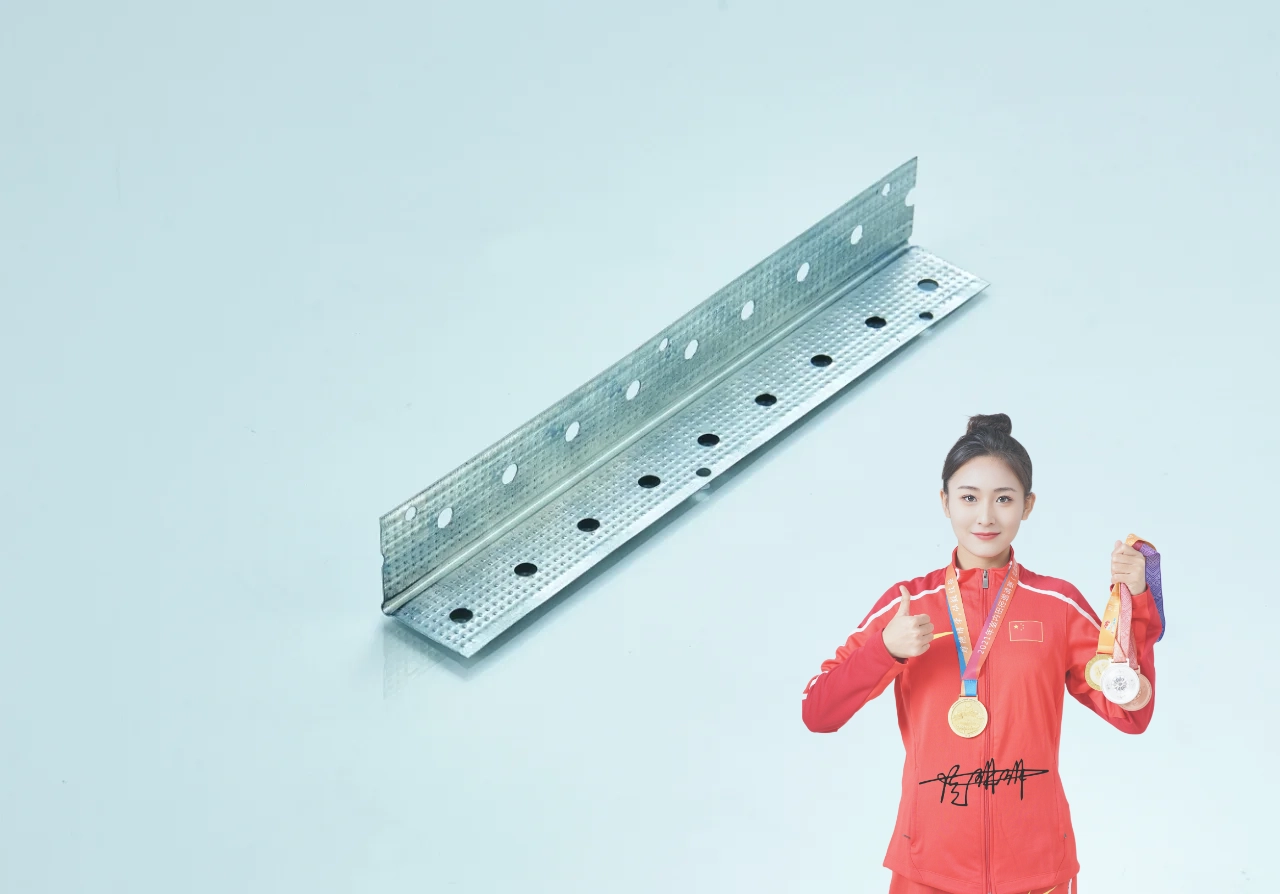
Understanding Brick Wall Mesh: A Backbone of Modern Construction
Brick wall mesh — it might sound niche, but it’s pretty much a hidden hero in the world of construction and civil engineering. On a global scale, this simple yet effective component helps keep buildings safe, durable, and flexible enough to face everything from harsh weather to seismic activity. Whether you’re a builder, architect, or just curious about what holds up those walls around us, knowing about brick wall mesh pays off.
It’s fascinating how much the demand for reliable construction materials like brick wall mesh has surged worldwide. The ISO standards and reports from agencies like the United Nations Department of Economic and Social Affairs highlight construction as a major driver of sustainability and safety goals. Globally, over 2 billion people live in informal housing or subpar structures, so enhancing wall integrity is crucial.
Definition & Meaning of Brick Wall Mesh
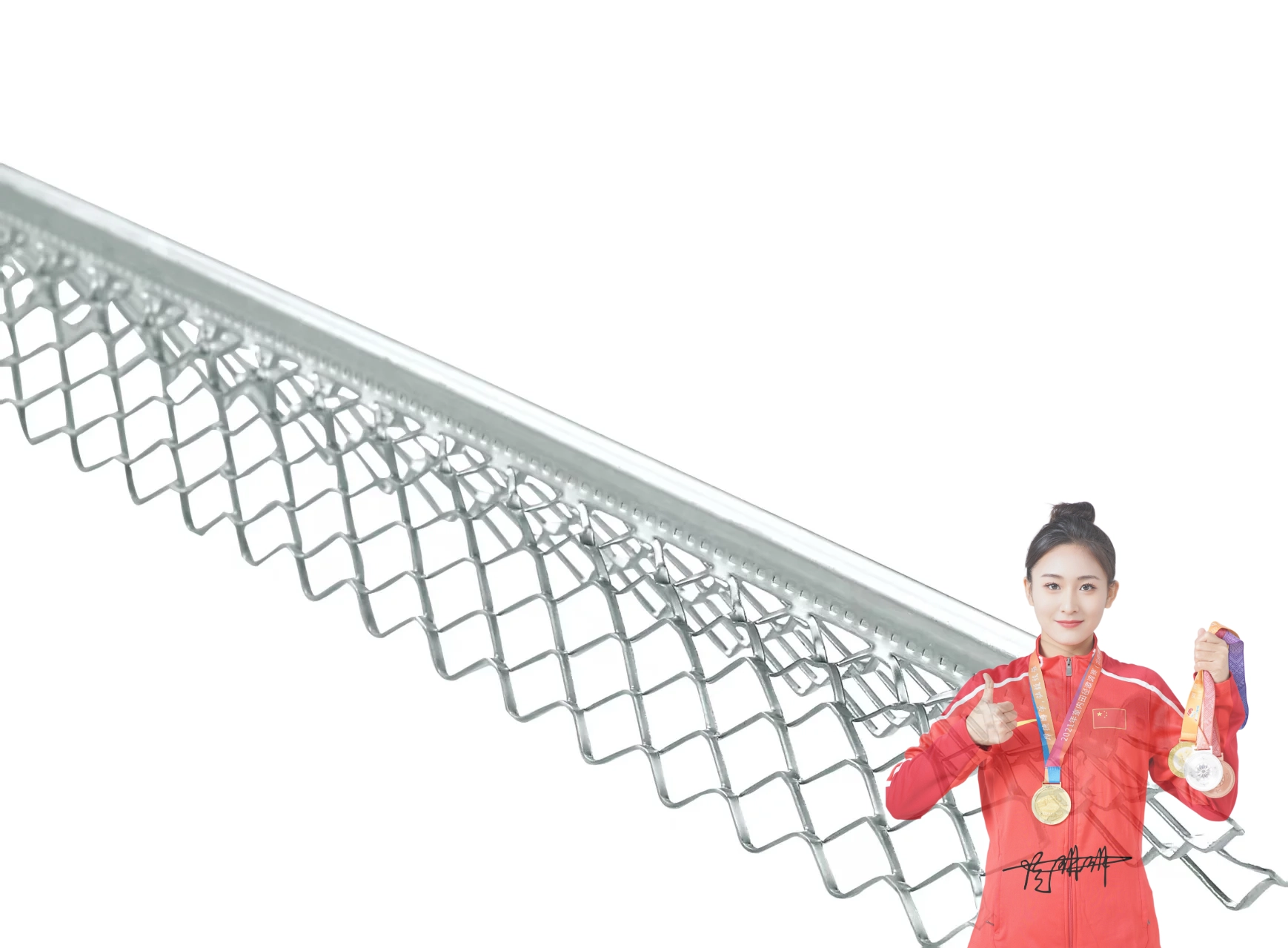
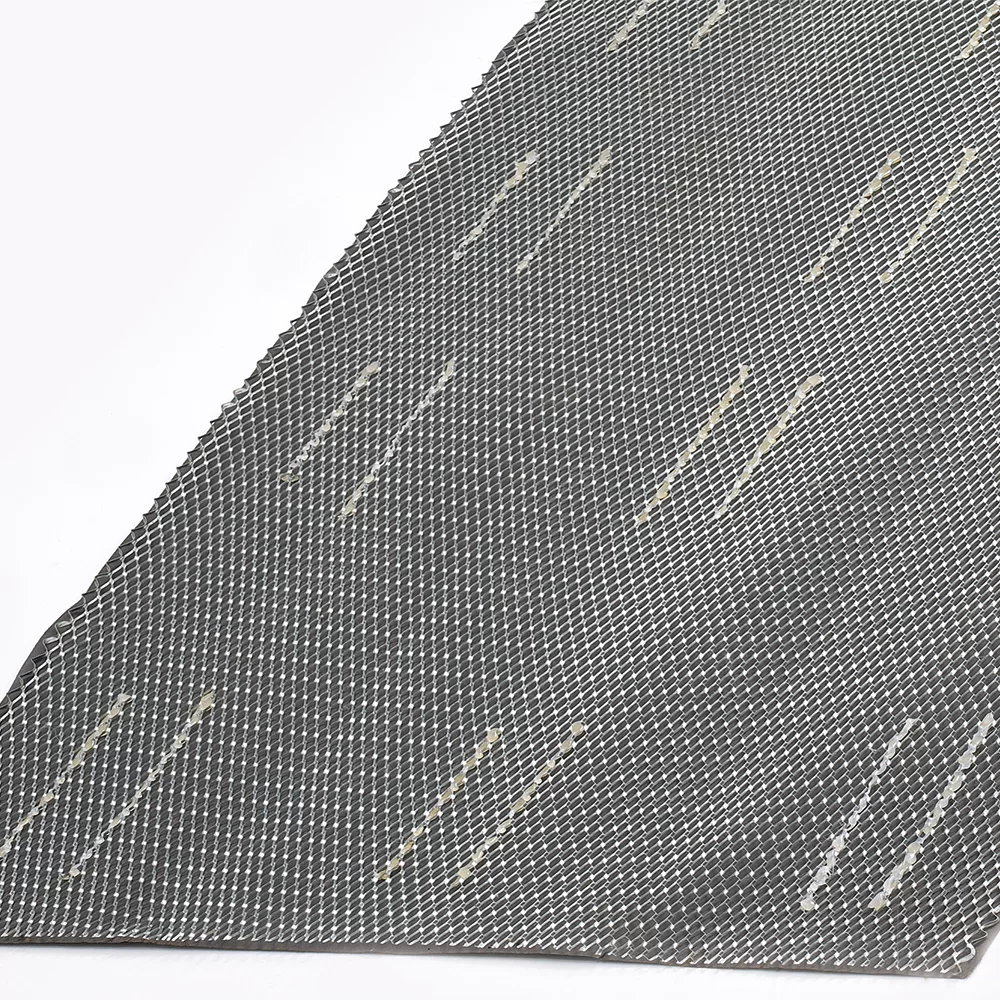
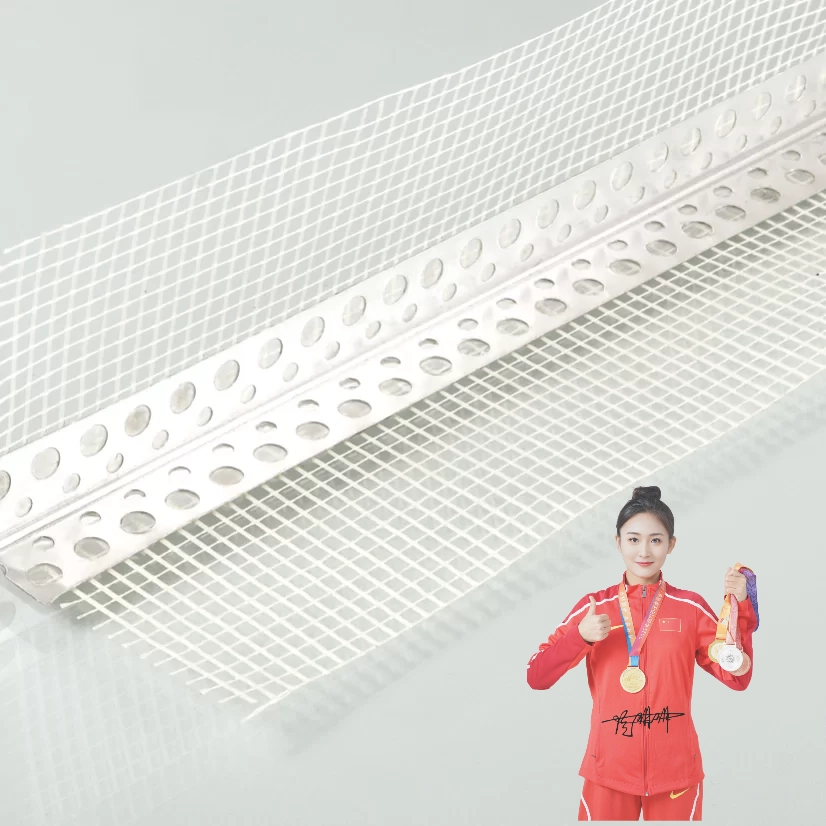
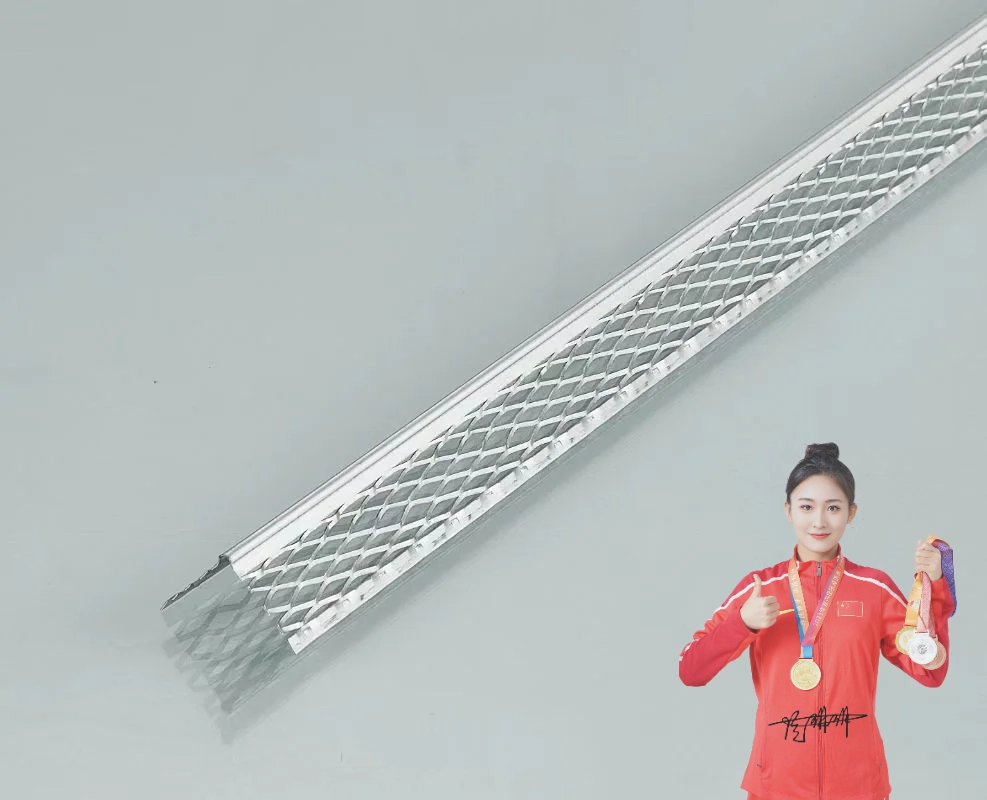
Simply put, brick wall mesh is a grid-like reinforcement made from steel wires or fiberglass that is embedded or attached to brick walls during construction. Its purpose? To improve strength, reduce cracking, and distribute loads evenly. In the modern industry, it’s like the skeletal system for masonry walls, helping keep everything in place. Humanitarian organizations often turn to brick wall mesh in emergency shelters to provide speedy, sturdy protection for displaced communities.
Key Factors / Core Components of Brick Wall Mesh
1. Durability
One big reason people swear by brick wall mesh: it resists corrosion and harsh environmental conditions. Most meshes are coated with zinc or other rust inhibitors, meaning the mesh holds its integrity for decades (if installed correctly). In practice, this means less maintenance and longer-lasting walls, which is a major plus for builders and homeowners alike.
2. Scalability
Mesh sizes come in all sorts of grids and thicknesses—you can find products for small homes, commercial buildings, or massive industrial setups. This flexibility lets engineers customize installations, whether for seismic reinforcement or just basic crack prevention.
3. Cost Efficiency
Brick wall mesh is generally affordable, especially compared to other reinforcement methods like carbon fiber wrapping or steel frames. The cost savings get even better when you factor in easier installation and reduced repair bills down the line.
4. Ease of Installation
Because it’s lightweight and often sold in rolls or panels, installers can quickly position and secure brick wall mesh on-site. This speed translates into faster build times, which always helps keep projects on or under schedule.
5. Versatility
Beyond brick walls, mesh is used in plastering, rendering, and even external insulation systems. Its adaptability means one material can serve many purposes, streamlining supply chains and reducing waste.
Global Applications & Use Cases
Oddly enough, while brick wall mesh is a staple in urban construction across North America and Europe, it is also vital in emerging markets. In countries like India and Brazil, where rapid urbanization stresses local construction materials, mesh helps maintain reliability in low-cost housing.
In post-disaster relief, NGOs use mesh in rebuilding homes quickly with better structural integrity—particularly important in earthquake-prone zones like Nepal or Indonesia. Industrial sites also deploy brick wall mesh where chemical or moisture exposure demands robust walls that won’t degrade easily.
Product Specifications: Typical Brick Wall Mesh Features
| Feature |
Specification |
| Material |
Galvanized steel wire / Fiberglass |
| Wire Diameter |
1.2 mm - 2.5 mm |
| Mesh Size |
50 mm x 50 mm to 100 mm x 100 mm |
| Coating |
Zinc galvanizing or epoxy |
| Roll Length |
10 m to 50 m |
| Typical Uses |
Wall reinforcement, plaster base, thermal insulation support |
Vendor Comparison for Brick Wall Mesh
| Vendor |
Material Options |
Max Roll Length |
Price Range (per roll) |
Additional Services |
| Corner Bead Mfr |
Galvanized steel, fiberglass |
50 m |
$75 - $110 |
Custom sizes, on-site consultation |
| BuildTech Supplies |
Galvanized steel only |
30 m |
$60 - $95 |
Fast shipping, bulk discounts |
| EcoMesh Solutions |
Fiberglass and recycled materials |
40 m |
$80 - $120 |
Eco certification, sustainability consulting |
Advantages & Long-Term Value
The benefits of brick wall mesh are both practical and reassuring. From a cost perspective, it offers long-term savings — less cracking means fewer repairs. Environmentally, using durable mesh reduces construction waste. Many engineers highlight the safety margin mesh adds, especially in high-risk seismic zones, which is reassuring for families and businesses.
And let’s be honest, there’s an emotional aspect too: a well-built home feels secure, like a solid foundation for life itself. Trust and innovation come together in brick wall mesh, preserving dignity and safety across countless communities.
Future Trends & Innovations in Brick Wall Mesh
The future looks pretty exciting. New materials like corrosion-resistant stainless steel and smart fiber meshes incorporating sensors to detect stress are under development. Green energy initiatives underline the need for sustainable building materials, with mesh now being made from recycled content or designed for optimal thermal insulation.
On the tech side, digital modeling to customize mesh layout helps architects optimize strength and cost-efficiency before the first brick even arrives onsite.
Challenges & Solutions in Using Brick Wall Mesh
Of course, no material is perfect. Installation errors, such as improper anchoring, can reduce mesh effectiveness. Also, ongoing exposure to aggressive environments can degrade some coatings faster than expected.
To tackle these, industry experts recommend strict quality control and training installers to follow manufacturer guidelines precisely. Using advanced coatings and integrating maintenance checks can also prevent early failures.
FAQ: Frequently Asked Questions About Brick Wall Mesh
- Q: How does brick wall mesh improve building safety?
A: By reinforcing the brickwork, the mesh distributes structural loads evenly and minimizes cracking, which reduces wall failure risk during stress like earthquakes or heavy winds.
- Q: Can brick wall mesh be used in all climates?
A: Yes, but selection matters. Galvanized or epoxy-coated meshes resist corrosion in humid or salty environments, while fiberglass alternatives might be preferred in corrosive industrial settings.
- Q: Is brick wall mesh easy to install on existing walls?
A: Retrofitting mesh on standing walls is possible but more complex. It often requires removing some plaster or brickwork, so it’s more common to install mesh during initial construction or renovation.
- Q: Where can I buy quality brick wall mesh?
A: Several reputable suppliers exist. For reliable and customizable options, consider Corner Bead Mfr among others.
Conclusion
All in all, brick wall mesh is more than just a technical component — it’s an essential part of building safe, durable, and sustainable structures worldwide. Whether for urban apartments, industrial buildings, or emergency homes, understanding mesh’s role helps us appreciate the thoughtfulness behind solid walls.
Curious to learn more or source top-quality mesh for your projects? Visit our website: https://www.cornerbeadmfr.com.
Quick takeaway — A simple mesh can make a world of difference in construction, blending proven engineering with modern innovations to keep structures safe and lasting longer.
- Wikipedia: Masonry
- ISO Construction Standards
- United Nations Department of Economic and Social Affairs