Wire Lath and Plaster: A Time-Tested Technique Adapting to Global Needs
If you're in construction or renovation, you've likely come across the terms wire lath and plaster at some point. But why does this combination matter, and why is it still relevant in today’s high-tech building landscape? At its core, wire lath and plaster is a traditional building system comprising a metal mesh base (wire lath) over which plaster is applied to create durable, smooth wall surfaces. Yet, far from being outdated, this system plays a vital role globally — in everything from restoring historic landmarks to cost-effective, rapid-build housing in disaster-hit regions.
Understanding wire lath and plaster isn't just academic. It opens insights into affordable building, sustainable materials, and even humanitarian efforts. In this article, we’ll unpack the core elements, practical applications, benefits, and emerging trends, helping you appreciate not only what it is but why it still, oddly enough, matters globally.
The Global Context: Why Wire Lath and Plaster Still Counts
Globally, the construction industry accounts for roughly 40% of energy consumption and significant CO2 emissions (Source: International Energy Agency, 2021). Modern methods strive to reduce waste and speed construction — yet, the straightforward reliability of wire lath and plaster persists. The UN Habitat program highlights the urgent need for durable, affordable housing solutions, especially in developing regions and post-disaster zones.
Why mention this? Because wire lath and plaster offers a low-tech but scalable solution to these global challenges. It’s used extensively in areas where sophisticated drywall systems are less feasible due to cost or supply-chain issues, and where local labor can deploy readily available materials. Additionally, wire lath and plaster addresses challenges like fire resistance, sound insulation, and moisture control that remain industry staples.
What Exactly Is Wire Lath and Plaster?
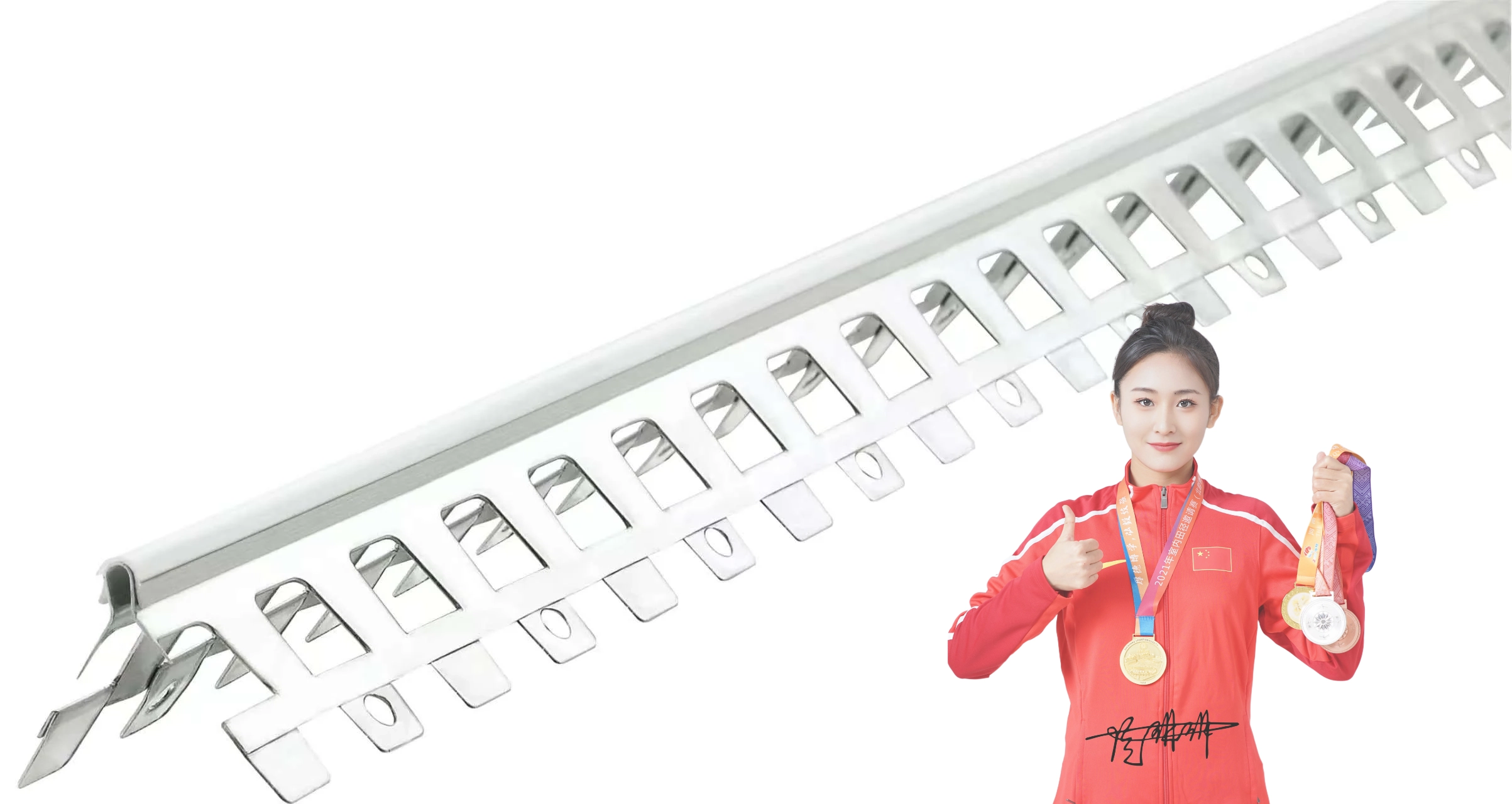
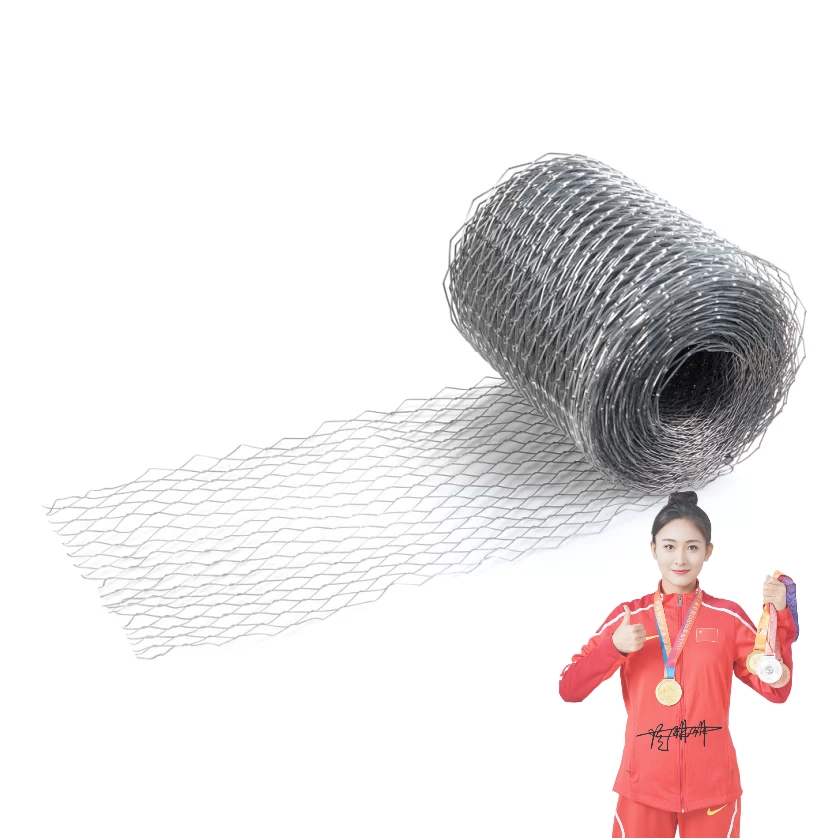
Simply put, wire lath is a mesh framework made by weaving or welding thin, flexible steel wires into a grid pattern. This metal scaffold acts as a base or support for plaster, a mixture traditionally made of lime, cement, or gypsum combined with sand and water.
After securing the wire lath to the building’s framing — often wood or metal studs — plaster is applied in multiple coats. The wire mesh “keys” or anchors the plaster so it adheres firmly, preventing cracking or sagging. This system dates back centuries and remains a staple where thin, hard, and impact-resistant wall surfaces are critical.
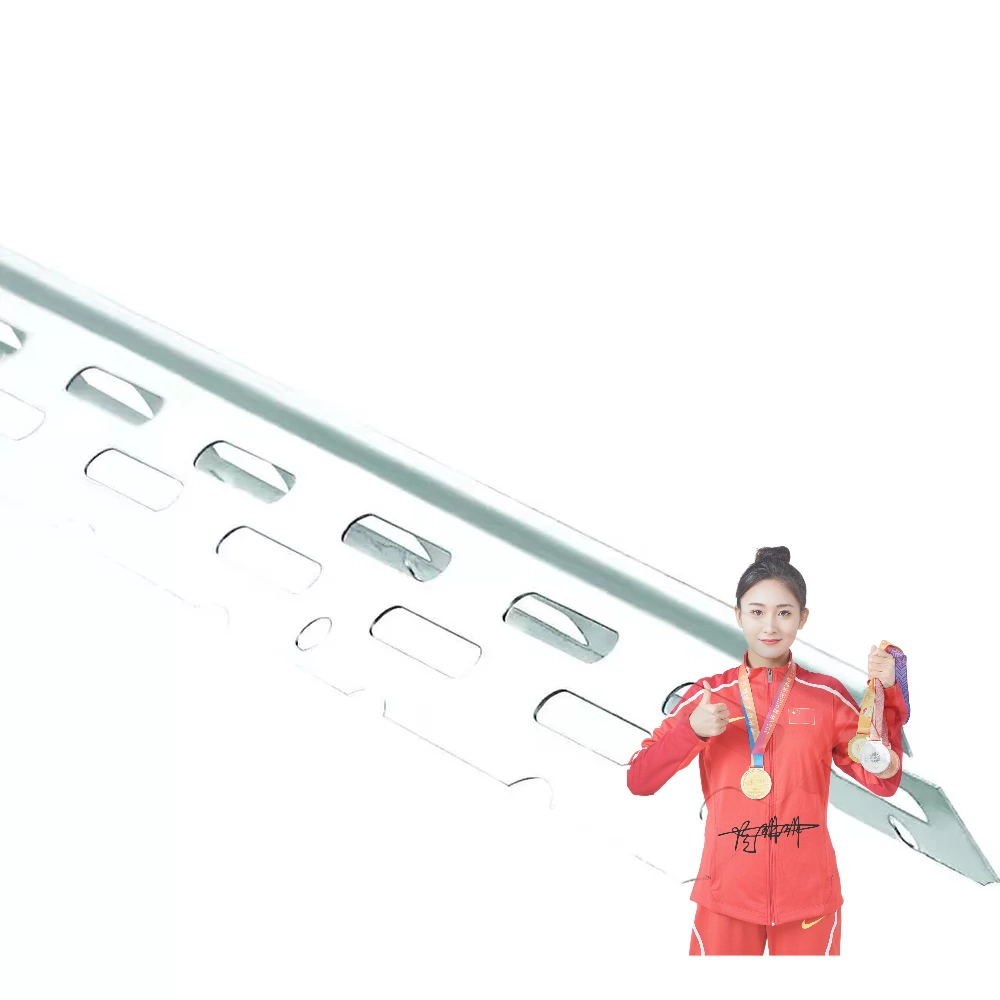
In modern contexts, wire lath and plaster has evolved beyond just interiors. It contributes to exterior insulation finishing systems (EIFS), façade repairs, and even bespoke architectural details.
Mini Takeaway:
Wire lath and plaster is the marriage of a metal mesh substrate designed to grip plaster, creating durable, adaptable wall systems suitable for diverse environments — from classic restorations to the rough-and-ready post-disaster shelters.
Key Factors That Make Wire Lath and Plaster Stand Out
1. Durability and Fire Resistance
The steel wire lath combined with plaster's inherent fire-resistant properties offers walls that can withstand significant heat and impacts. This durability is why it’s favored in commercial and institutional projects where safety codes demand fireproofing.
2. Cost Efficiency
Wire lath is generally inexpensive compared to fancy drywall assemblies. Coupled with plaster that can be mixed locally, it dramatically cuts costs — crucial in budget-sensitive or remote projects.
3. Adaptability
The mesh can bend to form curves, arches, and decorative moldings, supporting creative architectural needs impossible with rigid boards. It’s flexibility also permits repair and retrofit in irregular or damaged walls.
4. Sustainability
The metal lath is often made from recycled steel, and plaster materials like lime or gypsum have lower embodied energy than synthetic alternatives. Plus, plaster is breathable which helps regulate indoor humidity — a subtle but important health benefit.
5. Scalability
Since wire lath and plaster requires minimal heavy machinery and training, local workers can quickly learn and implement it — massively beneficial in reconstruction projects after disasters.
Mini Takeaway:
- Durability and fire safety make it dependable
- Low costs suit budgets worldwide
- Adaptability enables architectural creativity
- Sustainable materials support green building goals
- Local scalability empowers communities
Global Applications & Use Cases You Might Not Expect
Wire lath and plaster isn’t just an old-school relic. Oddly enough, it thrives in a variety of sectors and regions:
- Post-disaster relief: NGOs like the Red Cross and UN Habitat use it to build rapid, resilient shelters in earthquake-stricken Nepal or typhoon-affected Philippines.
- Historic preservation: Restorers in Europe and the US use wire lath and plaster to maintain heritage buildings that require original materials and methods for authenticity.
- Industrial buildings: Factories and warehouses in remote regions rely on its fire-resistant qualities combined with ease of installation.
- Affordable housing projects: Countries in Africa and South Asia use local versions to build cost-effective community housing.
For more technical insights or supplier options, check out wire lath and plaster.
Here’s a quick specification snapshot for common wire lath products:
| Specification |
Standard Wire Lath |
Expanded Metal Lath |
Self-Furring Lath |
| Material |
Galvanized Steel Wire |
Steel Sheet (expanded) |
Galvanized Wire with Furring Spacers |
| Mesh size |
1x1 inch grid |
Diamond shaped |
1x1 inch + 3/8" spacers |
| Thickness |
16 ga. (1.29 mm) |
0.050 inch sheet |
16 ga. with spacer tabs |
| Weight |
0.7 lbs/sq ft |
0.9 lbs/sq ft |
0.8 lbs/sq ft |
| Application |
Interior walls & ceilings |
Exterior stucco & walls |
Walls needing plaster separation |
Vendor Comparison: What to Look for in Wire Lath and Plaster Suppliers
| Vendor |
Material Quality |
Customization Options |
Global Shipping |
Technical Support |
| Corner Bead Mfr |
High-grade galvanized steel |
Yes, various mesh sizes |
Worldwide |
24/7 expert advice |
| BuildStrong Laths |
Standard galvanized |
Limited |
North America only |
Business hours support |
| Global Mesh Supply |
Recycled steel options |
Custom fabrication |
Selective regions |
Limited |
Advantages and Long-Term Value of Wire Lath and Plaster
While it may seem “old school,” many engineers and builders swear by the system for trustworthy long-term performance. It’s not just about initial cost — it’s about lifecycle value. Wire lath and plaster:
- Resists moisture, mildew, and pests better than some drywall options.
- Performs well under thermal or seismic stress — a boon in sensitive zones.
- Supports local economies by employing accessible, often unskilled labor.
- Preserves architectural character in restorations where modern materials can't match.
You get to balance cost, reliability, sustainability, and even cultural identity in one neat package. And frankly, that’s a rare find in construction these days.
What’s Next? Future Trends in Wire Lath and Plaster
The industry isn’t static. Materials science is pushing advancements like corrosion-resistant alloys and lightweight composite meshes. Automation at factories increases precision in lath fabrication, improving installation consistency. Green policies nudge manufacturers to lower embodied carbon — and plaster blends incorporating recycled or bio-based materials are on the rise.
Digital modeling lets architects prototype complex plaster shapes supported by custom wire lath, a marriage of traditional craft with 21st-century tech. Oddly enough, the old and new are coalescing nicely.
Common Challenges & Smart Solutions
Of course, there are some sticking points. Wire lath can rust if improperly galvanized, plaster can crack without skilled application, and incorrect mesh sizing can lead to flaky ceilings or poor adhesion.
But industry leaders recommend:
- Strict quality control over galvanizing and material batches.
- Training for plaster application — even basic workshops yield big gains.
- Customization of mesh size and gauge to suit specific project conditions.
FAQ: Your Questions About Wire Lath and Plaster — Answered
Q1: How does wire lath and plaster compare to drywall for interior walls?
A1: Wire lath and plaster tends to be more durable, especially in moist or high-traffic areas. Drywall installs faster but can be vulnerable to damage and moisture. If longevity and fire resistance are priorities, wire lath systems often edge out drywall.
Q2: Can wire lath and plaster be used outdoors?
A2: Absolutely. It’s commonly used with stucco finishes on exterior walls due to its strong base support, weather resistance when properly detailed, and adaptability to curved surfaces.
Q3: Is plaster application over wire lath labor-intensive?
A3: It requires skilled workmanship more than drywall. Multiple plaster coats need correct drying times and proper mixing. However, training programs have shortened learning curves, making it manageable even in developing areas.
Q4: How long does a wired lath and plaster wall typically last?
A4: With proper installation and maintenance, such walls can last upwards of 50 years, often much longer — which is why historic buildings still stand strong with these materials.
Q5: Where can I find quality wire lath suppliers?
A5: Vendors like Corner Bead Mfr specialize in galvanized steel wire lath with multiple customization options and global shipping, alongside technical support.
Wrapping Up: Why Wire Lath and Plaster Remains a Smart Choice
At first glance, wire lath and plaster might seem like a bygone method overshadowed by drywall or synthetic panels. But dig a little deeper, and you find a material system with enduring global relevance, practical benefits, and cultural significance. Its adaptability, sustainability, and cost efficiency keep it firmly rooted — even as the industry moves forward with new materials and automation.
Whether you're restoring a historic hall, building affordable housing in remote regions, or seeking fireproof walls with longevity, wire lath and plaster stands tall — quite literally. Curious about solid, reliable options? Feel free to visit wire lath and plaster for supplier details and expert advice.
Key Takeaway:
Wire lath and plaster offers time-tested durability with modern adaptability, and it remains a cornerstone technique for sustainable, cost-conscious building worldwide — proving old doesn’t mean obsolete.
References
- International Energy Agency - Buildings Sector Report 2021
- United Nations Human Settlements Program (UN Habitat)
- Wikipedia - Lath and Plaster