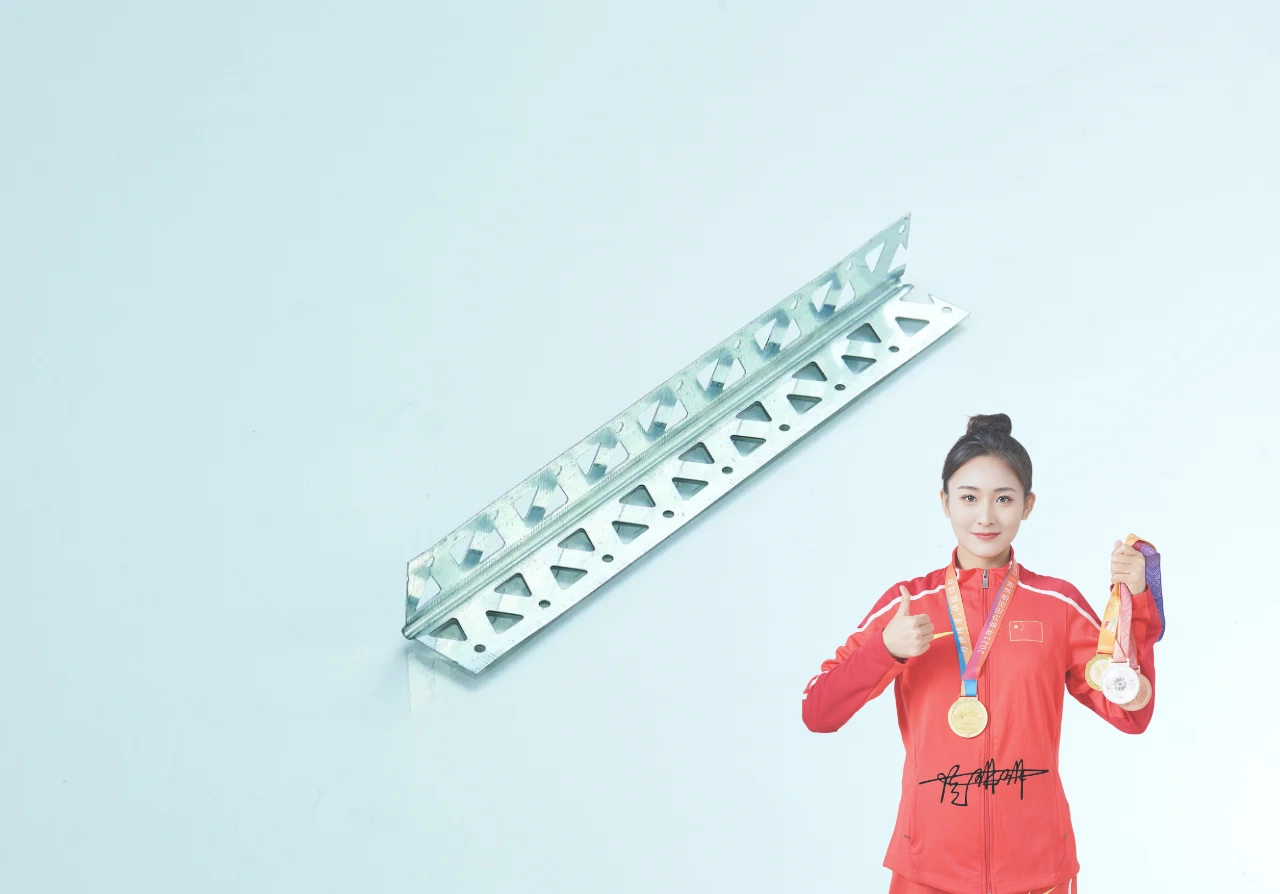
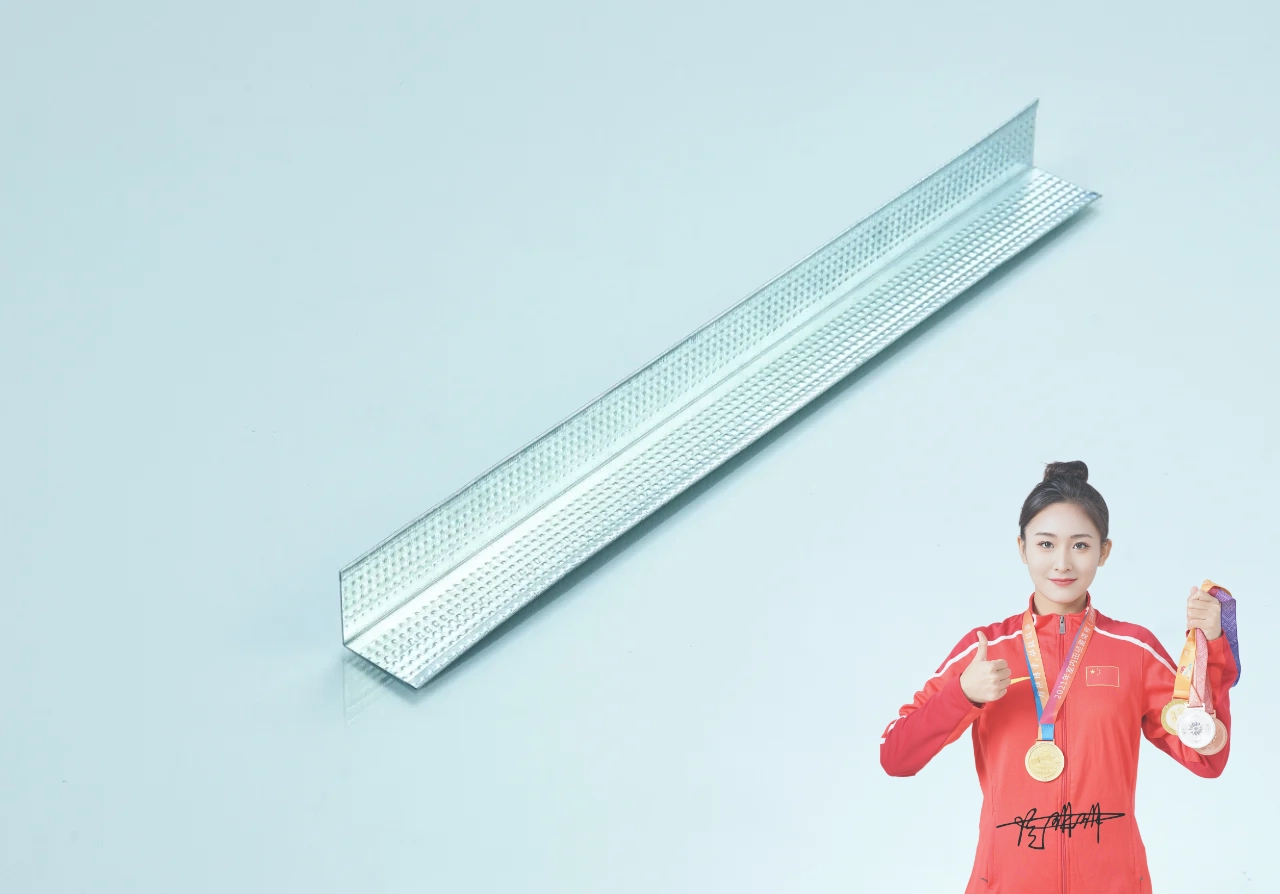
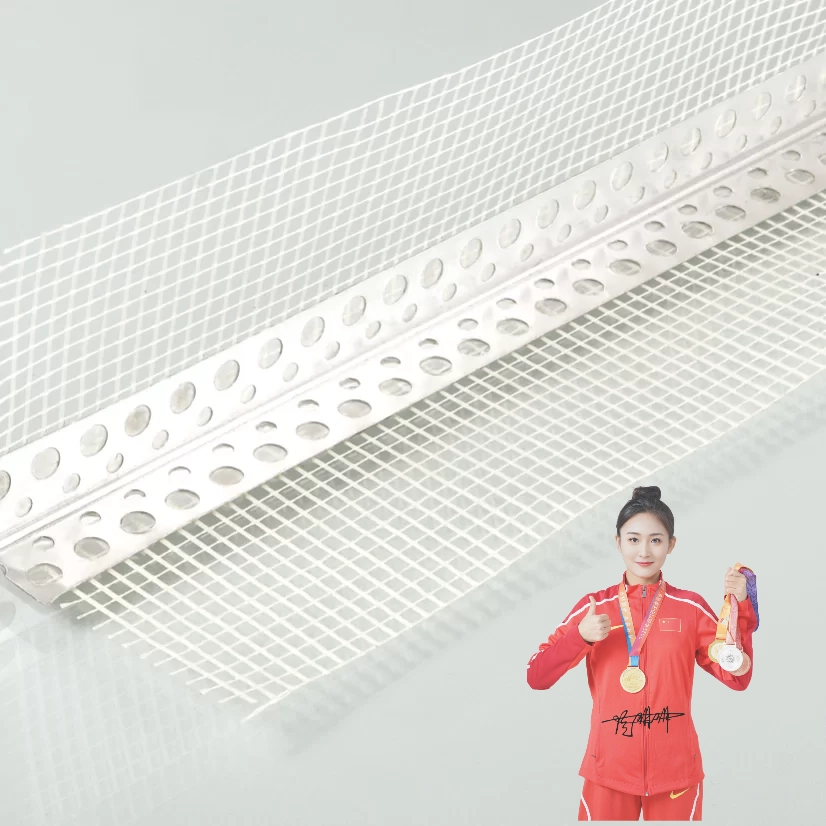
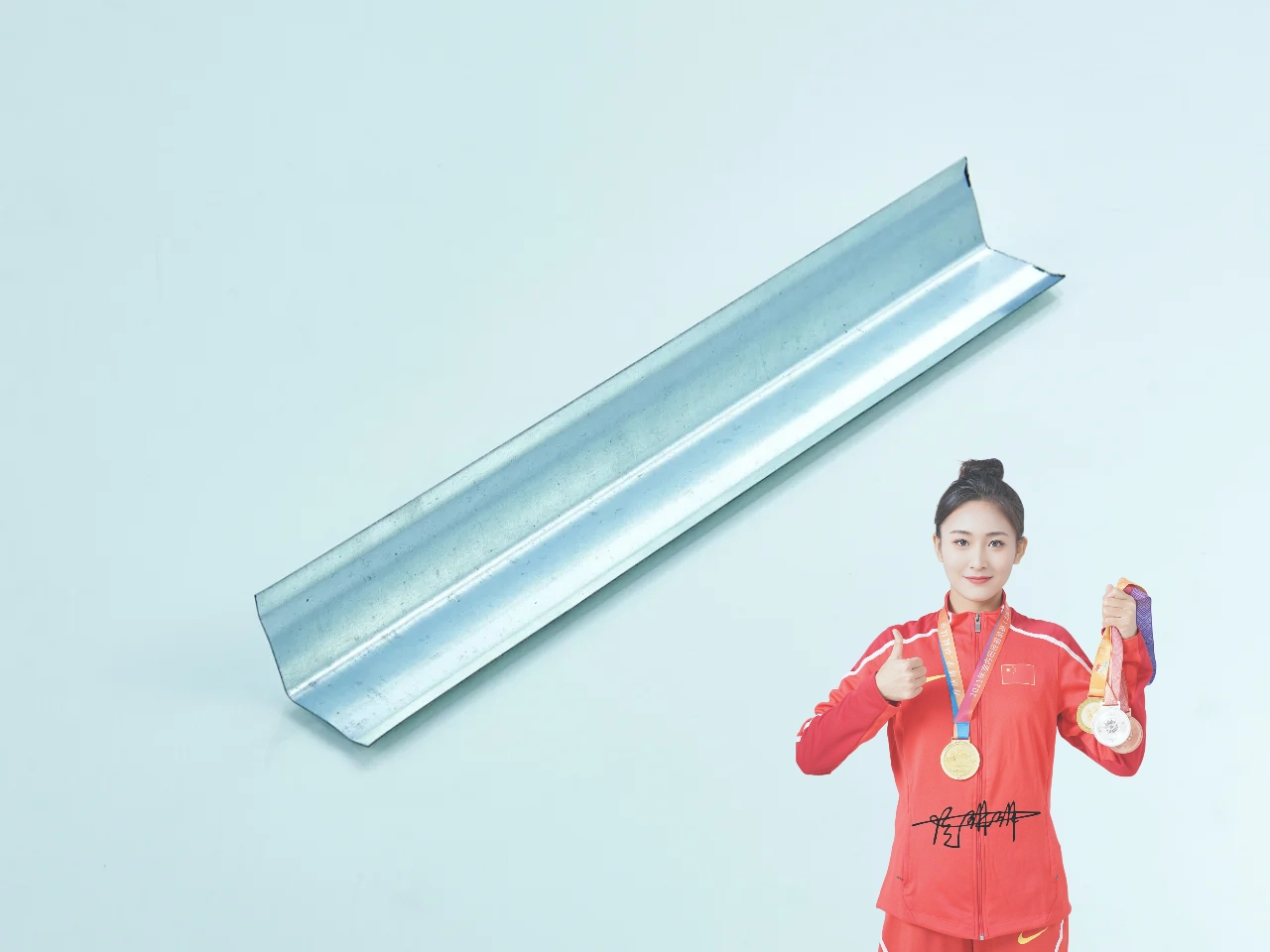
Understanding 2 Coat PVC Angle Bead: The Backbone of Modern Finishes
If you’re involved in construction or drywall finishing—even if just a little—you've probably heard about 2 coat PVC angle bead. But why does it matter so much in the building industry worldwide? Frankly, this simple strip of PVC with two coat capability has quietly become a game changer for protecting corners and edges, ensuring durability and a clean aesthetic that can last decades. Globally, as urbanization surges and infrastructure projects continue to expand, solutions like these angle beads are more critical than ever. They reduce maintenance headaches, enhance safety, and improve the lifespan of surfaces, making them a small yet essential detail in large-scale construction trends.
We'll explore what 2 coat PVC angle bead is, why it's increasingly favored worldwide, and how it fits into the bigger picture of construction innovation.
Global Context: Why Does 2 Coat PVC Angle Bead Matter?
The global construction market is expected to reach over $12 trillion by 2030, with a significant portion of that growth focused on sustainable, durable materials that meet modern building codes and environmental standards (source: World Bank, UN Habitat). Oddly enough, corners and edges often suffer the most damage in walls and ceilings — especially in busy commercial or high-traffic residential spaces. The 2 coat PVC angle bead directly addresses this weak point. Providing protection against cracks, chips, and water damage, it helps builders reduce rework costs and achieves higher quality ratings on finishing touches.
Put simply, as urban environments become more demanding and sustainability concerns heighten, using reliable finishing components like this material isn’t just an option; it’s rapidly becoming standard practice.
Definition & Meaning: What Exactly is 2 Coat PVC Angle Bead?
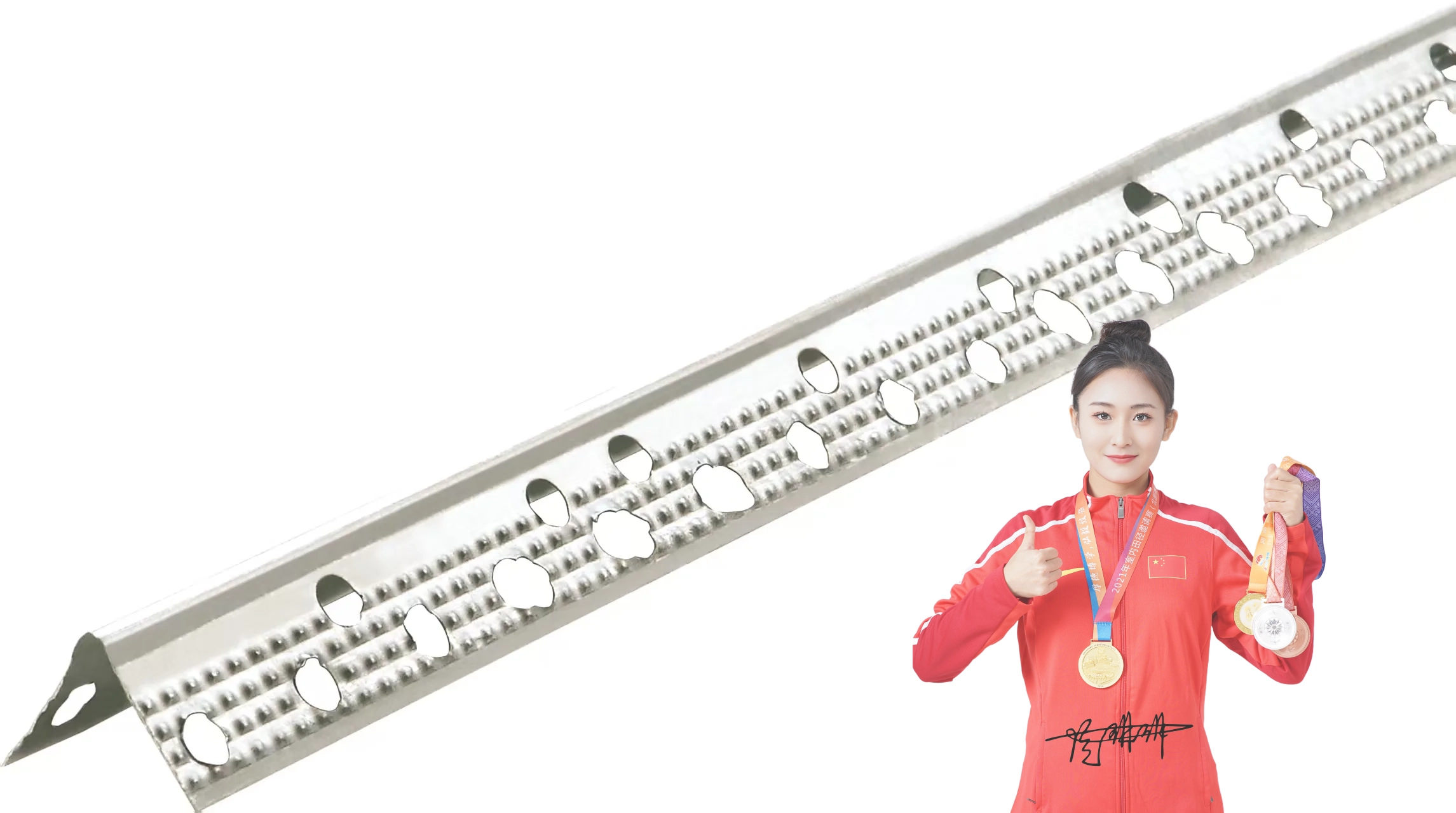
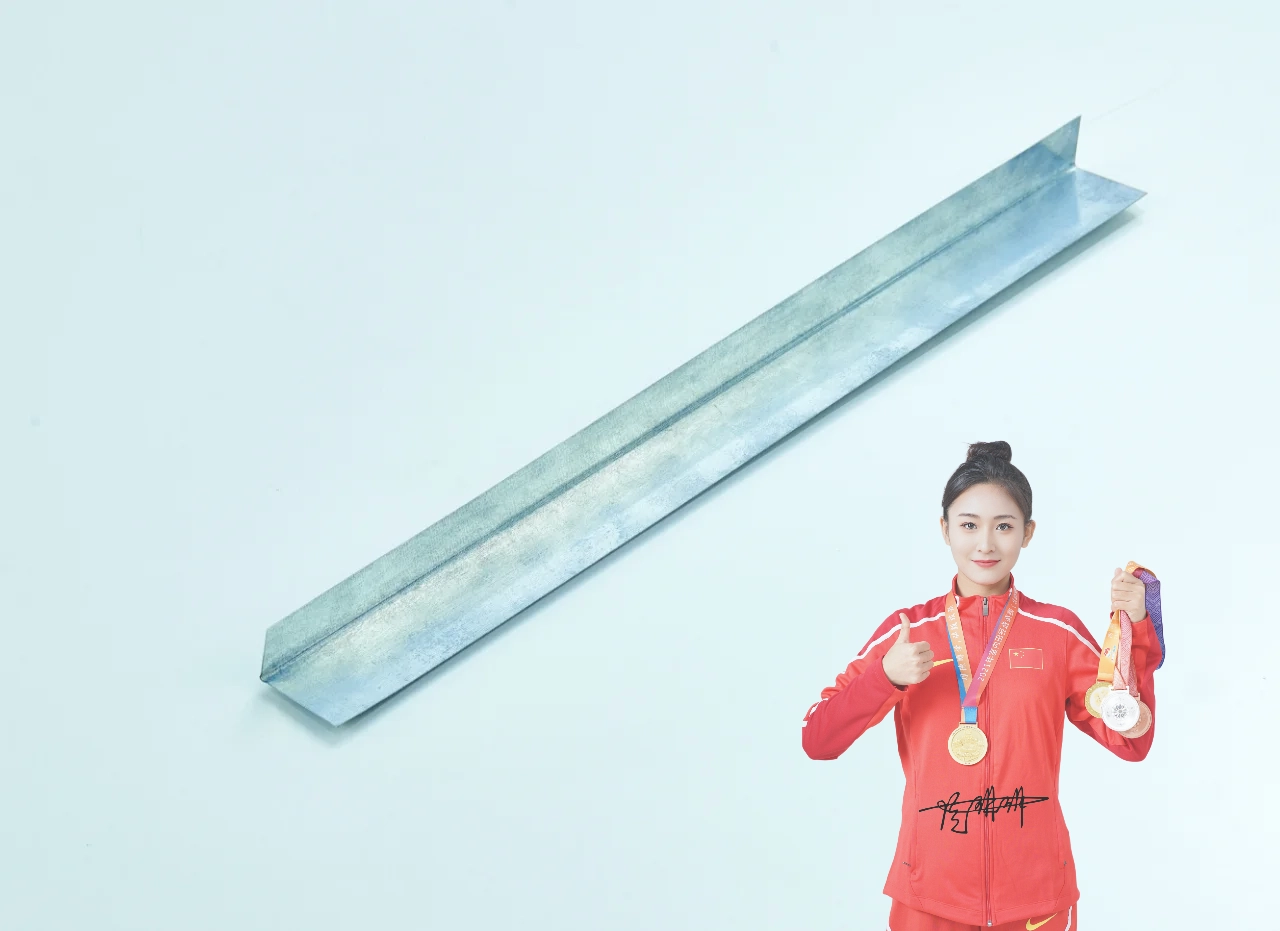
At its core, a 2 coat PVC angle bead is an angled strip made from durable polyvinyl chloride (PVC) designed for drywall and plaster corner reinforcement. The “2 coat” refers to its suitability for two layers of plaster or finishing compound, which helps it blend seamlessly into the wall structure, delivering both protection and a smooth, uniform appearance.
This product helps modern builders meet stringent finishing standards for walls in everything from residential apartments to humanitarian relief shelters. Its waterproof and corrosion-resistant properties mean it can even be used in humid environments or places prone to wear.
Key Factors of 2 Coat PVC Angle Bead
Durability
The PVC material chosen is impact-resistant and not prone to rust like metal beads, so it tends to absorb knocks and bumps without cracking—a major plus in high-use areas.
Ease of Installation
Lightweight and flexible, these beads are straightforward to cut and affix, saving labor time on-site. Many contractors appreciate how quickly a corner can go from bare to bead-covered and ready for plaster.
Cost Efficiency
While slightly pricier than basic metal corner beads, the reduction in repairs and less downtime makes 2 coat PVC beads more cost-effective in the long run.
Moisture Resistance
Being PVC, it naturally resists water, helping prevent mold growth in corners and edges, which is crucial in tropical regions or bathrooms.
Environmental Sustainability
Oddly, the long lifespan reduces waste, and some brands now use recycled PVC, contributing to greener building practices.
Mini takeaway: These factors combine to offer superior corner protection suited for modern demands in diverse construction environments.
Product Specifications: Typical 2 Coat PVC Angle Bead Features
| Feature | Specification |
|---|
| Material | Polyvinyl Chloride (PVC) |
| Dimensions | Typically 10mm x 10mm x 3m length |
| Coating | Two-layer plaster compatibility |
| Color options | White (standard), also available in gray or customizable |
| Resistance | Waterproof, corrosion-proof |
Global Applications & Use Cases
From high-rise buildings in Dubai to disaster relief shelters in Southeast Asia, the 2 coat PVC angle bead finds countless uses:
Residential high-rises: Protecting drywall corners from wear in busy family homes.
Commercial offices: Ensuring crisp finishes in corporate buildings where aesthetics matter.
Humanitarian shelters: Providing durable, quick-install corner protection in temporary housing after natural disasters.
Educational Institutions: Schools and universities benefit from long-lasting finishes with minimal maintenance.
For instance, in post-disaster operations, rapid dry settings combined with long-lasting corner beads reduce time and costs significantly. It’s also widely used in tropical areas due to its resistance to high humidity and mold.
Vendor Comparison: Popular 2 Coat PVC Angle Beads
| Vendor | Material Quality | Price (per meter) | Eco-friendliness | Lead Time |
|---|
| CornerBead Mfr | High-grade PVC with UV inhibitor | $1.20 | Recycled PVC used partially | 3-5 days |
| BuildRight Supplies | Standard PVC blend | $0.95 | No eco-friendly claims | 7-10 days |
| EcoEdge Products | Recycled PVC, biodegradable additives | $1.50 | Highly eco-conscious | 5-7 days |
Advantages & Long-Term Value
Choosing the right 2 coat PVC angle bead isn’t just about aesthetics — it has practical, long-term advantages:
Cost Savings: Fewer repairs and repainting cycles mean money saved over a building’s life.
Sustainability: Resistance to moisture and corrosion limits environmental damage and waste.
Safety and Comfort: Clean, defect-free corners reduce injury risk and boost occupant satisfaction.
Innovation: Many modern beads incorporate UV stabilizers and recycled materials, aligning with eco-conscious trends.
Emotionally, a well-finished corner instills pride and trust — it reflects attention to detail and quality, especially in commercial spaces.
Future Trends & Innovations
The industry is actively experimenting with bio-based PVC alternatives and increased recyclability. Also, smart coatings that can self-heal minor scratches or monitor wear will likely emerge. Automation in bead cutting and installation is starting to pick up, promising faster, less error-prone builds. Digital tools help architects specify exact materials tailored to climate zones, improving overall building longevity.
Challenges & Solutions
A few hurdles persist: improper installation can lead to peeling or cracking; cheaper PVC beads may degrade faster under UV exposure; and supply chain delays sometimes complicate timely delivery. However, training initiatives and quality certifications (ISO 9001 standards, for instance) increasingly mitigate these risks. Plus, partnerships with specialized vendors ensure consistent material quality.
Frequently Asked Questions About 2 Coat PVC Angle Bead
Q: Can 2 coat PVC angle bead be painted over without cracking?
A: Yes, when properly installed with compatible plaster layers, it can be painted. The flexibility of PVC helps prevent cracking under normal conditions.
Q: How long does 2 coat PVC angle bead last in moist or humid environments?
A: With its water-resistant properties, it typically lasts 10+ years without deterioration, especially if paired with proper finishing and maintenance.
Q: Is it difficult to cut and shape PVC angle bead on site?
A: Not at all. Most users find it easy to trim with standard tools like tin snips or utility knives, making it adaptable for various corner sizes.
Q: Can I use 2 coat PVC angle bead outdoors?
A: Generally, yes, but look for beads with UV stabilizers to avoid brittleness from prolonged sun exposure.
Q: Are there eco-friendly 2 coat PVC angle bead options available?
A: Yes, some manufacturers offer recycled or bio-based PVC products that reduce environmental impact—though they may come at a higher cost.
Conclusion
The humble 2 coat PVC angle bead is more than just a strip of plastic; it represents a smart, practical approach to building finishing that saves money, supports sustainability, and enhances safety. It’s no surprise it’s seeing growing adoption across the globe for both commercial and humanitarian projects. For those looking to specify or purchase, visit 2 coat pvc angle bead suppliers to find premium options that fit your project needs.
Reflecting on all this, it feels like the best construction innovations sometimes come not from the flashy new tech but from these well-engineered, quietly effective pieces of everyday infrastructure.
1. World Bank, Global Construction Outlook.
2. ISO 9001 Quality Management Systems Standard.
3. UN Habitat, Sustainable Building Initiatives.