Understanding Bead Corner Drywall: Its Role and Relevance Today
Bead corner drywall might not be the most glamorous part of construction, yet it’s one of those humble heroes that keeps buildings safe, clean, and elegantly finished. You know, when you wander through a newly built office or your cozy home, those crisp, straight lines at the corners? That’s bead corner drywall at work. Globally, as cities expand and infrastructure projects surge, especially under pressures of rapid urbanization and reconstruction, understanding bead corner drywall is surprisingly crucial. It not only provides durability and aesthetics but also impacts the speed and quality of construction on a large scale.
Frankly, the silent strength of bead corner drywall in shaping comfortable, safe spaces is underestimated, but its importance is growing. From skyscrapers in Asia to humanitarian shelters in Africa, it’s a small detail that helps big projects succeed.
Introduction: The Global Scope of Bead Corner Drywall
In a world where construction demand is forecasted to grow at an average of 3-5% annually (according to the World Bank), efficient building materials are more relevant than ever. Bead corner drywall addresses a very practical issue: protecting drywall edges from damage while improving overall wall corner aesthetics. It’s a topic that touches urban development, affordable housing, and disaster relief construction efforts alike.
Interestingly enough, the International Organization for Standardization (ISO) highlights the structural integrity and safety of corner beads as key for long-lasting interiors, especially in seismic zones or high-traffic areas.
One of the ongoing challenges is balancing durability with cost-efficiency — nobody wants corners chipping off six months after installation. Bead corner drywall provides a solution that’s at once simple, effective, and adaptable.
Defining Bead Corner Drywall
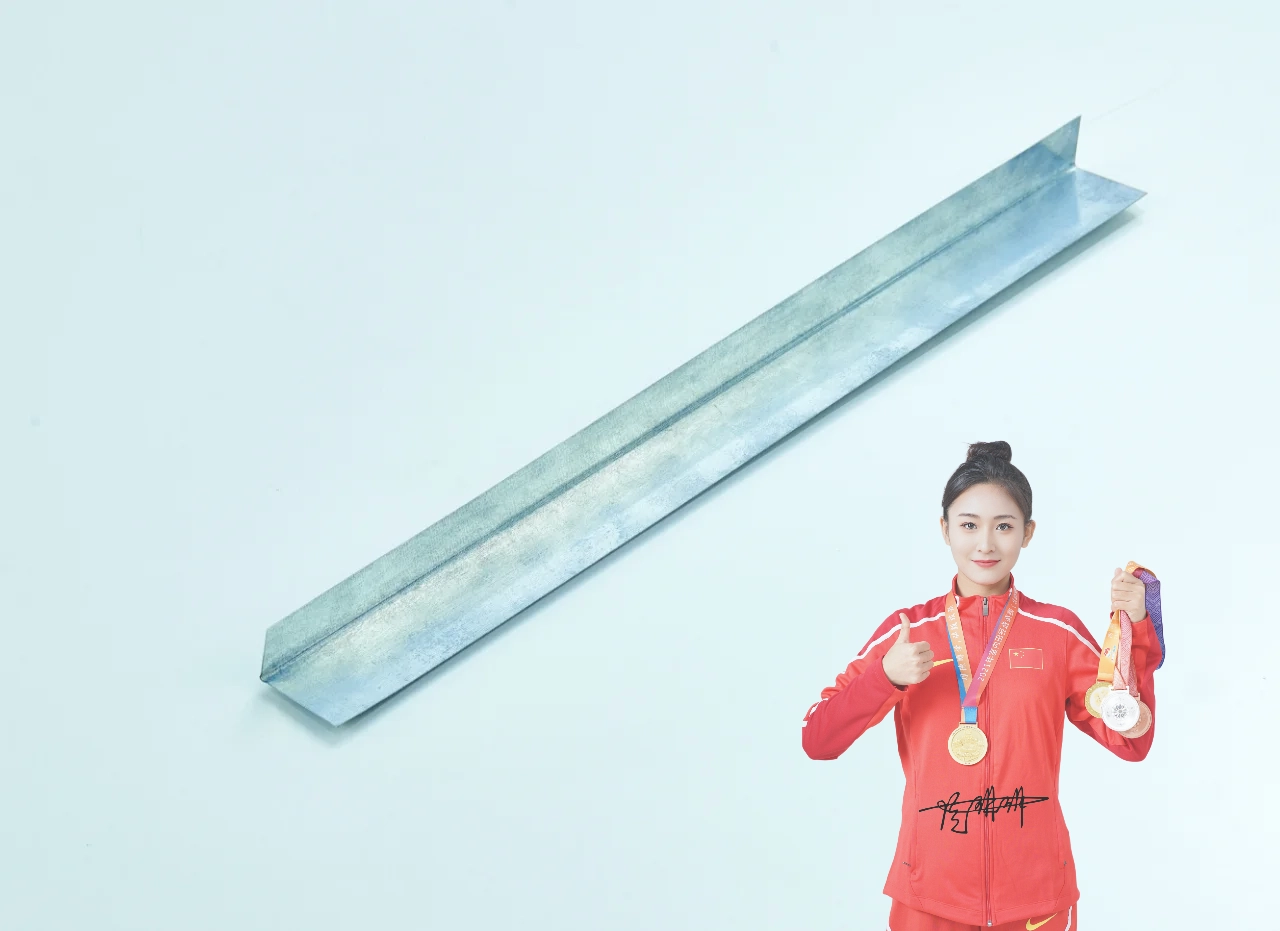
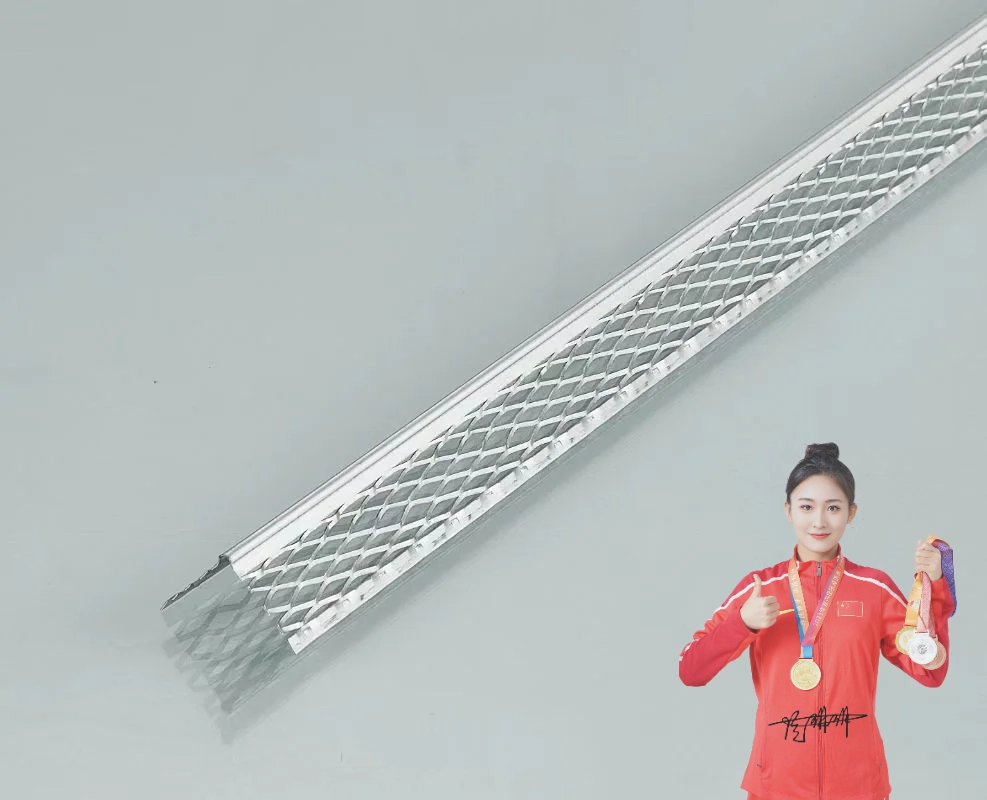
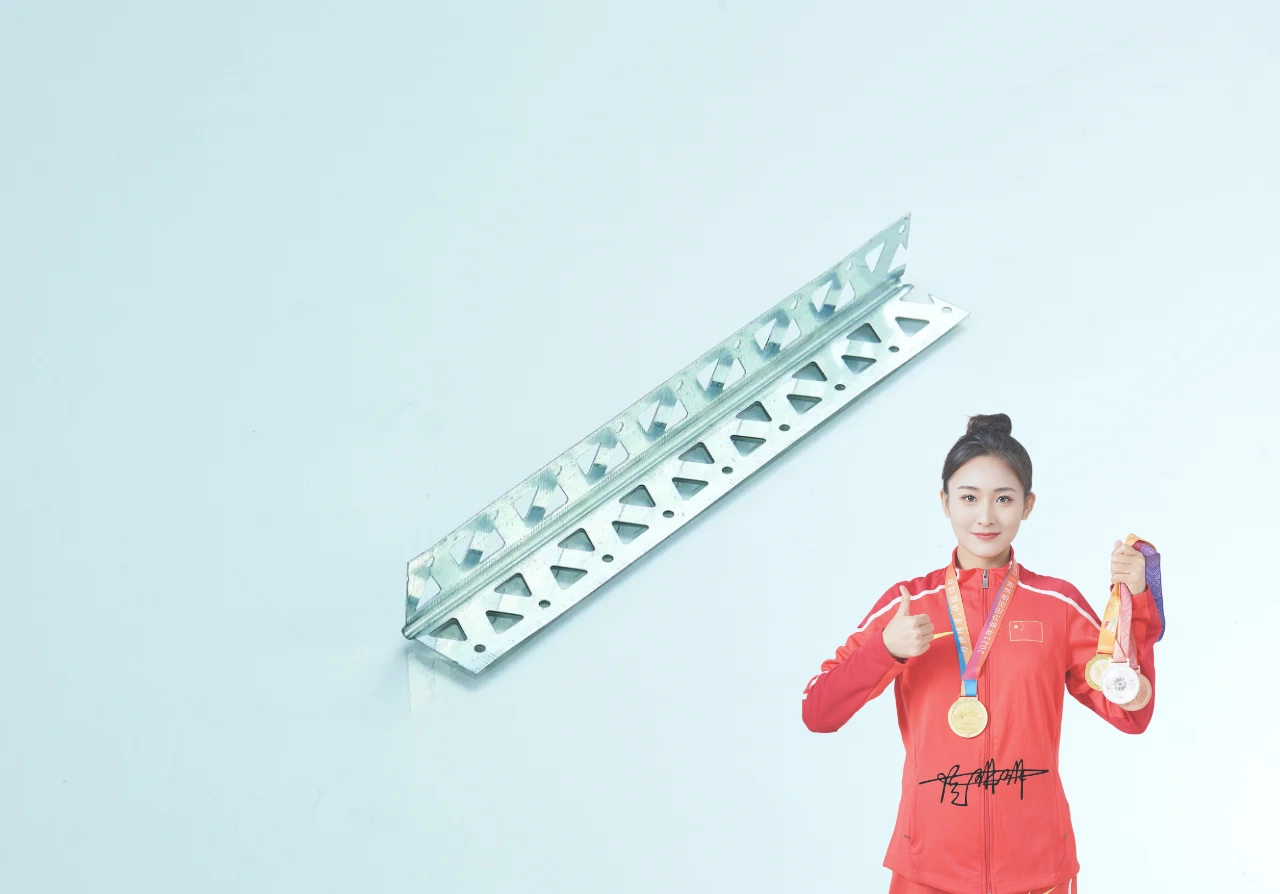
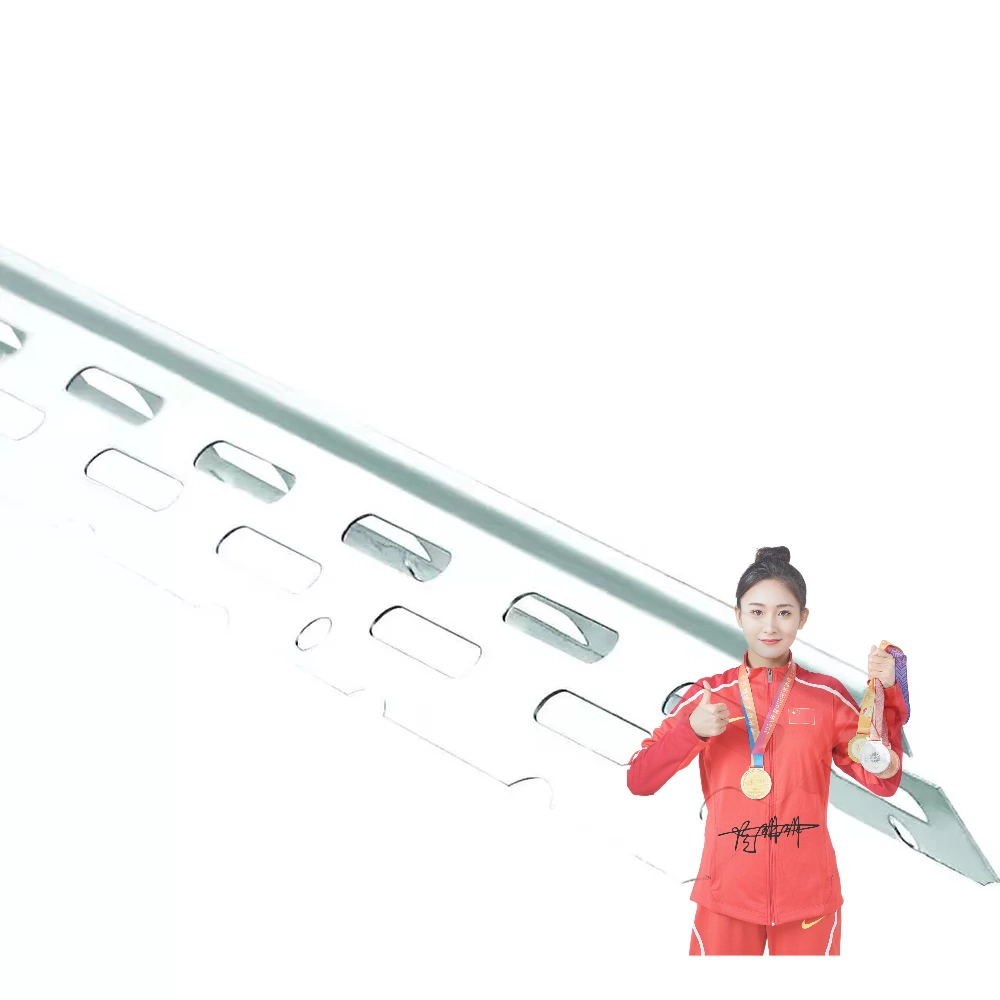
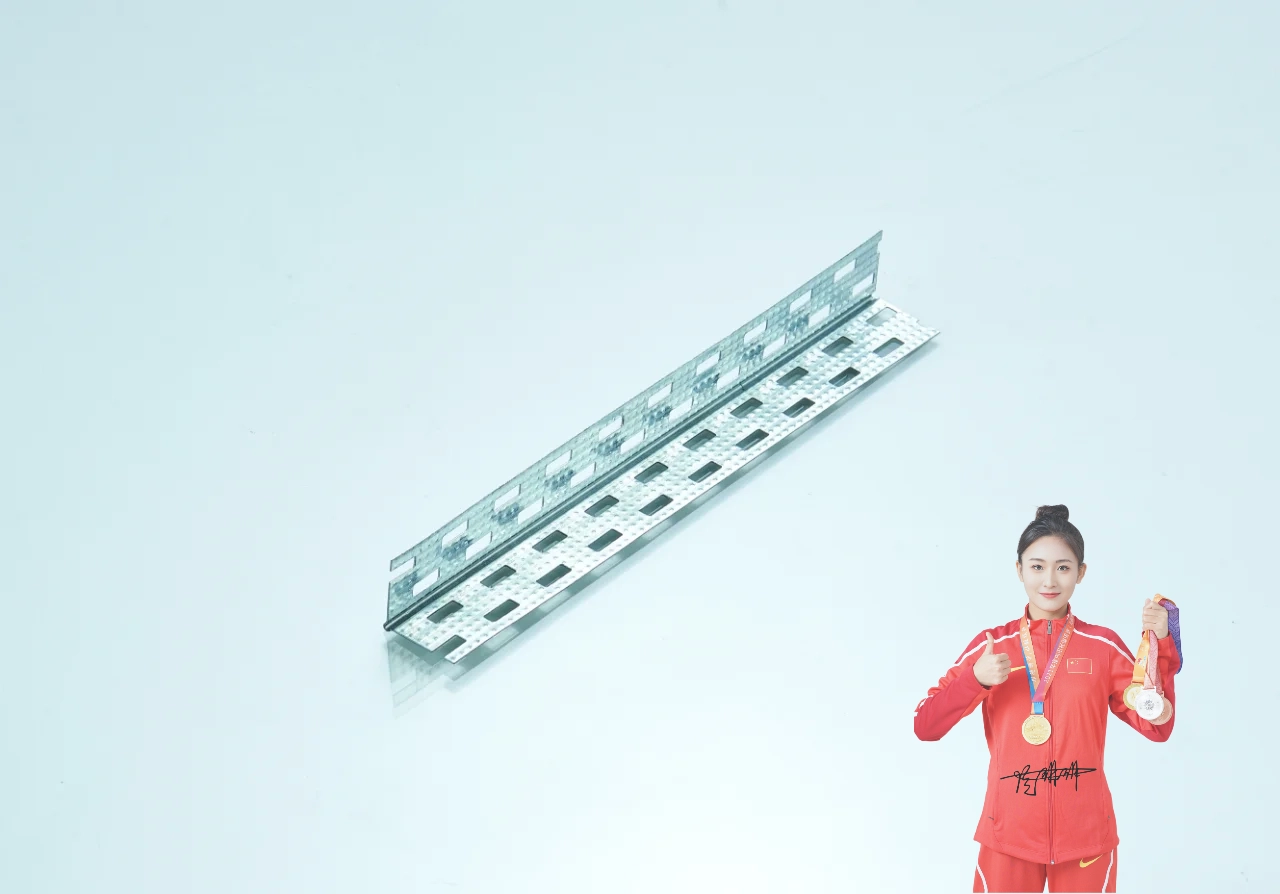
So, what exactly is bead corner drywall? At its essence, it’s a metal or vinyl strip installed at drywall corners to reinforce and protect sharp edges. These strips—often called corner beads—create a clean, straight edge that's resistant to knocks, wear, and the inevitable bumps in everyday use.
More than aesthetic flair, bead corner drywall improves structural resilience of walls, a key in industrial buildings or quickly built relief housing. It also embodies practical efficiency, saving time and costs during finishing and reducing repair needs over time.
Core Components and Features of Bead Corner Drywall
Durability: Most corner beads are made from galvanized steel or PVC vinyl, materials chosen for resistance to rust, moisture, and impact damage.
Ease of Application: Designed for quick installation, often using screws, nails, or adhesive—contributing to faster project completion.
Cost Efficiency: The materials themselves are affordable, and by preventing corner damage, they reduce maintenance costs.
Aesthetic Finish: They help achieve sharp, professional-looking edges that make interiors visually appealing.
Customization: Available in various profiles (L-shaped, bullnose, rounded), enabling tailored applications.
Environmental Resistance: Especially in vinyl versions, resistance to corrosion and moisture improves performance in humid or coastal environments.
Mini takeaway: The multifaceted nature of bead corner drywall makes it a practical choice for a broad range of building demands, balancing strength, beauty, and budget.
Product Specifications: Common Bead Corner Drywall Types
| Type | Material | Profile | Length | Typical Use |
|---|
| Galvanized Steel Bead | Steel with zinc coating | L-Shaped | 8 ft (2.44m) | Commercial & residential walls |
| Vinyl Corner Bead | PVC with nails or adhesive | Bullnose (rounded corners) | 8 ft (2.44m) | Interior finishes needing softer edges |
| Paper Faced Metal Bead | Steel strip with paper flange | L-Shaped | 8 ft (2.44m) | Fire-rated walls and high moisture areas |
Global Applications & Use Cases
Bead corner drywall finds its place in everything from luxury high-rise condos in Dubai to emergency shelters in Southeast Asia. In fact, its adaptability makes it a go-to for NGOs working in disaster zones—where speed, durability, and cost matter a lot. For example, rapid response housing projects in earthquake-prone regions rely on steel corner beads to ensure walls stay intact despite constant shocks.
Meanwhile, in remote industrial zones—think mining camps or oil rigs—the vinyl type often takes precedence due to its corrosion resistance in humid, salty environments. Governments in Europe and North America select these beads specifically to meet strict building codes and achieve sustainable construction certifications.
Bead corner drywall manufacturers worldwide tailor their products to these diverse needs, offering specialized options depending on climate, building type, and budget.
Mini takeaway: The global footprint of bead corner drywall is impressive, enabling safer, more reliable buildings across climates and industries.
Advantages and Long-Term Value
Cost Savings: Preventing damage reduces repair and repainting costs over a building’s lifetime.
Sustainability: Many corner beads are recyclable, and their durability reduces waste from repeated repairs.
Safety and Comfort: Rounded vinyl beads reduce injury risk and give a softer appearance in homes and schools.
Professional Finish: Crisp edges lend an air of quality that helps property values.
Innovation: Some modern beads integrate with insulation and vapor barriers to boost wall performance.
Ultimately, these advantages contribute to a sense of trust between builders and tenants or owners. After all, a building that looks after its small corners is more likely to look after everything else in the long run.
Vendor Comparison Table: Popular Bead Corner Drywall Suppliers
| Supplier | Materials Offered | Global Reach | Custom Profiles | Sustainability Certifications |
|---|
| CornerBead Co. | Steel, Vinyl, Paper Faced | North America, Europe | Yes | ISO 14001 |
| BuildEdge Global | Steel, Vinyl | Asia, Africa, Americas | Limited | None |
| EasyCorner Supplies | Vinyl, Plastic Composite | Europe, Australia | Yes | LEED Compliant |
Future Trends and Innovations in Bead Corner Drywall
Looking ahead, the bead corner drywall industry is quietly embracing innovations you might not immediately notice. For one, biodegradable and recycled PVC materials are growing in use, answering global sustainability demands. Then there’s digital manufacturing—automated cutting and 3D profiling lead to bespoke corner beads that fit complex architectural designs precisely.
Additionally, integration with smart building materials—like moisture sensors within drywall—could soon mean corner beads that alert managers to leaks or structural issues early. It sounds a bit like sci-fi, but environmental responsibility combined with technology is really pushing the market forward.
Challenges and Practical Solutions
Still, bead corner drywall isn’t without its hurdles. For starters, installation errors—like improper fastening or poor mud application—can ruin even the best-quality bead. Plus, in very humid or salty environments, even galvanized steel may corrode over years if not properly treated.
Experts recommend using vinyl or stainless steel variants in such cases, and training installers thoroughly. Innovations such as snap-on beads that don’t require nails or screws are also gaining traction, mitigating common mistakes.
In short: the product is only as good as the application and environment considerations around it.
FAQ: Common Questions about Bead Corner Drywall
What is the best material for bead corner drywall in humid environments?
Vinyl or stainless steel beads are generally recommended because they resist corrosion and moisture damage better than standard galvanized steel.
How do corner beads improve the durability of drywall?
They reinforce the edges, protecting them against impact and wear, which reduces cracks, chips, and the need for frequent repairs.
Can I install bead corner drywall myself?
While homeowner installation is possible, professional installation ensures proper fastening and mudding, leading to better longevity and finish quality.
Are vinyl bead corner drywall options eco-friendly?
Some vinyl beads are made from recycled PVC and are recyclable themselves, but always check with vendors for specific environmental certifications.
How do I select the right corner bead for my project?
Factors include wall usage, exposure to moisture, desired corner profile (sharp vs. bullnose), and budget. Consulting with product experts helps match your needs.
Conclusion
To wrap it up, bead corner drywall is far more than a minor detail—it's a cornerstone of reliable, appealing architecture worldwide. Its benefits ripple through cost savings, sustainability, aesthetics, and safety, making it a smart choice for projects big or small. As construction trends lean heavily on efficiency and resilience, this humble product quietly plays an outsized role.
If you want to explore top quality options and learn more about durable corner solutions, be sure to visit our site: https://www.cornerbeadmfr.com.
Oddly enough, sometimes it really is the smallest parts of construction that build the biggest trust.
References:
World Bank Urban Development Reports
ISO – Building Materials Standards
Wikipedia – Drywall