What Makes a Drywall External Corner Essential?
Having spent over a decade in the industrial equipment world—often around drywall installation and finishing—I've seen firsthand the small details make or break a job. Drywall external corners are one of those details that get less attention than they deserve, honestly. People focus on drywall sheets, tape, and mud, but the corners? Their job is deceptively important.
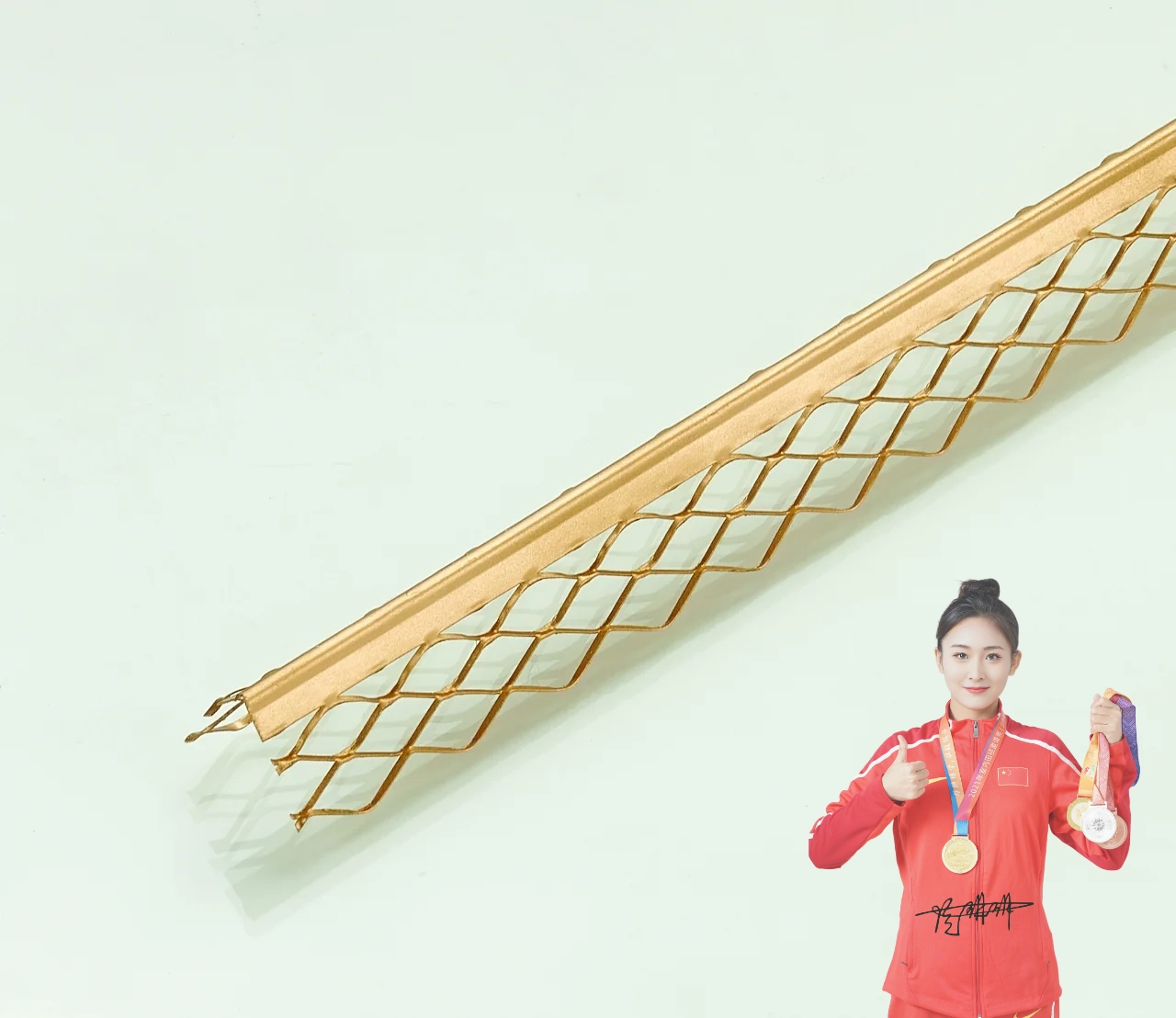
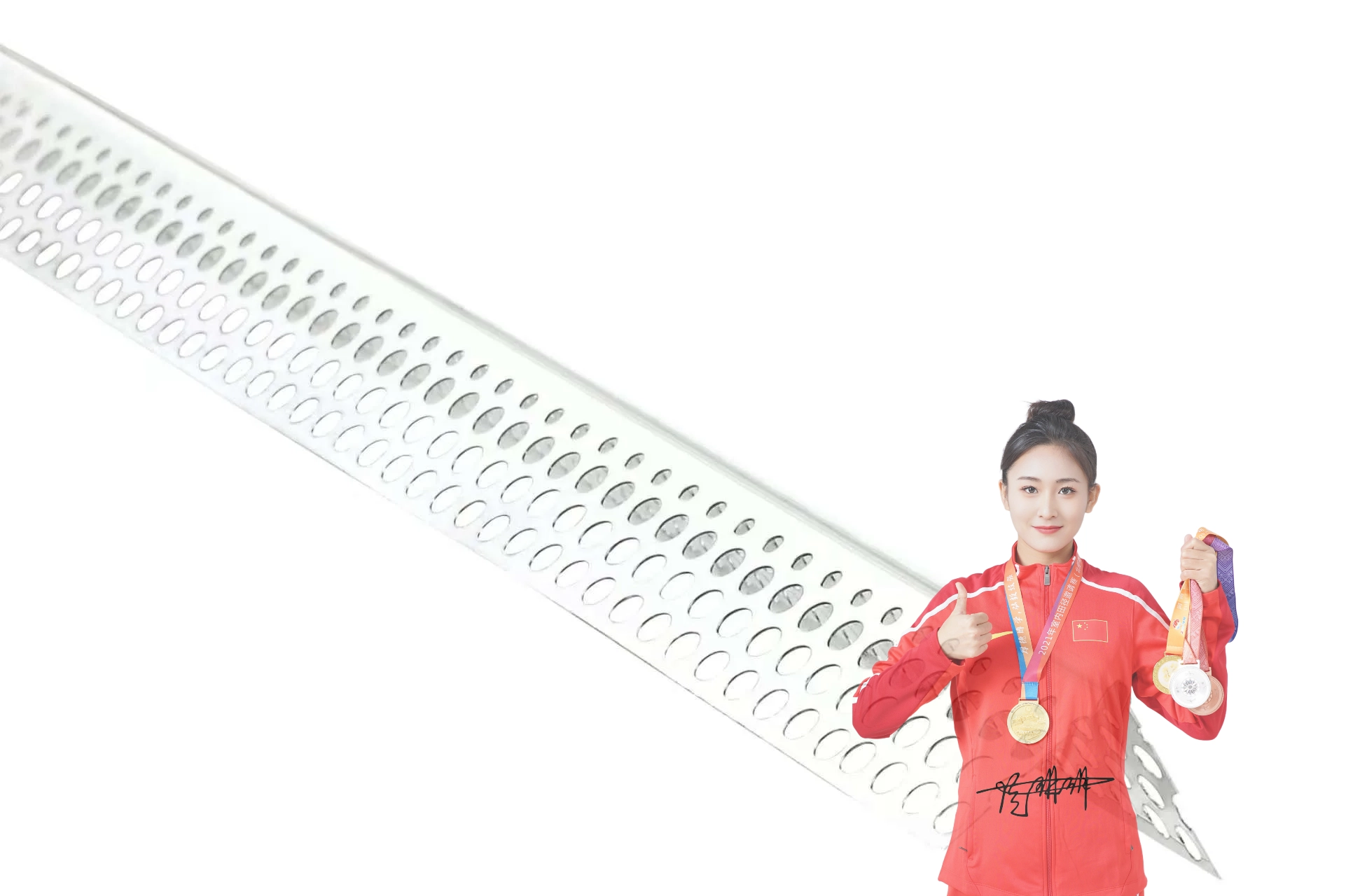
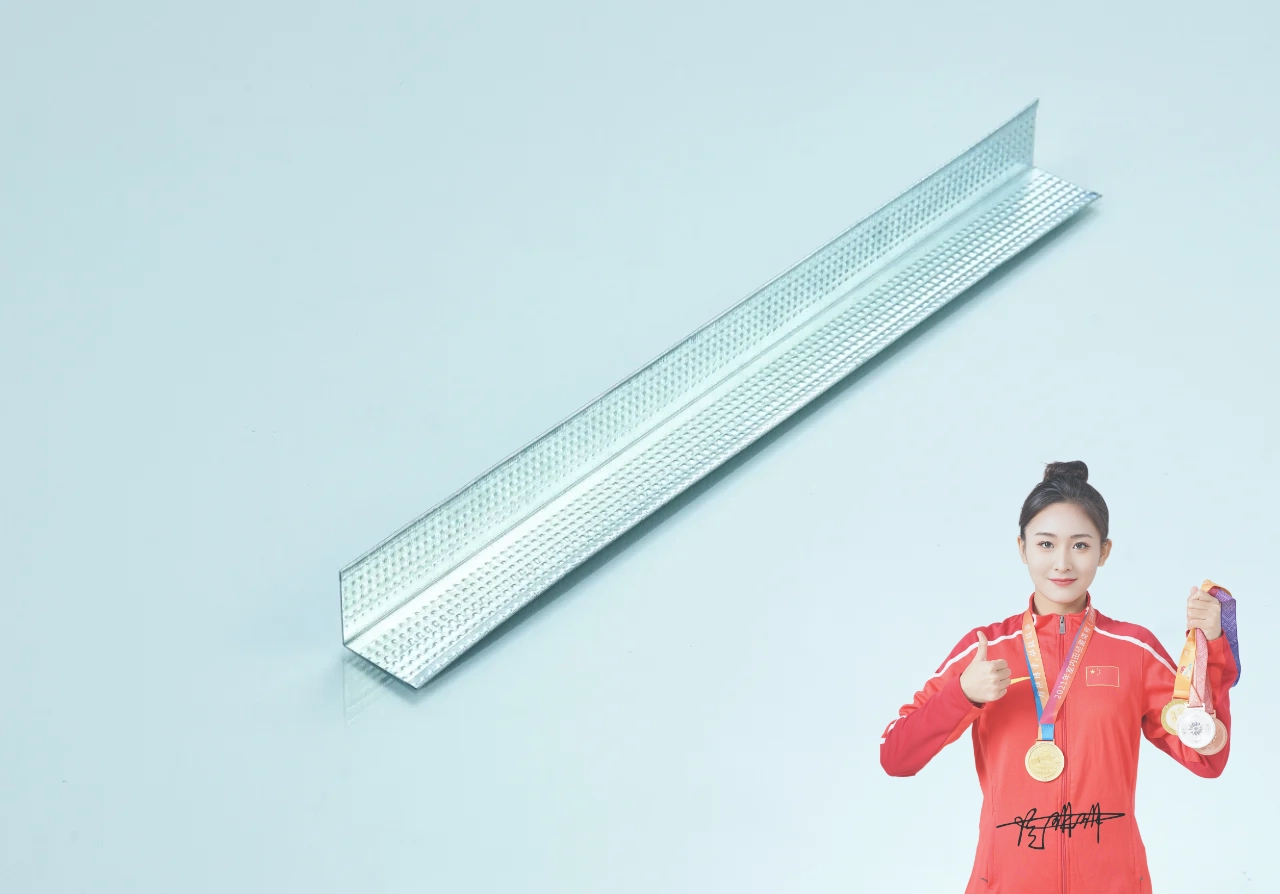
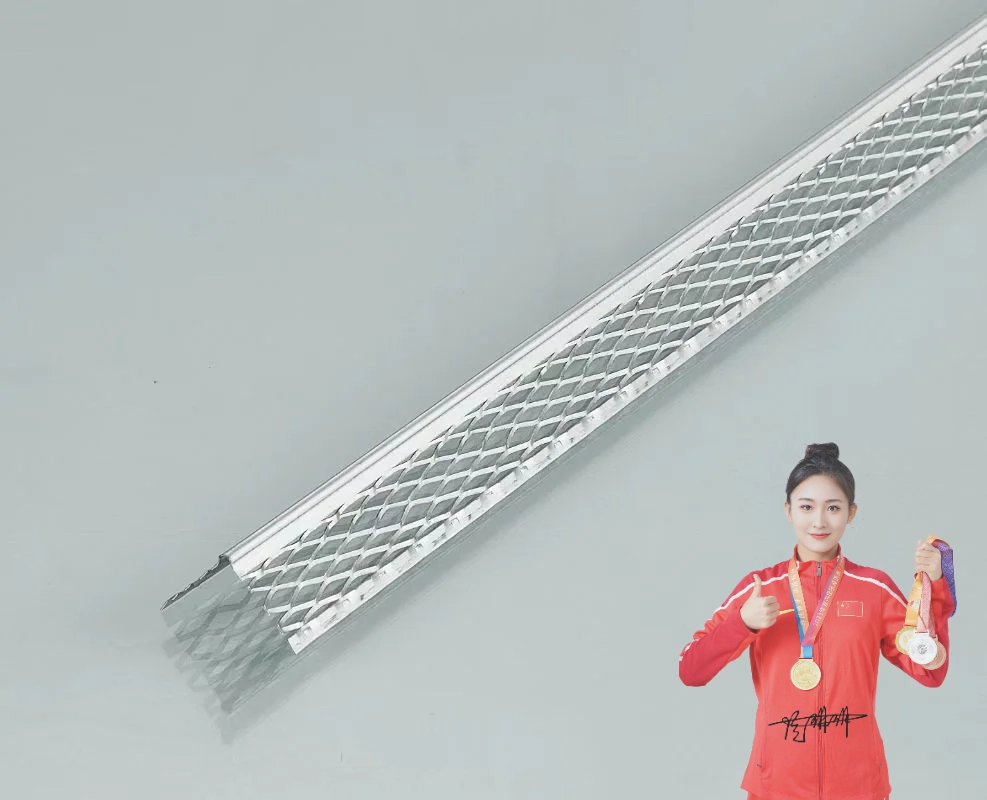
To cut a long story short: external corners protect corners from damage, provide crisp lines, and overall just improve the look and longevity of a finished wall. In real terms, they can save contractors a lot of callbacks and property managers some headaches. The drywall corner bead, often metal or vinyl, acts as armor for those edges that catch all the knocks and scuffs around busy rooms.
Back when I was on site in Chicago, I noticed a common gripe—corners that looked “okay” at first but soon chipped or cracked. The difference? Quality corner beads vs. bargain bin beads. And frankly, it felt like choosing the right corner bead was a subtle art, taking into account material, installation ease, and environment.
Materials and Design: What’s Actually Out There?
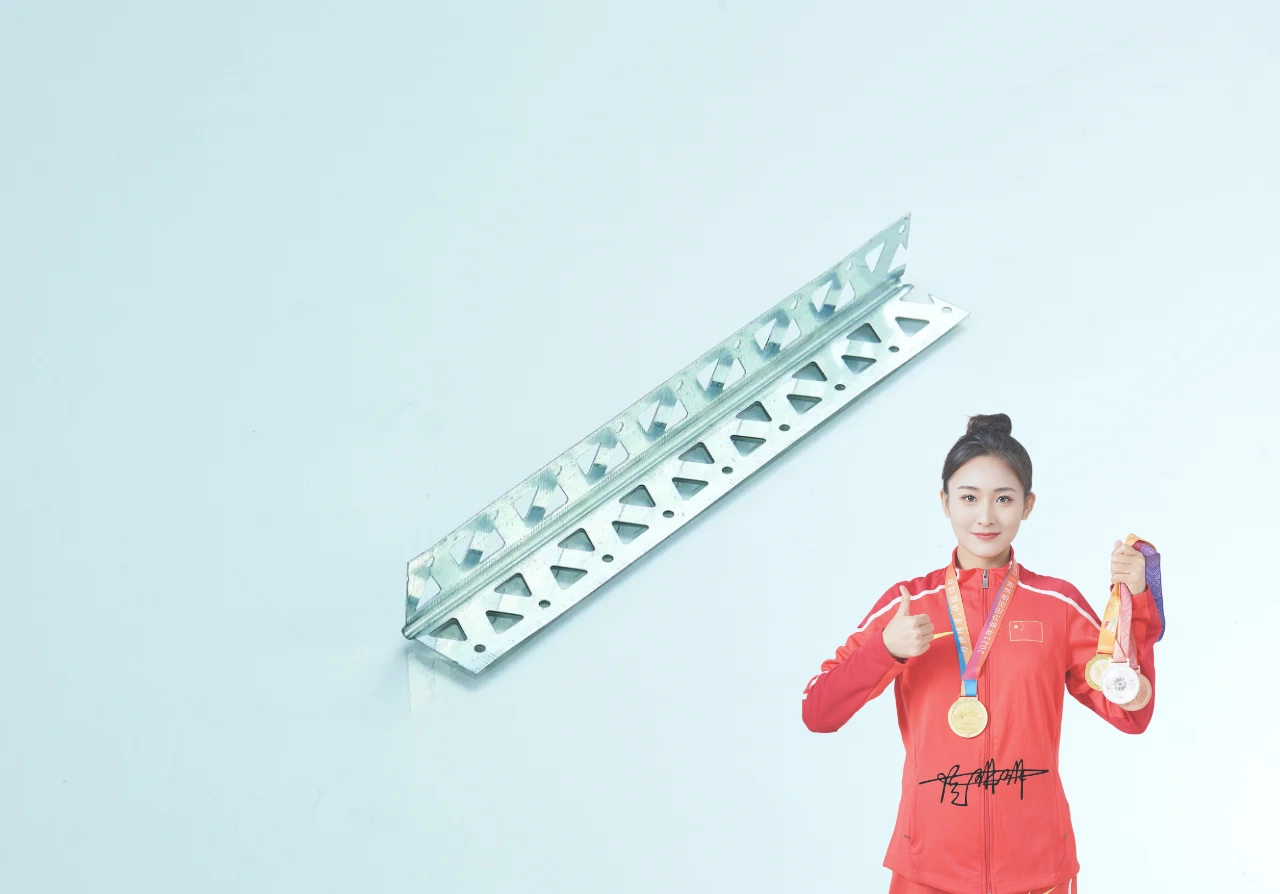
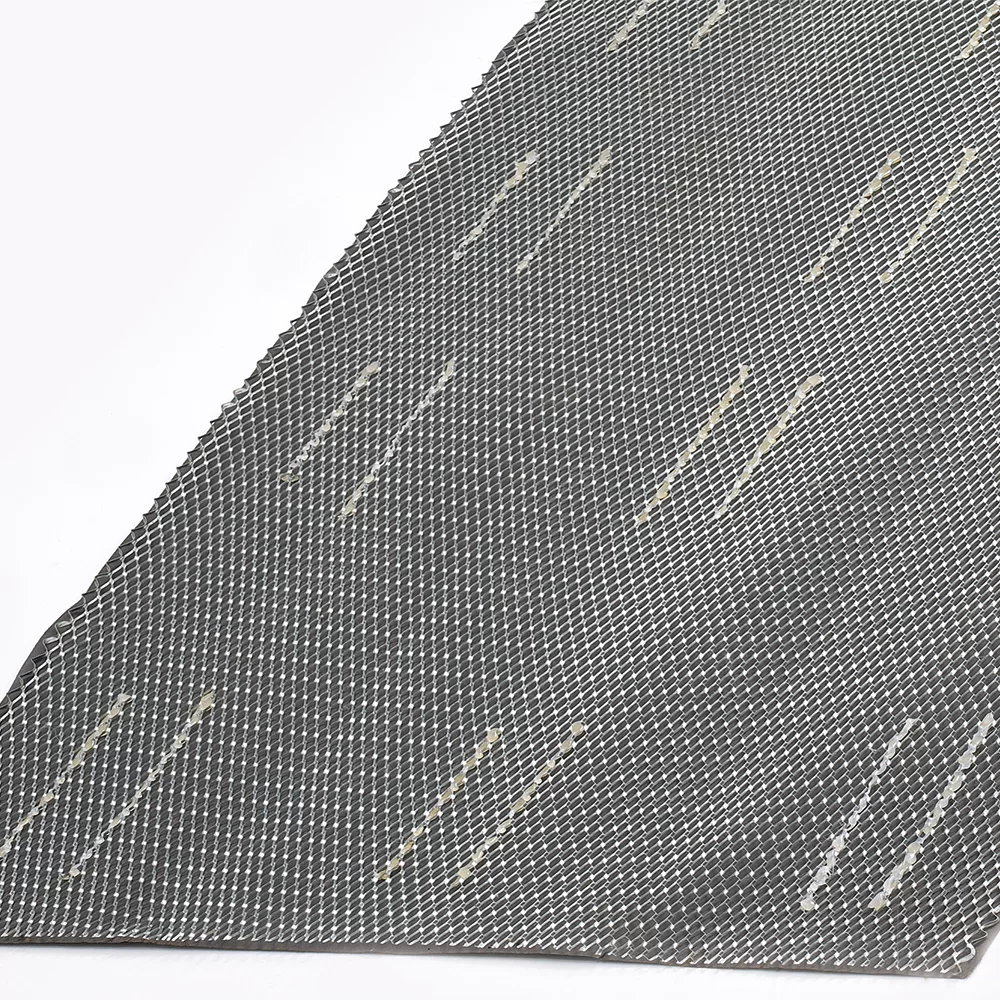
The classic is the galvanized steel corner bead—thin but rigid metal strips that hold their shape well. They're great for high-traffic areas but require careful handling to avoid sharp edges. Vinyl corner beads are lighter, flexible, and more forgiving in curved applications or rooms prone to moisture. And then, there are those specialty beads with paper facings or composite materials to aid with better mud adhesion and less cracking.
I remember a project in a humid environment where vinyl beads outperformed metal by far—no rusting, no warping—just clean crisp edges. Many engineers I talked to swear by the corrosion resistance in those scenarios.
Typical Drywall External Corner Bead Specs| Material | Thickness | Length | Finish | Typical Use Case |
|---|
| Galvanized Steel | 0.4 mm | 8 ft (244 cm) | Zinc-coated, corrosion resistant | High-traffic walls & commercial buildings |
| Vinyl | 1 mm | 10 ft (305 cm) | Smooth, paintable | Moisture-prone or curved corners |
| Paper-faced Metal | 0.35 mm metal with paper overlay | 8 ft (244 cm) | Reinforced paper for better mud adhesion | Residential walls with fine finish needs |
Picking the Right Supplier: A Vendor Snapshot
Over the years, I've worked with my fair share of corner bead suppliers. You quickly learn the nuances that separate “good enough” from “will last you a decade.” Price is often a tempting factor; however, investing a little more tends to pay off with durability and installation ease.
Drywall External Corner Bead Vendors Comparison| Vendor | Material Options | Custom Lengths | Shipping Speed | Typical Price Range (per 8 ft) |
|---|
| CornerBeadMfr | Steel, Vinyl, Paper-faced | Yes | 2-4 days (US) | $4 - $8 |
| Vendor X | Steel only | No | 5-7 days | $3 - $6 |
| Vendor Y | Vinyl only | Limited | 7-10 days | $5 - $7 |
And a quick anecdote: One contractor friend of mine swears by ordering from CornerBeadMfr. He told me he appreciates the customizable lengths, which means less waste and less grinding to fit awkward ceiling heights—something that’s oddly enough overlooked until you actually start cutting beads onsite.
The best corner bead, in my experience, isn’t just about protection, but also how it meshes with finishing compounds, ease of installation, and if it saves time on sanding and touch-ups. This kind of attention to detail, frankly, elevates the whole wall system from “meh” to professional grade.
Overall, investing in quality drywall external corners pays dividends down the line—whether for your own peace of mind or your client’s satisfaction. So next time you plan out a wall finish, keep the corner bead top-of-mind; it really makes a difference.
— A small but sharp insight from someone who’s seen walls rise and corners crack for years.
References
US Gypsum: Drywall Installation Techniques, 2023
Construction Specifier Journal, “Durability in Corner Beads,” 2022
Factory and Field Perspectives on Drywall Finishing, 2021