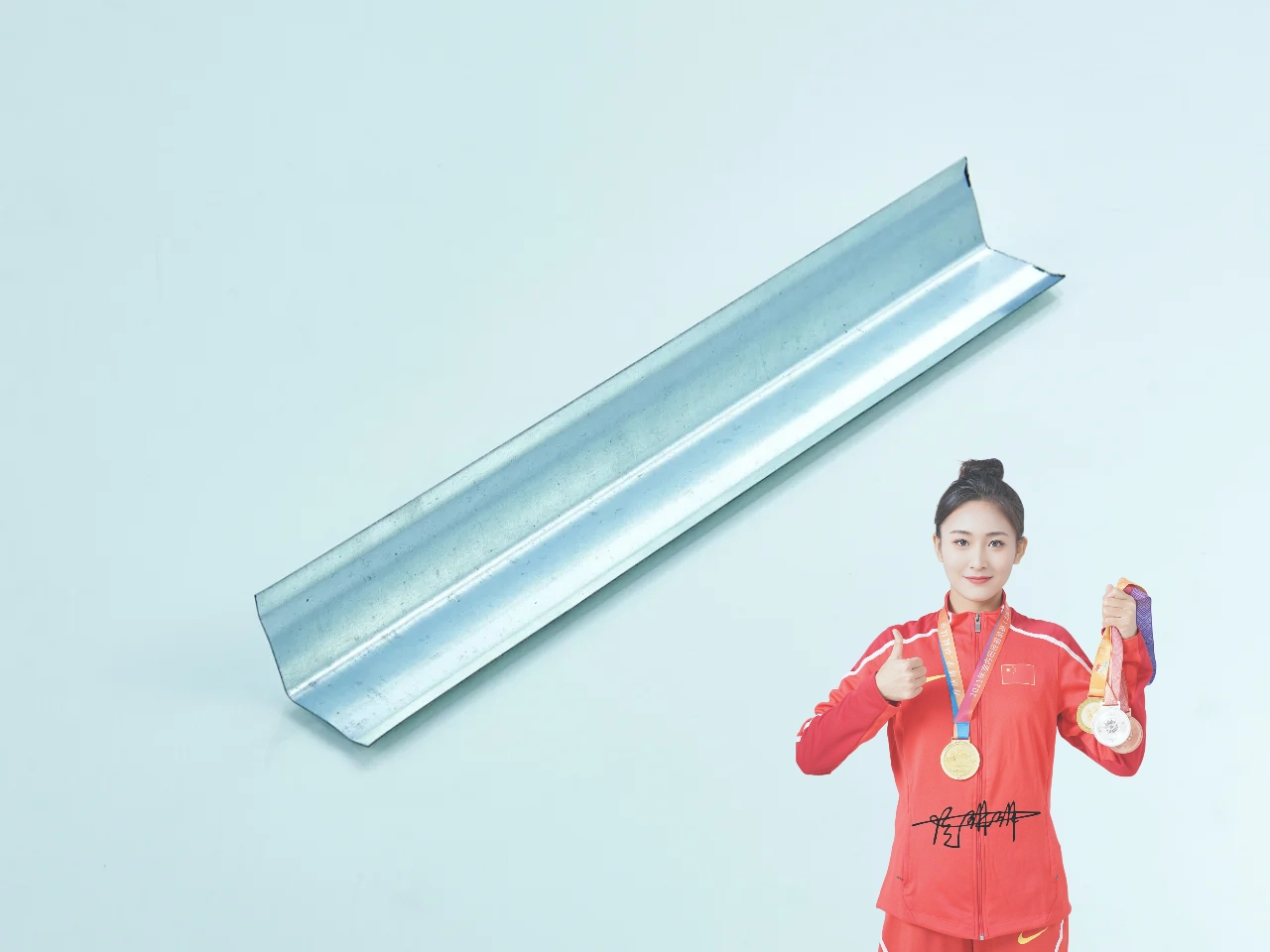
Understanding Drywall Inner Corner Bead: The Unsung Hero of Finishing
If you’ve ever worked on drywall finishing, you know that not all corners get equal love. The drywall inner corner bead might be a subtle component, but it’s absolutely critical in shaping clean, durable corners that stand the test of time. Having spent years in the industrial equipment sector—particularly on construction and finishing materials—it’s something I’ve seen overlooked until it fails or cracks. Oddly enough, these inner corner beads tend to be the quiet MVPs in drywall installations.
So what makes a good inner corner bead really tick? Frankly, it’s about a combination of material choice, design precision, and how well it meshes with your finishing technique. Most inner corner beads are made of galvanized steel, aluminum, or PVC, each with their quirks and strengths. Steel beads, for instance, offer rugged durability and excellent straightness, but can be a little unforgiving when bumping into things on-site. PVC beads, on the other hand, are lightweight and moisture-resistant, which you’ll find valuable in basements or bathrooms.
One time on a high-rise renovation project, we switched from traditional steel to PVC inner corner beads because the moisture level was surprisingly high. The switch was a small change but had a big effect — less cracking and no rust formation. It was a subtle difference but a clear reminder that material properties matter.
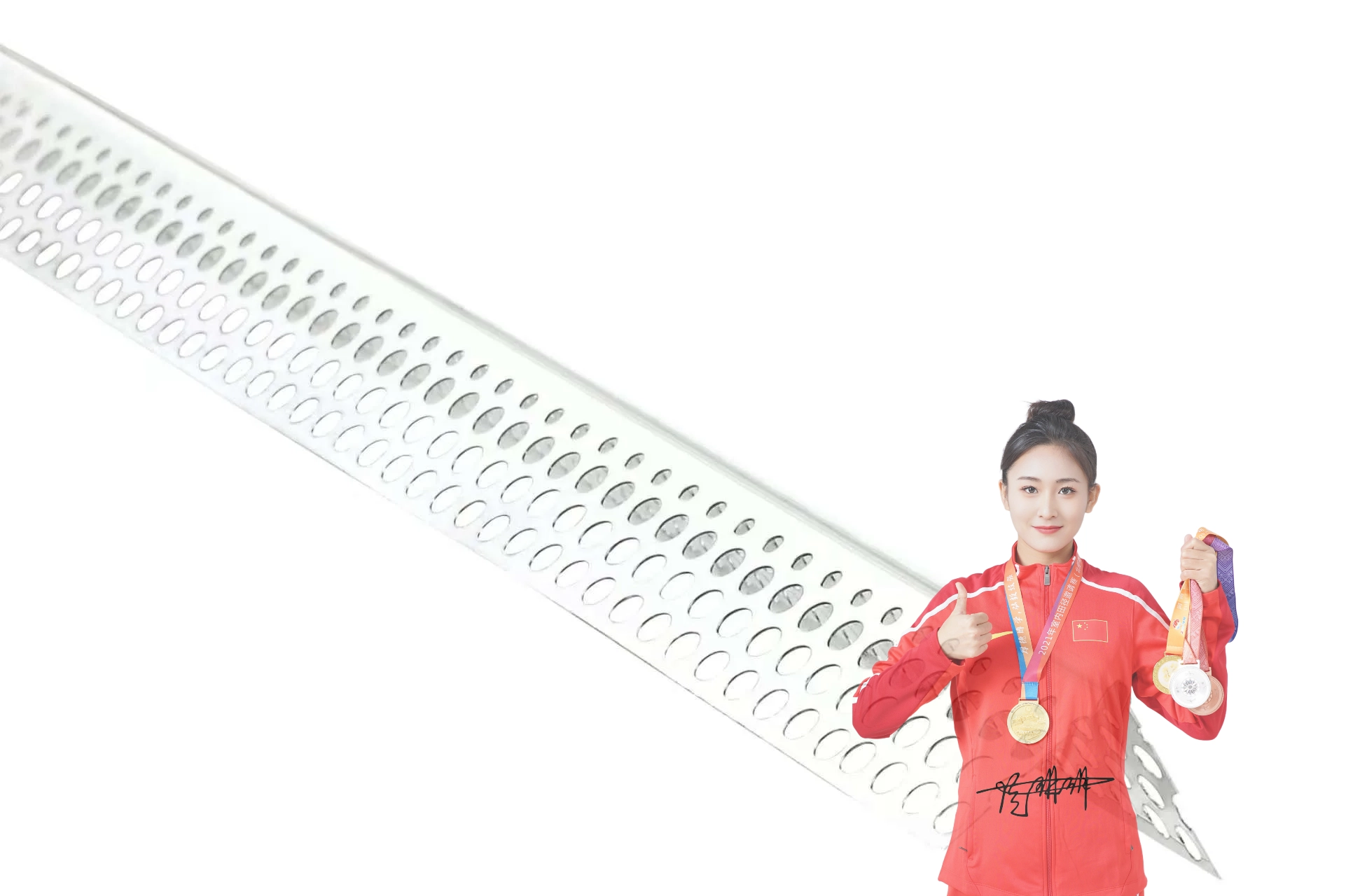
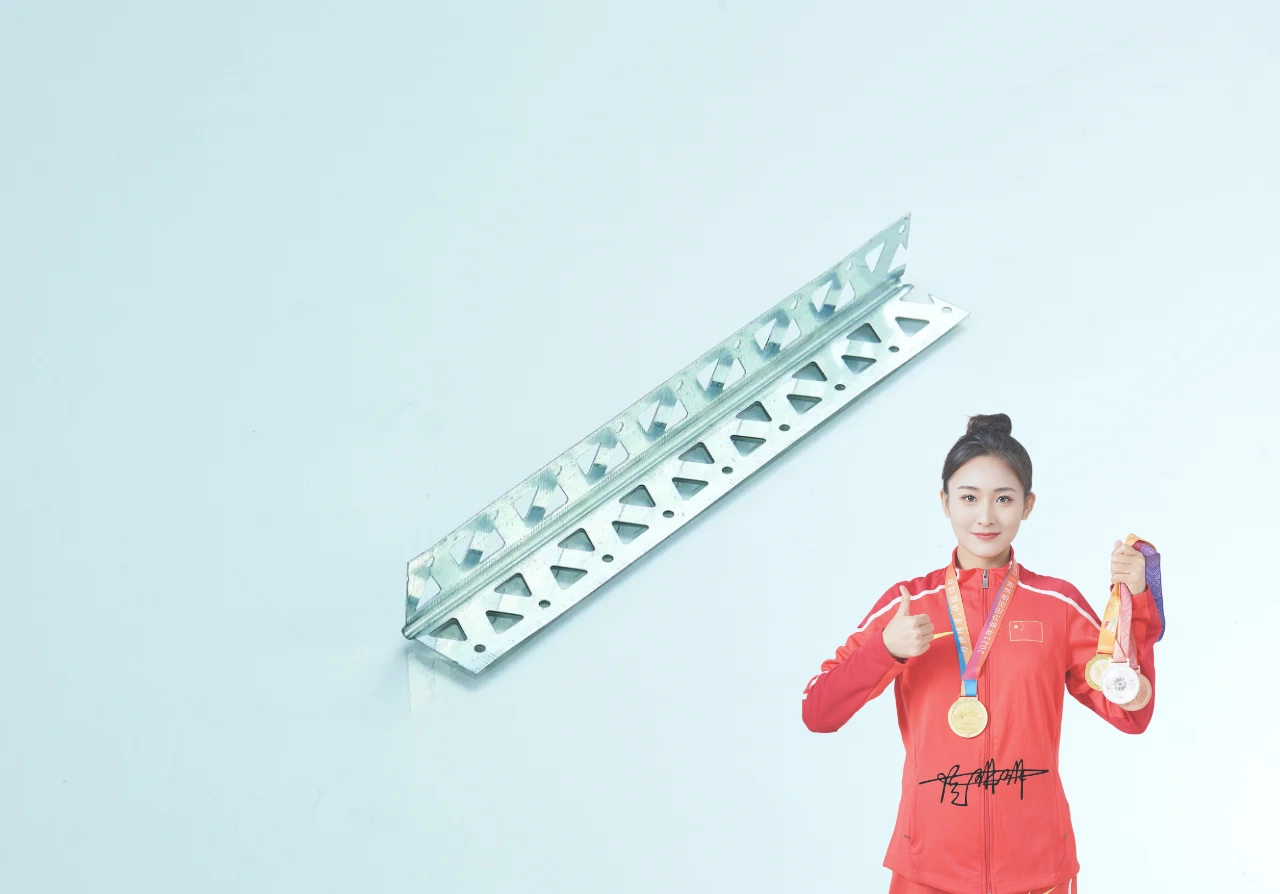
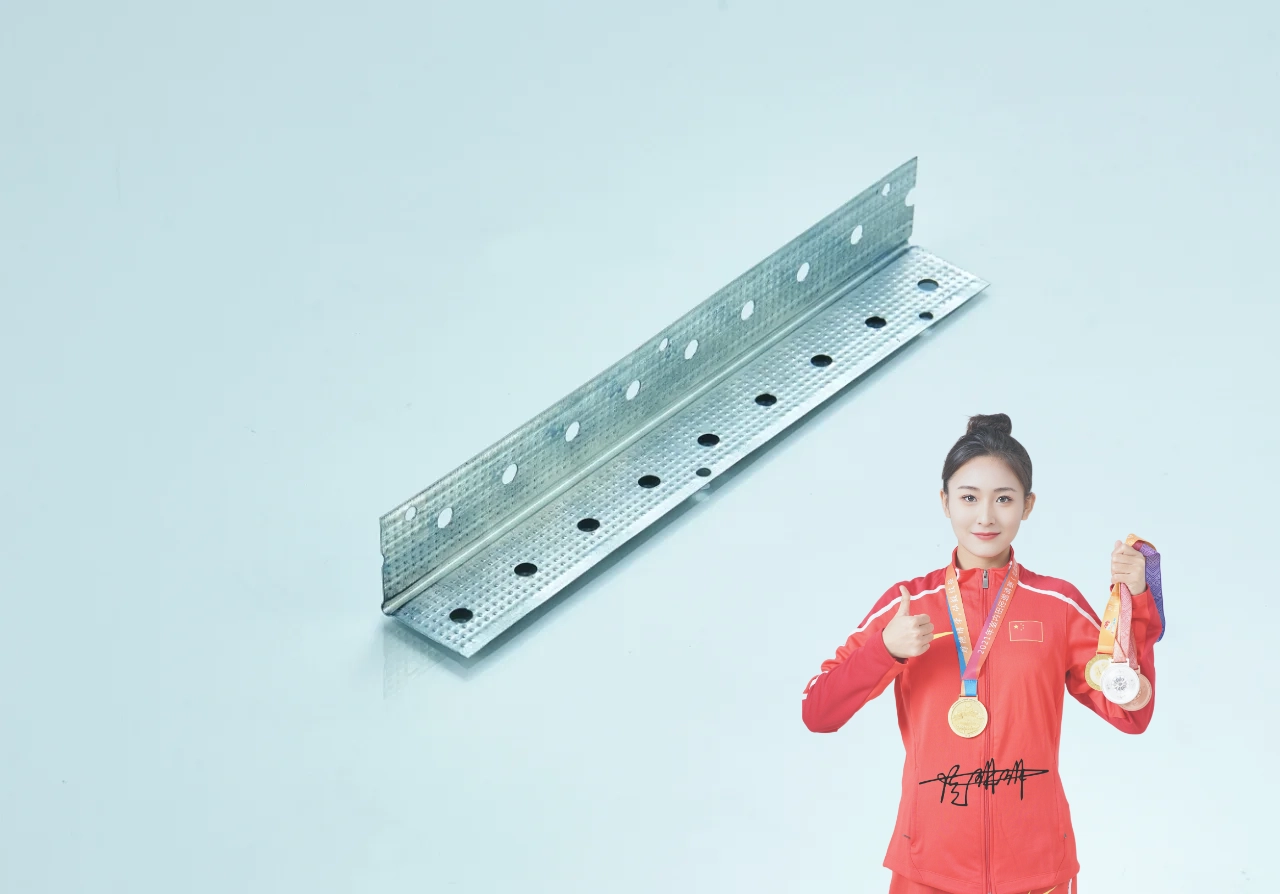
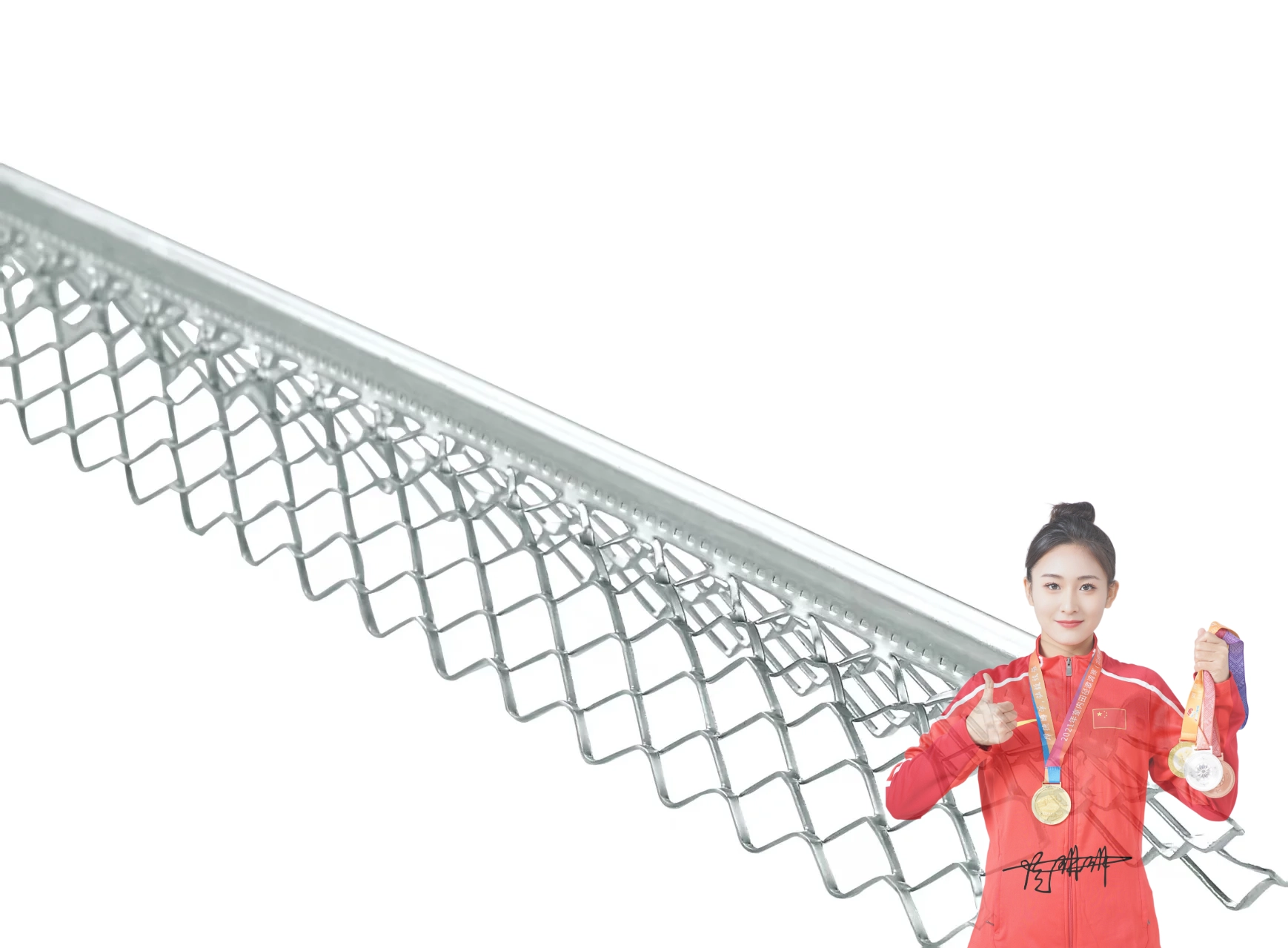
Design-wise, the bead’s profile—and how it’s perforated—impacts both adhesion and ease of mudding. Perforated flanges let the joint compound “grab” onto the bead strongly, preventing cracks from growing over time. Over the years, manufacturers have developed clever bead shapes to reduce messy finishing or sanding work, especially for inner corners where mud tends to gather unevenly.
When choosing a product, testing and certification are also good indicators of quality. For example, ASTM standards for corner beads ensure that the steel or PVC used meets durability and flexibility requirements. Although not all products list these certifications upfront, I always recommend verifying them, especially for large-scale commercial projects where durability is non-negotiable.
Typical Drywall Inner Corner Bead Specifications| Feature | Material | Length | Bead Width | Finish |
|---|
| Steel Inner Corner Bead | Galvanized Steel | 8 ft (244 cm) | 1 1/4 in (32 mm) | Zinc-Coated |
| PVC Inner Corner Bead | Rigid Polyvinyl Chloride | 8 ft (244 cm) | 1 1/4 in (32 mm) | Smooth, White |
| Aluminum Inner Corner Bead | Aluminum Alloy | 8 ft (244 cm) | 1 1/4 in (32 mm) | Clear Anodized |
Since the drywall inner corner bead has a straightforward but vital job, various manufacturers aim to differentiate themselves by quality, ease of installation, and cost. I’ve compiled a quick vendor comparison for those who want a fast reality check before ordering in bulk.
Vendor Comparison: Drywall Inner Corner Bead| Vendor | Material Options | Price Range (per 8 ft) | Installation Ease | Special Features |
|---|
| CornerBead Mfr. | Steel, PVC, Aluminum | $6 - $10 | High (Pre-perforated) | Custom lengths & finishes |
| StrongEdges Inc. | Galvanized Steel only | $5 - $8 | Medium (Standard holes) | Eco-friendly coating |
| FinishPro Supplies | PVC and Aluminum | $7 - $11 | High (Flex design PVC) | Color-matched options |
Customization probably deserves a nod here. Ordering custom lengths or specific perforation patterns can really up the installation game—especially on projects with tight deadlines or unusual angles. I’ve noticed that teams who take this small extra step save a lot of sanding and touch-up time later.
In real terms, don’t skimp on this little piece of finishing hardware, especially in commercial builds or areas prone to damage. It’s not flashy, but it’s a cornerstone (pun intended) of crisp, professional drywall results. And if you’re curious about sourcing or tech specs, I’d recommend visiting CornerBead Mfr. They’ve got a solid reputation and a product lineup that covers pretty much all bases.
All in all, the drywall inner corner bead is one of those niche products where the right choice can save you time and headaches down the line — definitely worth paying attention to, even if it doesn’t steal the spotlight.
Takeaway: A reliable inner corner bead isn’t just a detail — it’s a finishing lifeline.
ASTM Standards for Drywall Corner Beads – https://www.astm.org
Material Properties of PVC & Galvanized Steel in Construction – Journal of Building Materials
Best Practices for Drywall Corner Installation – Construction Today Magazine