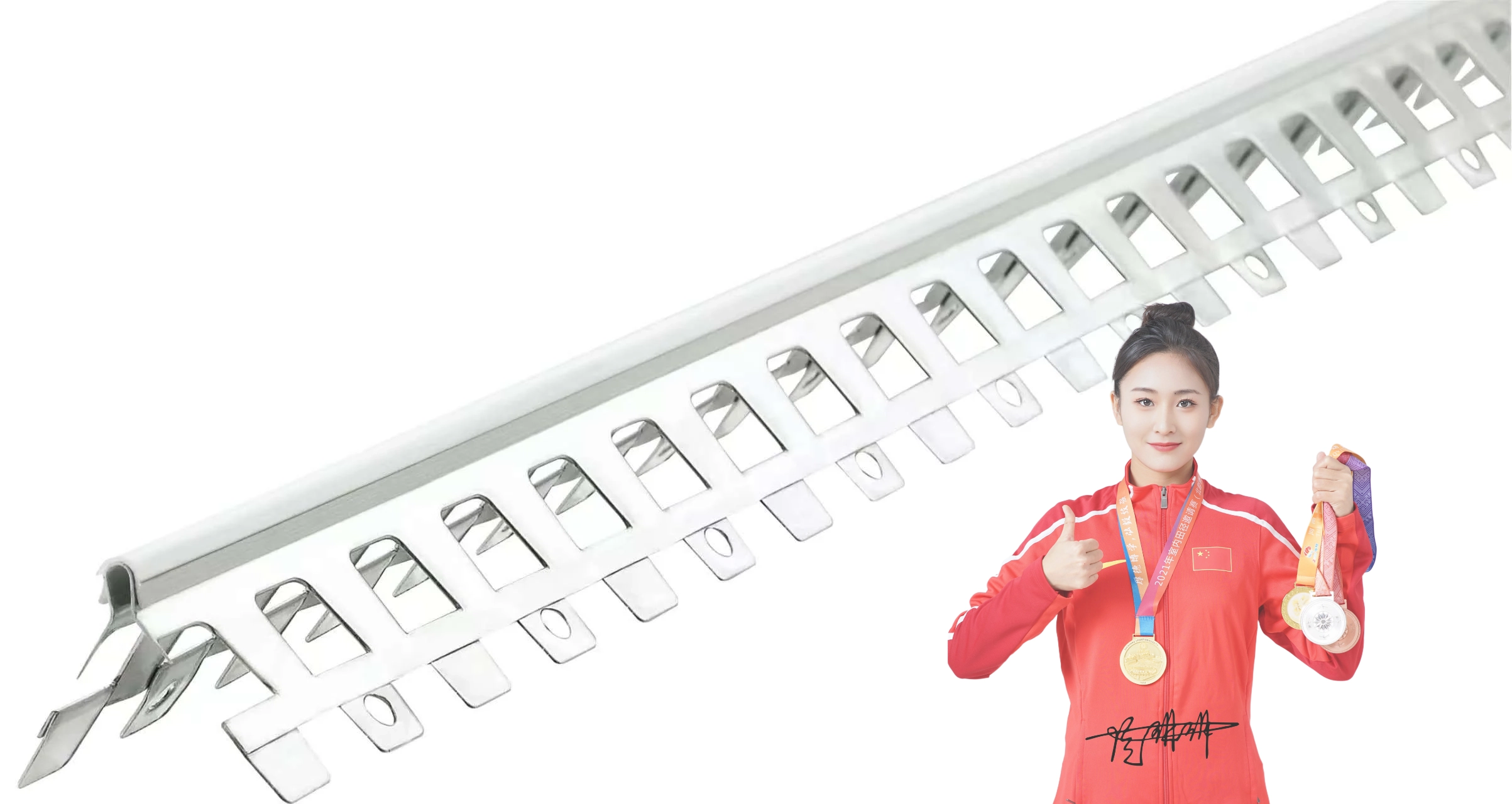
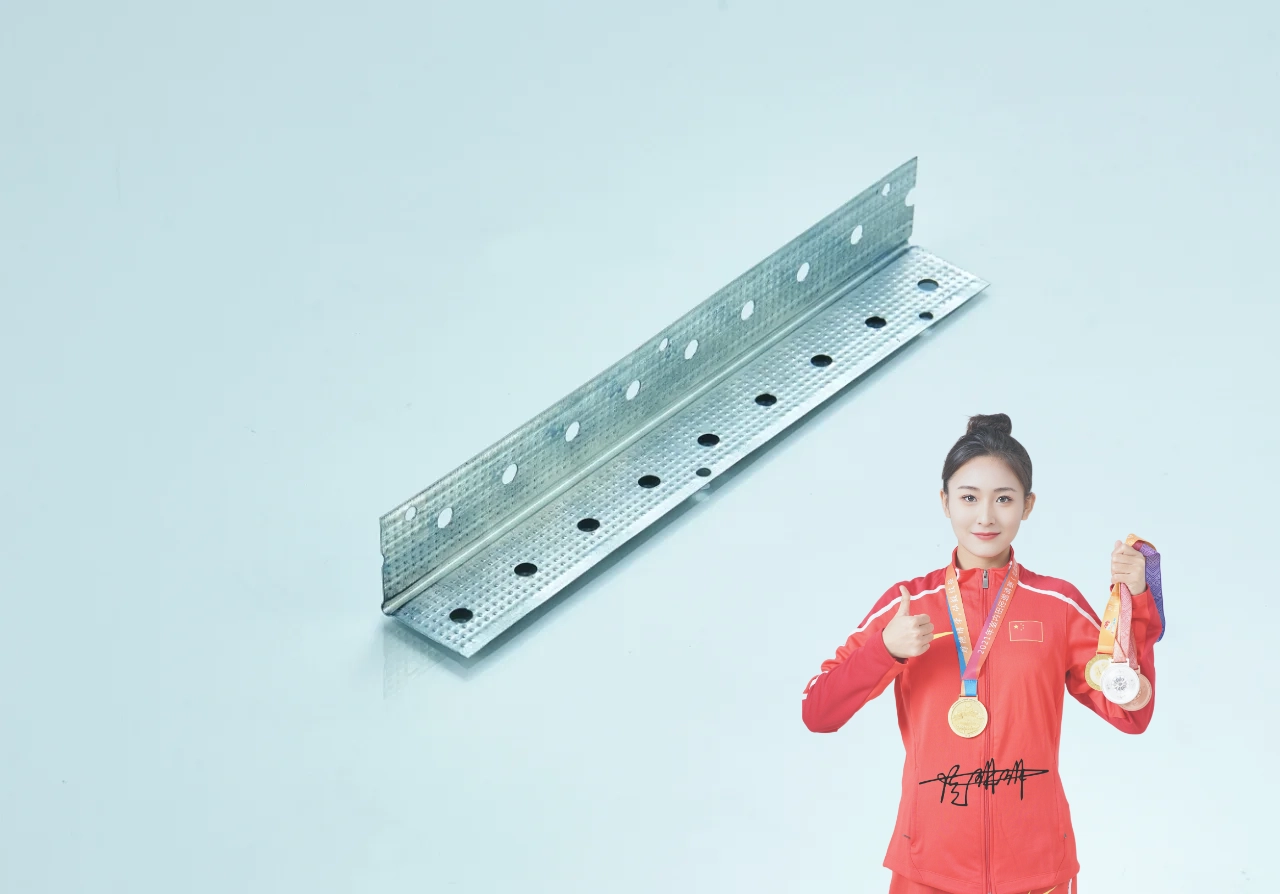
Understanding Drywall Interior Corner Bead: Essential for Quality Wall Finishes
It might seem like such a small detail — drywall interior corner bead — but honestly, it’s a foundational component in the construction and finishing industry. Worldwide, this simple strip holds walls together, protects vulnerable corners, and ensures the aesthetics and durability of interior spaces. Whether you’re renovating a home in New York or building a hospital ward in a post-disaster zone, the role of a drywall interior corner bead is utterly crucial. Learning about it offers more than just construction insight; it represents global standards in safety, sustainability, and craftsmanship.
Global Context: Why Does Drywall Interior Corner Bead Matter?
Globally, billions of square meters of drywall surfaces are installed each year. According to the United Nations’ Habitat reports, urban growth and reconstruction efforts in disaster-prone regions have increased the demand for efficient, resilient, and cost-effective interior finishes. Corner beads have a huge role here: they provide strength to drywall corners, preventing cracks and damage, which is particularly important in areas affected by temperature fluctuations or seismic activity.
Oddly enough, most people underestimate the corner bead’s impact on a building’s lifespan and occupants’ comfort. The World Bank has repeatedly cited the importance of quality construction materials, including corner trims, in lowering maintenance costs and improving indoor safety. Put simply, without a sturdy drywall interior corner bead, even the best drywall sheets are prone to chipping and unsightly wear.
What Exactly Is a Drywall Interior Corner Bead?
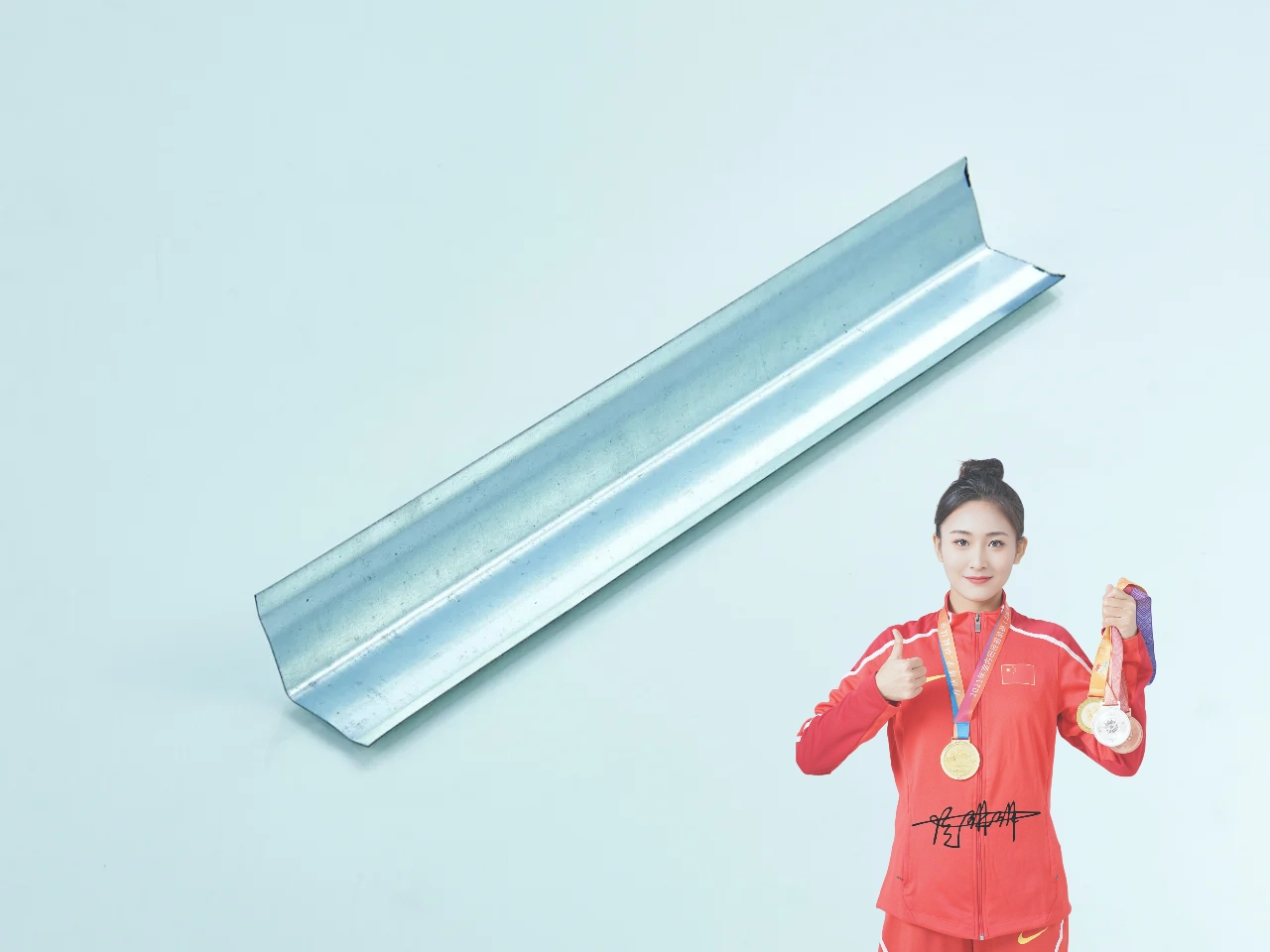
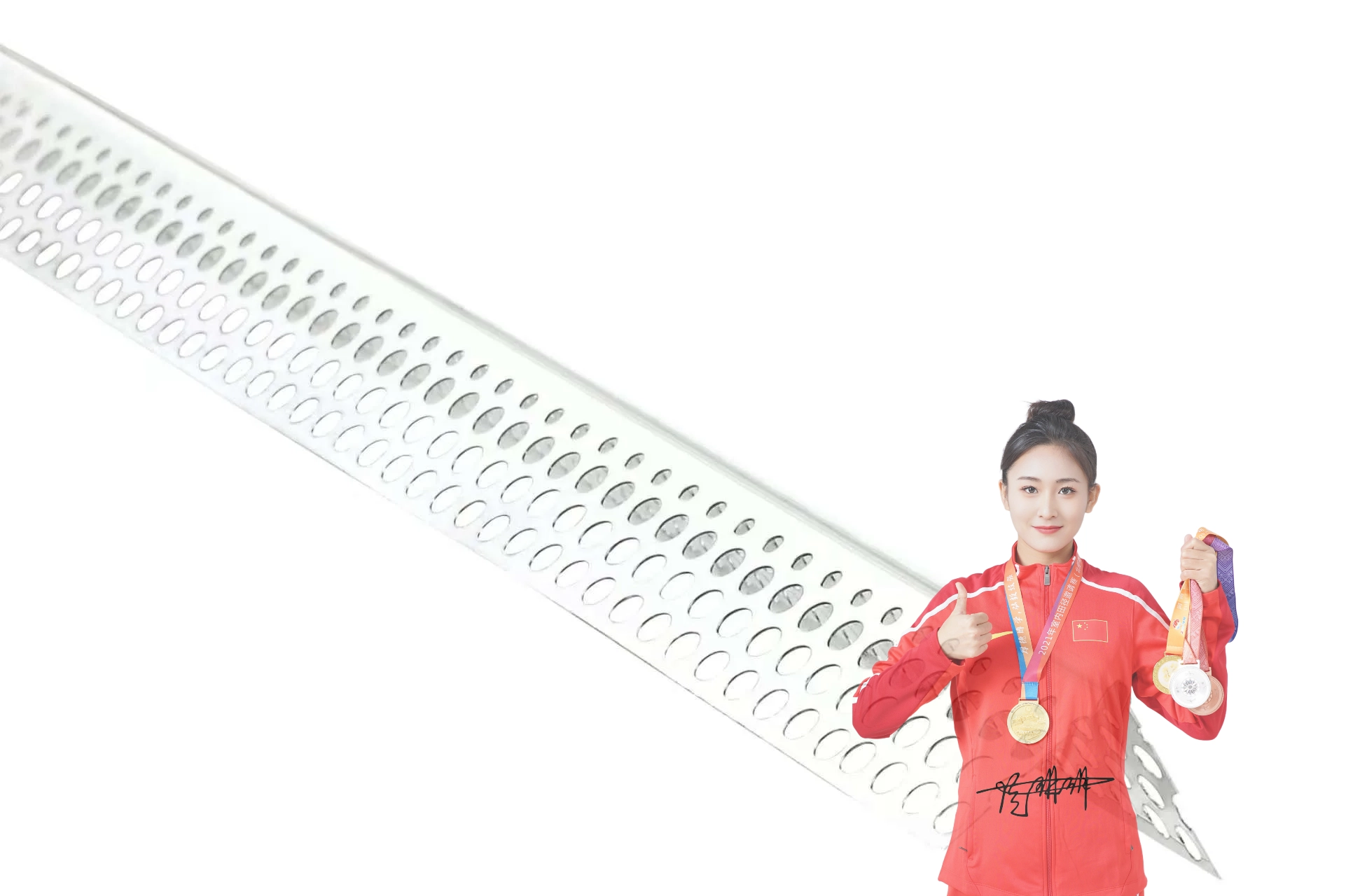
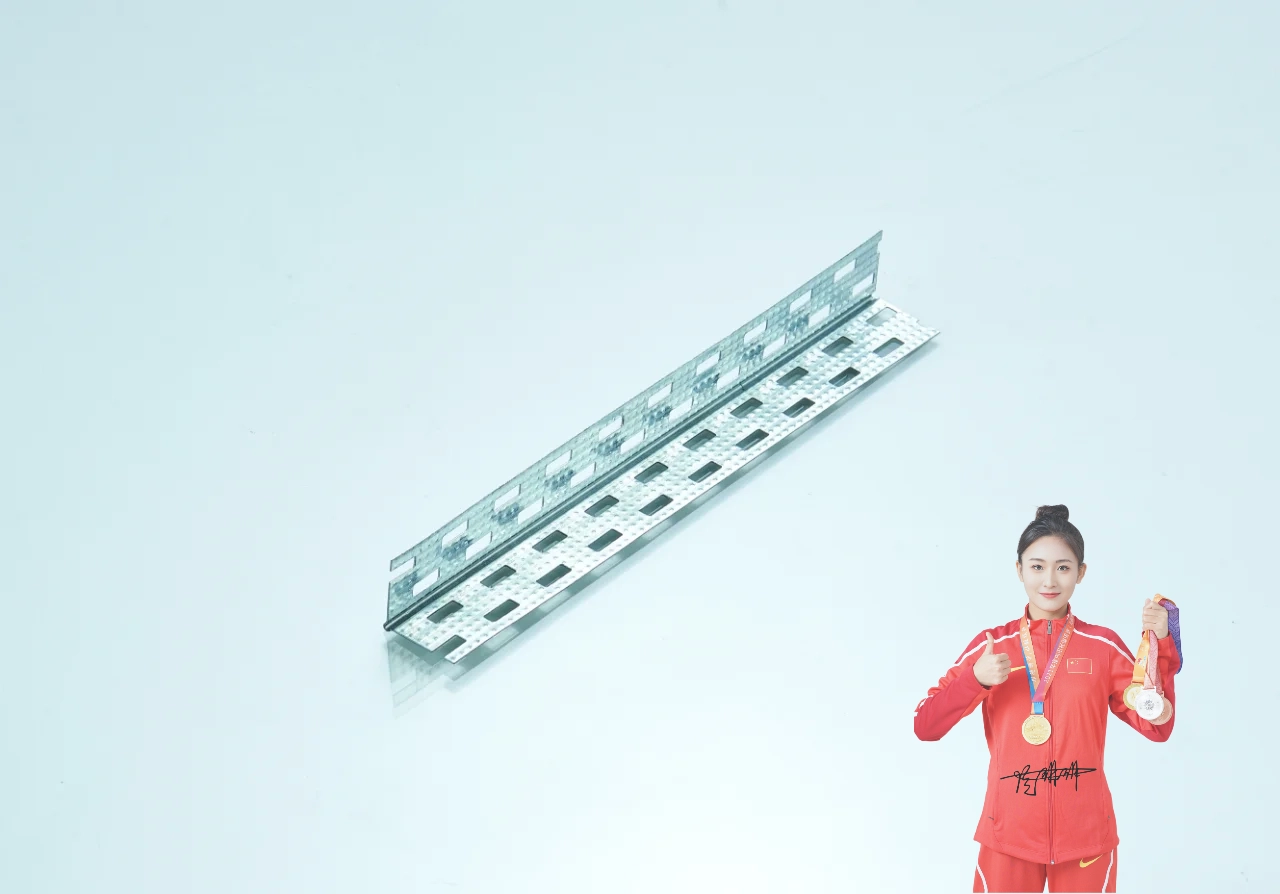
At its core, a drywall interior corner bead is a narrow strip of metal, vinyl, or composite material installed over the inside corners where two drywall panels meet. Think of it as the “edge guard” that protects that vulnerable 90-degree angle from knocks, dents, and cracking during everyday use. This bead is then embedded in joint compound, sanded, and painted to form a crisp, seamless corner.
The technology might seem mundane, but it’s actually linked to broader humanitarian and industrial needs — ensuring rapid, reliable, and safe shelter construction, especially when time and durability are of the essence.
Key Components and Practical Features
Durability
The bead’s material—often galvanized steel or flexible vinyl—needs to resist corrosion and impacts. This is vital in humid climates or high-traffic areas. For instance, galvanized steel beads remain unaffected by humidity while vinyl offers flexibility where walls aren’t perfectly square.
Installation Ease
One of the reasons corner beads have evolved is the installer’s experience. Pre-punched holes, self-adhesive backing, or snap-on systems mean faster drywall finishing, which can reduce labor hours and costs. Minimal specialized tools are required, making it practical for both big contractors and smaller crews.
Cost Efficiency
Though it’s a fairly low-cost item, selecting the right bead saves money in the long haul by preventing the need for costly repairs and touch-ups. Vinyl beads are especially affordable, while metal ones provide greater longevity. The price-to-durability ratio must always be balanced depending on project goals.
Finish Quality
How the corner looks matters—a lot. Clean edges mean less sanding and painting after installation, improving both the speed and aesthetic outcome. More advanced beads now allow for paper or fiberglass reinforcement, enhancing joint strength.
Product Specification Comparison
| Specification | Galvanized Steel Bead | Vinyl Bead | Paper-Faced Bead |
|---|
| Material | Steel, Zinc-coated | Flexible PVC | Paper + Metal |
| Corrosion Resistance | High | Very High (waterproof) | Moderate |
| Flexibility | Low | High | Low |
| Installation Type | Nails or screws | Adhesive or nails | Staples or nails |
| Typical Applications | Commercial/Humidity areas | Residential/Flex walls | High-end finish jobs |
Global Applications & Use Cases
Interestingly, drywall interior corner beads are everywhere—from luxury apartments in Dubai to emergency shelters in Southeast Asia. In the US and Europe, builders rely heavily on metal or paper-faced beads for durability and finish quality. Meanwhile, in areas prone to earthquakes or tropical storms, flexible vinyl beads are favored for their ability to absorb motion without cracking.
In post-disaster relief efforts, such as after the 2010 Haiti earthquake, fast deployment of quality shelters depended on materials that protected people while enabling speed. Corner beads that resist tearing or denting became critical for both safety and insulation. Likewise, remote industrial sites in Canada often choose galvanized steel beads for their resistance to harsh weather and rough handling.
Summary takeaway: corner beads might be small players but their role across varied environments is huge, adapting to different needs worldwide.
Advantages & Long-Term Value
Cost Savings: Prevention of cracks avoids costly repairs.
Sustainability: Durable beads reduce waste from damaged drywall corners.
Safety & Integrity: Strengthened corners help maintain structural integrity under stress.
Aesthetics: Seamless finishes uplift interiors, improving living and working environments.
Trust: Contractors and clients both value reliable materials that deliver consistent results.
There’s also an emotional side — clean, well-finished corners just make a space feel cared for. It’s part of putting trust into the hands of manufacturers and installers alike.
Future Trends & Innovations
Looking ahead, drywall interior corner beads are embracing green innovation. Some vendors produce recycled composite beads, reducing environmental impact. Digital tools like 3D project visualization help tailor bead selection to exact project parameters, optimizing material use. Automation in installation—robotic tools that embed and finish beads—are beginning to emerge in high-tech construction.
Moreover, standards from ISO and ANSI committees are gradually tightening requirements for environmental compliance and fire resistance, promising safer and more sustainable building solutions worldwide.
Challenges & Solutions
One persistent challenge is damage during transport or rough handling on site, affecting bead shape and thus installation quality. Some experts recommend just-in-time delivery and improved packaging to mitigate this. Another issue is matching the bead with drywall types—incorrect compatibility causes poor adhesion or finish flaws.
The solution? Investing in training for installers and specifying corner beads appropriate for local climate and wall conditions. Additionally, embracing newer materials such as corrosion-resistant polymers can cut down maintenance headaches.
Vendor Comparison Table: Leading Drywall Interior Corner Bead Suppliers
| Vendor | Material Options | Geographic Reach | Price Range | Unique Selling Point |
|---|
| BeadPro Co. | Steel, Vinyl, Paper | North America, Europe | $$ | Eco-friendly recycled products |
| CornerFix Ltd. | Galvanized Steel, Aluminum | Global | $$$ | Superior corrosion resistance |
| VinylEdge Inc. | Vinyl Only | Asia-Pacific, USA | $ | Highly flexible, affordable |
FAQs About Drywall Interior Corner Bead
- What type of drywall interior corner bead is best for humid areas?
- For humid or wet zones, galvanized steel or vinyl beads are recommended. Steel is corrosion-resistant, while vinyl is waterproof and flexible, making both suitable for bathrooms or kitchens.
- How does drywall corner bead improve wall durability?
- By reinforcing the corner’s edge, it protects drywall paper and compound from chipping or cracking, especially in high-impact zones, thereby extending wall life.
- Can I install corner bead myself, or should I hire a pro?
- While DIY installation is possible with the right tools and patience, professionals ensure even application and seamless finishes, saving time and reducing errors.
- Are vinyl corner beads eco-friendly?
- Vinyl beads typically have lower environmental profiles than metals due to lower energy manufacturing processes, but recycled product options are increasingly available for better sustainability.
- How to buy drywall interior corner beads in bulk for large projects?
- Contact manufacturers or authorized distributors directly for volume pricing. Websites like drywall interior corner bead suppliers often offer bulk order options with better prices and delivery schedules.
Conclusion
All told, drywall interior corner bead isn’t just a finishing touch; it’s a vital element that combines practicality, durability, and aesthetics on a global scale. Choosing the right bead impacts not only the quality of your walls but the longevity of your investment, the well-being of occupants, and the environment.
Curious to explore more detailed product options or find the perfect corner bead for your next project? Visit our website: drywall interior corner bead. It’s worth digging into the details—you’ll see just how much a little strip can do.
In real terms, you might never notice your corner bead — unless it’s not there.
References:
Wikipedia: Drywall
UN-Habitat Reports on Urban Development
World Bank: Urban Development