Understanding Drywall on Corners: Why It Matters for Construction Worldwide
Drywall on corners might sound like a small detail—just a finishing touch in any construction project. Yet, in reality, it’s a pivotal aspect of building durability, aesthetics, and efficiency globally. If you think about it, corners are the stress points of any drywall installation. How well they hold up determines the longevity and look of walls everywhere from sprawling commercial centers in New York to modest homes in rural Nepal.
Globally, billions of square meters of drywall are installed annually, according to the International Code Council and industry outlooks, making corner treatments a decisive factor in cost savings and structural resilience. Understanding drywall on corners isn't just for builders—it's crucial for architects, project managers, or even humanitarian groups deploying rapid shelter solutions.
Mini takeaway: Drywall corners may be the unsung heroes in global construction, balancing strength, style, and cost effectiveness.
Introduction: The Global Context of Drywall on Corners
Drywall itself is a relatively modern invention—post World War II it became a staple for interior wall finishing because it’s quick to install and cost-effective. But the corners? Those have historically been a headache. According to the World Bank data, urbanization is soaring, especially in Asia and Africa, driving a tremendous demand for quality indoor surfaces and rapid construction techniques. Corners that chip, crack, or warp lead to costly repairs and safety concerns, especially in seismic zones.
ISO standards have increasingly addressed corner bead materials and methods to mitigate these issues. Problems arise not just with installation but also with subsequent wear, moisture impact, and mechanical damage. So the humble drywall corner becomes a vital focus in global construction quality, affordability, and sustainable building practices.
What is Drywall on Corners?
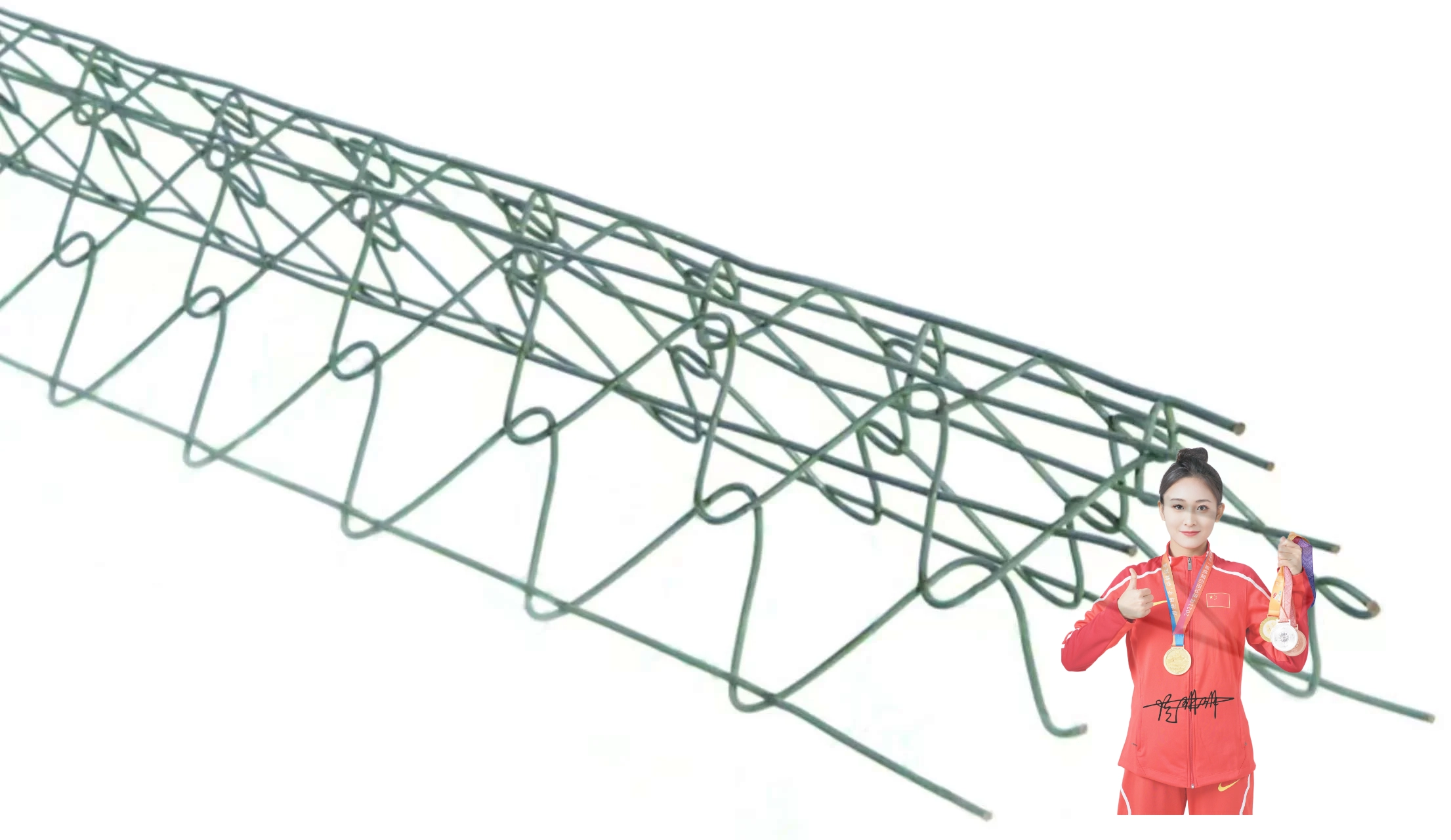
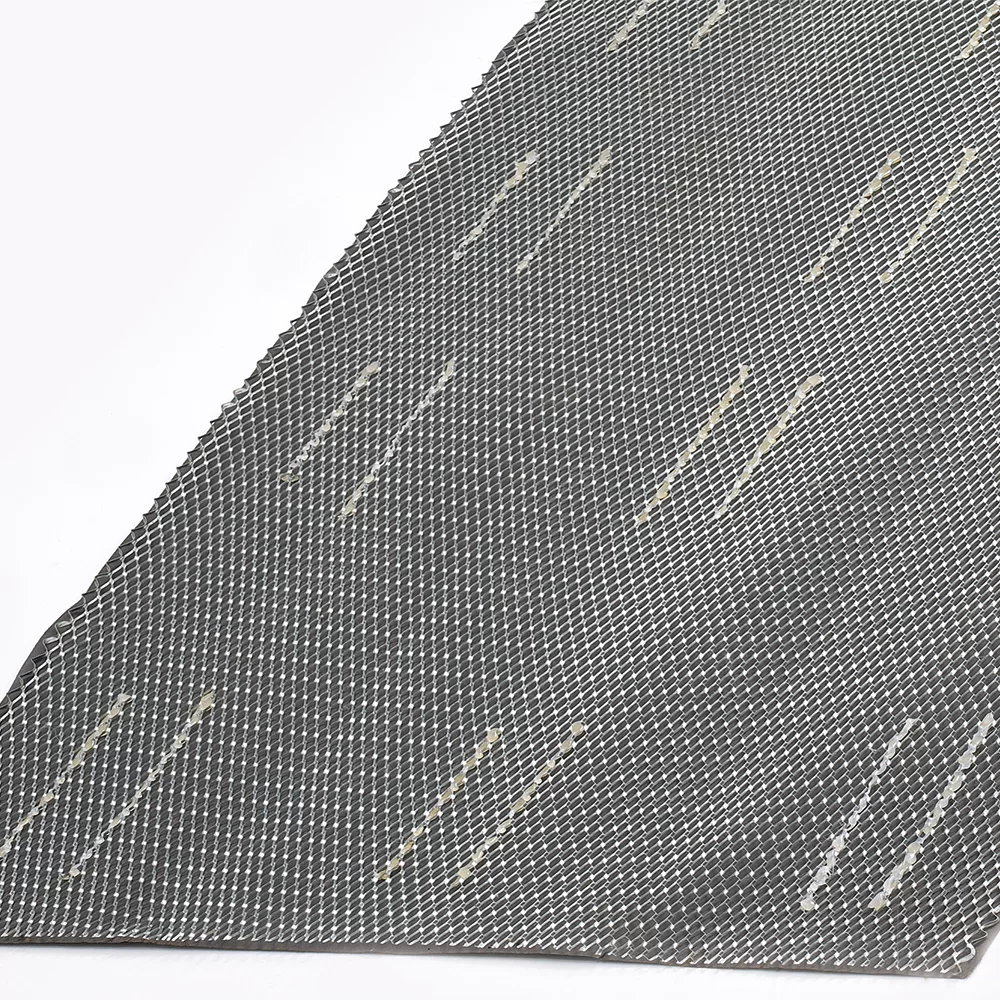
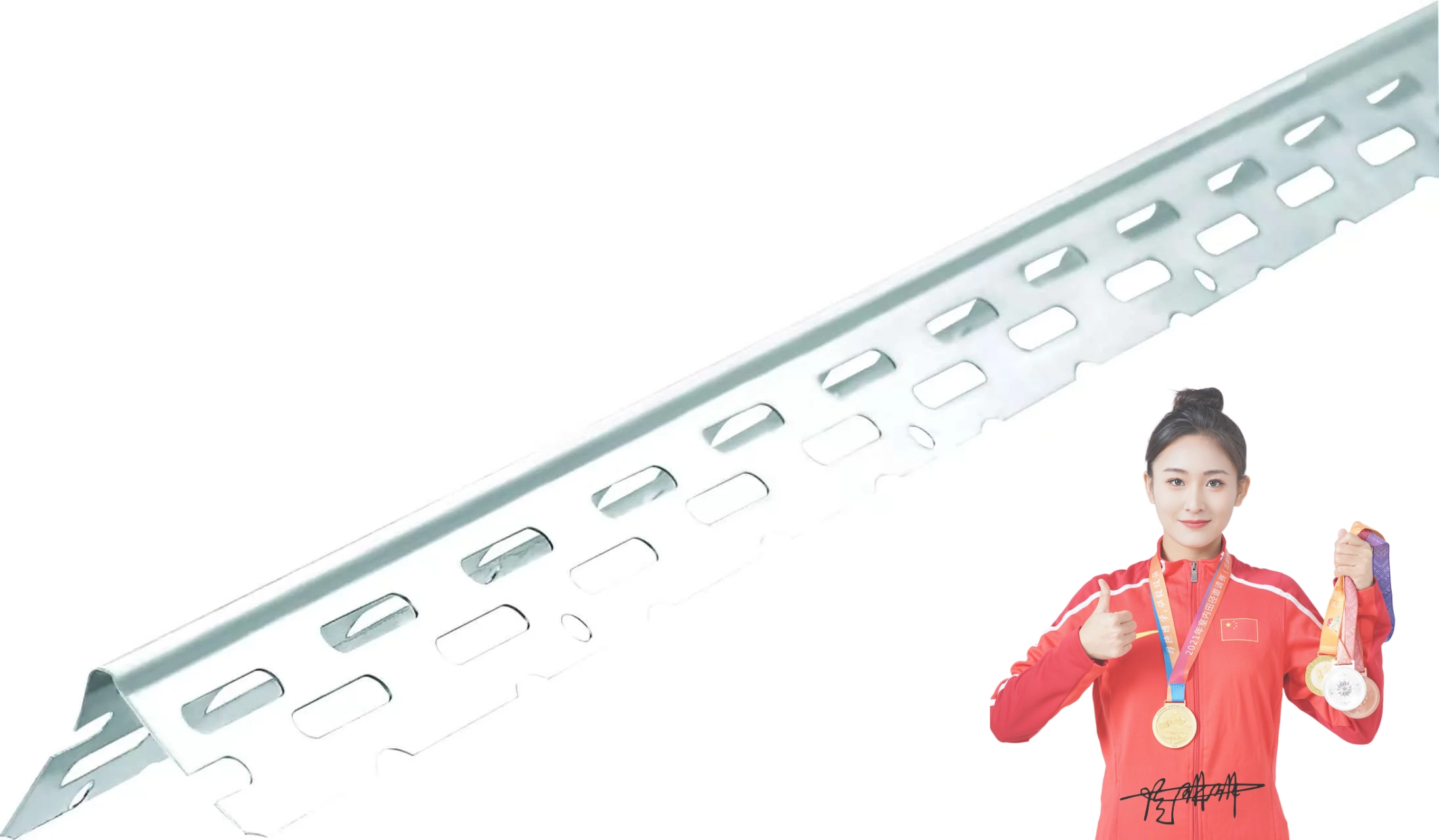
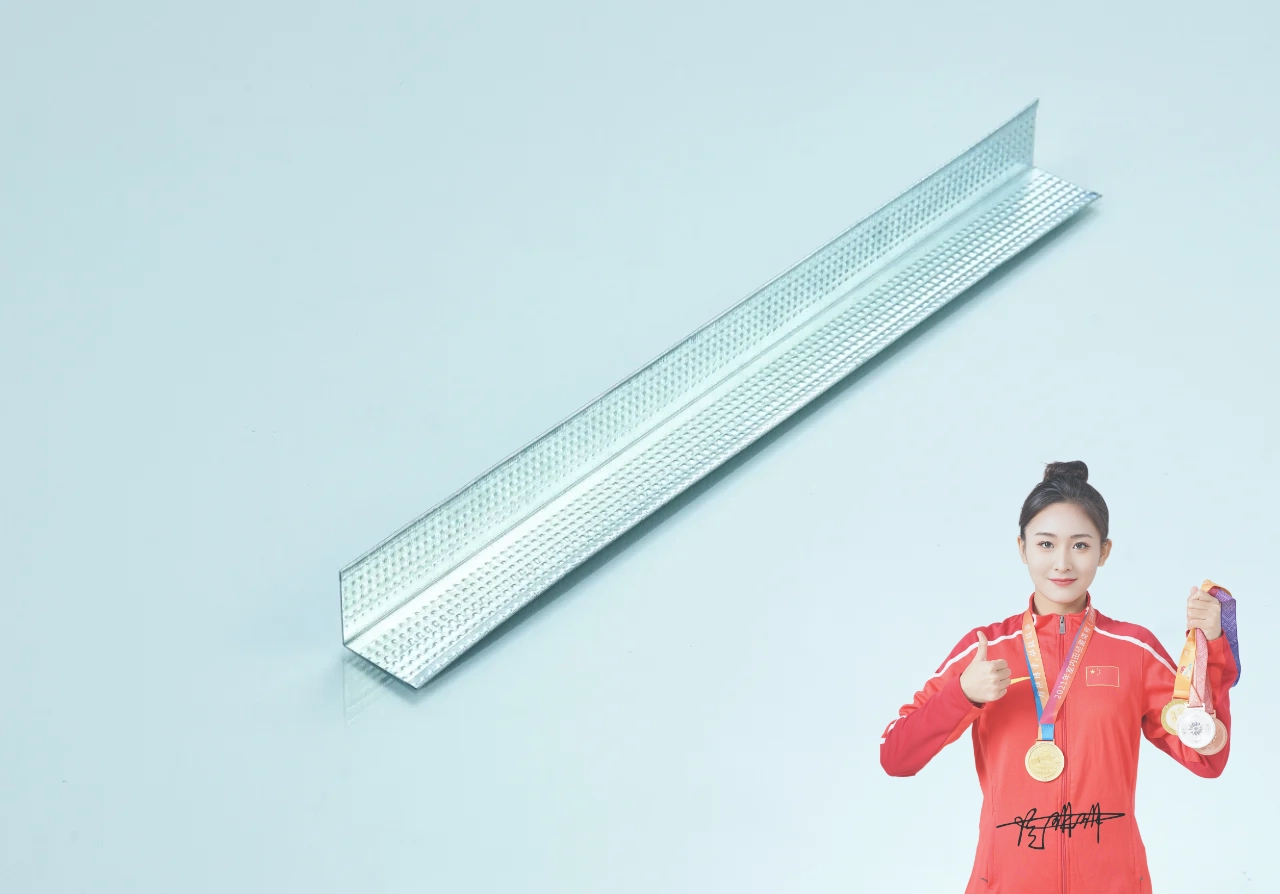
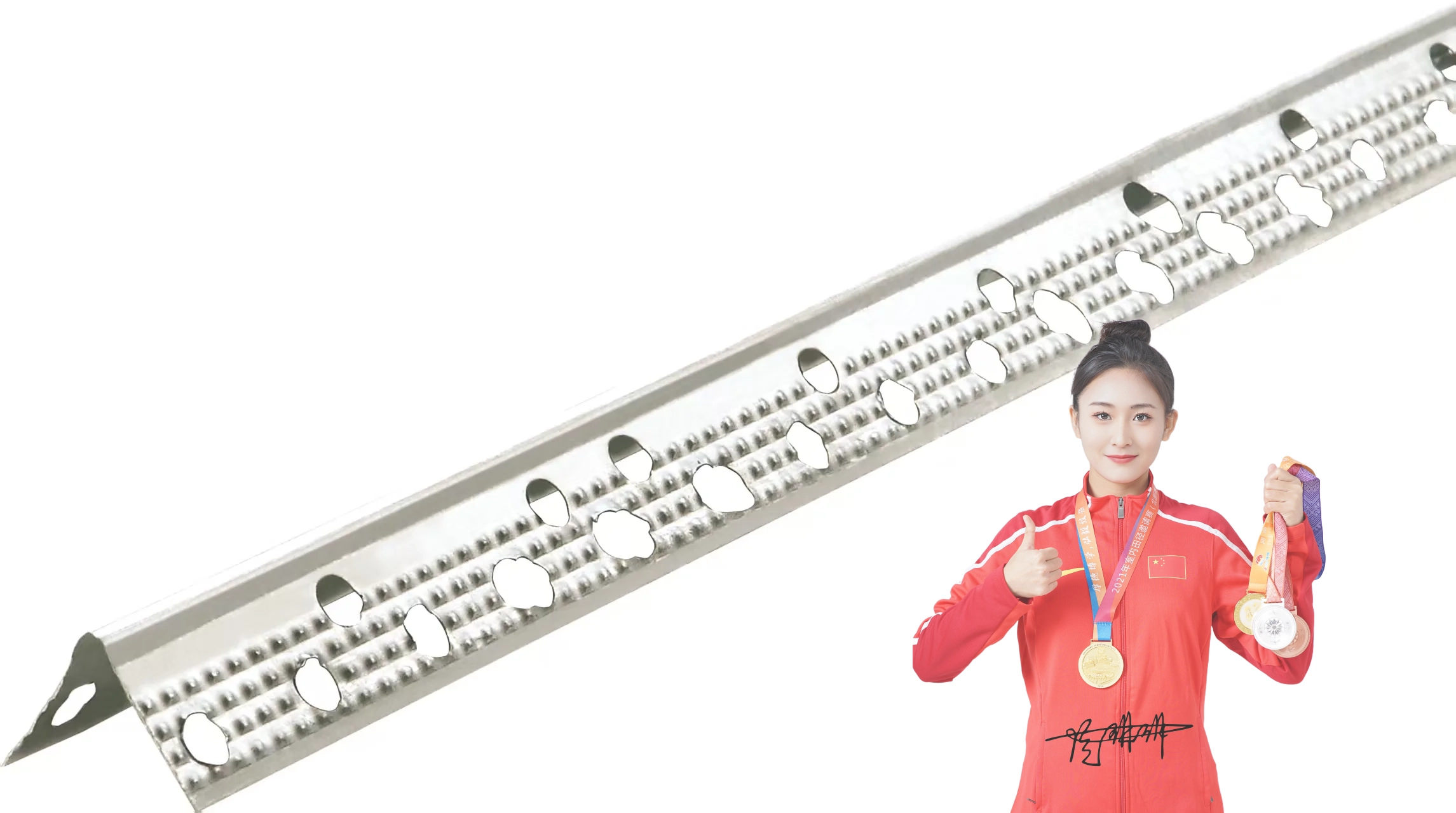
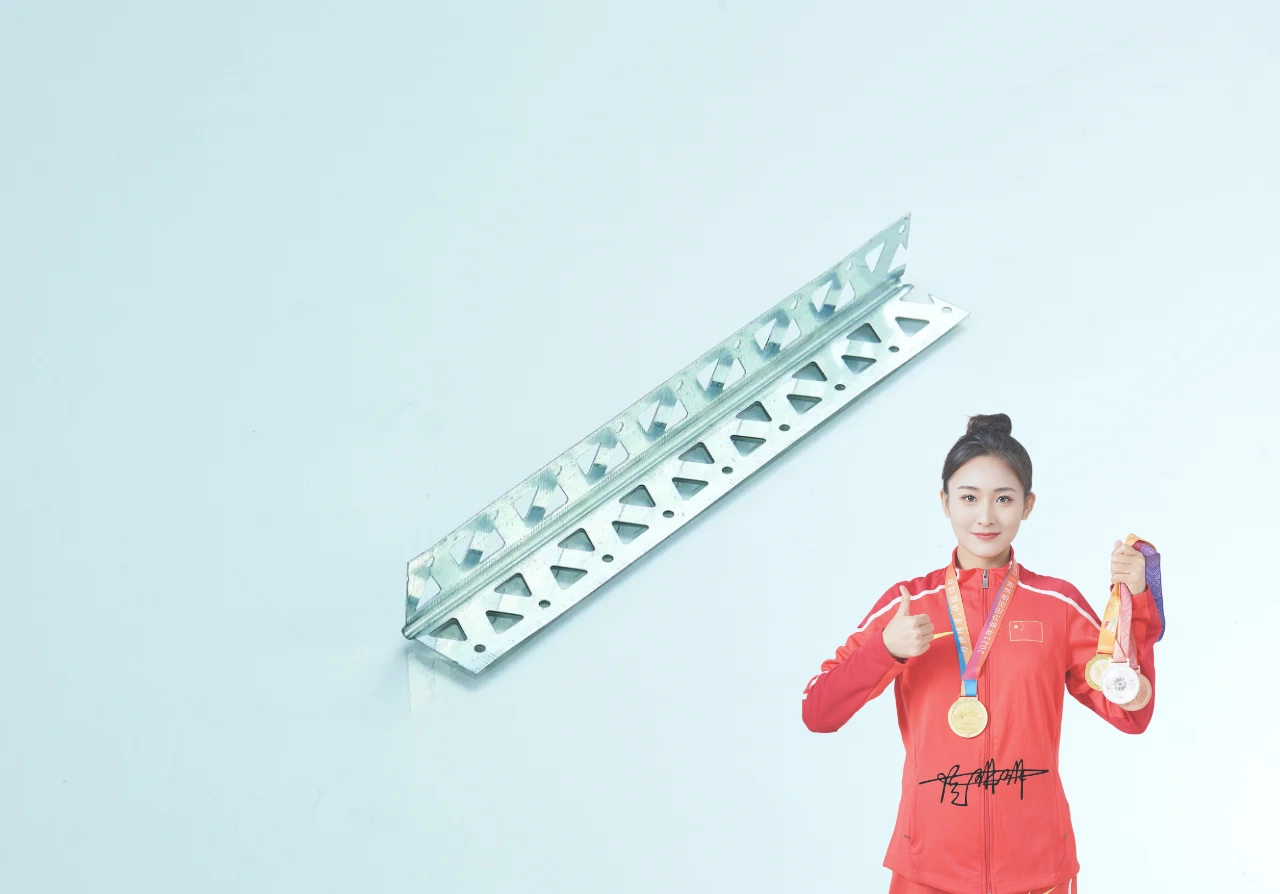
Simply put, drywall on corners refers to the method and materials used to finish the edges where two drywall panels meet at an angle, typically 90 degrees. Because drywall sheets are somewhat fragile along edges, corners require edge protection with corner beads—usually metal, vinyl, or composite strips that reinforce these vulnerable points.
This treatment ensures straight, crisp lines, protects from impact damage, and allows for a perfect surface ready for painting or wallpapering. For the modern building sector and humanitarian setups—like temporary housing after natural disasters—good corner finishing speaks to quality, speed, and longevity.
Key Factors in Drywall Corner Installation
1. Durability
Durability here means resistance to dents, cracks, and moisture damage—critical for high-traffic commercial spaces or humid climates. Metal corner beads are favored for maximum protection, while vinyl offers flexibility and water resistance.
2. Cost Efficiency
Balancing cost and quality is always a tightrope walk. Vinyl tends to be cheaper and faster to install, perfect for budget projects, whereas metal beads cost more but reduce long-term maintenance.
3. Installation Speed
Drywall corners need precise application; easy-to-use beads with self-adhesive backing can speed this up dramatically. This aspect is non-negotiable in fast-track construction or emergency shelter builds.
4. Aesthetic Finish
Beyond function, corners influence the wall’s overall look. Seamless finishes without visible cracks or uneven lines improve perceived quality.
5. Environmental Impact
Materials matter: recyclable metal beads or eco-friendly vinyl options can reduce the carbon footprint. Sustainable practices are expanding in drywall corner solutions due to growing green building codes.
| Product Type | Material | Durability | Cost | Ideal Use |
|---|
| Standard Metal Corner Bead | Galvanized Steel | High | Moderate | Commercial, High Impact Areas |
| Vinyl Corner Bead | PVC | Moderate | Low | Residential, Moisture-prone areas |
| Paper-faced Metal Bead | Metal Core + Paper | High | Moderate-High | Precise Finishing, Smooth Surfaces |
| Self-Adhesive Corner Bead | Plastic + Adhesive | Moderate | Low | DIY, Quick Projects |
Global Applications & Practical Use Cases
Across continents, drywall corners are integral to millions of structures. In fast-growing urban hubs like Mumbai and Lagos, speedy but durable drywall corner solutions allow rapid housing developments without compromising quality. Meanwhile, NGOs and UN habitat programs often require easy-to-ship, reliable corner beads for temporary shelters after disasters—think earthquakes or floods.
Oddly enough, even remote industrial sites in northern Canada rely on specialized corner materials that resist moisture and temperature swings. Engineers there say that “the corner bead might be the thing that makes the difference between having a safe building that lasts years, or costly repairs every season.”
| Vendor | Material Range | Global Reach | Special Features | Price Range |
|---|
| CornerBead Pro | Metal, Vinyl, Paper-faced | North America, Europe | Custom Sizes, High Durability | $$$ |
| EcoEdge Supplies | Recycled Vinyl, Biopolymer blends | Global with Focus on Asia & Africa | Green-certified, Lightweight | $$ |
| QuickFix Corners | Self-adhesive Plastic | Primarily US & Canada | Rapid Installation, DIY Friendly | $ |
Advantages & Long-Term Value of Proper Drywall Corner Solutions
Utilizing high-quality drywall corner options means fewer cracks, less repainting, and critically, better structural safety. Beyond the concrete benefits of cost savings and durability, there's a more subtle impact: occupants feel safer, and builders trust their work will stand for years without complaints or callbacks.
In humanitarian contexts, these benefits translate into dignity — a home that stands strong, safe from weather and wear. There’s a peace of mind that innovators and architects alike value deeply.
Future Trends & Innovations in Drywall Corner Technology
Looking forward, the drywall world is embracing digitization and sustainability. AI-assisted installation tools aim to reduce human error in corner finishes, while new bio-based polymers replace PVC for corner beads. Some manufacturers even experiment with embedded sensors to detect moisture or stress before cracks start—a sort of “smart” drywall corner.
Green building certifications increasingly require eco-conscious materials, so expect recycled metals and composites to gain wider usage.
Challenges & Solutions in Drywall Corner Installations
Of course, problems remain. Moisture infiltration and mechanical damage persist as the main culprits of corner failure. In many regions, lack of skilled labor leads to subpar corner finishes. That’s where pre-fabricated corner beads with adhesive backing or snap-fit designs shine—they simplify installation and lower the chances of error.
Technical training and industry awareness play a huge role, too. Encouraging standardized tests and certifications per ISO standards can help raise quality globally.
FAQ: Frequently Asked Questions About Drywall on Corners
- Q: What materials are best for drywall corners in humid environments?
- A: Vinyl or moisture-resistant metal corner beads work best. Vinyl resists corrosion and warping, while galvanized metal prevents rusting. Moisture-prone areas require careful sealing too.
- Q: How can I ensure fast and durable drywall corner installation?
- A: Use self-adhesive corner beads or those designed for snap-fit application—they speed up work and reduce installation errors. Pair with correct joint compounds for lasting durability.
- Q: Are eco-friendly corner beads readily available?
- A: Yes. Many manufacturers now offer recycled vinyl or bio-based polymer corner beads. These reduce environmental impact while maintaining strength and flexibility.
- Q: Can drywall corner solutions be customized for unusual angles?
- A: Absolutely. Vendors like CornerBead Pro provide custom-sized and shaped corner beads for non-standard angles, which is especially useful in commercial or architectural projects.
- Q: How do international humanitarian organizations source drywall corner materials quickly?
- A: They usually partner with global suppliers who stock modular, easy-to-install beads with worldwide shipping. Using pre-approved materials helps expedite customs and local approvals.
Conclusion: Why Drywall on Corners Should Not Be Overlooked
The quality of drywall corners is a quiet but crucial factor in global construction. From saving money on repairs to ensuring safety and peace of mind, a well-done corner finish truly adds value in the long term. Whether you’re planning a commercial build, a residential renovation, or rapid disaster response housing, it pays off to invest in the right corner beads and installation practices.
If you want to explore premium options and get a head start on your next project, visit our website: drywall on corners.
Oddly enough, paying attention to these small edges really can make a big difference — it’s the corner where beauty and strength meet.
Quick references:
Wikipedia on Drywall
ISO Standards on Construction Materials
World Bank Urban Development Data