Having spent more than a decade in the industrial equipment and construction materials sector, I’ve come across every kind of drywall corner imaginable. Yet, drywall outer corners still hold a special kind of nuance in their design and application that you don’t realize until you’ve wrestled with them on a hot jobsite. Oddly enough, the simplest component can make or break the finished look of a room — quite literally at the edges.
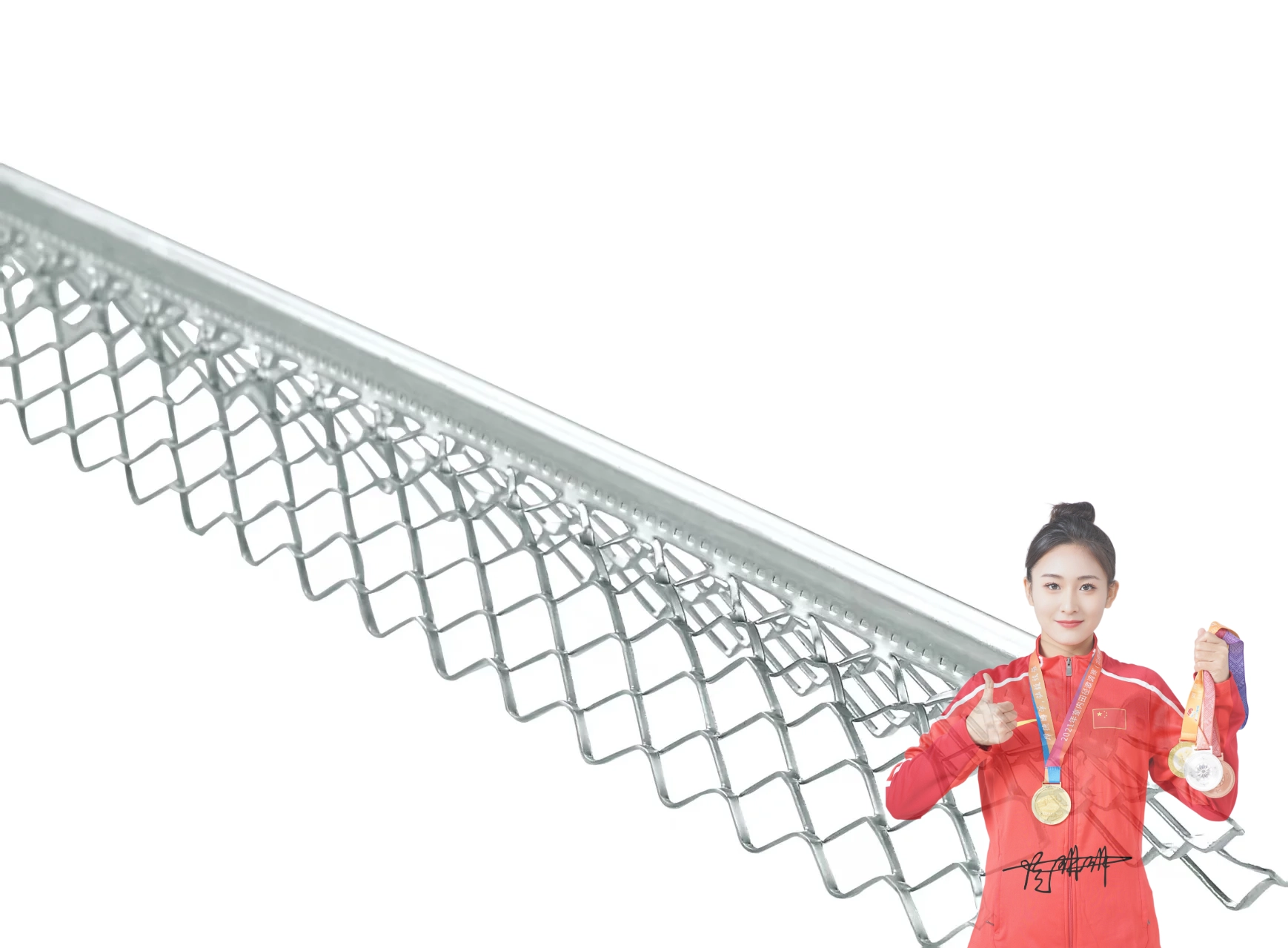
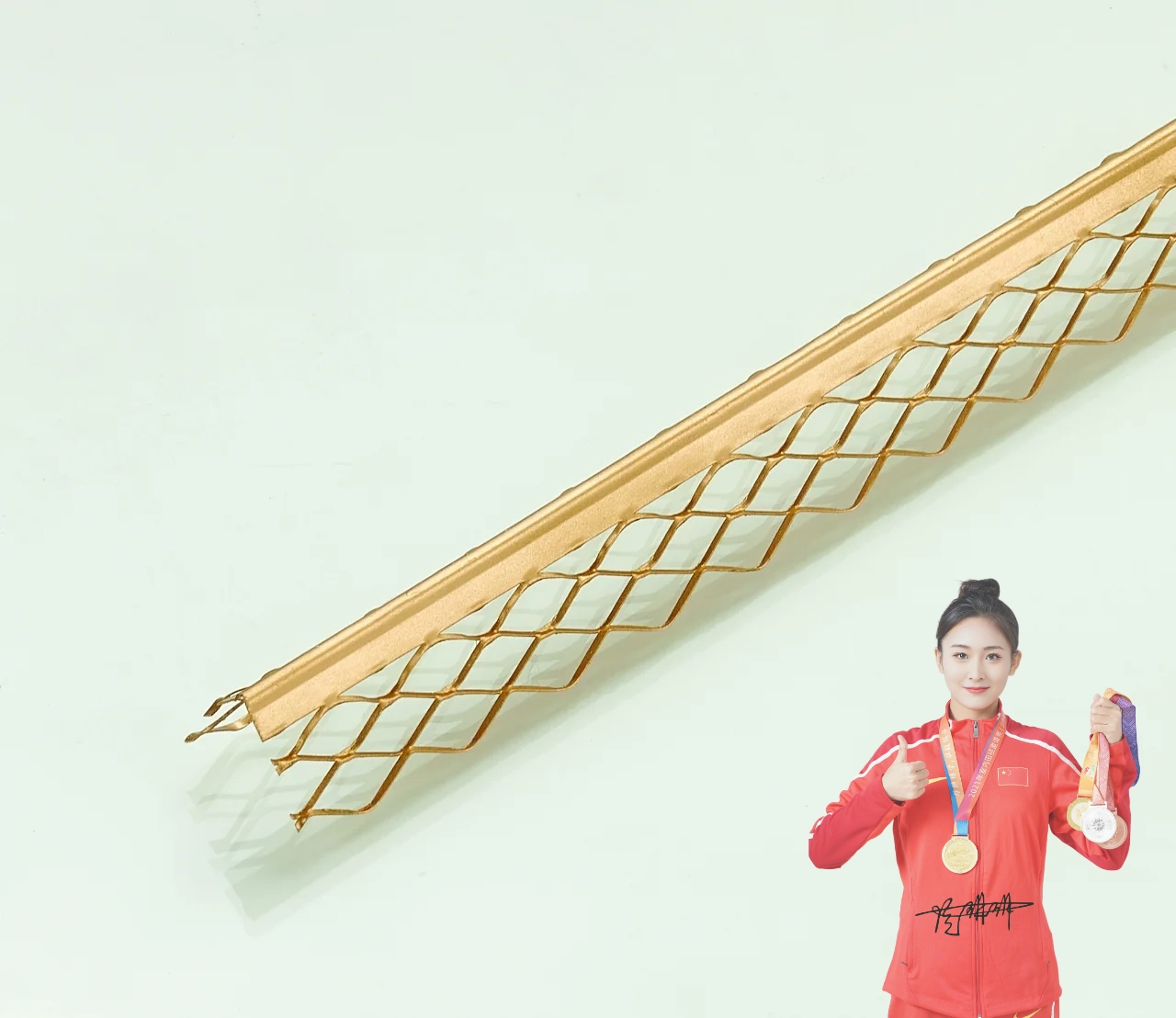
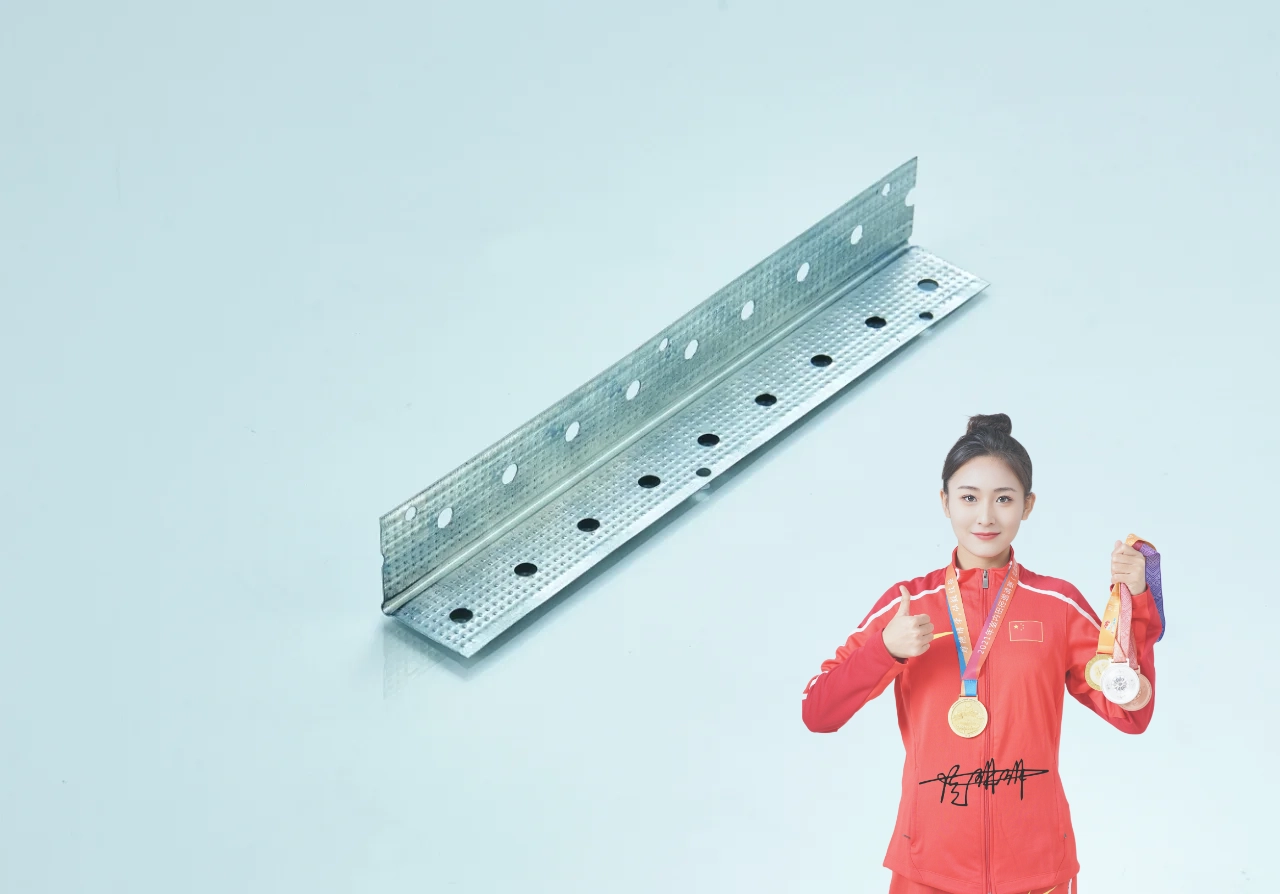
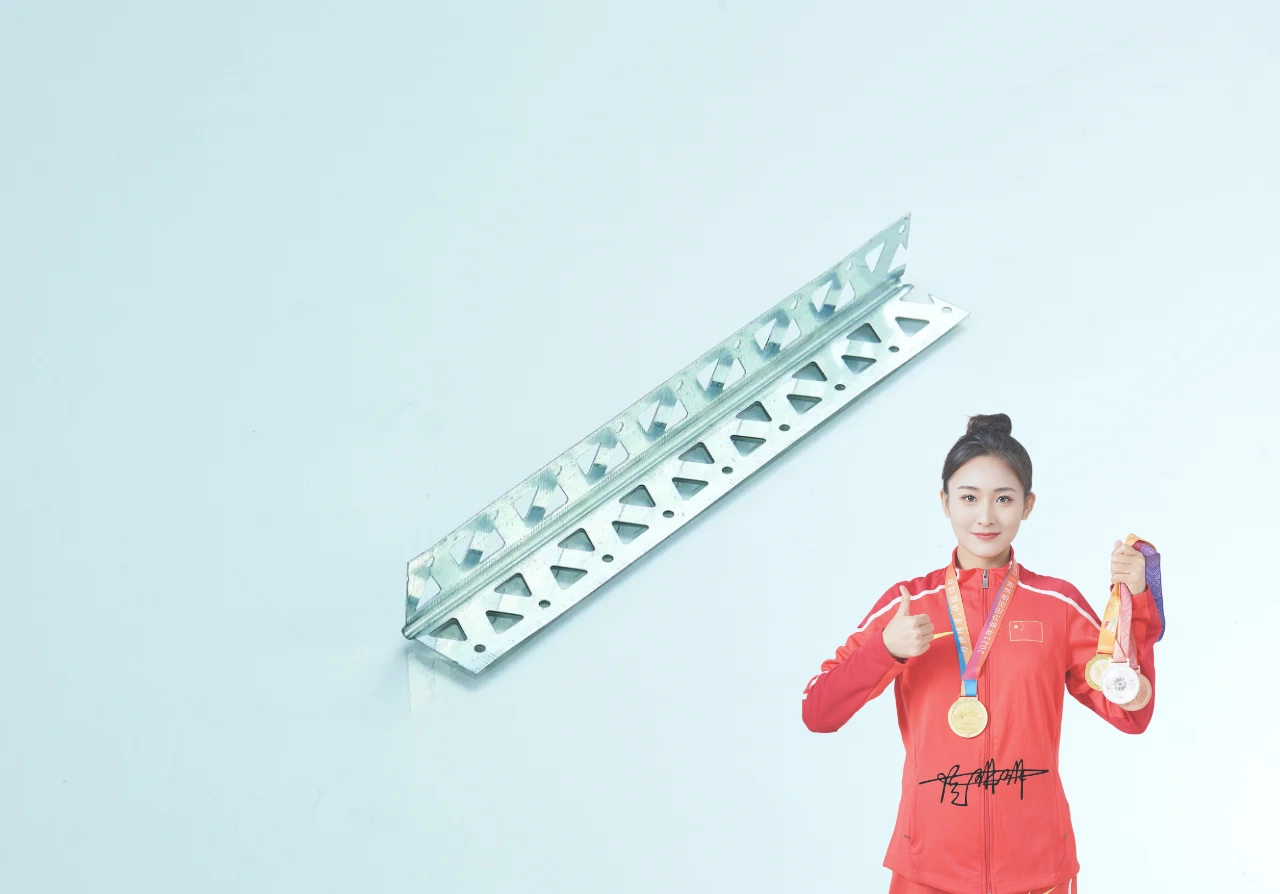
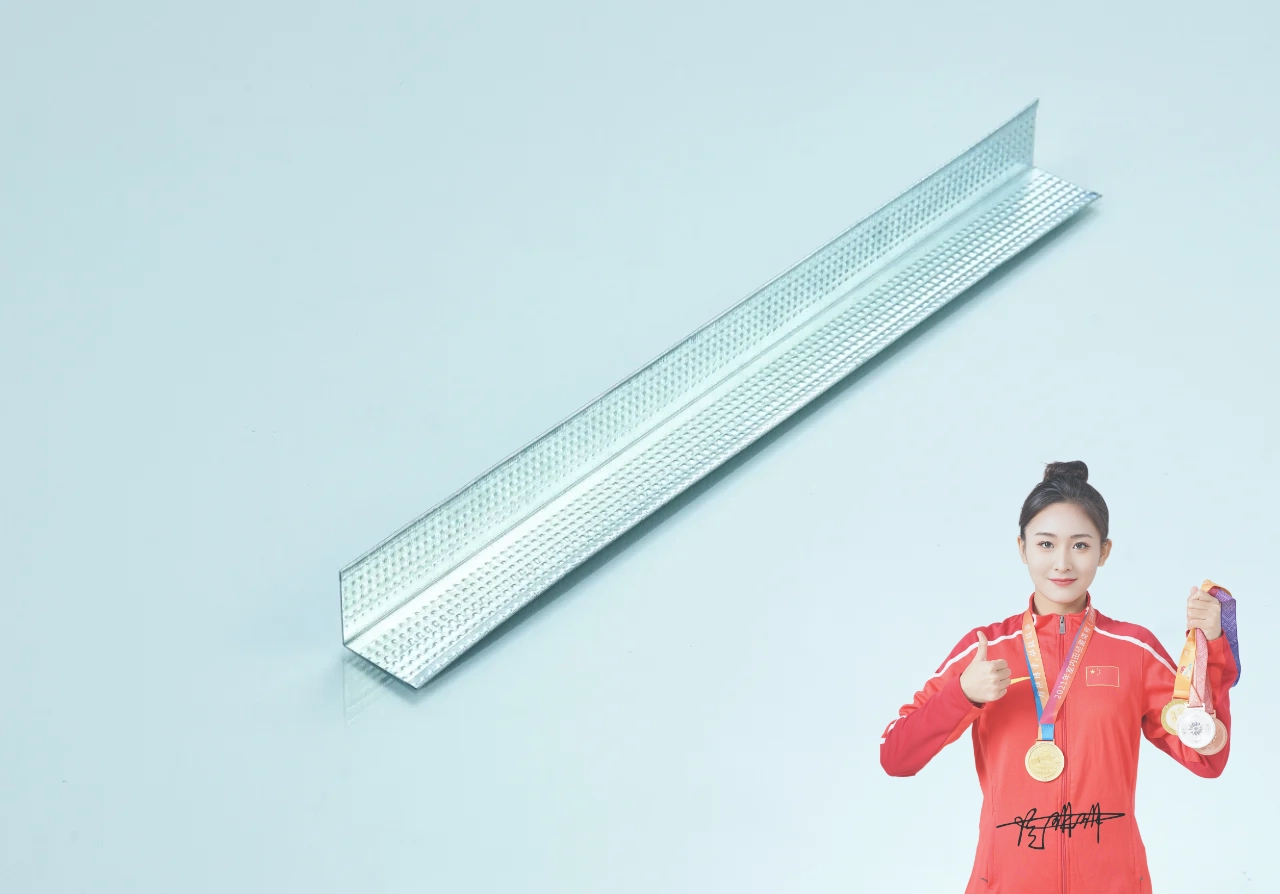
For those unfamiliar, drywall outer corners are the metal or vinyl trims used where two drywall sheets meet at an external angle, typically 90 degrees. In real terms, they protect drywall edges from nicks, chips, and cracks — but they also define the aesthetic crispness of interior walls. Over the years, I’ve noticed that quality varies wildly. Sometimes it feels like manufacturers forget these little pieces require as much engineering as bigger components.
Material Matters: Why Steel and Vinyl Lead the Pack
The most common materials are galvanized steel and vinyl. Steel is robust, and frankly, it’s what most pros prefer in heavy-traffic or commercial spaces. Vinyl has a bit more give, making it easier to work with on curved or unusually shaped corners. The problem? Vinyl can yellow or warp over time under UV exposure, something not many casual installers consider until their clients complain years later.
On one memorable project, a client insisted on vinyl corners in an office lobby — purely for cost savings, they argued. Six months later, those corners were visibly dinged and discolored, tarnishing what was supposed to be a sleek, professional impression. That’s when I truly appreciated why galvanized steel corners remain industry staples.
Industry Testing and Standards
It’s essential that these corners meet ASTM standards for strength and corrosion resistance because corners face daily abuse (at least in busy spaces). Many vendors run impact and bend tests to guarantee durability, but specs vary. For example, edge fold technique influences how well corners resist denting; stronger alloys or thicker gauges increase lifespan.
Common Drywall Outer Corner Specifications| Specification | Typical Range | Notes |
|---|
| Material | Galvanized Steel / Vinyl | Steel preferred for durability |
| Gauge | 0.018" to 0.024" | Thicker is stronger but less flexible |
| Length | 8’ to 10’ standard | Custom lengths often available |
| Finish | Galvanized / PVC coated | PVC adds corrosion resistance |
| Angle | 90° standard | Some vendors offer adjustable variants |
Comparing Leading Vendors in Drywall Outer Corners
Now, to be frank, selecting a vendor isn’t just about specs and price. I’ve worked with several manufacturers and distributors, and vendor reliability — delivery speed, custom order flexibility, and support — often trumps everything else. Here’s a quick comparative snapshot, based on years of industry chatter and personal dealings:
Vendor Comparison: Drywall Outer Corners| Vendor | Material Options | Custom Lengths | Delivery Time | Price Range | Notes |
|---|
| CornerBeadMfr | Steel, Vinyl | Yes | 3–5 days | Moderate | Very responsive support; strong warranties |
| BuildTrim Co. | Steel Only | Limited | 7–10 days | Low | Budget-friendly but slower service |
| TrimMaster Inc. | Vinyl Only | Yes | 5–7 days | Moderate | Good for curved installations, less durable |
That said, drywall outer corners from trusted vendors like CornerBeadMfr tend to save time and headaches. I recall a series of hotel renovations where we had to replace hundreds of corners quickly due to subpar material from a cheaper supplier. CornerBeadMfr stepped in with custom lengths on short notice, cutting downtime almost in half.
It’s funny how something so ‘simple’ demands such respect in planning. In the end, those corners do more than just hold drywall edges together; they protect investments and polish the final look — things everyone notices, even if they don’t say it out loud.
So, if you’re looking to get a bit more out of your drywall finishing work, give some thought to the quality and source of those drywall outer corners. Frankly, it’s one area where cutting corners just doesn’t pay off.
References:
1. ASTM International, "Standard Specification for Corner Bead for Gypsum Board," ASTM C1047
2. Industry interviews with construction contractors, 2018–2023
3. Manufacturer product datasheets from CornerBeadMfr and competing suppliers