Plastic Angle Beads for Rendering: Durable Corners Delivered Right
Having spent over a decade in industrial equipment and construction materials, I’ve gained a pretty solid appreciation for the humble plastic angle bead. Honestly, these small components don't get enough credit outside the rendering and plastering circles. But if you’ve ever tried to patch or protect exterior corners on fascias or walls, you know how critical they are to the long-term finish and structural integrity.
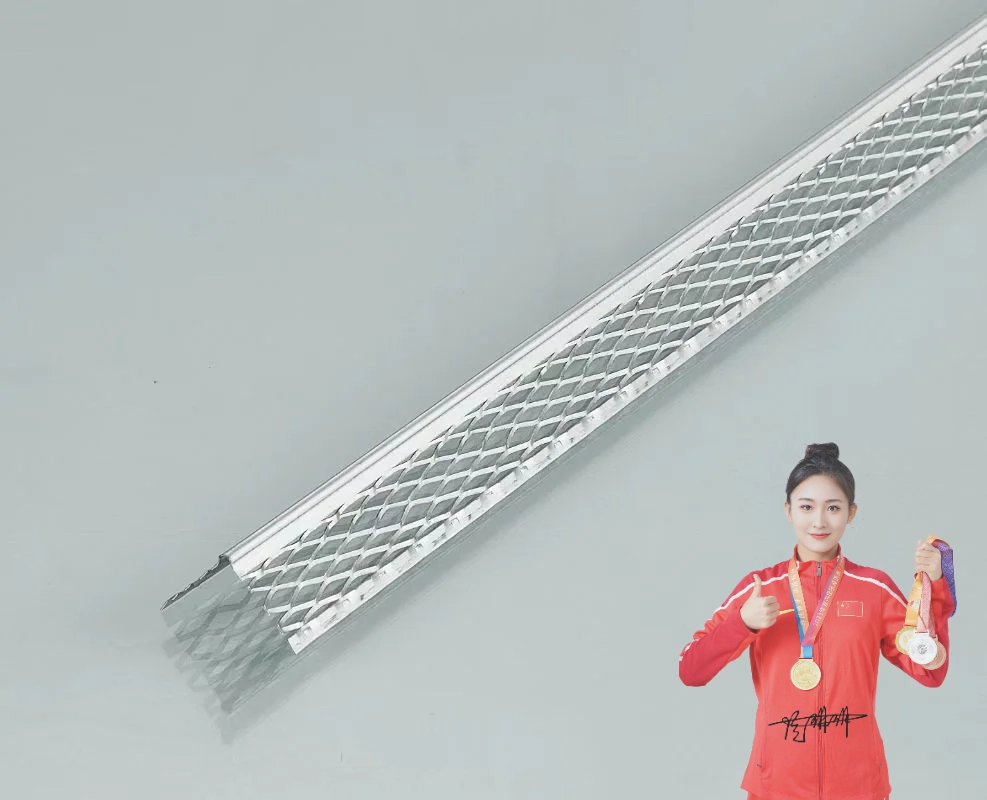
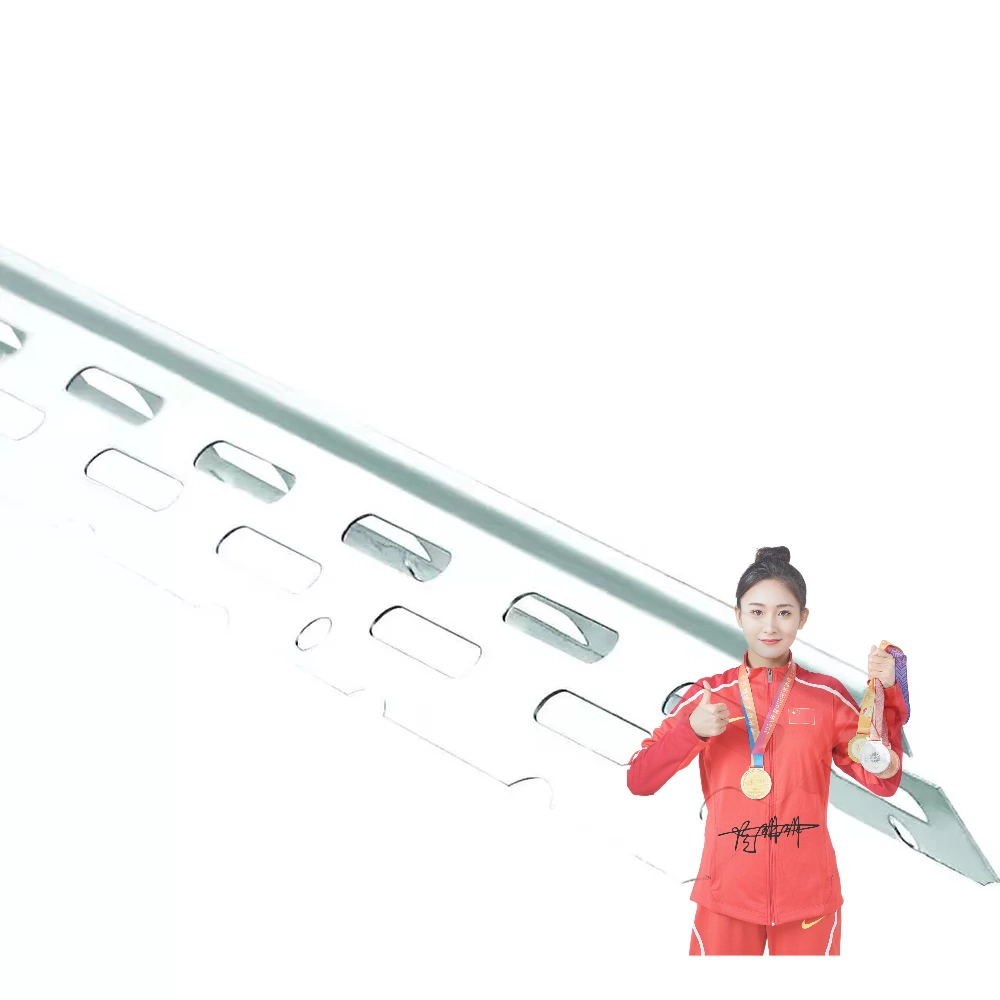
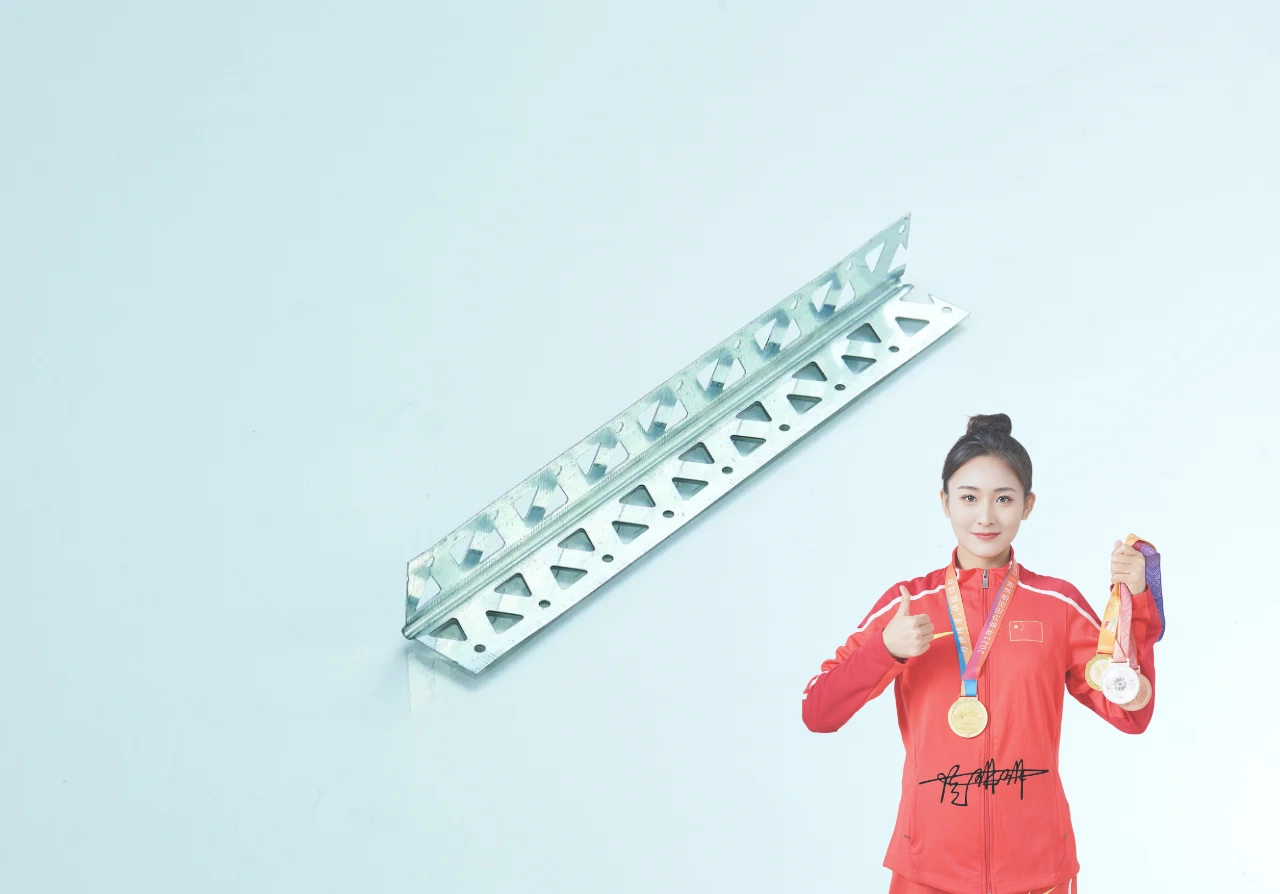
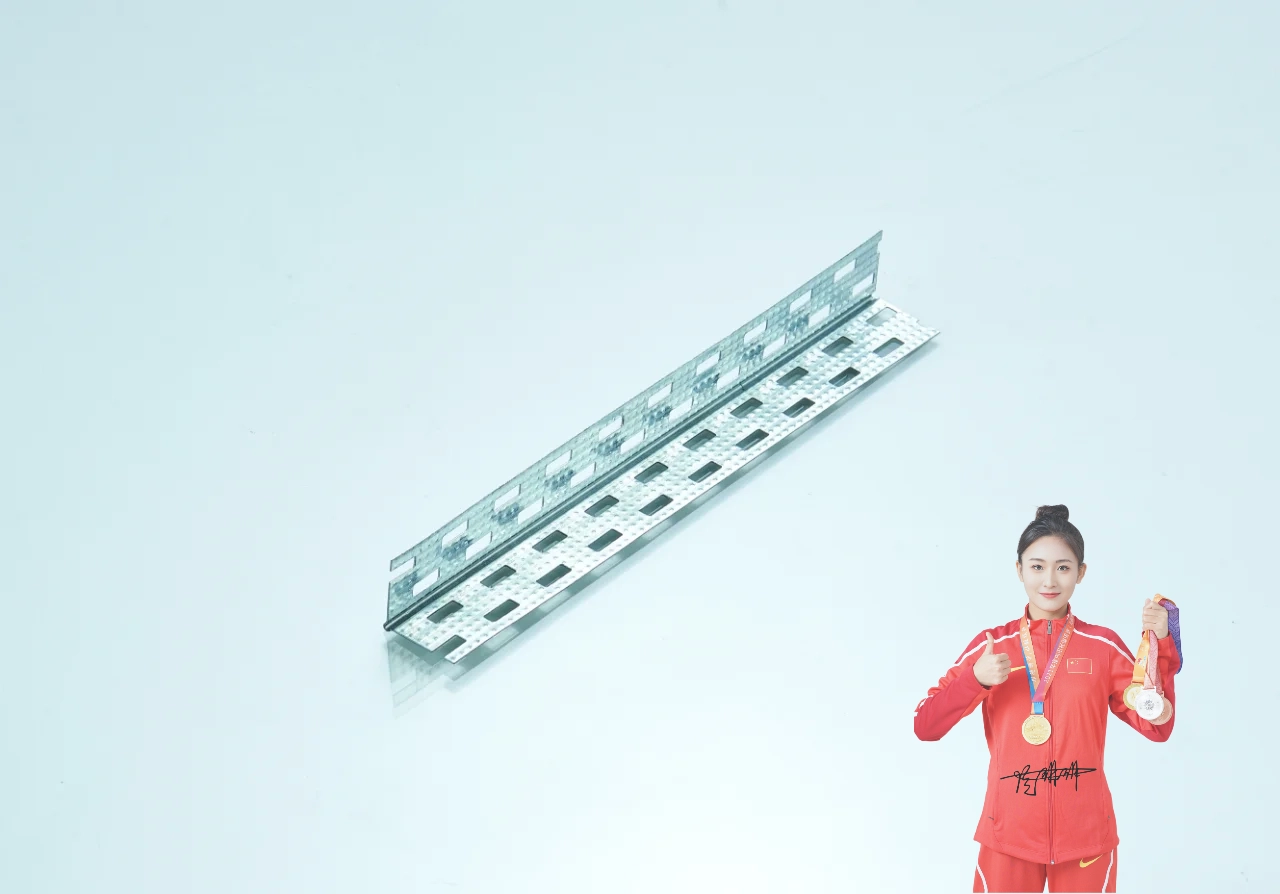
Plastic angle beads for rendering serve as the backbone for smooth, straight edges on corners, especially those vulnerable to chipping or weather damage. Oddly enough, the right bead can make or break a job’s durability. And, well, it’s more than just a straight piece of plastic; materials, design, and installation are key to performance.
Back when I was working on urban refurbishment projects, I distinctly remember a customer complaining about flaky finishes thanks to cheap metal angle beads rusting after a couple of seasons. Switching to the right plastic type eliminated their recurring problem. It’s these lessons that really stick with you — the utility is subtle but unmistakable.
What Sets Quality Plastic Angle Beads Apart?
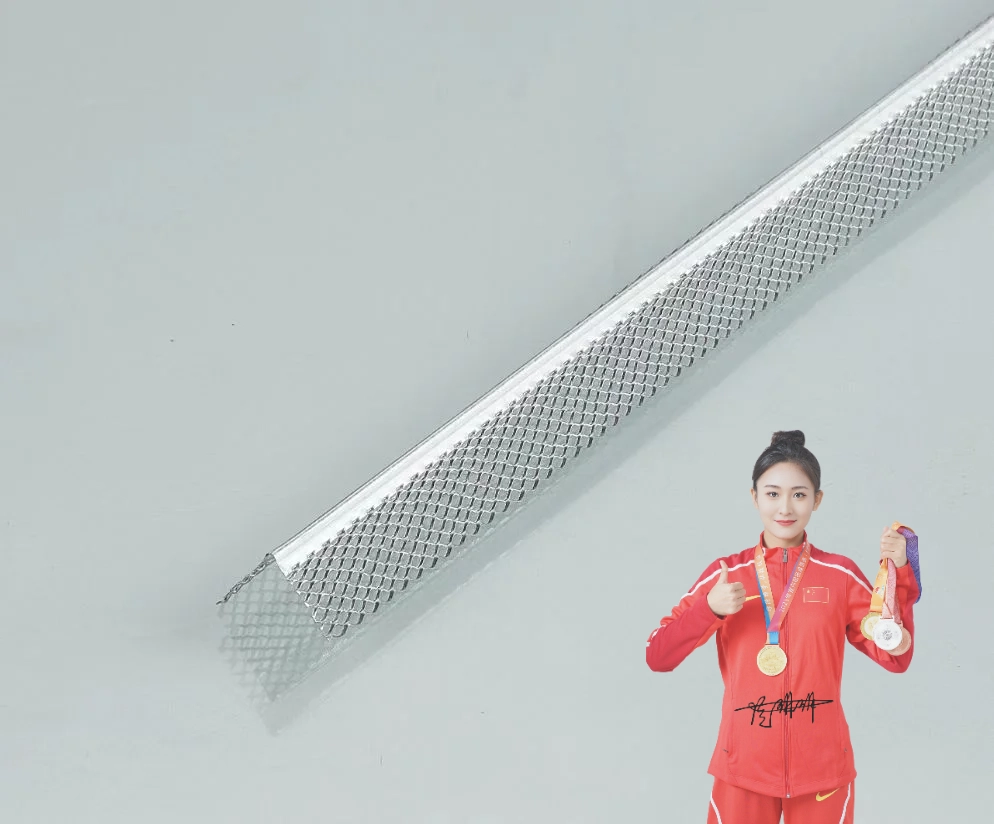
First off: material choice. Many angle beads are made from PVC, which is both weather and corrosion resistant — crucial for outdoor render protection. You’ll often find beads reinforced with mesh wings to ensure they embed firmly into the plaster. The thickness and rigidity of the plastic affect how well the corner resists dents from impact (you do get the occasional errant trolley or ladder bump).
When selecting these beads, I usually look for:
UV resistance to prevent brittleness in sunlight
Flexible enough to handle slight substrate movement without cracking
Corrosion and chemical resistance, especially important if using cement-based renders
Compatibility with mesh systems or adhesives for secure fixing
Frankly, it’s the combination of these factors that distinguishes a night-and-day working plastic bead from a subpar one, which might look good out of the box but lose integrity over time.
Plastic Angle Bead – Typical Product Specifications
| Specification | Value |
|---|
| Material | UV Stabilized PVC |
| Bead Length | 3 meters (standard) |
| Wing Mesh Width | 50 mm |
| Thickness | 1.2 mm |
| Impact Resistance | High (flexible & impact absorbing) |
| Installation | Nail or adhesive fixing |
Comparing Vendors: What to Watch For
| Brand | Material Quality | Customization Options | Price Tier | Lead Time |
|---|
| CornerBeadMfr | High-grade UV-stabilized PVC | Lengths, mesh widths, colors | Mid-range | 2–3 days |
| Generic Supply Co. | Standard PVC, limited UV protection | Minimal customization | Low | 1 week+ |
| Premium Edge Solutions | Advanced composite plastics | Wide range including color tints | High | 4–5 days |
Oddly enough, when I’ve worked with plastic angle beads, I find that timely delivery and customization make a huge difference. Sometimes a site needs beads cut to specific lengths to fit odd corners, or stronger mesh wings for extra reinforcement. Having a supplier who listens — and responds quickly — smooths the entire workflow. Being stuck waiting for parts is never fun, in real terms.
In terms of installation, these beads are pretty straightforward to work with for anyone used to rendering. They nail or can be glued into place, then the standard render or plaster is applied over the mesh wings. The bead provides a defined, crisp corner edge that won’t crumble or crack over time. I’ve noticed many engineers and finishers prefer plastic over metal nowadays just for that consistent reliability, especially in coastal or humid environments.
One quick anecdote: A project we did near the coast saw metal angle beads corroding within a year, while plastic beads from a trusted supplier held up beautifully through storms and salt air. That struck home for me how material choice really impacts maintenance costs long-term.
So if you’re looking for angle beads for rendering, frankly, plastic is usually the way to go — and picking a reputable source with quality products, like plastic angle beads from the specialists, makes the difference. Your corners will thank you.
Feel free to browse the full range on their site — it’s handy having such options at your fingertips.
References:
1. Industry experience and site reports (2010-2023)
2. Corner bead product manuals and datasheets
3. Customer feedback from coastal renovation projects