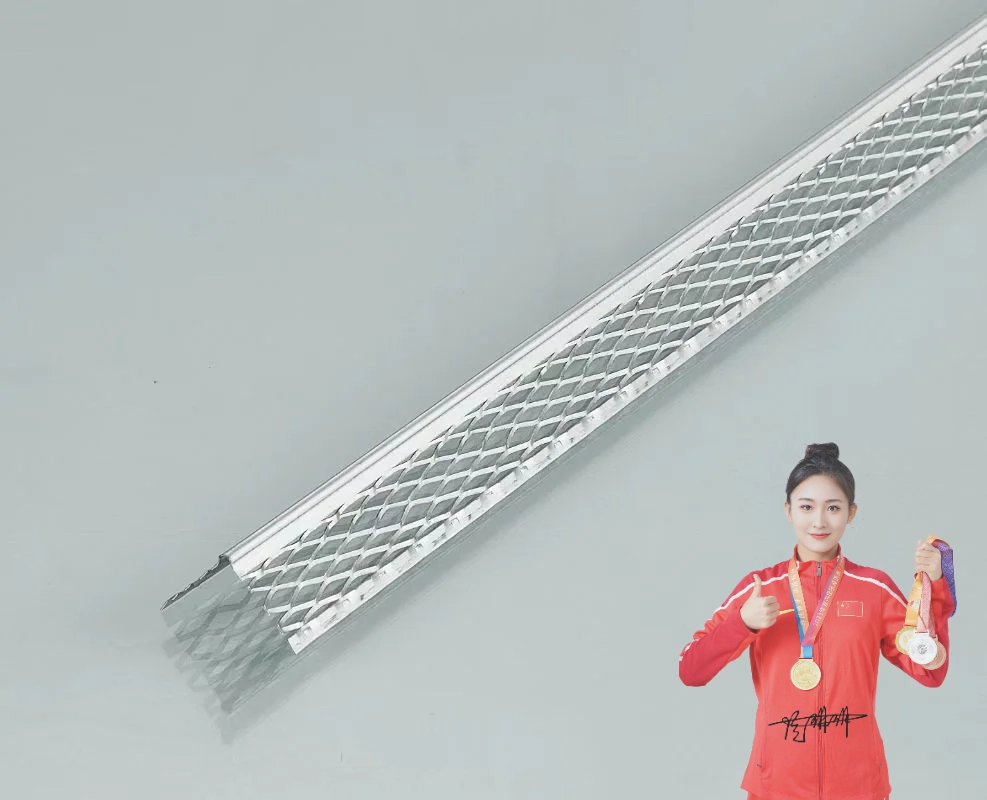
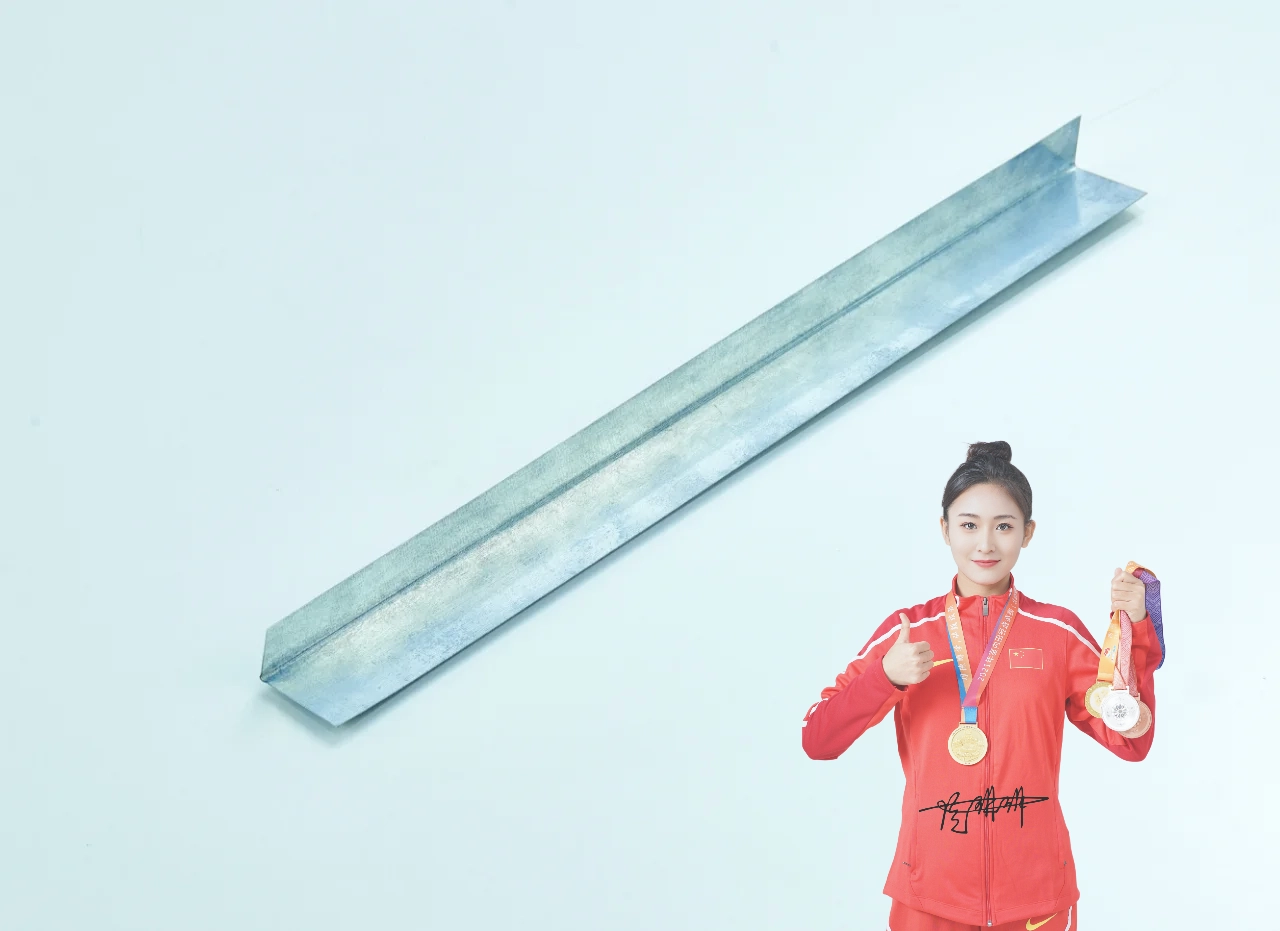
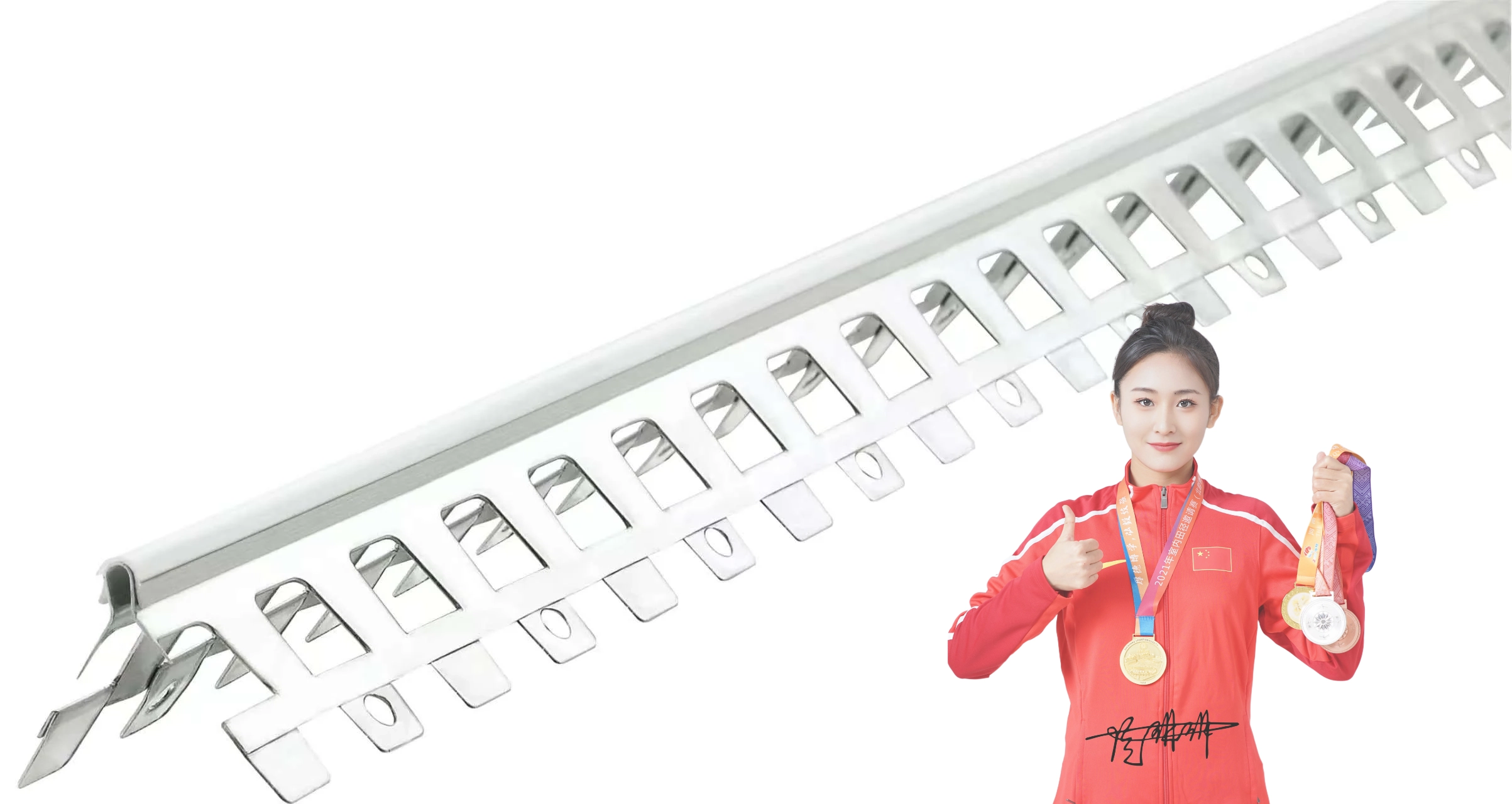
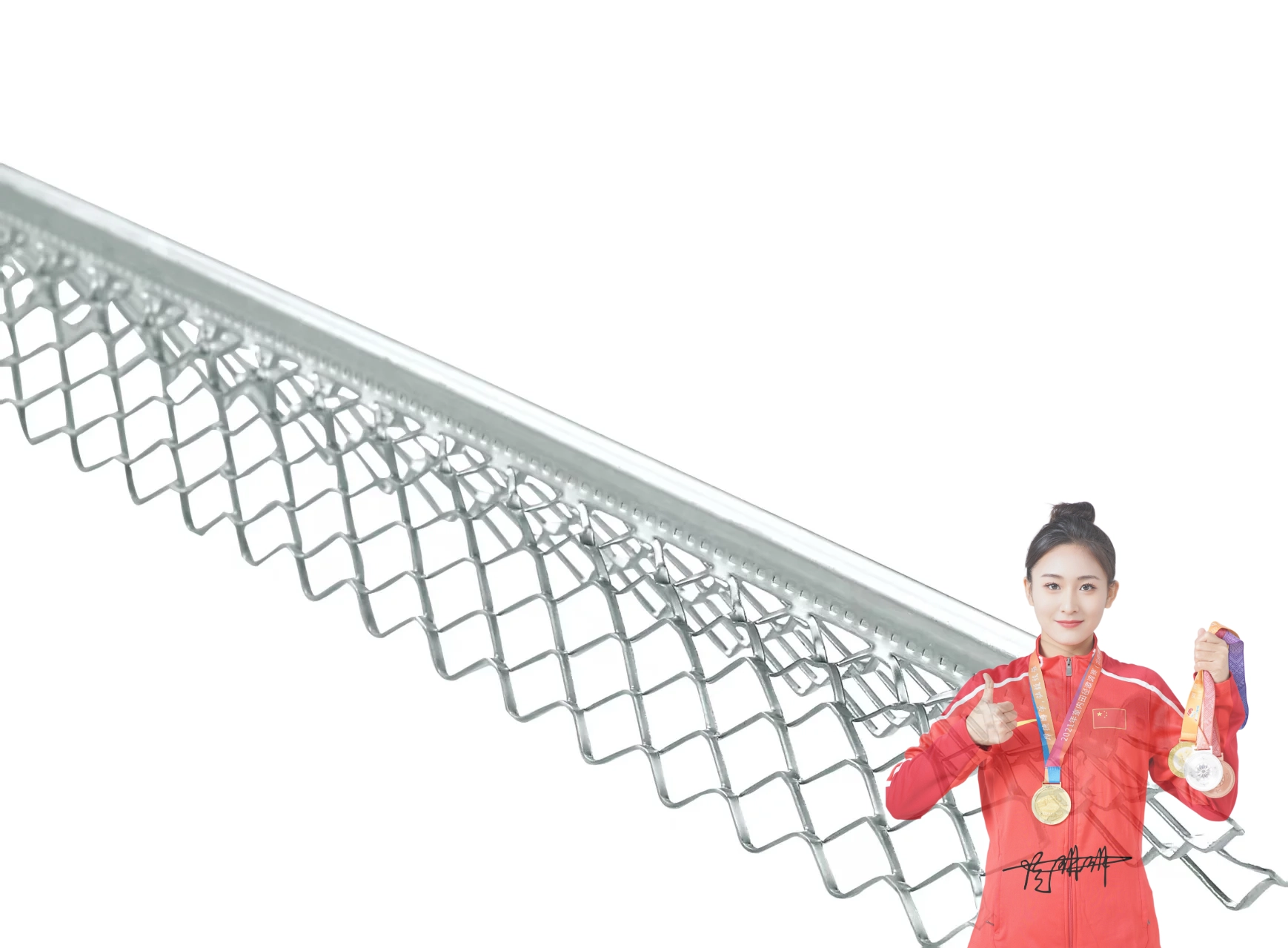
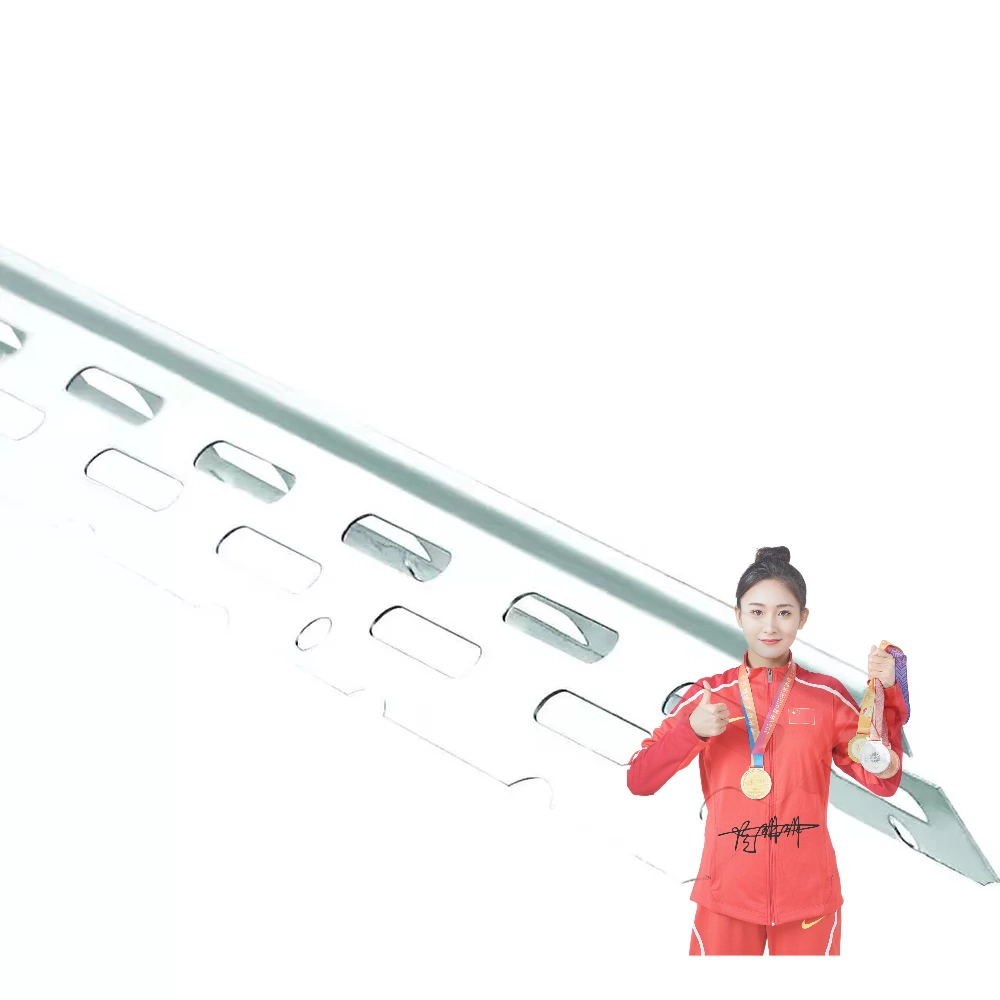
Dry Wall Corner Bead – Durable, Rust-Proof, Easy Install
PVC Corner Bead: field notes from job sites and spec sheets
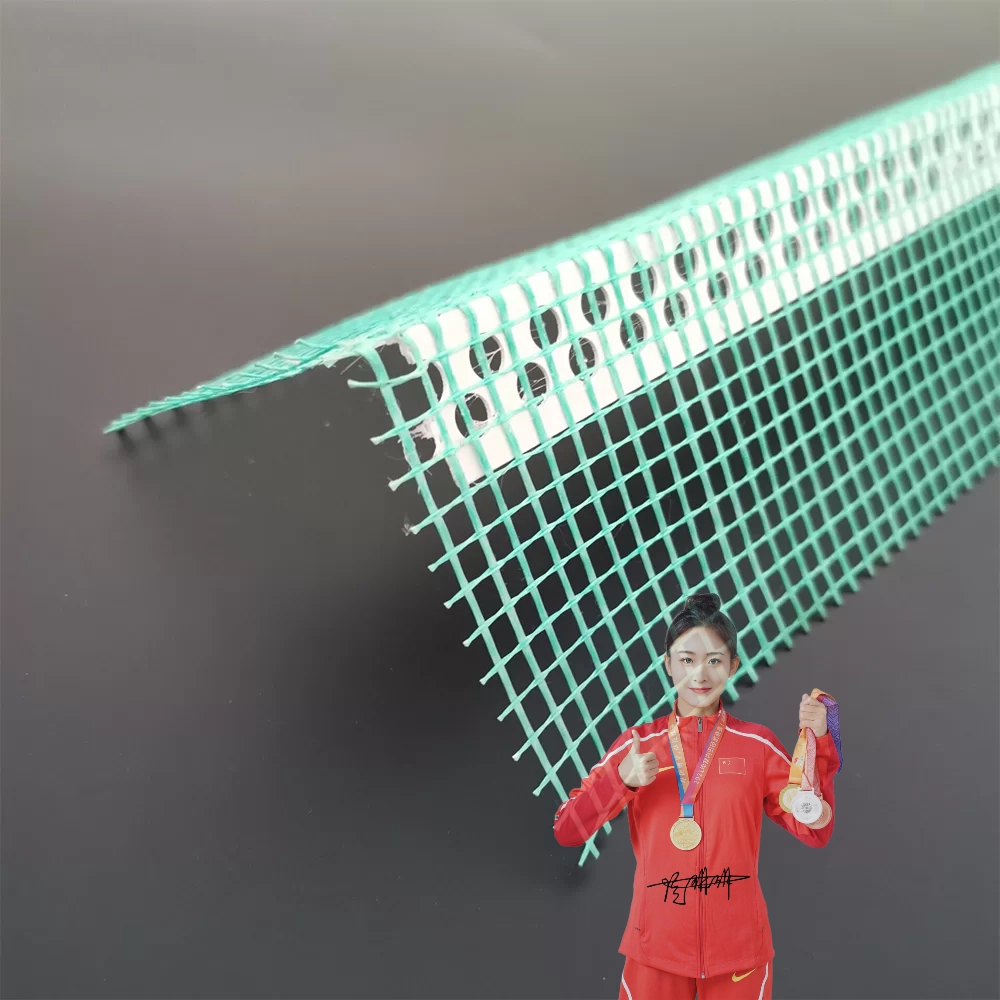
If you’ve ever chased a perfectly straight outside corner after three coats of mud, you already understand the magic of a dry wall corner bead. The PVC variant has quietly taken over a lot of scopes where metal used to be the only answer—especially in wet areas, coastal jobs, and high-traffic corridors.
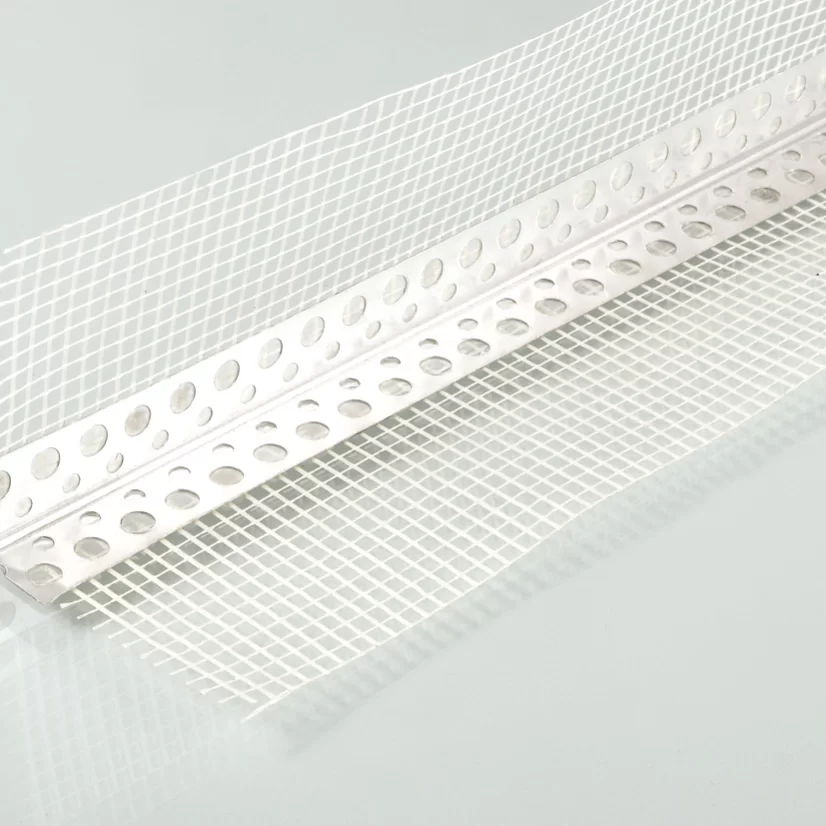
What’s driving the shift
Three trends keep coming up in my notes: moisture resilience (no rust blooms under paint), labor speed (easier cutting and stapling), and consistent lines on Level 4–5 finishes. In fact, many contractors say PVC reduces callbacks where janitorial carts or student backpacks hammer corners all day.
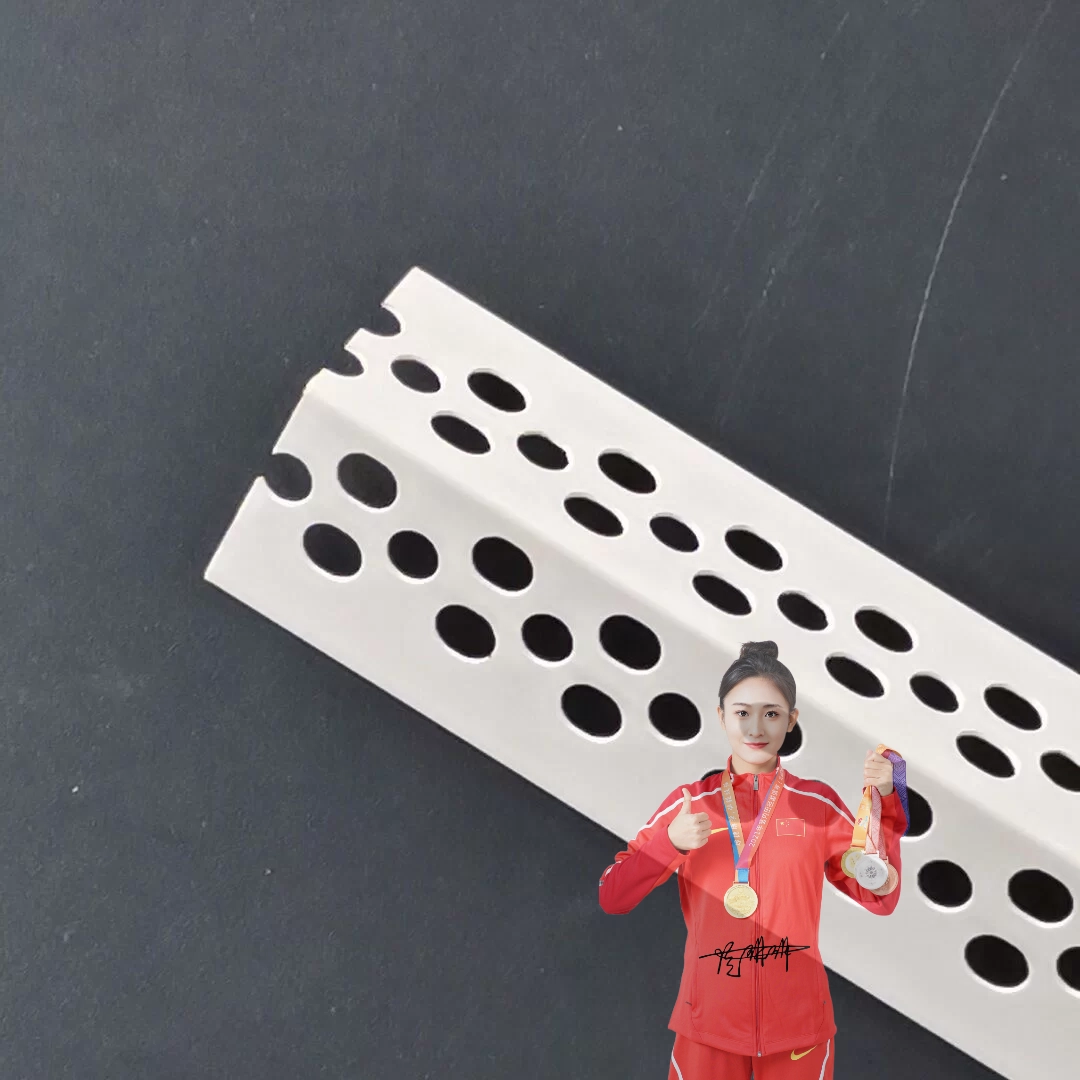
Technical snapshot: PVC Corner Bead (manufacturer in Hebei, China)
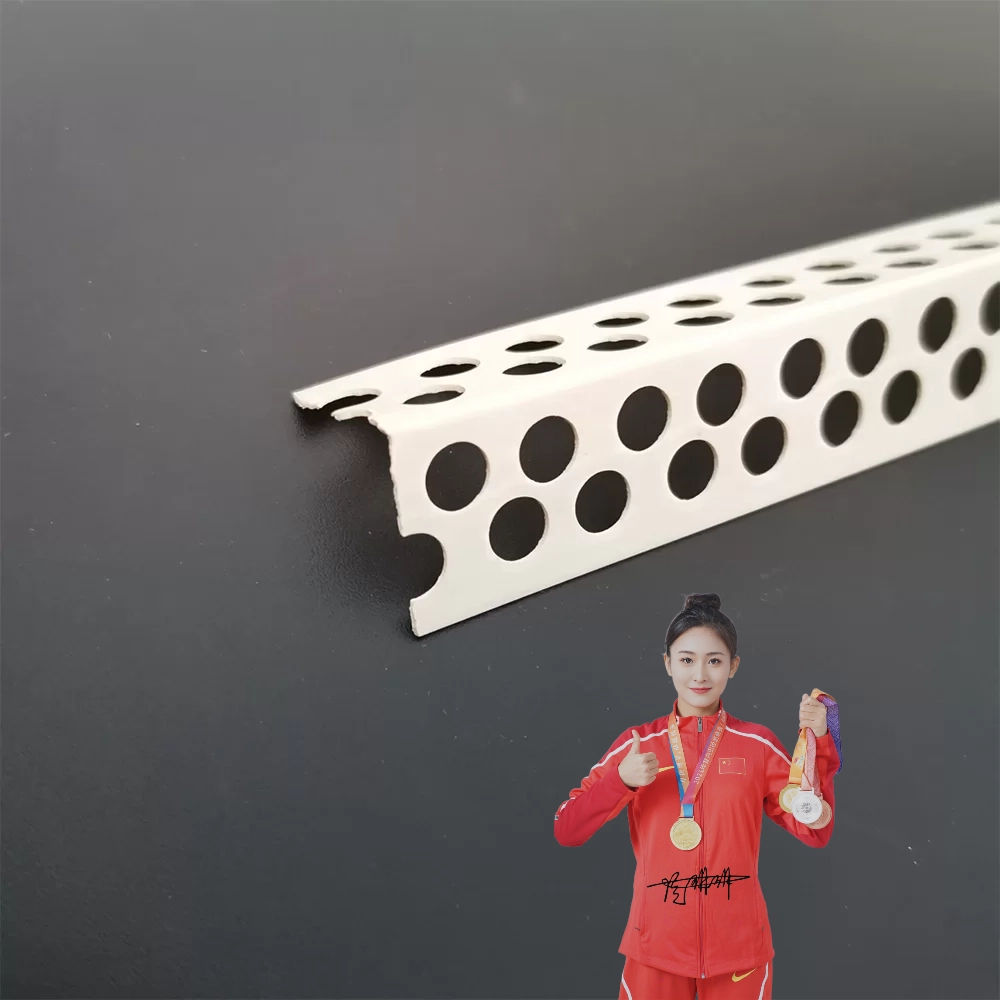
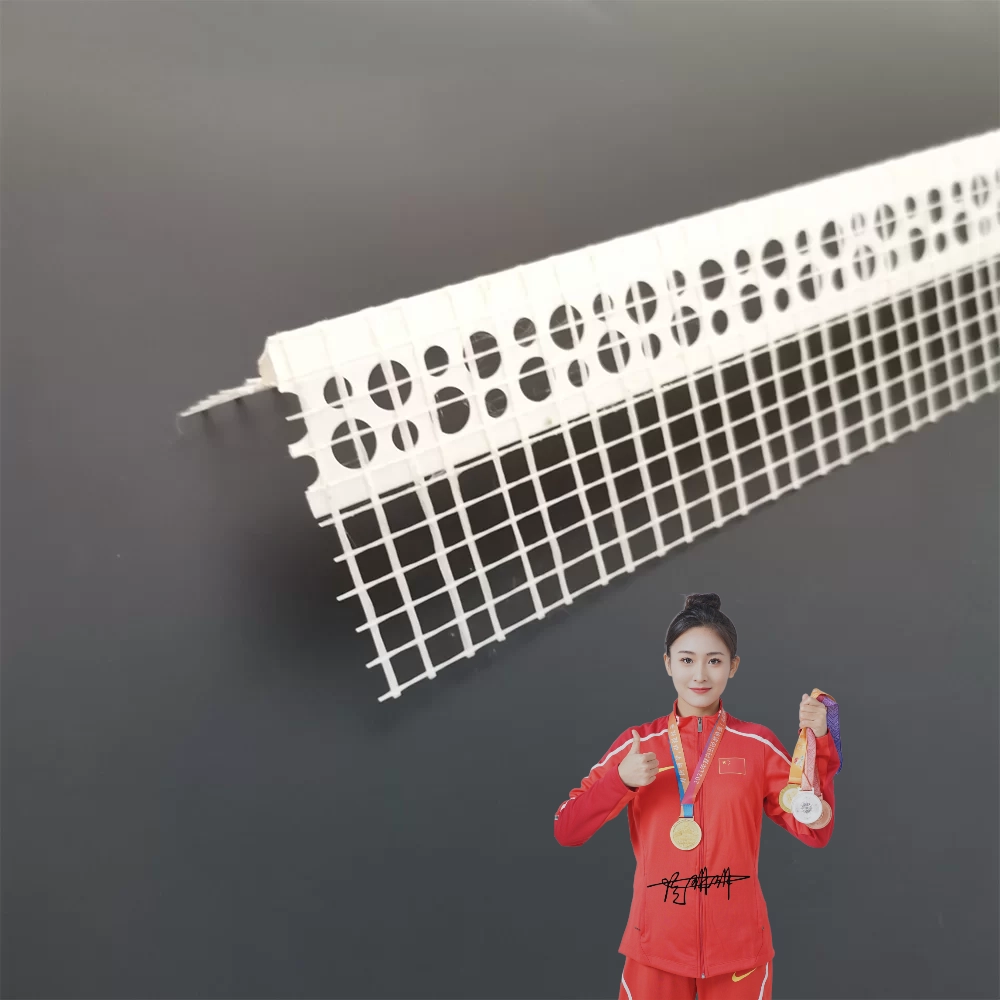
Origin: No. 11, Zongqi Road, Raoyang County Economic Development Zone, Hengshui, Hebei. The product is extruded PVC with accurate noses and clean perforations for mud keying. Below is a spec outline I’ve seen on submittals.
| Parameter | Spec (typical) |
|---|
| Material | Rigid PVC (UV-stabilized), lead-free |
| Leg length | 25–32 mm per leg (≈1–1.25 in), custom on request |
| Length | 2.4–3.0 m standard; up to 3.6 m |
| Perforation | Staggered slots for compound anchorage |
| Temperature range | -20°C to 60°C (real-world use may vary) |
| Compliance | ASTM C1047, GA-216 guidelines, EN 13914 references |
| Color | White standard; color-match optional |
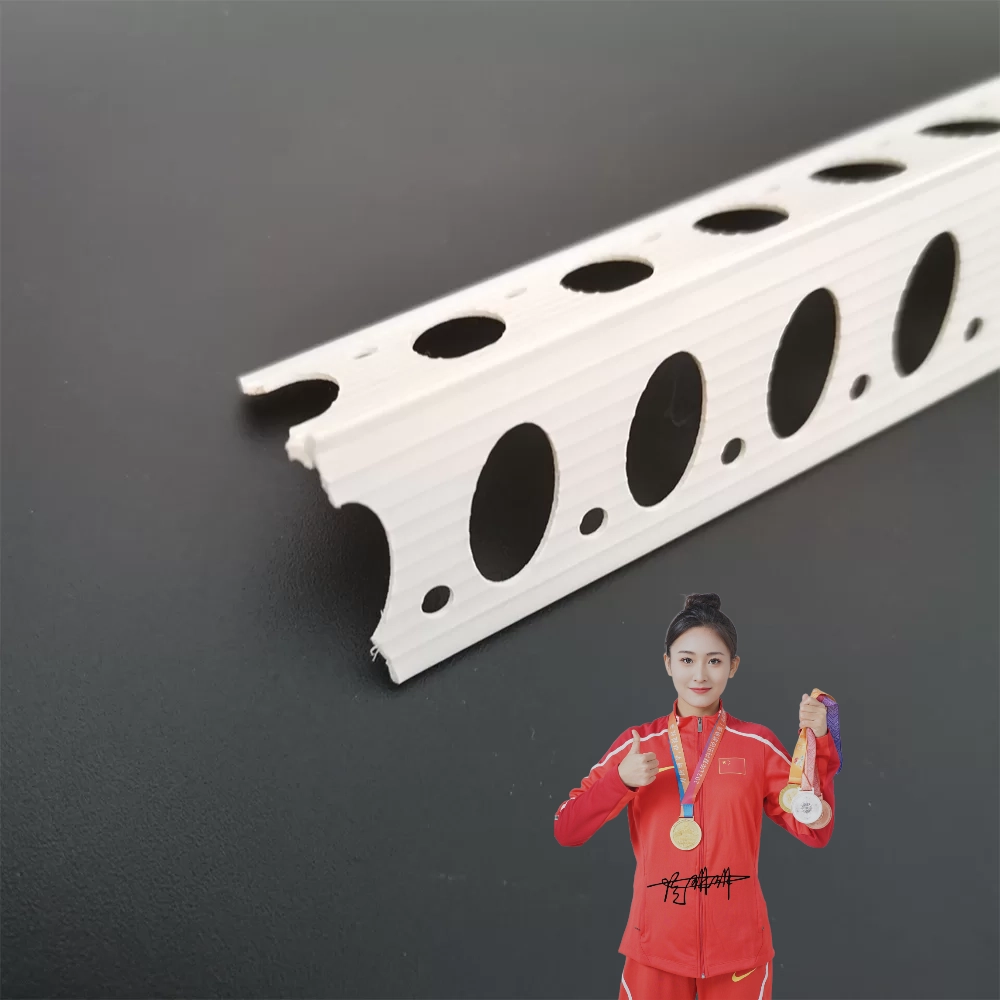
Process flow, testing, and service life
- Materials: PVC resin + UV/impact modifiers.
- Method: precision extrusion → cooling → punching/perf → cut-to-length → QC → packaging.
- QC/tests (typical): dimensional tolerances (ASTM C1047), impact (ASTM D256/ISO 179), UV aging (ASTM G154), compound bond check, burn/smoke screening (ASTM E84 for assemblies).
- Service life: interior 20–30 years; exterior render/stucco 10–20 years depending on UV and substrate prep.
- Industries: residential, hospitality, education, healthcare, retail fit-outs, prefab modules.
Where it shines (and why)
Use a dry wall corner bead wherever moisture, salt air, or frequent impacts exist: locker rooms, hotel corridors, kitchens, clinics, school stairwells, and coastal homes. Advantages vs. metal: no rust, gentle flex absorbs bumps, safer edges, and cleaner saw cuts. To be honest, tapers like how it feathers—less chatter at the nose.
Vendor landscape (quick take)
| Vendor |
Material |
Lead time |
Certs (typical) |
Notes |
| CornerBeadMFR (Hebei) |
PVC |
2–4 weeks |
ISO 9001, test reports per ASTM C1047 |
Custom lengths/colors; factory address disclosed |
| US Brand A |
Galvanized steel |
Stock–2 weeks |
ASTM C1047, GA-216 |
Very straight noses; watch for rust in wet areas |
| EU Brand B |
Aluminum |
3–5 weeks |
EN refs, CE docs |
Premium; good for exterior renders |
| Generic Importer |
PVC (varied) |
2–6 weeks |
Mixed |
Verify resin quality and UV package |
Customization and ordering tips
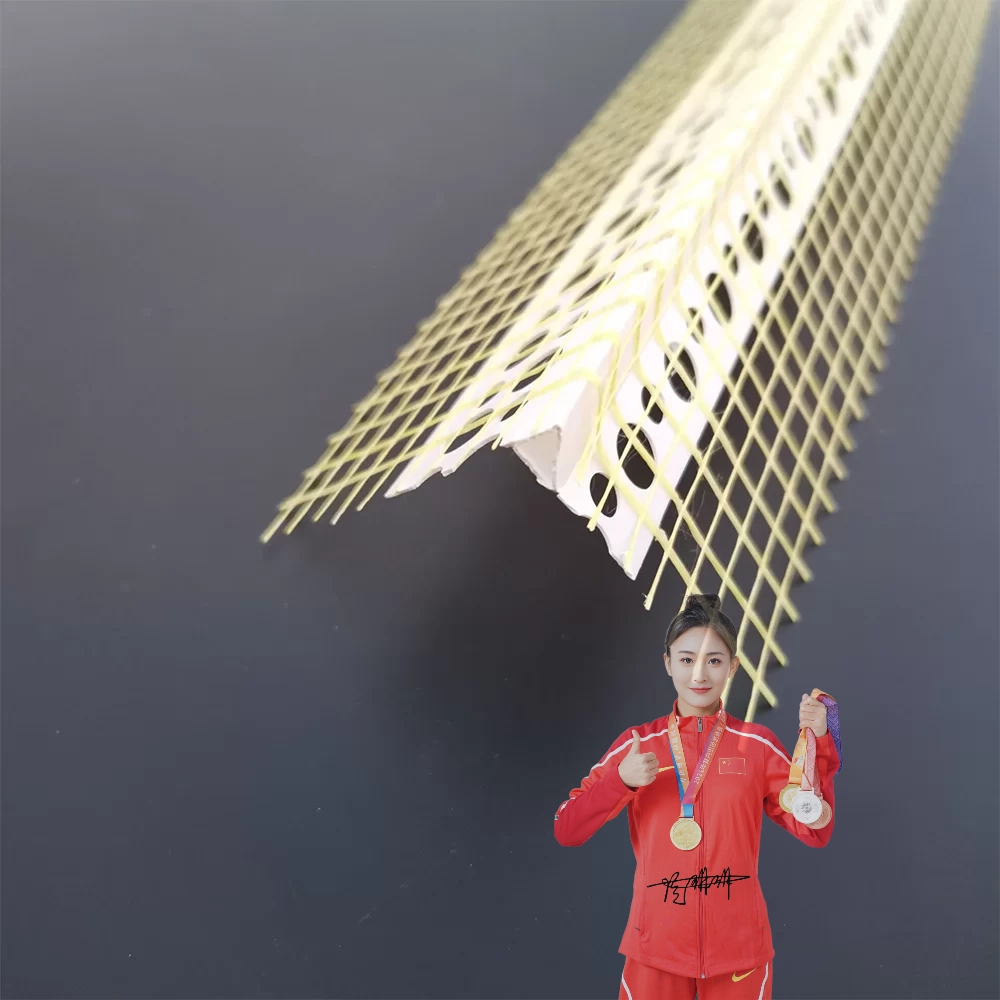
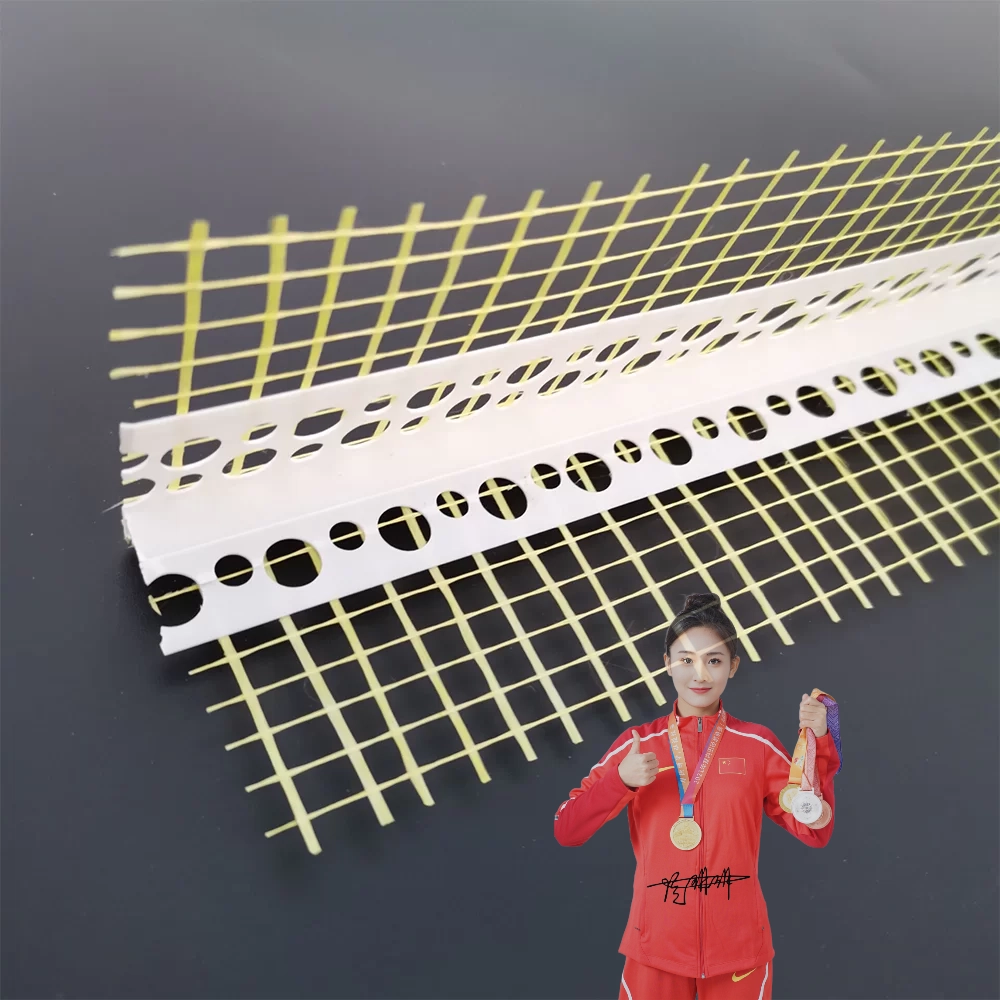
- Profiles: standard 90°, bullnose, arch/radius. Ask for CAD if bending.
- Angles: 85–135° for odd geometries; color coding for trades.
- Lengths/pack: 2.4–3.6 m; barcoded bundles; private label.
- Docs: submittals with ASTM C1047 call-outs, E84 data for assemblies, VOC declarations.
- Field tip: prefill large gaps; then set the dry wall corner bead with screws, staples, or adhesive and skim twice (sometimes thrice) for a Level 5.
Mini case files
- Hospital corridor retrofit: PVC beads replaced rusting steel; maintenance tickets dropped noticeably in 6 months.
- Coastal condo: exterior stucco corners stayed clean after two storm seasons; UV-stable mix helped.
- High school: dry wall corner bead on stairwells survived backpack abuse; paint touch-ups only.
Customer feedback (anecdata)
Installers liked the consistent nose and “non-sparking” cuts; GCs liked fewer rust-related paint bleeds. Some crews prefer metal in very straight, long corridors, but most said PVC wins in wet and busy environments. Honestly, that matches what I see on punch lists.
Citations
- ASTM C1047 – Standard Specification for Accessories for Gypsum Wallboard and Gypsum Veneer Base. https://www.astm.org/c1047
- GA-216 – Application and Finishing of Gypsum Panel Products (Gypsum Association). https://www.gypsum.org
- ASTM E84 – Standard Test Method for Surface Burning Characteristics of Building Materials. https://www.astm.org/e0084
- EN 13914-1 – Design, preparation and application of external rendering and internal plastering. https://standards.iteh.ai