Expanded Metal Mesh Aluminum: What It Is and Why It Matters
Expanded metal mesh aluminum might sound like a mouthful, but it’s one of those unsung heroes quietly reshaping industries worldwide. At its core, this material is a lightweight, durable metal sheet that’s been slashed and stretched into a web-like mesh pattern. It’s not just metal with holes; rather, it’s an engineered structure designed for strength, airflow, and versatility. But why should we care—a global audience—beyond the factory floor?
Well, in a world increasingly driven by sustainability, weight reduction, economic efficiency, and safety; understanding materials like expanded metal mesh aluminum is critical. It offers solutions for everything from energy-efficient building facades to disaster relief ventilation and even protective barriers. Buckle up. We’re about to explore why this material is becoming a staple for engineers, architects, and humanitarian logisticians alike.
The Global Landscape: Why Expanded Metal Mesh Aluminum Is Gaining Momentum
To put it frankly, the demand for materials balancing low weight and high strength is skyrocketing. According to the International Aluminium Institute, global aluminum production topped 67 million tonnes in recent years, a figure propelled by sectors searching for smart, resilient materials. Moreover, the UN emphasizes sustainable infrastructure as a key driver in achieving the 2030 Agenda for Sustainable Development.
Yet there’s a challenge: many regions grapple with aging, inefficient construction materials that hamper energy use and safety. Enter expanded metal mesh aluminum, providing a lightweight alternative with excellent ventilation and protection—ideal for climates grappling with heat, pollution, or even unpredictable natural disasters.
Mini Takeaway:
· Expanded metal mesh aluminum is not just industrial jargon—it’s a global material solution meeting modern infrastructure and humanitarian needs.
· Its rise correlates with sustainability goals and global infrastructure demands.
What Exactly Is Expanded Metal Mesh Aluminum?
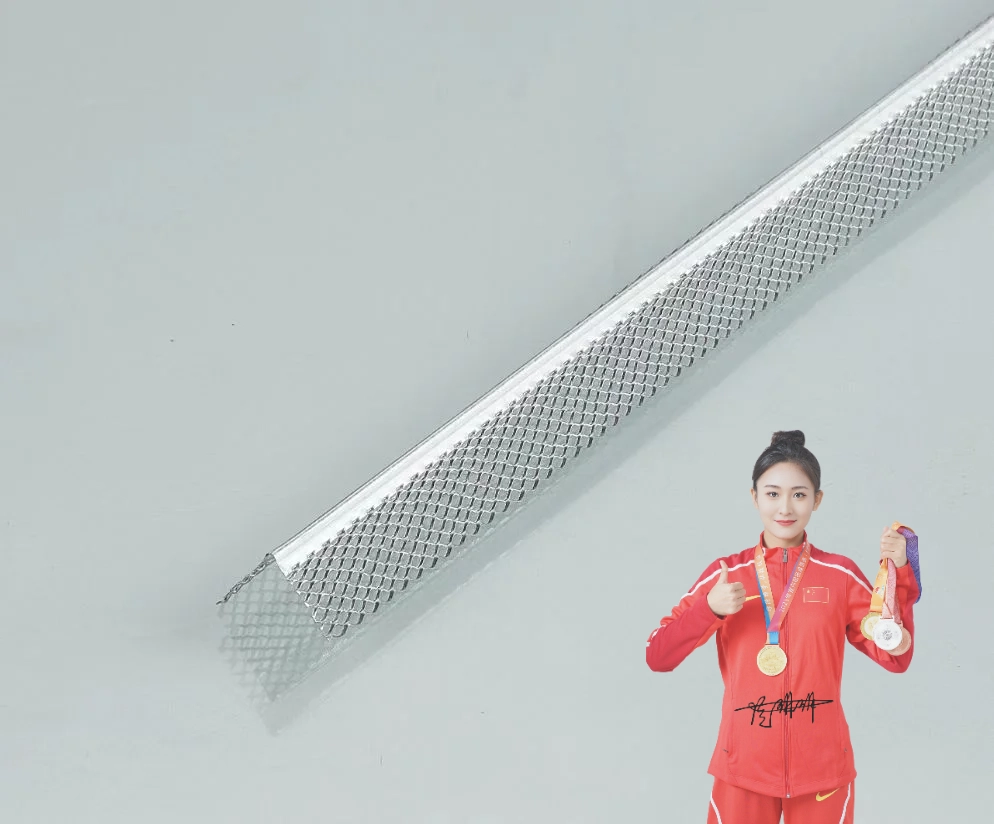
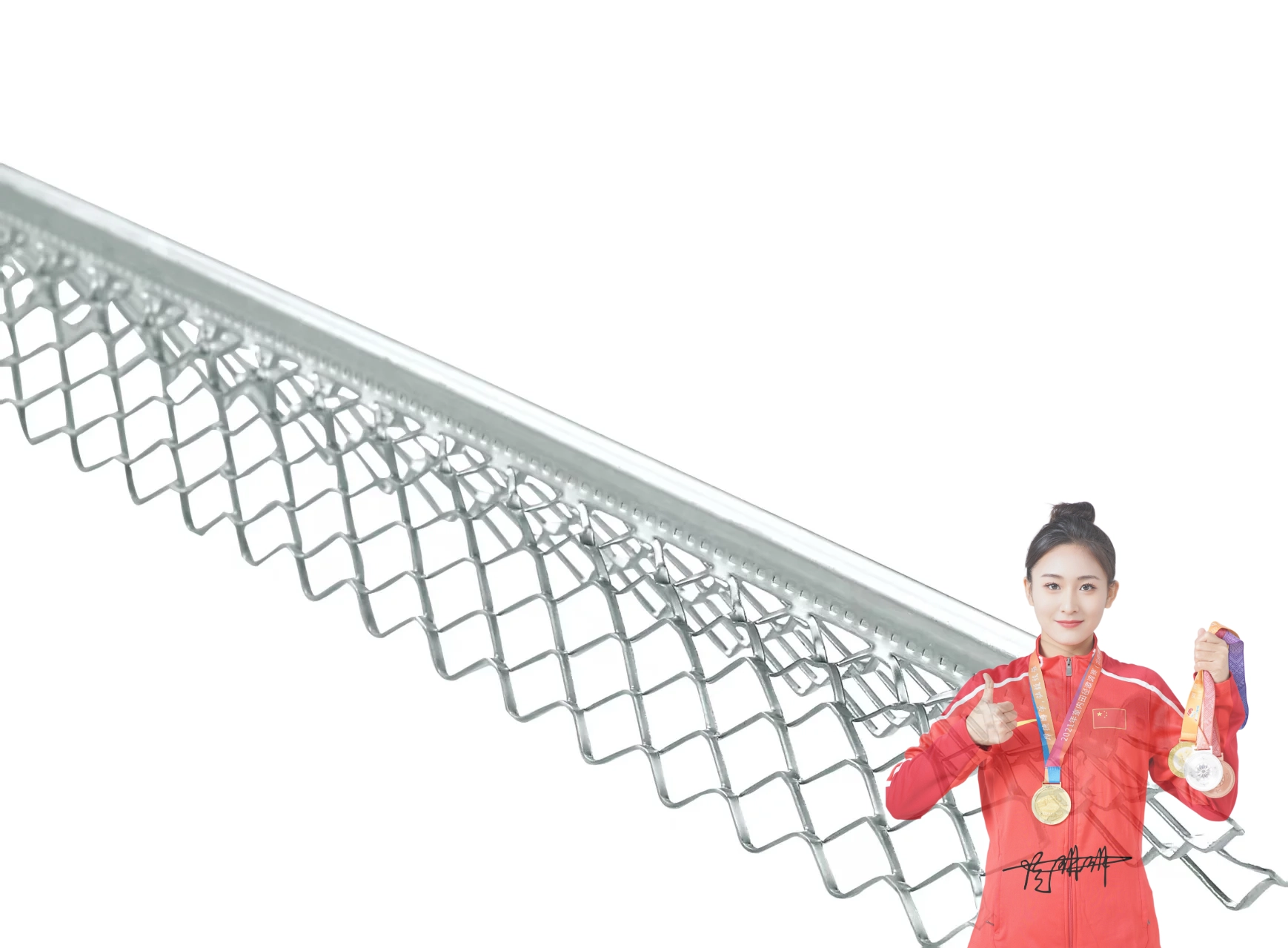
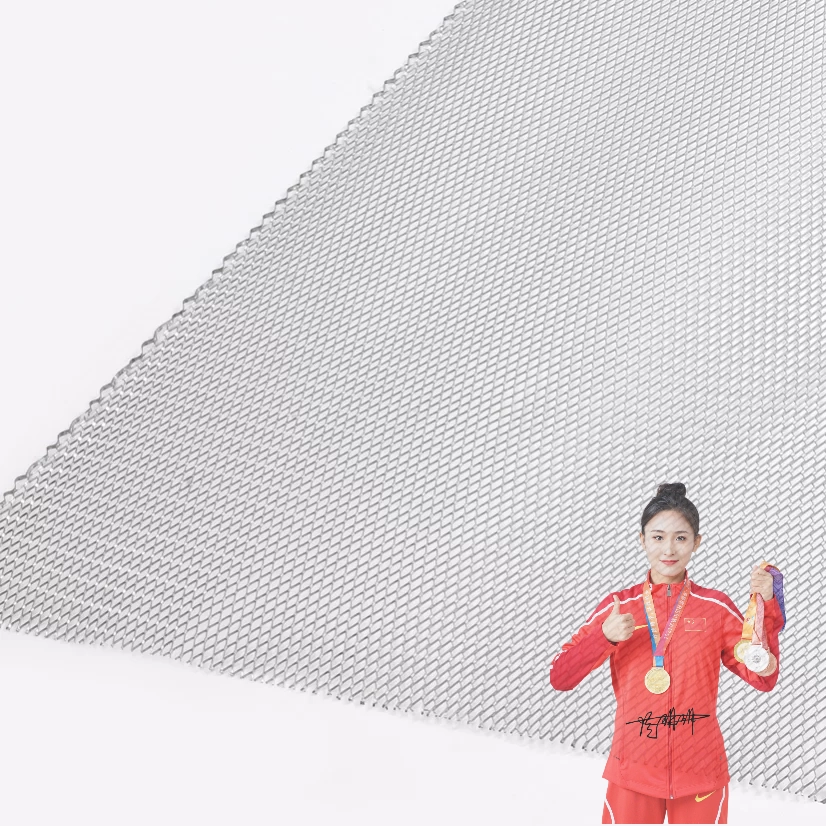
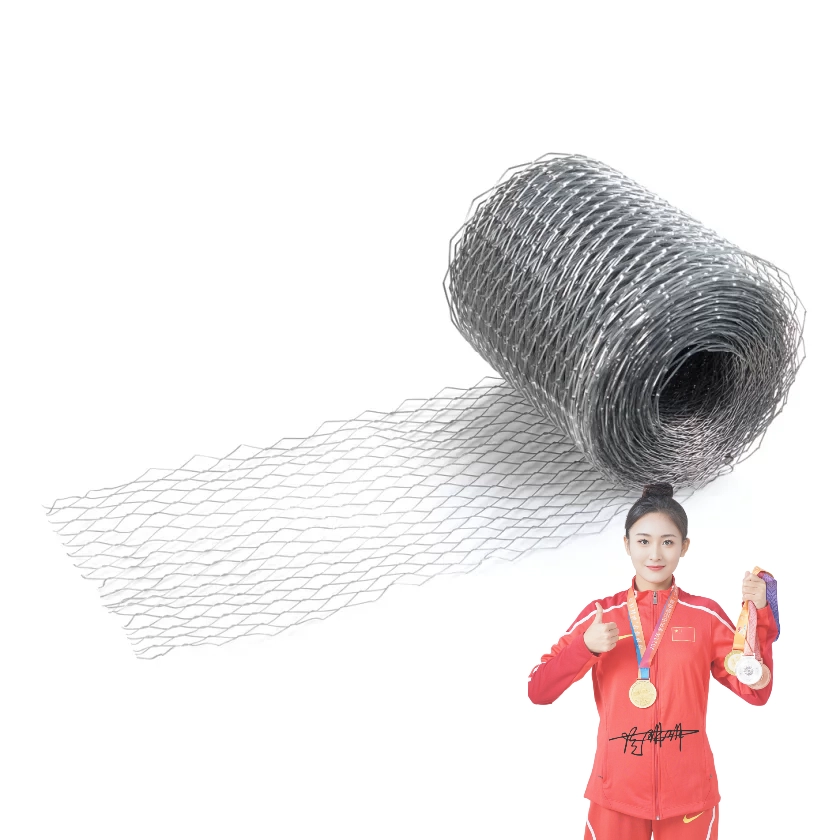
Simply put, expanded metal mesh aluminum is a sheet of aluminum that’s been uniformly slitted and stretched to form a mesh. Unlike punched metal, which removes material, expanded mesh transforms the sheet without significant waste—making it inherently cost-efficient and environmentally friendlier. The resulting diamond-shaped openings create a surface that’s lightweight, strong, and permeable.
It’s this unique structure that ties neatly into humanitarian concerns as well as advanced industry. For example, disaster-relief shelters need materials that offer structural integrity, ventilation, and easy transport. Expanded metal mesh aluminum hits that trifecta. This explains why various international aid organizations increasingly request this specialized mesh for mobile housing and air filtration systems.
Mini Takeaway:
· Expanded metal mesh aluminum cleverly converts a solid sheet into a lightweight, strong, and ventilated material.
· This design makes it suitable for modern construction, ventilation, and emergency applications.
Core Aspects of Expanded Metal Mesh Aluminum
1. Durability and Corrosion Resistance
Aluminum’s natural oxidation forms a protective layer that withstands weather, chemicals, and wear — making this mesh suitable for exterior and harsh environments. That’s why you see it in marine, industrial, and urban applications alike.
2. Scalability and Customization
One of the beauties of expanded metal mesh aluminum is how scalable it is. Manufacturers can tweak strand thickness, mesh size, and overall sheet dimensions depending on need — from tiny filters to sprawling architectural facades.
3. Cost Efficiency and Waste Reduction
Because the mesh is “expanded” rather than punched, aluminum sheets undergo minimal waste. Manufacturers and project planners appreciate how this drives down procurement and ecological costs.
4. Lightweight but Load-Bearing
Oddly enough, despite its open network, expanded mesh supports a surprising amount of weight. This is why it’s used for walkways, protective grilles, and ventilation covers with confident structural integrity.
5. Thermal and Acoustic Control
The mesh pattern also assists in diffusing heat and sounds—lessening energy loads in buildings and noise pollution outdoors.
Mini Takeaway:
· Durability, customization, weight, and eco-friendliness make expanded metal mesh aluminum a versatile material.
· Its properties respond well to both functional and aesthetic demands.
Worldwide Applications: Who’s Using Expanded Metal Mesh Aluminum, and How?
From chilly Canadian industrial zones to the humid tropics of Southeast Asia, this material finds diverse use cases. Here are just a few:
· Building and Architecture: Used for sunshades and decorative facades that improve airflow while reducing solar heat gain.
· Disaster Relief: Organizations employ it in lightweight tent frames, protective barriers, and ventilated shelters.
· Transportation: As grilles and ventilation panels on trains and buses, balancing security with airflow.
· Industrial Zones: Guards and filters for machinery where dust and debris pose risks.
· Aerospace and Defense: Lightweight panels combining strength and weight savings critical for flight applications.
Take an example: After the 2020 floods in Bangladesh, relief teams sourced expanded metal mesh aluminum for quickly erecting ventilated temporary housing — it helped prevent mold and reduced heat stress. Such stories underscore its essential role where rapid deployment and durability matter.
Mini Takeaway:
· Expanded metal mesh aluminum’s global footprint spans architecture, disaster response, transport, and industry.
· Its adaptability to climates and logistical challenges highlights its broad utility.
Advantages and Long-Term Value
Eyeballing the bottom line, the economic, environmental, and social advantages are unmistakable.
· Cost Savings: Lower weight means cheaper transport, less installation labor, and less strain on structural supports.
· Eco-Friendly: Aluminum is fully recyclable; expanding instead of punching reduces scrap.
· Safety and Comfort: Open mesh helps ventilate spaces, protecting people from heat and humidity while adding security.
· Trust and Innovation: Organizations adopting this material signal care, durability, and modern design thinking.
Frankly, it’s rare that a construction or industrial material ticks as many boxes—this mesh leads both on logic and emotion. It supports innovation while reassuring users it won’t fail when it counts.
A Quick Specification Table for Expanded Metal Mesh Aluminum
Specification | Detail |
Material | Aluminum Alloy 3003 or 5052 |
Thickness | 0.5 mm – 6 mm |
Mesh Opening Size | 2 mm up to 50 mm (diamond-shaped) |
Surface Finish | Mill, Anodized, Powder Coated |
Standard Sheet Sizes | 1,000 x 2,000 mm to 1,500 x 3,000 mm |
Weight | Approx. 2-8 kg/m² (depends on thickness) |
Comparing Vendors: What to Look for When Choosing Suppliers
Vendor | Customization Options | Lead Time | Certifications | Industry Focus |
AluMesh Co. | Mesh size, thickness, finish | 3-4 weeks | ISO 9001, ISO 14001 | Construction, HVAC |
Global Expanded Metals | Custom sheet size, anodizing | 2-3 weeks | ISO 9001, AAMA 2604 | Aerospace, Industrial |
Metro Mesh Solutions | Thickness variety, powder coating | 4-5 weeks | ISO 9001, LEED compliant | Green building, public spaces |
Looking Ahead: Innovations and Trends in Expanded Metal Mesh Aluminum
The future looks bright and interesting for this material. Industry insiders mention ongoing efforts to integrate smart coatings that improve anti-corrosive properties and even self-cleaning capabilities. There’s also buzz around hybrid mesh panels combining aluminum with graphene or composites to further reduce weight and increase strength.
On the policy front, sustainability mandates from the EU and US are nudging manufacturers and architects to favor recyclable, low-carbon footprint materials like aluminum mesh. Digital tools enable customization at scale, so designers can experiment with mesh patterns that optimize light, shadow, and energy efficiency like never before.
Mini Takeaway:
· Innovations such as smart coatings and hybrid composites aim to elevate expanded metal mesh aluminum further.
· Sustainability regulations and digital tech are pushing the market toward smarter, greener applications.
Challenges and Smart Workarounds
No material is perfect, as many engineers I spoke to will admit. While aluminum mesh is corrosion-resistant, salt-heavy or highly acidic environments can still wear it down over time without proper finishing. Also, installation can be tricky—for example, fixing sheets without warping requires precise handling.
That said, modern solutions like advanced anodizing techniques and flexible modular frames address these issues head-on. Early-stage design collaboration between suppliers, architects, and clients also greatly improves outcomes. So while challenges exist, they’re far from dealbreakers.
Mini Takeaway:
· Challenges include environmental wear and installation complexity.
· Advanced finishing and early design planning mitigate most issues effectively.
FAQs: Real Answers About Expanded Metal Mesh Aluminum
Q1: How long does expanded metal mesh aluminum typically last in outdoor applications?
A: With proper anodizing or powder coating, the mesh can last 20+ years outdoors. Its natural aluminum oxide layer resists corrosion, but harsh environments may require maintenance.
Q2: Is expanded metal mesh aluminum suitable for use in disaster relief shelters?
A: Absolutely. Its light weight, durability, and ventilation qualities make it ideal for quick-assembly shelters that need airflow without sacrificing strength.
Q3: Can I customize mesh patterns and thicknesses to suit my project?
A: Most manufacturers offer a wide range of customization options, including strand thickness, opening size, sheet dimensions, and surface finishes.
Q4: How environmentally friendly is expanded metal mesh aluminum compared to other materials?
A: Aluminum is highly recyclable—up to 90% recycled content is common. Plus, expansion produces less waste than punching alternatives, making it a greener choice.
Q5: Can NGOs easily import expanded metal mesh aluminum for international projects?
A: Yes, but logistics vary by country. Many vendors offer international shipping and support compliance documentation, smoothing the import process.
Wrapping Up: Why Expanded Metal Mesh Aluminum Deserves a Spot in Your Next Project
To circle back, expanded metal mesh aluminum is more than just a product—it’s a solution linking sustainability, economy, and safety. Whether you’re in construction, disaster relief, or industrial manufacturing, this material’s adaptability and performance speak volumes. Plus, its eco-profile and evolving innovations mean it’s not just a “today” product but a future-proof choice.
Curious to learn more or ready to source high-quality expanded metal mesh aluminum? Visit our website expanded metal mesh aluminum to explore options tailored to your needs.
Final Mini Takeaway:
· The long-term benefits of expanded metal mesh aluminum include cost savings, sustainability, and versatile performance.
· Staying informed about trends and vendors empowers better project decisions.
References
00001. International Aluminium Institute – Statistics
00002. United Nations Sustainable Development Goals
00003. Expanded Metal — Wikipedia