Corner Mesh Bead: A Tried-and-True Solution in Wall Reinforcement
Having spent a good chunk of my career on industrial job sites, I can tell you - things like corner mesh bead often fly under the radar for most folks outside the drywall and plaster world. But in real terms, they’re crucial for keeping walls resilient and looking sharp over time, especially in commercial and high-traffic spaces where corners take a beating.
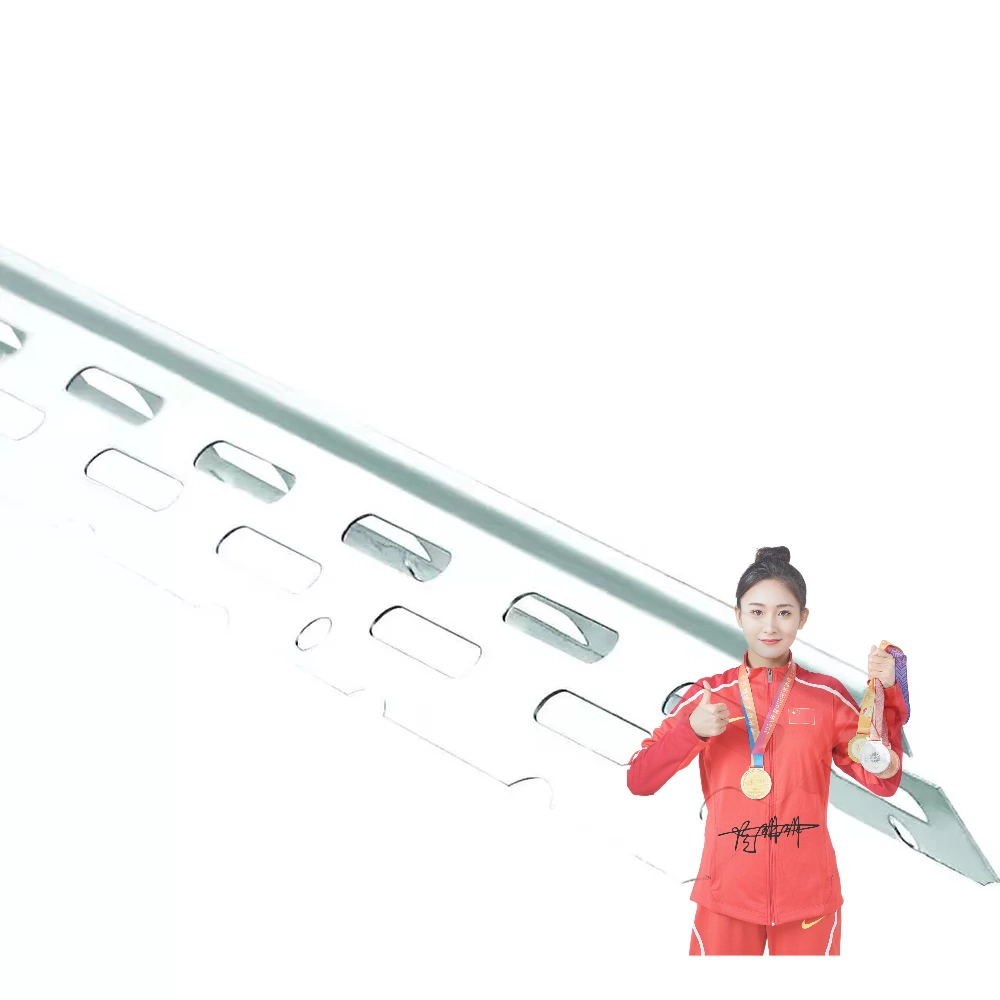
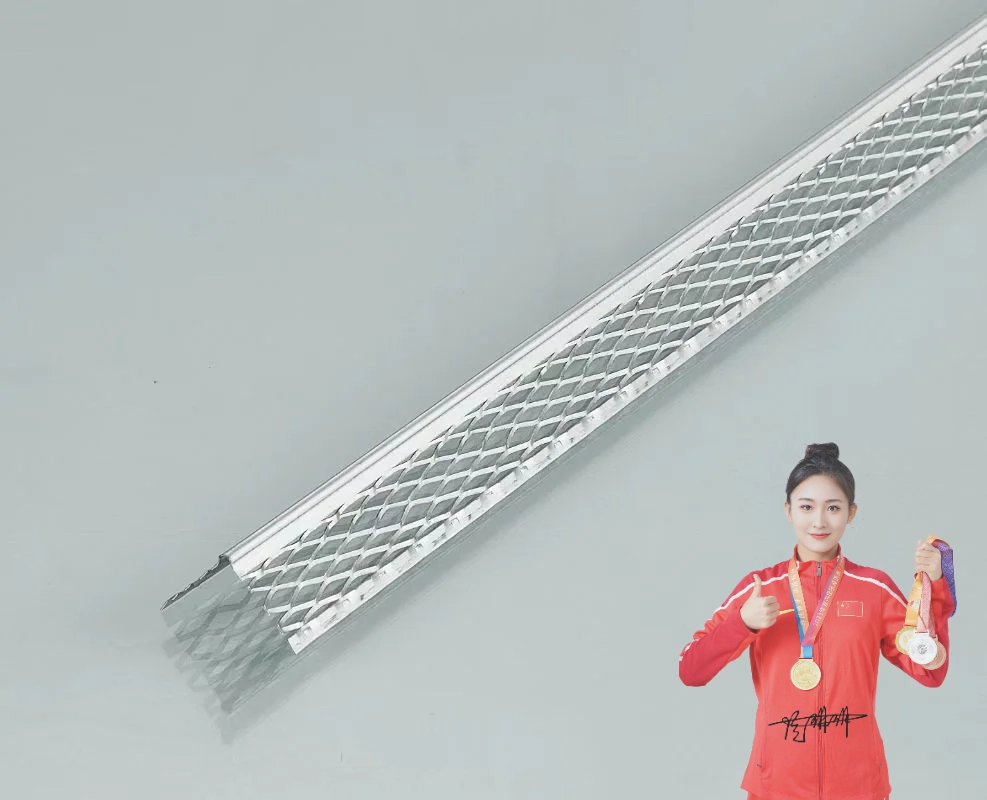
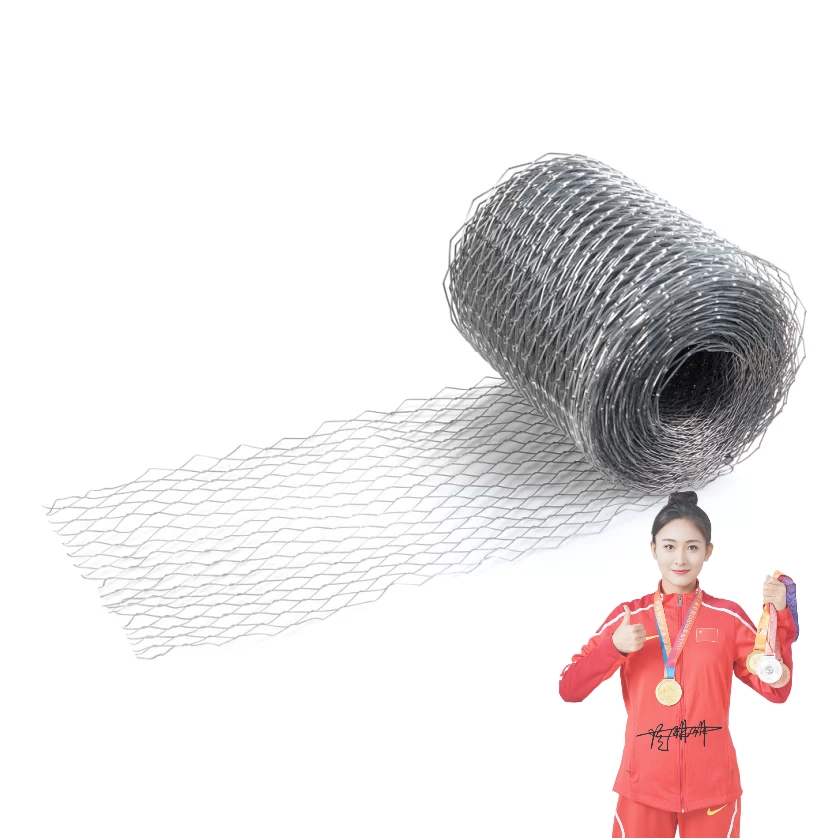
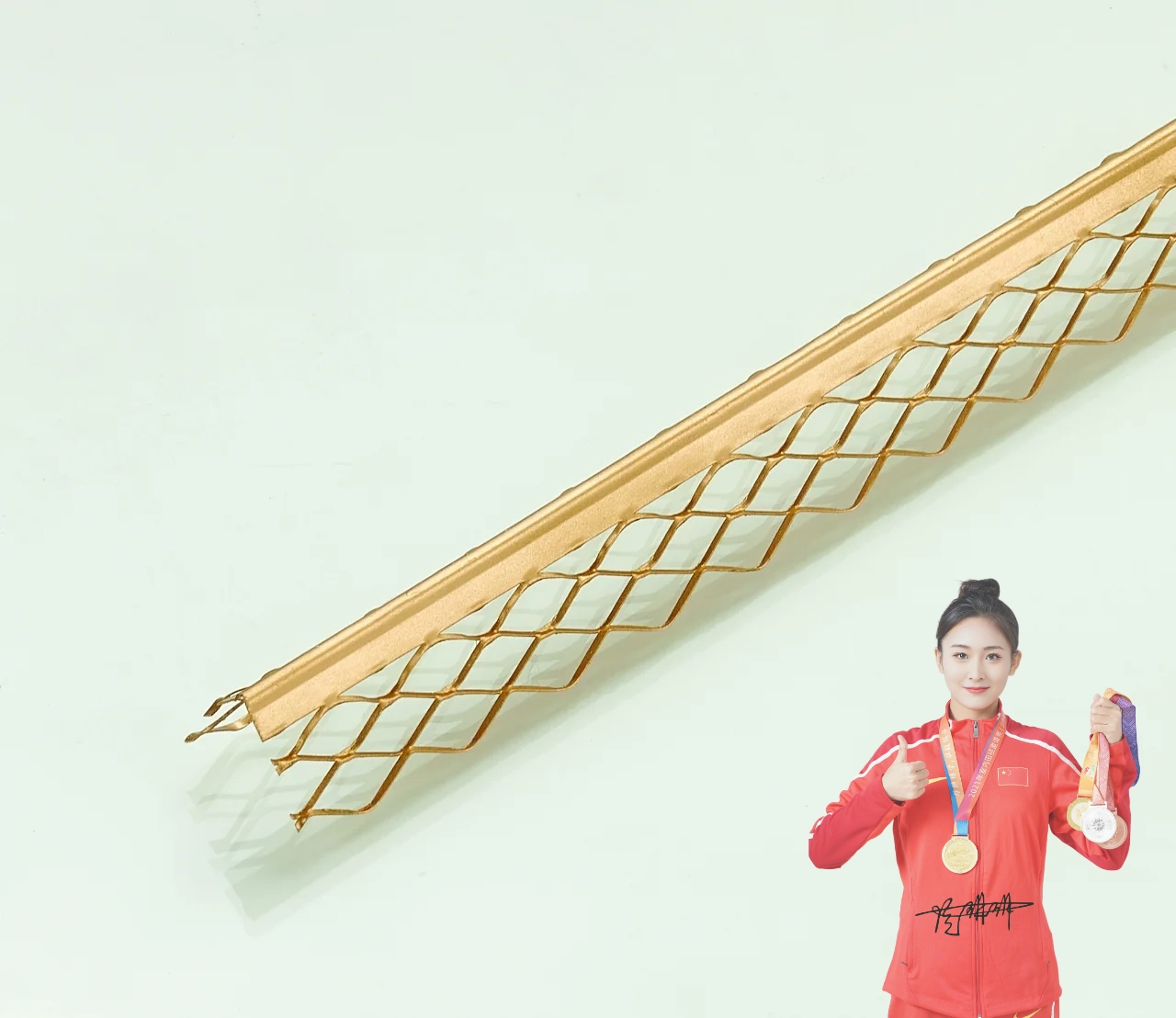
If you’re not familiar, a corner mesh bead is exactly what it sounds like — a reinforcing strip embedded into the plaster or drywall compound at external corners. What makes these beads different from traditional metal or plastic corner beads is their mesh backing, which integrates better with joint compound and reduces cracks and chips. Frankly, once I saw the way it performs, it felt like an obvious upgrade for any heavy-use environment.
Oddly enough, despite the simplicity, not all corner mesh beads are created equal. Material choice, mesh weave size, and coating all influence durability. For example, corrosion resistance is a big deal if your project is in a humid environment. Many engineers I’ve talked to insist on galvanized or PVC-coated mesh to extend lifespan, especially outdoors or in basements.
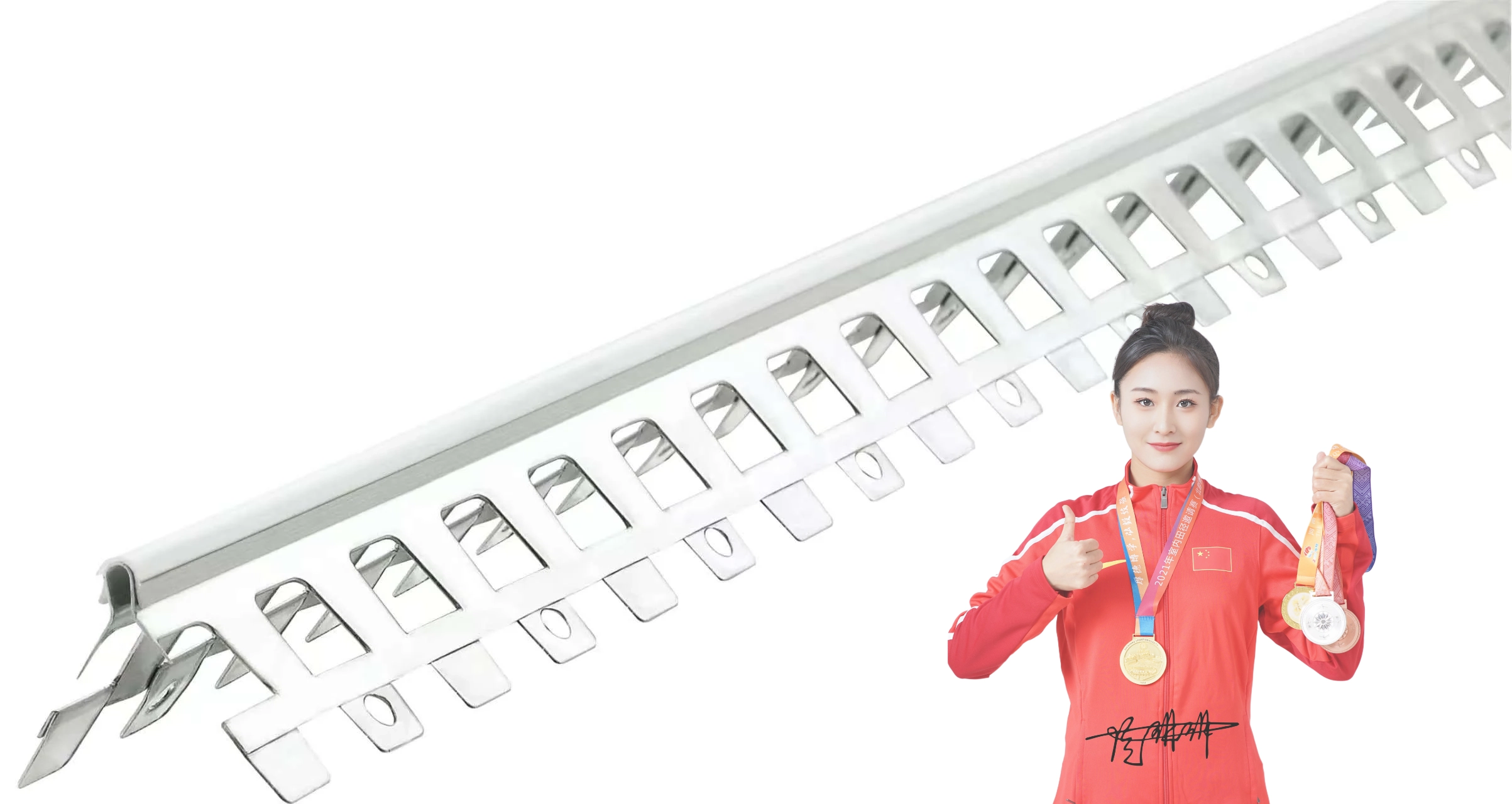
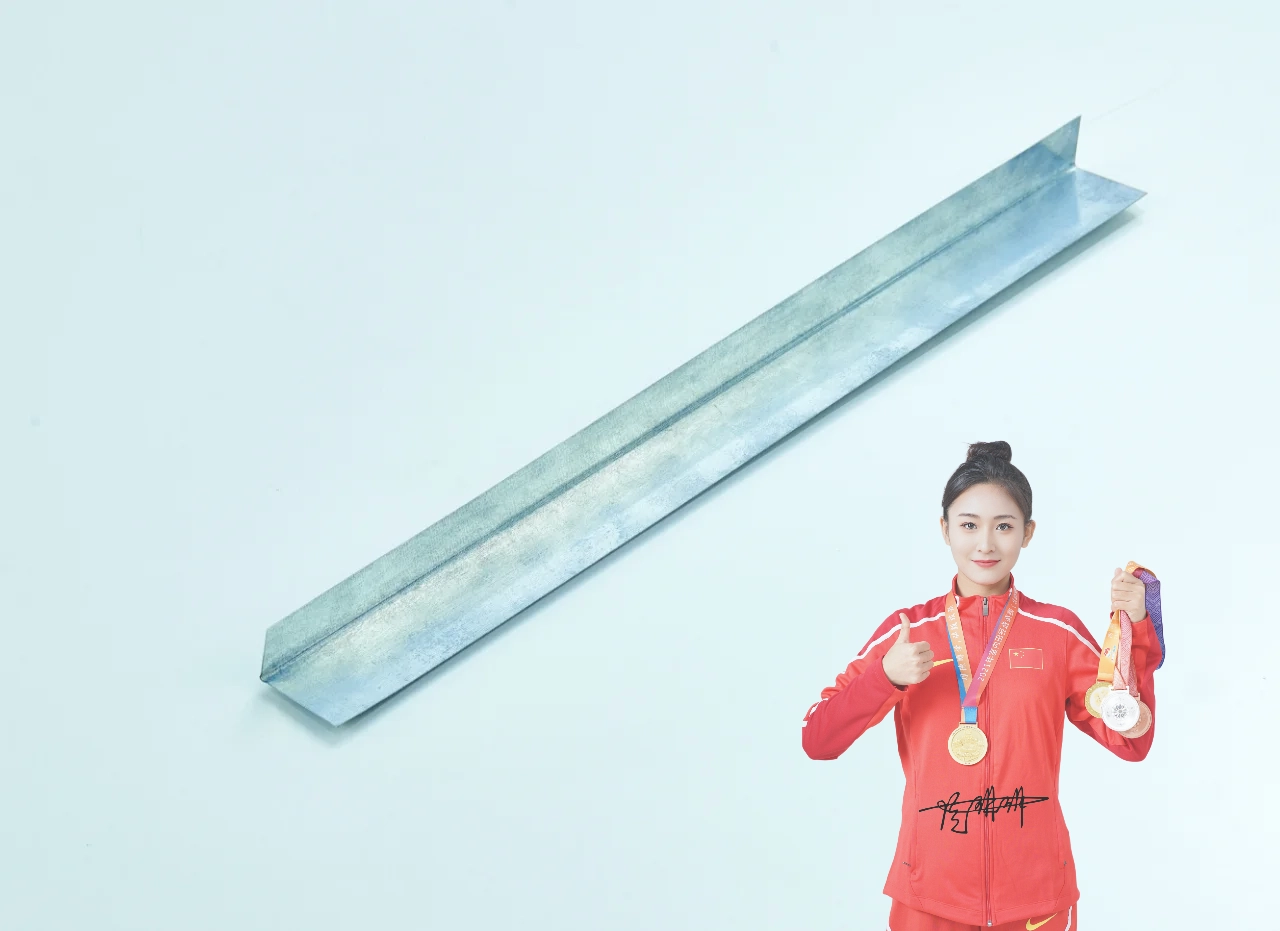
And then there’s customization. It’s not just about straight 90-degree corners anymore. One site I worked on involved a lot of 135-degree bends and arches. Finding a vendor who offers flexible or pre-formed mesh beads really helped speed installation while keeping the finish crisp.
Typical Corner Mesh Bead Specifications| Feature | Details |
|---|
| Material | Galvanized Steel or PVC-Coated Mesh |
| Mesh Weave | Approx. 1/4 inch square openings |
| Length per Piece | 8 ft (standard); custom lengths available |
| Width of Flange | 1 3/8 inch typical |
| Coating | Rust-resistant epoxy or vinyl |
Now, I’d be remiss not to mention how important vendor choice is. The market has a few reliable suppliers who balance quality and price differently. For instance, some smaller outfits excel in customization and faster turnaround, but their pricing can be slightly higher. Larger manufacturers offer consistent quality in bulk, although lead times tend to be longer.
Vendor Comparison: Corner Mesh Bead Suppliers| Vendor | Customization | Lead Times | Price Range |
|---|
| CornerBeadMfr | Extensive (angles, lengths, coatings) | Moderate (1-2 weeks) | Mid-range |
| BuildStrong Inc. | Limited (standard lengths only) | Fast (3-5 days) | Budget-friendly |
| FlexiMesh Solutions | High (flexible profiles) | Long (3-4 weeks) | Premium |
I recall one project where choosing a top-quality corner mesh bead with PVC coating made a huge difference. The job was in a coastal building with salty air and frequent moisture. Some nearby walls treated with standard metal bead exhibited early rust and cracking, whereas the mesh reinforced corners remained intact after inspection nearly a year later. That was a straightforward lesson in respecting environment-demanding factors.
In short, if you’re specifying drywall or plaster reinforcement, giving corner mesh beads a deeper look is worth your time. They’re not flashy, but oddly enough, they punch well above their weight in extending wall life and finish quality. Plus, I suppose it’s nice to avoid field fixes triggered by corner damage, which inevitably slow project schedules.
After all, it’s often the small details — like corner mesh beads — that keep a job holding up long after the punch list is signed off.
References:
Industry standards from ASTM C1047 - Specification for Steel in Drywall Accessories
Manufacturer datasheets from cornerbeadmfr.com
Personal experience & site observations over 15+ years in industrial construction