Corner Beads: Your Guide to Perfect, Durable Drywall Corners
Building a room? Finishing a basement? The quality of your work shows in the details, and nothing is more important than sharp, clean corners. That's where corner beads come in. Today, we're talking about everything you need to know: from the classic sheetrock corner bead and essential corner beads for drywall, to the strength of drywall metal corner and the smooth look of a round corner bead. Let's get your corners right.
The Essential Protector: Why Every Project Needs Corner Beads
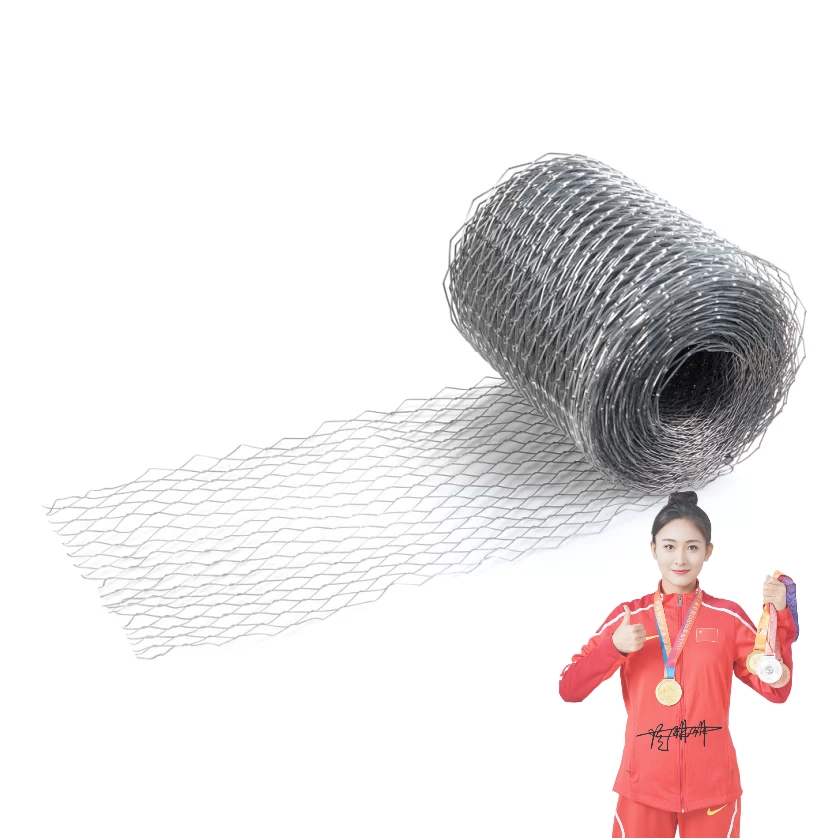
Corner beads are the unsung heroes of a professional drywall or plaster finish. They are long, L-shaped strips that you install on the outside corners of your walls. Think of them as armor for your drywall. Without corner beads, those corners are fragile. They can easily get dented, chipped, or crack over time. The main job of corner beads is to create a perfectly straight, durable edge. They act as a guide for your taping knife when you apply joint compound (mud), helping you build a smooth, seamless transition from the corner to the wall. But not all corner beads are the same. You have choices in material—like metal or plastic—and in shape, like sharp 90-degree angles or soft curves. Choosing the right type of corner beads is the first, most important step to ensuring your walls look crisp, professional, and last for years without damage. Whether you're a DIYer or a pro, understanding corner beads is the key to a quality finish.
The Standard Choice: Understanding the Sheetrock Corner Bead
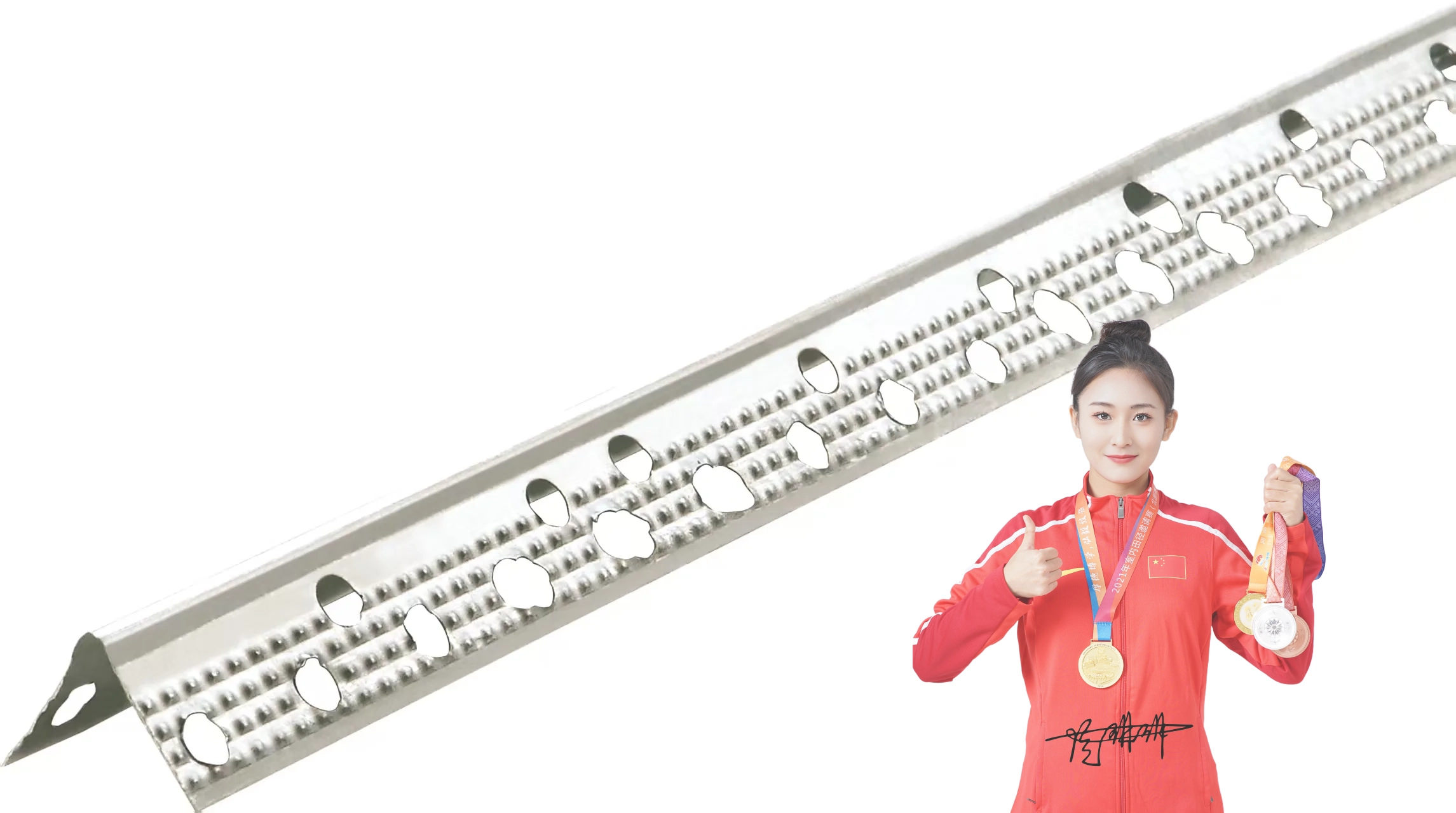
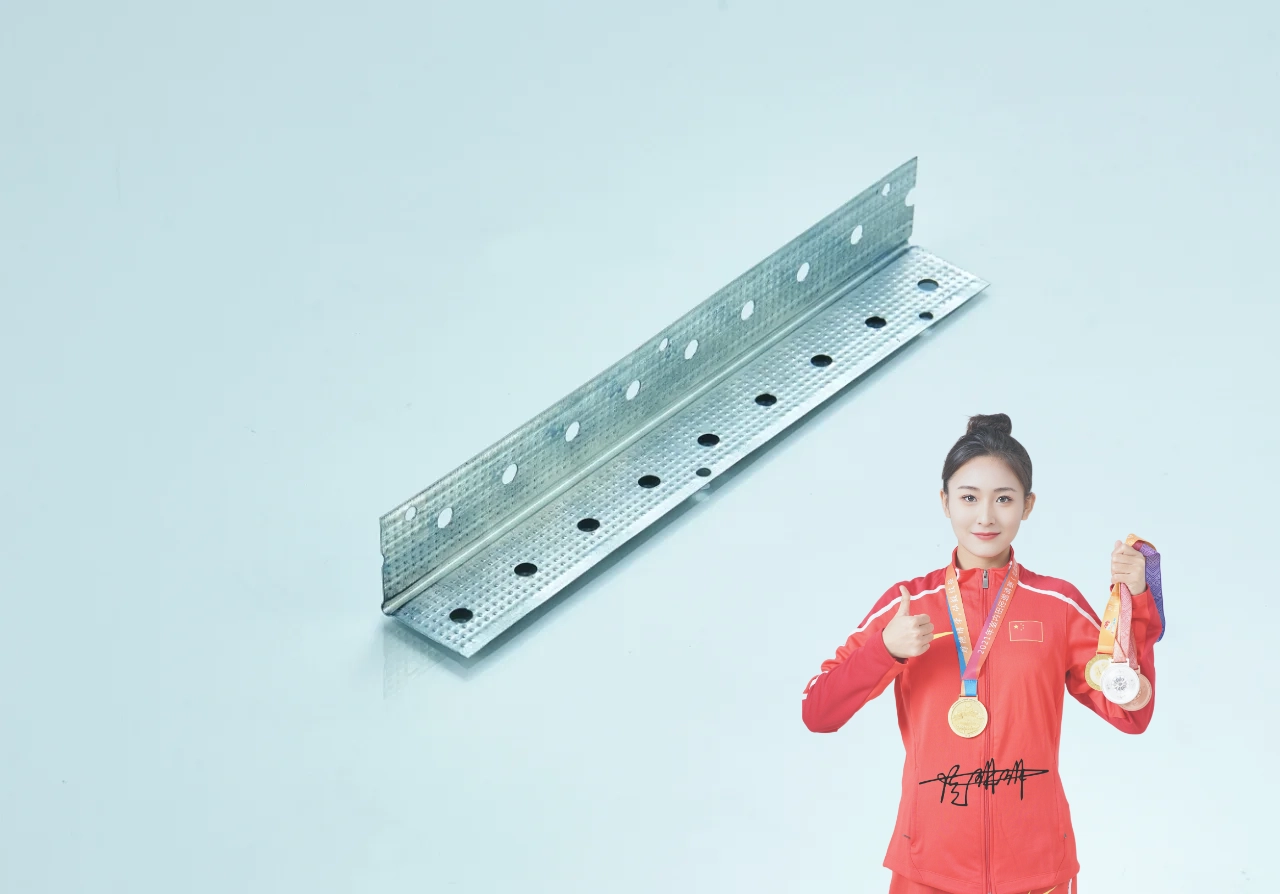
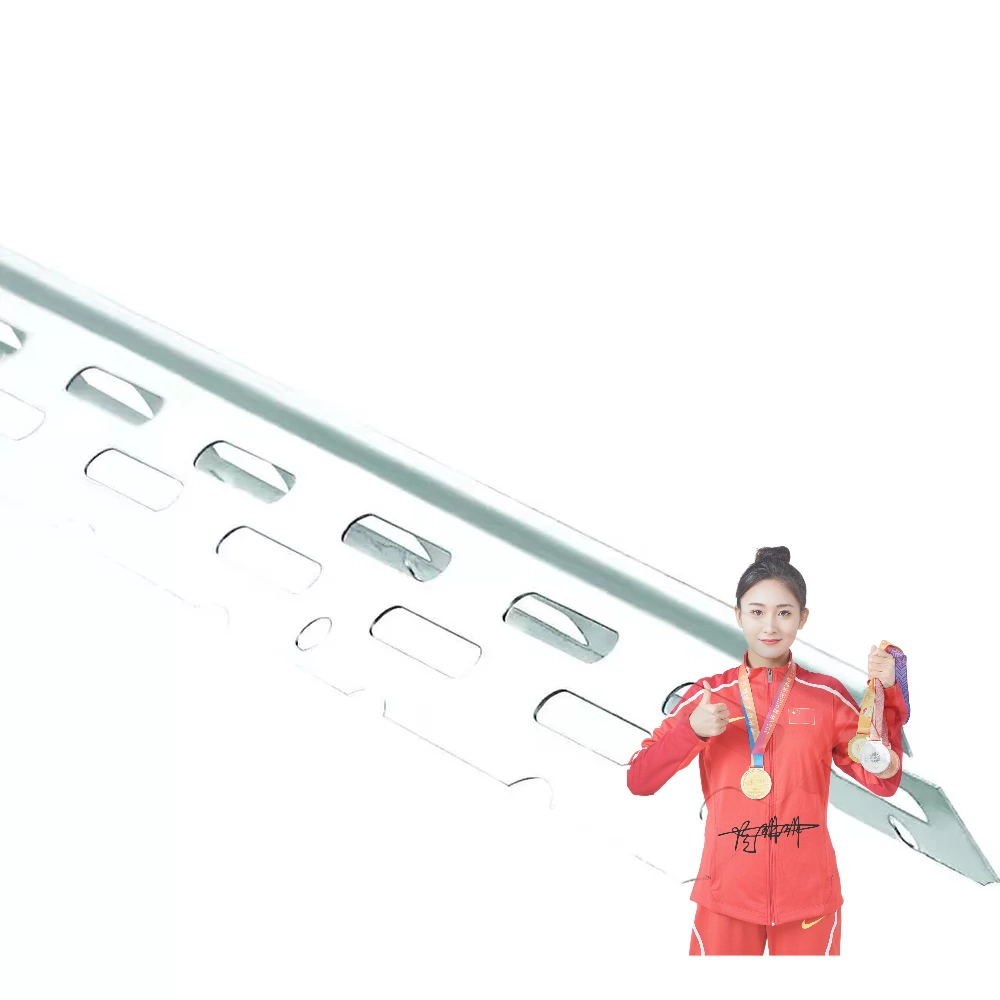
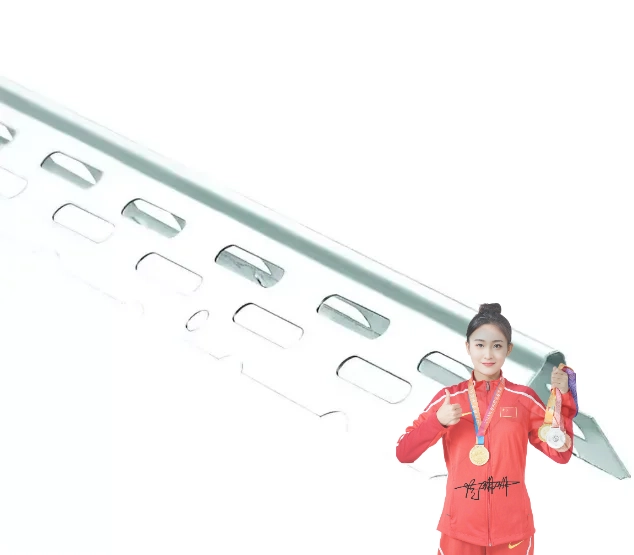
When people talk about drywall, they often say "Sheetrock," which is a popular brand name. A sheetrock corner bead simply refers to the standard corner bead used in drywall construction. Typically, this means a metal corner bead, and it's what you'll find at most hardware stores. The classic sheetrock corner bead is made from galvanized steel. It has a raised spine that forms the 90-degree corner, with flanges (flat wings) on each side that get attached to the wall. These flanges have small holes or are perforated, which helps the joint compound stick better. You install a sheetrock corner bead by holding it firmly on the corner and screwing or nailing through the flange holes into the wall studs underneath. Once it's secure, you cover it with several layers of joint compound, sand it smooth, and paint it. The result is a strong, straight corner that protects the drywall. The galvanized coating on a sheetrock corner bead prevents rust, which is important because moisture in joint compound or paint could cause plain metal to corroate. For most interior rooms, a standard galvanized sheetrock corner bead is the reliable, cost-effective choice.
For Drywall Projects: Selecting the Right Corner Beads for Drywall
If you're working with drywall, you need the right corner beads for drywall. Your choice depends on the room and the look you want. The most common corner beads for drywall are:
· Metal Corner Bead (Galvanized): This is the workhorse. It's strong, affordable, and perfect for hallways, bedrooms, and living areas. It's the go-to for most corner beads for drywall jobs.
· Vinyl/PVC Corner Bead: This is a great option for damp areas like bathrooms, laundry rooms, or basements where moisture might be a concern. Vinyl won't rust. It's also more flexible, which can be helpful if your walls aren't perfectly straight. It's often glued on with construction adhesive.
· Paper-Faced Metal Corner Bead: This is a hybrid. It has a thin metal spine for strength, but the flanges are paper. You embed it in joint compound instead of using screws. The big advantage? It creates the smoothest finish with almost no risk of a shiny line (called "bead strike") showing through the paint. Choosing the right corner beads for drywall means thinking about durability, moisture, and the final finish you want to achieve.
Built to Last: The Strength of a Drywall Metal Corner
For maximum strength and impact resistance, you want a drywall metal corner. This is the strongest type of corner bead you can use. As mentioned, it's usually made from galvanized steel, but for even tougher jobs or exterior use, it can be made from aluminum or stainless steel. Why choose a drywall metal corner?
· Durability: It can take a serious bump from furniture or daily life without denting.
· Straight Guide: The rigid metal provides an excellent guide for applying mud in a perfectly straight line.
· Professional Standard: It's what contractors use in commercial buildings, schools, and hospitals because it's built to last. A drywall metal corner is installed with screws or nails. While it's very strong, one thing to watch for is "popping." If the drywall shifts or the house settles, the screws holding the bead can sometimes push out slightly, creating a bump. Using the right screws and proper installation technique minimizes this. For garages, kids' rooms, or any high-traffic area where corners might get hit, a sturdy drywall metal corner is the best defense you can install.
Soften the Look: The Beauty of a Round Corner Bead
Not every corner needs to be sharp. Sometimes, you want a softer, more modern, or safer look. That's where a round corner bead comes in. Also called a bullnose bead, a round corner bead has a curved profile instead of a sharp 90-degree angle. It creates a smooth, rounded corner. There are several good reasons to use a round corner bead:
· Safety: Rounded corners are much less likely to cause injury if someone bumps into them. This is great for homes with young children or in commercial spaces.
· Style: A rounded corner has a softer, more contemporary aesthetic that many designers prefer.
· Durability: Rounded corners are actually more resistant to chipping and damage than sharp ones. A round corner bead can be made from metal, vinyl, or paper-faced metal, just like standard beads. Installing a round corner bead is similar, but mudding it requires a bit more skill to maintain the smooth curve from the wall, around the corner, and onto the other wall. If you're looking to add a touch of style and safety to your space, a round corner bead is an excellent choice.
Your Source for Professional Corner Bead Solutions
Choosing the right bead is one thing; getting a high-quality product is another. We specialize in manufacturing premium corner beads for every application. Our drywall metal corner products are made from high-quality galvanized steel, aluminum, or stainless steel, offering over 60 types in different structures, coatings, and shapes. Whether you need the standard strength of a sheetrock corner bead, moisture-resistant options for corner beads for drywall in bathrooms, or the elegant curve of a round corner bead, we have it. Our beads are designed to create perfect angles, prevent cracking, speed up installation, and provide a straight guide for flawless finishing. They offer structural reinforcement, sharp finishes, and long-term durability for both DIY and professional projects. We provide the essential tools for a perfect finish.
Get Perfect Corners: Order Your Corner Beads Today!
Don't let weak or wavy corners ruin your hard work. Investing in the right corner beads is the simplest way to guarantee a professional-looking result that lasts. Whether your project calls for a standard sheetrock corner bead, tough drywall metal corner, or a stylish round corner bead, we have the solution. Visit our website now to browse our full range of corner beads for drywall and plaster. View our product specifications, download installation guides, and get inspired for your next project. Contact our team for a custom quote, bulk pricing for contractors, or expert advice on selecting the perfect bead for your specific job. Build with confidence. Finish with perfection. Click to explore our catalog and order the high-quality corner beads that will define the quality of your space.
Corner Bead FAQs
What's the difference between metal and vinyl corner beads?
Metal corner beads (galvanized steel) are stronger, more rigid, and provide the sharpest corner. They are screwed or nailed on. Vinyl corner beads are flexible, won't rust, and are good for moist areas or slightly uneven walls. They are often glued. Metal is generally preferred for durability, while vinyl is chosen for moisture resistance.
How do I install a drywall metal corner?
First, cut the bead to length with tin snips. Hold it firmly on the drywall corner. Using a drill or screw gun, drive drywall screws through the holes in the bead's flanges into the wall studs behind, spacing them about 8-12 inches apart. Make sure the screws are slightly countersunk. Then, cover the bead with 2-3 coats of joint compound, feathering the edges smooth, and sand when dry.
Can I use a round corner bead in a hallway?
Absolutely. A round corner bead is an excellent choice for hallways. It creates a softer look and is much more resistant to damage from bumps, moving furniture, or general traffic. Its durability and safety make it a smart, stylish choice for high-traffic areas.
Are corner beads for drywall necessary?
Yes, they are essential for a professional, durable finish. Drywall alone has a soft, paper-covered edge at corners that is easily damaged. Corner beads for drywall protect that edge, create a straight guide for mudding, and reinforce the corner to prevent cracks and chips. Skipping them will result in a poor-quality finish that won't last.
What tools do I need to install corner beads?
You'll need a few basic tools: a tape measure and tin snips to cut the bead, a drill or screw gun with drywall screws to attach it (for metal beads), a 6-inch and 10- or 12-inch taping knife for applying joint compound, a mud pan, and sandpaper or a sanding sponge for the final smooth finish.