Why Internal Drywall Bead Remains a Go-To in Modern Construction
Having toiled in the industrial equipment and construction sector for over a decade, I can honestly say the internal drywall bead is one of those unsung heroes you barely notice if it’s done right—but notice immediately when it’s not. It’s funny, you might assume it’s just a small strip of metal or vinyl, but in real terms, this little detail can make or break the clean lines you expect in drywall corners.
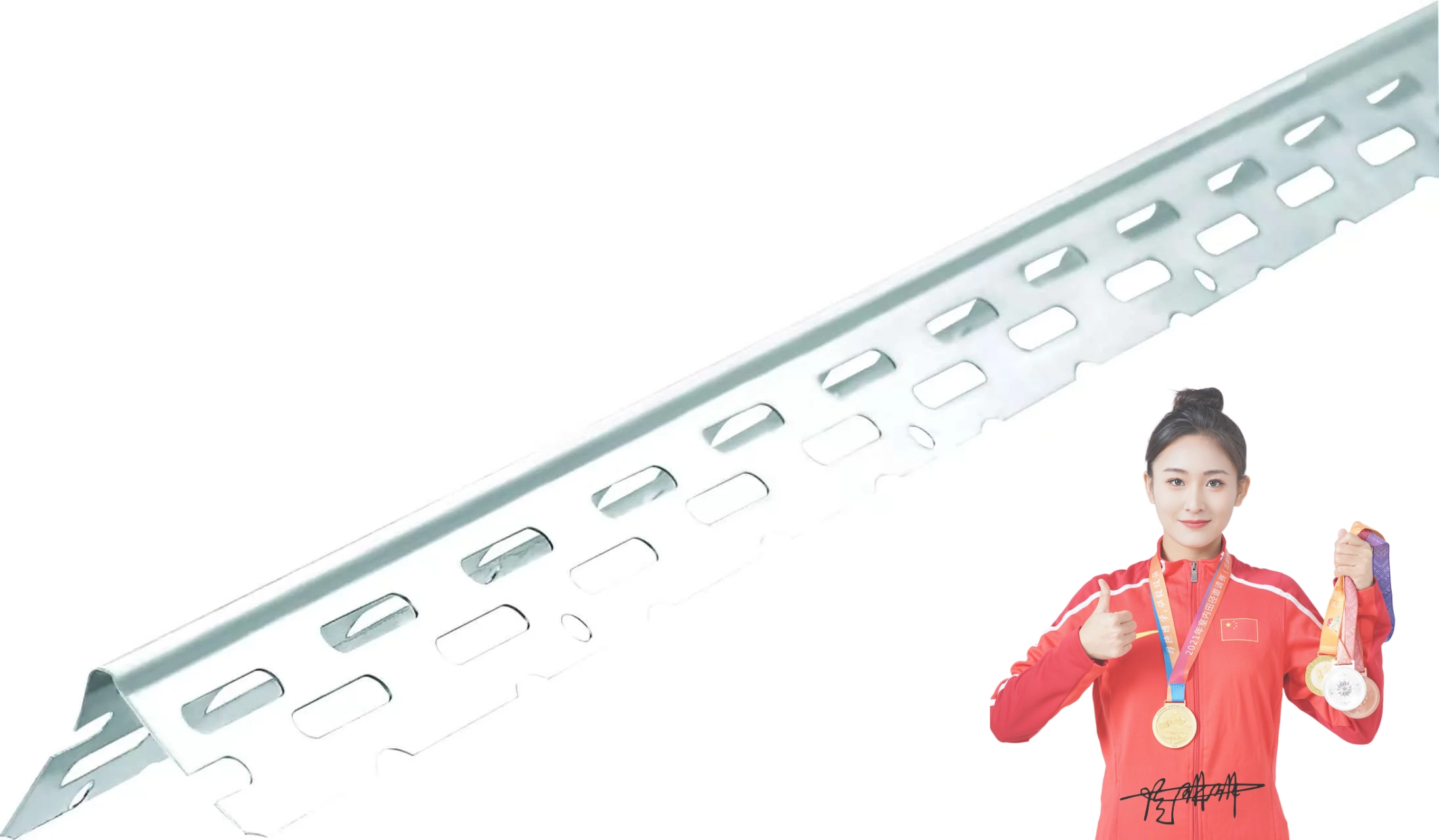
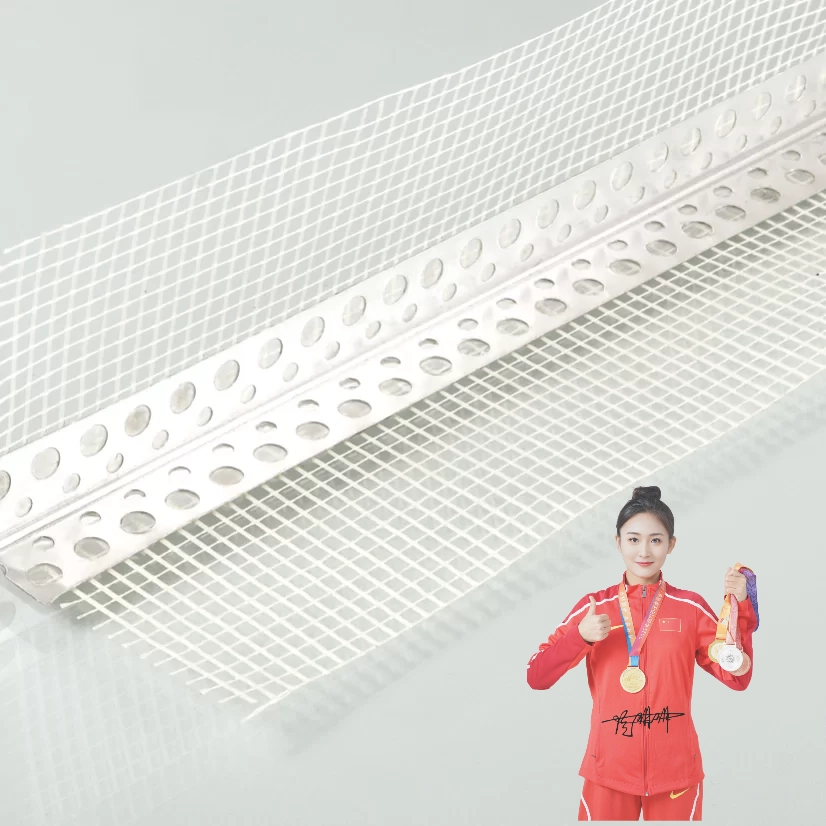
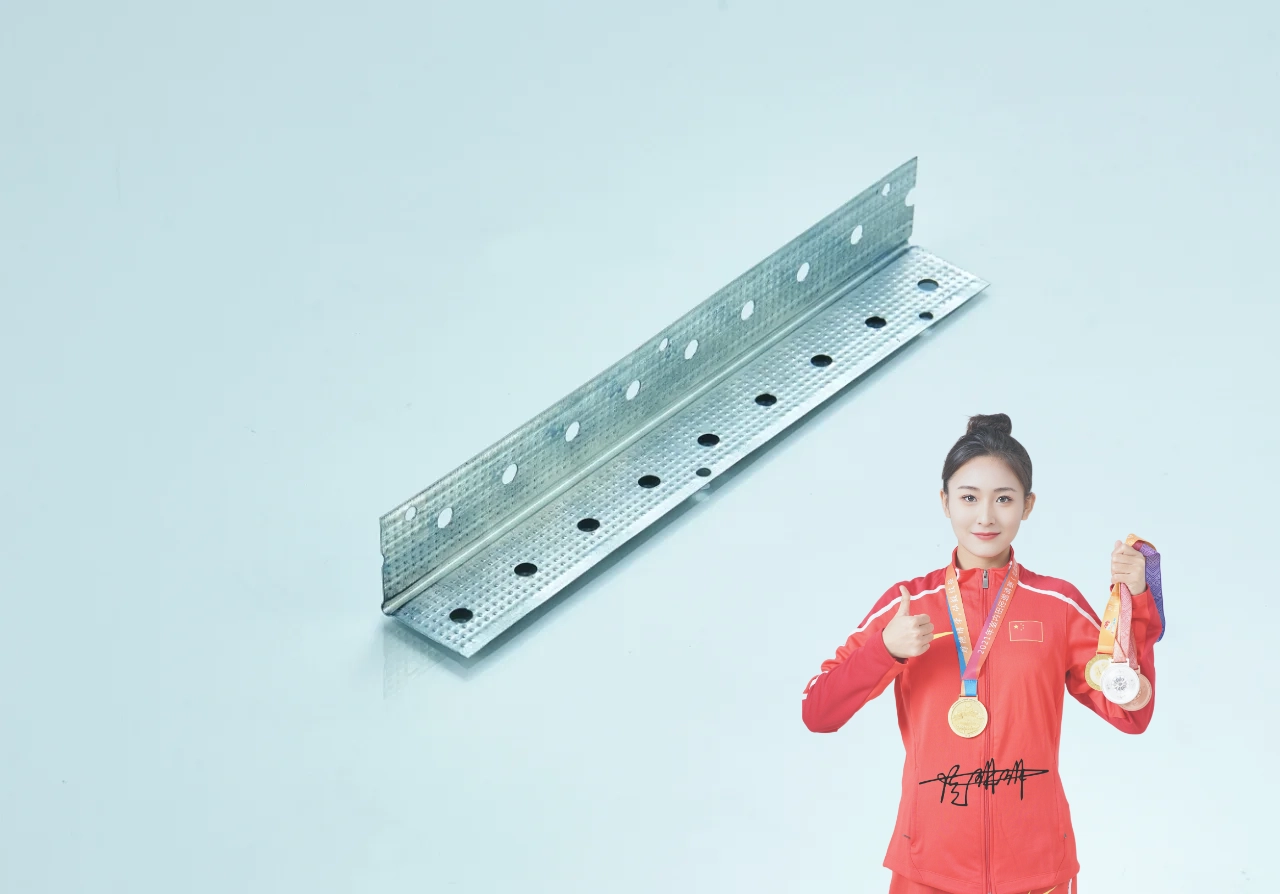
The internal drywall bead is all about reinforcing the inside corners of drywall installations, ensuring durability and a sleek finish. Oddly enough, despite its simplicity, choosing the right bead can save headaches down the line with reduced cracking or chipping, especially in high-traffic areas like hallways or commercial spaces.
These beads come in a variety of materials, primarily galvanized steel, vinyl, and sometimes stainless steel for more corrosive environments. I’ve often advised clients to pick galvanized steel when they want strength and rigidity, yet vinyl sometimes wins out when moisture is a concern. Honestly, there’s a bit of an art to matching the bead choice with the job site conditions.
Internal Drywall Bead - Typical Product Specifications| Specification | Value |
|---|
| Material | Galvanized Steel / Vinyl / Stainless Steel |
| Length | 8 ft (standard), custom lengths available |
| Width | 1/2" to 5/8" flange options |
| Finish | Pre-painted / Plain galvanized |
| Corrosion Resistance | High (especially stainless steel option) |
| Installation | Embedding in drywall mud, fasteners as needed |
One thing I’ve noticed over the years is the growing expectation of durability paired with aesthetic finesse. Drywall contractors often mention how easy it is to work with some bead profiles but frustrating with others—those that warp or don’t sit flush can definitely slow down productivity. This, of course, is where trusted suppliers come into play.
Speaking of suppliers, here’s a quick comparison for those juggling options. It’s not exhaustive, but from what I’ve seen in the field and heard from peers, these are key distinctions among popular brands:
Vendor Comparison for Internal Drywall Beads| Feature | CornerBeadMfr | Competitor A | Competitor B |
|---|
| Material Options | Steel, Vinyl, Stainless Steel | Steel, Aluminum | Vinyl only |
| Custom Lengths | Yes | No | Yes |
| Corrosion Resistance | High (stainless available) | Moderate | Low |
| Price Range | Mid | Low | High |
| Customer Support | Responsive and technical guidance | Basic | Limited |
I recall a project a few years back where a contractor switched to a higher-quality internal bead mid-job after they kept facing corner cracking in a school renovation. The efficiency and final finish improved markedly. That’s when it hit me—these small components matter immensely, even if they’re tucked away behind paint and plaster.
To wrap it up, if you’re wondering what really sets a reliable internal drywall bead apart, I’d say it boils down to material integrity, precise fit, and supplier responsiveness. And yes, having a trustworthy source like internal drywall bead specialists who understand the trenches makes all the difference.
Pro tip: Always think beyond price alone—durability and ease of installation often save much more time and money later.
References:
Industry standards on drywall corner reinforcement (Gypsum Association)
Material durability studies on galvanized vs vinyl beads
Contractor feedback and case studies from recent construction projects