Flexible Plastic Angle Bead: A Staple in Modern Construction
Having spent a good chunk of my career around industrial equipment and building materials, I have to say,
flexible plastic angle bead is one of those quietly indispensable components. Its role often flies under the radar, but trust me, once you start dabbling in drywall or plaster installations, you appreciate just how neat and tidy a job this little piece does.
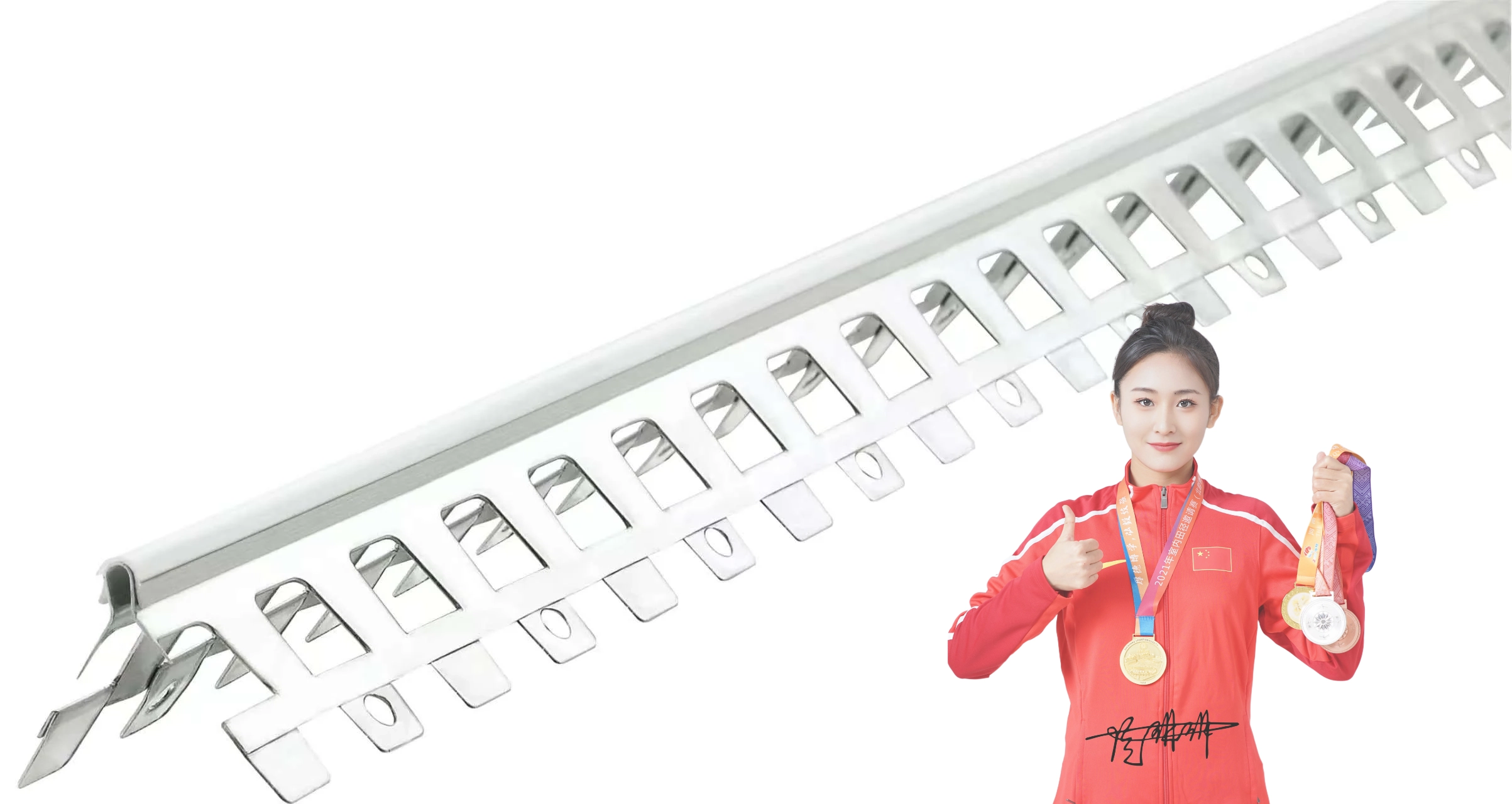
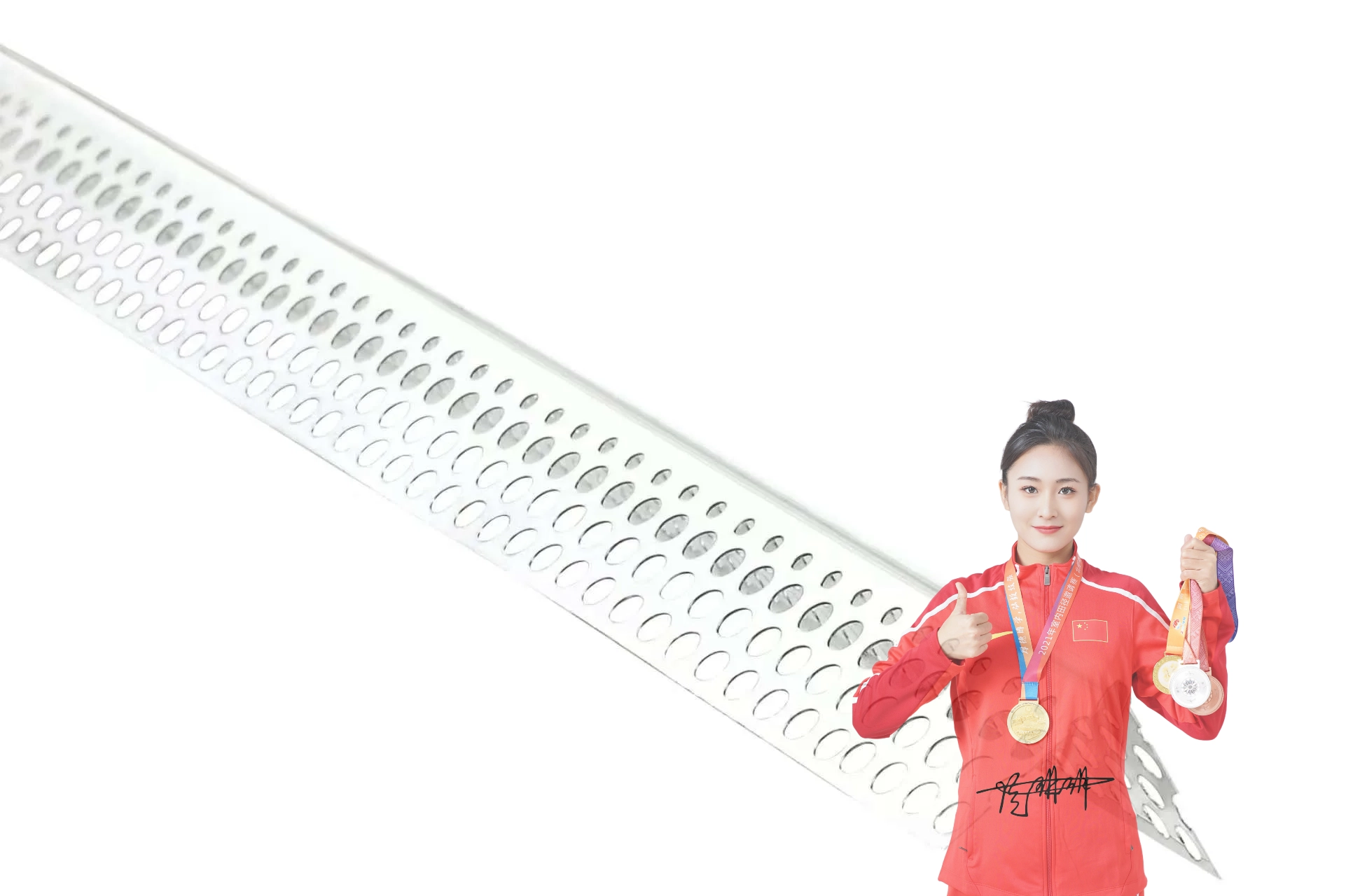
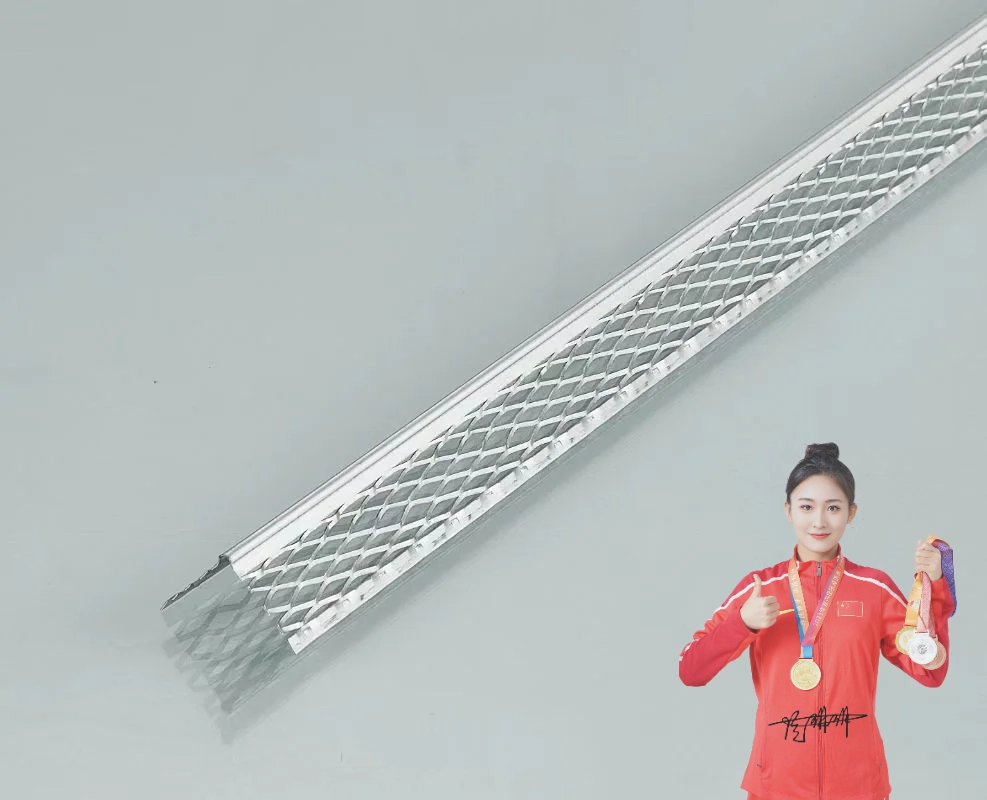
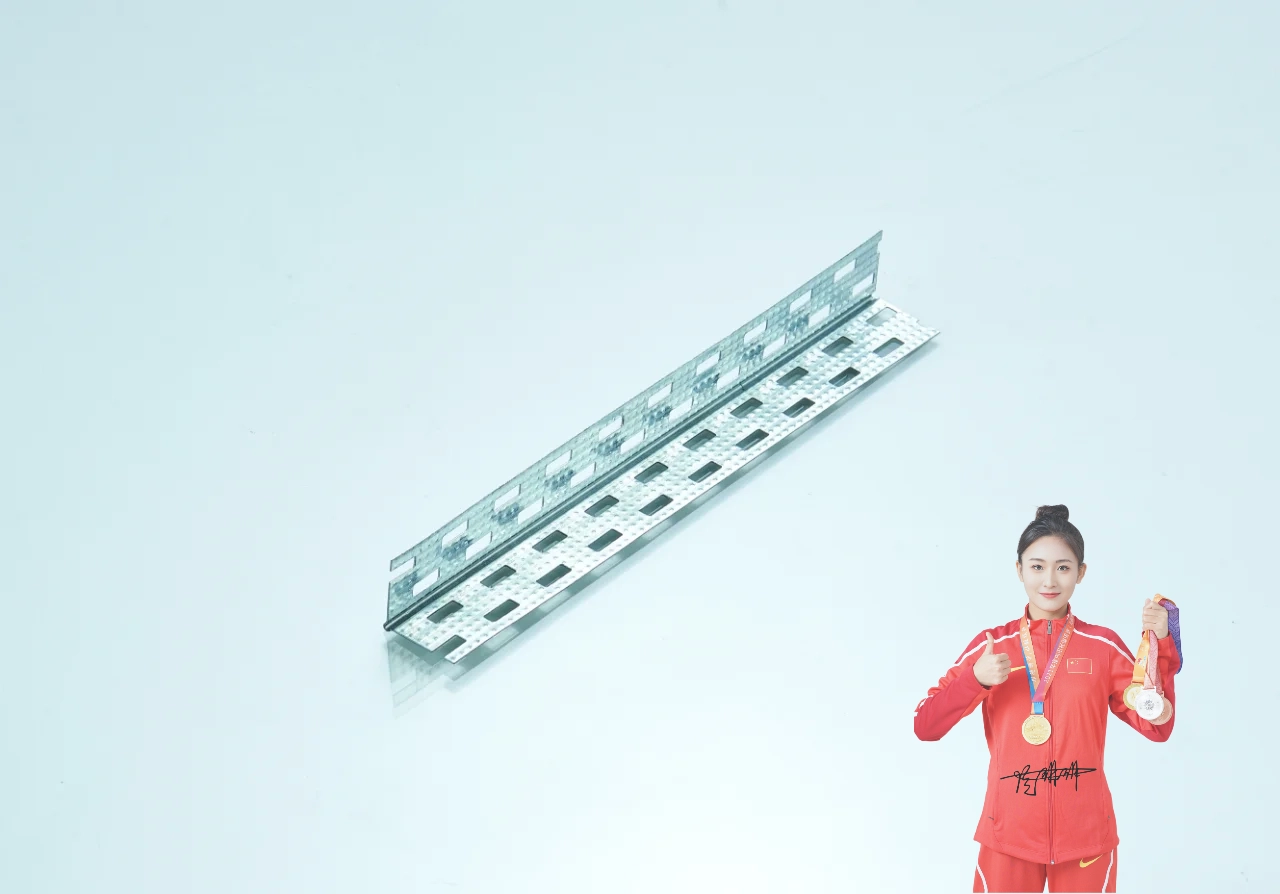
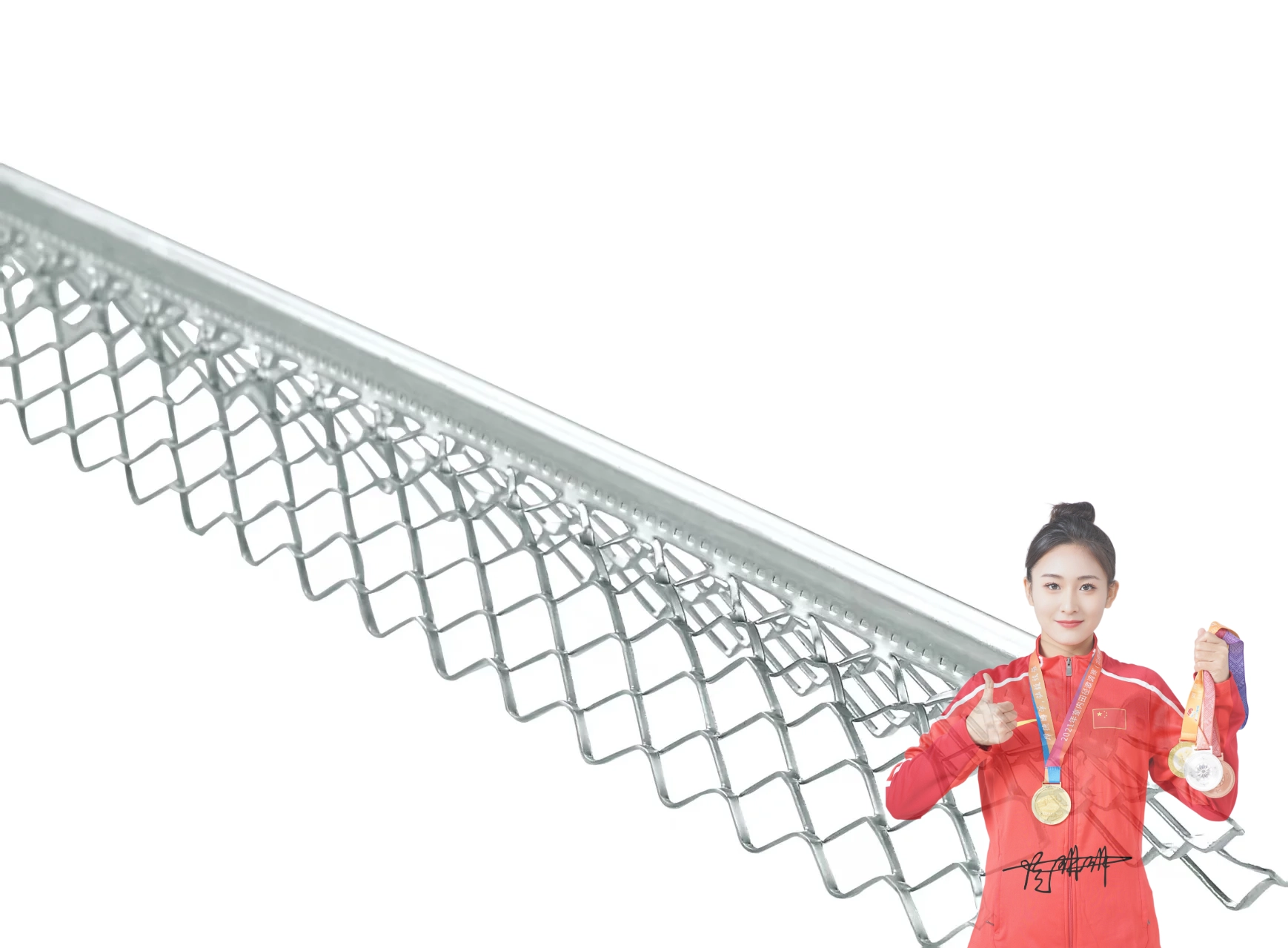
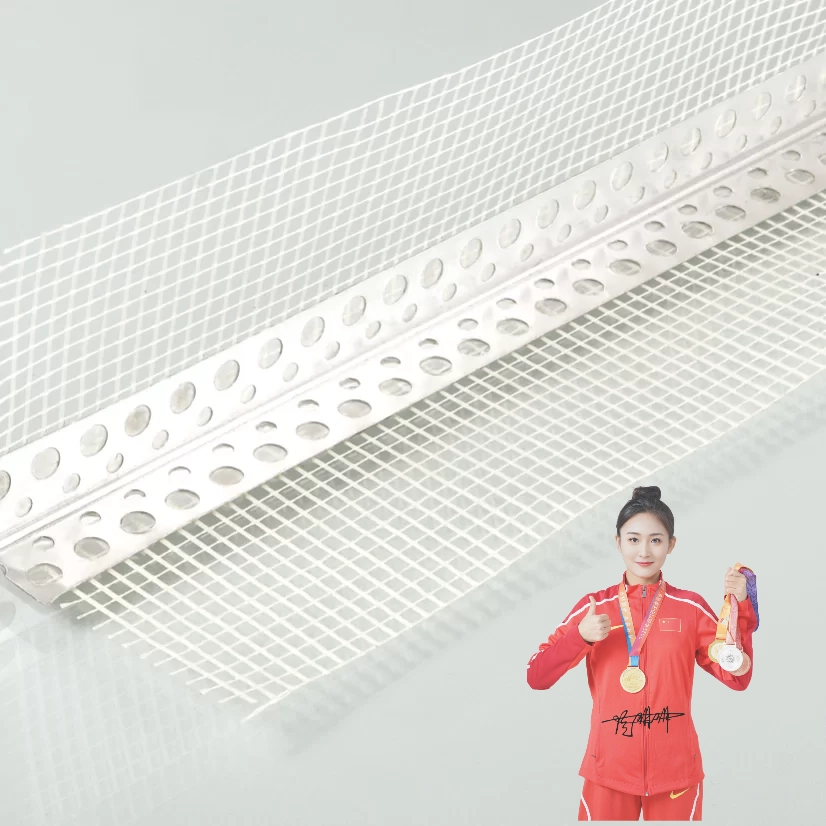
Now, before diving in, for those not familiar: angle bead is basically a corner reinforcement. Traditionally, they were made from metal — steel or aluminum to be precise. But flexible plastic angle bead changes the game. It’s lightweight, resistant to rust, and frankly, easier to cut and manipulate on-site. I've noticed many foremen prefer these on curved or irregular corners where rigidity could cause cracking or misalignment.
The material usually blends PVC or a similar plastic compound that combines flexibility with durability. Interestingly, manufacturers often enhance these with certain additives to improve UV resistance – crucial if the bead will see some outdoor exposure during construction. In real terms, this means less worry about brittle cracking or yellowing over time.
Testing these angle beads isn’t just about aesthetics. They undergo tensile strength tests, impact resistance, and often, adhesion compatibility with different plaster types. After all, a bead that peels off or crumbles under pressure defeats its purpose. I once worked on a retrofit commercial project where the flexible angle bead saved us considerable time. Its adjustability to uneven surfaces meant fewer callbacks and patch jobs.
| Product Spec | Details |
|---|
| Material | High-impact PVC with UV stabilizers |
| Flexibility | Bends to a radius of up to 6 inches without cracking |
| Length | Typically 10 ft per strip |
| Width of Flanges | 1 - 1.5 inches (depends on model) |
| Surface Finish | Knurled for better plaster adhesion |
| Installation Method | Nailing, stapling, or adhesive bonding |
Speaking of installation, one subtlety I’ve seen in the field is the difference in bead edges. Some suppliers offer a rounded edge alongside the usual 90-degree angle. This apparently helps reduce the chance of plaster cracking at the bead’s edge, especially on flexible walls or transitional surfaces. Oddly enough, in some cases, a little tweak like that can save hours of rework.
| Vendor | Material Quality | Customization | Delivery Lead Time | Price Range |
|---|
| CornerBeadMFR | High-grade PVC with UV additives | Custom lengths & flange widths | 3-5 business days | Mid-range |
| PlastiCorner Inc. | Standard PVC | Limited customization | 7-10 days | Low to mid |
| FlexEdge Solutions | Enhanced flexibility blends | Highly customizable | 5-7 days | Higher-end |
One story I like to share involves a mid-sized contractor I worked with a few years back. They were finishing a boutique hotel and encountered some funky drywall corners — nothing square, plenty of curves. They shifted to flexible plastic angle bead after struggling with metal ones that cracked plaster prematurely. The shift wasn't just aesthetic; it cut down labor time and material waste, making budget overruns less likely. It’s a good example of how small material choices ripple into wider project success.
To sum up, flexible plastic angle bead feels like one of those essentials you only realize you needed when you don’t have it. Durable, versatile, and easy to work with, it’s a product I often recommend when quality corner finishing counts. Plus, if customization is key on your next build, vendors like CornerBeadMFR make the whole process pretty straightforward.
Honestly, it’s the little things like flexible angle beads that often save the day in construction.
References:
Industry standard tests on PVC reinforcement (ASTM D638, D256)
Field observations from national drywall contractors, 2017–2023
Manufacturer technical data sheets from leading suppliers