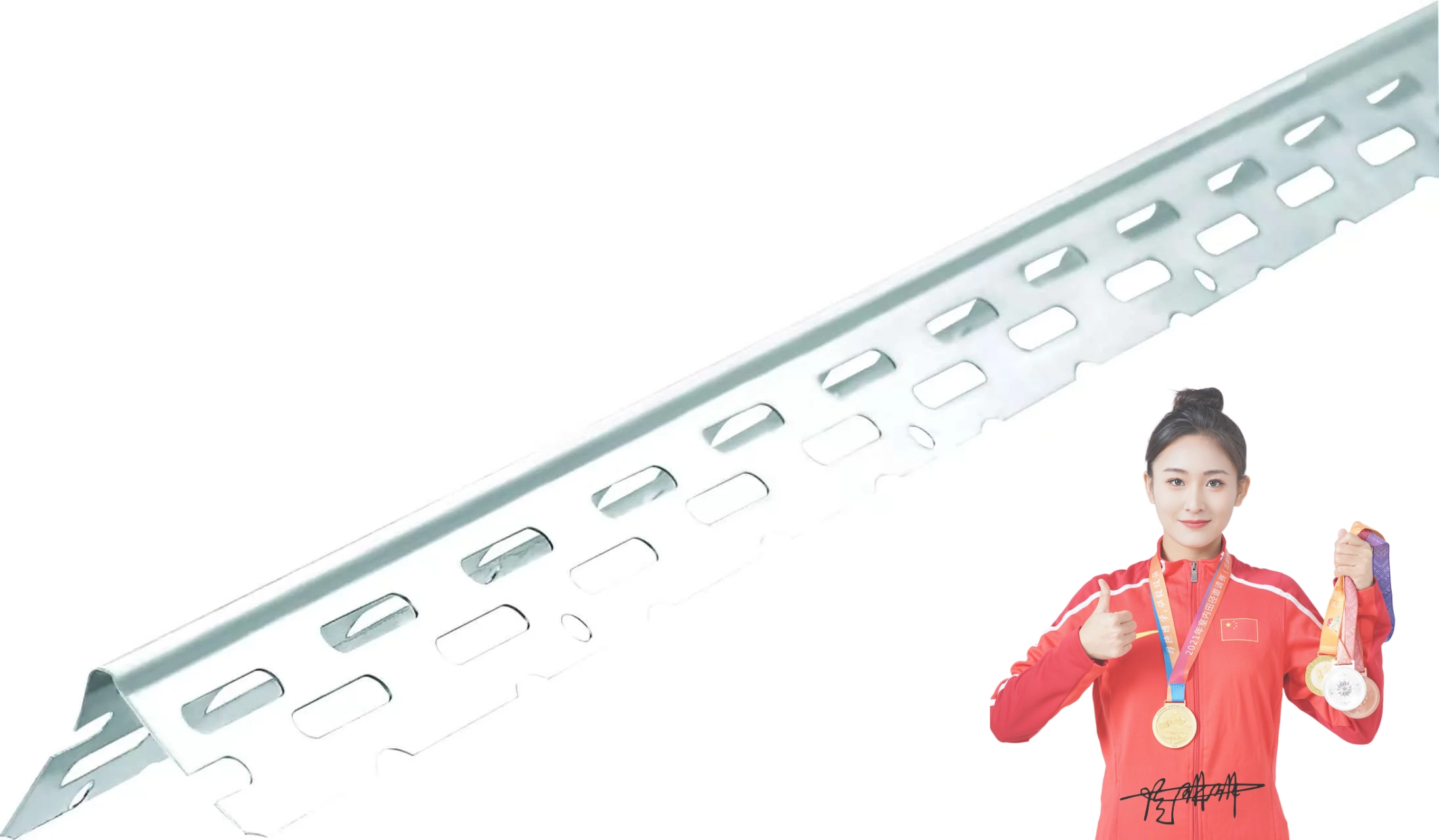
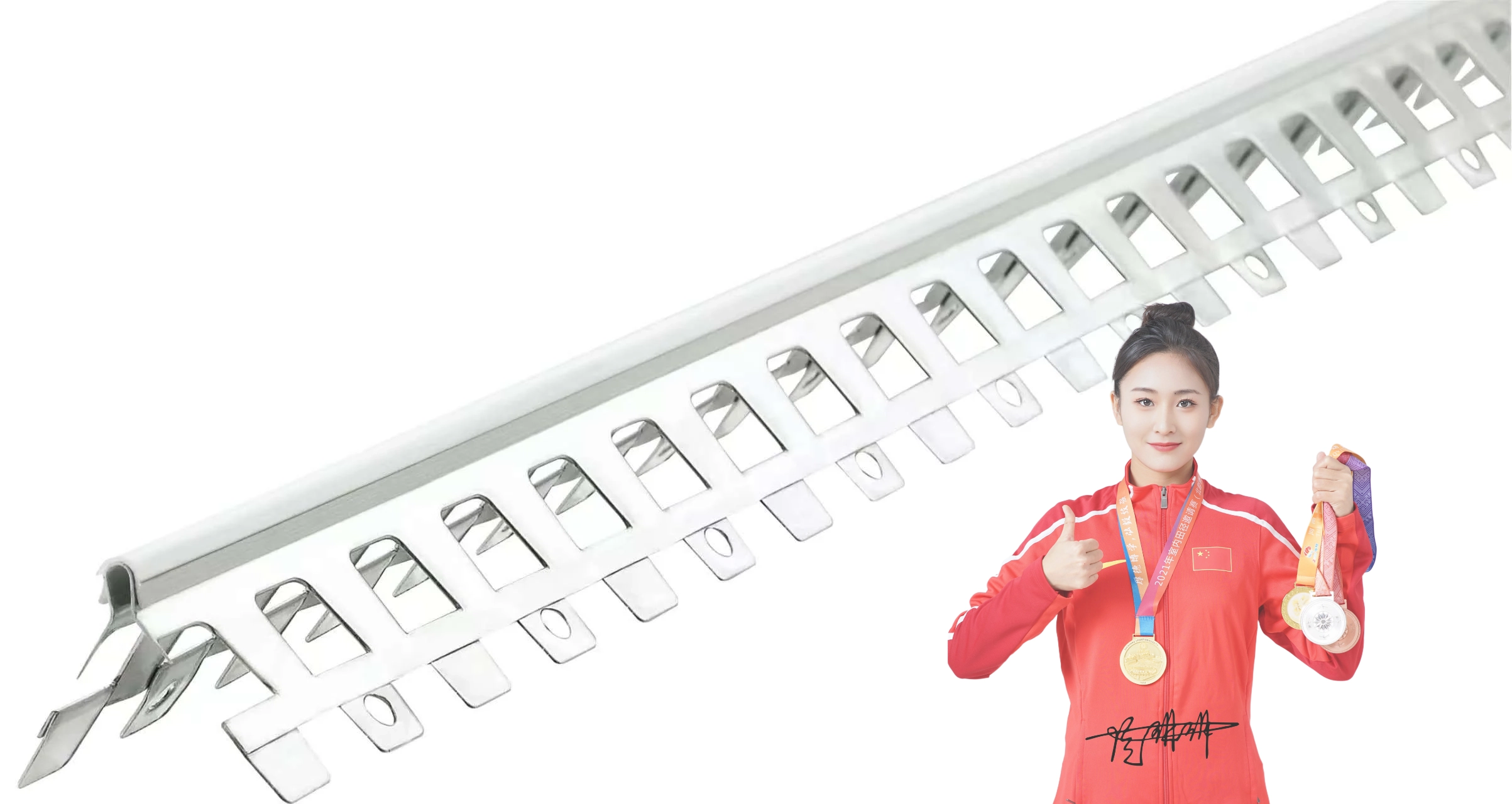
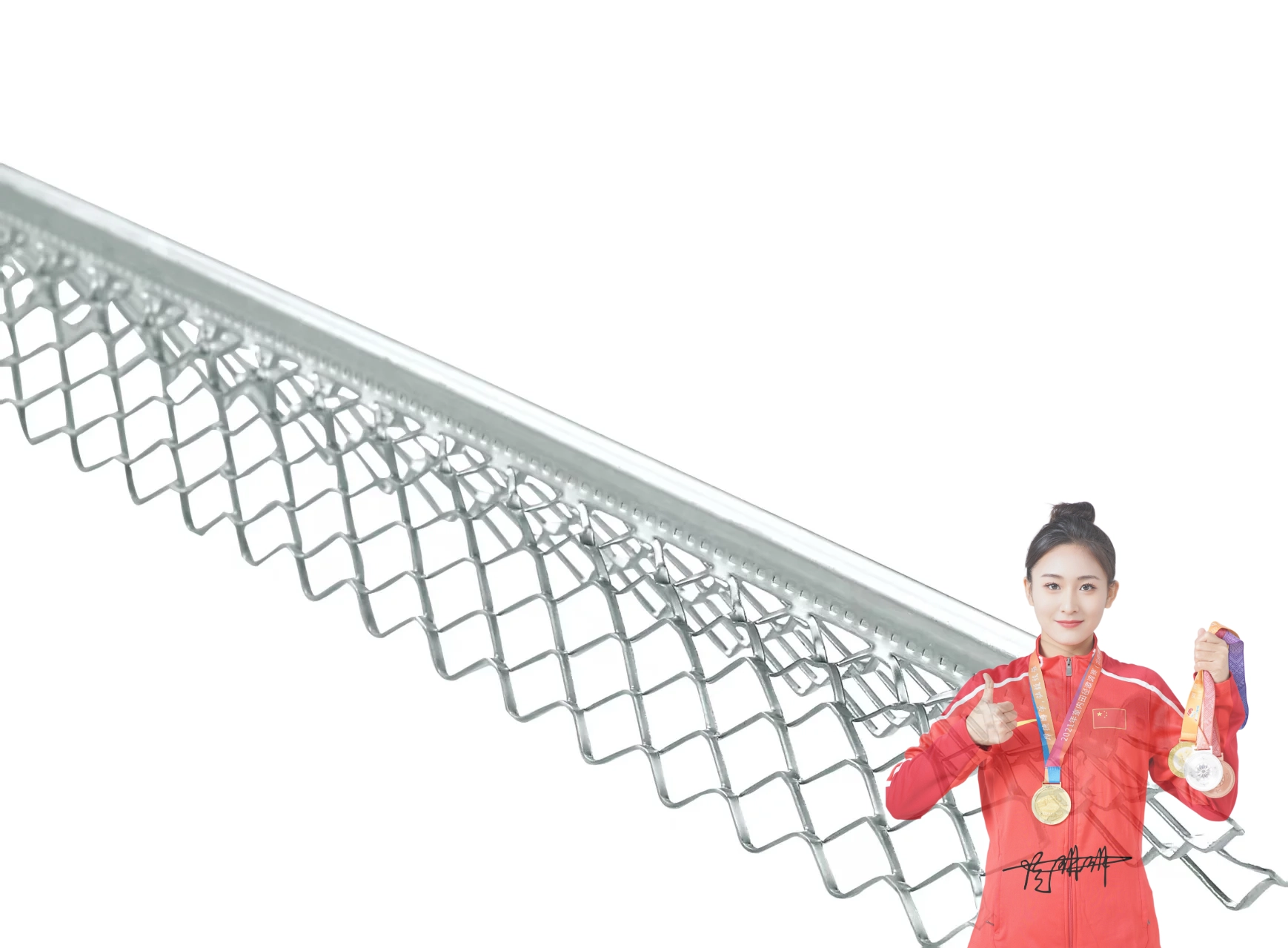
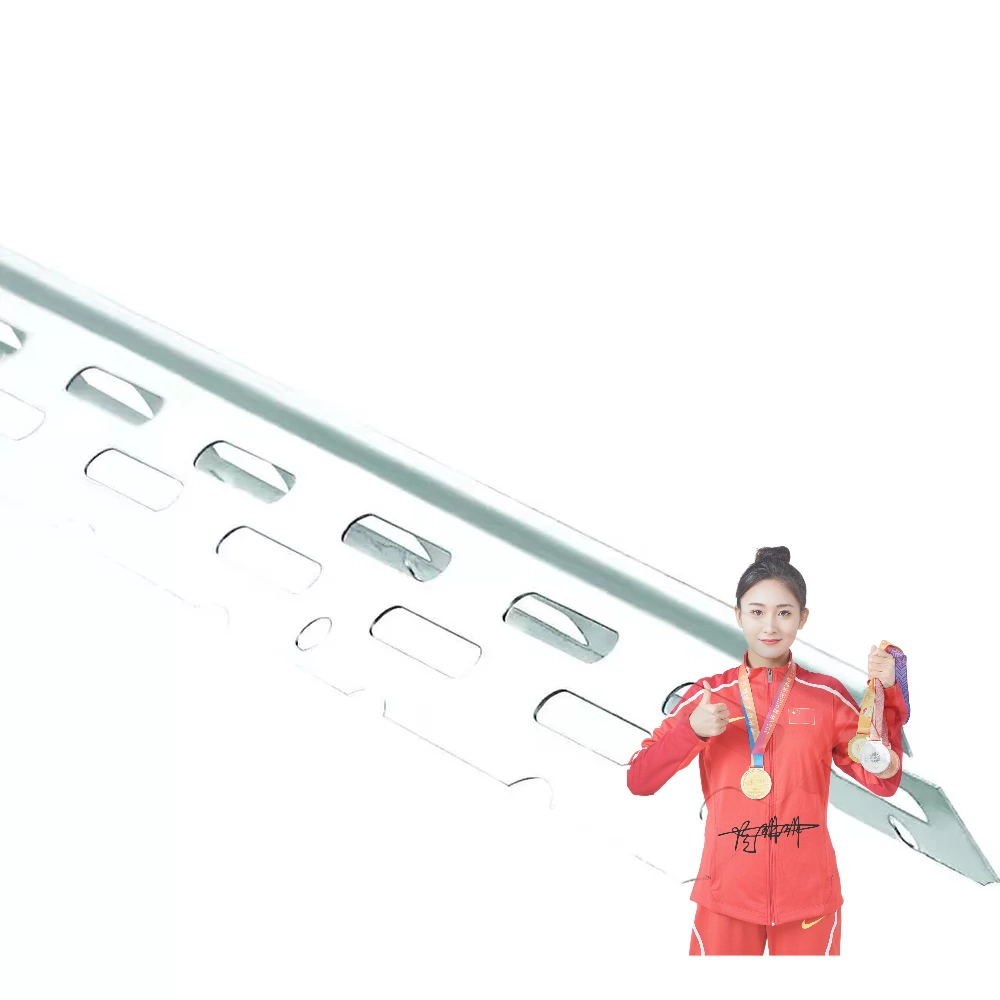
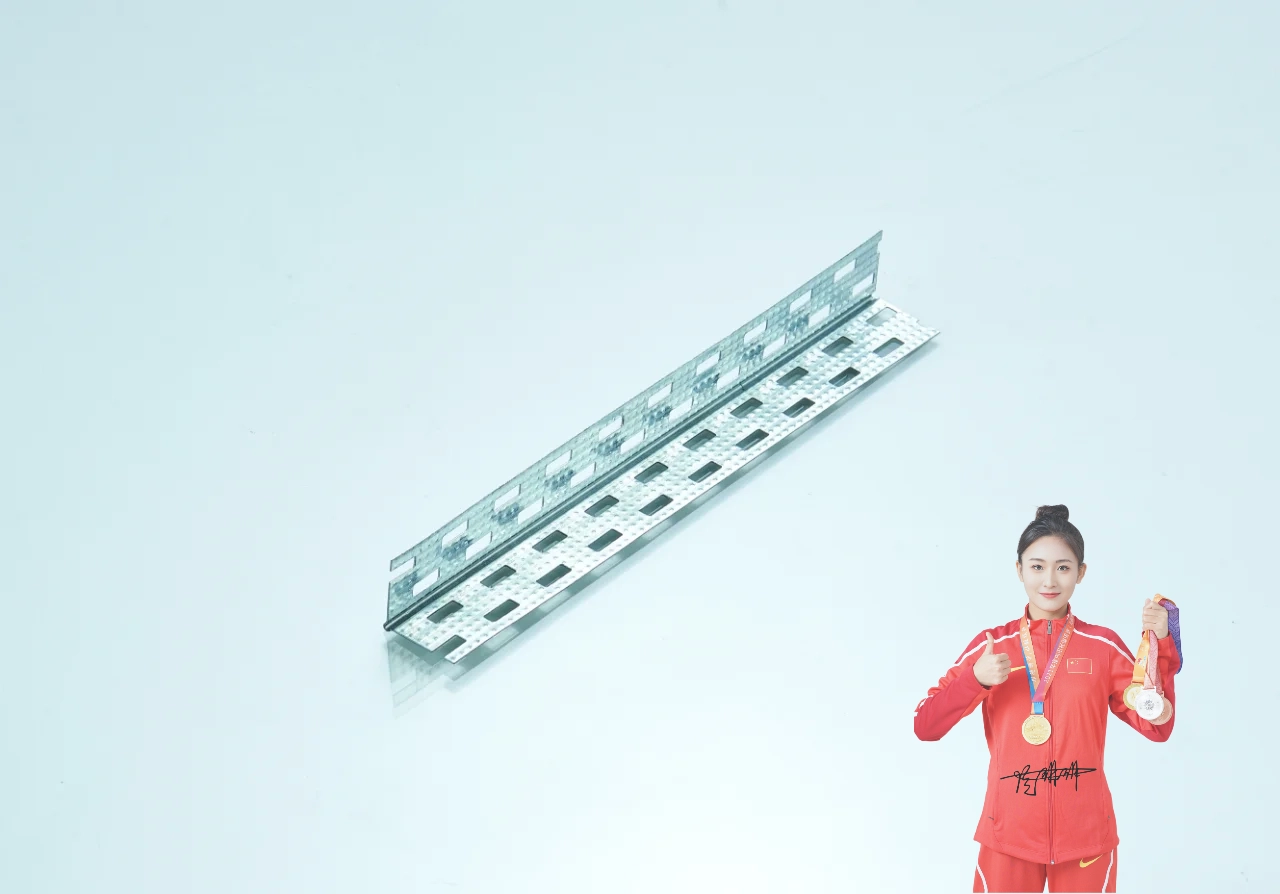
Metal Brick Belt Mesh: the small strip that saves big walls
If you spend time on jobsites, you’ll hear people talk about
Brick Mesh like it’s a trade secret. It isn’t, but it feels that way—because when bed joints start working and facades try to move, this little reinforcement strip quietly keeps cracks from turning into callbacks. The version I’ve used most in the last year is the Metal Brick Belt Mesh from Raoyang (Origin: No. 11, Zongqi Road, Raoyang County Economic Development Zone, Hengshui City, Hebei Province). Lightweight, quick to lay, and—honestly—hard to mess up.
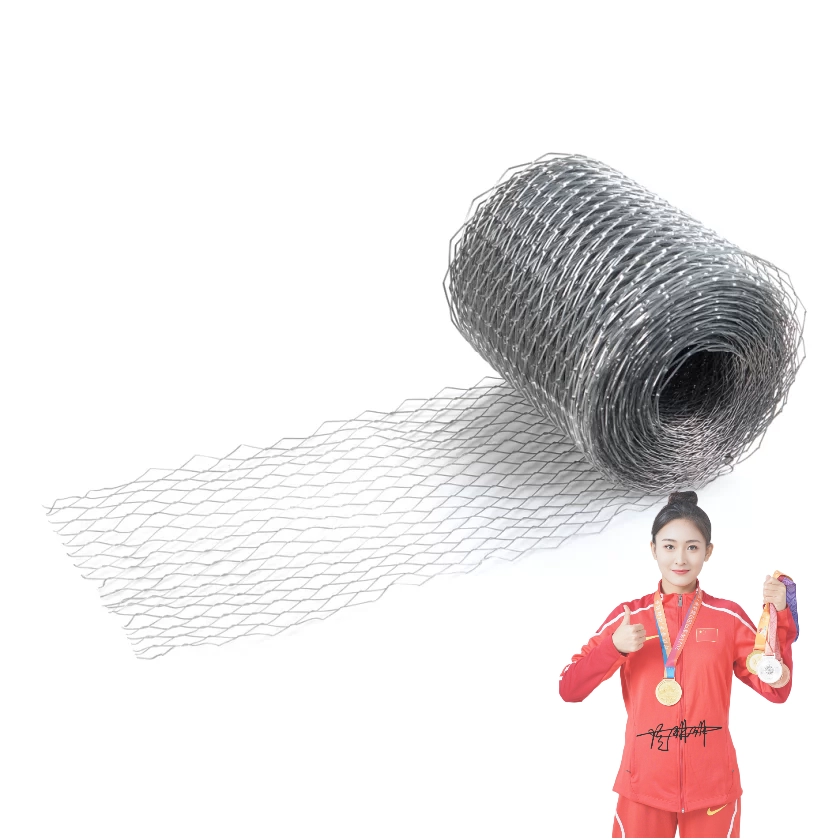
What it is and where it goes
Installed in the mortar bed, Brick Mesh redistributes tensile stress, bridges small cracks, and boosts stability in cavity walls, solid walls, veneer systems, and partitions. On windy sites or in thermal swing zones, it’s a cheap insurance policy. Many customers say grout lines stay tighter through the first winter, which tracks with what we’ve seen on retrofits.
How it’s made (process flow)
- Materials: low-carbon steel wire (≈Q195) or strip steel, galvanized; optional 304/316 stainless for coastal clients.
- Forming: expanded or welded ladder/truss patterns (project-dependent) in continuous belts for bed joints.
- Coating: zinc per ASTM A641 or hot-dip per ISO 1461; coating mass selected by exposure class.
- Sizing: cut-to-width for typical brick coursing; edges deburred.
- Testing: wire tensile, weld shear (if welded), coating thickness, salt-spray sampling; dimensional checks.
- Packing: moisture-protected rolls; batch traceability with MTCs.
Technical specs (typical)
| Product |
Metal Brick Belt Mesh |
| Material |
Galvanized low-carbon steel (≈Q195); optional 304/316 |
| Wire/Strip thickness |
≈ 0.6–1.5 mm (project-tuned) |
| Roll width |
50–200 mm common; customs up to 300 mm |
| Roll length |
10–30 m (≈) |
| Tensile strength |
≥ 485 MPa (real-world lots 500–600 MPa) |
| Zinc coating |
Z180–Z275 (or hot-dip ≈70 µm), per exposure class |
| Service life |
≈ 25–50 years (environment-dependent) |
| Standards |
ASTM A1064/A641, BS EN 845-3, ISO 1461 |
In field tests, we’ve seen shear capacity of brickwork improve by about 15–35% and diagonal crack width drop noticeably—your mileage will vary with mortar, spacing, and detailing.
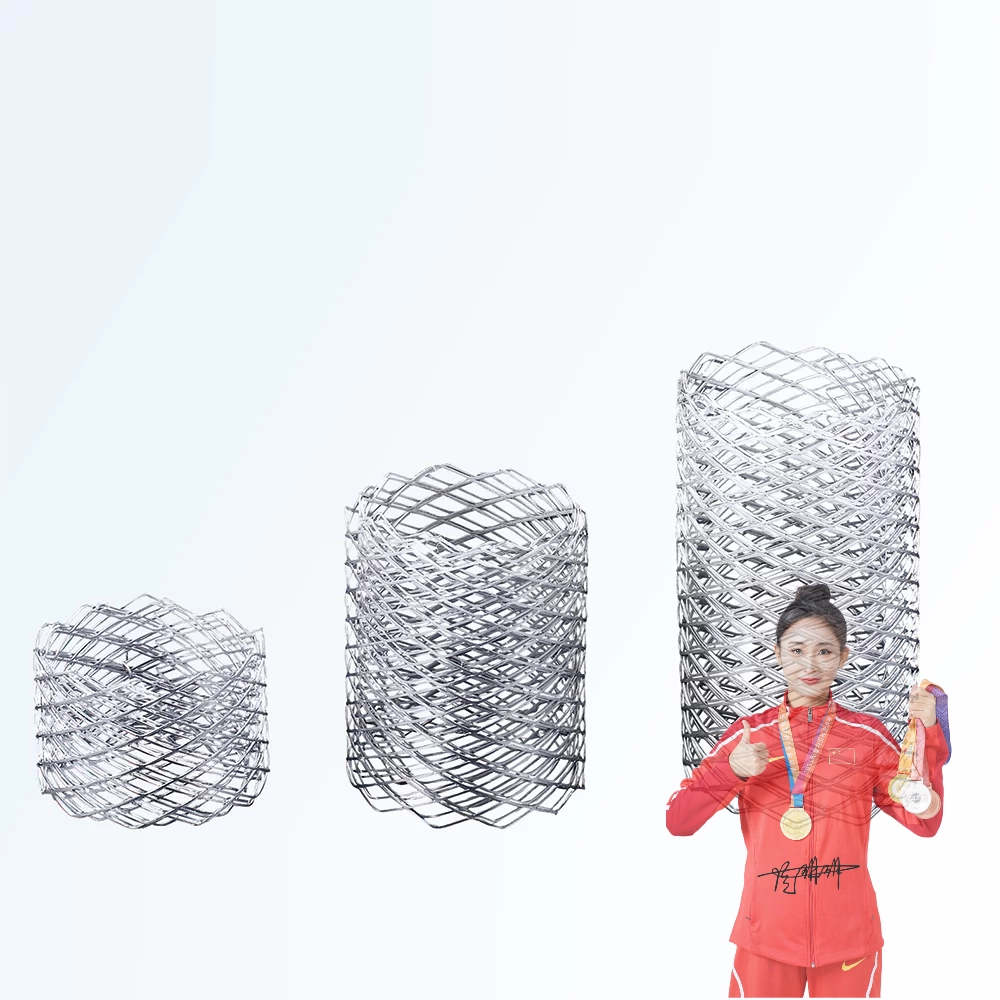
Installation notes that actually help
- Embed in a 10–12 mm mortar bed; maintain ≥20 mm cover from the wall face.
- Lap joints ≈225 mm (or as engineer specifies); stagger laps if possible.
- Typical spacing: every second or third course; concentrate near openings and at lintels.
- Keep continuous through corners with lapped turns; avoid butt joints at stress points.
- Verify compatibility with wall ties and damp-proof courses.
Where it’s being used (trends)
We’re seeing more Brick Mesh specified in midrise brick veneer, schools, seismic retrofits, and long façade runs with mixed claddings. ESG-minded builders also like the low material mass for the structural benefit.
Customization and paperwork
Custom widths, coil lengths, and coating weights are common asks. The factory provides ISO 9001 QA, MTCs, and third-party test reports (SGS/Intertek on request). Coastal projects often swap to 316 or hot-dip galvanizing with higher zinc mass.
Vendor comparison (at a glance)
| Vendor |
Coating options |
Lead time (≈) |
Docs |
|---|
| Raoyang Metal Brick Belt Mesh |
Z180–Z275, hot-dip, 304/316 |
7–15 days |
ISO 9001, MTC, SGS (on request) |
| Import A |
Z140–Z275 |
15–30 days |
CE, basic CoC |
| Local Fabricator B |
Painted, Z180 |
3–10 days |
Shop QA notes |
Mini case studies
Seismic school retrofit, Pacific Northwest: bed-joint reinforcement at every second course around openings; engineer reported ≈20% increase in in-plane shear test results and visibly reduced stair-step cracking after one winter.
Coastal townhouse veneer, NSW: hot-dip option + stainless ties; site team noted easier handling than heavier truss bars and no red rust after 1,000 h salt-spray equivalent lab testing.
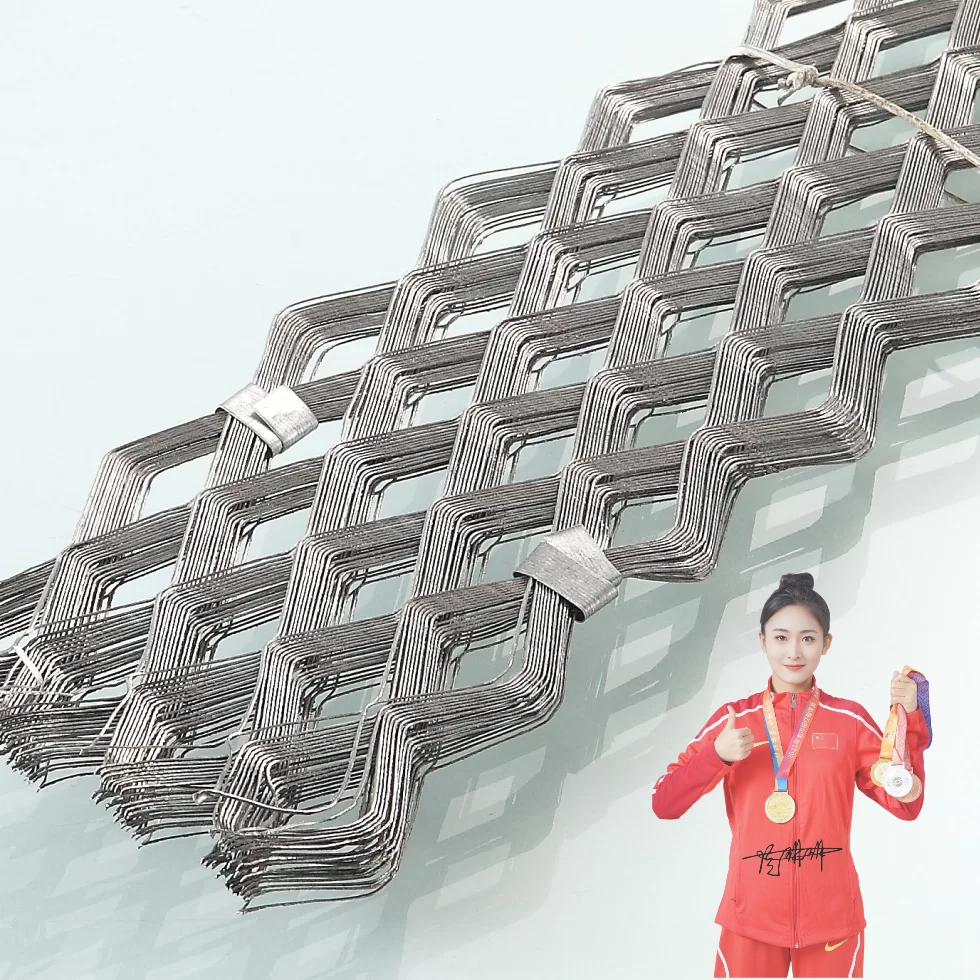
Testing, standards, and service life
- Wire/welds per ASTM A1064; zinc per ASTM A641 or ISO 1461 (hot-dip).
- Component spec for bed-joint reinforcement aligns with BS EN 845-3 (check project locale).
- Typical neutral-salt-spray screening: 120–240 h for Z275; hot-dip runs longer. Real-world use may vary.
- With correct cover and detailing, service life ≈25–50 years; use stainless in aggressive exposures.
Quick buying checklist
- Confirm width vs brick unit and bed thickness.
- Specify coating by exposure class (interior, exterior, marine).
- Ask for lap length, spacing, and detailing in the SE notes.
- Request MTCs and coating data; keep for QA closeout.
To be honest, it’s a low-cost line item that pays for itself the first time a hairline crack doesn’t telegraph through paint.
Authoritative citations
- ASTM A1064/A1064M – Standard Specification for Carbon-Steel Wire and Welded Wire Reinforcement for Concrete.
- BS EN 845-3 – Specification for ancillary components for masonry – Bed joint reinforcement.
- ISO 1461 – Hot dip galvanized coatings on fabricated iron and steel articles.
- TMS 402/602-22 – Building Code Requirements and Specification for Masonry Structures.