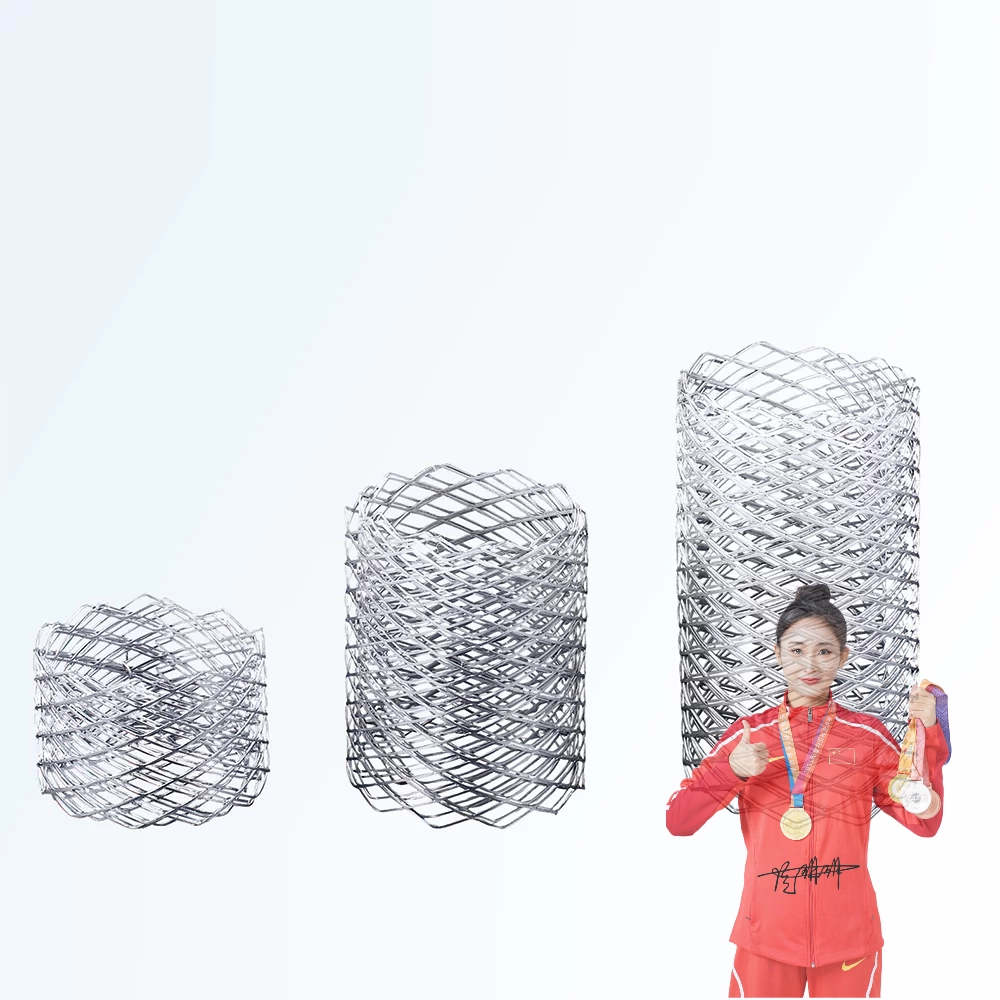
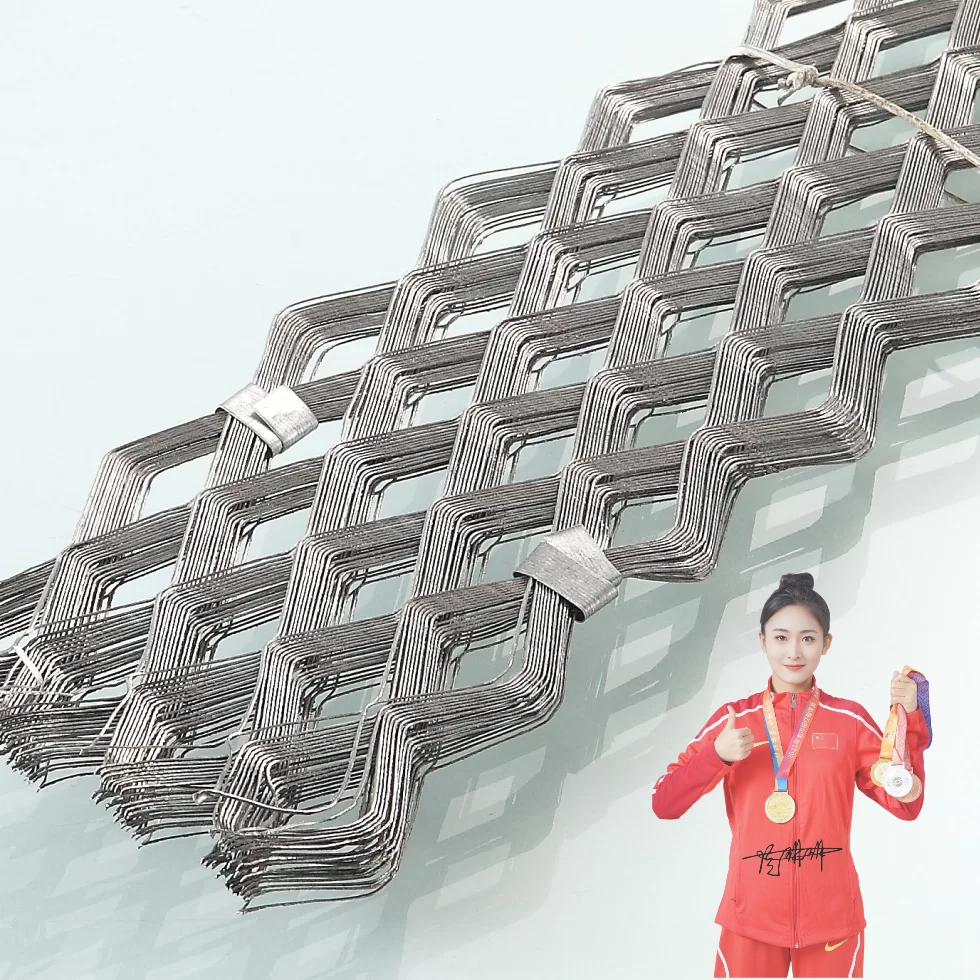
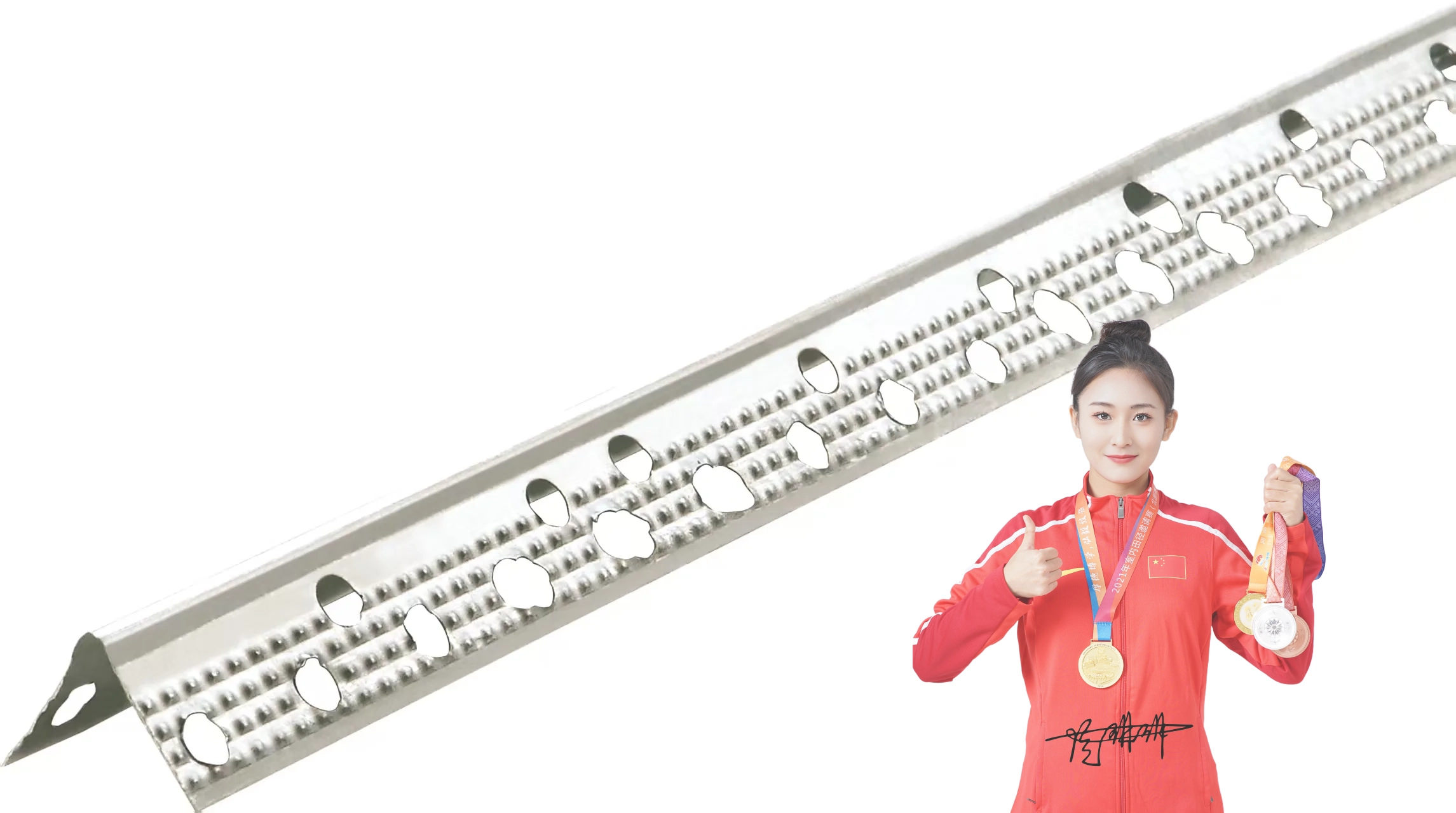
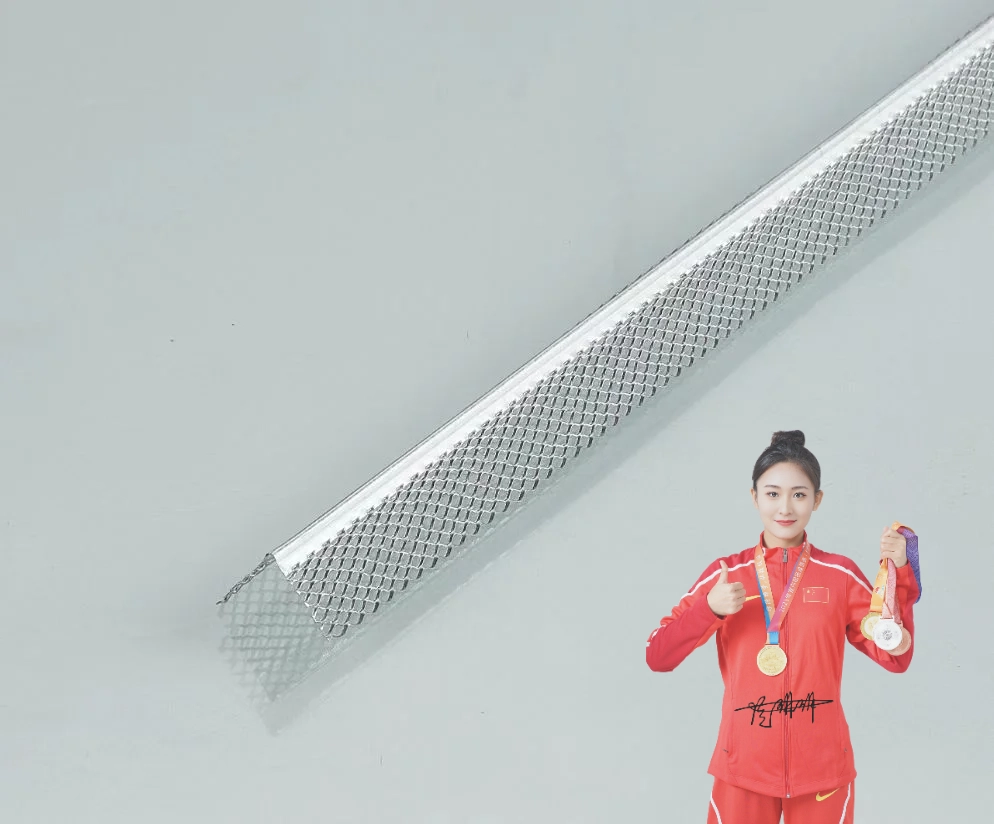
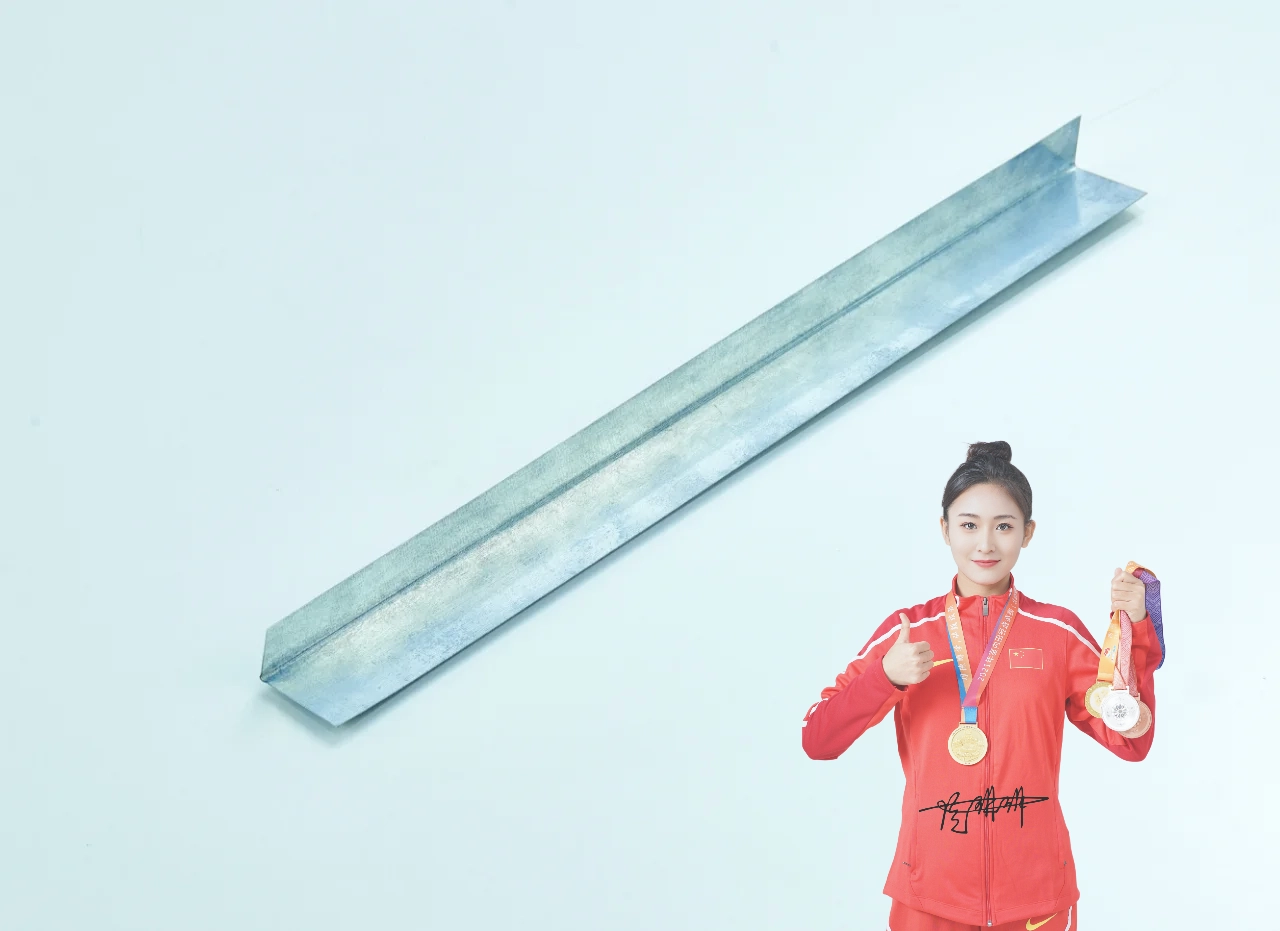
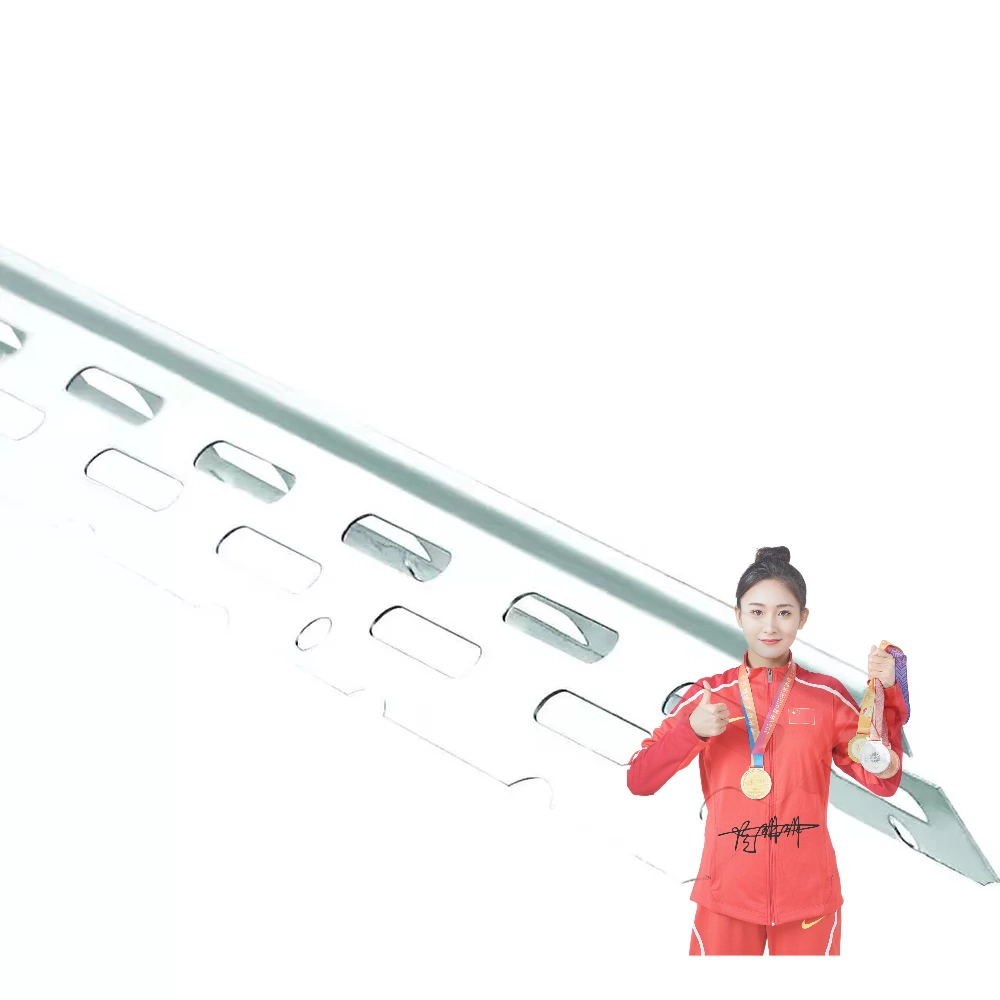
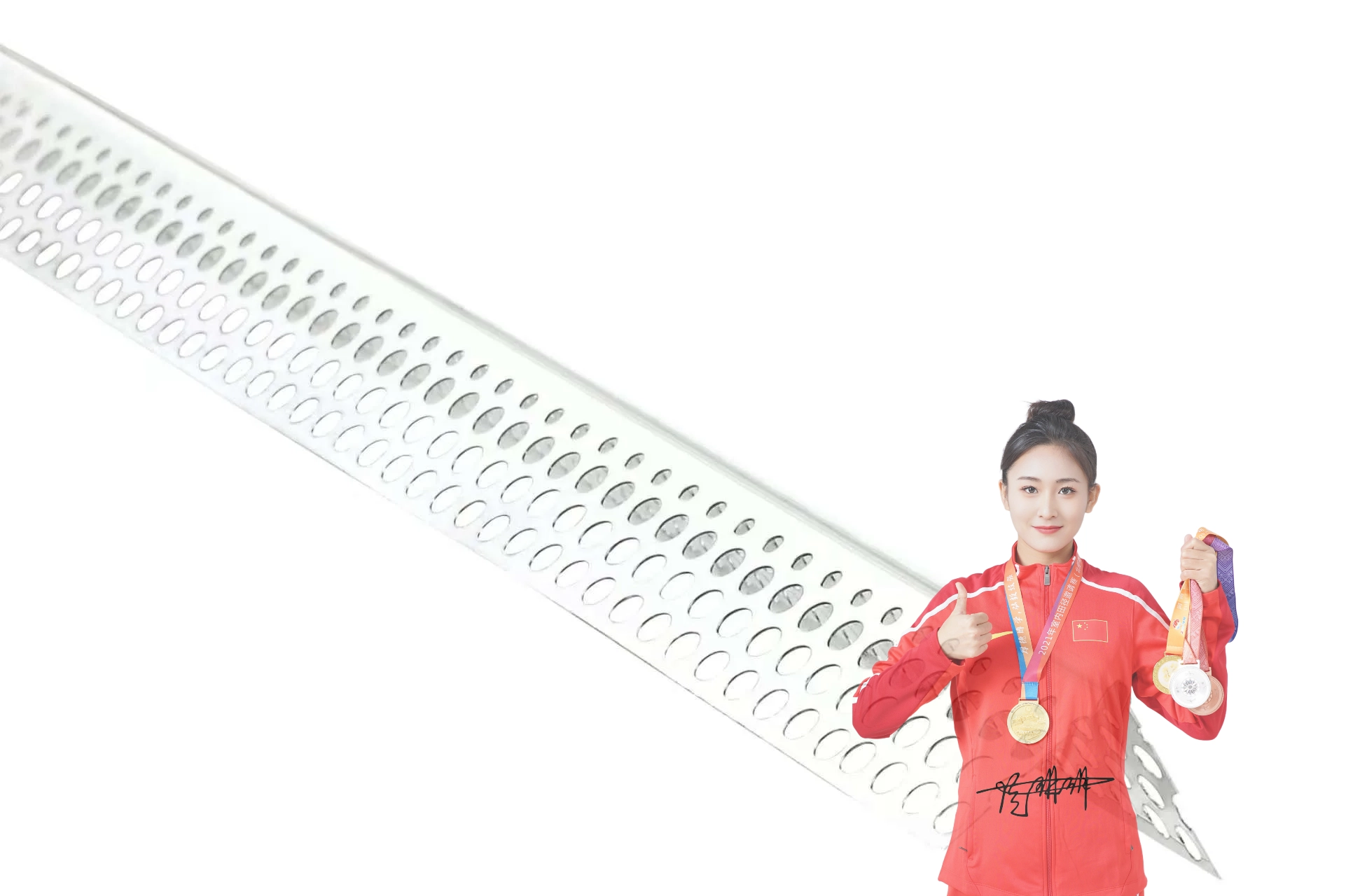
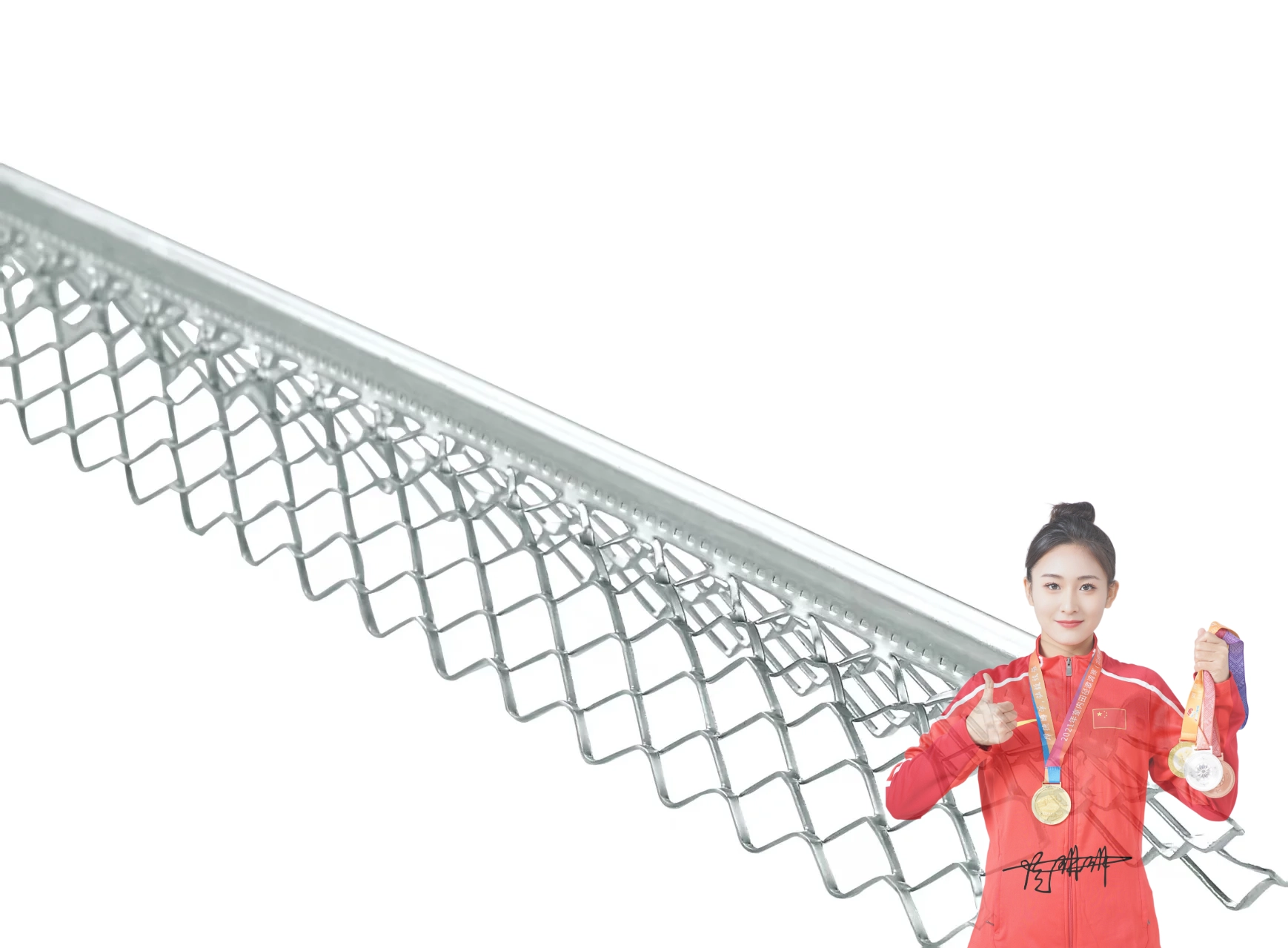
brick mesh is a key solution in the construction industry, specifically within masonry reinforcement and facade systems.
This article explores how Meifei Building Materials (Hebei) Co., LTD supports professionals with durable, high-performance products, and explains why this product is an ideal choice for businesses in these sectors.
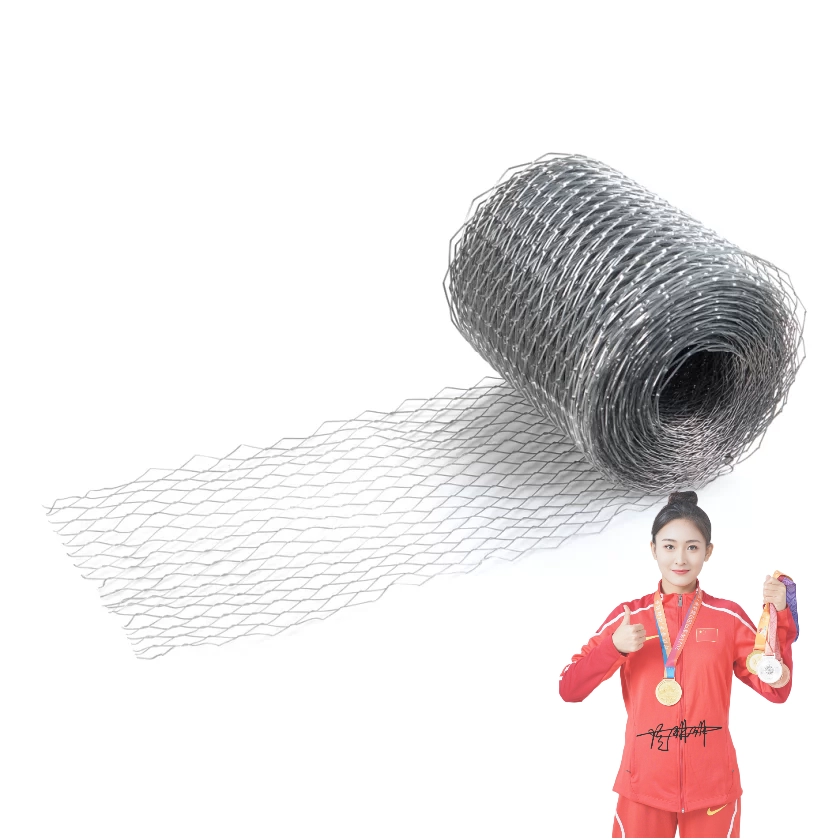
Table of Contents
Brick mesh—often called brick belt mesh, brick reinforcing coil, or masonry reinforcement mesh—is a metal reinforcement installed in mortar joints to improve tensile performance, control shrinkage cracking, and enhance structural continuity in brickwork. In the construction industry, it is essential for both load-bearing masonry and brick veneer systems, tying wythes, distributing loads, and strengthening stress-prone areas such as openings, lintels, and shelf angles. Typical materials include hot-dip galvanized steel for robust corrosion resistance and stainless steel (e.g., 304/316) for high-exposure or coastal applications. Widths are selected to suit brick or block course heights, and coils offer rapid, continuous placement along bed joints.
Meifei Building Materials (Hebei) Co., LTD manufactures precision-formed brick mesh with consistent gauge, flatness, and edge quality to ensure even mortar coverage and fast installation. Options such as brick veneer mesh support facade performance, while brick vent mesh helps maintain weep cavities by keeping insects and debris out without restricting airflow. In a mid-rise facade retrofit, for example, reinforcing every second course with galvanized brick mesh helped reduce crack propagation around window heads, improving long-term durability and appearance. Industry classification: Construction → Building Materials → Masonry Accessories.
Benefits & Use Cases of brick mesh in Construction & Masonry
Across commercial, institutional, and residential projects, brick mesh is specified to: reinforce long wall runs and parapets; control cracking near openings; improve veneer tie performance; and strengthen areas subjected to wind, seismic, or thermal movement. Brick reinforcing coil simplifies continuous placement in bed joints, while dedicated brick veneer mesh supports cavity wall assemblies and improves facade reliability. Brick vent mesh maintains drainage and ventilation in weep holes, supporting moisture management and extending facade service life.
- Applications: cavity walls, veneer facades, lintels and sills, shelf angles, seismic reinforcement lines, parapets, and long-span masonry runs.
- Competitive advantages: corrosion-resistant finishes (galvanized/stainless), consistent gauge and width, smooth edges for safer handling, and coil formats that accelerate installation and reduce waste.
- Meifei Building Materials (Hebei) Co., LTD offers customization (widths, gauges, finishes) to match regional practices and project specifications, with reliable lead times for B2B procurement.
Cost, Maintenance & User Experience
The total cost of ownership for brick mesh is driven by material selection (galvanized vs. stainless), installation efficiency, and long-term performance. Coil-based brick mesh reduces labor hours by enabling continuous placement, while precise dimensions minimize trimming and waste. Over the lifecycle, the product contributes to fewer crack-related callbacks, better facade stability, and reduced remediation costs—delivering strong ROI for developers, contractors, and building owners. For coastal or high-exposure sites, stainless options provide added durability, further safeguarding investment.
- Maintenance: Brick mesh is embedded within mortar and is largely maintenance-free; its role in controlling cracks and supporting cavity performance helps reduce future repair cycles.
- User feedback: Contractors appreciate Meifei’s consistent flatness and straightness, which helps maintain uniform bed joints and speeds up coursing. Procurement teams value dependable packaging, clear labeling, and on-time delivery for phased construction.
Sustainability & Market Trends in Construction
As codes and owners push for resilient, low-maintenance envelopes, brick mesh supports longer service life, fewer repairs, and improved moisture management—key to sustainable building practice. Steel’s recyclability aligns with circular-economy goals, while durable galvanized and stainless finishes help minimize replacement frequency and material consumption. Market trends include growing demand for reinforced veneers in high-wind and seismic regions, standardization of cavity ventilation strategies using brick vent mesh, and faster installation methods that reduce site waste and labor exposure.
- Regulatory focus on moisture control and facade durability is elevating the role of reinforcement and ventilation components in masonry assemblies.
- Meifei Building Materials (Hebei) Co., LTD invests in quality control and finish options to meet regional performance needs, reinforcing an eco-conscious approach through durable specifications that extend building lifespan.
Conclusion on brick mesh from Meifei Building Materials (Hebei) Co., LTD
From masonry reinforcement to facade ventilation, brick mesh—including brick reinforcing coil, brick veneer mesh, and brick vent mesh—plays a crucial role in modern construction. Meifei Building Materials (Hebei) Co., LTD delivers consistent quality, reliable lead times, and flexible specifications to help B2B decision-makers build resilient, low-maintenance envelopes. For quotes, samples, or technical support, contact us today.
- Recap: Brick mesh adds strength, controls cracking, and supports moisture management across construction, masonry, and facade systems.
- Meifei Building Materials (Hebei) Co., LTD is a trusted partner for durable, high-performance solutions.
- Strong CTA: Contact us: email: alanmu1117@gmail.com — Visit our website: https://www.cornerbeadmfr.com