Ceiling Accessories: the quiet hardware behind confident ceilings
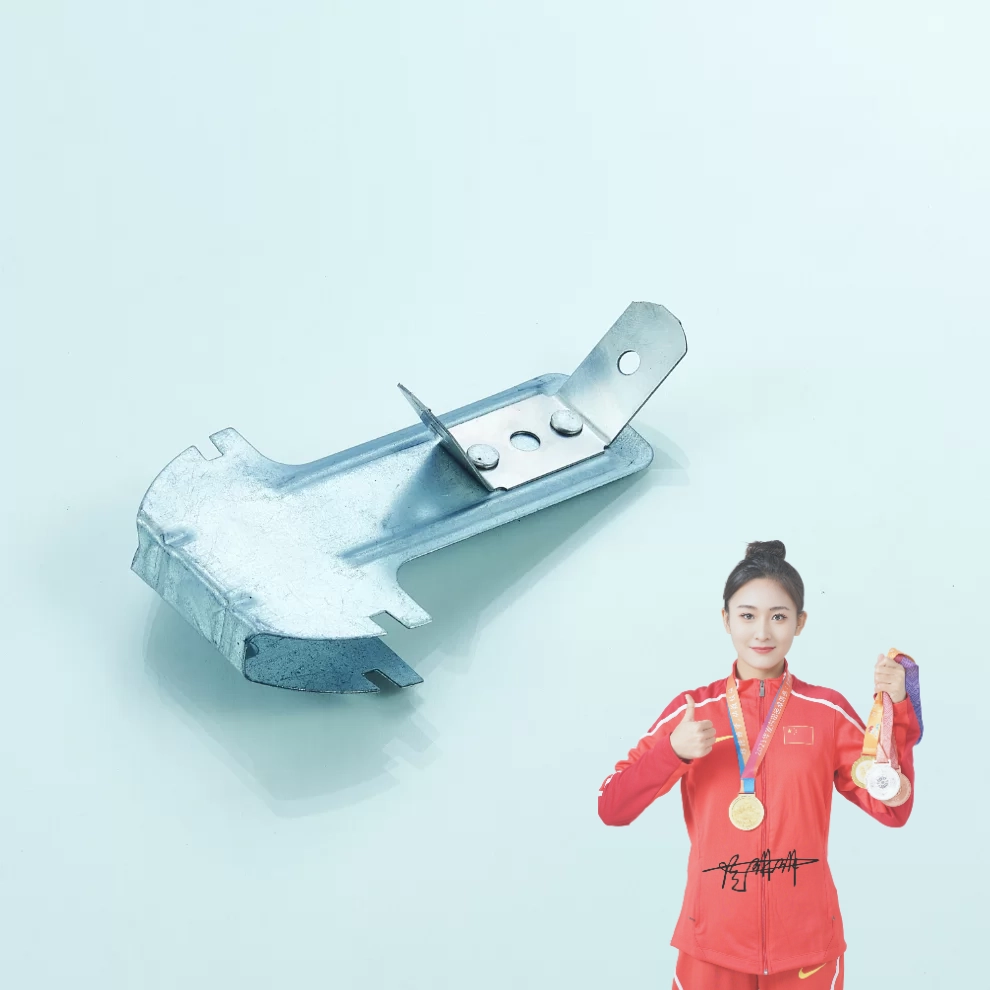
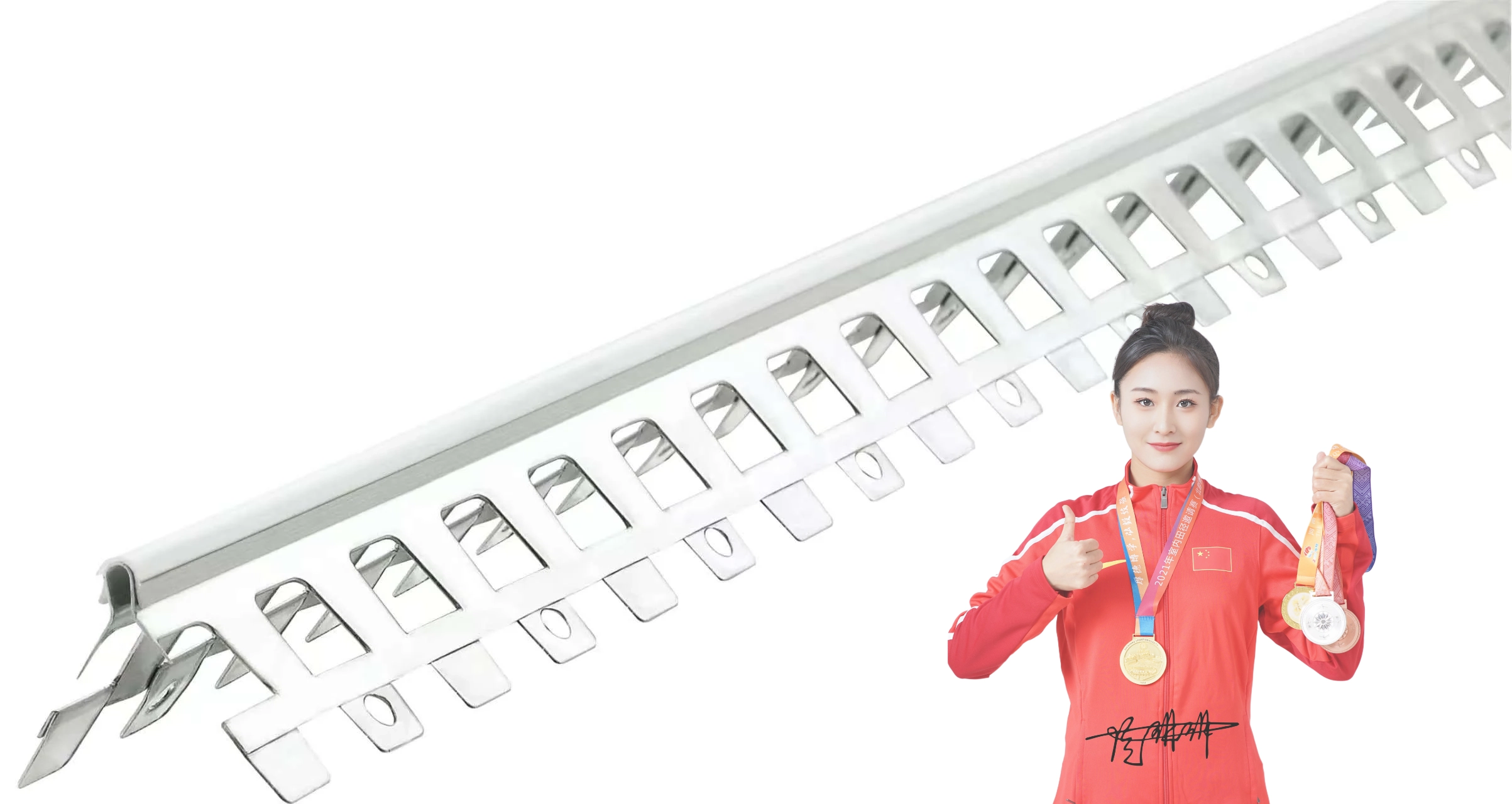
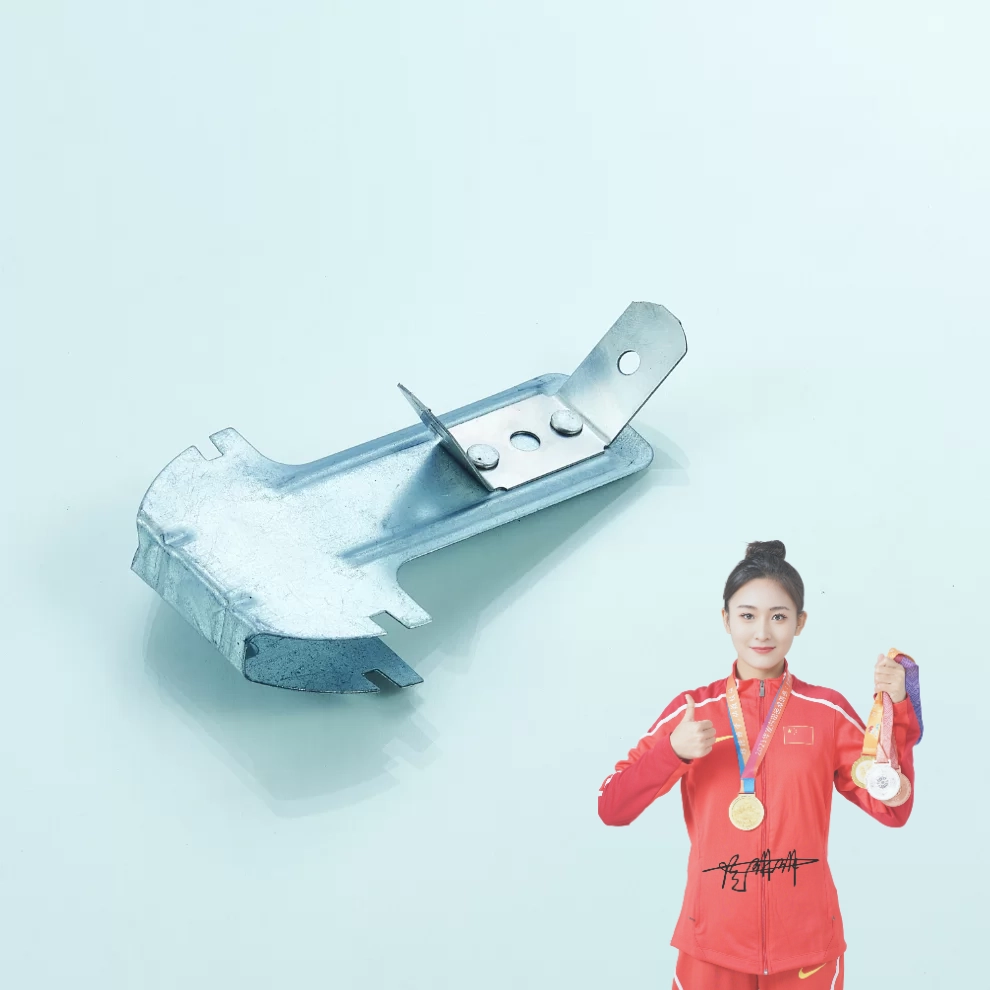
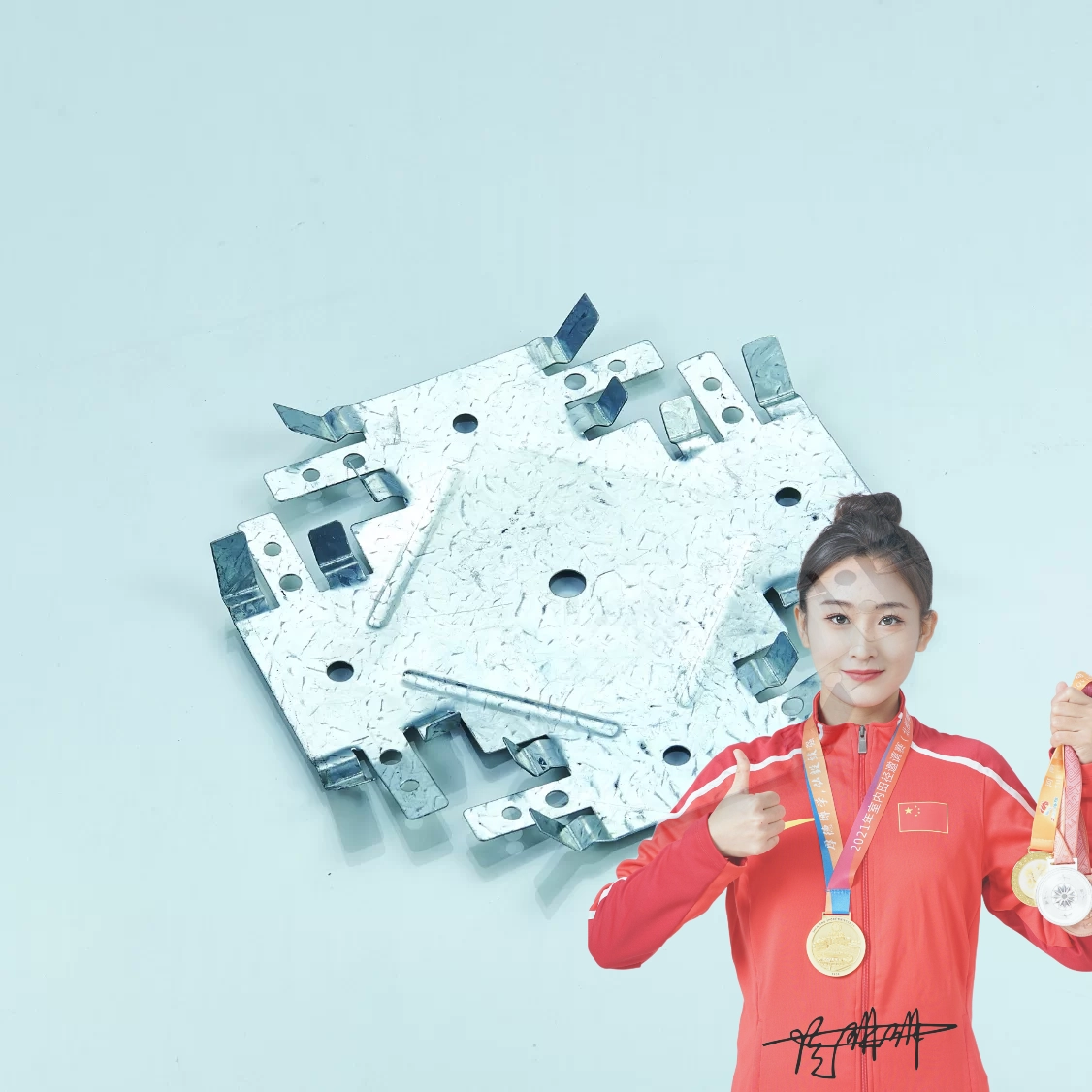
When people talk about ceiling components, they usually mean the bits you don’t see but absolutely rely on: main tees, cross tees, hangers, angle trims, fasteners, and those deceptively simple clips that keep everything true. In the field, we call them “problem preventers.” From suspended gypsum to metal grids and acoustic tiles—this hardware is the backbone.
What’s trending
Two things are reshaping specs: higher seismic expectations and lower embodied carbon. Specifiers want EN 13964 and ASTM C635-compliant grids with documented corrosion class, plus EPD-ready finishes. Also, pre-engineered seismic bracing kits (ASTM E580) are suddenly common even for modest offices. BIM submittals? Basically assumed now.
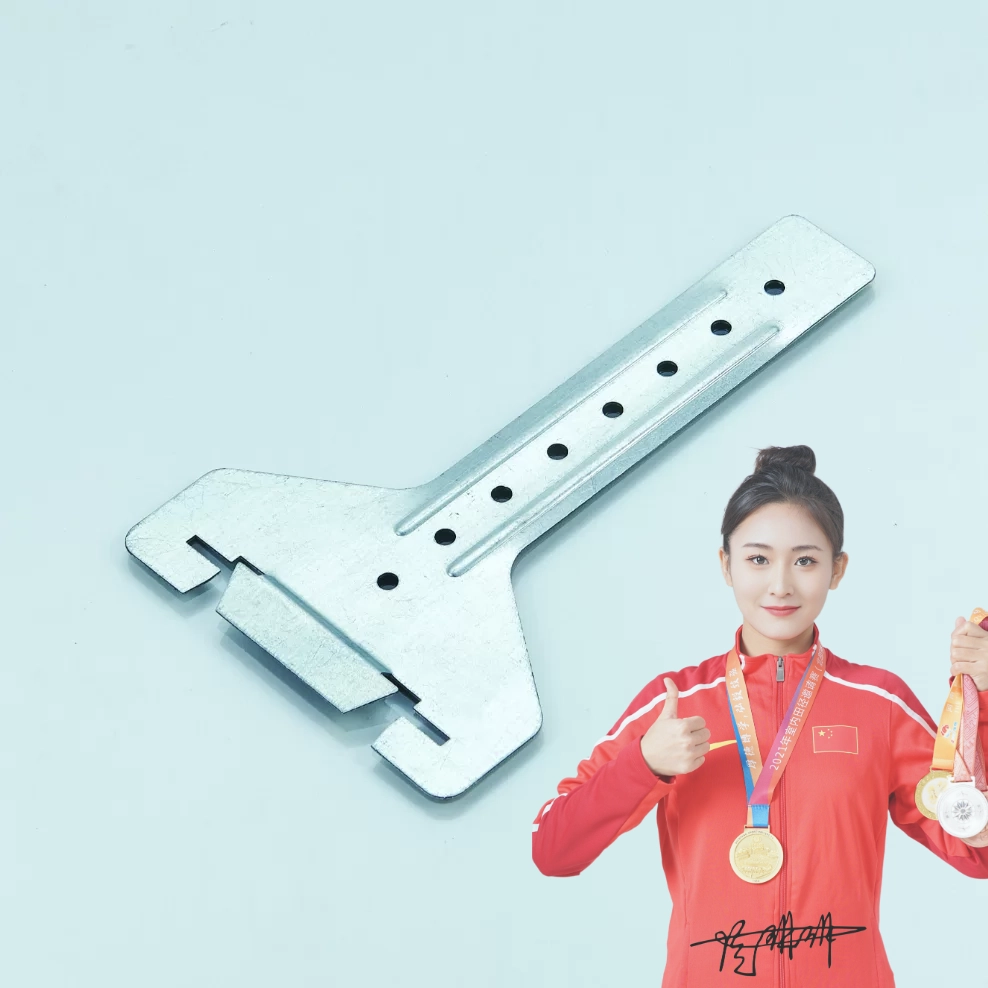
Quick specification snapshot
| Item | Material | Typical Spec | Standard | Notes |
|---|
| Main/Cross Tee | G90/Z275 galvanized steel | 0.30–0.40 mm; load class ≈ Intermediate–Heavy | ASTM C635; EN 13964 | Straightness ≤ 1.0 mm/3 m |
| Perimeter Angle | Aluminum 6063-T5 / steel | 20×20 / 24×24 mm; powder coat | ASTM C645 | Color RAL custom |
| Hanger System | 2.5–4.0 mm wire | Spacing ≈ 1200 mm (field varies) | ASTM C636 | Seismic per ASTM E580 |
| Corrosion | Zn/Zn-Al coat | Salt spray ≥ 240 h | ISO 9227 | Real-world use may vary |
Test data from recent lots showed pull-out strength ≈ 1.2–1.5 kN on standard hangers and grid deflection under 2 mm at design load. To be honest, installers notice the fit before the numbers—the click-in tolerance matters.
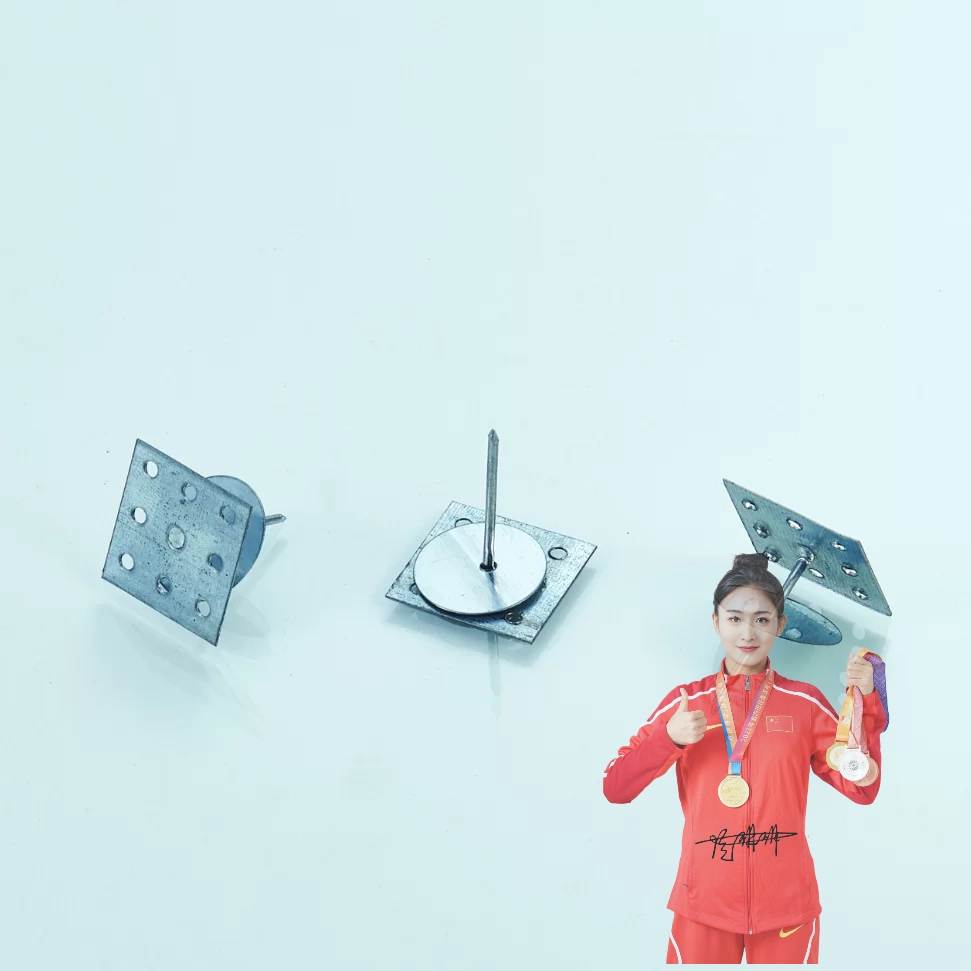
Materials, manufacturing, and QA flow
Input coils (galvanized steel or 6063-T5 aluminum) → roll forming/stamping → deburring → surface treatment (passivation, powder, or electrophoretic coat) → gauge and straightness checks → assembly fit test → salt-spray and adhesion → pack/label. Audited to ISO 9001; routine dimensional checks at ±0.5 mm. Service life: around 15–25 years depending on humidity and maintenance.

Where they’re used
Offices, schools, healthcare (washable acoustic grids), airports and transit halls (seismic bracing), retail fit-outs, hospitality, and humid zones like kitchens or pools (enhanced corrosion class). Many customers say low-maintenance trims save more labor than expected.

Why these accessories win jobs
- Clean alignment; quick lock-in tabs that don’t deform after rework.
- Compatible with most tile sizes and gypsum systems; easy MEP access.
- Seismic options ready out-of-the-box; acoustic integrity maintained.
Feedback sounds like this: “Layout was fast, no shimming marathon,” which, surprisingly, is rarer than you’d think.
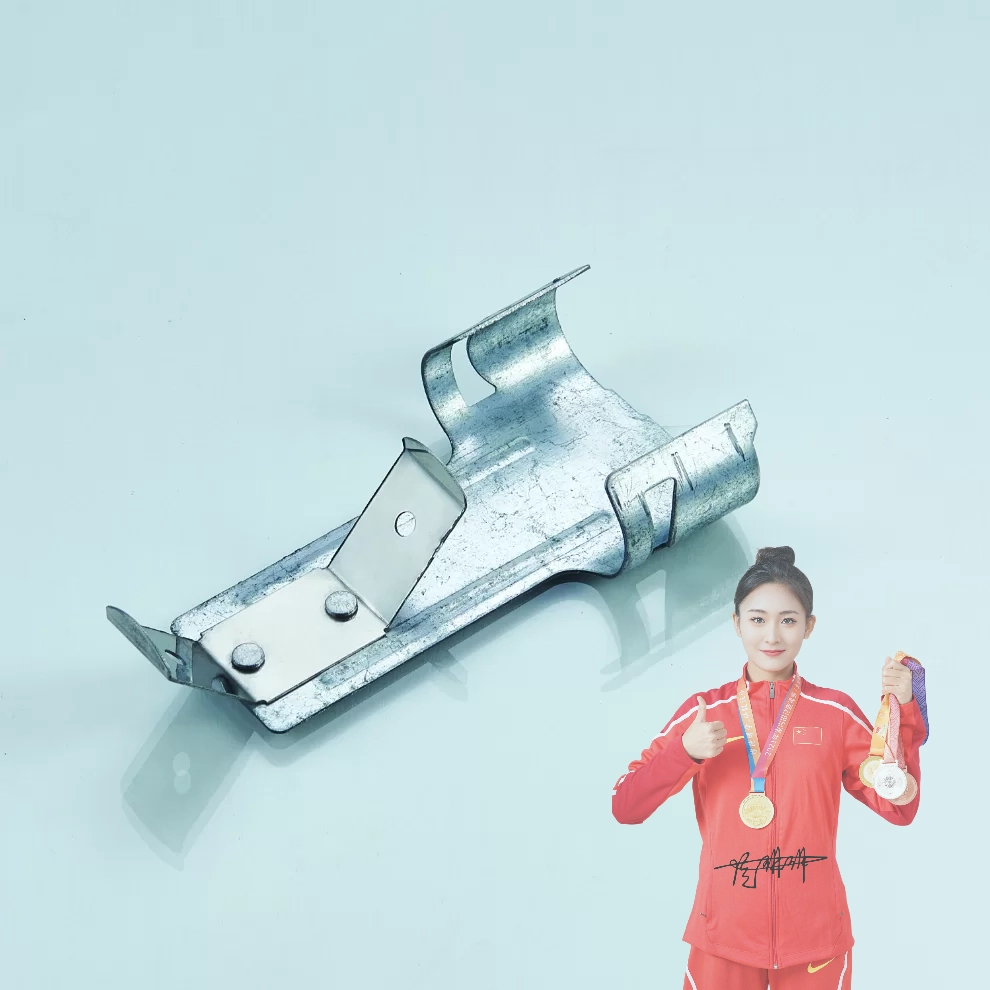
Vendor snapshot (real-world, not brochure talk)
| Vendor | Standards | Finish options | MOQ | Lead time | Customization |
|---|
| CornerbeadMFR (Raoyang, Hebei) | ASTM C635/C636, EN 13964 | Galv., powder, e-coat | ≈ 5,000 m grid | 2–4 weeks | Profiles, colors, holes |
| Regional Brand B | EN 13964 | Powder only | ≈ 8,000 m | 4–6 weeks | Limited |
| Import Brand C | ASTM + seismic kits | Pre-finished palette | Project-based | 6–10 weeks | Strong |
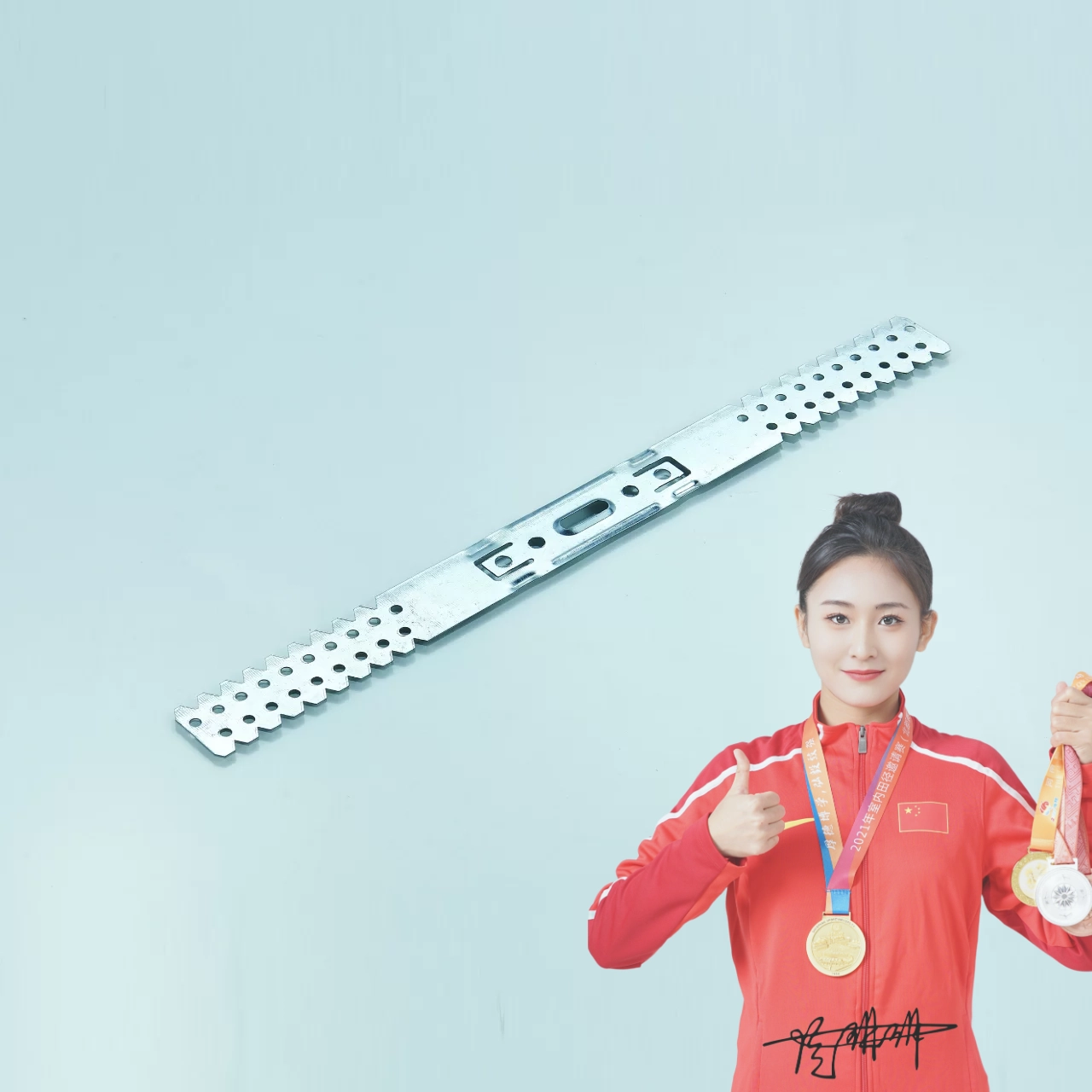
Customization and logistics
Custom tees (odd module sizes), pre-punched hanger points, antimicrobial coatings, and color-matched trims are common requests. Origin: No. 11, Zongqi Road, Raoyang County Economic Development Zone, Hengshui, Hebei. Packed flat with lot traceability; pallets sized for standard lifts. Ideal if your spec repeats across sites.
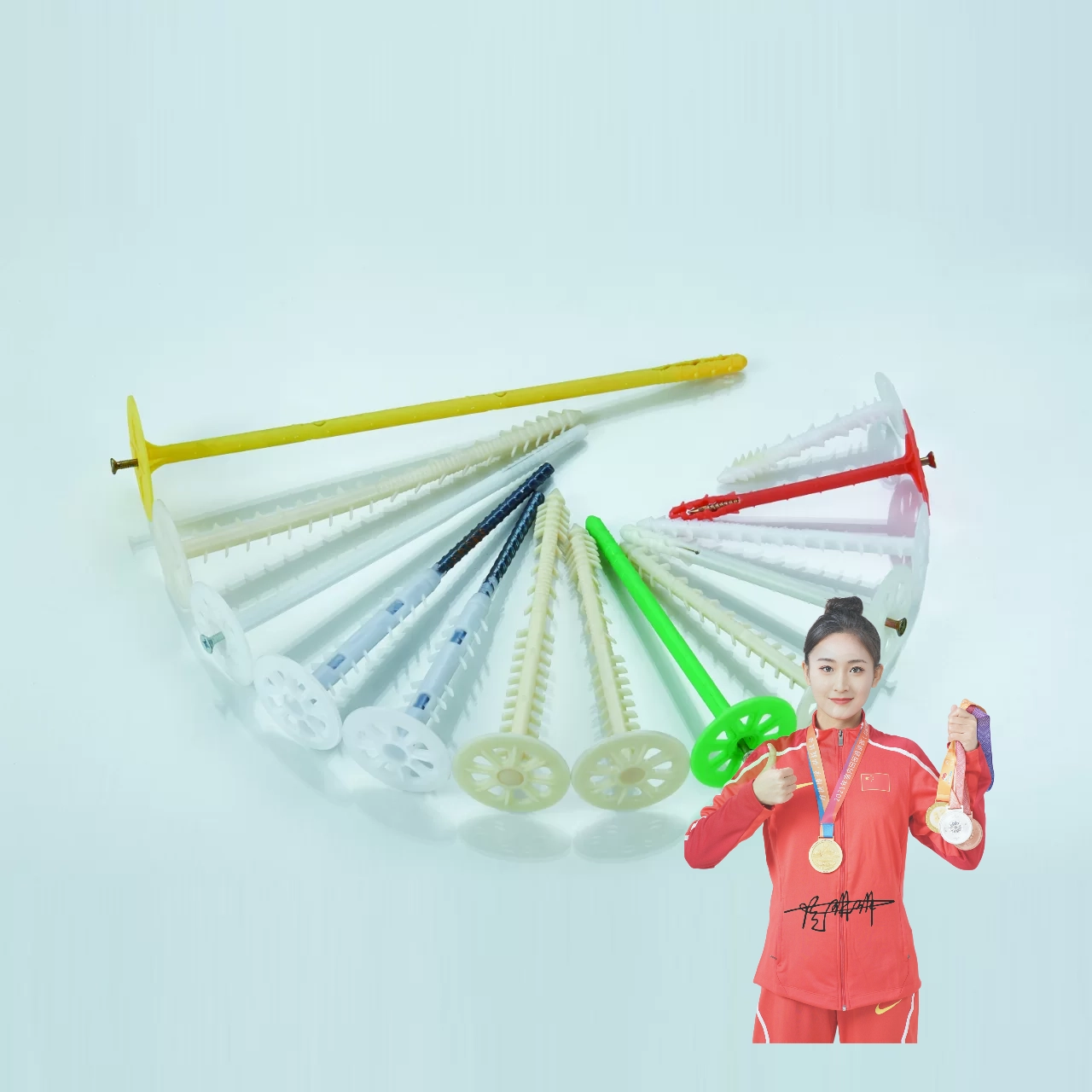
Field notes: two fast case studies
Healthcare wing, 6,000 m²: heavy-duty grid with washable trims; zero tile creep after 12 months; maintenance praised access. Metro concourse: e-coated perimeter and stainless clips; corrosion checks clean at 18 months coastal exposure.
If you’re shortlisting ceiling components for a retrofit, check seismic details early. For new builds, coordinate light fixtures’ weights with grid class—we still see overloading. And yes, ceiling components with documented salt-spray hours are worth it in humid zones. For aesthetics-driven interiors, powder-coated trims help—and ceiling components with tighter click tolerances speed rework.
Certifications and standards we watch
ISO 9001 QMS; EN 13964 classification; ASTM C635/C636 for metal grids; ASTM E580 for seismic; ISO 9227 for corrosion; fire performance coordinated with system tests (ASTM E84/E119 as applicable to assemblies).
References
- ASTM C635/C636: Metal Suspension Systems for Acoustical Tile and Lay-in Panels.
- EN 13964: Suspended ceilings—Requirements and test methods.
- ASTM E580/E580M: Seismic requirements for suspended ceilings.
- ISO 9227: Corrosion tests in artificial atmospheres—Salt spray tests.
- ASTM E84: Surface burning characteristics of building materials (assembly-dependent).