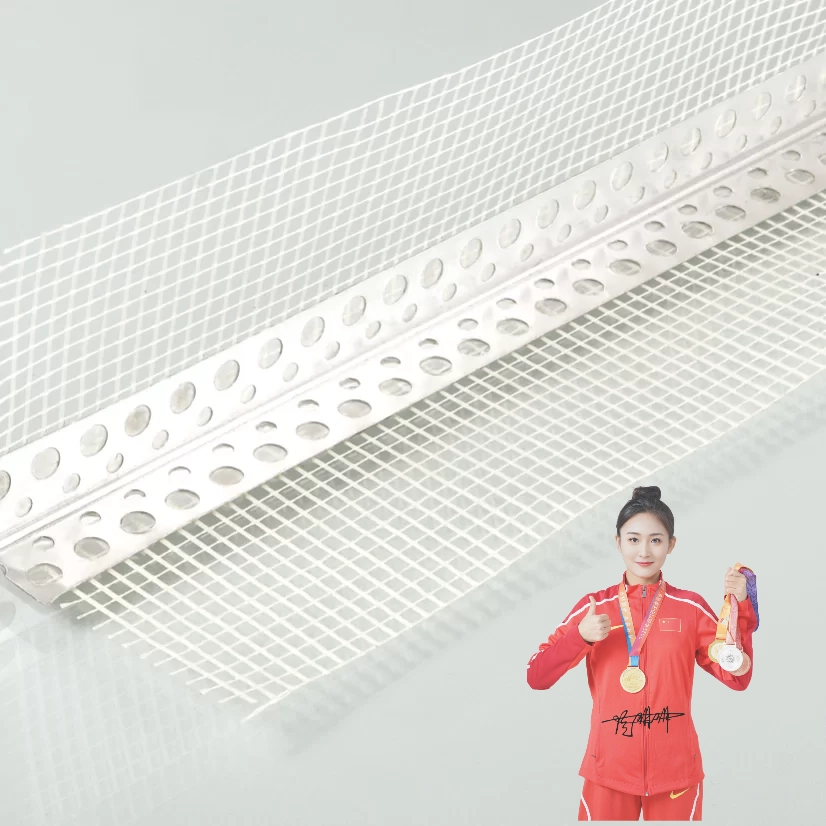
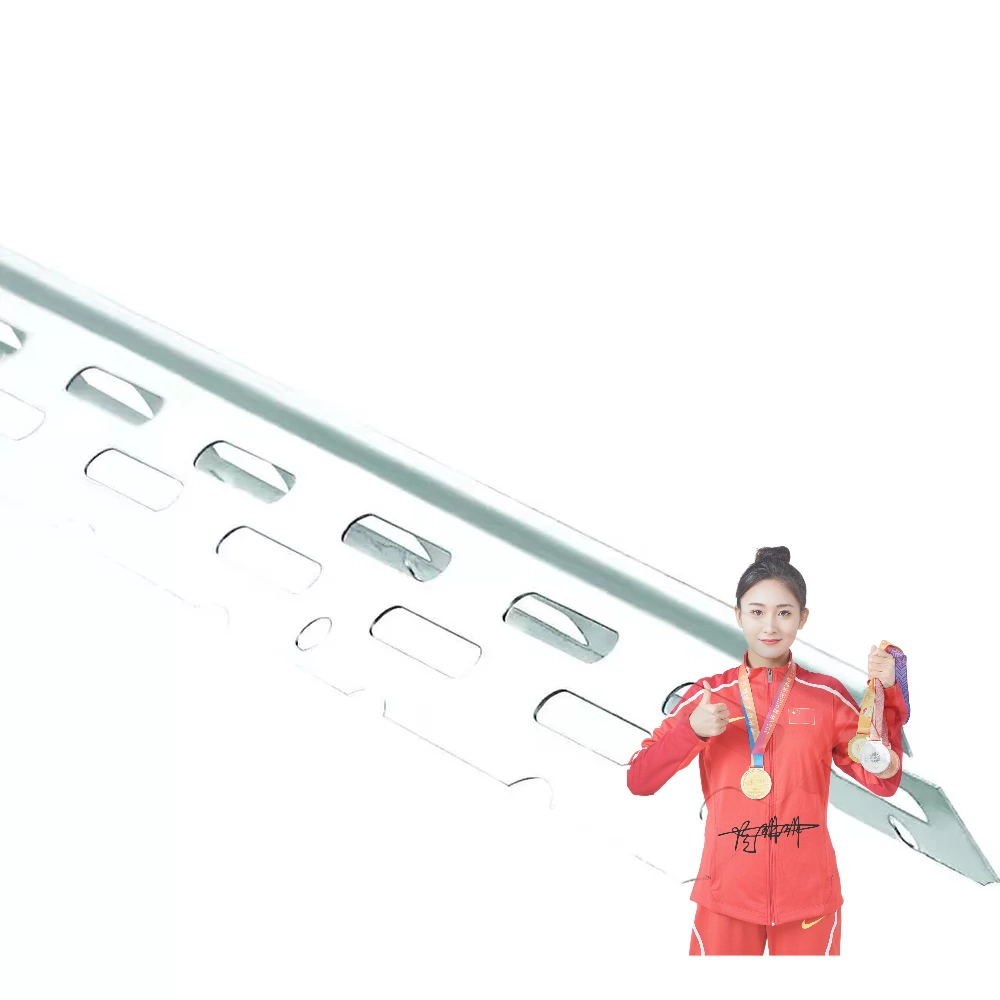
Understanding Lath and Plaster Wire Mesh: A Critical Component in Construction
At first glance, lath and plaster wire mesh might seem a rather niche construction product. But give it a moment, and you realize it's actually key to strengthening walls, restoring historic buildings, or even helping communities recover after disasters. Global urbanization continues to push demand for quick, durable, and cost-effective building methods, and this humble wire mesh quietly supports that goal. Understanding this material—how it’s made, why it matters, and where it’s used—is more important than many assume.
Why Does Lath and Plaster Wire Mesh Matter Worldwide?
Around 55% of the world's population lives in urban areas today, a figure projected to hit 68% by 2050 (UN, 2018). With ongoing megacity growth and infrastructure aging, construction materials that balance strength, flexibility, and cost are in high demand. Lath and plaster wire mesh serves as a traditional yet highly adaptable option, especially valuable for renovation, seismic retrofitting, and even humanitarian shelter projects. Beyond architecture, it aids in insulating and soundproofing, adding further global relevance.
But despite these advantages, challenges persist: material degradation, supply chain gaps in less-developed areas, and evolving building codes all add complexity. That's where deeper knowledge about lath and plaster wire mesh helps architects, builders, and NGOs make smarter choices.
What Exactly Is Lath and Plaster Wire Mesh?
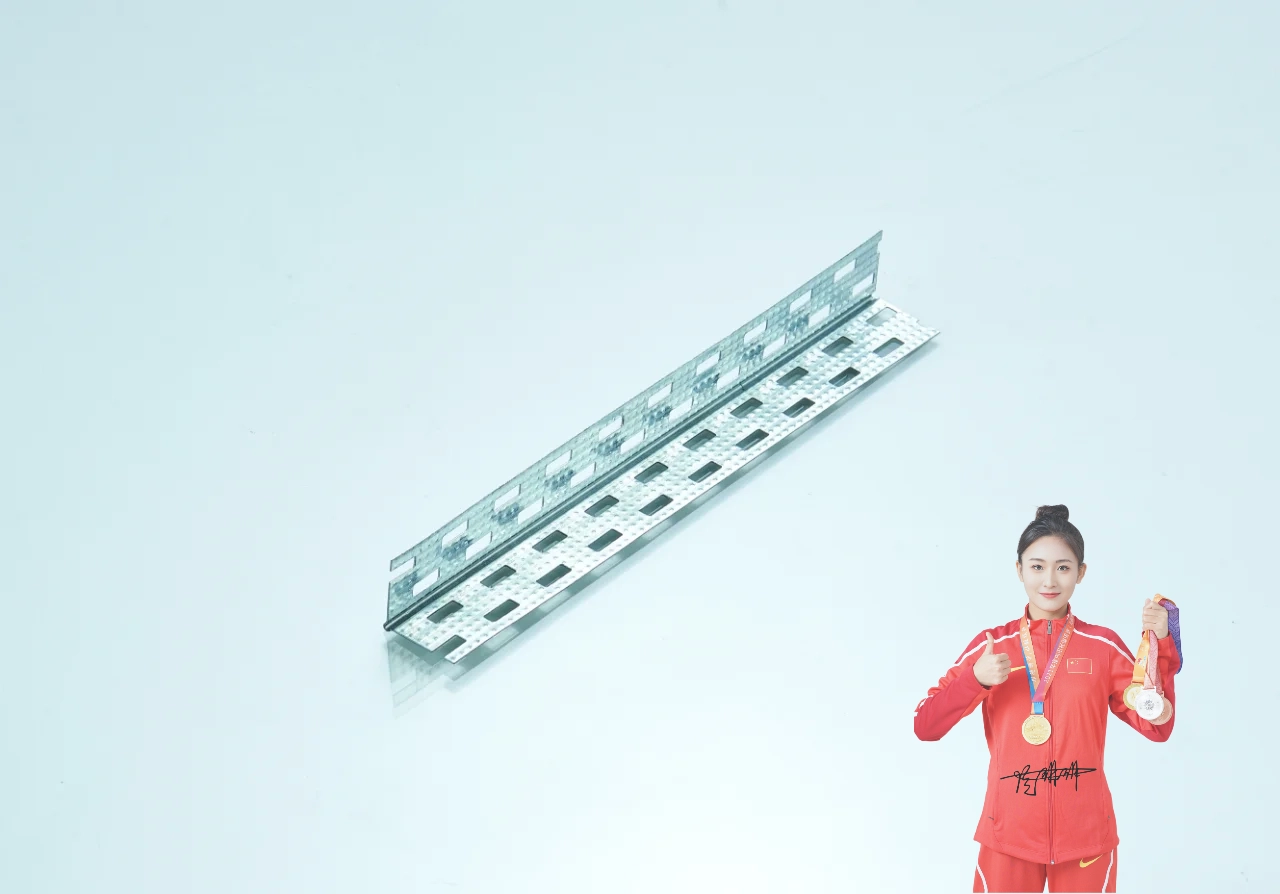
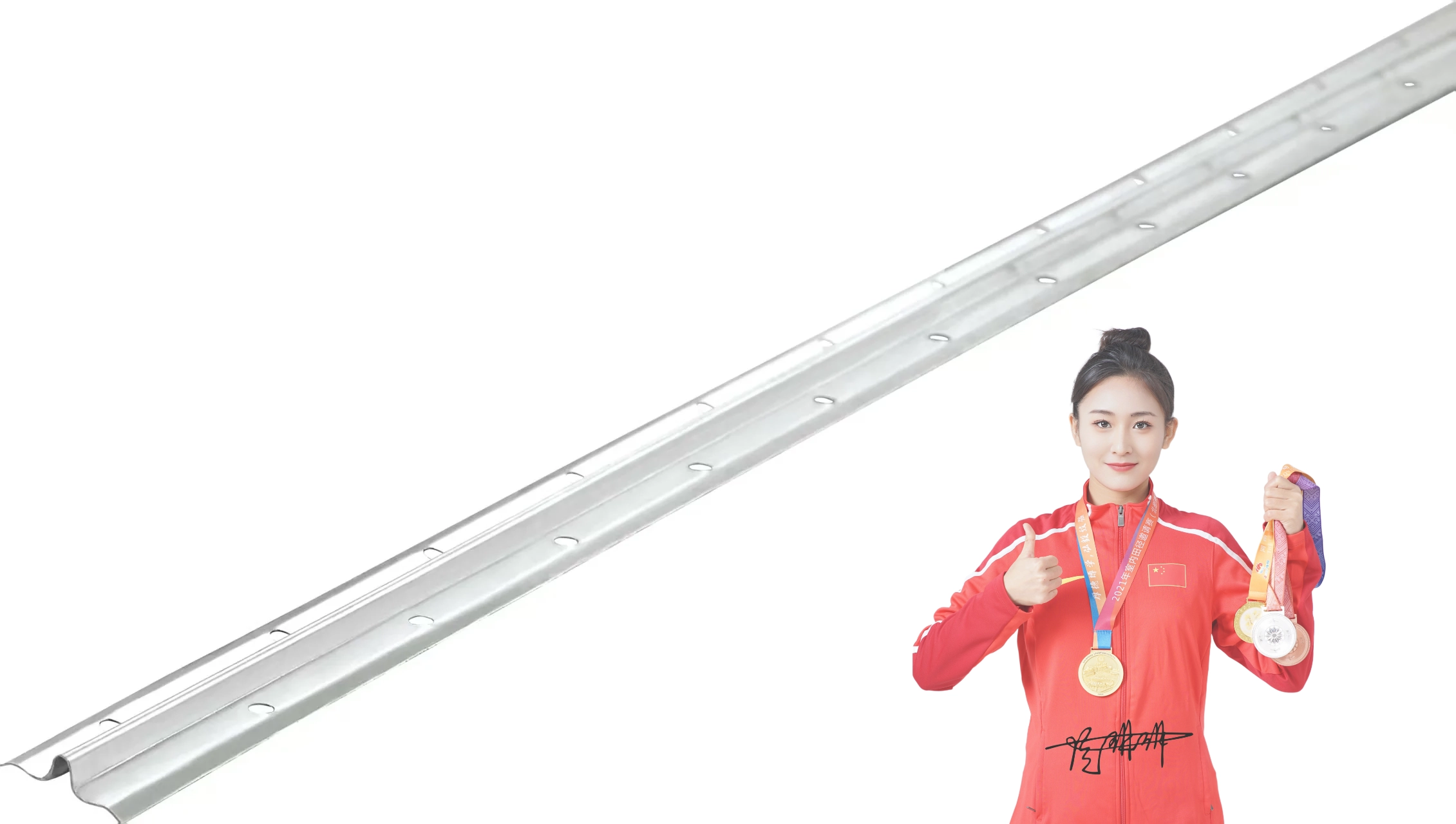
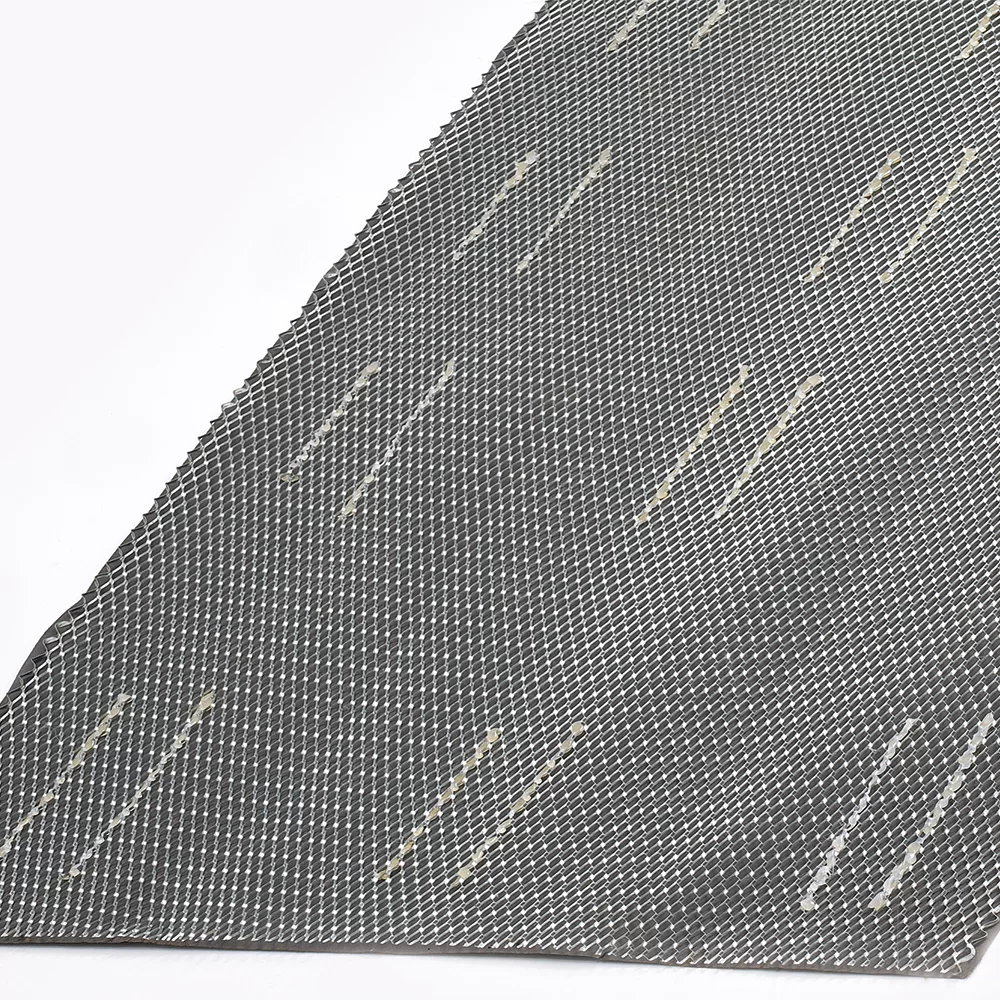
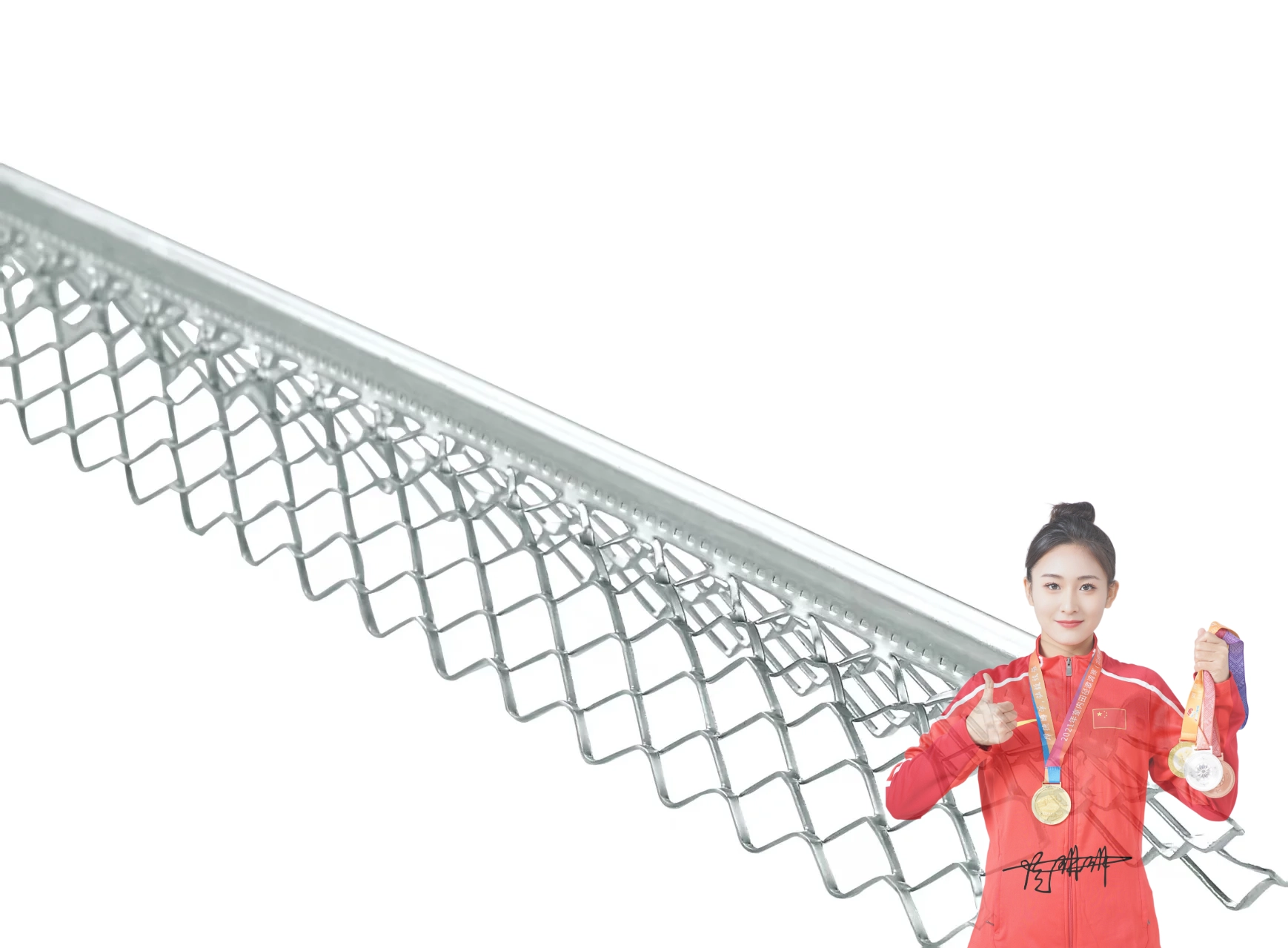
Simply put, lath and plaster wire mesh is a network of interwoven metal – usually galvanized steel – strips or wires designed to act as a base or reinforcement for plaster coatings on walls and ceilings. Think of it as a textured "scaffold" that helps plaster adhere better, resist cracking, and gain structural integrity over time.
Historically, wooden laths served this purpose, but they’re susceptible to rot and pests. Wire mesh not only overcomes these issues but also allows faster application and better strength-to-weight ratio. This makes it indispensable today, both in new builds and conservation projects where applying plaster smoothly and securely is vital.
Core Features of Lath and Plaster Wire Mesh
Durability
Many engineers swear by galvanized steel wire mesh for its corrosion resistance and longevity. The galvanizing layer prevents rust, which otherwise would compromise both the mesh and the plaster over time, especially in humid or coastal regions.
Flexibility and Strength
The mesh must bend easily during installation — around arches or uneven surfaces — yet retain enough tensile strength to support heavy plaster layers. Achieving that balance is no easy feat and drives the choice of wire gauge and weave pattern.
Cost Efficiency
Compared to fiber-reinforced plaster or modern synthetics, lath and plaster wire mesh is affordable and readily sourced. For large-scale uses like housing developments or school buildings in remote areas, it’s often the preferred option.
Environmental Impact
Wire mesh can be recycled, and using plaster-coated mesh helps reduce synthetic binder use. It's a more sustainable choice over pure concrete panels or drywall in certain scenarios — important when you consider the construction sector’s sizable carbon footprint.
Ease of Use
Because installers can apply plaster directly over the mesh without additional substrates, labor time decreases. This also makes repair and retrofit jobs faster, which is invaluable in fast-paced urban growth environments or post-disaster relief.
Typical Applications Around the World
Oddly enough, you find lath and plaster wire mesh in quite diverse projects globally:
- Historic restoration: Many European cities rely on it to preserve centuries-old plaster facades without using heavy modern materials that can damage delicate masonry.
- Disaster relief: NGOs install mesh-supported plaster in temporary shelters in Southeast Asia and Africa — it’s cheap, durable, and comfortable for inhabitants.
- Residential construction: In parts of Latin America, mesh is a go-to for interior wall reinforcements, helping resist cracks from seismic activity or humidity.
- Acoustic treatments: Mesh embedded in plaster is used in auditoriums worldwide to enhance sound absorption.
Mini takeaway:
Lath and plaster wire mesh is more than just a building material — it’s a small but essential player in global urban development and community resilience.
Advantages Offering Long-Term Value
What really sells wire mesh is the combination of practical and emotional benefits:
- Cost savings: Lower material and labor costs combined reduce upfront and maintenance expenses.
- Safety and durability: Wire mesh boosts wall stability, providing peace of mind especially in seismic zones.
- Sustainability: It contributes to greener building practices, appealing to eco-conscious clients.
- Social trust: For NGOs and governments, using a proven, standardized product inspires confidence in housing projects.
I often hear builders mention that wire mesh "feels right"—like you’re connecting the old craft of plastering to modern needs. There’s a dignity in that blend of tradition and innovation.
Looking Ahead: Innovation and Trends
Even a material so traditional isn’t standing still. Across the sector, new galvanized coatings promise better rust resistance. Some manufacturers experiment with stainless steel or composite wire blends to improve flexibility without sacrificing strength.
Digital fabrication and automation in mesh weaving are making custom meshes easier to produce, tailored to specific wall shapes or architectural patterns. This means less waste and faster on-site adjustments.
Eco-labeling and compliance with stricter ISO standards (like ISO 9001 or ISO 14001) are pushing vendors toward sustainability — from sourcing raw materials to end-of-life recyclability.
Common Challenges—and How Experts Overcome Them
- Corrosion risks: Even galvanized coatings have limits. Using protective primers or hybrid meshes helps.
- Installation errors: Poor fixing or overlapped joints can cause weaknesses. Training installers on best practices addresses this.
- Material shortages: In some regions, consistent access to quality mesh is tough. NGOs sometimes stockpile or collaborate with local manufacturers for supply stability.
Product Specification Table
| Specification |
Typical Value |
Unit |
| Material |
Galvanized Steel |
- |
| Wire Diameter |
0.7 - 1.2 |
mm |
| Mesh Opening Size |
12.5 x 25 |
mm |
| Coating Thickness |
80 |
g/m² |
| Roll Length |
30 |
m |
| Roll Width |
1.0 |
m |
Comparing Leading Vendors
| Vendor |
Price Range |
Customization |
Eco Certification |
Delivery Time |
| CornerBead Mfr. |
$$ |
Custom widths, coatings |
ISO 14001 |
2 weeks |
| SteelMesh Solutions |
$$$ |
Advanced alloys, pre-cut sizes |
LEED certified |
3 weeks |
| Global Wire Works |
$ |
Standard roll sizes only |
None |
1 week |
FAQ: Common Questions About Lath and Plaster Wire Mesh
Q1: How does lath and plaster wire mesh improve wall strength?
The mesh acts as a supportive framework, helping plaster bind more securely to surfaces. This reduces cracking and enhances impact resistance. In areas prone to earthquakes or shifting soil, this can be a lifesaver.
Q2: Is galvanized coating necessary for outdoor applications?
Absolutely. Galvanized coatings protect the underlying steel from rust caused by moisture and weather exposure. Without it, the mesh’s lifespan can be drastically shortened.
Q3: Can wire mesh be cut or shaped on-site?
Yes, installers often cut and bend mesh directly to fit corners, arches, or irregular surfaces. It’s flexible enough for hands-on adjustments but sturdy enough to maintain support.
Q4: Are there eco-friendly alternatives to traditional wire mesh?
Some manufacturers explore stainless steel or composite materials, and recycled steel meshes are gaining traction. Additionally, wire mesh is recyclable itself, which helps reduce waste at project end.
Q5: How can NGOs import lath and plaster wire mesh efficiently?
Partnering with reliable vendors who offer customized packaging and timely international shipping is key. Bulk orders with clear specs minimize delays. Some providers assist with customs paperwork to ease import procedures.
Wrapping Up: Why Lath and Plaster Wire Mesh Still Matters
So, after peeling back the layers, we see that lath and plaster wire mesh isn’t just a construction accessory — it’s a versatile, cost-effective solution linking tradition to modern needs. From historic façades to emergency shelters, its impact is tangible, both structurally and socially. In a world chasing rapid urban growth and sustainability, this mesh quietly shapes the space around us.
If you're seeking quality mesh for your next plaster project or humanitarian initiative, don’t hesitate to visit our website for expert help, specs, and customization options that fit your exact needs.
References
- United Nations World Urbanization Prospects, 2018
- Lath and Plaster - Wikipedia
- ISO 14001 Environmental Management