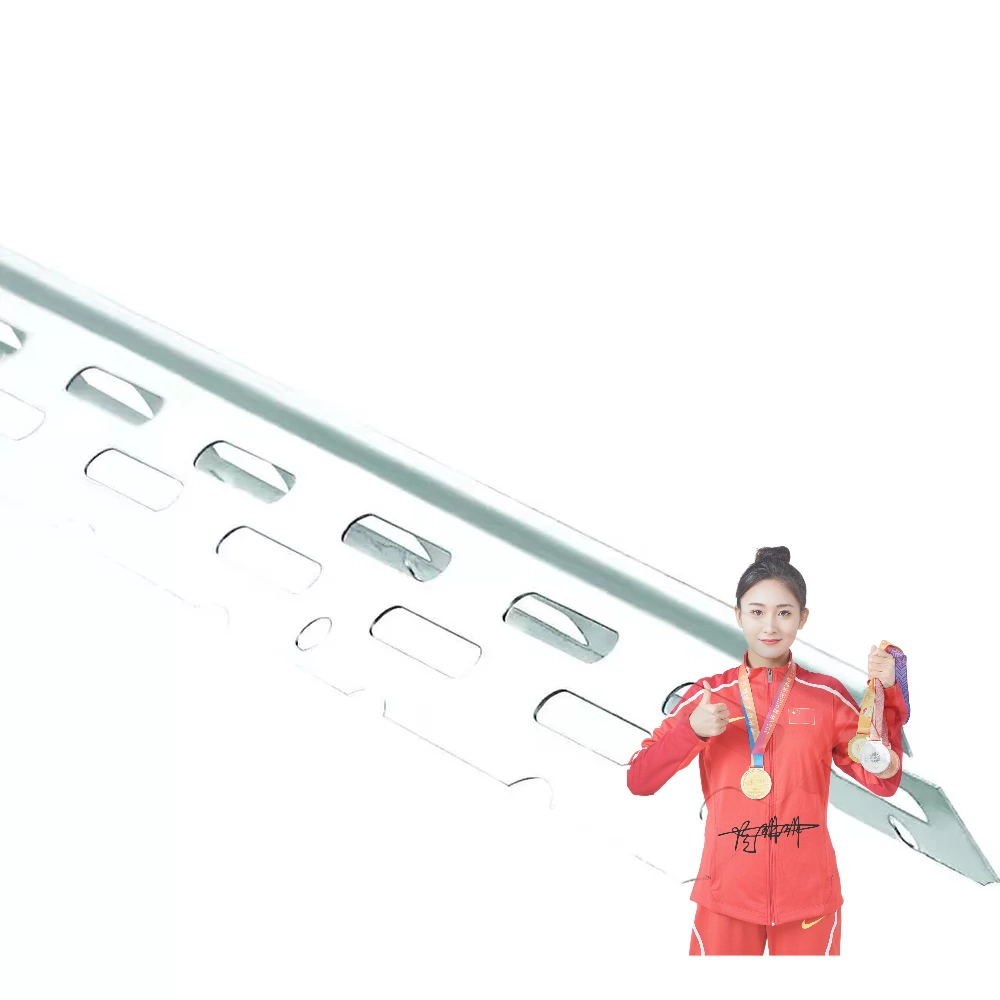
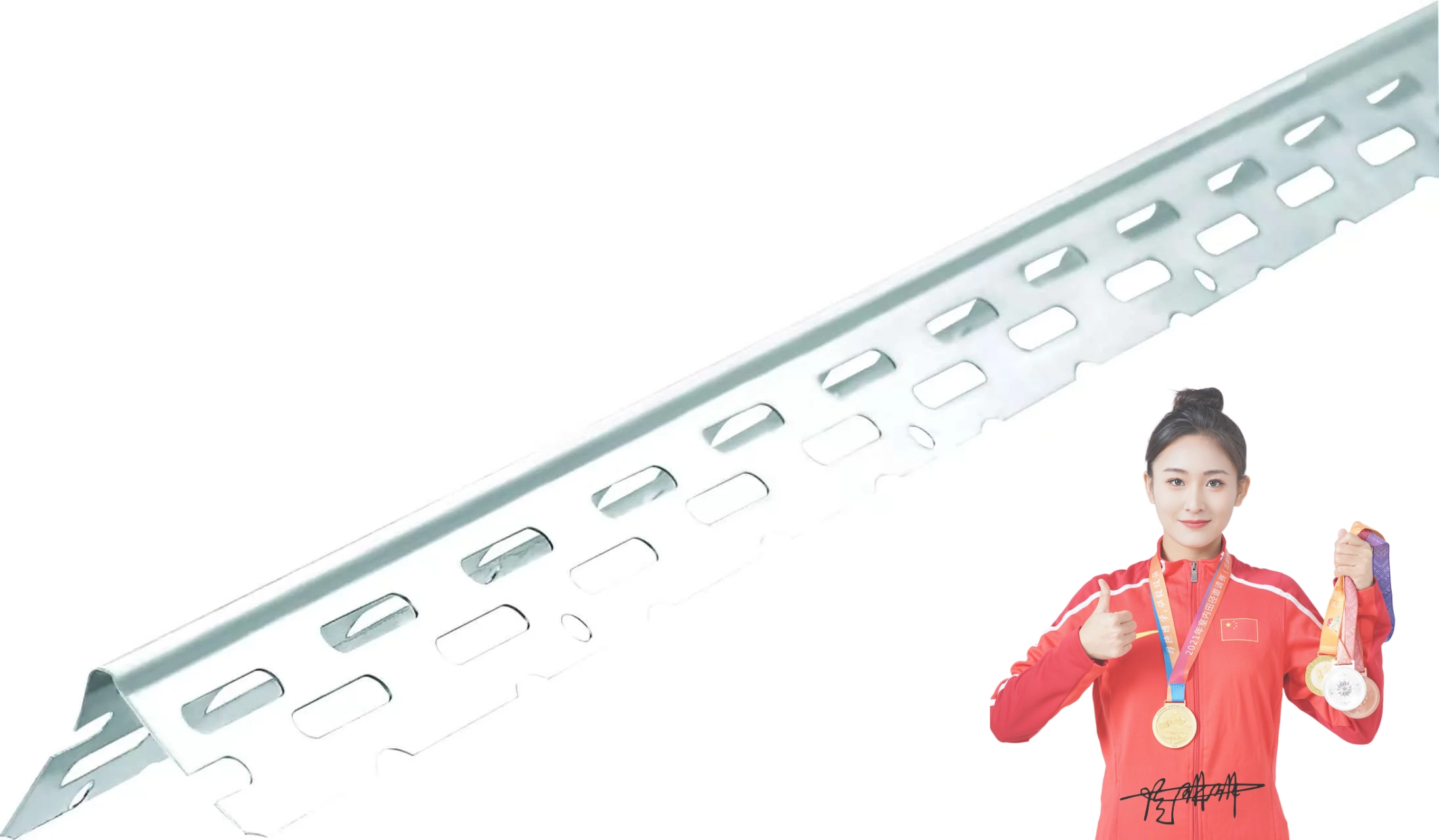
Galvanised Plastering Mesh: The Backbone of Durable Walls
At first glance, galvanised plastering mesh might sound like just another construction jargon, but in reality, it’s a linchpin in building resilient, long-lasting structures worldwide. From high-rise apartments to humanitarian shelters, this mesh helps plaster adhere better, preventing cracks and unwanted wear. Given today’s accelerating global urbanization and frequent demand for rapid construction, understanding this seemingly simple product offers thoughtful insight into how we keep our buildings safe, sustainable, and attractive.
The Global Context: Why Galvanised Plastering Mesh Matters
The global construction market is booming—projected to reach $15 trillion by 2030—and with that growth comes a pressing need for materials that offer not only efficiency but durability. According to the United Nations, about 55% of people worldwide live in urban areas, a figure expected to approach 70% by 2050. That's a lot of buildings needing strong walls that last longer and perform reliably under varying weather conditions.
Yet, one constant headache for builders everywhere is how plaster layers can crack or peel prematurely, especially when exposed to moisture or temperature swings. This translates to costly repairs and, frankly, less comfortable spaces for occupants. Galvanised plastering mesh essentially tackles this challenge head-on, reinforcing plaster application while deterring rust and degradation.
Mini takeaway: With rapid urban growth and climate concerns, galvanised plastering mesh is playing a quiet but vital role in improving building longevity globally.
What Exactly is Galvanised Plastering Mesh?
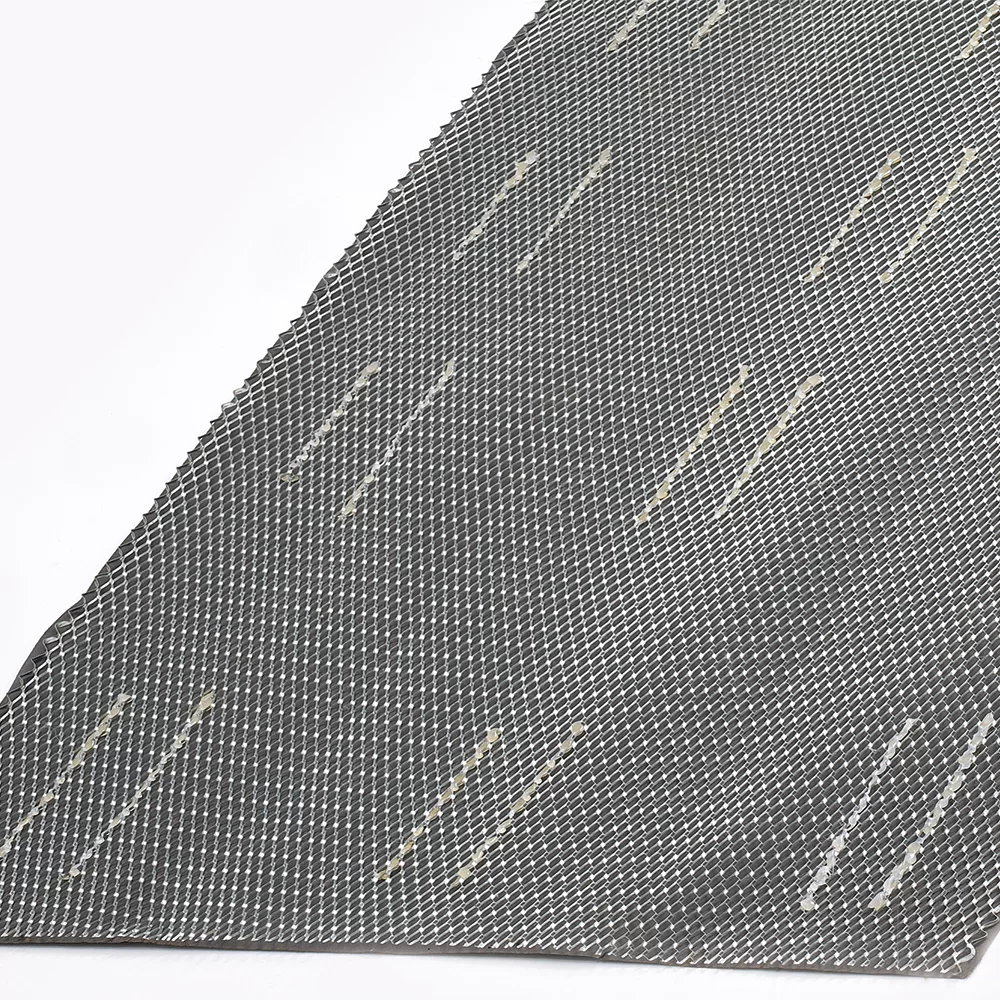
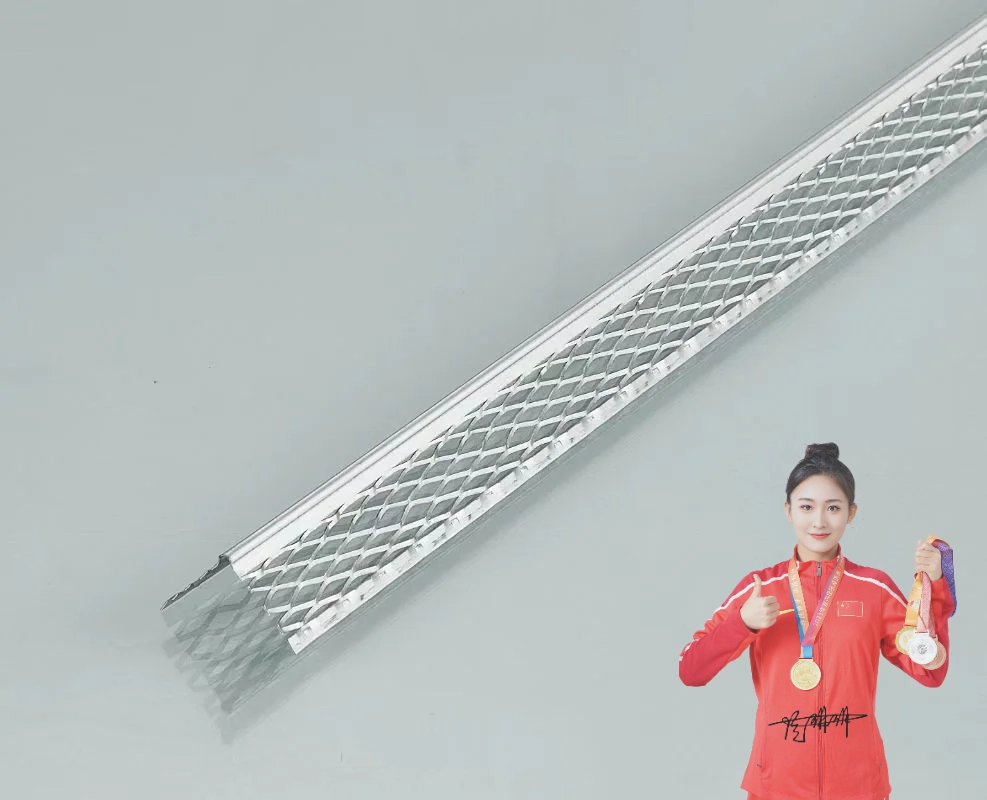
In simple terms, galvanised plastering mesh is a flexible, grid-like sheet made of steel wire that's coated with zinc — the "galvanised" part — to resist rust. Think of it as a scaffolding beneath the plaster, providing strength and a solid grip for the plaster to hold onto.
This mesh is crucial in both modern construction and humanitarian projects alike. Organizations constructing post-disaster shelters rely on it to ensure quick, durable walls because it can be deployed swiftly and withstand harsh conditions. Oddly enough, this basic mesh is somewhat of an unsung hero in supporting human safety and dignity.
Core Components That Make It Work
1. Durability
The galvanisation process adds a protective zinc layer that prevents rust—even in humid or salty environments. This capability noticeably increases the longevity of plastered walls, especially in coastal or tropical regions.
2. Flexibility and Adaptability
Galvanised plastering mesh can be bent, cut, and shaped on-site to fit various architectural demands. This makes it an excellent choice for uneven or curved surfaces as well.
3. Cost Efficiency
Initially inexpensive and easy to install, using mesh reduces plaster thickness requirements, which translates to material savings and faster application times. When you factor in fewer repairs down the road, it feels like a no-brainer investment.
4. Enhanced Safety
The mesh offers improved resistance to cracks caused by building movement or settling, which ultimately contributes to structural integrity. On a personal note, nothing wobbles confidence like seeing your walls splitting apart.
5. Environmental Compatibility
Since galvanised steel mesh is recyclable and extends the facade’s lifespan, it reduces construction waste and the need for premature rebuilds—a small step toward greener building practices.
Mini takeaway: Durability, flexibility, and cost-effectiveness make galvanised plastering mesh a cornerstone for both safety and sustainability.
Global Applications & Use Cases
The uses of galvanised plastering mesh span continents and industries:
- Urban Construction: From Europe’s eco-friendly homes to skyscrapers in Asia, mesh secures plaster in façades exposed to wind and rain.
- Post-Disaster Relief: NGOs deploy simple, prefabricated structures using the mesh to allow quick, weather-resistant housing in flooded or earthquake-affected zones.
- Remote Industrial Zones: Mining camps or oil rigs use it in modular structures because it endures tough environmental conditions.
- Heritage Restoration: In historical building renovations, the mesh supports plaster without damaging delicate underlying masonry.
For more technical resources on similar materials, check out galvanised plastering mesh.
Advantages & Long-Term Benefits
The advantages are both practical and emotional:
- Cost Savings: Fewer repairs and less material waste lead to lower maintenance costs.
- Sustainability: Longevity reduces the resource drain from repeated construction.
- Safety and Comfort: Strong, crack-free walls mean peace of mind for residents and less building degradation.
- Innovation: Using galvanised mesh opens design possibilities since it adapts well to intricate shapes and climates.
It’s easy to forget how such a modest product creates trust between builders and occupants—knowing the wall they're leaning on won’t suddenly crumble is oddly reassuring.
Product Specification Table
| Specification |
Details |
| Material |
Galvanised Steel Wire |
| Wire Diameter |
0.8mm – 1.5mm |
| Mesh Opening Size |
12.7mm x 12.7mm (1/2" x 1/2") standard |
| Roll Length |
30 meters typical |
| Coating Thickness (Zinc) |
Minimum 50 g/m² |
| Standard Compliance |
ISO 1461 galvanized coating |
Vendor Comparison Table
| Vendor |
Pricing (per roll) |
Lead Time |
Quality Certifications |
Customization Options |
| MeshPro Solutions |
$45 |
2 weeks |
ISO 1461, CE |
Custom sizes & coatings |
| SteelGuard Inc. |
$50 |
1 week |
ISO 1461 |
Standard sizes only |
| Duramesh Ltd. |
$40 |
3 weeks |
ISO 1461, ASTM |
Custom mesh openings |
Future Trends & Innovations in Galvanised Plastering Mesh
As with many building materials, innovation is quietly on the rise for galvanised plastering mesh. For example, manufacturers are exploring biodegradable coatings that maintain corrosion resistance but reduce environmental footprints. Integration with smart sensors to monitor wall health isn’t far off either, potentially alerting maintenance teams before cracks actually appear.
Plus, green construction standards are steadily encouraging the use of recycled steel content in mesh production, ensuring the entire lifecycle of the product supports sustainability goals aligned with ISO 14001.
Challenges & Practical Solutions
Of course, even a champion like galvanised plastering mesh faces challenges. For instance, improper installation can lead to failures, or poor quality mesh may corrode prematurely if the zinc layer is uneven. Moisture trapped between surfaces still risks eventual plaster detachment.
The good news is that best practices — such as pre-treating surfaces, using mesh that meets international standards, and ensuring proper overlap and fastening — mitigate these issues quite well. It’s often training and quality control that prove more impactful than simply the product specs.
FAQ: Frequently Asked Questions About Galvanised Plastering Mesh
Q1: How long does galvanised plastering mesh typically last once installed?
With proper installation and environmental conditions, galvanised plastering mesh can last 20–30 years or longer. The zinc coating protects against rust, but maintenance of plaster and avoiding prolonged moisture exposure help maximize life expectancy.
Q2: Can galvanised plastering mesh be used on curved surfaces?
Absolutely. The mesh’s flexibility allows it to conform to various shapes, including arches and rounded walls, facilitating a smooth plaster finish without cracking.
Q3: How does galvanised plastering mesh compare to plastic mesh alternatives?
Steel mesh offers higher tensile strength and better support under stress. Plastic meshes are lighter and corrosion-proof but generally less durable and not recommended for load-bearing with plaster.
Q4: Is galvanised plastering mesh recyclable?
Yes. Steel mesh can and should be recycled at the end of its life, reducing environmental waste and conserving resources.
Q5: Where can I purchase quality galvanised plastering mesh?
Reliable vendors include MeshPro Solutions, SteelGuard Inc., and Duramesh Ltd., each offering varied options for quantities and customizations. Checking certifications like ISO 1461 ensures product quality.
Conclusion & Next Steps
Looking forward, galvanised plastering mesh isn’t just a static building material—it’s a small but vital piece of the puzzle in making stronger, smarter, and more sustainable constructions worldwide. Whether you’re involved in large scale urban development or small emergency relief projects, the value of this trusty mesh is clear: it helps us build walls that stand the test of time and weather.
Considering how much stress our buildings face daily — from climate change to urban growth — it’s reassuring that such a humble product quietly safeguards comfort and safety.
Interested in exploring product options or industry guidance? Visit https://www.cornerbeadmfr.com for more details.
References:
1. United Nations, World Urbanization Prospects, 2018 Revision
2. ISO 1461 Standard – Hot Dip Galvanized Coatings
3. World Bank Construction Market Report, 2023