Expanded Metal Mesh for Plastering: What It Is and Why It Matters Globally
At first glance, expanded metal mesh for plastering might seem like a niche construction detail. But globally, it's quietly reshaping how buildings gain strength, durability, and even sustainability. This isn’t just about slapping plaster over walls anymore — it’s about creating surfaces that last, resist cracking, and adhere perfectly under a variety of conditions. Whether in a bustling metropolitan high-rise or a remote humanitarian shelter, understanding this material’s benefits can have broad implications: better safety, reduced repair costs, and more adaptable construction techniques worldwide.
Global Context: Addressing a Universal Challenge
Across the world, construction industries face the persistent challenge of ensuring plaster — and other finishing materials — bond well and withstand stresses such as weather, seismic activity, and aging. According to recent reports by the International Organization for Standardization (ISO), improper bonding and cracking in plastered surfaces contribute to up to 30% extra maintenance costs in building lifecycle budgets.
Countries with harsh climates or rapid urban expansion especially struggle with exterior plaster failures. Enter expanded metal mesh, reinforcing plaster mechanically, dispersing loads, and enhancing adhesion. It’s economic, low-tech, and scalable — qualities that resonate from dense urban centers to disaster relief camps.
Oddly enough, the mesh is also pivotal in some humanitarian operations where lightweight, durable construction is a lifesaver. For instance, NGOs working in flood-prone zones find plastering over metal mesh faster and more reliable than conventional lath systems.
What Exactly Is Expanded Metal Mesh for Plastering?
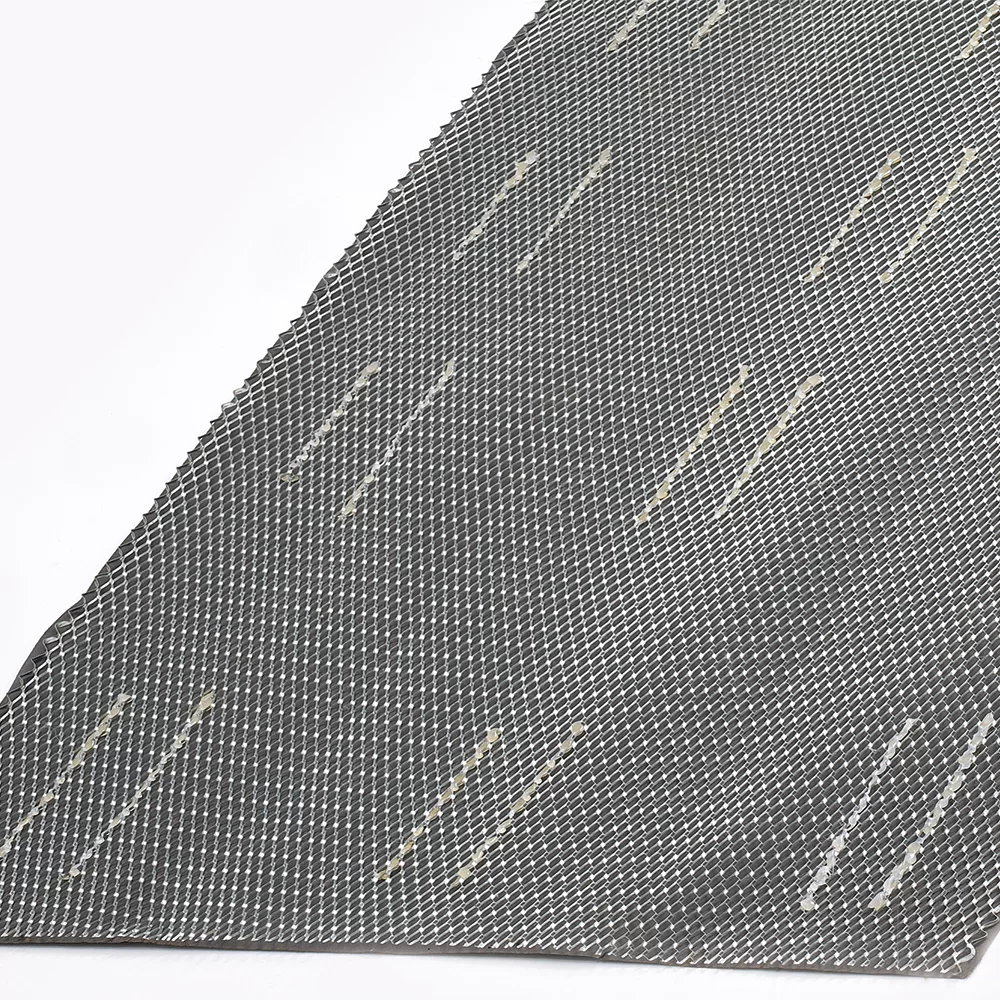
Expanded metal mesh is essentially a sheet of metal—typically steel or aluminum—that’s been slashed and stretched into a diamond-shaped grid. It’s not woven or welded but made from a single piece, making it exceptionally strong and economical. When used in plastering, this mesh forms a base that allows plaster to grip firmly, preventing the common issue of delamination or cracking over time.
This technology isn’t new, but its relevance has surged with modern building codes emphasizing durability and environmental resistance. Plus, in emergency construction scenarios, it offers a fast and relatively easy way to create structurally sound walls or ceilings.
Core Attributes of Expanded Metal Mesh for Plastering
Durability and Strength
The metal mesh acts as a rigid framework embedded within the plaster, providing tensile strength that plaster alone lacks. This reinforcement resists cracks caused by settling or vibrations, extending the surface’s lifespan.
Cost Efficiency
Compared to galvanized wire lath or chicken wire traditionally used for plaster reinforcement, expanded metal mesh is less labor-intensive to install and usually costs less per square meter. The single-sheet design means fewer connections and weak points.
Scalability & Ease of Installation
The mesh comes in rolls and sheets that installers can cut and bend to fit various walls or ceilings. This flexibility suits large commercial sites and small-scale repairs alike.
Corrosion Resistance
Many manufacturers offer meshes coated with zinc or other protective layers, ensuring the mesh won’t rust and compromise plaster adhesion over time—key for humid or coastal environments.
Compatibility With Modern Plasters
Expanded metal mesh performs well with Portland cement-based and synthetic polymer plasters. Its open structure allows the plaster to “key in” effectively, creating a unified system.
Environmental Sustainability
Steel meshes are often recyclable, and because they reduce plaster damage and rework, they promote sustainable building practices in line with UN sustainability goals.
Mini takeaway: The combination of strength, affordability, and versatility makes expanded metal mesh a smart reinforcement choice from both engineering and environmental perspectives.
Practical Applications Around the World
- Post-disaster Reconstruction: In earthquake-hit regions, expanded metal mesh helps rebuild shelters that stand stronger and resist cracking, a critical safety issue.
- Residential and Commercial Buildings: Modern apartment blocks in Europe and Asia use expanded metal mesh to reinforce exterior finishes exposed to temperature shifts and urban pollution.
- Industrial Sites: Factories and warehouses often require durable wall finishes resistant to vibration and impact; metal mesh ensures coatings last longer.
- Humanitarian Housing: Emergency shelters in flood-prone areas utilize this mesh combined with fast-setting plaster to create rapid yet resilient structures.
Many engineering firms in Australia and the Middle East now specify expanded metal mesh in standards, acknowledging its role in reducing long-term lifecycle costs.
A Look at the Tangible Benefits and Long-Term Value
Using expanded metal mesh for plastering leads to fewer repairs, better aesthetics, and stronger surfaces. Logically, this means lower maintenance budgets and improved building performance — crucial when funders or property owners want reliable investments.
On an emotional level, stronger walls literally enhance a sense of safety and permanence. There's dignity in well-built homes, especially in challenging environments.
Plus, because expanded metal meshes can be adapted on-site and sourced locally in many countries, they support regional economies and reduce carbon footprints associated with shipping.
What’s Next? Trends and Innovations
Smart construction materials are making their way into plaster systems. Some companies experiment with galvanized and PVC-coated expanded metal to boost corrosion resistance further. Others integrate antimicrobial coatings in healthcare settings.
The digital age invites automation in installing metal mesh—robotic plastering guided by mesh sensors to ensure perfect coverage might soon be routine.
Lastly, combining expanded metal mesh for plastering with eco-friendly plasters (like hempcrete or lime plasters) bolsters sustainable building trends, aligning with international decarbonization targets.
Challenges and How Industry Experts Are Overcoming Them
While effective, expanded metal mesh isn’t without drawbacks:
- Improper installation can lead to rust and plaster detachment — thankfully, workshops stressing correct technique and use of coated metals help reduce this risk.
- In some high-security or fire-rated buildings, mesh specifics must meet strict regulatory standards — vendors are customizing products to bridge this compliance gap.
- Transporting heavy steel mesh to remote areas remains a logistical challenge — lightweight aluminum mesh or modular panels provide alternatives.
In short, the industry isn’t complacent; it actively evolves product lines and training to meet diverse field conditions.
FAQ: Frequently Asked Questions About Expanded Metal Mesh for Plastering
- Q: Why choose expanded metal mesh over traditional wire lath for plastering?
- A: Expanded metal mesh offers a more rigid and uniform surface, reducing plaster cracking and providing greater strength. It’s typically easier and faster to install with fewer joints, lowering labor costs and enhancing long-term durability.
- Q: How long does plaster reinforced with metal mesh last under regular conditions?
- A: Properly applied, plaster on expanded metal mesh can last several decades—often 30 years or more—depending on environmental exposure and maintenance. The mesh helps prevent common failures like cracking and detachment.
- Q: Can this mesh be used in outdoor, wet environments?
- A: Yes, especially if the mesh is galvanized or coated for corrosion resistance. In very humid or coastal zones, additional protective coatings significantly increase lifespan and reliability.
- Q: Is expanded metal mesh recyclable?
- A: Most meshes are made of steel or aluminum, which are highly recyclable materials. Using recyclable meshes aligns with modern sustainability practices and helps reduce construction waste.
- Q: How does this mesh help in rapid construction for disaster relief?
- A: Expanded metal mesh allows plaster to set firmly on lightweight frames, speeding up shelter readiness while ensuring structural quality. Its adaptability makes it ideal for varying designs and materials in emergency contexts.
Product Specification Table
| Specification |
Details |
| Material |
Galvanized Steel / Aluminum |
| Mesh Opening |
7 mm to 25 mm (diamond-shaped) |
| Sheet Thickness |
0.5 mm to 1.2 mm |
| Coatings |
Zinc, PVC, or Polyester coatings available |
| Roll Length |
10–30 meters per roll |
Vendor Comparison: Popular Expanded Metal Mesh Suppliers
| Vendor |
Material Options |
Customization |
Typical Lead Time |
Global Shipping |
| CornerBead Manufacturing |
Steel, Aluminum; multiple coatings |
Custom mesh sizes and roll lengths |
2–3 weeks |
Yes |
| Global Metal Products |
Galvanized Steel only |
Standard sizes only |
1–2 weeks |
Selective regions |
| EcoMesh Solutions |
Aluminum with eco-friendly coatings |
Full customization available |
3–4 weeks |
Worldwide |
Wrapping It Up and Where to Go From Here
Expanded metal mesh for plastering isn’t just another construction accessory—it’s a practical ally, helping structures resist cracking, save money, and improve safety worldwide. From urban construction markets to the frontlines of disaster recovery, its versatility and durability shine through. If you’re involved in construction, renovation, or emergency shelter solutions, getting to know this mesh’s nuances will pay dividends in the long run.
Curious for more detailed specs or ready to source your own supply? Visit our trusted supplier expanded metal mesh for plastering and discover how you can elevate your projects with materials designed to last and perform.
Mini takeaway: Proper use of expanded metal mesh sets the foundation—not just for plaster, but for safer, smarter buildings around the world.
References:
- ISO Standards for Construction Materials
- Expanded Metal - Wikipedia
- United Nations Sustainable Development Goals