Expanded Metal Sheet for Trailer: Why It Matters in Today’s World
Picture this: a piece of steel, once just a flat, boring sheet, reimagined and stretched into a strong, mesh-like structure — that’s an expanded metal sheet. When used on trailers, it’s not just about strength and durability; it’s a real game changer for industries around the globe. From ensuring safe transport of heavy goods to enhancing ventilation and reducing weight, understanding the value of expanded metal sheets for trailer applications means appreciating both their technical edge and their role in sustainability and efficiency worldwide.
Whether you're hauling construction equipment or agricultural products, expanded metal sheets deliver reliability and cost-effectiveness that help keep industries moving smoothly — and that’s becoming increasingly important as international trade and logistics grow more complex and demanding.
Mini takeaway: Expanded metal sheets transform trailers by offering an unbeatable mix of strength, airflow, and lightness, essential for global industries that rely on safe, efficient transport.
Setting the Stage: The Global Importance of Expanded Metal Sheets for Trailer Use
Globally, the transport and logistics sector is massive — responsible for moving 80% of global trade’s freight volume (World Bank, 2022). Safety, durability, and efficiency in hauling goods over roads make trailer design a critical focus area. Expanded metal sheets come into play here dramatically.
You might ask, why does this matter on a worldwide scale? Well, trucks and trailers face rough roads, harsh weather, and the constant threat of corrosion and mechanical stress. According to the International Organization for Standardization (ISO), material longevity and safety standards in freight containers and trailers directly influence trade efficiency and accident rates.
Expanded metal sheets tackle several challenges at once: they are inherently more durable than perforated metal alternatives, provide excellent ventilation for certain loads (think livestock or produce), and improve load security. In places like Southeast Asia, Europe, and North America — all major freight corridors — this kind of innovation means less downtime and fewer expensive repairs. Plus, for humanitarian efforts — say in post-disaster logistics — expanded metal sheets can be quickly installed to stabilize or retrofit trailers as mobile supply units.
Mini takeaway: Expanded metal sheets address global freight challenges by improving trailer safety and efficiency, making an impact from commercial highways to aid missions.
Breaking It Down: What is an Expanded Metal Sheet for Trailers?
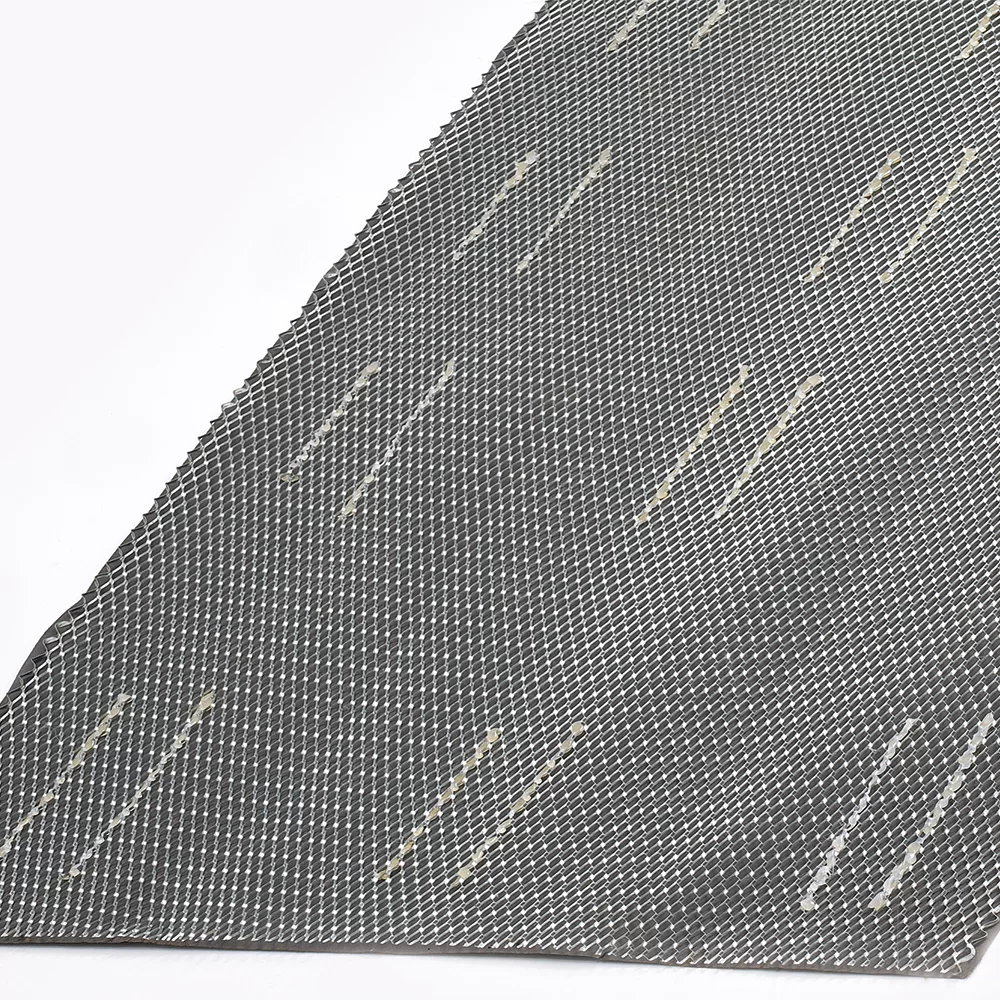
Simply put, an expanded metal sheet starts as a flat metal plate — usually steel, aluminum, or stainless steel — that is cut and stretched (or expanded) simultaneously, creating a web of diamond- or hexagon-shaped holes without any material waste. It's not punched or drilled, which preserves strength. The resulting mesh is rigid, yet lightweight and allows air, light, and water to pass through.
For trailers, this translates to enhanced strength-to-weight ratio, essential when you’re pushing the limits of payload capacity under regulatory weight caps. Its unique geometry spreads loads evenly, reducing stress points compared to solid sheets. Intriguingly, it also provides better grip when used on trailer floors or ramps — fewer slips and more safety.
Industries ranging from construction hauling to agricultural transport lean on expanded metal sheets to meet modern needs like durability, ease of cleaning, and heat dissipation. Humanitarian logistics groups also appreciate these sheets for their quick installation and adaptability in rugged environments.
Mini takeaway: Expanded metal sheets combine high strength, lightness, and airflow, making them the go-to choice for modern, multi-purpose trailer designs.
Key Features of Expanded Metal Sheets for Trailers
1. Durability and Strength
These sheets are practically at the top when it comes to resisting corrosion, mechanical wear, and impact. The expanding process increases rigidity without adding extra material weight. Many manufacturers also apply galvanization or powder coatings for enhanced outdoor use — which, frankly, makes a big difference if your trailer spends winters salted by road treatments.
2. Weight Saving
Expanded metal sheets weigh less than solid steel sheets that offer comparable strength. That means trailers can legally carry heavier cargo or use less fuel on their runs — something environment-conscious operators love.
3. Ventilation and Drainage
Unlike solid sheets, expanded metal’s open design allows airflow and water drainage. This feature helps prevent items from overheating and reduces corrosion risks, plus it’s great for livestock trailers or those carrying perishable goods.
4. Cost Efficiency
There’s no waste during manufacture since the expansion process retains the original metal sheet area. Also, lower fuel costs and less frequent maintenance amplify long-term savings.
5. Customizability and Scalability
Expanded metal sheets come in various thicknesses, hole sizes, and shapes to fit specific trailer designs and industry requirements. Whether you need a light aluminum mesh or heavy-duty steel for industrial loads, there’s a version suited to your exact need.
Mini takeaway: Strength, lightness, airflow, and cost benefits make expanded metal sheets versatile and smart choices in trailer manufacturing.
Worldwide Use Cases: Where and How Expanded Metal Sheets Make a Difference
- North America & Europe: Heavy equipment trailers use expanded metal floors and sides for grip and durability during hauling.
- Southeast Asia: Livestock trailers incorporate ventilated expanded metal panels to reduce animal stress in humid climates.
- African NGO Relief Efforts: Trailers retrofitted with expanded metal sheets quickly convert into mobile logistics hubs post-disaster.
- Australia/New Zealand: Agricultural sectors use these sheets for safe transport with easy cleaning to prevent contamination between loads.
In these scenarios, versatility and efficiency add up to real financial and safety wins. Not just theory, but practice backed by numerous industry reports (ISO 9001 compliance for materials, for example).
Mini takeaway: Expanded metal sheets are a global asset — supporting industries as varied as farming, disaster relief, and heavy manufacturing.
Product Specification Table: Typical Expanded Metal Sheets for Trailer Use
| Specification |
Details |
| Material |
Galvanized Steel / Aluminum / Stainless Steel |
| Sheet Thickness |
1.2 mm – 3 mm (varies by application) |
| Mesh Opening Size |
4 mm – 30 mm (diamond-shaped) |
| Weight |
Approx. 2.5 kg/m² (depends on material/thickness) |
| Surface Finish |
Galvanized/Powder-coated/Anodized |
| Common Uses |
Trailer floors, side panels, ramps, ventilation grids |
Comparing Vendors: Top Providers of Expanded Metal Sheets for Trailers
| Feature |
CornerBead Mfr |
MetalMesh Pro |
SteelNet Solutions |
| Material Options |
Steel, Aluminum, Stainless Steel |
Steel, Galvanized Steel |
Steel, Stainless Steel |
| Customization Services |
Wide range of mesh sizes & finishes |
Standard sizes only |
Custom design on request |
| Lead Time |
1-2 weeks |
2-3 weeks |
3-4 weeks |
| Price Range |
$$ |
$ |
$$$ |
| Sustainability Certifications |
ISO 14001 |
None |
ISO 9001 |
Advantages and Long-Term Value of Expanded Metal Sheets on Trailers
Beyond the obvious technical perks, expanded metal sheets contribute to larger goals like sustainability and safety. Using less material for equal strength reduces environmental impact, especially when paired with recyclable metals like aluminum. Many companies track fuel savings due to weight reduction — an equation that equals less carbon emissions over time.
I often hear drivers and operators swear by the non-slip surface qualities, which reduce workplace injuries and liability. And let’s not forget the dignity factor for those transporting animals or sensitive cargo: better airflow, less heat, and reliable containment make all the difference in humane treatment.
In terms of trust and innovation, investing in expanded metal technology signals forward-thinking and commitment to quality — both important when vendors, agencies, or governments evaluate supply chains.
Mini takeaway: The advantages are both tangible — cost, safety, compliance — and intangible — social responsibility and peace of mind.
What’s Next? Future Trends in Expanded Metal Sheets for Trailers
The future looks bright and green. Manufacturers are exploring lightweight alloys infused with nanomaterials that promise even better fatigue resistance. Meanwhile, digital customization means buyers can order precisely-sized panels with rapid turnaround times, cutting waste even further.
There’s a parallel shift towards circular economy practices: expanded metal sheets are increasingly made from recycled content and designed for easy recycling at end-of-life. Automation in production lines improves quality and consistency — a crucial factor when high-volume manufacturing meets strict safety demands.
Additionally, policy pushes on environmental standards worldwide drive ongoing innovation in coatings and alloys that resist corrosion without harsh chemicals. It feels like we’re entering an era where trailers aren’t just boxes on wheels, but smart, modular, eco-conscious transports — and expanded metal sheets are right at the heart of that transformation.
Mini takeaway: Expect smarter materials, greener production, and tailored solutions in the expanding world of metal sheets for trailers.
Challenges and How the Industry is Overcoming Them
It’s not all smooth sailing. There are some downsides — expanded metal sheets can sometimes collect debris in the mesh openings, increasing cleaning needs. Installation requires precise fitment to avoid structural weak points, which demands skilled labor.
Nonetheless, ongoing R&D efforts develop self-cleaning coatings and modular clip-in designs to simplify installation. Innovations in robotic welding ensure perfect alignment, cutting installation errors.
Cost can seem higher upfront than simple steel panels, but when you factor lifecycle savings and reduced fuel consumption, the math quickly favors expanded metal solutions.
Mini takeaway: While challenges exist, smart engineering and tech advances steadily eliminate barriers, making expanded metal sheets more attractive every year.
FAQs About Expanded Metal Sheet for Trailer
- Q: Can expanded metal sheets withstand heavy industrial use on trailers?
- A: Absolutely. They are designed to be highly durable, especially when made from galvanized steel or stainless steel, and can handle significant mechanical stress and impact.
- Q: How do expanded metal sheets improve ventilation in livestock trailers?
- A: Their open mesh structure allows continuous airflow, reducing heat buildup and improving animal welfare during transportation, especially in hot climates.
- Q: Are these metal sheets customizable for different trailer types?
- A: Yes, they come in a variety of thicknesses, mesh openings, and materials tailored for specific applications — from lightweight aluminum for smaller trailers to heavy-duty steel for industrial hauling.
- Q: Is it difficult to maintain or clean expanded metal on trailers?
- A: While the mesh can trap debris, routine cleaning is straightforward; some manufacturers also offer special coatings that help reduce buildup and corrosion over time.
- Q: How can I source expanded metal sheets from international vendors?
- A: Working with established manufacturers offering customization and global shipping is key. Vendors like CornerBead Mfr provide reliable international supply and support.
Wrapping Up: Why Expanded Metal Sheets Are a Trailer Industry Staple
Expanded metal sheets are quietly powering a revolution in trailer design—balancing durability, cost-efficiency, and sustainability like few other materials. As freight volumes grow and the push for greener logistics intensifies, understanding and investing in these sheets makes practical and strategic sense.
If you're in the trailer business or related industries, consider the many benefits expanded metal sheets bring: safety, weight savings, and long-term reliability. For those curious about exploring options or sourcing quality sheets, don't hesitate to visit our website. There’s more to these metal meshes than meets the eye — and it’s well worth your attention.
References
- World Bank Transport Sector Data
- ISO Standards on Freight Containers
- Expanded Metal - Wikipedia