Expanded Sheet Metal for Grill: A Modern Material Revolution
If you’ve ever looked closely at the metal mesh covering a rooftop vent, an industrial compressor, or even a barbecue grill, there’s a good chance you’ve encountered expanded sheet metal for grill. Not just a fancy term for some metal scraps shaped oddly, this material plays a critical role worldwide — from infrastructure projects to humanitarian aid. Why? Because it combines strength, lightness, and versatility in a way few materials can match.
Understanding expanded sheet metal for grill unlocks insights about how industries reduce costs, improve durability, and adapt to rapidly changing environments, especially in developing regions where low-cost, rugged solutions are lifesavers.
Global Context: Why Expanded Sheet Metal for Grill Matters
On the global stage, especially per ISO standards and recent UN infrastructure reports, expanded metal products have surged in demand. Why? Because they address two pressing challenges:
- Resource efficiency: Expanded metal cuts raw material use by turning a single sheet into a mesh without wasteful cutting.
- Structural reliability: Its geometric pattern provides consistent strength-to-weight ratios across scales.
In emerging economies, where urbanization rates hit roughly 60% (World Bank, 2023), companies and aid agencies alike rely heavily on such materials for fencing, ventilation, grills, protective coverings, and even emergency shelter components.
Oddly enough, despite being a simple material concept, it’s a behind-the-scenes hero for safer, more resilient communities.
What Exactly Is Expanded Sheet Metal for Grill?
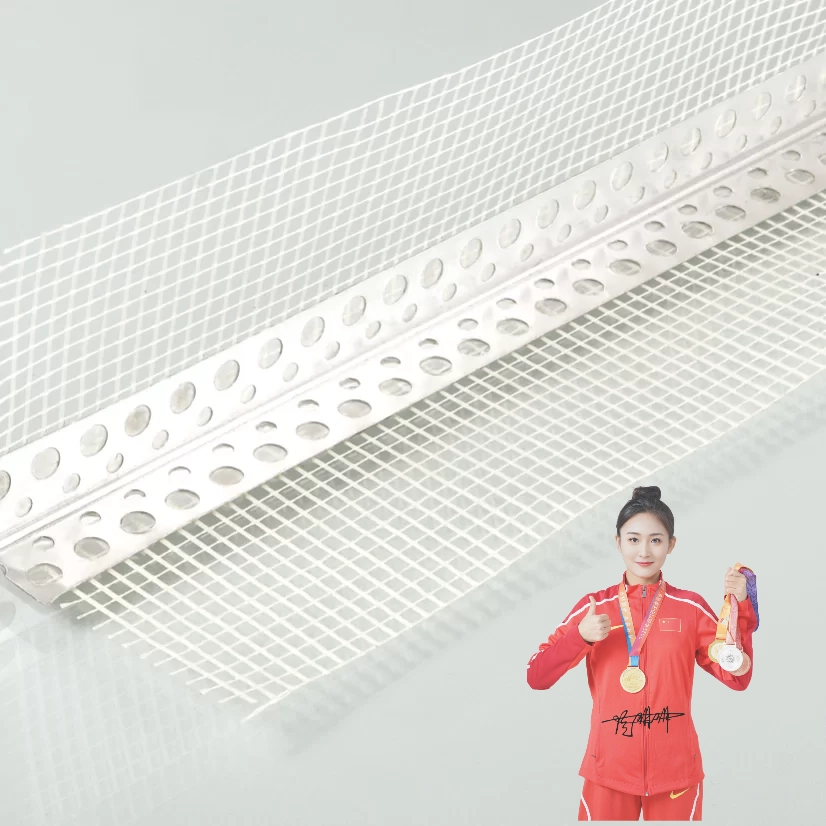
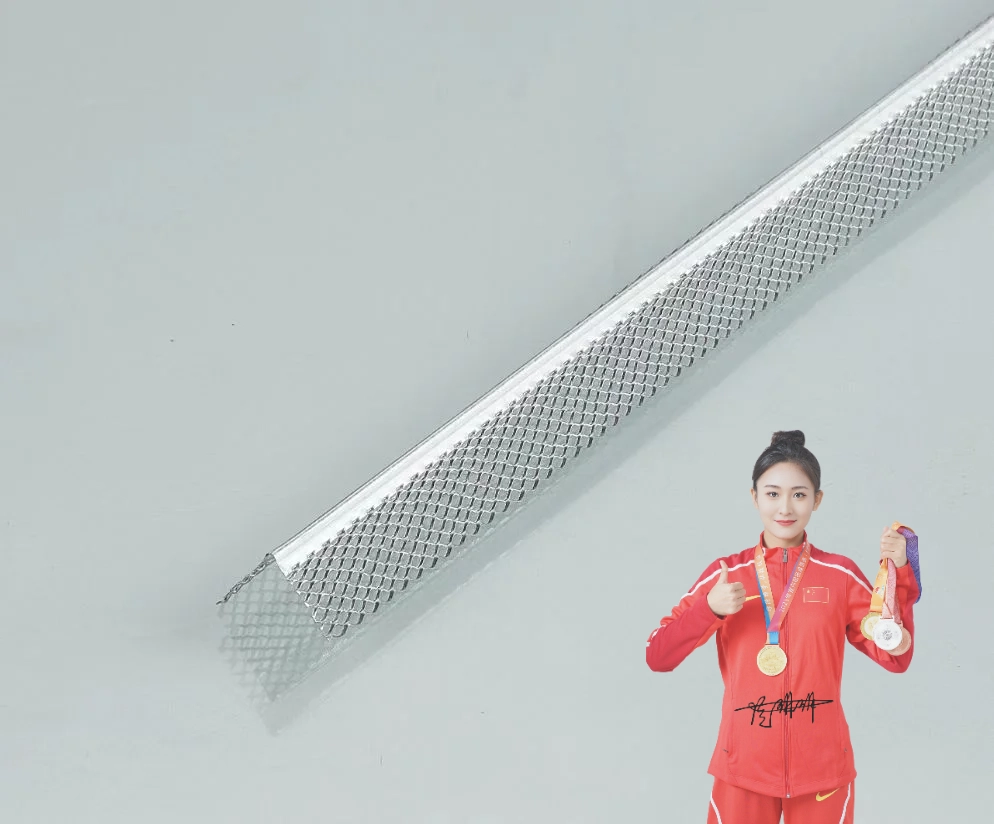
Let’s break it down simply: Expanded sheet metal refers to a solid sheet metal that has been simultaneously slit and stretched to form a mesh-like pattern of diamond-shaped openings. When designed specifically for a grill, the dimensions and thicknesses are optimized for airflow, heat resistance, and durability — perfect for the protective screen on a grill or for industrial air vents.
It’s not woven or punched, but rather “expanded”—which means it’s created from a single piece of metal, avoiding waste and producing a continuous mesh. This is why manufacturers appreciate its strength and sustainability.
In real terms, expanded metal for grills combines engineering with practical needs — allowing air, sound, or light to pass through while keeping out debris, pests, or physical impacts.
Key Features of Expanded Sheet Metal for Grill
1. Durability & Strength
Because it’s made by stretching rather than cutting, the material retains structural integrity. The diamond openings distribute stress effectively, reducing the risk of tears or warping in high-heat or vibration-prone settings.
2. Ventilation and Airflow
The uniquely spaced perforations allow optimal airflow, which is essential for grills or protective covers on HVAC systems. It helps prevent overheating and improves efficiency.
3. Corrosion Resistance
Expanded metal for grill is often galvanized, stainless steel, or powder-coated, making it resistant to rust in humid or outdoor environments. This feature extends product life even under harsh weather conditions.
4. Cost Efficiency
Manufacturers save money because there’s next to no material waste during production. And buyers save on installation and maintenance thanks to its durability.
5. Customizability & Scalability
From small-scale barbecue stands to industrial-sized machinery, expanded sheet metal adapts in size, thickness, and pattern to fit specific needs — highly valued by architects, engineers, and even emergency responders.
Expanded Sheet Metal for Grill in the Real World
We can span continents and fields and still find this material in vital roles:
- Disaster Relief Zones: Quick-install protective grills for communal cooking setups that need to be robust yet portable.
- Industrial Plants: Machine guards and air vents made from expanded metal ensure worker safety while allowing essential cooling airflow.
- Urban Architecture: Facades that use expanded metal for shading grills combine aesthetics with functionality.
- Transportation: Protective grilles on vehicle radiators or heavy equipment, especially in dusty or rocky terrains.
- Residential Use: Backyard barbecue grills with expanded sheet metal provide even heat distribution and durability over standard mesh screens.
For example, in Southeast Asia, where monsoon seasons can be brutal, expanded sheet metal for grills are used extensively in flood-resistant homes and community kitchens. Such practical applications are quietly reshaping resilient infrastructure.
Product Specification Table: Typical Expanded Sheet Metal for Grill
| Specification |
Details |
| Material |
Galvanized Steel, Stainless Steel, Aluminum |
| Thickness |
0.8 mm – 3.0 mm (customizable) |
| Mesh Opening Size |
10 mm x 20 mm up to 50 mm x 100 mm |
| Finish |
Powder Coated, Galvanized, Plain |
| Weight |
1.5 – 5.0 kg/m² depending on thickness |
| Standard Sizes |
1m x 2m, 1.22m x 2.44m sheets |
Comparing Top Vendors Supplying Expanded Sheet Metal for Grill
| Vendor |
Material Options |
Customization |
Lead Time |
Price Range |
| SteelWorks Co. |
Steel, Aluminum, Stainless |
Yes (various gauges & patterns) |
2-4 Weeks |
Medium |
| MetalMesh Global |
Primarily Galvanized Steel |
Limited |
1-2 Weeks |
Low |
| GrillGuard Supplies |
Stainless Steel Only |
High (custom designs) |
3-5 Weeks |
High |
Why Expanded Sheet Metal for Grill Is a Long-Term Investment
Many engineers I’ve talked with highlight its unbeatable balance of price and performance. It’s low-cost compared to punched metals or woven meshes, yet offers remarkable longevity — -so you don’t need to replace protective grills every few years.
The sustainability angle is also strong. Less waste at production means a lower carbon footprint (ISO 14000 standards back this up). Plus, its corrosion resistance translates into fewer material replacements — something everyone agrees is a win for budget and environment alike.
Future Trends to Watch Out For
There’s a quiet revolution underway in expanded metal manufacturing. The integration of AI-optimized cutting and stretching technology means even more precise spacing with minimal residual stress. Think of it: grills engineered at nanoscale tolerances for specialized cooking or industrial efficiency.
Also, expect more eco-friendly coatings using bio-based polymers instead of synthetic paints. In parallel, digital marketplaces for customized metal sheets are on the rise — making these materials far easier to order globally, sort of a real-time custom metal shop on your screen.
Challenges and Smart Solutions
Of course, there are limits: expanded metal can be inflexible in certain unique shapes, and sometimes the mesh openings create unwanted noise in windy conditions. But modern design tweaks, such as angled pattern constructions or hybrid composite blends, smooth those edges.
Also, the key is working with vendors who understand your application deeply — for example, expanded sheet metal for grill solutions tailored for specific industries.
FAQ: Common Questions About Expanded Sheet Metal for Grill
- Q: How does expanded sheet metal differ from perforated metal?
- A: Unlike perforated metal which has round holes punched through, expanded sheet metal is slit and stretched from one sheet, creating diamond-shaped openings without material loss. This gives it higher strength and less waste.
- Q: Is expanded sheet metal suitable for outdoor grill covers?
- A: Absolutely. Its corrosion resistance and heat tolerance make it ideal for outdoor use, offering protection without blocking airflow, which is vital for proper grilling.
- Q: Can expanded sheet metal be customized for different mesh sizes?
- A: Yes, manufacturers offer a range of mesh opening sizes and thicknesses, tailored to the airflow and strength requirements of your specific grill or industrial application.
- Q: What materials are best for expanded metal in humid environments?
- Stainless steel or galvanized steel with protective coatings perform best outdoors to resist rust and degradation over long periods, especially in humid or coastal areas.
- Q: Where can I source reliable expanded sheet metal for grill products?
- Look for vendors like SteelWorks Co., MetalMesh Global, or GrillGuard Supplies, depending on your customization needs and budget. For quick and tailored options, a good start is visiting our resource page.
Wrapping It Up: Why It’s Worth Paying Attention Now
Expanded sheet metal for grill is quietly becoming a go-to solution — a versatile, sustainable, and cost-friendly material with a surprisingly wide footprint worldwide. From protecting families in disaster zones to enhancing industrial workflows, it’s a perfect example of how thoughtful design meets global needs.
If you want to explore the technical specs, customization options, or just browse the latest products, why not visit our website? There’s a lot more happening in this niche than meets the eye.
Mini takeaway: Expanded sheet metal for grill isn’t just material; it’s a smart, sustainable partner in countless global projects — balancing strength, airflow, and cost-efficiency like few materials can.
References:
1. ISO 9001:2015 and ISO 14000 environmental management standards, iso.org
2. World Bank Urbanization Prospects, 2023, worldbank.org
3. United Nations Infrastructure and Resilience Reports, un.org